
”
What is Beer Secondary Fermentation?
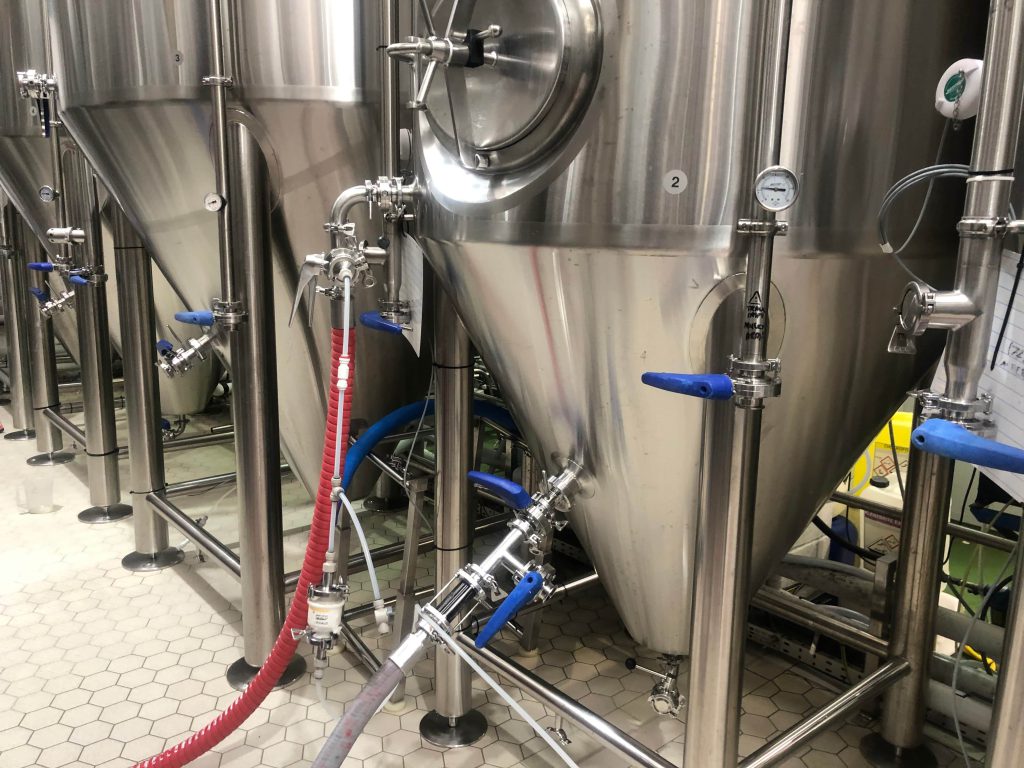
Beer secondary fermentation is the process that occurs after the primary fermentation of beer, allowing the yeast to work further on the sugars and improving the overall flavor and clarity of the brew. This crucial step helps in maturing the beer while enhancing its aroma and taste. Secondary fermentation typically occurs in a separate vessel, often a carboy or a fermentation tank, where the brew can condition without the sediment that collects during primary fermentation.
The Importance of Secondary Fermentation
The significance of beer secondary fermentation cannot be understated. This phase allows for additional yeast activity, which can lead to a more refined taste. By reducing unwanted flavors and aromas, secondary fermentation contributes to a cleaner beer profile. Moreover, it can also let precise flavoring ingredients such as hops or fruits to fully integrate into the beer, resulting in a balanced and harmonious final product. For homebrewers and professionals alike, mastering secondary fermentation is essential for producing high-quality beers.
How to Perform Secondary Fermentation
Properly performing beer secondary fermentation involves a few key steps. First, ensure that your primary fermentation has completed, indicated by a stable gravity reading over a few days. Carefully siphon the beer into a clean carboy, avoiding unnecessary exposure to air. Seal the carboy with a fermentation lock, and let the beer condition for a week or longer, depending on the recipe. Monitoring temperature during this process is crucial, as SKE fermentation equipment is designed to help maintain optimal brewing conditions.
To enhance your brewing experience, consider exploring our fermentation tanks, which are ideal for managing both primary and secondary fermentation with precision.
Common Mistakes to Avoid
While secondary fermentation can significantly improve your beer, there are common pitfalls to be aware of. One of the most significant mistakes is transferring too soon, leading to potential off-flavors. Additionally, it’s essential to sanitize all equipment thoroughly. Ignoring temperature control can also result in undesirable fermentation characteristics, possibly ruining a batch of hard work. By using SKE’s cleaning supplies, you can ensure your brewing environment is flawless and conducive to great beer.
SKE Equipment for Optimal Fermentation
To achieve the best results in beer secondary fermentation, utilizing SKE equipment can make a significant difference. Our fermenters and conditioning tanks are designed specifically to enhance the fermentation process. Investing in quality equipment can elevate your homebrewing or professional operations, ensuring you ever achieve the best flavor and clarity. Explore our full range of brewing equipment to optimize your fermentation journey.
Frequently Asked Questions
What is the difference between primary and secondary fermentation?
Primary fermentation is the initial fermentation stage where yeast converts sugars into alcohol, while secondary fermentation is the subsequent stage aimed at refining flavors and clarity.
How long should secondary fermentation last?
Secondary fermentation typically lasts from a week to several weeks, depending on the beer style and the desired outcome.
Can I perform secondary fermentation in the same vessel?
While possible, it’s generally recommended to use a separate vessel to avoid exposure to sediment and to improve clarity.
“