Introduction to Portable CIP Systems
In today’s fast-paced industrial landscape, maintaining impeccable hygiene and sanitation standards is not just a regulatory requirement, but a cornerstone of product quality and brand reputation. For many operations, especially those with diverse or decentralised processing equipment, traditional fixed Clean-in-Place (CIP) systems can present significant logistical and cost challenges. This is where the innovation of a portable CIP system truly shines. A portable CIP system offers unparalleled flexibility, allowing operators to bring advanced cleaning capabilities directly to the equipment, regardless of its location or size. This adaptability makes it an indispensable tool for facilities looking to optimize their sanitation protocols without the need for extensive, permanent infrastructure modifications.
The demand for efficient, scalable, and effective cleaning solutions has never been higher, particularly in sectors like food and beverage, pharmaceuticals, and cosmetics. These industries rely heavily on meticulous cleaning to prevent cross-contamination, extend equipment lifespan, and ensure consumer safety. A portable CIP system addresses these needs by providing a compact, mobile unit capable of delivering powerful cleaning cycles. At SKE, we understand these critical requirements and design our portable CIP solutions with precision engineering to meet the exacting standards of modern manufacturing. Our focus is on delivering systems that are not only robust and highly effective but also user-friendly and energy-efficient. This guide will delve into the intricacies of portable CIP technology, exploring its numerous advantages and diverse applications, and demonstrating how a well-implemented portable CIP solution can revolutionize your operational hygiene practices.
Understanding the nuances of a portable CIP system is crucial for businesses aiming to stay ahead in a competitive market. It’s more than just a cleaning device; it’s a strategic asset that contributes significantly to operational uptime, reduces manual labor, and ensures consistent cleaning results. By minimizing the need to disassemble equipment or move it to a fixed cleaning station, a portable CIP system dramatically cuts down on downtime, thereby boosting productivity. Furthermore, the inherent design allows for precise control over cleaning parameters—like temperature, flow rate, and chemical concentration—ensuring optimal cleaning efficacy every time. As we navigate through the various aspects of these innovative systems, you’ll gain a comprehensive understanding of why investing in a high-quality portable CIP system from SKE is a smart choice for long-term operational excellence and compliance.
What is a Portable CIP System?
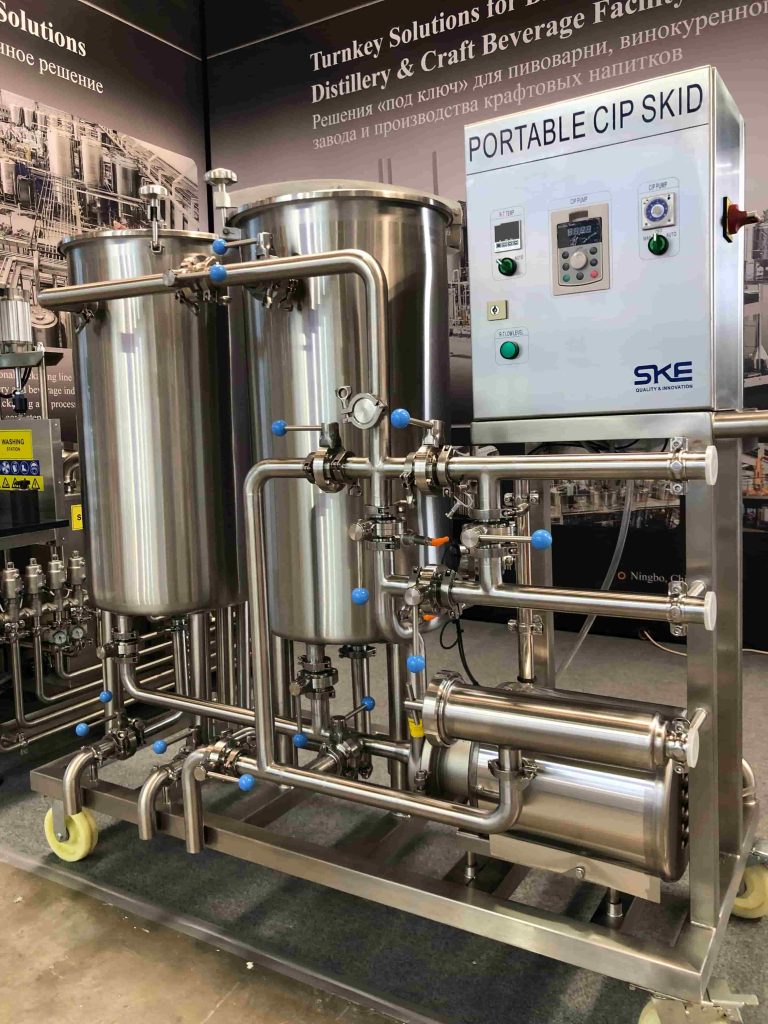
A portable CIP system is an industrial cleaning unit designed to be moved easily between different pieces of processing equipment or areas within a facility. Unlike stationary CIP systems that are typically hard-piped into a specific process line, a portable CIP unit integrates all the necessary components for a complete cleaning cycle onto a mobile frame or skid. This typically includes solution tanks (for water, detergents, sanitizers), pumps, heat exchangers, control panels, and connection hoses. The fundamental principle of Clean-in-Place (CIP) is to clean the interior surfaces of pipes, vessels, process equipment, filters, and associated fittings, without disassembly. When this capability is made portable, it brings immense flexibility to operations that might otherwise struggle with the logistics of cleaning diverse or remotely located equipment.
The core functionality of any CIP system, including a portable one, revolves around circulating cleaning solutions through the equipment in a programmed sequence. This sequence typically involves a pre-rinse to remove gross soils, circulation of alkaline detergent to break down organic matter, an intermediate rinse, circulation of acid detergent to remove mineral scales, a final rinse, and often a sanitizing step. A sophisticated portable CIP system will allow operators to program and monitor these cycles precisely, ensuring consistent and effective cleaning. The mobility aspect is critical for facilities that have: multiple production lines operating intermittently, equipment that is difficult to move, or processes that require on-demand cleaning without extensive setup time. For example, a single portable CIP unit can be connected to a bioreactor in one room, then disconnected and moved to clean a fermentation tank in another, optimizing asset utilization.
SKE designs its portable CIP systems with an emphasis on robust construction, intuitive controls, and efficient fluid dynamics. Our units are engineered to handle a variety of cleaning chemistries and temperatures, providing versatility for different industrial applications. Key components such as stainless steel tanks, high-efficiency pumps, and accurate dosing systems contribute to the reliability and effectiveness of our portable CIP system offerings. The goal is to provide a comprehensive cleaning solution that is self-contained and ready to deploy, minimizing setup time and maximizing cleaning uptime. This approach not only streamlines sanitation processes but also enhances safety by reducing manual handling of chemicals and hot liquids. The compact footprint of these systems further adds to their appeal, making them suitable for facilities with limited space. More information on our general CIP capabilities can be found on our site, for instance, our detailed article on CIP System Working Principle elucidates the foundational mechanisms behind our advanced cleaning solutions, whether portable or fixed.
Key Benefits of a Portable CIP System
Implementing a portable CIP system offers a multitude of benefits that can significantly impact a facility’s operational efficiency, compliance, and overall bottom line. These advantages stem directly from the system’s inherent flexibility and advanced cleaning capabilities, making it a valuable asset across various industrial settings. One of the most prominent benefits is the unparalleled flexibility and mobility it provides. Unlike fixed CIP systems that are tied to specific process lines, a portable unit can be easily transported and connected to different pieces of equipment throughout a facility. This is particularly advantageous for plants with diverse equipment layouts, intermittent production schedules, or those where equipment cannot be easily moved for cleaning, such as large tanks or complex processing units. This agility reduces the need for multiple fixed CIP stations, leading to considerable cost savings in infrastructure and maintenance.
Another significant advantage is the potential for cost efficiency and optimized resource utilization. By centralizing cleaning capabilities into a single, mobile unit, businesses can reduce initial capital expenditure compared to installing multiple stationary systems. Furthermore, a portable CIP system can optimize the use of water, chemicals, and energy. Many SKE portable units are designed with features like automated dosing and recovery systems for cleaning solutions, minimizing waste and ensuring that resources are used precisely when and where needed. This not only lowers operational costs but also contributes to environmental sustainability efforts. The ability to program specific cleaning cycles for different types of equipment means that over-cleaning or under-cleaning can be avoided, further conserving resources and extending equipment life.
Beyond cost and flexibility, a portable CIP system markedly enhances cleaning consistency and product safety. Manual cleaning methods, even with diligent staff, are prone to human error and can result in inconsistent sanitation levels. A well-designed portable CIP system, on the other hand, delivers repeatable, validated cleaning cycles. Parameters such as temperature, flow rate, pressure, and chemical contact time are precisely controlled and monitored, ensuring that cleaning effectiveness is consistent from batch to batch. This level of control is crucial for industries where product integrity and consumer safety are paramount, such as food and beverage, dairy, and pharmaceuticals. Reduced risk of contamination means fewer product recalls, less waste, and greater consumer confidence in your brand. SKE’s commitment to precision engineering ensures that our portable CIP systems deliver exactly this level of reliability, supporting your stringent quality control measures. For insights into the design principles that underpin such reliability, our article on CIP System Design Principle offers a deeper dive into the engineering considerations.
Lastly, the use of a portable CIP system contributes positively to operational uptime and reduced downtime. Traditional cleaning often involves significant labor for equipment disassembly, manual scrubbing, and reassembly. With a portable CIP unit, equipment can be cleaned in place, drastically cutting down on the time required for cleaning cycles. This means less production downtime and increased throughput. Faster, more efficient cleaning cycles translate directly into more operational hours for production, leading to higher output and improved profitability. The ease of connection and disconnection also minimizes the manual effort involved, improving worker safety by reducing exposure to cleaning chemicals and hot water. These cumulative benefits make a portable CIP system an attractive investment for any facility looking to elevate its cleaning standards and operational efficiency.
Applications Across Industries
The versatility of a portable CIP system makes it an invaluable asset across a wide array of industries where stringent hygiene standards and flexible cleaning solutions are paramount. Its ability to move directly to the equipment in need of cleaning solves many logistical problems inherent in manufacturing processes. In the food and beverage industry, for example, a portable CIP system is critical for cleaning diverse equipment such as blending tanks, pasteurizers, filling machines, and fermentation vessels. Dairy plants utilize them for milk tanks and cheese vats, while breweries and wineries rely on them for cleaning fermenters, brite tanks, and piping between batches, ensuring no flavor carryover or microbial growth. The demand for meticulous cleaning in these sectors is driven by strict regulatory requirements and consumer health concerns, making the consistent and effective cleaning offered by a portable unit indispensable.
The pharmaceutical and biotechnology sectors also greatly benefit from the precision and control offered by a portable CIP system. Here, equipment such as bioreactors, media preparation tanks, chromatography columns, and sterile filling lines must be cleaned to exceptionally high standards to prevent contamination and ensure product efficacy and safety. Portable CIP units allow for dedicated cleaning of specific lines or vessels, which is crucial for preventing cross-contamination between different drug formulations or biological products. The ability to validate cleaning cycles and record data for compliance is a key feature that SKE incorporates into its portable CIP solutions, providing crucial support for GMP (Good Manufacturing Practices) adherence. This flexibility extends to the ability to quickly reconfigure production lines, as a portable system can adapt to new setups without extensive re-piping.
Beyond these major players, the utility of a portable CIP system extends to the cosmetics, chemical, and industrial sectors. In cosmetics manufacturing, product contact surfaces in mixers, storage tanks, and filling equipment need thorough cleaning to prevent ingredient degradation and ensure product purity. The chemical industry uses them for reactor cleaning, ensuring residue-free surfaces for subsequent batches of different compounds. Even in general industrial applications, where various tanks, hoses, and small process lines require periodic cleaning, a portable CIP unit offers an efficient, safer alternative to manual cleaning or the installation of expensive fixed systems. SKE’s portable CIP systems are designed with this broad applicability in mind, offering customizable configurations to suit the specific needs and cleaning challenges of each unique industry. For those interested in the broader context of CIP technology, our insights into Steam CIP Systems provide a deeper understanding of how different cleaning technologies integrate into process hygiene.
Ultimately, any facility that uses tanks, pipes, and process equipment to handle liquid or semi-liquid products and requires regular, thorough, and auditable cleaning can find significant value in a portable CIP system. Its capacity to reduce manual labor, minimize chemical usage, ensure consistent cleaning, and improve operational flexibility makes it a compelling choice for businesses striving for excellence in hygiene and efficiency. The ability to move the cleaning power to where it’s needed most is a game-changer for maintaining high standards across dynamic production environments. SKE continually innovates to ensure our portable CIP systems are at the forefront of this technology, providing robust, reliable, and intelligent solutions for our diverse clientele.
SKE’s Approach to Portable CIP
At SKE, we pride ourselves on engineering solutions that empower industries to achieve peak cleanliness and operational efficiency. Our approach to the portable CIP system is no exception. We understand that each facility has unique challenges, which is why SKE’s portable CIP units are designed with flexibility, robustness, and intelligent control at their core. We leverage years of experience in process equipment manufacturing to craft systems that are not only highly effective in cleaning a diverse range of equipment but also integrate seamlessly into existing operations. Our portable CIP systems are built with high-quality stainless steel components, ensuring durability and resistance to corrosive cleaning agents, which is paramount for long-term use in demanding industrial environments.
A key differentiator of SKE’s portable CIP solutions is our commitment to user-centric design and advanced automation. Each portable CIP system from SKE features an intuitive control panel that allows operators to easily program and monitor cleaning cycles. This includes precise control over critical parameters such as temperature, flow rate, chemical concentration, and contact time. The automation reduces reliance on manual intervention, leading to consistent cleaning results and enhanced safety by minimizing operator contact with hot liquids and chemicals. Furthermore, our systems often include data logging capabilities, providing valuable insights for process optimization and regulatory compliance. This level of detail and control ensures that every cleaning cycle is auditable and repeatable, fulfilling the stringent demands of industries like pharmaceuticals and food processing.
SKE also places a strong emphasis on efficiency and sustainability in the design of our portable CIP units. Our systems are engineered to optimize the consumption of water, chemicals, and energy. This is achieved through precise dosing mechanisms, efficient heat exchangers, and optional features for solution recovery and reuse, where appropriate. By reducing resource consumption, a SKE portable CIP system not only lowers operational costs for our clients but also aligns with global efforts towards more sustainable manufacturing practices. Whether it’s a compact unit for smaller tanks and lines or a more powerful system for larger volumes, SKE offers a range of configurations to ensure there’s a portable CIP solution perfectly suited to your specific needs. Our engineering team works closely with clients to understand their requirements, providing customized advice and support to integrate the ideal cleaning solution into their workflow. We truly believe that our expertise, combined with our innovative About Us philosophy, drives the development of superior cleaning technologies.
In essence, choosing a portable CIP system from SKE means investing in a high-performance, reliable, and intelligent cleaning asset. It’s a solution designed to bring the power of advanced CIP technology directly to your equipment, wherever and whenever it’s needed. We ensure our systems meet international hygiene standards, contributing directly to product quality, batch consistency, and overall operational excellence. With SKE, you gain a partner dedicated to delivering innovative, durable, and efficient cleaning solutions that support your growth and help you maintain the highest levels of sanitation.
How to Choose the Right Portable CIP System
Selecting the ideal portable CIP system for your operation requires careful consideration of several key factors to ensure it effectively meets your specific cleaning needs, budget, and operational constraints. The market offers various models, each with different capabilities, and making an informed decision can significantly impact your efficiency and return on investment. The first crucial step is to meticulously assess your cleaning requirements and equipment types. Consider the volume and size of the vessels, tanks, and pipes you need to clean. What types of residues (e.g., proteins, fats, sugars, chemicals) are you dealing with? Different residues may require varying cleaning chemistries, temperatures, and flow rates. The physical dimensions and number of connection points on your equipment will also dictate the hose lengths, pump capacity, and overall system design needed. A portable CIP system must be capable of reaching and effectively cleaning all target surfaces.
Secondly, evaluate the operational environment and facility layout. Since it’s a portable CIP system, its mobility is paramount. How easily can it be moved between different production areas? Are there tight corridors, ramps, or uneven floors? The footprint and maneuverability of the unit are essential. Also, consider the available utilities, such as access to water, electricity (single-phase or three-phase), and drainage points at the various cleaning locations. Some advanced portable CIP systems might require steam or compressed air, so confirm the availability of these resources. The ambient temperature and potential for hazardous environments should also influence the construction materials and safety features of the chosen system. SKE’s team always advises a thorough site assessment to tailor the perfect portable solution.
Finally, delve into system features, automation levels, and budget considerations. While a basic portable CIP system might suffice for simpler applications, more complex needs might justify investing in units with advanced automation, data logging, and sophisticated control systems. Look for features such as multiple tank configurations (for detergents, acids, sanitizers, and rinse water), integrated heating capabilities, precise chemical dosing pumps, and robust self-priming pumps that can handle viscous fluids. Consider the material construction, with stainless steel being the gold standard for hygiene and longevity. Evaluate the ease of operation, maintenance requirements, and the availability of spare parts and technical support from the manufacturer. SKE provides a range of customizable options and expert consultation to help you navigate these choices, ensuring you select a portable CIP system that delivers optimal performance, reliability, and compliance for your specific industrial application, all while staying within your budget. Investing in the right portable CIP system is an investment in consistent product quality, operational safety, and long-term efficiency.
Maintenance and Longevity of Your Portable CIP System
Ensuring the longevity and optimal performance of your portable CIP system is intrinsically linked to regular, diligent maintenance. Just like any sophisticated piece of industrial equipment, a portable CIP unit requires periodic checks, cleaning, and sometimes component replacement to function effectively and reliably over its lifespan. A robust maintenance schedule not only prevents unexpected breakdowns but also guarantees consistent cleaning efficacy, which is vital for product quality and regulatory compliance. The foundation of good maintenance begins with a thorough understanding of the system’s components and their individual service requirements. This includes pumps, valves, heat exchangers, instrumentation, and control panels. Neglecting any of these critical parts can lead to system inefficiencies, increased operational costs, or even complete system failure.
Key aspects of routine maintenance for a portable CIP system include regular inspection and cleaning of tanks and lines. While the system itself is designed for internal cleaning, external surfaces and solution tanks should be inspected for residue buildup or component corrosion. Pumps, being the heart of any CIP system, require particular attention. Regular checks of seals, bearings, and impellers are crucial to prevent leaks and maintain proper flow rates and pressures. Calibration of sensors (e.g., temperature, conductivity, flow) ensures accurate monitoring and control of the cleaning process, which is essential for validation purposes. SKE provides comprehensive user manuals and recommends specific preventative maintenance schedules for our portable CIP systems, often including daily, weekly, monthly, and annual checklists to guide operators. Adhering to these guidelines helps to identify potential issues early, before they escalate into costly repairs or downtime.
Beyond routine checks, proactive maintenance can significantly extend the life of your portable CIP system. This involves stocking critical spare parts, such as gaskets, seals, and common filter components, to facilitate quick repairs. Training staff on proper operating procedures and basic troubleshooting is also vital, as user error can often be a source of problems. Environmental factors, such as ambient temperature and humidity, should also be considered, as they can affect electronic components and material integrity over time. SKE emphasizes the use of high-quality, corrosion-resistant materials, primarily stainless steel, in the construction of our portable CIP units to withstand harsh industrial environments and cleaning chemicals. However, even with premium materials, proper care and attention are indispensable. By investing time and resources into a well-structured maintenance program, facilities can ensure their portable CIP system remains a reliable, efficient, and compliant solution for their ongoing sanitation needs, protecting both their equipment investment and the integrity of their products.
Conclusion
The integration of a portable CIP system into your operational framework represents a strategic investment in efficiency, quality, and compliance. As we’ve explored, these mobile cleaning units offer unparalleled flexibility, allowing businesses across various sectors—from food and beverage to pharmaceuticals and chemicals—to maintain rigorous hygiene standards precisely where and when needed. The ability to move the cleaning power to the equipment, rather than vice versa, translates directly into significant reductions in downtime, optimized resource utilization, and enhanced product safety. This agility not only streamlines sanitation processes but also contributes substantially to cost savings and increased productivity, making it a critical asset in today’s competitive manufacturing landscape.
SKE is dedicated to delivering innovative and reliable portable CIP system solutions that meet the evolving demands of modern industry. Our systems are engineered with precision, incorporating high-quality materials, advanced automation, and intuitive controls to ensure consistent, effective, and auditable cleaning cycles. We understand that each client’s needs are unique, which is why our approach focuses on providing customizable solutions backed by expert consultation and comprehensive support. By choosing an SKE portable CIP system, you’re not just purchasing equipment; you’re investing in a partnership that prioritizes your operational excellence, safety, and long-term success.
Embracing a portable CIP system empowers your facility to achieve higher sanitation standards with greater ease and fewer logistical hurdles. It’s a testament to how intelligent technology can transform routine, labor-intensive tasks into efficient, automated processes. We encourage you to consider how a portable CIP system can revolutionize your cleaning protocols, safeguard your product integrity, and contribute to a more sustainable and profitable operation. Contact SKE today to discover how our tailored solutions can benefit your specific industrial application and elevate your hygiene practices to the next level.
Frequently Asked Questions About Portable CIP Systems
What is the primary advantage of a portable CIP system over a fixed unit?
The primary advantage of a portable CIP system is its exceptional flexibility and mobility. Unlike fixed units tied to specific lines, a portable system can be easily moved and connected to various pieces of equipment throughout a facility. This is ideal for plants with diverse layouts, equipment that cannot be easily relocated, or intermittent production schedules, allowing for centralized powerful cleaning where and when it’s needed without extensive infrastructure investment.
Which industries most commonly use a portable CIP system?
A portable CIP system finds extensive use in industries requiring high hygiene standards and flexible cleaning. This includes the food and beverage industry (dairies, breweries, wineries), pharmaceutical and biotechnology sectors (bioreactors, sterile filling lines), and cosmetics manufacturing. They are also valuable in fine chemical and other industrial applications where frequent cleaning of various-sized vessels and lines is necessary.
Can a portable CIP system be customized for specific cleaning requirements?
Absolutely. SKE, for example, specializes in designing portable CIP systems that can be highly customized. This includes tailoring tank configurations, pump capacities, heating elements, chemical dosing systems, and automation levels to match specific cleaning chemistries, temperatures, flow rates, and the unique geometry of the equipment being cleaned. Customization ensures optimal cleaning efficacy and resource efficiency for your specific application.
What maintenance is required for a portable CIP system?
To ensure the longevity and effective operation of a portable CIP system, regular maintenance is crucial. This typically includes routine inspection of all components (pumps, valves, hoses, sensors), checking for leaks or wear, cleaning tanks and external surfaces, calibrating instruments, and ensuring software updates for automated systems. Following the manufacturer’s recommended preventative maintenance schedule, like those provided by SKE, is key to preventing breakdowns and sustaining performance.
How does a portable CIP system contribute to sustainability?
A well-designed portable CIP system contributes to sustainability by optimizing resource consumption. Through precise chemical dosing, efficient heat exchangers, and often the ability to recover and reuse cleaning solutions, they reduce water, chemical, and energy waste compared to less controlled cleaning methods. This not only lowers operational costs but also lessens the environmental impact, aligning with green manufacturing initiatives.
Ready to Enhance Your Sanitation Processes?
Discover how SKE’s cutting-edge portable CIP systems can transform your operations.
Connect with us:
Facebook
info@skeequipment.com
Related CIP and brewery cleaning resources
- Explore SKE CIP systems for brewery cleaning
- Automated CIP system efficiency guide
- How automatic CIP improves the cleaning process
- Beer keg cleaning solutions for breweries
- How automated CIP systems work and stay efficient
\n
\n
\n