
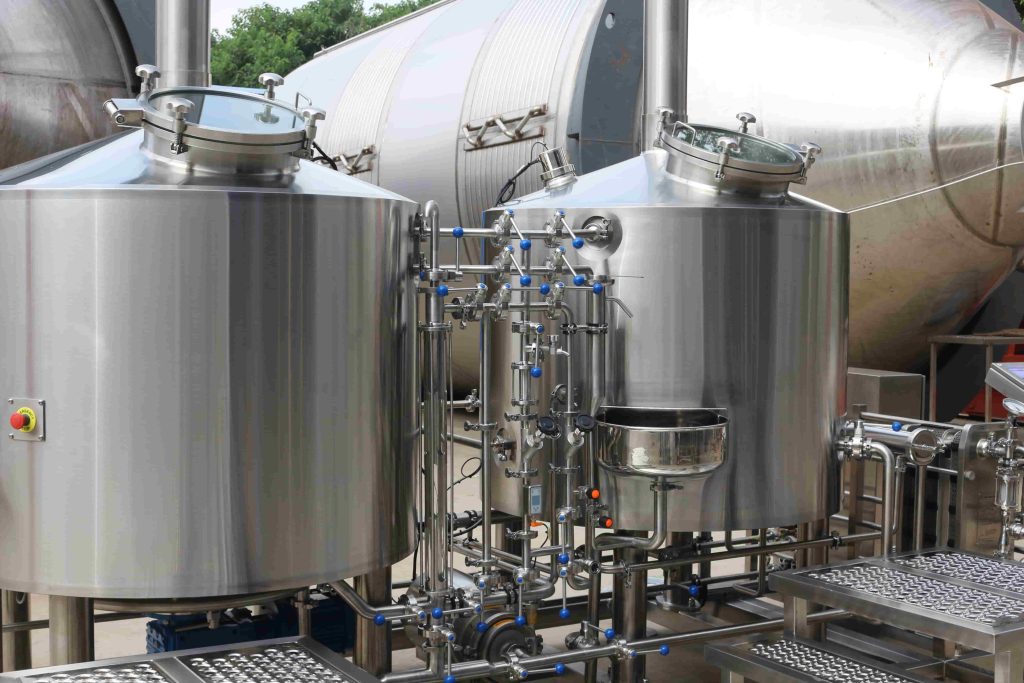
Introduction to Stainless Steel in Brewing
The art and science of brewing beer have evolved significantly over centuries, but one constant remains crucial for quality and consistency: the equipment used. When it comes to crafting exceptional beer, no material is as universally lauded and utilized as stainless steel. Stainless steel beer brewing equipment isn’t just a preference; it’s a fundamental requirement for both small-scale craft brewers and large-volume producers alike. Its unique properties make it ideal for every stage of the brewing process, from mashing and boiling to fermentation and conditioning. The journey of transforming raw ingredients into a refreshing beverage demands precise control over temperature, sanitation, and chemical reactions, all of which are optimally supported by the inert and robust nature of stainless steel. Without it, brewers would face insurmountable challenges in maintaining product integrity and achieving desired flavor profiles. The extensive use of stainless steel in beer production speaks volumes about its unparalleled suitability. At SKE, we understand these critical demands and engineer our equipment to meet the highest industry standards, ensuring brewers can focus on their craft with confidence in their tools.
From a small homebrew setup to commercial microbreweries, the components crafted from stainless steel form the backbone of any successful operation. This blog post will delve deep into why this material is indispensable, exploring the various pieces of stainless steel beer brewing equipment, their functions, and what sets high-quality systems apart. We will also touch upon the considerations for choosing the right equipment for your specific needs, emphasizing the importance of durability, hygiene, and efficiency. Whether you are contemplating your first professional brewing venture or looking to upgrade an existing system, understanding the nuances of stainless steel is paramount. It’s not merely about having metal tanks; it’s about having precision-engineered vessels that contribute directly to the quality, safety, and economic viability of your brewing endeavors. The advancements in stainless steel fabrication have paralleled the growth of the craft beer industry, allowing for more intricate designs and larger capacities, making superior brewing accessible to a wider range of producers. Embracing effective beer brewing equipment maintenance tips for your new or existing setup will ensure longevity and optimal performance for years to come.
Why Stainless Steel is the Gold Standard for Brewing
The choice of material for brewing equipment is not arbitrary; it’s a decision that directly impacts the quality, consistency, and safety of the final product. Stainless steel stands head and shoulders above other materials for several compelling reasons, solidifying its status as the gold standard for all types of stainless steel beer brewing equipment. Its primary advantage lies in its inertness. Unlike some other metals or plastics, stainless steel does not react with the wort, beer, or cleaning solutions, which is crucial for preventing off-flavors and maintaining the integrity of the brew. This chemical stability ensures that the delicate balance of aromas and flavors developed during the brewing process remains untainted, delivering a pure and consistent product every time. For brewers, this means peace of mind, knowing that their investment in ingredients and time will not be compromised by their equipment.
Another critical factor is hygiene. Stainless steel boasts a non-porous surface, which is incredibly smooth, making it extremely difficult for bacteria, yeast, or other microorganisms to adhere and proliferate. This characteristic is vital for maintaining a sterile brewing environment, minimizing the risk of contamination and spoilage. Cleaning and sanitizing stainless steel tanks and fittings are significantly easier and more effective compared to porous materials, leading to less downtime and a more efficient brewing operation. Furthermore, stainless steel is renowned for its exceptional durability and longevity. It is resistant to rust, corrosion, and wear, even in the harsh, acidic, and often hot conditions of a brewery. This robustness translates into a long service life, making the initial investment in stainless steel beer brewing equipment a cost-effective choice in the long run. Brewers can expect their tanks and systems to withstand years of demanding use, providing reliable performance batch after batch.
Thermal conductivity and retention are also key benefits. Stainless steel allows for efficient heat transfer, which is essential for processes like mashing and boiling, while also helping to maintain stable temperatures during fermentation and conditioning. This precise temperature control is critical for enzymatic activity and yeast performance, directly influencing the flavor, aroma, and alcohol content of the beer. Lastly, the versatility of stainless steel in fabrication means it can be precisely engineered into complex shapes and sizes, from small conical fermenters to large-scale brewhouse vessels. This adaptability allows manufacturers like SKE to design and produce custom solutions that meet the specific needs and space constraints of individual breweries. The ability to integrate advanced features such as jackets for temperature control, sight glasses, and various port connections further enhances its practical utility. Combining all these attributes, it’s clear why stainless steel is not just a material but a strategic choice for any serious brewer, embodying reliability, hygiene, and superior performance.
Essential Stainless Steel Beer Brewing Equipment Components
A complete commercial brewery, or even a sophisticated homebrew setup, relies on a suite of interconnected stainless steel beer brewing equipment. Each component plays a vital role in transforming raw grains and hops into the final brewed product. Understanding these essential pieces helps in planning, purchasing, and operating a brewing system effectively. The journey typically begins with the brewhouse, usually a multi-vessel system comprised of a mash tun, lauter tun, brew kettle, and whirlpool. The mash tun, often jacketed for precise temperature control, is where milled grains are mixed with hot water to convert starches into fermentable sugars. Following this, the lauter tun separates the liquid wort from the spent grains, ensuring a clear, sugar-rich solution. Both are meticulously designed from stainless steel to withstand hot temperatures and acidic conditions, ensuring wort purity and easy cleaning.
Next in line is the brew kettle, where the wort is boiled vigorously, sterilized, and hops are added for bitterness, flavor, and aroma. This vessel requires robust stainless steel construction to handle sustained high heat and turbulent boiling. Many modern brewhouses integrate a whirlpool function, either as a separate vessel or within the kettle itself, to separate hop trub and other solids from the wort before cooling. This step is crucial for clarity and stability of the final beer. Cooling the wort rapidly after boiling is achieved via a plate chiller or heat exchanger, which often features stainless steel plates to safely and efficiently reduce wort temperature for pitching yeast. At SKE, our craft brewery equipment for sale highlights our commitment to providing robust and efficient brewhouse solutions designed for optimal performance and longevity.
Once cooled, the wort is transferred to stainless steel fermenters (also known as unitanks or conical fermenters), arguably the most iconic piece of stainless steel beer brewing equipment. These vessels are essential for fermentation, where yeast converts sugars into alcohol and CO2. Conical fermenters, in particular, allow for easy yeast harvesting and trub removal from the cone-shaped bottom, optimizing clarity and reducing waste. They are typically jacketed for precise temperature control, a critical factor in managing yeast activity and flavor development. Following fermentation, the beer may be transferred to bright tanks (or conditioning tanks), also made of stainless steel. These tanks are used for conditioning, carbonation, and clarification, allowing the beer to mature and develop its final characteristics before packaging. Like fermenters, bright tanks are often jacketed for temperature stability, which is vital for achieving optimal carbonation and preventing undesirable flavor changes.
Beyond these core vessels, a complete stainless steel brewing setup includes an array of auxiliary equipment: piping, pumps, valves, instrumentation for temperature and pressure monitoring, and cleaning-in-place (CIP) systems. All these components must be made from high-grade stainless steel to maintain sanitation, prevent contamination, and ensure compatibility with the aggressive cleaning chemicals used in breweries. The quality of welds, finishes, and fittings on all pieces of stainless steel beer brewing equipment is paramount, as even minor imperfections can harbor bacteria or lead to leaks, compromising the entire batch. SKE focuses on meticulous craftsmanship, ensuring that every piece of our equipment, from the smallest valve to the largest fermenter, meets stringent quality controls and materials specifications. We design our systems not just for production but for ease of cleaning and maintenance, which is a significant operational advantage for any brewery.
Choosing SKE for Your Stainless Steel Brewing Needs
When investing in stainless steel beer brewing equipment, the choice of manufacturer can significantly impact the success and longevity of your brewing operation. SKE stands out as a premier provider, offering robust, efficient, and meticulously engineered solutions for brewers of all scales. Our philosophy centers on delivering not just equipment, but comprehensive brewing systems that empower our clients to produce exceptional beer consistently. We understand that every brewery has unique requirements, whether it’s a specific capacity, space constraint, or a particular brewing style. That’s why SKE excels in providing highly customizable stainless steel solutions, from modular brewhouses to bespoke fermentation and conditioning tanks.
What truly differentiates SKE in the market of stainless steel beer brewing equipment is our unwavering commitment to quality and craftsmanship. We utilize only high-grade 304 or 316 stainless steel, known for its superior corrosion resistance and durability, vital for the demanding brewery environment. Our fabrication processes adhere to strict international standards, ensuring perfect welds, smooth internal finishes, and precise dimensions. These details are critical for preventing bacterial harborage, facilitating easy cleaning, and ensuring consistent heat transfer. The internal surfaces of our tanks are polished to a food-grade finish, minimizing the risk of contamination and simplifying sanitation procedures, a factor that is often overlooked but profoundly impacts beer quality and operational efficiency.
Furthermore, SKE’s expertise extends beyond just manufacturing. We engage with our clients from the initial concept phase through design, installation, and after-sales support. Our team of experienced engineers and brewing consultants works closely with you to understand your vision, offering insights into optimal layout, capacity planning, and automation levels. This collaborative approach ensures that the chosen stainless steel beer brewing equipment is perfectly aligned with your business goals and brewing philosophy. For example, our advanced control systems for brewhouses and fermenters provide brewers with unparalleled precision over temperature, pressure, and process timings, leading to greater consistency and enhanced product quality. For those looking to optimize their brewing efficiency and prevent common issues, exploring resources like how to fix common beer brewing equipment problems can be highly beneficial when paired with SKE’s reliable systems.
Beyond the technical specifications, SKE prides itself on building lasting relationships with our customers. We provide comprehensive documentation, training, and readily available spare parts, ensuring that your investment continues to operate at peak performance for years to come. Our global reputation is built on trust, innovation, and an intrinsic understanding of the brewing industry’s evolving needs. Whether you’re establishing a startup brewery, expanding an existing operation, or replacing aging components, choosing SKE means choosing a partner dedicated to your success. Our range of stainless steel beer brewing equipment is designed to meet the rigorous demands of commercial brewing, ensuring that every pint you produce reflects the passion and precision you put into your craft.
Maintenance and Longevity of Stainless Steel Brewing Systems
The longevity and optimal performance of any stainless steel beer brewing equipment largely depend on diligent maintenance practices. While stainless steel is inherently durable and resistant to many forms of degradation, it is not impervious to neglect or improper care. Implementing a rigorous cleaning and maintenance regimen is crucial for ensuring that your brewing system remains sanitary, efficient, and performs reliably for decades. The good news is that stainless steel, when properly cared for, offers an exceptional lifespan, making the initial investment highly worthwhile. Regular cleaning is paramount. After each brew cycle, all vessels, pipes, and fittings that come into contact with wort or beer must be thoroughly cleaned and sanitized. This typically involves a combination of caustic cleaners to remove organic residues, acid washes to remove mineral deposits (like beer stone), and sanitizers to eliminate microorganisms. The non-porous surface of stainless steel greatly assists in this process, as it provides fewer places for contaminants to hide.
However, cleaning isn’t just about chemicals. The physical practice of rinsing thoroughly after each chemical step is essential to prevent chemical residues from contaminating subsequent batches or corroding the stainless steel over time. Attention to detail, especially in tight corners, welds, and valve internals, is critical. For instance, hairline cracks or poorly executed welds can become breeding grounds for bacteria, despite the best chemical sanitation efforts. This is where the superior craftsmanship of SKE’s stainless steel beer brewing equipment becomes evident; our precise welding and finishing minimize such risks. Beyond routine cleaning, periodic inspections are necessary. Brewers should regularly check for any signs of wear, pitting, crevice corrosion, or damage to gaskets and seals. Damaged components should be replaced promptly to prevent leaks, contamination, or loss of efficiency. Pressure relief valves and safety devices, in particular, should be checked and calibrated regularly to ensure safe operation of pressurized vessels.
Proper storage and handling of chemicals are also important. Strong acids and alkalis, if not used according to manufacturer’s instructions or allowed to sit in contact with stainless steel for extended periods without proper passivation, can potentially lead to surface damage. Understanding passivation, the natural or chemical process that forms a protective chromium oxide layer on stainless steel, is key to maintaining its corrosion resistance. Regular use of phosphoric or citric acid solutions as part of a post-cleaning passivation routine can help restore this protective layer, especially after abrasive cleaning or welding. Avoiding abrasive cleaning tools like steel wool or overly harsh brushes is also advised, as they can scratch the surface, compromising the passive layer and creating sites for corrosion. Instead, soft brushes or sponges are recommended with appropriate cleaning agents to preserve the integrity of your stainless steel beer brewing equipment.
Finally, understanding the specific grades of stainless steel used in your equipment (e.g., 304 vs. 316) can also inform maintenance practices, particularly if you are brewing with highly acidic or corrosive ingredients. While 304 SS is sufficient for most brewing applications, some specialized processes might benefit from the enhanced corrosion resistance of 316 SS. With SKE equipment, clients receive detailed operational and maintenance manuals tailored to their specific system, ensuring they have all the information needed to maximize the lifespan and performance of their investment. By adhering to these best practices, brewers can ensure their stainless steel beer brewing equipment remains a reliable, high-performing asset for countless batches to come, delivering consistent quality and protecting their brand reputation.
Customization and Expansion with Stainless Steel Equipment
One of the significant advantages of choosing stainless steel beer brewing equipment is its inherent flexibility for customization and future expansion. As breweries grow and evolve, their needs inevitably change, requiring adjustments to capacity, process efficiency, or the introduction of new beer styles. Stainless steel, being highly versatile in fabrication, allows for a modular approach to brewery design, enabling seamless integration of new components without needing to replace an entire system. This adaptability is particularly crucial for craft breweries that often start small and scale up over time, or for those who wish to experiment with unique brewing processes that demand specialized equipment.
SKE recognizes this demand for flexibility and offers extensive customization options for our stainless steel beer brewing equipment. This can range from tailoring the dimensions of fermenters to fit specific brewery footprints, altering jacket configurations for unique temperature control requirements, or adding extra ports for specialized instrumentation or CIP connections. For example, a brewer might initially invest in standard conical fermenters and later decide to add a dry-hopping port with a specialized spray ball or integrate a carbonation stone for in-tank carbonation. Stainless steel allows for these modifications to be made efficiently and safely, often through welding new fittings or ports onto existing vessels by qualified professionals. Such modifications ensure that the equipment continues to meet evolving operational needs without compromising structural integrity or sanitation.
The modular nature of stainless steel beer brewing equipment also simplifies capacity expansion. Instead of replacing smaller tanks with larger ones, brewers can easily add more fermenters or bright tanks of varying sizes to an existing setup. The standardized connections and fittings commonly used in stainless steel brewery equipment mean that new vessels can be integrated into existing piping and control systems with relative ease. This approach reduces overall capital expenditure and minimizes downtime during expansion phases. For instance, a brewery might start with a 10 BBL brewhouse and two 20 BBL fermenters and later add several more 20 BBL fermenters and a 40 BBL bright tank to meet increased demand. The robust construction of SKE’s equipment ensures that additions maintain the same high level of performance and hygiene as the original system. Discovering what makes a premium brewer a success can often be linked to their adaptable equipment – insights can be found in articles like what makes a premium brewer successful: a look at equipment and craft, which coincidentally mentions the crucial role of quality stainless steel.
Furthermore, automation and control systems are increasingly integrated into modern brewing operations, and stainless steel equipment provides the ideal platform for these technologies. Sensors for temperature, pressure, flow, and level can be seamlessly incorporated into tanks and piping, providing precise data for automated control. SKE designs its stainless steel beer brewing equipment with these advanced integrations in mind, allowing for future upgrades to sophisticated process control systems that can monitor and manage entire brewing cycles with minimal human intervention. This not only enhances consistency but also improves efficiency and reduces labor costs. Whether it’s optimizing a yeast propagation system or designing a bespoke CIP skid, the versatility of stainless steel ensures that your brewery can adapt and grow, remaining competitive and innovative in a dynamic market. Partnering with a manufacturer like SKE, which possesses both the engineering prowess and the understanding of brewing processes, ensures that your investment in stainless steel equipment will continue to serve your needs for many years to come.
Frequently Asked Questions About Stainless Steel Beer Brewing Equipment
What are the primary benefits of using stainless steel for beer brewing equipment?
Stainless steel is highly valued in brewing due to its inertness, meaning it doesn’t react with beer or cleaning agents, preventing off-flavors. Its non-porous surface makes it exceptionally hygienic and easy to clean, crucial for preventing contamination. Additionally, it offers outstanding durability, corrosion resistance, and efficient thermal control, ensuring consistent beer quality and a long equipment lifespan. SKE uses high-grade stainless steel to maximize these benefits.
What types of stainless steel are commonly used in brewing equipment?
The two most common grades are 304 and 316 stainless steel. 304 SS is widely used for most brewing vessels like mash tuns, fermenters, and bright tanks due to its excellent cost-to-performance ratio and corrosion resistance. 316 SS contains molybdenum, offering superior resistance to chlorides and harsher environments, making it suitable for specialized applications or where increased corrosive resistance is needed. SKE primarily uses high-quality 304 SS, with 316 SS available for specific projects.
How important is cleaning and sanitation for stainless steel brewing equipment?
Cleaning and sanitation are absolutely critical for any stainless steel beer brewing equipment. The non-porous nature of stainless steel makes it easier, but regular and thorough cleaning-in-place (CIP) with appropriate caustic and acid washes, followed by sanitization, is essential. This prevents microbial contamination, removes beer stone and other deposits, and maintains the integrity of the tanks. Proper cleaning safeguards beer quality and ensures the longevity of your equipment investments.
Can I customize or expand my existing stainless steel brewing system from SKE?
Yes, SKE specializes in providing highly customizable and modular stainless steel beer brewing equipment. Our systems are designed for flexibility, allowing for easy integration of new components like additional fermenters, bright tanks, or specialized ports as your brewery grows or your brewing needs evolve. We work closely with clients to design solutions that can adapt to future expansion without needing to replace core infrastructure, ensuring a scalable and cost-effective approach.
Contact SKE today to discuss your project and receive a personalized quote!
Find us on Facebook
Email us at info@skeequipment.com
Or, fill out the contact form at the bottom of the page, and our experts will get back to you shortly!