

What Is Beer Home Brewing Equipment?
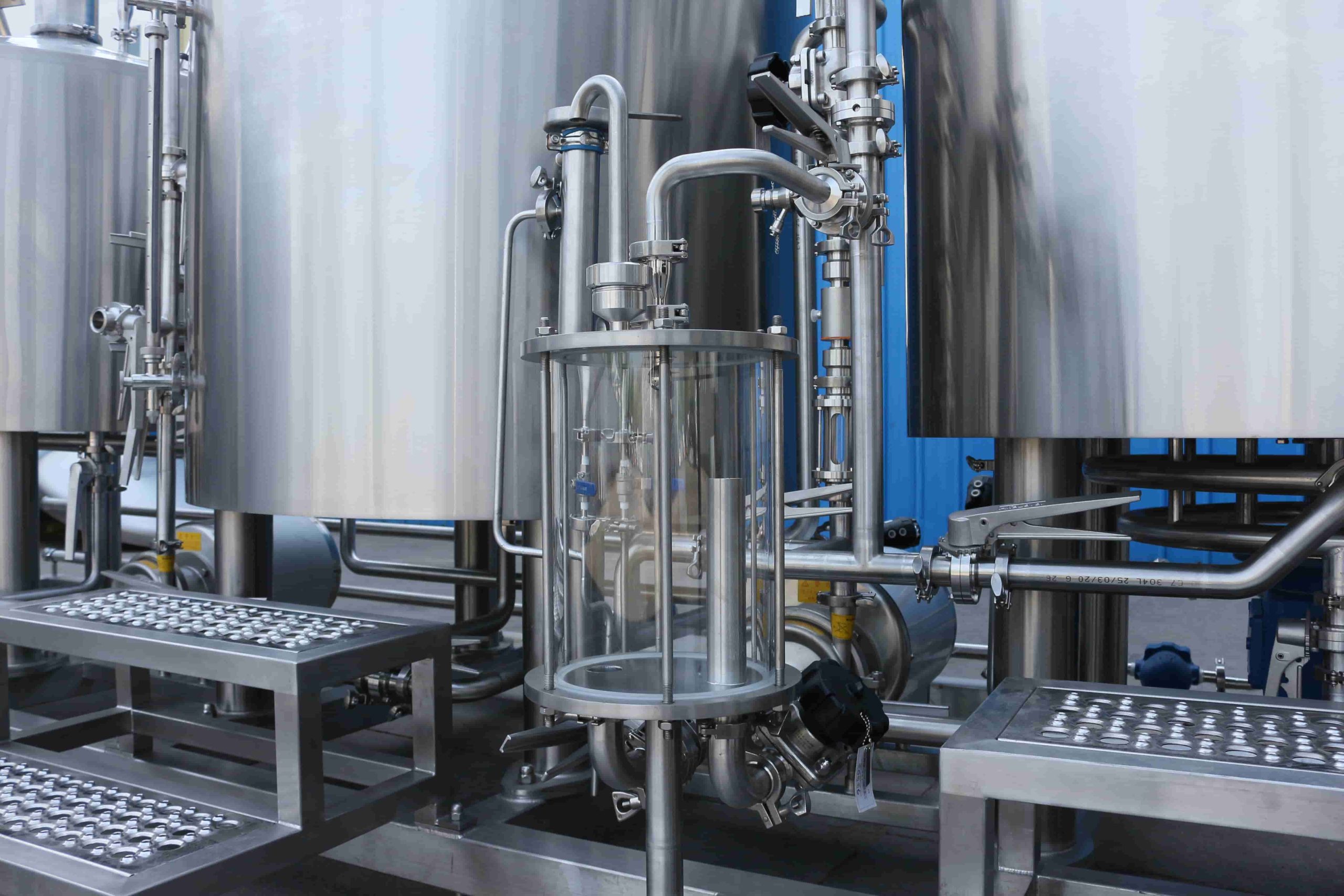
Essential Home Brewing Beer Equipment List
- Brew Kettle / Mash Tun
The brew kettle is where you heat water, mash grains, and boil wort with hops. For home brewing beer, choose a kettle with at least 20% extra volume to prevent boilovers. Most home setups use 8–10 gallon kettles for 5‑gallon batches. Stainless steel is preferred for durability, easy cleaning, and no chemical leaching.
-
Fermenters are sealed vessels where yeast converts sugar into alcohol and CO2. Common options include plastic buckets, glass carboys, and stainless steel unitanks. Stainless steel fermenters from SKE offer long life, pressure resistance, and easy cleaning ideal for repeated use.
-
Wort Chiller
A wort chiller rapidly cools hot wort to yeast safe temperatures, preventing contamination and protecting flavor. Immersion chillers are popular for home use, while plate chillers offer faster cooling for larger batches. -
Temperature Control
Stable fermentation temperature is critical for clean beer flavors. Heating pads, cooling fans, or dedicated fermentation chambers help maintain ideal temperatures for different beer styles. -
Sanitization Tools
Sanitizer is the most important home brewing supply of all. Unsanitized equipment causes bacterial or wild yeast infections that ruin beer. Use no rinse food grade sanitizer for all surfaces that touch wort or beer. -
Transfer & Bottling Gear
Racking canes, tubing, bottling buckets, bottle fillers, and cappers let you safely move beer without introducing oxygen or bacteria. Kegging systems are a popular upgrade for convenient storage and dispensing.

Home Brewing Supplies: Small Tools That Make a Big Difference
- Hydrometer & Refractometer: Measure sugar content to track fermentation and calculate ABV.
- Thermometer: Ensure accurate mashing, boiling, and yeast pitching temperatures.
- Stirring Paddle & Spoon: Long‑handled tools for mixing mash and boiling wort safely.
- Airlock & Bung: Allow CO2 to escape while keeping air and contaminants out.
- Cleaning Agents: Remove residue, malt buildup, and organic material before sanitizing.
- Measuring Cups & Scales: Precise ingredient portions for consistent recipes.
- Timer & Notes Kit: Track step times and record recipe changes for future batches.
SKE Beer Home Brewing Equipment: Industrial Quality for Home Use
Key Advantages of SKE Home Brewing Systems
- Food‑Grade 304 Stainless Steel: Resists corrosion, easy to sanitize, and lasts for decades.
- Precise Temperature Control: Built‑in sensors and heating elements for stable mashing and fermentation.
- Compact & Modular Design: Fits small spaces while supporting future upgrades.
- All‑in‑One Options: Combine mashing, boiling, and fermenting in a single system.
- Safe & Certified: Electric systems with overheat protection and safe wiring.
- Worldwide Support: Full manuals, troubleshooting guides, and customer service.
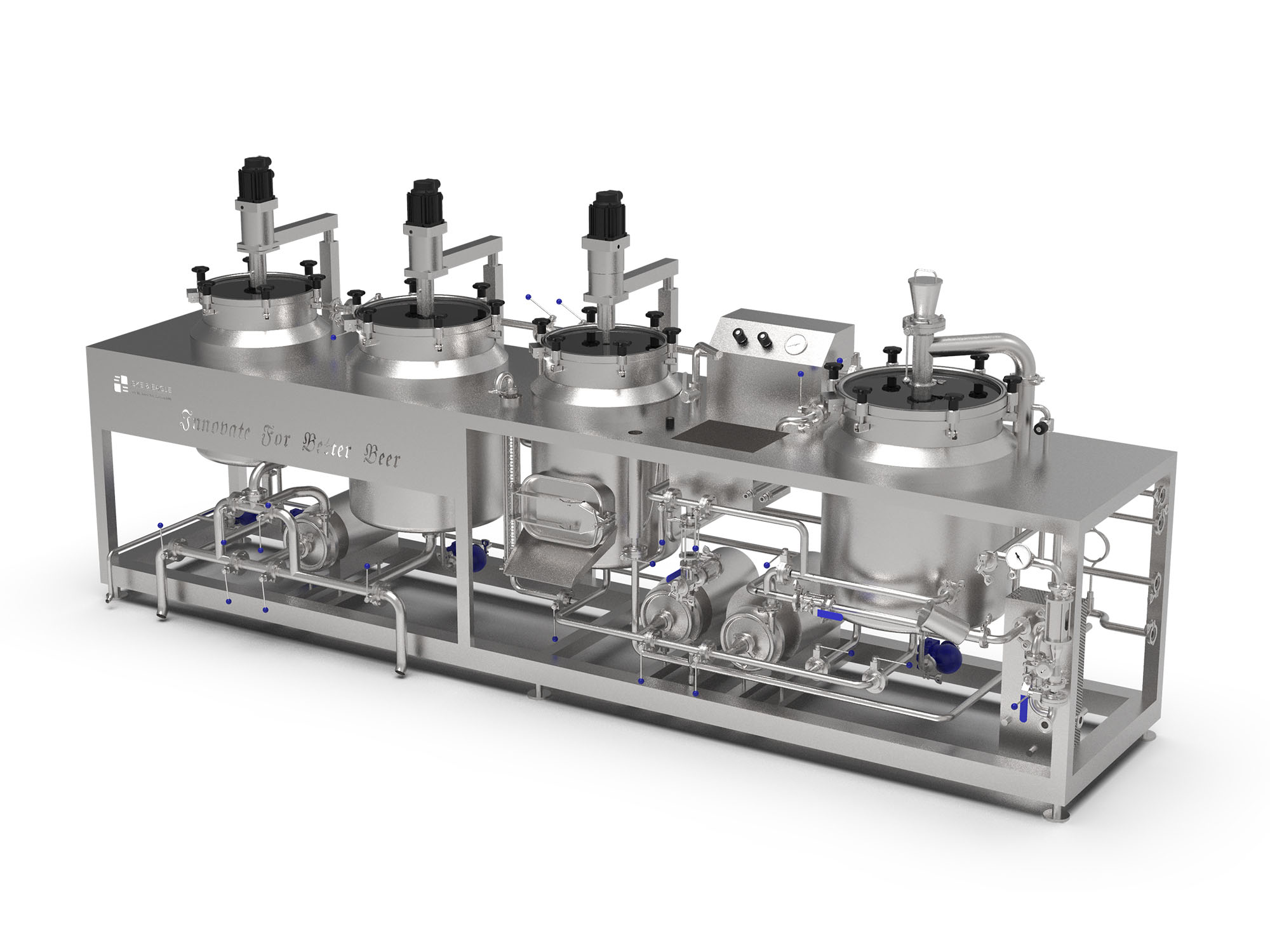
Comparison Table: SKE Home Brewing Equipment Lines
| Equipment Type | Capacity | Material | Best For | Key Features |
|---|---|---|---|---|
| SKE Basic Home Brewing Kit | 5 gallons (19L) | Stainless Steel + Food‑Grade Plastic | Beginners, First Brewers | Kettle, fermenter, chiller, sanitizer, bottling supplies |
| SKE Intermediate Brewing System | 6.5–8 gallons (25–30L) | 304 Stainless Steel | Enthusiasts, Regular Brewers | Temperature control, upgraded chiller, stainless fermenter |
| SKE All‑in‑One Electric Brewery | 8–10 gallons (30–38L) | 304 Stainless Steel | Advanced Homebrewers | Auto‑mashing, boiling, fermentation, digital display |
| SKE Conical Fermenter Upgrade | 7–14 gallons (27–53L) | 304 Stainless Steel | Quality‑Focused Brewers | Pressure fermentation, easy yeast harvesting, clarity |
How to Choose the Right Beer Home Brewing Equipment
1. Experience Level
- Beginners: Start with a complete starter kit that includes all essential home brewing supplies. Avoid complex upgrades until you master basic steps.
- Intermediate: Upgrade to stainless steel vessels, temperature control, and better chilling for improved consistency.
- Advanced: Choose all‑in‑one electric systems or conical fermenters for maximum control and professional results.
2. Space & Location
- Apartments and small homes benefit from compact electric systems.
- Garages and outdoor spaces can use larger burners and bigger kettles.
- Always prioritize ventilation and easy cleaning access.
3. Batch Size
4. Budget
Benefits of Using Professional Beer Home Brewing Equipment
- Better Flavor & Consistency: Precise temperatures and sanitary conditions produce clean, balanced beer.
- Durability & Longevity: Stainless steel equipment lasts years, unlike thin plastic that cracks and holds bacteria.
- Easier Brewing: Modern designs reduce lifting, simplify transfers, and speed up cleaning.
- Higher Success Rate: Fewer infections, boilovers, and stuck mashes mean more good batches.
- Flexibility: Professional equipment supports lagers, sours, experimental styles, and high‑ABV brews.
FAQ: Frequently Asked Questions About Beer Home Brewing Equipment
1. Do I need a full kit to start home brewing beer?
A complete starter kit is the easiest way to begin. It includes all essential beer home brewing equipment and home brewing supplies so you don’t miss critical items. SKE starter kits come with everything needed for your first batch.
2. How much space do I need for home brewing equipment?
Most basic setups fit on a kitchen counter or small table. Fermentation needs a cool, dark corner. Advanced all‑in‑one systems are about the size of a small appliance.
3. Is stainless steel better than plastic for home brewing?
Yes. Stainless steel is more durable, easier to sanitize, doesn’t scratch or hold bacteria, and lasts decades. Plastic works for beginners but is less reliable long‑term.
4. How often do I need to sanitize my equipment?
Sanitize every piece that touches wort or beer before every batch. Sanitizing prevents infection, the top cause of failed homebrew.
5. Can I brew lagers with basic home brewing beer equipment?
Lagers require cooler, more stable fermentation temperatures. With basic equipment, you can brew lagers using a cooling pad or refrigerator. For best results, use a temperature‑controlled fermenter like SKE’s conical unitanks.
6. Does SKE provide support for homebrewers?
Contact Us
If you have any further questions, feel free to reach out!
- Facebook: SKE Equipment Facebook
- Email: info@skeequipment.com
For more personalized assistance, please fill out the contact form at the bottom of this page. We look forward to helping you with your brewing needs!