
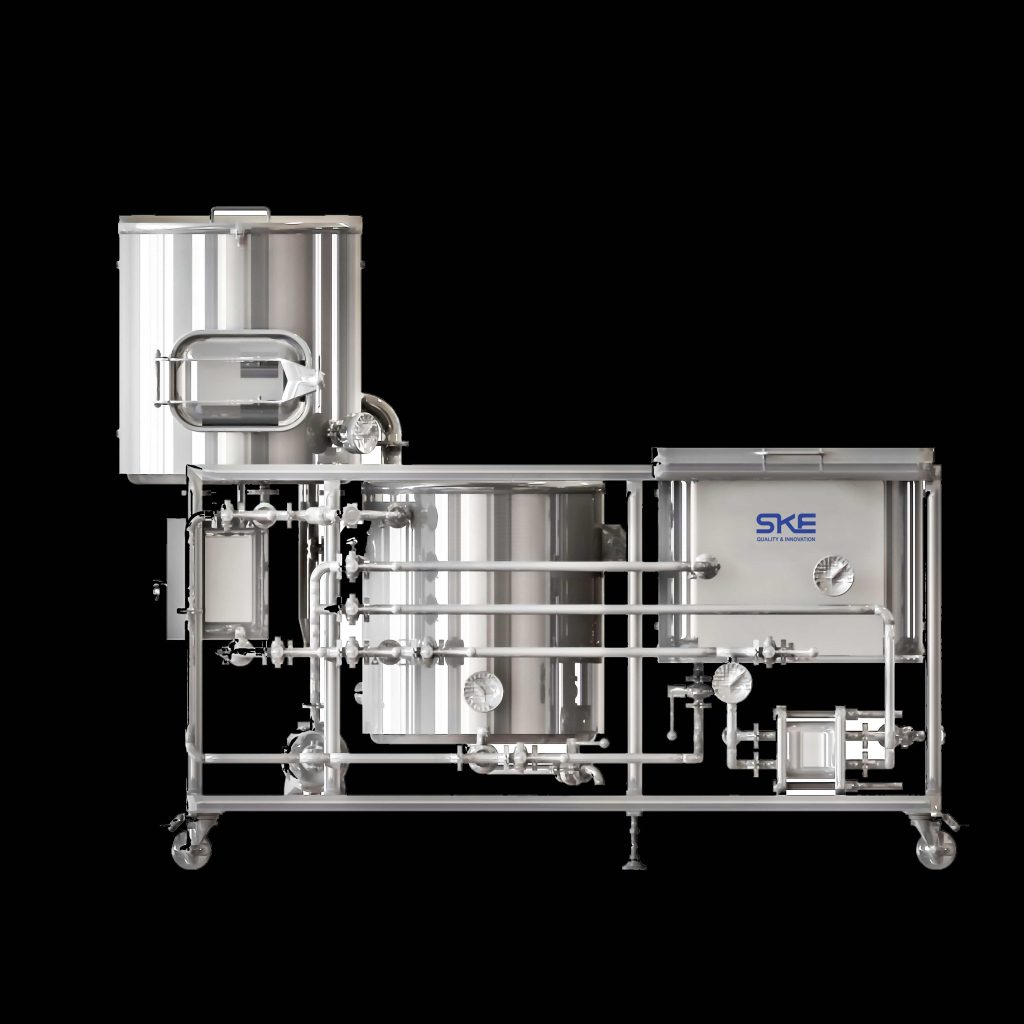
Meta Description: Discover everything you need to know about investing in a 100L Home Brewing System. From all-grain brewing techniques to equipment specifications, learn why SKE is the best choice for serious home brewers.
Why Move to a 100L Home Brewing System?
The Evolution of Home Brewing: From Kits to All-Grain
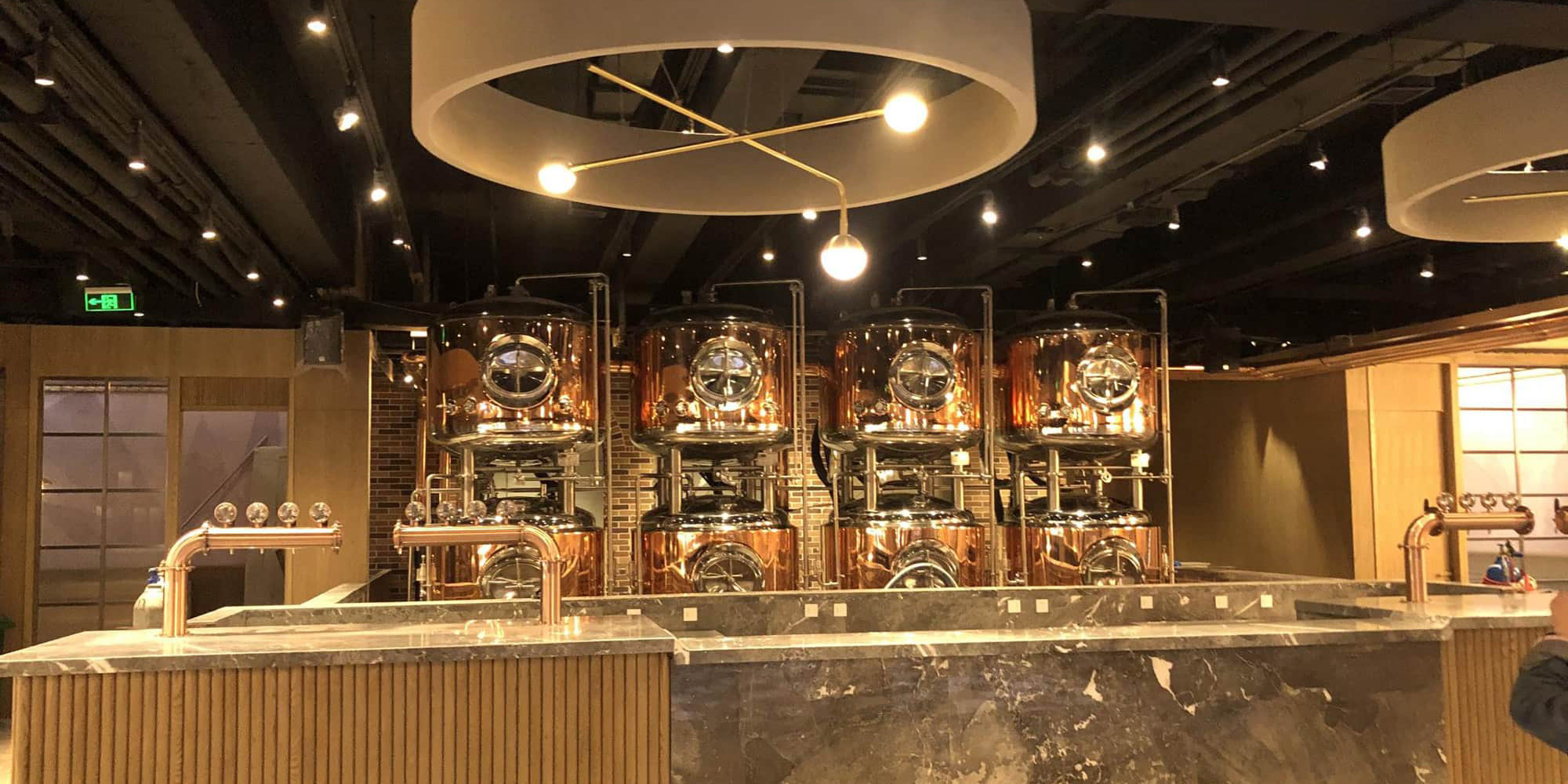
Key Features to Look for in a Home Brewing System
When shopping for a beer home brewing kit at this scale, the construction and features of the equipment are paramount. Here is what sets a professional-grade system apart from the rest.
Material and Build Quality: The 304 Stainless Steel Standard
The gold standard in the brewing industry is 304 stainless steel. This material is corrosion-resistant, easy to clean, and does not impart off-flavors into your beer . High-quality systems, like those from SKE, feature sanitary polishing to ensure that bacteria and other contaminants have nowhere to hide . This is crucial for maintaining hygiene batch after batch.
Heating Methods: Electric vs. Direct Fire
Your choice of heating often depends on your brewing location and setup.
- Electric Heating: Ideal for indoor brewing. Systems with electric elements and PID temperature controllers allow for precise management of the mash and boil, taking the guesswork out of temperature regulation .
- Direct Fire (Gas): Offers rapid heating and is preferred by those who want a traditional brewing setup or need to brew in locations without high-amperage electrical outlets .
Configuration: Three-Vessel vs. All-in-One
Traditional brewing setups use three vessels: a hot liquor tank for heating water, a mash tun for converting grains, and a boil kettle for wort boiling. However, modern designs often consolidate these functions into two vessels or utilize “brew in a bag” (BIAB) methods to simplify the process without sacrificing quality. SKE offers a range of configurations to suit your available space and workflow.
SKE 100L Home Brewing System: Product Specifications
At SKE, we pride ourselves on delivering turnkey brewing solutions. Our 100L system is designed for the dedicated brewer who demands commercial-grade results. Below is a detailed look at the specifications of our standard model.
| Feature | Specification | Benefit |
| Batch Size | 100 Liters per batch | Yields approximately 260+ 12oz bottles per brew session . |
| Material | AISI 304 Stainless Steel | Ensures durability, corrosion resistance, and pure flavor profiles . |
| Heating Method | Electric (PID Controlled) / Gas Optional | Maintains stable temperatures for consistent mashing and hopping schedules . |
| Power Supply | 380V 3-Phase / Customizable | Adaptable to different regional electrical standards (220V, 240V, 480V available) . |
| Installation Power | 10-15 kW | Provides rapid heating to achieve a vigorous boil . |
| Floor Space Required | 12㎡ – 18㎡ | Compact footprint suitable for garages, basements, or small brewpubs . |
| Included Components | Mash Tun, Boil Kettle, Wort Pump, Plate Chiller, Fermenter (Unitank) | A complete package from mashing to fermentation, ready to brew out of the box. |
| Automation | Manual / Semi-Automatic | Offers the brewer hands-on control with the reliability of sensor-based monitoring . |
Step-by-Step: Brewing Beer at Home with a 100L System
Using a professional-grade system transforms your brew day. Here is a simplified workflow of how to create a premium beer with an SKE 100L system.
Step 1: Water Preparation and Mashing
Begin by filling your hot liquor tank with fresh water. At this brewing scale, water chemistry plays a critical role—adjusting mineral content can dramatically improve the final taste of your beer. Heat the water to the optimal strike temperature and add your crushed grain. Over the next 60-90 minutes, natural enzymes convert the grain starches into fermentable sugars.
Step 2: Recirculation and Lautering
Once the mash is complete, begin recirculating the wort. This process, often automated in SKE systems, clarifies the wort by allowing the grain bed to act as a natural filter. Then sparge (rinse) the grains with hot water to extract as much fermentable sugar as possible.
Step 3: The Boil and Hop Additions
Transfer the sweet wort to the boil kettle and bring it to a rolling boil. This is where you add your hops, and timing is critical: early additions add bitterness, while late additions boost aroma and flavor. With a powerful 15kW heating element, you’ll have no trouble maintaining a vigorous boil, even with a full 100L batch.
Step 4: Whirlpool and Chilling
After the boil, use the wort pump to create a whirlpool, gathering sediment (trub) in the center of the kettle. The clarified wort is then passed through a plate chiller, rapidly dropping from boiling to yeast-pitching temperature (65-75°F) in minutes. This rapid chilling is key to preventing off-flavors and preserving the beer’s fresh characteristics.
Step 5: Fermentation
Transfer the cooled wort to a sanitized conical fermenter. With SKE’s fermenters, you can precisely control fermentation temperature and easily dump trub, ensuring a clean fermentation profile and a smooth final product.
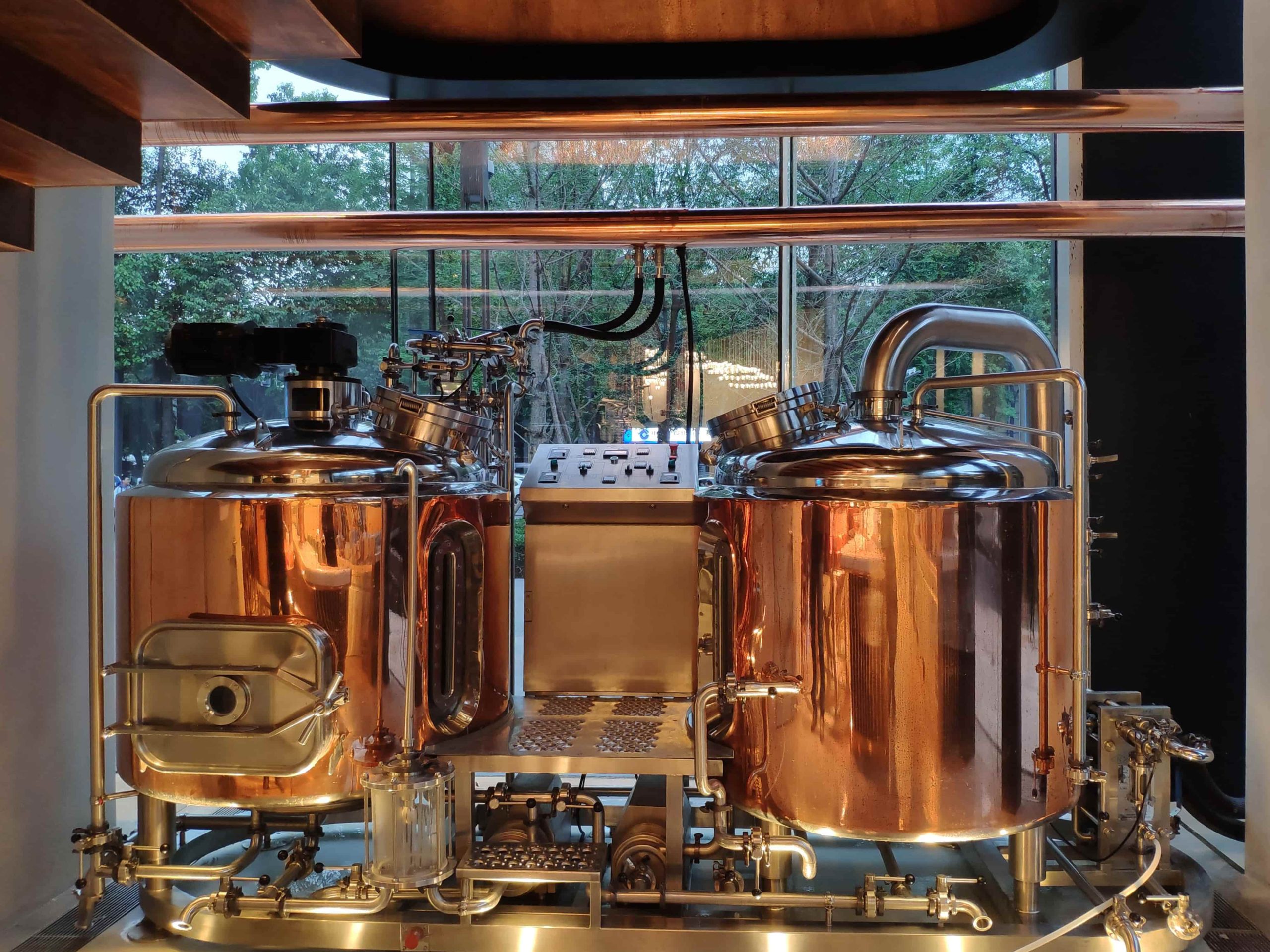
Why Choose SKE for Your Brewing Equipment?
In a market flooded with options, SKE stands out as a beacon of quality and reliability. We are not just a supplier; we are a manufacturer with deep expertise in beverage equipment.
Uncompromising Quality and Materials
We believe that great beer starts with great equipment. That is why every component of our 100L Home Brewing System is crafted from high-grade 304 stainless steel. We utilize tri-clamp fittings for easy sanitation and heavy-duty casters for mobility . Our tanks are pressure-tested and polished to a sanitary finish, meeting the same strict standards we apply for our commercial clients.
Customization and Scalability
Your brewing needs are unique. Whether you require a specific voltage, a different number of fermenters, or a gas-heated system, SKE can fully customize the setup to your requirements. As your hobby grows into a business, our systems are designed for seamless scalability—allowing you to add more fermenters or upgrade components without replacing your entire brewhouse.
Global Support and Service
Purchasing a brewing system is a long-term investment. SKE offers comprehensive after-sales support for all our products: from providing 3D layout drawings to ensure the system fits your space, to on-site installation and professional brewing training, we are with you every step of the way.
Frequently Asked Questions (FAQ)
A: While a beginner can certainly learn on this system, it is generally recommended for intermediate to advanced brewers who are familiar with all-grain brewing principles. If you are new to home beer brewing, we suggest starting with a smaller extract kit to master the basics of sanitation and fermentation, then upgrading to the 100L system as your skills develop.
A: Assuming normal losses from trub (sediment) and sampling, a 100L batch will typically yield about 90-95 liters of finished beer. This equates to roughly 260 to 270 standard 330ml (12oz) bottles— the perfect size for sharing with friends, family or supplying a small bar for a short period.
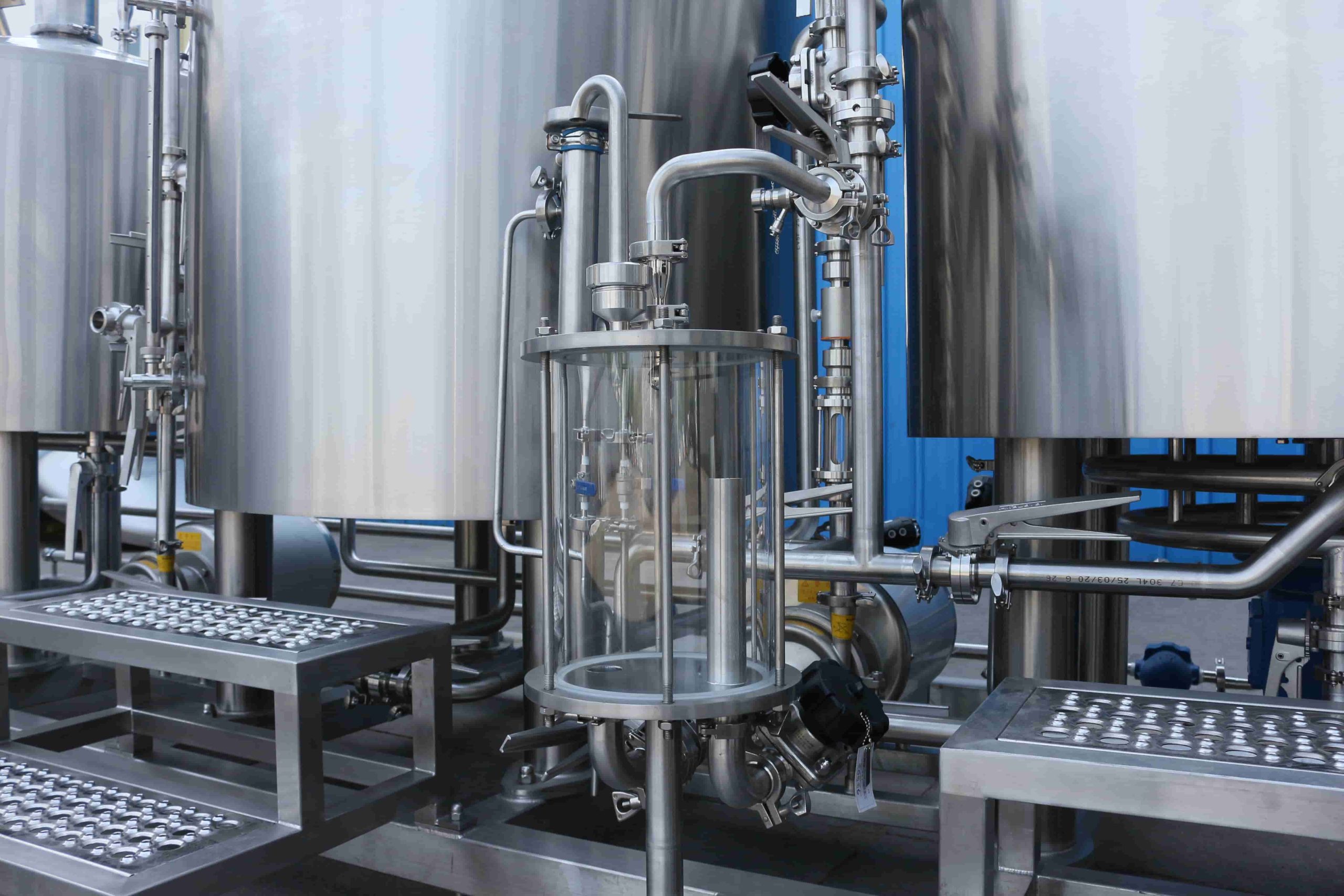
A: A basic home brewing beer kit usually consists of plastic buckets, a bottle capper and a small boiling pot, and is designed exclusively for extract brewing. A home brewing system, like the SKE 100L, is professional-grade stainless steel equipment engineered for all-grain brewing. It includes specialized vessels with valves, sight glasses, thermometers and pumps, offering far greater control over the brewing process and superior durability.
A: Yes, but you need to be aware of the power requirements. A 10-15 kW electric system typically requires a 220V or 240V dedicated connection, the same type used for electric clothes dryers or ovens. Some larger systems may require 3-phase power, but SKE offers single-phase options suitable for many residential homes. We always recommend consulting with a qualified electrician before installation.
A: Stainless steel is extremely durable but requires regular care to preserve its performance. After each brew, you should perform a Clean-in-Place (CIP) cycle using a brewery-specific wash (like PBW) to dissolve organic residue, followed by a food-grade sanitizing rinse (like Star San) before your next brew day. The natural passivation layer on stainless steel protects it from rust, so avoid using harsh chlorinated cleaners that can damage this layer.
A: Absolutely. While designed for beer brewing, the core principles of mashing and fermentation apply to many other beverages. You can use the system to brew hard cider, kombucha, or even ferment wash for distillation (where local laws permit). The versatility of our modular system makes it a fantastic tool for any fermentation enthusiast.
Contact Us
If you have any further questions, feel free to reach out!
- Facebook: SKE Equipment Facebook
- Email: info@skeequipment.com
For more personalized assistance, please fill out the contact form at the bottom of this page. We look forward to helping you with your brewing needs!