
”
Introduction
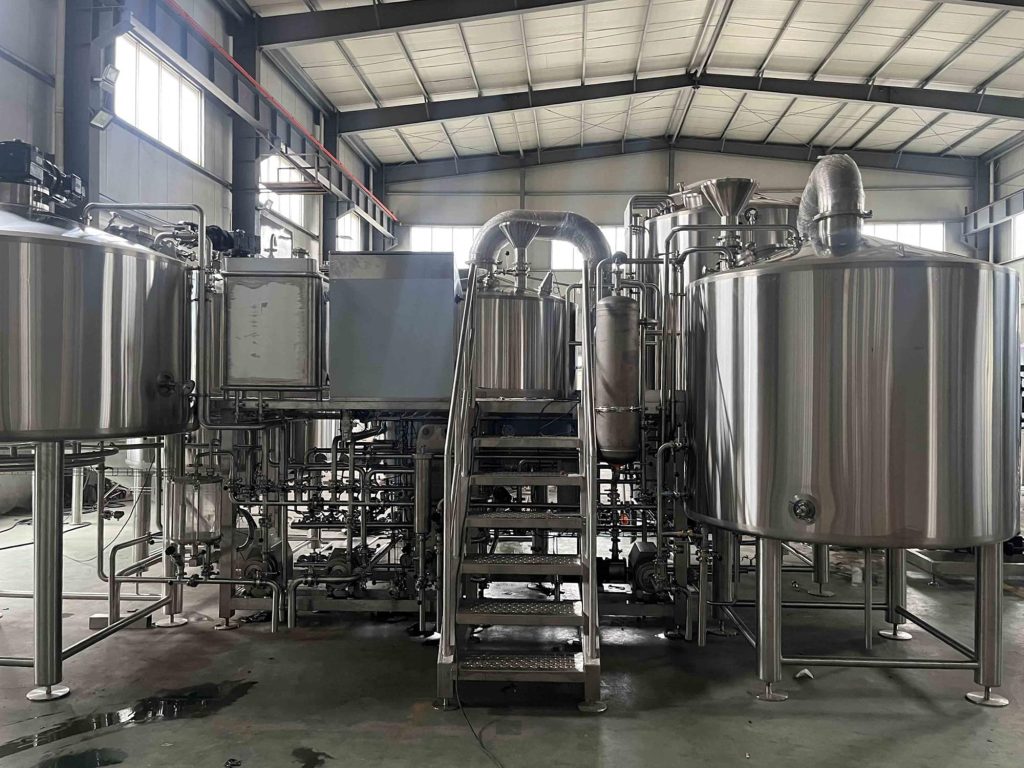
In the world of craft brewing, the commercial brew kettle stands as a cornerstone of production. This essential equipment allows brewers to heat their wort to the precise temperatures needed for efficient extraction and flavor development. The significance of selecting the right brew kettle cannot be overstated, as it sets the stage for the quality of the final product.
At SKE Equipment, we understand the complexities of brewing on a commercial scale and provide a range of solutions to help brewers succeed. From understanding the types of kettles available to maintenance tips, this article covers all you need to know about commercial brew kettles.
Types of Commercial Brew Kettles
When it comes to commercial brew kettles, there are several types to consider, each with unique features. The most common types include:
- Direct Fire Kettles: Ideal for quick heating, these kettles use an open flame beneath. Their efficiency makes them a popular choice for large-scale brewing.
- Steam-Jacketed Kettles: These kettles offer even heating through steam circulation, providing better temperature control essential for certain brewing techniques.
- Electric Brew Kettles: These kettles are beneficial for smaller operations where space and energy efficiency are critical. They offer precise temperature control and easy operation.
Choosing the right kettle type depends on your brewing needs, space, and budget. Check out our brew kettle selection guide for more detailed insights.
Key Features of Commercial Brew Kettles
Regardless of the kettle type, certain key features should be top of mind when selecting a commercial brew kettle:
- Material: Stainless steel is preferred for its durability and resistance to corrosion. Many brewing kettles use it for these reasons.
- Size: The capacity of the kettle should match your brewing scale—ranging from small batch sizes to large commercial operations.
- Heat Source: Consider the energy source (gas vs. electric) based on availability, cost, and efficiency.
- Insulation: Well-insulated kettles not only save energy but also maintain consistent temperatures during the brewing process.
Keeping these features in mind will guide you to a commercial brew kettle that enhances your brewing process. For further details on specific models, browse our brew kettle section.
Choosing the Right Commercial Brew Kettle
When selecting the right commercial brew kettle, think about the following factors:
- Production Volume: Assess your current and future brewing needs to find a kettle that can accommodate growth.
- Space Constraints: Ensure that your kettle fits both your brewing area and any local health and safety regulations.
- Budget: Consider both upfront costs and long-term value. Investing in more durable kettles may save costs on maintenance in the long run.
Our brewing tips may help you finalize your decision and choose the perfect equipment for your needs.
Maintenance Tips for Longevity
Caring for your commercial brew kettle is crucial for both performance and longevity. Here are some tips to keep your kettle in top shape:
- Regular Cleaning: Clean your kettle after each use with non-abrasive cleaners to prevent buildup of residues.
- Routine Inspections: Check for any signs of wear or damage such as dents or rust to address issues early.
- Temperature Calibration: Routinely check that your temperature readings are accurate to ensure consistent brewing results.
By maintaining your equipment properly, you can ensure efficient brewing for years to come. For detailed maintenance guides, refer to our maintenance guides.
FAQ
What size commercial brew kettle should I choose?
The size of your brew kettle depends on your production volume. For larger operations, opt for kettles that can handle larger batches to avoid inefficiencies.
Are electric brew kettles efficient?
Yes, electric brew kettles can be very efficient, particularly in environments with limited space and when precise temperature control is important.
How often should I clean my brew kettle?
You should clean your brew kettle after each use to prevent residue buildup and ensure high-quality production in subsequent brews.
“