
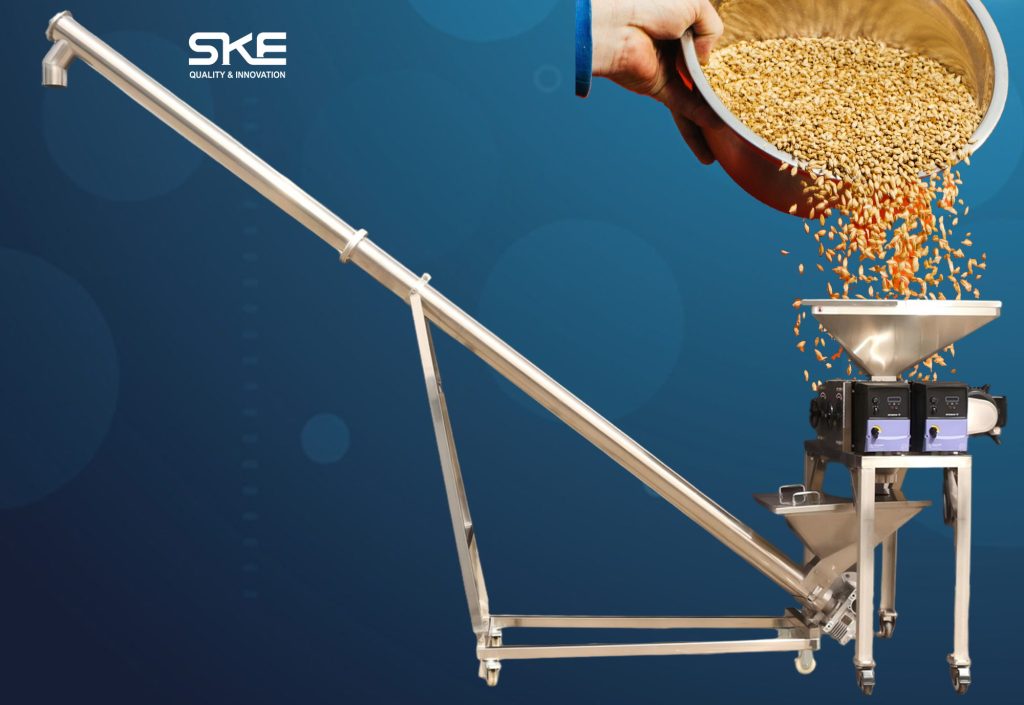
What Is a Flexible Conveyor? Core Definition & Key Benefits
A flexible conveyor is a modular, adaptable material handling system designed to transport goods, ingredients, or components across varying distances, angles, and layouts with minimal disruption. Unlike rigid conveyors, which are fixed in place and limited to straight paths, flexible conveyors leverage modular components and flexible structures to navigate tight spaces, around obstacles, and even between different areas of a facility. This flexibility makes them ideal for beer production, where space is often at a premium and production lines may need to be reconfigured to accommodate new recipes or seasonal demands.
The core advantage of a flexible conveyor lies in its ability to adapt to the unique layout of a brewery. Whether you need to move malt from storage to the mill, transfer hops to the brew kettle, or transport finished beer bottles to packaging, a flexible conveyor can be customized to fit the specific needs of each stage. Additionally, these conveyors are designed to minimize material waste, reduce manual labor, and maintain the high hygiene standards required for food and beverage production—critical factors in beer manufacturing, where contamination can ruin entire batches.
Key Types of Flexible Conveyors for Beer Production
1. Flexible Auger Conveyor (Flexible Screw Conveyor)
A flexible auger conveyor—also referred to as a flexible screw conveyor or simply flexible screw—is a type of flexible conveyor that uses a rotating helical screw (auger) enclosed within a flexible tube to transport bulk materials. The auger’s rotation moves materials along the length of the tube, allowing for vertical, horizontal, or angled transport. This design makes it ideal for handling dry, granular ingredients commonly used in beer production, such as malt, hops, and sugar.
In beer manufacturing, flexible auger conveyors are often used to transfer malt from storage silos to the mill, where it is ground into grist. They can also be used to move hops from storage to the brew kettle, ensuring precise dosing and minimizing waste. The enclosed tube design prevents dust buildup and contamination, which is critical for maintaining the purity of beer ingredients. Additionally, the flexible nature of the tube allows the conveyor to navigate around other equipment, making it a space-saving solution for compact breweries.
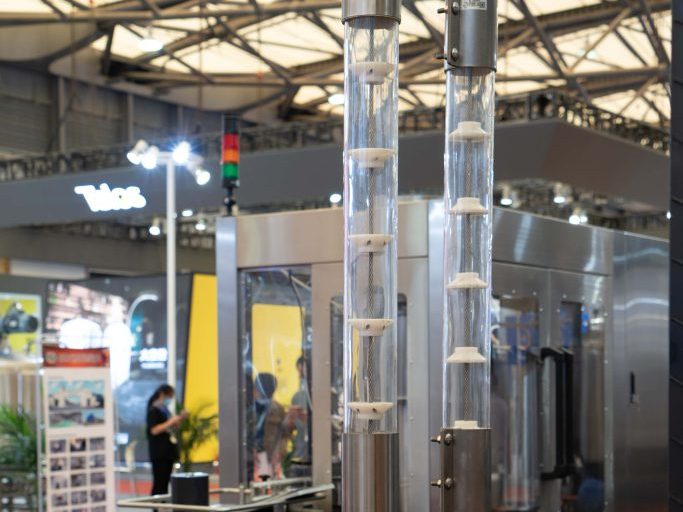
2. Flexible Screw: The Core Component of Auger Conveyors
The flexible screw is the heart of the flexible auger conveyor, responsible for moving materials through the tube. Unlike rigid screws used in traditional conveyors, flexible screws are designed to bend and flex without losing functionality, allowing the conveyor to navigate curved paths and tight spaces. These screws are typically made from high-quality stainless steel or food-grade plastic, ensuring durability and resistance to corrosion—essential for use in beer production environments, where moisture and cleaning chemicals are common.
The design of the flexible screw varies depending on the material being transported. For example, screws used to move fine malt powder may have a tighter helix pitch to prevent material from slipping, while screws for larger hop pellets may have a wider pitch for faster transport. SKE’s flexible screws are precision-engineered to match the specific needs of beer ingredients, ensuring efficient, consistent transport without damaging the materials or compromising quality.
Another key feature of flexible screws is their ease of maintenance. Unlike rigid screws, which can be difficult to access and clean, flexible screws can be easily removed from the tube for cleaning and inspection—critical for maintaining hygiene in beer production. This reduces downtime and ensures that your conveyor system remains in optimal condition, even with frequent use.
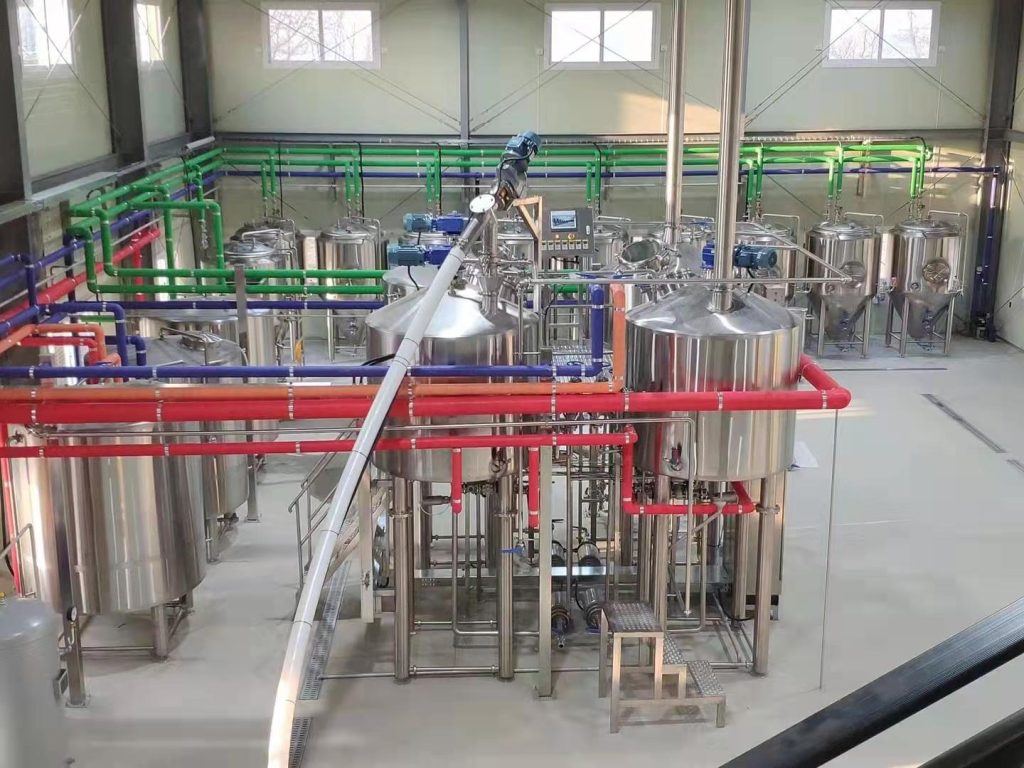
3. Stainless Steel Screw Conveyor: Hygiene & Durability for Beer Production
A stainless steel screw conveyor is a specialized type of screw conveyor constructed entirely from stainless steel, making it ideal for food and beverage applications like beer production. Stainless steel is resistant to corrosion, easy to clean, and non-reactive, ensuring that it does not contaminate beer ingredients or affect the flavor of the final product. This makes it a superior choice to conveyors made from other materials, such as carbon steel, which can rust and leach chemicals into the product.
In beer manufacturing, stainless steel screw conveyors are often used in wet or high-moisture environments, such as transferring wort or spent grain. Spent grain, a byproduct of the mashing process, is high in moisture and can be corrosive to other materials, making stainless steel the ideal choice for durability and hygiene. Additionally, stainless steel screw conveyors are easy to sanitize, which is critical for preventing bacterial growth and ensuring compliance with food safety regulations.
4. Conveyor Portable: Mobility for Flexible Brewing Operations
A conveyor portable (portable conveyor) is a flexible conveyor designed for easy movement and reconfiguration. These conveyors are mounted on wheels or casters, allowing brewery operators to move them between different areas of the facility as needed. This mobility is particularly valuable for craft breweries or facilities with limited space, where production lines may need to be adjusted for small-batch brewing or seasonal products.
Portable conveyors are available in various types, including portable flexible auger conveyors, portable belt conveyors, and portable stainless steel screw conveyors. In beer production, they can be used for a variety of tasks, such as transferring ingredients from storage to the brew area, moving finished bottles to temporary storage, or even assisting with packaging and shipping. Their compact design and mobility make them a versatile solution for breweries looking to maximize flexibility without sacrificing efficiency.
Flexible Conveyor vs. Traditional Conveyors: A Comparison for Breweries
To better understand the value of flexible conveyors in beer production, it’s helpful to compare them to traditional rigid conveyors. While traditional conveyors have their place in some industrial applications, they often fall short of the unique needs of breweries, where flexibility, hygiene, and adaptability are critical. Below is a detailed comparison of flexible conveyors (including their LSI variants) and traditional conveyors, highlighting the key differences and advantages for beer manufacturing.
|
Feature
|
Flexible Conveyors (Flexible Auger, Stainless Steel Screw, Portable)
|
Traditional Rigid Conveyors
|
|---|---|---|
|
Flexibility & Adaptability
|
Modular design allows for curved paths, vertical/horizontal/angled transport, and easy reconfiguration. Portable options can be moved between areas, ideal for small-batch or seasonal brewing.
|
Fixed in place, limited to straight paths. Cannot be easily reconfigured, making them inflexible for changing production needs.
|
|
Space Efficiency
|
Navigates tight spaces and around existing equipment, reducing the need for additional floor space. Portable models can be stored when not in use.
|
Requires dedicated floor space for straight runs. May not fit in compact breweries or facilities with complex layouts.
|
|
Hygiene & Sanitation
|
Stainless steel variants are corrosion-resistant, easy to clean, and non-reactive. Enclosed designs (e.g., flexible auger) prevent dust and contamination.
|
Often made from carbon steel, which is prone to rust and contamination. Harder to clean due to fixed components and hard-to-reach areas.
|
|
Material Handling
|
Ideal for dry ingredients (malt, hops) and wet materials (wort, spent grain). Flexible screws handle delicate ingredients without damage.
|
Better suited for heavy, uniform materials. May damage delicate ingredients or struggle with wet, sticky materials like spent grain.
|
|
Maintenance & Downtime
|
Modular components are easy to access, clean, and replace. Flexible screws can be removed for inspection, reducing downtime.
|
Fixed components are difficult to access and maintain. Repairs often require extensive disassembly, leading to longer downtime.
|
|
Cost-Effectiveness
|
Lower upfront costs for portable models. Reduced labor costs due to automation. Customizable to fit existing equipment, avoiding the need for expensive facility renovations.
|
Higher upfront costs for installation and facility modifications. Higher long-term maintenance costs and increased labor needs.
|
|
Compatibility with Beer Equipment
|
Engineered to integrate seamlessly with brew kettles, mash tuns, fermenters, and bottling lines (e.g., SKE’s custom solutions).
|
May require modifications to fit existing beer equipment, leading to additional costs and delays.
|
Applications of Flexible Conveyors in Beer Production
1. Raw Material Handling (Malt, Hops, Sugar)
The first stage of beer production involves handling raw ingredients, which are often stored in silos or bulk containers. Flexible auger conveyors and flexible screws are ideal for transferring these dry, granular materials to the next stage of the process. For example, malt is typically stored in silos and needs to be transported to the mill, where it is ground into grist. A flexible auger conveyor can navigate from the silo to the mill, even if there are obstacles in the way, ensuring a steady supply of malt without manual labor.
Hops, which are often stored in bales or bags, can also be transported using flexible auger conveyors. The enclosed design prevents hop dust from escaping, which not only keeps the facility clean but also preserves the aroma and flavor of the hops—critical for the final beer product. SKE’s flexible auger conveyors are designed with adjustable speed controls, allowing breweries to precisely dose hops into the brew kettle, ensuring consistency across batches.
2. Mashing & Wort Transfer
After the malt is ground into grist, it is mixed with hot water in a mash tun to create wort—a sugary liquid that will eventually become beer. Once the mashing process is complete, the wort needs to be transferred to the brew kettle for boiling. Stainless steel screw conveyors are ideal for this task, as they are resistant to the high temperatures and moisture of the wort, and their smooth surfaces prevent wort buildup and contamination.
3. Spent Grain Removal
Spent grain is a byproduct of the mashing process, consisting of the solid remains of malt after the sugars have been extracted. Removing spent grain efficiently is critical for maintaining a smooth production workflow and preventing contamination. Stainless steel screw conveyors are the ideal solution for this task, as they can handle the wet, sticky nature of spent grain without clogging or corrosion.
4. Packaging & Finished Product Transport
Once the beer has been fermented, filtered, and carbonated, it is ready to be bottled, canned, or kegged. Flexible conveyors, including portable models, play a critical role in transporting finished beer from the fermentation tanks to the packaging line. Portable conveyors are particularly useful here, as they can be moved to different packaging stations, allowing breweries to switch between bottles, cans, and kegs with ease.
Key Considerations When Choosing a Flexible Conveyor for Your Brewery
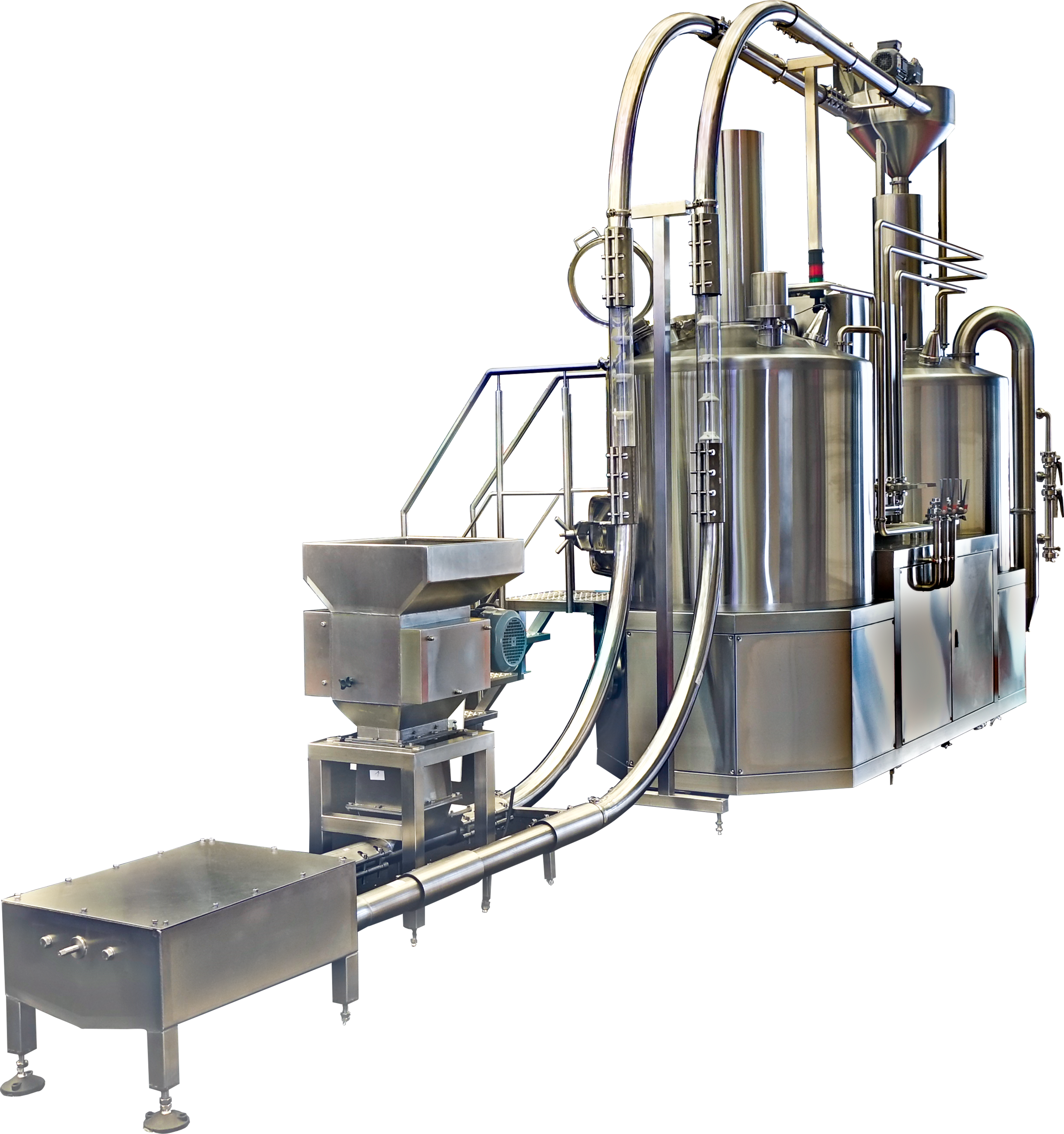
Choosing the right flexible conveyor for your brewery requires careful consideration of your specific needs, including the type of materials you’ll be transporting, your facility’s layout, and your production volume. As a beer equipment manufacturer, SKE has helped countless breweries select and implement the perfect conveyor solutions, and we’ve identified the key factors to consider when making this decision.
1. Material Type & Properties
The type of material you’ll be transporting is the most important factor to consider. Dry, granular materials (malt, hops) are best suited for flexible auger conveyors and flexible screws, while wet materials (wort, spent grain) require stainless steel screw conveyors for durability and hygiene. You should also consider the size and density of the material—for example, larger hop pellets may require a wider helix pitch on the flexible screw, while fine malt powder may need a tighter pitch to prevent slipping.
2. Facility Layout & Space
Your brewery’s layout will determine the type of flexible conveyor you need. If you have a compact facility with tight spaces or obstacles, a flexible auger conveyor with a flexible tube is ideal, as it can navigate curved paths. If you need to move conveyors between different areas, a portable conveyor is the best choice. SKE can conduct a site assessment to determine the optimal conveyor layout for your facility, ensuring that it integrates seamlessly with your existing equipment.
3. Hygiene & Food Safety Standards
Beer production is subject to strict food safety regulations, so it’s critical to choose a conveyor that meets these standards. Stainless steel conveyors are the best choice for hygiene, as they are easy to clean, resistant to corrosion, and non-reactive. Enclosed designs (e.g., flexible auger conveyors) prevent dust and contamination, ensuring that your ingredients and finished product remain pure. SKE’s conveyors are designed to meet FDA and EU food safety standards, giving you peace of mind that your production process is compliant.
4. Production Volume & Speed
Your production volume will determine the size and speed of the conveyor you need. Large-scale breweries with high production volumes will require conveyors with higher capacity and faster speeds, while craft breweries may need smaller, more flexible conveyors. SKE’s flexible conveyors are customizable, with options for different sizes, speeds, and capacities, ensuring that they can keep up with your production demands.
FAQ: Common Questions About Flexible Conveyors in Beer Production
Q1: What is the difference between a flexible auger conveyor and a stainless steel screw conveyor?
A: A flexible auger conveyor (also called a flexible screw conveyor) uses a flexible screw enclosed within a flexible tube, allowing it to navigate curved paths and tight spaces. It is ideal for dry, granular materials like malt and hops. A stainless steel screw conveyor, on the other hand, has a rigid stainless steel screw and tube, designed for wet or corrosive materials like wort and spent grain. The stainless steel construction ensures durability and hygiene, making it suitable for high-moisture environments.
Q2: Are flexible conveyors easy to clean and maintain?
A: Yes, flexible conveyors are designed for easy cleaning and maintenance. Modular components, such as flexible screws, can be easily removed from the tube for cleaning and inspection. Stainless steel conveyors have smooth, seamless surfaces that prevent material buildup and are easy to sanitize with common cleaning chemicals.
Q3: Can a portable conveyor be used for both dry and wet materials?
A: It depends on the type of portable conveyor. Portable flexible auger conveyors are designed for dry materials, while portable stainless steel screw conveyors can handle wet materials. It’s important to choose a portable conveyor that is compatible with the material you’ll be transporting.
Q4: How do flexible conveyors integrate with existing beer equipment?
A: Flexible conveyors are designed to be modular and adaptable, making them easy to integrate with existing beer equipment, such as mash tuns, brew kettles, fermenters, and bottling lines.
Q5: Can flexible conveyors be customized for small-batch craft breweries?
A: Yes, flexible conveyors are an excellent choice for small-batch craft breweries, as they are adaptable and customizable.
Contact Us
If you have any further questions, feel free to reach out!
- Facebook: SKE Equipment Facebook
- Email: info@skeequipment.com
For more personalized assistance, please fill out the contact form at the bottom of this page. We look forward to helping you with your brewing needs!