Flexible Screw Conveyor: A Comprehensive Guide for Beer Brewing Industry
What is a Flexible Screw Conveyor?
A flexible screw conveyor, also known as a flexible auger conveyor, is a type of screw conveyor designed to handle dry bulk materials with a high degree of flexibility in installation and operation. Unlike traditional rigid screw conveyors, which require fixed, straight-line paths, flexible screw conveyors feature a flexible, rotating screw (auger) enclosed within a flexible tube, allowing them to navigate around obstacles, change directions, and fit into tight spaces within a brewery.
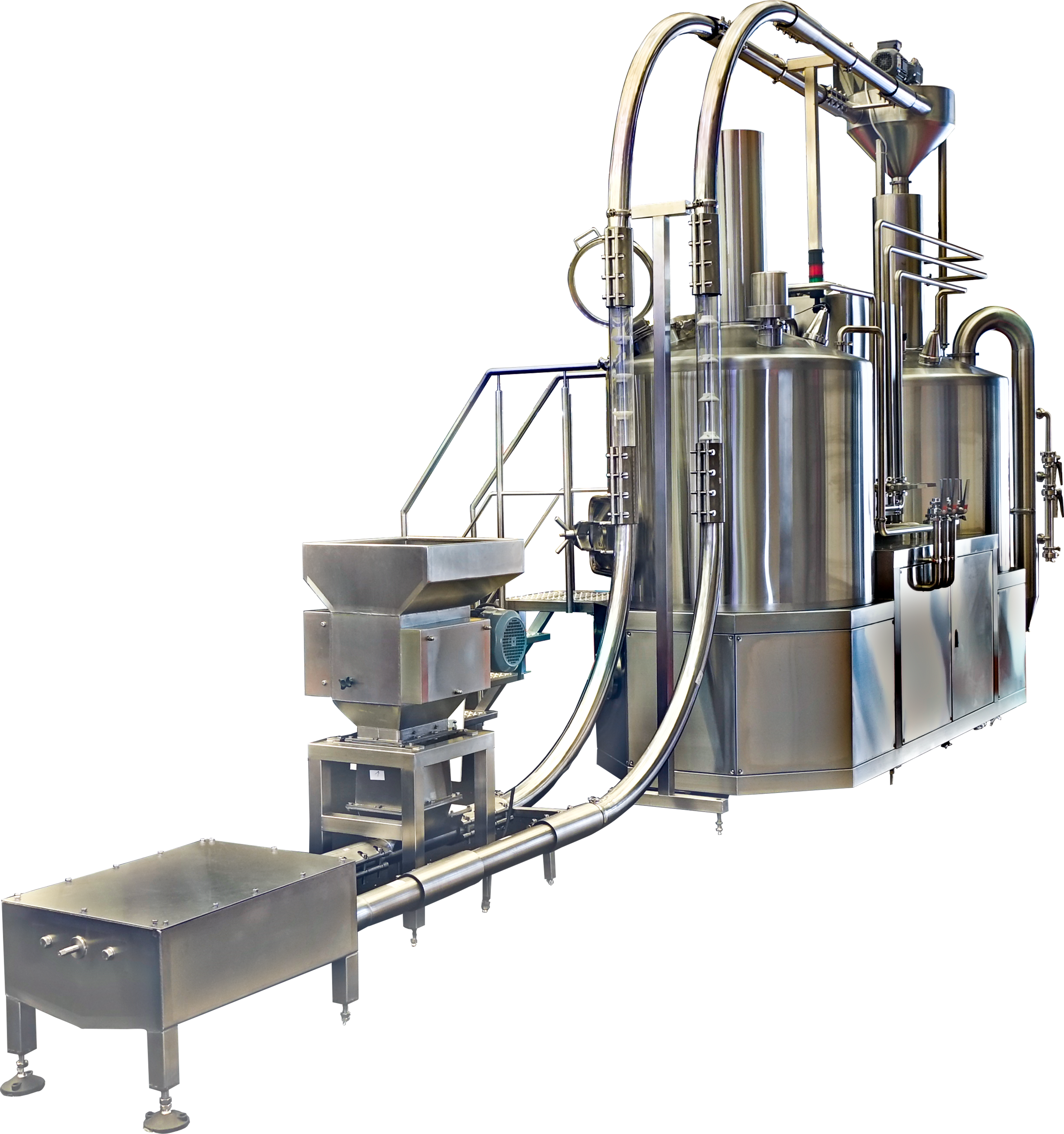
The core components of a flexible screw conveyor include a drive unit (motor), a flexible screw (auger), a flexible tube, an inlet hopper, and a discharge outlet. The screw is the only moving part, which rotates within the tube to move materials forward through the action of Archimedean screw force. This simple design ensures low maintenance requirements and high reliability, making it an ideal choice for the beer industry, where downtime can lead to significant production losses.
Flexible screw conveyors are compatible with a wide range of dry bulk materials used in beer brewing, including malt, barley, hops, yeast, and other additives. Their ability to handle these materials gently without causing degradation ensures that the quality of raw materials is preserved, directly impacting the taste and consistency of the final beer product.
Key Components and Working Principle of Flexible Screw Conveyors
To fully understand how a flexible screw conveyor functions, it is important to break down its key components and their roles in the material handling process. Each component is designed to work in harmony to ensure efficient, hygienic, and reliable operation, which is critical in the food and beverage industry, especially beer brewing.
The drive unit is the power source of the flexible screw conveyor, typically consisting of an electric motor and a gearbox. The motor’s power rating is determined by the type of material being conveyed, the conveyor length, and the conveying angle. For beer brewing applications, SKE recommends drive units with variable speed controls, allowing operators to adjust the conveying rate to match the production line’s needs, reducing material waste and improving process synchronization.
The flexible screw (auger) is the heart of the conveyor. It is usually made of high-quality stainless steel, which is corrosion-resistant, easy to clean, and compliant with food safety standards. The screw’s design (flight pitch, diameter, and shape) varies depending on the material being conveyed. For example, a wider flight pitch is used for bulkier materials like malt, while a narrower pitch is suitable for finer materials like yeast.
The flexible tube encases the screw and provides a sealed environment for material transfer. It is typically made of food-grade polyurethane or stainless steel, both of which are durable, flexible, and easy to sanitize. The sealed design prevents dust contamination, which is crucial in breweries to maintain a clean working environment and avoid product contamination.
The inlet hopper is where materials are loaded into the conveyor. It is designed to prevent material bridging (clogging) and ensure a consistent flow of materials into the screw. For beer brewing, the hopper can be integrated with bulk storage silos or bag dump stations, allowing for efficient loading of malt and other raw materials. The discharge outlet is positioned at the end of the tube and can be customized to connect with other brewing equipment, such as malt mills, mash tuns, or hoppers.
The working principle of a flexible screw conveyor is straightforward: the drive unit rotates the flexible screw, which creates a spiral motion that pushes materials along the inside of the flexible tube. The centrifugal force generated by the rotating screw pushes materials against the tube wall, while the spiral flights move them forward. This gentle conveying action ensures that materials are not crushed or degraded, preserving their quality for brewing.
Understanding Related Conveyor Systems
Powered Flexible Conveyor
A powered flexible conveyor, also known as a motorized flexible conveyor, is a type of flexible conveyor that uses an electric motor to drive the conveying mechanism, as opposed to gravity-fed systems. While flexible screw conveyors are inherently powered (by their drive units), the term “powered flexible conveyor” often refers to belt-driven flexible conveyors used for transporting packages, kegs, or bottles in breweries.
Stainless Steel Conveyor
A stainless steel conveyor is any conveyor system (screw, belt, or flexible) constructed primarily from stainless steel. In the beer industry, stainless steel conveyors are preferred due to their superior hygiene, corrosion resistance, and durability. Stainless steel is easy to clean and sanitize, making it compliant with food safety regulations (such as FDA and EU food safety standards), which is critical for beer brewing.
Screw Conveyor
A screw conveyor is a general term for any conveyor that uses a rotating screw to move materials. It includes both rigid screw conveyors (fixed paths) and flexible screw conveyors (flexible paths). Rigid screw conveyors are used in breweries for long, straight-line material transfers, such as moving malt from a silo to a malt mill. Flexible screw conveyors, on the other hand, are used for shorter, more complex transfers, such as moving yeast from a storage tank to a fermentation vessel.
The key difference between rigid and flexible screw conveyors is their flexibility. Rigid screw conveyors are more suitable for large-scale, fixed production lines, while flexible screw conveyors are ideal for small to medium breweries or lines that require frequent reconfiguration. Both types play important roles in beer brewing, and SKE can customize both to meet the specific needs of each brewery.
Conveyor Machine
A conveyor machine is a broad term that encompasses all types of conveyor systems used in industrial applications, including flexible screw conveyors, powered flexible conveyors, stainless steel conveyors, belt conveyors, and bucket elevators. In the beer industry, conveyor machines are used throughout the production process, from raw material handling to packaging, to automate material transfer, reduce manual labor, and improve efficiency.
The choice of conveyor machine depends on the type of material being conveyed, the distance of the transfer, the production volume, and the available space. For example, belt conveyors are used for transporting bottles and cans, while screw conveyors (flexible or rigid) are used for dry bulk materials. SKE offers a full range of conveyor machines tailored to the beer industry, ensuring that each brewery has the right equipment for its specific needs.
Comparison of Conveyor Systems for Beer Brewing
Choosing the right conveyor system for a brewery depends on several factors, including the type of material, conveying distance, production volume, space constraints, and budget. To help you make an informed decision, we have created a comparison table of the key conveyor systems used in the beer industry, including flexible screw conveyors, powered flexible conveyors, stainless steel conveyors, and rigid screw conveyors.
Conveyor Type
Key Features
Best For
Advantages in Beer Industry
Disadvantages
Flexible Screw Conveyor
Flexible tube and screw, sealed design, gentle material handling, low maintenance
Dry bulk materials (malt, yeast, hops), short to medium distance, tight spaces
Hygienic, space-saving, versatile, preserves material quality, easy to clean
Not suitable for high-volume, long-distance transfers; limited to dry materials
Powered Flexible Conveyor
Motor-driven, belt or roller-based, flexible routing, adjustable speed
Packages, bottles, cans, kegs, packaging line transport
Automated, high-speed, flexible, compatible with packaging equipment
Not suitable for dry bulk materials; requires more maintenance than screw conveyors
Stainless Steel Conveyor
Stainless steel construction, corrosion-resistant, easy to sanitize
All beer brewing applications (bulk materials, packages)
Hygienic, durable, compliant with food safety standards, easy to clean
Higher initial cost than non-stainless steel conveyors
Rigid Screw Conveyor
Fixed path, rigid tube and screw, high capacity
Large-volume, long-distance dry bulk material transfer
High capacity, efficient for large breweries, low maintenance
Inflexible, requires more space, cannot navigate obstacles
As a beer equipment manufacturer, SKE recommends combining flexible screw conveyors with stainless steel construction for most dry bulk material applications, as this combination offers the best balance of hygiene, flexibility, and durability. For packaging lines, powered flexible conveyors are the ideal choice, while rigid screw conveyors are suitable for large-scale, fixed-path transfers.
Maintenance and Care Tips for Flexible Screw Conveyors
Proper maintenance and care are essential to ensure the longevity and reliability of your flexible screw conveyor. A well-maintained conveyor will reduce downtime, improve efficiency, and extend its service life. Below are some key maintenance tips from SKE’s technical team, tailored to the beer industry.
Regular Cleaning:Clean the conveyor after each production run to prevent material buildup and contamination. Use food-grade cleaning chemicals and high-pressure water to clean the flexible tube, screw, and hopper. For stainless steel components, avoid abrasive cleaners that can scratch the surface and lead to corrosion. SKE’s flexible screw conveyors are designed with easy-to-remove components to simplify cleaning.
Inspect the Screw and Tube:Regularly inspect the flexible screw for wear, damage, or deformation. If the screw is worn or bent, it can reduce conveying efficiency and damage the tube. Also, inspect the flexible tube for cracks, leaks, or signs of wear. Replace any damaged components immediately to prevent further damage to the conveyor.
Lubricate the Drive Unit:The drive unit (motor and gearbox) requires regular lubrication to ensure smooth operation. Use the recommended lubricant and follow the manufacturer’s guidelines for lubrication intervals. Over-lubrication can lead to contamination, while under-lubrication can cause premature wear of the drive components.
Check for Material Bridging:Material bridging (clogging) can occur in the hopper if the material is too moist or has poor flow properties. Regularly check the hopper for bridging and use tools (such as vibrators) to break up clogs. SKE can also customize the hopper design to prevent bridging, such as adding agitators or modifying the hopper angle.
Schedule Regular Maintenance Checks:Establish a regular maintenance schedule (weekly, monthly, and annually) to inspect all components of the flexible screw conveyor. This includes checking the motor, gearbox, screw, tube, hopper, and discharge outlet. SKE offers maintenance services for its conveyor systems, ensuring that your equipment remains in optimal condition.
FAQ: Common Questions About Flexible Screw Conveyors in Beer Brewing
Below are some of the most common questions SKE receives about flexible screw conveyors from brewery owners and plant managers. These answers are designed to provide clarity and help you make informed decisions about integrating flexible screw conveyors into your brewing line.
Q1: Can a flexible screw conveyor handle wet materials?
A: Flexible screw conveyors are primarily designed for dry bulk materials. Wet materials (such as spent grain with high moisture content) can stick to the screw and tube, causing clogging and reducing efficiency. However, SKE offers specialized flexible screw conveyors with anti-stick coatings and modified screws for handling slightly moist materials. For fully wet materials, we recommend alternative conveyor systems, such as belt conveyors or pneumatic conveyors.
Q2: How hygienic are flexible screw conveyors for beer brewing?
A: When constructed with stainless steel components and a sealed design, flexible screw conveyors are highly hygienic and compliant with food safety standards (FDA, EU). SKE’s flexible screw conveyors feature smooth, polished surfaces with no dead zones, making them easy to clean and sanitize. They are designed to prevent dust contamination and material buildup, ensuring that your beer remains free from contaminants.
Q3: Can a flexible screw conveyor be customized to fit my brewery’s layout?
A: Yes, SKE specializes in customizing flexible screw conveyors to fit the unique layout and needs of each brewery. We can adjust the length, angle, tube diameter, screw design, and hopper size to navigate around existing equipment and fit into tight spaces. Our team of engineers will work with you to design a conveyor that integrates seamlessly into your production line.
Q4: What is the difference between a flexible screw conveyor and a powered flexible conveyor?
A: A flexible screw conveyor uses a rotating screw to move dry bulk materials, while a powered flexible conveyor uses a motor-driven belt or roller to move packages, bottles, or cans. Flexible screw conveyors are used for raw material handling, while powered flexible conveyors are used for packaging line transport. SKE offers both types of conveyors and can integrate them into a complete material handling system.
Q5: How long does a flexible screw conveyor last?
A: The service life of a flexible screw conveyor depends on the material being conveyed, the frequency of use, and the quality of maintenance. With proper maintenance, SKE’s flexible screw conveyors can last 10-15 years. Stainless steel components are corrosion-resistant and durable, ensuring that the conveyor can withstand the harsh brewing environment.
Contact Us
If you have any further questions, feel free to reach out!