
Why Stainless Steel? Benefits of a Tote Mixer
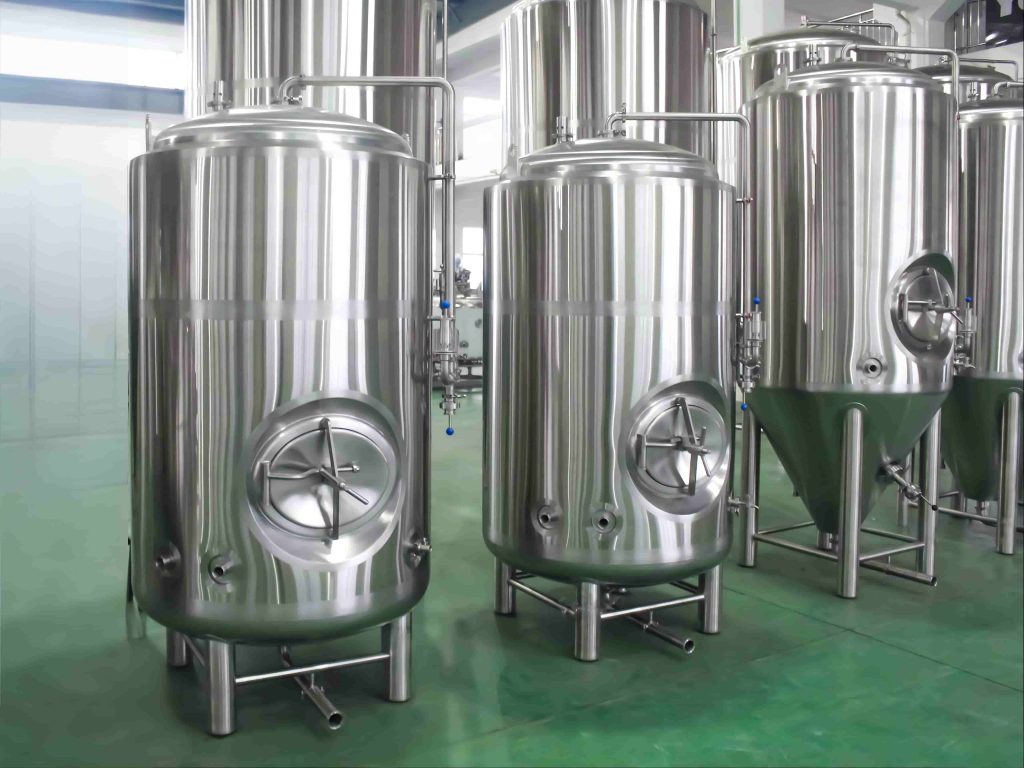
The material of construction is a critical factor when selecting industrial mixing equipment, and for a stainless steel tote mixer, the choice of stainless steel is anything but arbitrary. Stainless steel offers a confluence of properties that make it uniquely suited for the demanding environments and stringent hygiene requirements of many industries. Its superior corrosion resistance is perhaps its most celebrated attribute. Unlike other metals that may degrade when exposed to aggressive chemicals, acids, or even certain food products, stainless steel remains inert, preventing material contamination and ensuring the longevity of the equipment.
Beyond corrosion resistance, the hygienic properties of stainless steel are unmatched. Its non-porous surface makes it incredibly easy to clean and sanitize, a non-negotiable aspect in sectors like dairy, pharmaceuticals, and biotechnology where bacterial growth must be prevented at all costs. This ease of cleaning directly translates to reduced downtime for maintenance and changeovers, thereby enhancing operational efficiency. The smooth, inert surface prevents product adhesion, minimizing waste and simplifying sanitation protocols, which is vital for maintaining product purity and complying with regulatory standards. Many of SKE’s mixing tanks and equipment also leverage the benefits of stainless steel for these very reasons.
Durability is another significant advantage. Stainless steel is known for its high tensile strength and ability to withstand mechanical stresses, vibrations, and impacts that are common in industrial settings. This robustness ensures that a stainless steel tote mixer can endure continuous operation without frequent breakdowns or structural fatigue, guaranteeing a long service life and a solid return on investment. The structural integrity provided by stainless steel also contributes to safer operations, as equipment failures due to material degradation are significantly reduced.
Furthermore, stainless steel is aesthetically pleasing and maintains its appearance over time, resisting tarnishing and discoloration. While this might seem secondary to functional benefits, it is often a reflection of the overall quality and care taken in manufacturing. For industries where presentation and public perception are important, or where equipment is exposed to inspectors, the clean, professional look of a stainless steel tote mixer adds to the overall perception of quality and compliance. The versatility of stainless steel is also noteworthy; specific grades, such as 304 or 316L, can be chosen based on the precise chemical compatibility and environmental conditions, offering tailored solutions for diverse mixing challenges. For instance, processes involving high chloride levels might necessitate a 316L stainless steel tote mixer for enhanced resistance.
In summary, opting for a stainless steel tote mixer is a decision driven by a clear understanding of quality, hygiene, and long-term performance. It represents an investment in equipment that not only performs its primary function of mixing effectively but also upholds the highest standards of product safety and operational efficiency—a core philosophy that SKE champions in all its offerings.
Diverse Applications of the Stainless Steel Tote Mixer
The versatility of a stainless steel tote mixer makes it an invaluable asset across an impressive array of industries, each with unique mixing requirements. Its adaptability stems from the robustness of stainless steel construction combined with innovative impeller designs, allowing it to handle everything from gentle blending to high-shear dispersion.
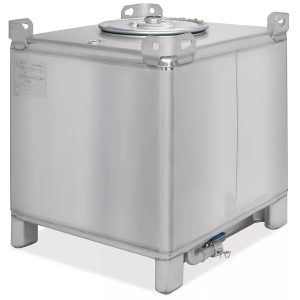
In the food and beverage industry, stainless steel tote mixers are crucial for maintaining consistency and hygiene. They are extensively used for blending liquid ingredients such as fruit juices, dairy products, sauces, syrups, and flavorings. The sanitization capabilities of stainless steel are paramount here, preventing cross-contamination and ensuring compliance with strict food safety regulations. For example, a large batch of a specialty beverage can be mixed directly in an IBC, reducing transfer steps and maintaining product integrity from production to packaging. This versatility is also evident in SKE’s broader product line-up, which includes various solutions for sanitary processing.
The pharmaceutical and biotechnology sectors demand the highest standards of purity and precision, and the stainless steel tote mixer rises to this challenge. It is ideal for mixing active pharmaceutical ingredients (APIs), sterile solutions, suspensions, and culture media. The inert nature of stainless steel prevents leaching or reaction with sensitive compounds, protecting product efficacy. Furthermore, the ease of validation for cleaning procedures (CIP/SIP) with stainless steel equipment is critical for regulatory approvals and maintaining aseptic conditions, making the stainless steel tote mixer a preferred choice for companies committed to quality and compliance.
Key Design Features and Considerations for a Tote Mixer
When selecting or customizing a stainless steel tote mixer, understanding its key design features and the considerations involved is critical to ensuring optimal performance and longevity. These mixers are not one-size-fits-all; their efficacy greatly depends on matching the design to the specific application and material characteristics. SKE emphasizes precision engineering in all its products, including components for process heating and other crucial systems, which rely on similar design principles.
One of the primary design features is the motor and drive system. The motor’s horsepower and speed range must be appropriate for the viscosity and volume of the material being mixed. Variances in motor type (e.g., electric, air-driven) and control (e.g., variable speed drives) allow for flexibility in mixing processes, from gentle stirring to high-shear dispersion. The gearbox, if present, also plays a crucial role in delivering the necessary torque for demanding applications. Ensuring the motor is correctly sized prevents overheating but also guarantees efficient energy consumption.
The impeller design is arguably the most critical component for effective mixing. Various impeller types are available, each generating different flow patterns and shear forces. Common types include:
- Propeller Impellers: Best for low-viscosity liquids, creating axial flow for efficient circulation.
- Folding Impellers: Often used with tote mixers, these can pass through narrow openings (like IBC bung holes) and then open up to provide larger mixing surfaces.
- Turbine Impellers: Suited for medium to high viscosity fluids, generating radial flow and high shear.
- Anchor Impellers: Ideal for high-viscosity products, scraping the walls of the tote to prevent material buildup and ensure thorough mixing.
The selection of the appropriate impeller for a stainless steel tote mixer directly impacts mixing efficiency, blend homogeneity, and even energy consumption. SKE’s expertise allows for tailoring impeller designs to specific process needs, ensuring the best possible outcome.
The mounting system is another vital design element. A robust and secure mounting frame ensures stability during operation, minimizing vibrations and enhancing safety. Most tote mixers feature a universal mounting bracket that can be easily attached to standard IBC cages. Some designs incorporate forklifts slots or lifting eyes for easy transport and positioning. The adjustability of the mounting height and angle can also be beneficial, allowing the impeller to be positioned optimally within the tote for thorough blending.
Of course, the choice of stainless steel grade is non-negotiable. Typically, 304 stainless steel is used for general applications, while 316L stainless steel is preferred for corrosive environments, sanitary applications, and processes requiring higher purity, due to its enhanced resistance to pitting and crevice corrosion. The surface finish of the stainless steel components, whether polished or electropolished, also contributes to ease of cleaning and prevention of bacterial growth, particularly important in pharmaceutical and food applications. The welding quality for these components is paramount to avoid potential weak spots and ensure long-term durability. For instance, SKE’s commitment to quality ensures that every seam on their process heating equipment (which often integrate mixing functions) is expertly welded and finished to the highest standards.
Finally, safety features and compliance with industry standards are paramount. This includes emergency stops, overload protection for the motor, and proper guarding. ATEX certifications may be required for operations in potentially explosive atmospheres. A well-designed stainless steel tote mixer not only performs efficiently but also prioritizes operator safety and regulatory compliance.
Optimizing Performance and Maintenance of Your Tote Mixer
Achieving peak performance and extending the lifespan of your stainless steel tote mixer hinges on proper operation, proactive maintenance, and understanding the nuances of your mixing applications. Just like any sophisticated industrial equipment, a well-maintained tote mixer is more reliable, efficient, and cost-effective in the long run. At SKE, we not only design and build high-quality stainless steel tote mixers but also provide guidance on best practices for their use and care.
Operational best practices begin with correctly positioning the mixer. The impeller must be submerged adequately to prevent cavitation, which can lead to inefficient mixing and premature wear. The chosen impeller type should align with the fluid’s viscosity and the desired mixing intensity. For instance, a low-viscosity liquid agitated by a high-shear impeller might result in splashing or aerosol formation, while a highly viscous material mixed with an undersized propeller might simply spin without achieving proper blend. Variable speed controls are invaluable here, allowing operators to adjust the mixing speed to achieve the optimal vortex and flow pattern for each specific task. This level of control helps reduce energy consumption and improves product quality by preventing over-shearing of delicate materials.
Regular maintenance is paramount. This includes routine inspection of the motor, gearbox, shaft, and impeller for any signs of wear, corrosion, or damage. Check for secure fastenings and connections. Lubrication of moving parts, as specified by the manufacturer, is crucial to prevent friction-induced wear and heat buildup. Seals and gaskets should be inspected for integrity and replaced if they show signs of cracking or degradation, especially in sanitary applications where leakage could lead to contamination. For instance, SKE’s focus on durable construction extends to all components, including those that power our robust mixing solutions for industrial steam generators that sometimes require integral mixing to prevent separation.
Cleaning and sanitation are central to maintaining a stainless steel tote mixer, particularly in hygiene-sensitive industries. Developing a clear cleaning protocol, whether it’s manual cleaning or a Clean-In-Place (CIP) system, is essential. Stainless steel’s smooth surface simplifies this process, but residue buildup can still occur, particularly with viscous materials. Using appropriate cleaning agents that are effective against the product being mixed but non-corrosive to stainless steel is vital. Furthermore, ensuring thorough rinsing to remove all cleaning solution is important to prevent contamination and corrosion. Regular inspection for any pitting or surface damage on the stainless steel components should be part of the cleaning routine, as even minor imperfections can harbor bacteria or lead to future corrosion.
Lastly, troubleshooting common issues can prevent small problems from escalating. Unusual noises or vibrations during operation often indicate an imbalance, worn bearings, or impeller damage. Decreased mixing efficiency could point to product buildup on the impeller or shaft, or an inadequate mixing strategy for a changed product formulation. Maintaining a log of maintenance activities and operational parameters helps in proactive problem identification and resolution. By adhering to these guidelines, your stainless steel tote mixer will consistently deliver reliable performance, supporting uninterrupted production and high-quality output for years to come.
SKE’s Commitment to Quality in Stainless Steel Tote Mixers
At SKE, our reputation is built on a steadfast commitment to engineering excellence and delivering equipment that not only meets but exceeds industry expectations. When it comes to stainless steel tote mixers, our approach integrates cutting-edge design with robust manufacturing practices, ensuring every unit provides unparalleled performance, reliability, and longevity. We understand that in today’s demanding industrial landscape, efficiency, hygiene, and durability are not just features but fundamental necessities. Our dedication to these principles is what sets the SKE stainless steel tote mixer apart.
Our design philosophy for stainless steel tote mixers centers around the specific needs of our clients. We recognize that each application presents unique challenges, whether it’s dealing with highly corrosive chemicals, sensitive pharmaceutical compounds, or challenging food products. That’s why we don’t offer generic solutions. Instead, SKE’s team of experienced engineers works closely with customers to specify the optimal motor sizing, impeller geometry, and stainless steel grade (e.g., 304, 316L) to ensure maximum efficiency and compatibility with the materials being processed. This meticulous attention to detail ensures that your stainless steel tote mixer is perfectly calibrated for its intended purpose, delivering consistent and homogeneous blends every time.
Quality in manufacturing is a cornerstone of SKE. All our stainless steel tote mixers are produced using high-grade stainless steel, sourced from trusted suppliers. Our fabrication processes adhere to stringent quality control measures, including advanced welding techniques and surface finishing treatments that guarantee a smooth, non-porous, and easily cleanable surface. This is particularly crucial for maintaining sanitary conditions in the food, beverage, and pharmaceutical industries, where compliance with regulatory standards is non-negotiable. Our commitment to quality ensures that our equipment, including other related products such as our steam generators, integrates seamlessly into complex processing lines.
Furthermore, SKE is committed to providing comprehensive support beyond the sale. Our expert team is available for technical assistance, spare parts, and maintenance guidance, ensuring that your stainless steel tote mixer continues to operate at peak performance throughout its lifecycle. We believe that investing in an SKE tote mixer is not just acquiring equipment; it’s partnering with a company that stands behind its products with unwavering support and expertise. This holistic approach, from initial consultation and custom design to manufacturing and after-sales service, is the SKE advantage.
By choosing an SKE stainless steel tote mixer, you are investing in a solution that embodies superior engineering, robust construction, and a deep understanding of industrial mixing challenges. Our relentless pursuit of excellence ensures that every mixer we deliver contributes positively to your operational efficiency, product quality, and bottom line, solidifying SKE’s position as a leader in industrial processing equipment.
Future Trends in Tote Mixer Technology
The landscape of industrial mixing is continuously evolving, driven by demands for greater efficiency, sustainability, and precision. The stainless steel tote mixer, as a critical component in many processes, is also at the forefront of these technological advancements. Understanding these future trends is crucial for businesses looking to stay competitive and embrace the next generation of mixing solutions. At SKE, we constantly monitor these developments to integrate the best innovations into our offerings.
One significant trend is the increased integration of smart technology and automation. Future stainless steel tote mixers will likely feature advanced sensors for real-time monitoring of critical parameters such as temperature, viscosity, pH, and mixing intensity. This data can then be fed into a centralized control system, allowing for automated adjustments to mixing speed and duration to ensure optimal results. Predictive maintenance capabilities will also become more prevalent, where algorithms analyze operational data to anticipate equipment failures, enabling proactive servicing and minimizing unexpected downtime. This level of smart integration will push the efficiency of the stainless steel tote mixer to new heights.
Another emerging trend focuses on enhanced energy efficiency. As industries strive to reduce their carbon footprint and operational costs, mixer designs are being optimized for lower power consumption without compromising mixing effectiveness. This includes the development of more efficient motor technologies, optimized impeller designs that reduce drag, and advanced control systems that automatically adjust power output based on real-time mixing requirements. The goal is to maximize the kinetic energy transferred to the fluid while minimizing wasted energy, making the stainless steel tote mixer an even more sustainable choice.
Advanced materials and surface treatments will also play a role in the evolution of the stainless steel tote mixer. While stainless steel remains the gold standard for its corrosion resistance and hygienic properties, research into specialized coatings or alloy modifications could further enhance its capabilities. For instance, anti-fouling surfaces could further reduce product adhesion, simplifying cleaning procedures and reducing water and chemical consumption. The continued focus on 316L and even higher-grade stainless steels for specific applications will also ensure longevity in the most demanding environments, a standard SKE already embraces for critical components in our broader range of industrial equipment.
Finally, there’s a growing emphasis on modularity and customization. While current tote mixers offer a degree of customization, future designs might feature even greater modularity, allowing users to easily swap out impellers, motors, or even control units to adapt the mixer to evolving product requirements or different tote sizes with minimal effort. This flexibility will empower businesses to optimize their capital expenditure and adapt quickly to market changes, making the stainless steel tote mixer an even more agile and indispensable tool in modern manufacturing. As these trends unfold, SKE remains committed to being at the forefront, ensuring our stainless steel tote mixers continue to represent the pinnacle of mixing technology.
Frequently Asked Questions about Stainless Steel Tote Mixers
What are the primary benefits of using a stainless steel tote mixer over traditional tank mixers?
The primary benefits include enhanced flexibility, as mixing occurs directly in the IBC, eliminating the need for material transfer and reducing contamination risks. Stainless steel tote mixers are also highly portable, cost-effective for smaller batch sizes, and require less floor space. The stainless steel construction ensures superior hygiene and corrosion resistance, crucial for many industries.
Which industries most commonly utilize a stainless steel tote mixer?
Stainless steel tote mixers are widely used in the food and beverage, pharmaceutical, biotechnology, chemical, and cosmetics industries. Their hygienic design, corrosion resistance, and versatility make them ideal for blending, suspending, and dissolving a wide range of products in these sectors.
How do I choose the correct impeller for my stainless steel tote mixer?
Choosing the correct impeller often depends on the fluid’s viscosity, the desired mixing intensity, and the shear sensitivity of the material. Propeller impellers are good for low viscosity, folding impellers for passing through small openings, turbine impellers for higher shear, and anchor impellers for very high viscosity. Consulting with experts like SKE can help you select the optimal impeller for your specific application.
What maintenance is required for a stainless steel tote mixer?
Regular maintenance includes inspecting the motor, gearbox, shaft, and impeller for wear or damage, lubricating moving parts, checking seals and gaskets, and cleaning all stainless steel surfaces thoroughly. For hygiene-sensitive applications, meticulous cleaning and sanitation protocols are essential to prevent contamination and maintain product purity.
Can SKE customize a stainless steel tote mixer to specific requirements?
Yes, SKE offers extensive customization options for our stainless steel tote mixers. We work closely with our clients to tailor motor sizing, impeller design, stainless steel grade (e.g., 304 or 316L), mounting options, and control systems to meet the unique demands of specific applications and processes, ensuring optimal performance and seamless integration.
Ready to elevate your mixing processes with a reliable stainless steel tote mixer?
Contact SKE today to discuss your specific requirements. We’re here to help you find the perfect solution.
Find us on Facebook |
Email: info@skeequipment.com
Fill out the contact form at the bottom of the page for personalized assistance.