Introduction to Stainless Steel Mixing Vats
In countless industrial processes, from food and beverage to pharmaceuticals and cosmetics, the ability to blend, agitate, and homogenize ingredients effectively is paramount. At the heart of these operations often lies a crucial piece of equipment: the stainless steel mixing vat. This versatile vessel is designed to handle a wide range of materials, ensuring consistency, quality, and efficiency in production. Understanding the various facets of a stainless steel mixing vat is key to optimizing manufacturing workflows and achieving superior product outcomes.
A mixing vat, by definition, is a container used for mixing or blending substances. When constructed from stainless steel, it gains significant advantages in terms of hygiene, durability, and resistance to corrosion. These characteristics make the stainless steel mixing vat an indispensable tool across a spectrum of industries where product integrity cannot be compromised. Whether it’s for preparing large batches of sauces, formulating chemical solutions, or developing pharmaceutical compounds, the precise control offered by a well-designed mixing vat is invaluable.
At SKE, we understand the critical role these vessels play. Our commitment to engineering excellence ensures that every stainless steel mixing vat we manufacture meets stringent quality standards, providing reliable performance for demanding industrial environments. We focus on delivering innovative solutions that not only meet but exceed the operational needs of our clients, offering robust construction and thoughtful design for maximum efficiency and longevity. The superior design of various components, such as a robust pump skid assembly, is often integrated with these larger systems to ensure seamless operation.
This article will delve into the essential aspects of stainless steel mixing vats, exploring their benefits, different types, key features, and critical considerations when selecting one for your specific application. By the end, you’ll have a comprehensive understanding of why a high-quality stainless steel mixing vat is not just equipment, but a fundamental asset to your production process.
Why Stainless Steel for Mixing Vats?
The choice of material for any industrial processing equipment is critical, and for mixing vats, stainless steel stands out as the material of preference for numerous compelling reasons. Its unique properties make it ideal for environments where hygiene, durability, and chemical resistance are non-negotiable. These properties directly contribute to the efficiency and safety of a stainless steel mixing vat, making it a cornerstone in modern manufacturing.
- Corrosion Resistance: Stainless steel, particularly grades like 304 and 316L, offers exceptional resistance to rust, oxidation, and corrosion caused by a wide range of chemicals, acids, and alkalis. This is crucial for maintaining the purity of the mixed product and extending the lifespan of the stainless steel mixing vat itself. In industries like food processing, this resistance prevents contamination and ensures food safety.
- Hygienic Properties: The smooth, non-porous surface of stainless steel makes it incredibly easy to clean and sanitize. This is a vital characteristic for applications in food, beverage, pharmaceutical, and cosmetic industries where strict hygiene standards must be met. A properly designed stainless steel mixing vat minimizes areas where bacteria can harbor, simplifying clean-in-place (CIP) processes and reducing cross-contamination risks.
- Durability and Longevity: Stainless steel is an extremely robust material, capable of withstanding harsh operating conditions, including high temperatures and pressures, as well as physical stresses from continuous mixing. A well-constructed stainless steel mixing vat is a long-term investment, providing years of reliable service with minimal wear and tear.
- Temperature Stability: Stainless steel performs consistently across a broad range of temperatures, making it suitable for both heating and cooling applications within the mixing process. Many stainless steel mixing vats incorporate jackets for precise temperature control, ensuring optimal conditions for chemical reactions or product consistency.
- Aesthetic Appeal: While often a secondary consideration in industrial settings, the clean, professional appearance of stainless steel contributes to a perception of quality and cleanliness in facilities, aligning with best practices in manufacturing.
- Versatility: Stainless steel can be fabricated into various shapes and sizes, allowing for tailored designs that fit specific mixing requirements, whether it’s for high-shear blending or gentle agitation inside a custom stainless steel mixing vat.
For SKE, these attributes are not just material specifications; they are foundational to the performance and reliability of our equipment. We leverage the inherent strengths of stainless steel to engineer mixing vats that are not only efficient but also compliant with the highest industry standards, safeguarding your product and your investment. Choosing a stainless steel mixing vat from SKE means opting for unparalleled quality and operational assurance.
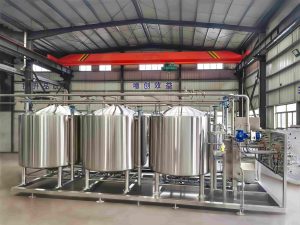
Types and Key Features of Stainless Steel Mixing Vats
The world of a stainless steel mixing vat is diverse, featuring a range of designs tailored to specific mixing challenges. Understanding these types and their integral features is crucial for selecting the optimal equipment for your operational needs. From simple batch mixing to complex continuous processes, the right vat design makes all the difference in achieving desired product characteristics and maximizing efficiency.
Common Types of Stainless Steel Mixing Vats:
- Single-Wall Vats: These are the simplest form, essentially a stainless steel tank used for basic mixing where temperature control is not a primary concern. They are often used for storing and blending non-temperature-sensitive liquids or powders.
- Jacketing Mixing Vats: Perhaps the most common type, these vats feature a jacket around the main vessel, which allows for heating or cooling media (e.g., steam, hot water, chilled water, glycol) to flow through. This enables precise temperature control during mixing, critical for processes like pasteurization, cooking, or maintaining viscosity. SKE’s jacketed stainless steel mixing vat designs are highly efficient, ensuring uniform temperature distribution.
- Insulated Vats: Often combined with jackets, insulation helps maintain the desired internal temperature, reducing heat loss or gain, and improving energy efficiency. This is particularly important for processes requiring prolonged temperature stability.
- Pressure Vats: Designed to operate under pressure, these vats are essential for applications requiring retort sterilization, carbonation, or handling volatile ingredients. They require robust construction and precise engineering to ensure safety and compliance.
- Vacuum Mixing Vats: These vats allow for mixing under vacuum conditions, which is beneficial for degassing products, removing air bubbles, or working with oxygen-sensitive ingredients. This enhances product quality and shelf life for many delicate formulations.
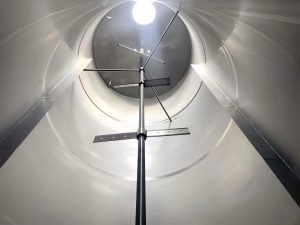
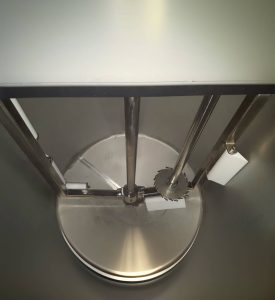
Key Features to Consider in a Stainless Steel Mixing Vat:
- Agitator/Mixer Type: The heart of any mixing vat is its agitator. Options include:
- Propeller Agitators: Ideal for low-viscosity liquids, providing good flow patterns.
- Paddle Agitators: Suitable for gentle mixing of delicate products or slurries.
- Turbine Agitators: Versatile for a range of viscosities, offering high shear.
- Anchor Agitators: Excellent for high-viscosity products, scraping the walls to prevent product buildup and ensure thorough mixing. Often combined with other agitator types.
- High-Shear Mixers: For emulsifying, homogenizing, and dispersing insoluble solids into liquids, creating very fine particle sizes.
- Bottom Outlet Valve: Essential for efficient discharge, design considerations include flush-bottom valves to minimize dead spots and ensure complete product evacuation.
- Lid & Access: Hinged lids, manways, and various access ports (for ingredients, sensors, spray balls) are crucial for operational ease, cleaning, and maintenance.
- Surface Finish: The internal surface finish (e.g., Ra value) is vital for hygienic applications. A smoother finish prevents material adherence and eases cleaning.
- CIP/SIP Compatibility: Designed for Clean-In-Place (CIP) and Sterilize-In-Place (SIP) systems, ensuring automated and effective cleaning without disassembly, which is a significant advantage for operational efficiency.
- Instrumentation & Controls: Integration with temperature sensors, level sensors, pressure transducers, and variable frequency drives (VFDs) for agitator speed control allows for precise process management and automation.
- Skirting or Legs: Robust support structures ensure stability and proper elevation for discharge and cleaning access.
At SKE, each stainless steel mixing vat is engineered with these features in mind, customized to meet the unique demands of your process. Our extensive experience allows us to advise on the most suitable agitator, jacket configuration, and control systems to ensure your mixing vat delivers consistent results, product after product.
Applications Across Industries
The versatility of a stainless steel mixing vat makes it an indispensable asset across a vast array of industries. From processing delicate food items to robust chemical compounds, these vats provide the controlled environment necessary for successful product formulation and preparation. Their adaptability to different viscosities, temperatures, and cleanliness requirements positions them as a central component in modern manufacturing.
Food and Beverage Industry:
In food and beverage production, hygiene and precise mixing are paramount. A stainless steel mixing vat is used for:
- Dairy Processing: Mixing milk, cream, yogurt, and ice cream bases, often with heating or cooling capabilities.
- Sauces and Dressings: Blending ingredients for condiments, marinades, and salad dressings, maintaining emulsion stability.
- Confectionery: Creating batters, chocolate mixtures, and syrups, demanding accurate temperature control.
- Beverage Production: Formulating juices, soft drinks, and alcoholic beverages, requiring consistent ingredient distribution.
- Soup and Broth Preparation: Large-scale cooking and mixing of liquid food products.
- Bakery Ingredients: Mixing doughs, fillings, and batters, often requiring specific shear forces.
Pharmaceutical and Biotechnology Industry:
The pharmaceutical sector demands the highest levels of purity and precision. A stainless steel mixing vat used here must often meet stringent regulatory standards, such as cGMP (current Good Manufacturing Practices).
- Active Pharmaceutical Ingredient (API) Preparation: Blending raw materials and solutions in sterile or controlled environments.
- Vaccine and Bioreactor Media Preparation: Mixing nutrient broths and buffers under aseptic conditions.
- Creams, Ointments, and Gels: Homogenizing viscous formulations, often requiring high-shear mixing.
- Oral Suspensions and Syrups: Dissolving active ingredients and excipients in liquid bases.
At SKE, our experience spans these diverse sectors, allowing us to design and fabricate a stainless steel mixing vat that is perfectly suited for your specific application. Our engineering team considers every variable from viscosity and temperature requirements to sanitary standards and regulatory compliance, ensuring that your SKE mixing vat is a perfect fit for your operational needs, contributing to a fluid and efficient production line, often paired with a comprehensive mixing system.
Choosing the Right Stainless Steel Mixing Vat
Selecting the appropriate stainless steel mixing vat is a critical decision that directly impacts product quality, operational efficiency, and overall profitability. With a multitude of designs, sizes, and features available, a systematic approach is essential to ensure you invest in a solution that perfectly aligns with your specific production requirements. This decision involves evaluating several key factors.
1. Product Characteristics:
- Viscosity: Is your product thin like water, or thick like honey or paste? This determines the type of agitator (e.g., propeller for low, anchor for high viscosity) and motor power required for the stainless steel mixing vat.
- Density: The density of the ingredients influences agitator design and motor sizing to ensure proper mixing.
- Shear Sensitivity: Does your product break down under high shear (e.g., emulsions, delicate proteins) or require high shear to mix effectively (e.g., dispersing powders)?
- Abrasiveness/Corrosiveness: If ingredients are abrasive or highly corrosive, special considerations for stainless steel grade (e.g., 316L over 304), internal surface finish, and agitator material are necessary.
- Solids Content: The percentage and nature of solids will influence agitator choice and bottom outlet design to prevent clogging.
2. Process Requirements:
- Batch Size: Determine the maximum and minimum batch volumes your stainless steel mixing vat needs to handle. This dictates the optimal vessel size.
- Temperature Control: Does the process require heating, cooling, or maintaining a specific temperature? This necessitates a jacketed and potentially insulated mixing vat.
- Pressure/Vacuum: Will the mixing occur under pressure or vacuum? This dictates the design and construction standards of the vat.
- Mixing Time & Intensity: How long does the mixing need to occur, and how thorough must it be? This impacts agitator speed, type, and power.
- Hygiene Standards: What are the required levels of sanitation (e.g., food-grade, pharmaceutical-grade, sterile)? This affects surface finish, CIP/SIP capability, and overall design.
- Ingredients Addition: How will ingredients be added (e.g., manually, automated, bulk)? Consider accessibility and port locations on the stainless steel mixing vat.
3. Operational and Environmental Factors:
- Footprint and Layout: Ensure the stainless steel mixing vat fits within your existing space and integrates seamlessly with other equipment.
- Automation Level: Do you need manual, semi-automatic, or fully automated controls for mixing, temperature, and ingredient addition?
- Ease of Cleaning and Maintenance: Look for designs that enhance cleanability and ease of access for routine maintenance.
- Regulatory Compliance: Ensure the vat meets relevant industry standards (e.g., FDA, USDA, cGMP, ATEX for hazardous environments).
- Budget: While cost is a factor, prioritize performance and longevity. A cheaper vat that fails to meet requirements or requires constant maintenance will be more expensive in the long run.
At SKE, we pride ourselves on being more than just equipment manufacturers; we are solution providers. Our technical experts work closely with you to analyze your specific needs, guiding you through the selection process for the perfect stainless steel mixing vat. We combine our deep industry knowledge with precision engineering to deliver custom-built solutions that optimize your processes and ensure product excellence. Don’t hesitate to consult SKE’s team for expert advice on your mixing vat needs.
Maintenance for Your Stainless Steel Mixing Vat
Investing in a high-quality stainless steel mixing vat from SKE is a step towards optimized production and sustained operational excellence. However, like any precision machinery, its longevity and consistent performance heavily rely on diligent and regular maintenance. A proactive maintenance strategy not only preserves the equipment but also safeguards product quality, ensures compliance with hygiene standards, and minimizes costly downtime.
Daily/After Each Use Maintenance:
- Thorough Cleaning: Immediate cleaning after each batch is paramount, especially in food, pharma, and cosmetic industries. This prevents product residues from hardening, becoming difficult to remove, or fostering microbial growth. Utilize appropriate cleaning agents recommended for stainless steel and your specific product. For advanced systems, operating a CIP (Clean-In-Place) system ensures automated, effective cleaning without disassembly.
- Rinse Adequately: Ensure all cleaning agents are thoroughly rinsed off to prevent contamination or corrosion.
- Visual Inspection: Quickly check for any obvious leaks, unusual wear on agitator blades, or signs of damage.
- Drainage: Ensure the vat is completely drained and dry if not immediately used again, especially if susceptible to microbial growth.
Weekly/Bi-Weekly Maintenance:
- Lubrication: Check and lubricate bearings, seals, and gearboxes of the agitator system according to the manufacturer’s specifications. Proper lubrication prevents friction and premature wear.
- Seal Integrity Check: Inspect agitator seals, manway gaskets, and valve seals for any signs of wear, cracking, or leakage. Worn seals can lead to product loss or contamination.
- Fastener Tightness: Verify that all bolts and fasteners are tight, especially around agitator mounts and access points. Vibration can loosen connections over time.
- Control System Check: Test temperature sensors, level indicators, and any automated controls to ensure they are functioning correctly and calibrated.
Monthly/Quarterly Maintenance:
- Agitator Blade Inspection: Closely examine agitator blades or impellers for pitting, erosion, or bending. Even minor damage can affect mixing efficiency and product quality. Replace if necessary.
- Vessel Wall Integrity: Inspect the interior and exterior surfaces of the stainless steel mixing vat for any signs of corrosion, pitting, or stress cracks. Early detection can prevent major failures.
- Jacket System Inspection: If jacketed, check the integrity of the jacket welds and connections for leaks. Ensure proper flow of heating/cooling media.
- Motor and Gearbox Assessment: Listen for unusual noises, check for excessive heat, and inspect for oil leaks. Over time, these components may require service or replacement.
- Calibration of Sensors: Recalibrate all critical sensors (temperature, pressure, level) to ensure accuracy in process control.
Annual/Bi-Annual Major Servicing:
- Comprehensive Overhaul: This might involve disassembling key components like the agitator, inspecting all internal parts, and replacing worn seals, bearings, or other critical parts.
- Weld Integrity Check: Consider non-destructive testing (NDT) methods for critical welds, especially in pressure vats, to detect microscopic flaws.
- Pressure Relief Valve Testing: For pressure vessels, ensure relief valves are functioning correctly and are calibrated.
- Documentation Review: Keep meticulous records of all maintenance activities, repairs, and part replacements. This helps track equipment health and predict future maintenance needs.
At SKE, we provide detailed operation and maintenance manuals with every stainless steel mixing vat. We also offer expert support and spare parts to ensure your equipment continues to perform optimally for decades. Proper maintenance is not just about extending equipment life; it’s about preserving the quality of your product and the efficiency of your entire operation. Trust SKE to provide not only superior equipment but also the support to maintain its peak performance.
Frequently Asked Questions about Stainless Steel Mixing Vats
What are the primary differences between 304 and 316L stainless steel for mixing vats?
304 stainless steel is the most common grade, offering good corrosion resistance and is suitable for many general-purpose mixing applications, particularly in the food and beverage industry. 316L stainless steel contains molybdenum, which significantly enhances its resistance to pitting and crevice corrosion, especially in environments with chlorides or harsh chemicals. It’s often preferred for pharmaceutical, marine, and more aggressive chemical processing, making it a premium choice for a robust stainless steel mixing vat.
How do I determine the correct agitator type for my product in a stainless steel mixing vat?
The ideal agitator type depends primarily on the viscosity, shear sensitivity, and desired outcome of your product. For low-viscosity liquids, propellers or turbines are effective. High-viscosity products often require anchors or helical ribbon agitators to ensure thorough wall scraping and mixing. Products needing emulsification or fine dispersion might benefit from high-shear mixers. SKE’s engineering team can perform calculations and simulations based on your specific product and process to recommend the most efficient agitator for your stainless steel mixing vat.
What are the benefits of a jacketed stainless steel mixing vat?
A jacketed stainless steel mixing vat allows for precise temperature control during the mixing process. Benefits include cooking, heating, or cooling the product directly within the vat, maintaining a stable temperature for chemical reactions, preventing crystallization, controlling viscosity, and even allowing for pasteurization. This capability is crucial for many food, pharmaceutical, and chemical applications, ensuring product quality and process consistency.
Can SKE custom-build a stainless steel mixing vat to my exact specifications?
Yes, absolutely. SKE specializes in custom fabrication and engineering of process equipment. We understand that standard solutions don’t always fit unique operational needs. Our team works closely with clients to design a stainless steel mixing vat that perfectly matches their specific capacity, dimensions, agitator type, temperature control requirements, sanitary standards, and automation level. We leverage our expertise to deliver bespoke mixing solutions that integrate seamlessly into your existing production line.
How important is surface finish for a stainless steel mixing vat?
Surface finish is extremely important, especially for sanitary applications in the food, pharmaceutical, and biotech industries. A smoother internal surface (measured by Ra value) reduces the adhesion of product residue and bacteria, making the stainless steel mixing vat easier to clean and sanitize. This minimizes the risk of contamination and enhances product purity. Different industries and applications have specific requirements for surface finishes, and SKE ensures compliance with these critical standards for all our mixing vat solutions.
Optimize Your Production with SKE’s Stainless Steel Mixing Vats
Ready to enhance your mixing capabilities with a high-quality, durable, and efficient stainless steel mixing vat? SKE offers expertly engineered solutions tailored to your unique industrial needs.
Connect with us:
Facebook |
Email: info@skeequipment.com
For detailed inquiries or to discuss your specific requirements, please fill out the contact form at the bottom of the page, and our experts will be in touch!