Introduction to Stainless Steel Chemical Mixing Tanks
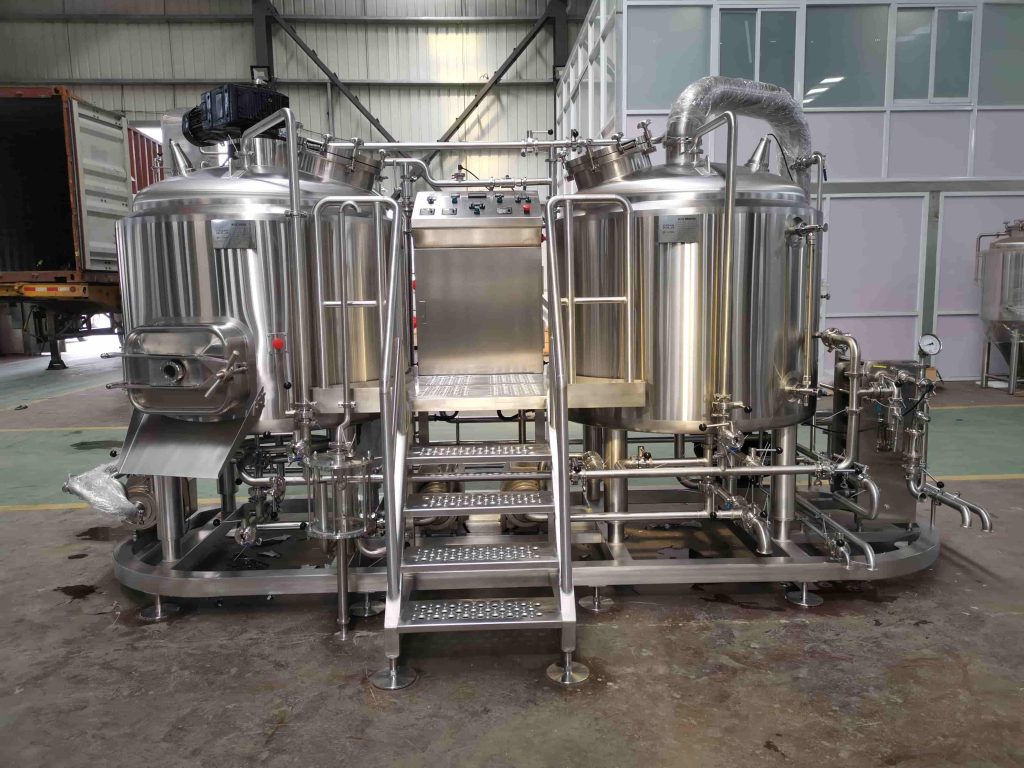
In the vast landscape of industrial processing, the humble mixing tank stands as a cornerstone, particularly when it comes to chemical manufacturing. However, not all mixing tanks are created equal. When dealing with corrosive, volatile, or sensitive chemical compounds, the material and design of the tank become paramount. This is where stainless steel chemical mixing tanks emerge as the industry standard. These robust vessels are meticulously engineered to facilitate everything from simple dissolution to complex reactions, ensuring product consistency, safety, and purity.
The demand for high-quality, reliable equipment in chemical processing cannot be overstated. Industries ranging from pharmaceuticals and biotechnology to food and beverage, as well as general chemical manufacturing, rely heavily on effective mixing to produce a vast array of products. The integrity of these products, and indeed the safety of the entire operation, often hinges on the performance of the mixing equipment. Stainless steel, with its unique properties, offers an ideal solution, providing unparalleled resistance to a wide range of chemicals, superior hygienic characteristics, and enduring durability.
This article will delve deep into the world of stainless steel chemical mixing tanks, exploring their fundamental importance, the specific advantages that stainless steel brings to the table, critical design considerations, and their diverse applications across various sectors. We will also highlight how manufacturers like SKE are innovating in this space, providing cutting-edge solutions that meet the stringent demands of modern chemical processing. Understanding the nuances of these tanks is crucial for any operation looking to optimize its mixing processes and ensure the highest standards of quality and efficiency.
The journey from raw materials to finished products often involves intricate blending, dispersion, emulsification, and suspension processes. Each of these operations requires precise control over mixing parameters, and the vessel itself plays a crucial role in enabling these processes. From small laboratory-scale reactors to large industrial vats, the principles remain the same: a reliable, inert, and efficient mixing environment. Choosing the right stainless steel chemical mixing tanks is not just an investment in equipment, but an investment in the consistency, safety, and profitability of your entire production line. SKE’s commitment to quality and engineering excellence ensures that our tanks provide the optimal environment for your most demanding chemical mixing requirements, supporting a wide array of industrial needs from corrosive acid blending to gentle suspension of delicate biological matter.
Why Stainless Steel? The Unmatched Advantages in Chemical Processing
The choice of material for chemical mixing tanks is arguably the most critical decision in their design and manufacturing. Among the myriad options, stainless steel consistently stands out as the material of choice for a multitude of reasons, especially when it comes to handling diverse and sometimes aggressive chemical substances. The inherent properties of stainless steel deliver a combination of benefits that are difficult to match, making it an indispensable material for stainless steel chemical mixing tanks.
Firstly, and perhaps most importantly, is its exceptional corrosion resistance. Unlike carbon steel or other metals, stainless steel forms a passive chromium oxide layer on its surface when exposed to oxygen. This invisible, self-repairing layer acts as a barrier, protecting the underlying metal from corrosive agents present in many chemicals. This resistance is crucial for maintaining the structural integrity of the tank over long periods, preventing leaks, and ensuring the safety of personnel and the environment. Different grades of stainless steel, such as 304L and 316L, offer varying levels of corrosion resistance, allowing for selection based on the specific chemical environment. For instance, 316L, with its added molybdenum content, provides superior resistance against chloride-induced pitting and crevice corrosion, making it suitable for even more aggressive chemical mixing tanks.
Secondly, stainless steel offers outstanding durability and mechanical strength. This means that stainless steel chemical mixing tanks can withstand significant operational pressures, temperatures, and dynamic stresses from agitation systems without deforming or failing. This robustness translates into a longer service life and reduced need for costly replacements or repairs, offering a significant return on investment. The ability to handle thermal cycling, common in many chemical reactions, without adverse effects is another key advantage.
Thirdly, the hygienic properties of stainless steel are unparalleled. Its smooth, non-porous surface makes it incredibly easy to clean and sanitize, preventing the adhesion and proliferation of bacteria, contaminants, and product residues. This is particularly vital in industries like pharmaceuticals, cosmetics, and food processing, where product purity and avoidance of cross-contamination are non-negotiable. Tanks can be designed for Clean-In-Place (CIP) systems, further enhancing their hygienic appeal and operational efficiency. The inert nature of stainless steel also means it will not react with or leach undesirable substances into the product, preserving its chemical composition and quality.
Finally, stainless steel is a highly versatile material that can be easily fabricated, welded, and polished to meet specific design requirements. This allows for the creation of complex geometries, customized stirring mechanisms, and specialized internal finishes that optimize mixing efficiency and discharge. The aesthetic appeal of polished stainless steel also plays a minor role in certain applications where a clean, professional appearance is desired. For these reasons, when engineering reliable and efficient chemical processing solutions, SKE consistently prioritizes the use of high-grade stainless steel, ensuring that our stainless steel chemical mixing tanks stand up to the most rigorous demands of the industry.
Critical Design Considerations for Effective Chemical Mixing Tanks
Designing effective stainless steel chemical mixing tanks involves a complex interplay of engineering principles, material science, and process understanding. It’s not merely about containing liquids; it’s about optimizing reactions, ensuring homogeneity, and maintaining product integrity. Several critical factors must be taken into account during the design phase to ensure the tank meets its operational objectives and safety standards.
One of the foremost considerations is the choice of stainless steel grade. As discussed, 304L is common for general applications, while 316L is preferred for highly corrosive substances, especially those containing chlorides, due to its enhanced resistance. Other specialized alloys might be used for extreme conditions. The internal finish of the tank is also crucial; a highly polished surface (e.g., Ra < 0.8 µm for pharmaceutical applications) prevents product adhesion, simplifies cleaning, and minimizes contamination risks.
The geometry of the tank profoundly impacts mixing efficiency. Cylindrical tanks with dished or conical bottoms are common, facilitating complete drainage. The height-to-diameter ratio is also critical, influencing flow patterns and preventing vortex formation. Baffles are often incorporated to disrupt tangential flow and promote axial flow, thus increasing shear and enhancing mixing effectiveness. The number, width, and placement of these baffles must be carefully calculated based on fluid viscosity and agitator type.
Agitator design is perhaps the most central element in effective chemical mixing. The type of agitator chosen depends heavily on the properties of the substance being mixed (viscosity, density, shear sensitivity) and the desired mixing outcome (blending, dispersion, suspension, heat transfer). Common agitator types include:
- Propeller impellers: High speed, axial flow, good for low viscosity liquids.
- Turbine impellers: Radial flow, high shear, effective for dispersion and gas-liquid contacting.
- Anchor impellers: Close-clearance, suitable for high viscosity fluids and heat transfer.
- Helical ribbon impellers: Excellent for very high viscosity, paste-like materials.
Beyond the agitator, other critical components include heating and cooling jackets (dimple, half-pipe, or conventional jackets) for precise temperature control, necessary for exothermic or endothermic reactions. Pressure ratings and vacuum capabilities are also fundamental, especially for reactions conducted under non-atmospheric conditions. Inlet and outlet nozzle placement, manways for access, sight glasses, and instrumentation ports for sensors (pH, temperature, level) must also be strategically positioned.
Safety features are non-negotiable. These include pressure relief valves, emergency vents, and robust motor supports for the agitator. Compliance with relevant industry standards (e.g., ASME, PED for pressure vessels) is mandatory, ensuring the safety and reliability of the stainless steel chemical mixing tanks. SKE places a strong emphasis on these design elements, leveraging our extensive engineering expertise to craft custom solutions that not only meet but exceed operational and safety expectations, ensuring optimal performance for every chemical mixing process.
Diverse Applications: Where Stainless Steel Chemical Mixing Tanks Shine
The versatility and robust nature of stainless steel chemical mixing tanks make them indispensable across an incredibly broad spectrum of industries. Their ability to handle corrosive chemicals, maintain sterility, and facilitate complex reactions means they are at the heart of countless manufacturing processes globally. Understanding their diverse applications highlights their critical role in modern industrial production.
In the pharmaceutical and biotechnology industries, stainless steel tanks are paramount. Here, product purity and sterility are non-negotiable. These tanks are used for preparing active pharmaceutical ingredients (APIs), formulating sterile solutions, vaccine production, and cell culture media preparation. The 316L stainless steel grade is often preferred, with highly polished internal surfaces and crevice-free designs to meet stringent Good Manufacturing Practices (GMP) and avoid any risk of contamination or bacterial growth. SKE provides mixing tank solutions that integrate seamlessly into these highly regulated environments, often equipped with advanced CIP/SIP capabilities.
The food and beverage sector also heavily relies on stainless steel chemical mixing tanks. From blending sauces, syrups, and dairy products to mixing ingredients for alcoholic beverages and producing food additives, these tanks ensure hygienic processing and product consistency. The corrosion resistance prevents metallic off-tastes, and the ease of cleaning safeguards against foodborne pathogens. Think of large-scale juice concentrate blending or the intricate mixing of flavors for beverages – all facilitated by reliable stainless steel vessels.
In the cosmetics and personal care industry, these tanks are essential for producing creams, lotions, shampoos, and conditioners. The gentle yet thorough mixing action, often combined with heating or cooling, ensures emulsification and uniform distribution of active ingredients. The hygienic design prevents product degradation and maintains brand integrity by ensuring consistent product quality from batch to batch. SKE’s expertise extends to providing tanks optimized for the unique rheological properties of cosmetic formulations.
Beyond these sensitive sectors, conventional chemical manufacturing utilizes stainless steel mixing tanks for a vast array of applications. This includes the production of paints, coatings, adhesives, solvents, detergents, and agricultural chemicals. Here, tanks often need to withstand highly corrosive acids, alkalis, and organic solvents. The flexibility in design allows for tanks capable of high-shear dispersion, efficient heat transfer during exothermic reactions, or the dissolution of solids into liquids. The durability of stainless steel ensures long-term operational integrity even under demanding conditions.
Even industries like water treatment and mining find critical uses for stainless steel tanks in chemical dosing and reagent preparation. The robust nature of stainless steel ensures longevity in harsh, continuous operational environments. Across all these applications, the consistent performance and reliability of stainless steel chemical mixing tanks provided by manufacturers like SKE underpin successful and efficient production, proving their indispensable value in modern industrial processes.
SKE’s Expertise in Advanced Chemical Mixing Tank Solutions
At SKE, we understand that effective chemical processing requires more than just a container—it demands a precisely engineered solution. With decades of experience in the design, fabrication, and installation of industrial equipment, SKE has emerged as a leader in providing high-quality stainless steel chemical mixing tanks tailored to the specific and often complex needs of our clients across various sectors. Our commitment to innovation, quality, and customer satisfaction drives our product development and service ethos.
Our approach begins with a deep understanding of your process. We don’t just sell tanks; we provide integrated mixing solutions. This means considering every variable: the chemicals being processed, their viscosity, temperature, pressure requirements, desired mixing intensity, and the ultimate product outcome. Based on this detailed analysis, our expert engineers recommend the optimal stainless steel grade, tank geometry, and agitation system. Whether it’s a pharmaceutical-grade 316L tank with an ultra-hygienic polish and magnetic stirrer for sterile applications, or a robust 304L vessel with a powerful turbine agitator for heavy-duty industrial chemical blending, SKE has the capability and expertise.
Key features and advantages of SKE’s stainless steel chemical mixing tanks include:
- Custom Engineering: We specialize in bespoke solutions, designing tanks from the ground up to match unique process requirements, including capacity, pressure, temperature control (jacketing), and specific mixing objectives.
- Superior Material Selection: Utilizing only certified, high-grade stainless steel (304, 304L, 316, 316L, Duplex), ensuring exceptional corrosion resistance and mechanical strength appropriate for your chemical environment.
- Advanced Agitation Systems: A wide array of agitator types (propeller, turbine, anchor, helical ribbon, high-shear mixers) to achieve perfect blending, dispersion, emulsification, or suspension for any fluid property.
- Hygienic Design: For sensitive industries, our tanks feature crevice-free interiors, sanitary welds, customizable surface finishes (mechanical or electropolish), and CIP/SIP capabilities to ensure absolute product purity and easy cleaning.
- Integrated Control Systems: Options for advanced automation and control, including sensors for temperature, pH, level, and motor speed control, providing precise operational management and data logging.
- Compliance and Certification: All tanks are fabricated to meet stringent international standards (e.g., ASME, PED, TEMA, FDA, GMP), ensuring safety, reliability, and full regulatory compliance.
SKE’s extensive portfolio demonstrates our capacity to handle projects of any scale and complexity. From small batch reactors to large-capacity storage and mixing vessels, our commitment to quality fabrication and robust engineering ensures unparalleled performance and longevity. We pride ourselves on building durable, efficient, and safe stainless steel chemical mixing tanks that contribute directly to our clients’ success and operational excellence. Choosing SKE means choosing a partner dedicated to delivering innovative and reliable solutions that drive your chemical processing forward.
Optimizing Performance: Maintenance and Longevity of Your Tanks
Investing in high-quality stainless steel chemical mixing tanks is a significant decision, and ensuring their longevity and optimal performance requires a dedicated approach to maintenance. While stainless steel is renowned for its durability and corrosion resistance, proactive care can significantly extend the lifespan of your equipment, prevent costly downtime, and ensure consistent product quality. Effective maintenance goes beyond simple cleaning; it encompasses regular inspections, proper operational procedures, and timely addressing of any issues.
Routine cleaning is the most fundamental aspect of maintaining stainless steel chemical mixing tanks. After each batch or process, tanks should be thoroughly cleaned to remove any residual chemicals, which can cause localized corrosion (like pitting or crevice corrosion) if left for extended periods, especially with highly acidic or alkaline substances. For hygienic applications, Clean-In-Place (CIP) systems are invaluable, automating the cleaning process and ensuring all internal surfaces are sanitized. It’s crucial to use cleaning agents that are compatible with stainless steel and to avoid abrasive materials or harsh chemicals containing chlorides, which can damage the passive layer.
Regular visual inspections are also critical. Operators should check for any signs of wear, corrosion, stress cracks, or physical damage on both the internal and external surfaces of the tank. Pay particular attention to weld seams, areas around nozzles, agitator shafts, and any areas that experience high stress or potential for chemical buildup. For jacketed tanks, inspect external surfaces for insulation integrity and signs of leaks from heating/cooling media. Any identified issues should be addressed promptly by qualified personnel to prevent escalation.
The agitator and its associated components demand special attention. Check the motor, gearbox, shaft, and impellers for proper alignment, wear, and unusual noise or vibration. Bearings and seals are particularly prone to wear and tear and should be inspected and replaced as per manufacturer guidelines to prevent leaks and maintain mixing efficiency. Proper lubrication of moving parts is essential. SKE provides detailed maintenance schedules and guidelines for all our stainless steel chemical mixing tanks, ensuring you have the necessary information to keep your equipment in peak condition.
Pressure vessels and tanks operating under vacuum conditions require additional scrutiny. Regular calibration and testing of pressure relief valves and safety interlocks are non-negotiable to ensure operational safety. Gaskets and seals on manways and access hatches should be inspected for degradation and replaced as needed to maintain airtight or leak-proof integrity. By implementing a comprehensive preventive maintenance program, businesses can safeguard their investment in SKE’s high-quality stainless steel chemical mixing tanks, ensuring they continue to perform reliably and efficiently for many years, thus contributing to an optimized production process and reduced operational costs.
Conclusion: The Indispensable Role of Quality Mixing Tanks
The intricate world of chemical processing hinges on precision, reliability, and safety, and at the core of these operations lie stainless steel chemical mixing tanks. As we’ve explored, these critical pieces of equipment are far more than simple containers; they are meticulously engineered vessels designed to withstand corrosive environments, facilitate complex reactions, ensure product purity, and deliver consistent results across a multitude of industries. From the high-stakes demands of pharmaceutical manufacturing to the rigorous hygienic standards of food and beverage production, and the challenging environments of industrial chemical synthesis, the advantages of stainless steel make it the material of choice.
The decision to invest in well-designed and expertly fabricated stainless steel chemical mixing tanks is a strategic one, directly impacting operational efficiency, product quality, safety compliance, and long-term profitability. Factors such as the specific grade of stainless steel, tank geometry, advanced agitator systems tailored to fluid properties, precise temperature control mechanisms, and adherence to stringent hygienic standards are all pivotal in achieving optimal mixing outcomes. Furthermore, a proactive maintenance regimen ensures that these vital assets continue to perform at their peak, minimizing downtime and extending their operational lifespan.
SKE stands as a testament to engineering excellence in this field. Our commitment to understanding unique process requirements, combined with our expertise in custom design and fabrication, allows us to deliver high-performance stainless steel chemical mixing tanks that not only meet but exceed the expectations of our diverse clientele. We empower industries to achieve their production goals with equipment that is robust, reliable, and compliant with the highest international standards. The journey of transforming raw materials into valuable products is complex, but with the right mixing technology from SKE, it becomes a streamlined, efficient, and ultimately successful endeavor.
Ultimately, the role of quality mixing tanks in driving innovation, ensuring safety, and enabling efficient production cannot be overstated. They are fundamental to the advancement and sustained success of countless industries worldwide. As technology evolves and environmental regulations become more stringent, the demand for sophisticated and sustainable mixing solutions will only continue to grow. Businesses that prioritize durable, efficient, and specialized stainless steel chemical mixing tanks are not just acquiring equipment; they are investing in the foundation of their future success.
Frequently Asked Questions about Stainless Steel Chemical Mixing Tanks
Why is stainless steel the preferred material for chemical mixing tanks?
Stainless steel is highly valued for chemical mixing tanks due to its exceptional corrosion resistance, durability, ease of cleaning, and inertness. These properties prevent contamination and ensure product purity, making it ideal for handling a wide range of chemicals in industries like pharmaceuticals, food and beverage, and cosmetics. Its long lifespan and hygienic characteristics provide significant operational advantages and cost-effectiveness.
What factors should I consider when selecting a stainless steel chemical mixing tank?
When selecting stainless steel chemical mixing tanks, consider the chemicals to be processed (corrosivity, viscosity), required mixing intensity and homogeneity, operating temperature and pressure, tank capacity, and regulatory compliance. Agitator type (propeller, turbine, anchor), jacketed options for temperature control, baffling, and CIP/SIP capabilities are also crucial. SKE offers customizable solutions to meet specific process requirements.
How do stainless steel chemical mixing tanks ensure product purity and prevent contamination?
Stainless steel chemical mixing tanks ensure product purity through several design features. The smooth, non-porous surface of stainless steel inhibits bacterial growth and makes cleaning highly effective. High-quality welds, polished internal finishes, and proper sealing mechanisms prevent dead spots and material entrapment. SKE’s tanks are often designed with crevice-free interiors and hygienic connections to minimize any risk of contamination, crucial for sensitive applications.
Can SKE provide custom stainless steel chemical mixing tanks for specific applications?
Yes, SKE specializes in providing highly customized stainless steel chemical mixing tanks. We understand that each chemical process has unique demands, and our engineering team works closely with clients to design and manufacture tanks that perfectly match their specific operational parameters, including material grades (e.g., 304, 316L), mixing configurations, heating/cooling jackets, pressure requirements, and automation levels. Contact us to discuss your bespoke needs.
What are the maintenance requirements for stainless steel chemical mixing tanks?
Regular maintenance for stainless steel chemical mixing tanks primarily involves routine cleaning to remove residues and prevent buildup, particularly after each batch or process. Periodic inspections of welds, seals, agitator components, and any heating/cooling jackets are essential to detect wear or damage. Proper cleaning protocols and using appropriate cleaning agents for stainless steel will maintain the tank’s integrity and extend its lifespan. SKE provides guidance on maintenance best practices for our equipment.
Ready to Optimize Your Chemical Mixing Process?
Discover how SKE’s expertly engineered stainless steel chemical mixing tanks can elevate your operations. Get in touch with our specialists today to discuss your specific requirements and find the perfect solution.
Connect with us:
Facebook: SKE Equipment on Facebook
Email: info@skeequipment.com
For a detailed consultation, please fill out the contact form at the bottom of our website, and a representative will get back to you shortly!