
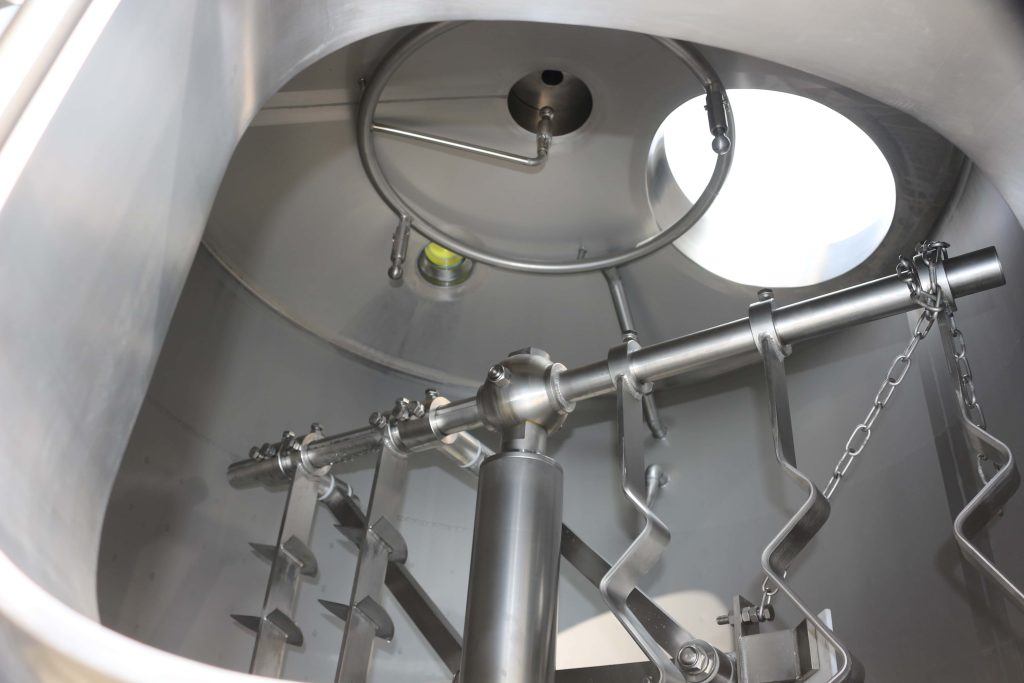
Introduction to Stainless Brewing Systems
The journey from grain to glass is a meticulous process, demanding not just skill and creativity, but also the right tools. At the heart of every successful brewery, from craft microbreweries to large-scale industrial operations, lies a robust and reliable brewing infrastructure. When it comes to this critical foundation, the choice invariably leans towards a high-quality stainless brewing system. These systems are the backbone of modern brewing, offering unparalleled durability, hygiene, and precision in every step of the beer-making process. Understanding the intricacies of a stainless brewing system is crucial for anyone looking to achieve consistent quality, maximize efficiency, and scale their brewing ambitions.
From the initial mash to the final fermentation and conditioning, stainless steel components play a pivotal role. Their inert nature ensures that no unwanted flavors are imparted to the beer, preserving the true character of your recipe. Moreover, the ease of cleaning and sanitization inherent to stainless steel significantly reduces the risk of contamination, a constant threat in brewing that can lead to ruined batches and lost revenue. This introduction will delve into the fundamental importance of these systems, setting the stage for a deeper exploration into why stainless steel has become the industry standard. We’ll uncover the material’s unique properties that make it indispensable and how a well-designed stainless brewing system by manufacturers like SKE can be a game-changer for your operation. The longevity and reliability offered by SKE’s expertly crafted systems mean brewers can focus on perfecting their craft, confident in their equipment.
The proliferation of craft breweries worldwide has further highlighted the need for adaptable and high-performance equipment. Brewers are constantly experimenting with new styles, ingredients, and techniques, which puts increasing demands on their brewing systems. A versatile stainless brewing system allows for such innovation, providing the necessary control over temperature, volume, and process parameters that are essential for crafting diverse and complex beers. Whether you are aiming for crisp lagers, hoppy IPAs, or rich stouts, the consistency provided by a premium stainless steel setup is invaluable. This guide aims to equip you with a holistic understanding of these systems, helping you make informed decisions that will impact the success and sustainability of your brewing venture for years to come. The emphasis on quality and precision resonates deeply with SKE’s engineering philosophy, where every component of our brewing systems is designed for optimal performance.
Why Stainless Steel? The Unmatched Advantages in Brewing
The ubiquity of stainless steel in the brewing industry is no accident; it’s a testament to the material’s superior properties that align perfectly with the demanding requirements of beer production. When investing in a stainless brewing system, brewers are not just buying equipment; they are investing in hygiene, durability, and the purity of their product. But what exactly makes stainless steel the material of choice over alternatives? Let’s break down the core advantages.
Firstly, **hygiene and sanitation** are paramount in brewing. Stainless steel possesses a non-porous surface that is inherently resistant to bacterial growth and corrosion. This smooth surface makes it incredibly easy to clean and sanitize, crucial for preventing contamination that can lead to off-flavors or spoilage. Unlike plastics or some softer metals, stainless steel does not harbor microbes, ensuring that only pure yeast interacts with the wort. This directly contributes to batch consistency and the desired flavor profile of the beer, a critical factor for any brewery. Our flash pasteurization system also relies heavily on the hygienic properties of stainless steel, demonstrating its importance across all beverage processing.
Secondly, **durability and longevity** are significant benefits. A stainless brewing system is built to last. Stainless steel alloys, particularly 304 and 316 grades, offer exceptional resistance to acids, alkalis, and high temperatures commonly encountered in brewing. This resilience means the equipment can withstand years of rigorous use, hot cleaning cycles, and harsh sanitizers without degrading or developing leaks. While the initial investment might be higher than for other materials, the long-term cost savings from reduced maintenance, repairs, and premature replacement make it a financially sound decision. SKE’s commitment to using premium-grade stainless steel ensures that our systems provide maximum operational lifespan and return on investment.
Thirdly, **non-reactivity** is a cornerstone of flavor integrity. Stainless steel is inert, meaning it does not react with the wort or beer, ensuring that the true flavors of your ingredients and yeast strains are preserved. Other metals can leach into the product, imparting metallic tastes or causing undesirable chemical reactions. This non-reactivity is vital for maintaining the authenticity and quality of your brew, allowing brewers to showcase their artistry without interference from the equipment. The precise control offered by a stainless system also extends to temperature management, crucial for stages like mashing and fermentation. The thermal conductivity of stainless steel allows for efficient heating and cooling, which is essential for hitting specific temperature profiles. For a deeper dive into optimizing your process, consider our discussion on exploring the power of a skid system, which often integrates stainless components for enhanced efficiency.
Finally, **aesthetic appeal** also plays a role, particularly in taprooms where brewing operations are visible to customers. The sleek, professional look of a polished stainless brewing system exudes a sense of quality and craftsmanship, enhancing the overall brewery experience. But beyond aesthetics, the functional advantages of stainless steel—its strength, resistance to corrosion, and ease of fabrication into complex shapes—make it the undisputed champion for brewing equipment. When choosing SKE, you’re not just getting a visually appealing system; you’re acquiring a meticulously engineered solution designed for peak performance and enduring quality. It’s the material that truly enables brewers to consistently produce exceptional beer, batch after batch.
Key Components of a Modern Stainless Brewing System
A complete stainless brewing system is a sophisticated assembly of interconnected vessels and ancillary equipment, each playing a crucial role in transforming raw ingredients into finished beer. While configurations can vary widely based on brewing scale and automation levels, several core components are universally found in most modern systems. Understanding these elements is key to appreciating the functionality and efficiency of a well-designed brewery.
At the heart of the brewing process is the **brewhouse**, often consisting of multiple vessels. This typically includes a:
- Mash Tun: This vessel, made of quality stainless steel, is where milled grains are mixed with hot water (mashing) to convert starches into fermentable sugars. It’s often insulated and equipped with agitators and temperature probes to ensure precise temperature control for optimal enzyme activity. The robust design of SKE’s mash tuns ensures efficient starch conversion and temperature stability.
- Lauter Tun: Following mashing, the wort (sugary liquid) is separated from the spent grains in the lauter tun. This vessel features a false bottom or slotted plates that act as a filter, allowing the wort to drain while retaining the grain bed. SKE’s lauter tuns are engineered for efficient wort separation, maximizing yield and clarity.
- Brew Kettle (or Boil Kettle): The wort is then transferred to the brew kettle where it’s boiled vigorously. This stage is critical for sterilizing the wort, isomerizing hop acids for bitterness and aroma, and precipitating unwanted proteins. Kettles are typically heated by steam jackets or direct fire and include vents to allow volatile compounds to escape.
- Whirlpool: After boiling, the wort often goes through a whirlpool phase, either in a dedicated vessel or the brew kettle itself. This process uses centrifugal force to separate hop trub and other solids from the clear wort, improving clarity before cooling.
Beyond the brewhouse, the next critical phase takes place in **fermentation and maturation vessels**, which are almost exclusively constructed from stainless steel:
- Fermentation Tanks (Fermenters): These are cylindroconical tanks where yeast is pitched into the cooled wort to convert sugars into alcohol and CO2. Their conical bottoms facilitate yeast harvesting and trub removal. SKE offers a range of high-performance fermentation tanks designed for precise temperature control and optimal fermentation conditions. Our engineering ensures robust construction and sanitary design for every brite beer tank and fermenter, minimizing oxygen exposure and maximizing beer quality.
- Bright Tanks (Brite Beer Tanks): After primary fermentation, beer is often transferred to bright tanks for conditioning, carbonation, and clarification before packaging. These tanks are also made from stainless steel and are designed to hold beer under pressure.
Ancillary equipment essential for the seamless operation of a stainless brewing system includes:
- CIP (Clean-in-Place) Systems: Integral to maintaining hygiene, CIP systems automate the cleaning and sanitizing of tanks and piping without disassembly. These systems themselves often feature stainless steel tanks for holding cleaning solutions.
- Glycol Chilling Systems: Critical for temperature control in fermenters and bright tanks, these systems circulate a chilled glycol solution through jackets on the vessels.
- Pumps, Valves, and Piping: All fluid transfer throughout the brewery relies on sanitary-grade stainless steel pumps, valves, and piping to prevent contamination and ensure efficient liquid movement.
- Control Systems: Modern stainless brewing systems often incorporate advanced control panels and automation, allowing brewers to precisely monitor and adjust temperatures, flow rates, and other process parameters from a central interface.
Each of these components, when expertly designed and fabricated from high-grade stainless steel, contributes to the overall efficiency, safety, and product quality of the brewing operation. SKE prides itself on delivering integrated, high-performance stainless brewing solutions that empower brewers to achieve their vision.
SKE: Engineering Excellence in Stainless Brewing Systems
Choosing the right partner for your brewing equipment is as crucial as perfecting your recipes. At SKE, we understand that a stainless brewing system isn’t just a collection of vessels; it’s the heart of your operation, a testament to your commitment to quality, and a significant investment in your future. Our brand philosophy revolves around delivering unparalleled engineering excellence, innovative design, and robust construction to meet the diverse needs of brewers worldwide, from startup microbreweries to established craft giants.
What sets SKE apart in the competitive landscape of brewing equipment manufacturers? It begins with our unwavering commitment to **quality materials and craftsmanship**. Every SKE stainless brewing system is fabricated from premium, food-grade stainless steel (typically SS304 or SS316 for critical components), ensuring maximum durability, sanitation, and resistance to corrosion. Our skilled welders and fabricators employ advanced techniques to produce seamless finishes, eliminating potential harborage points for bacteria and making cleaning effortless. This meticulous attention to detail ensures that your SKE system will not only perform flawlessly but also stand the test of time, minimizing maintenance and maximizing operational uptime.
Furthermore, SKE emphasizes **customization and intelligent design**. We recognize that no two breweries are exactly alike. Our team of experienced engineers works closely with clients to understand their specific production goals, available space, and budget constraints. Whether you require a compact 2-vessel brewhouse, a highly automated 5-vessel system, or specialized fermentation and bright tanks, SKE can design and manufacture a tailor-made stainless brewing system that perfectly aligns with your vision. This bespoke approach ensures optimal workflow, energy efficiency, and scalability, allowing your brewery to grow without limits. We integrate features such as precise temperature control, efficient heat exchange mechanisms, and user-friendly control interfaces to streamline your brewing process.
SKE’s expertise also extends to **comprehensive post-sales support**. We believe in building long-term partnerships with our clients. From initial consultation and design to installation guidance, commissioning, and ongoing technical support, SKE is with you every step of the way. Our dedication to customer satisfaction ensures that your stainless brewing system operates at peak performance, providing you with peace of mind and allowing you to focus on what you do best: brewing exceptional beer. This holistic approach, combining superior engineering with dedicated support, cements SKE’s reputation as a trusted leader in brewing technology.
In essence, choosing an SKE stainless brewing system means investing in reliability, precision, and a partner committed to your success. Our systems are designed not just to produce beer, but to produce great beer consistently, efficiently, and hygienically. Experience the SKE difference and elevate your brewing operation to new heights of quality and productivity.
Installation, Operation, and Maintenance Best Practices
Acquiring a state-of-the-art stainless brewing system is just the first step; proper installation, informed operation, and diligent maintenance are equally crucial for its longevity, efficiency, and the consistent production of high-quality beer. Neglecting any of these aspects can lead to costly breakdowns, inconsistent brews, and potential health hazards. This section provides a comprehensive overview of best practices to ensure your SKE investment delivers maximum value.
Installation: Laying the Foundation for Success
The installation of a stainless brewing system requires meticulous planning and execution. It’s not merely about assembling parts; it’s about creating an integrated, sanitary, and efficient workspace.
- Site Preparation: Ensure your brewing space has adequate flooring (sloped for drainage), proper ventilation, and sufficient utility connections (water, electricity, steam, drains). The foundation must be strong enough to support the weight of full tanks.
- Professional Assembly: While some smaller systems might allow for DIY assembly, it’s highly recommended to use experienced technicians, preferably those familiar with SKE equipment. Correct alignment of vessels, leak-free pipe connections, and accurate sensor placement are non-negotiable for system integrity.
- Utility Connections: All electrical, plumbing, and steam connections must meet local codes and manufacturer specifications. Incorrect wiring or piping can lead to safety hazards or system malfunction.
- Calibration: Once installed, calibrate all sensors (temperature, pressure, flow) to ensure accurate readings, which are vital for consistent brewing.
Operation: Maximizing Efficiency and Consistency
Proper operational procedures are key to leveraging the full capabilities of your stainless brewing system and ensuring batch consistency.
- SOPs (Standard Operating Procedures): Develop and rigorously follow detailed SOPs for every step of the brewing process, from mashing to fermentation and cleaning. This minimizes human error and ensures repeatable results.
- Temperature Control: Utilize the advanced control features of your stainless brewing system to maintain precise temperatures at every stage. Fluctuations can drastically impact enzyme activity during mashing and yeast health during fermentation.
- Sanitation Protocols: Implement strict Clean-in-Place (CIP) and sterilization protocols. Every surface that comes into contact with wort or beer must be scrupulously clean and sanitized to prevent microbial contamination. SKE systems are designed for easy CIP, but the correct chemicals and procedures are still vital.
- Record Keeping: Maintain detailed logs of every brew, including ingredients, process parameters, temperatures, gravities, and sensory evaluations. This data is invaluable for troubleshooting, quality control, and recipe refinement.
Maintenance: Preserving Your Investment
Regular and preventative maintenance is essential for extending the lifespan of your stainless brewing system and preventing costly downtime.
- Routine Cleaning: Beyond daily CIP, regularly clean the exterior of all vessels and ancillary equipment. Wipe down control panels and inspect seals and gaskets.
- Gasket and Seal Inspection/Replacement: Gaskets and seals are wear-and-tear items crucial for maintaining a sanitary and leak-free system. Inspect them regularly and replace them at the first sign of cracking, hardening, or stretching.
- Pump and Valve Checks: Regularly inspect pumps for unusual noises or leaks, and lubricate according to manufacturer guidelines. Check valves for proper seating and operation.
- Pressure Relief Devices (PRVs): Test and inspect PRVs on fermenters and bright tanks periodically to ensure they are functioning correctly, preventing dangerous over-pressurization.
- Glycol System Maintenance: Check glycol levels, concentration, and pump functionality. Clean chiller coils to maintain efficiency.
- Inspection for Corrosion: Although stainless steel is highly corrosion-resistant, inspect surfaces for any signs of pitting or discoloration, especially in areas with stagnant liquid or chlorine exposure. Promptly address any issues.
By adhering to these best practices for installation, operation, and maintenance, you can maximize the performance and lifespan of your SKE stainless brewing system, ensuring years of trouble-free operation and the consistent production of outstanding beer.
The Future of Brewing and Stainless Steel Innovation
The brewing industry is dynamic, constantly evolving with new technologies, consumer preferences, and environmental considerations. As we look to the future, the role of the stainless brewing system will continue to be central, albeit with ongoing innovations that enhance efficiency, sustainability, and flexibility. SKE is at the forefront of these advancements, driving improvements in material science, automation, and integrated system design.
One primary area of future innovation lies in **enhanced automation and data integration**. Modern stainless brewing systems are increasingly being equipped with advanced sensors and control systems that offer unprecedented levels of precision and remote access. This allows brewers to monitor and adjust every parameter—from mash temperatures and runoff rates to fermentation profiles and carbonation levels—with minute accuracy, often from a smartphone or tablet. This level of automation not only reduces labor costs and human error but also provides invaluable data for process optimization and consistent quality control. SKE is investing heavily in developing intuitive, robust control interfaces that seamlessly integrate with our brewing systems, empowering brewers with actionable insights and greater command over their craft.
Another significant trend is the focus on **sustainability and resource efficiency**. Future stainless brewing systems will be designed with even greater emphasis on reducing water, energy, and raw material consumption. This includes advancements in heat recovery systems, such as improved plate heat exchangers for cooling wort and recovering heat for the next batch, as well as more efficient cleaning-in-place (CIP) technologies that minimize water and chemical use. SKE’s research and development team is exploring novel designs for brewhouses and fermenters that optimize thermal dynamics and fluid flow, contributing to a smaller environmental footprint for breweries of all sizes. Our commitment extends to delivering solutions that are not only high-performing but also ecologically responsible.
Furthermore, the demand for **greater flexibility and modularity** in brewing equipment is on the rise. As craft brewers experiment with diverse beer styles, small-batch releases, and innovative ingredients, their stainless brewing system needs to adapt. This translates to more modular designs that allow for easy expansion, reconfiguration of vessels, and the integration of specialized equipment for processes like dry hopping, fruit additions, or experimental fermentation techniques. SKE understands this need for adaptability, offering modular designs and customizable features that enable brewers to scale their operations and diversify their product offerings without needing a complete overhaul of their existing setup. This forward-thinking approach ensures that SKE systems remain relevant and highly functional in a rapidly changing market.
Finally, metallurgical advancements in stainless steel alloys themselves could lead to even more resilient, easier-to-clean, or specialized surfaces for brewing applications, further solidifying its position as the material of choice. The future of brewing with a stainless brewing system from SKE is not just about making beer; it’s about making better beer, more efficiently, sustainably, and creatively, driven by continuous innovation and a deep understanding of the brewer’s needs.
Frequently Asked Questions about Stainless Brewing Systems
Why is stainless steel the preferred material for brewing systems?
Stainless steel is highly favored in brewing due to its exceptional durability, resistance to corrosion, non-reactivity with brewing ingredients, and ease of cleaning and sanitization. These properties ensure product purity, longevity of the equipment, and consistent beer quality, making it ideal for the demanding environment of a brewery.
What are the key components of a professional stainless brewing system?
A professional stainless brewing system typically includes a mash tun, lauter tun, brew kettle (or boil kettle), and whirlpool, often integrated into a single brewhouse unit. Additional components include fermentation tanks, bright tanks, glycol chilling systems, and various pumps, valves, and piping, all predominantly made from food-grade stainless steel to maintain hygiene and efficiency.
How does equipment quality impact the brewing process and final product?
The quality of brewing equipment significantly impacts efficiency, consistency, and ultimately, the quality of the final beer. High-quality stainless brewing systems, like those offered by SKE, provide precise temperature control, efficient wort separation, and easy cleaning, which minimizes contamination risks and ensures repeatable results. Inferior equipment can lead to off-flavors, inconsistent batches, and increased operational challenges.
What maintenance is required for a stainless brewing system?
Maintaining a stainless brewing system primarily involves thorough cleaning and sanitization after each use, using appropriate chemical cleaners and sanitizers. Regular inspection for wear and tear, gasket replacement, and checking pump and valve functionality are also crucial. Proper maintenance ensures optimal performance, extends the lifespan of the equipment, and prevents bacterial contamination.
Can SKE provide customized stainless brewing systems?
Yes, SKE specializes in designing and manufacturing customized stainless brewing systems tailored to meet the specific needs and scale of various breweries. From compact pilot systems to large-scale production facilities, SKE works closely with clients to configure brewhouses, fermentation tanks, and ancillary equipment, ensuring seamless integration and optimal brewing performance.
Ready to Elevate Your Brewing Operation?
Discover how SKE’s expertly engineered stainless brewing systems can transform your brewery. From initial design to full installation and support, we’re dedicated to your success.
Connect with us on Facebook or reach out via email: info@skeequipment.com.
For a detailed consultation and to receive a personalized quote, please fill out the contact form below, and our team will be in touch shortly!