
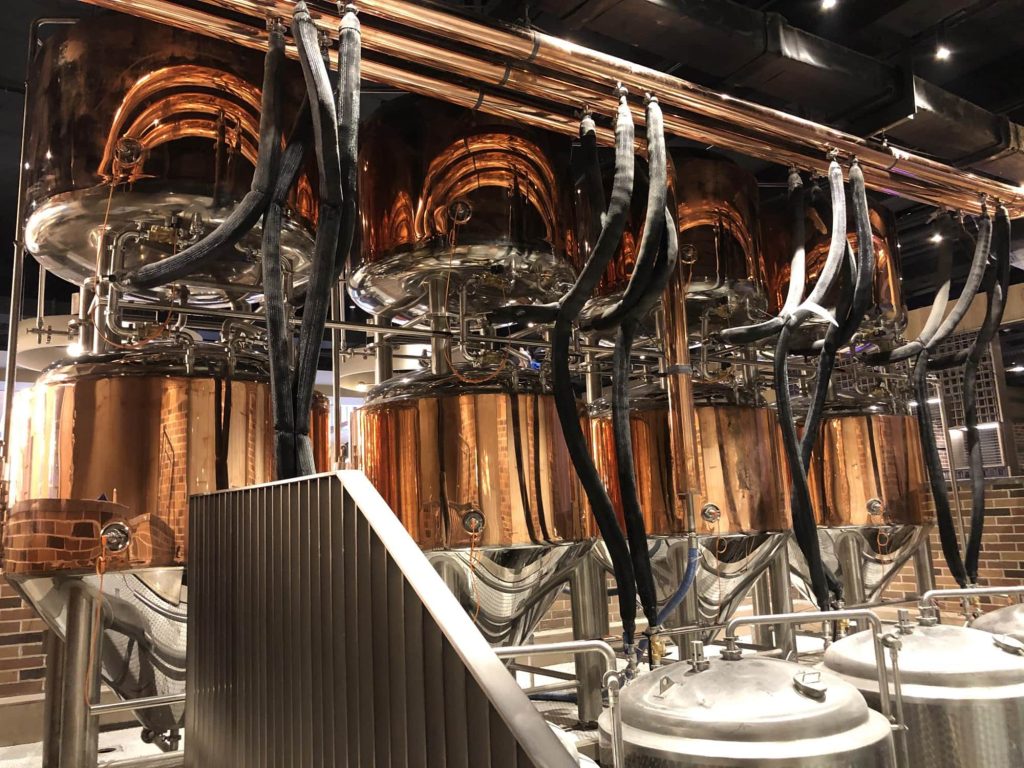
Introduction to Professional Brewing Equipment
Our journey into professional brewing equipment begins with recognizing its diverse components. It’s more than just kettles and fermenters; it encompasses a complex ecosystem of mills, heat exchangers, pumps, CIP systems, and advanced control technologies. Each piece plays a vital role in transforming raw ingredients like malt, hops, water, and yeast into the myriad of beers, ciders, and other fermented beverages we enjoy. The choice of professional brewing equipment profoundly impacts production capacity, energy consumption, and ultimately, the quality and consistency of the final product. Investing in high-quality, reliable equipment is a strategic decision that pays dividends in operational efficiency and market reputation.
At SKE, we understand that excellence in brewing starts with superior foundational tools. We pride ourselves on providing highly efficient and robust solutions that empower brewers to achieve their vision. Our commitment extends beyond just supplying machinery; we aim to be a partner in your brewing success, offering insights and technology that push the boundaries of what’s possible. The landscape of professional brewing is constantly evolving, with new techniques and demands emerging regularly. Staying ahead requires not only adaptable equipment but also a deep knowledge of how to leverage it effectively. This article will delve into the essential categories of professional brewing equipment, exploring their functions, importance, and how they contribute to the overarching goal of producing exceptional beverages. Whether you are setting up a new brewery or upgrading an existing one, comprehending the nuances of professional brewing equipment is your first step towards mastery.
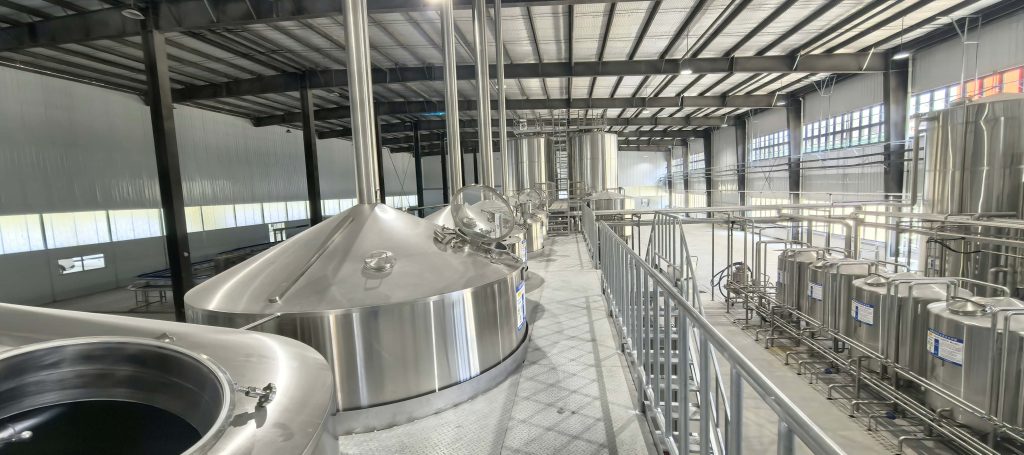
The Brewhouse: Heart of Professional Brewing Equipment
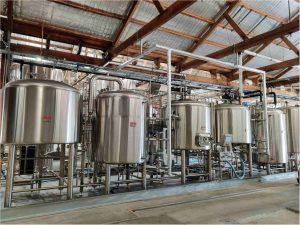
The brewhouse is arguably the most critical component of any brewery, serving as the central hub where the initial stages of brewing—milling, mashing, lautering, and boiling—take place. The efficiency and design of your brewhouse significantly influence the quality and consistency of your wort, which in turn dictates the character of your finished beer. When considering professional brewing equipment, the brewhouse setup typically includes several key vessels, each designed for a specific function.
First, the grain mill is essential for crushing malted barley to the ideal consistency, exposing the starches while keeping the husks largely intact. This precise milling is vital for efficient starch conversion and effective lautering. Following milling, the mash tun comes into play. This vessel is where milled grains are mixed with hot water (mashing) to convert starches into fermentable sugars. Modern professional brewing equipment often features mash tuns with advanced temperature control systems, allowing brewers to execute complex mash programs that influence body, flavor, and fermentability. For detailed insights into different types of mashing, you might find our article on The Art of Wort Production: Exploring Decoction and Step Mashing Methods particularly useful, as it delves into the principles that underpin effective brewhouse operations.
Next in the sequence is the lauter tun, sometimes integrated with the mash tun (a combi-mash/lauter tun). Here, the sweet wort is separated from the spent grains through a process called lautering. A well-designed lauter tun, part of robust professional brewing equipment, features a false bottom and rakes to gently agitate the grain bed, ensuring optimal extraction and preventing channeling. The efficiency of your lauter tun directly impacts your brewhouse yield and the clarity of your wort. Finally, the wort is transferred to the brew kettle (or boil kettle) where it is boiled, sterilized, and hops are added for bitterness, flavor, and aroma. High-powered heating elements and efficient vapor condensers are common features in SKE’s brew kettles, ensuring rapid boiling and energy conservation. The boil is also where unwanted compounds are driven off, and the wort is concentrated to the desired gravity. After the boil, the hot wort is typically sent through a whirlpool to separate hop trub and other solids. This comprehensive suite of professional brewing equipment forms the backbone of any serious brewing operation, dictating the very essence of the beer to come.
Fermentation and Cellaring: The Transformation Zone for Professional Brewing Equipment
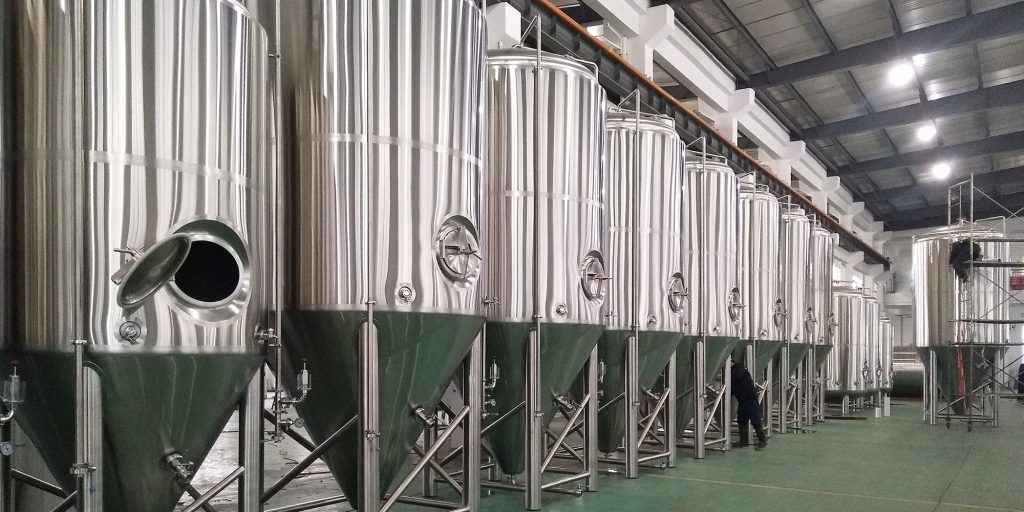
Once the wort leaves the brewhouse, it enters the fermentation and cellaring stages, where the true magic of brewing—the transformation of sugar into alcohol and CO2 by yeast—unfolds. This phase requires specialized professional brewing equipment designed to provide an optimal, controlled environment for yeast activity and subsequent beer maturation. The quality and design of these vessels are paramount for achieving consistent flavor profiles and brewing efficiency.
Fermentation vessels, commonly known as fermenters or unitanks, are the cornerstone of this stage. These tanks are typically conical-bottomed, allowing for easy collection and removal of yeast and trub after fermentation. SKE’s fermenters are engineered with precision temperature control capabilities, often featuring dimple jackets for efficient cooling or heating. This precise temperature management is critical because yeast performance is highly sensitive to temperature fluctuations; even small variations can lead to off-flavors or incomplete fermentation. Adequate headspace is also a key design consideration, accommodating the krausen (foam) that forms during active fermentation. Beyond standard fermenters, some professional brewing equipment setups incorporate open fermenters for specific beer styles, or horizontal lagering tanks for traditional lagers, demonstrating the diverse needs of different brewing approaches.
Post-fermentation, the beer moves into the cellaring phase, which can involve conditioning, lagering, and maturation. Bright tanks, also known as brite tanks or serving tanks, are vital professional brewing equipment for this stage. These vessels are used for clarifying, carbonating, and holding the finished beer before packaging. They are typically jacketed for temperature control and designed to withstand pressure, allowing for forced carbonation. Bright tanks also serve as an excellent stage for adding finings or other clarifying agents, ensuring the beer is brilliantly clear and ready for consumption. SKE offers a range of bright tanks designed for efficient carbonation and minimal product loss. The capacity and number of fermenters and bright tanks in your professional brewing equipment array directly impact your brewery’s production volume and flexibility, making careful planning essential. By ensuring a pristine, temperature-controlled environment throughout these stages, brewers can guarantee the stability and flavor of their final product, reinforcing the importance of investing in top-tier professional brewing equipment.
Filtration and Packaging: Ensuring Quality and Shelf Life with Professional Brewing Equipment
The journey of beer from raw ingredients to consumer-ready product culminates in the filtration and packaging stages. These final steps are crucial for ensuring product stability, visual appeal, and extending shelf life, making the associated professional brewing equipment indispensable. Without proper filtration and packaging, even the most expertly brewed beer can fall short in the marketplace.
Filtration is often employed to clarify beer, remove yeast hazes, and micro-organisms, leading to a brighter, more stable product. Various filtration methods are available as part of professional brewing equipment, including diatomaceous earth (DE) filtration, plate and frame filtration, and cross-flow filtration. Each method offers different levels of clarity and efficiency, with cross-flow systems gaining popularity due to their reduced waste and environmental impact. For brewers seeking to preserve certain aspects of their beer, such as specific yeast strains or hop compounds popular in hazy IPAs, filtration might be minimized or skipped entirely. However, for most traditional styles, filtration is a key step in achieving the desired aesthetic and micro-stability. SKE understands the varied needs of brewers and offers solutions that can be tailored to specific product requirements, ensuring your professional brewing equipment aligns with your brewing philosophy.
Once clarified, the beer moves to packaging, where it is filled into bottles, cans, kegs, or other containers. This stage of professional brewing equipment is perhaps the most visible to the consumer and directly impacts the beer’s quality upon reaching the end-user. Canning lines, bottling lines, and keg washers/fillers are central to this operation. High-speed, automated canning and bottling lines, like those supplied by SKE, are designed to minimize oxygen pickup during filling, a critical factor in preventing oxidation and maintaining flavor integrity. Oxygen ingress during packaging can rapidly degrade beer quality, leading to stale or off-flavors. Therefore, precision engineering in professional brewing equipment used for packaging is non-negotiable. Furthermore, efficient keg washing and filling systems are crucial for breweries distributing in kegs, ensuring sanitation and consistent filling volumes. The integration of high-quality packaging professional brewing equipment not only protects your product but also presents it to the market in the best possible light, reinforcing your brand’s commitment to excellence.
Automation and Control: Precision in Professional Brewing Equipment
In the modern brewing landscape, automation and control systems have become integral to professional brewing equipment, revolutionizing how breweries operate. These advanced technologies enable brewers to achieve unparalleled precision, consistency, and efficiency, moving beyond manual processes to a more streamlined and data-driven approach. The integration of automation into professional brewing equipment is not just about reducing labor; it’s about optimizing every variable to craft the perfect brew repeatedly.
At its core, a good automation system for professional brewing equipment provides real-time monitoring and control over critical brewing parameters. This includes temperature regulation in mash tuns and fermenters, flow rates during transfers, pressure management in bright tanks, and even scheduling CIP (Clean-in-Place) cycles. Programmable Logic Controllers (PLCs) combined with Human-Machine Interfaces (HMIs) allow brewers to program complex recipes, monitor progress from a central control panel, and make immediate adjustments as needed. This level of control minimizes human error, improves batch-to-batch consistency, and ensures that each brew adheres precisely to the master recipe. SKE’s brewing solutions often incorporate intuitive automation platforms designed to enhance operational control and simplify complex processes, making sophisticated professional brewing equipment accessible to brewers of all scales.
Beyond basic process control, advanced automation in professional brewing equipment can also include data logging and analysis capabilities. This means that every step of the brewing process, from grain intake to packaging, can be tracked and recorded. Analyzing this data provides invaluable insights into process efficiency, resource consumption, and potential areas for improvement. For instance, data on energy usage or water consumption can highlight opportunities for greater sustainability, while detailed fermentation logs can help troubleshoot off-flavors or improve fermentation kinetics. The ability to remotely monitor and control professional brewing equipment via smart devices adds further flexibility, allowing brewers to manage their operations even when off-site. This evolution towards intelligent professional brewing equipment not only enhances productivity but also empowers brewers with the knowledge and tools to continuously refine their craft and achieve new levels of brewing excellence.
Choosing the Right Professional Brewing Equipment
Selecting the appropriate professional brewing equipment is one of the most critical decisions for any brewery, whether you’re a startup or looking to expand. This choice impacts everything from initial capital investment and operational costs to production capacity, beer quality, and future growth potential. A well-thought-out equipment plan is fundamental to a brewery’s long-term success, and it requires careful consideration of several key factors.
First and foremost, consider your production capacity requirements. Are you a microbrewery aiming for a few hundred barrels a year, or a regional brewery targeting thousands? The size and number of your brewhouse vessels, fermenters, and bright tanks will be directly proportional to your desired output. It’s often wise to plan for future expansion, choosing professional brewing equipment that can be scaled up or integrated with additional units down the line. Beyond capacity, the types of beer you plan to brew will influence your equipment choices. For example, a brewery focused on traditional lagers might prioritize horizontal lagering tanks, while one specializing in sours might need dedicated clean and sour processing lines to prevent cross-contamination. SKE excels in custom solutions, offering a range of versatile professional brewing equipment that can be tailored to meet diverse brewing needs and styles.
Budget constraints are always a reality, but it’s important to balance upfront costs with long-term value. Investing in high-quality professional brewing equipment, though more expensive initially, can lead to lower maintenance costs, greater energy efficiency, and superior product consistency over time. Consider material quality (e.g., food-grade stainless steel), build precision, and the availability of local support and spare parts. Additionally, factor in utilities—power, water, and drainage—as these can significantly impact your operating expenses. Finally, don’t overlook the importance of ancillary professional brewing equipment, such as CIP systems, glycol chillers, and laboratory tools, which are essential for maintaining hygiene, temperature control, and quality assurance. Engaging with experienced suppliers like SKE, who can provide comprehensive consultation and support from design to installation, is invaluable in navigating these complex decisions and ensuring your investment in professional brewing equipment is sound. Our expertise ensures that every piece of professional brewing equipment contributes to your brewery’s overall efficiency and success.
Frequently Asked Questions about Professional Brewing Equipment
What are the essential pieces of professional brewing equipment for a startup brewery?
For a startup brewery, the essential professional brewing equipment typically includes a brewhouse (mash tun, lauter tun, brew kettle, whirlpool), fermentation tanks (unitanks), bright tanks for conditioning and carbonation, a glycol chilling system, a CIP (Clean-in-Place) system for sanitation, and packaging equipment (e.g., a canning or bottling line, or keg washers/fillers). Ancillary items like hoses, pumps, and a grain mill are also critical.
How does SKE ensure the quality and durability of its professional brewing equipment?
SKE is committed to providing robust and reliable professional brewing equipment. We utilize high-grade, food-grade stainless steel (typically SS304 or SS316) for all product contact surfaces, ensuring hygiene and corrosion resistance. Our manufacturing processes adhere to strict quality control standards, including precise welding, thorough pressure testing, and validation of all systems. We focus on engineering solutions that are not only efficient but also built to last, with thoughtful design that facilitates easy cleaning and maintenance, extending the lifespan of your professional brewing equipment.
What are the benefits of integrating automation into professional brewing equipment?
Integrating automation into professional brewing equipment offers numerous benefits, including enhanced consistency in product quality, increased operational efficiency, reduced labor costs, and precise control over brewing parameters like temperature, flow rates, and timing. Automation minimizes human error, allows for repeatable recipes, and provides valuable data logging for process optimization and troubleshooting. This leads to higher yields, better resource management, and more predictable results across all batches.
Can I customize professional brewing equipment from SKE to fit specific brewery needs?
Absolutely. SKE specializes in providing tailored solutions for professional brewing equipment. We understand that every brewery has unique requirements based on space, production goals, and beer styles. Our team works closely with clients to design and configure systems that best fit their specific needs, whether it’s adjusting tank dimensions, customizing automation levels, or integrating specialized components. Our flexibility ensures you get professional brewing equipment that perfectly aligns with your operational vision.
Ready to Elevate Your Brewing Operation?
Unlock the full potential of your Brewery with SKE’s cutting-edge professional brewing equipment solutions. We are dedicated to delivering not just machinery, but also the expertise and support you need to succeed.
Connect with us on social media: Facebook
Email us at: info@skeequipment.com
Or, for a personalized consultation, please fill out the contact form at the bottom of our page. Let SKE be your partner in brewing excellence!