
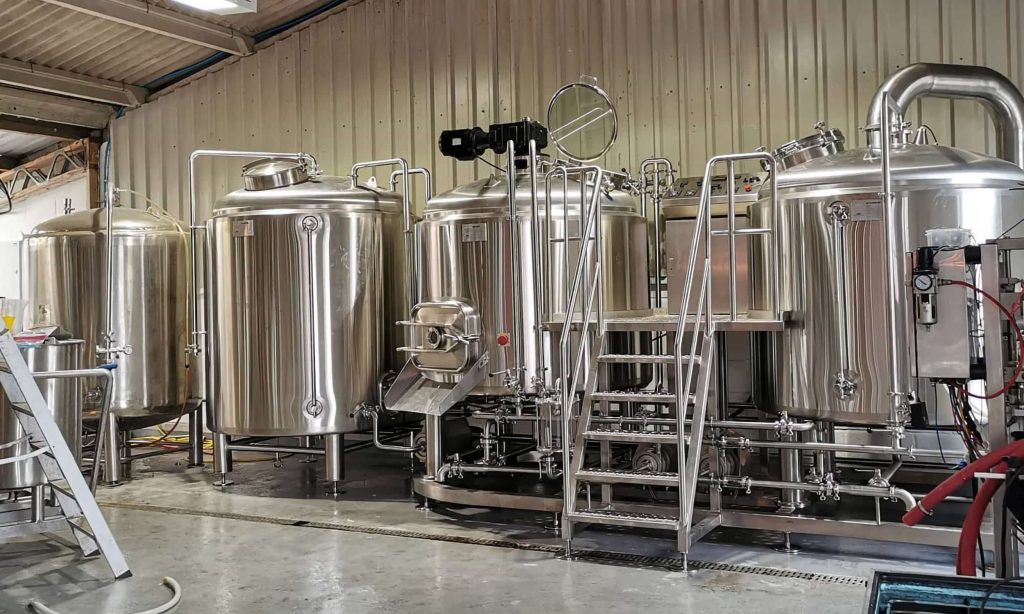
Introduction to Stainless Steel Brewing Kits for Superior Homebrewing
The journey of homebrewing is a rewarding one, transforming simple ingredients into complex and delicious beverages. For many aspiring and seasoned brewers, the quality of their equipment directly impacts the quality of their final product. This is where the stainless steel brewing kit comes becomes indispensable. Far from being just a collection of vessels, a well-chosen stainless steel brewing kit represents an investment in consistency, durability, and most importantly, the taste of your beer. It offers a significant upgrade from entry-level plastic or aluminum setups, providing advantages that are quickly recognized in the brewing process and the final pour.
From the precise temperature control needed during mashing to the sanitary environment required for fermentation, stainless steel delivers on all fronts. Its non-reactive surface ensures that no unwanted flavors leach into your wort, preserving the integrity of your carefully selected grains and hops. Furthermore, the inherent strength and longevity of stainless steel mean your brewing kit will stand the test of time, brew after brew. In this comprehensive guide, we’ll delve into why a high-quality stainless steel brewing kit is not just a luxury but a fundamental tool for achieving professional-grade results in your home brewery.
Whether you’re looking to upgrade your current setup or starting fresh, understanding the components, benefits, and maintenance of a stainless steel brewing solution is key. SKE, with its commitment to quality and innovation, offers a range of beer brewing equipment designed to meet the rigorous demands of brewers who refuse to compromise on quality. Our expertise in crafting robust and efficient brewing systems ensures that every piece of your stainless steel brewing kit contributes to a superior brewing experience.
Why Stainless Steel is the Gold Standard for Brewing Equipment
When it comes to selecting materials for brewing equipment, stainless steel consistently stands out as the preferred choice for both professional breweries and serious homebrewers. This preference is rooted in a multitude of benefits that directly impact the brewing process and the quality of the final product. A top-tier stainless steel brewing kit offers unparalleled advantages over other materials like aluminum, plastic, or even glass.
Durability and Longevity
One of the most compelling reasons to choose stainless steel is its incredible durability. Unlike aluminum, which can dent and scratch easily, or plastic, which can degrade over time and harbor bacteria, stainless steel is remarkably resistant to corrosion, impacts, and temperature fluctuations. A well-maintained stainless steel brewing kit can last for decades, making it a sound long-term investment for any brewer. This robustness means you won’t have to replace your equipment frequently, saving money and reducing waste.
Sanitation and Ease of Cleaning
Maintaining a sterile environment is paramount in brewing to prevent infections and off-flavors. Stainless steel is non-porous and smooth, meaning it doesn’t harbor bacteria, wild yeasts, or mold. This makes cleaning and sanitizing significantly easier and more effective than with permeable materials. Chemicals like caustic solutions and sanitizers can be used safely without degrading the material. For instance, SKE’s CIP system technology, designed for industrial applications, echoes this focus on meticulous cleaning, a principle that scales down perfectly to homebrew setups, making a stainless steel brewing kit naturally amenable to thorough sanitation protocols.
Thermal Conductivity and Retention
Stainless steel exhibits excellent thermal properties. While it heats up slower than aluminum, it retains heat exceptionally well, which is crucial for maintaining stable mash and boil temperatures. This thermal stability helps brewers achieve more consistent results, ensuring enzymes perform optimally during mashing and off-flavors are driven off effectively during the boil. Precise temperature control, enabled by a quality stainless steel brewing kit, is a cornerstone of crafting high-quality beer.
Non-Reactivity
Perhaps the most critical advantage of stainless steel in brewing is its non-reactive nature. Unlike aluminum, which can react with acidic wort and create metallic off-flavors, stainless steel is inert. This means it won’t leach any undesirable compounds into your beer, preserving the true flavors and aromas of your ingredients. This purity of interaction is essential for brewers seeking to produce the cleanest, most authentic expressions of their chosen styles. Investing in a stainless steel brewing kit guarantees that your equipment will not interfere with the delicate chemical processes that define great beer.
Key Components of a Comprehensive Stainless Steel Brewing Kit
A complete stainless steel brewing kit is more than just a pot; it’s an integrated system designed to facilitate each critical stage of the brewing process. Understanding the essential components will help you build or select a kit that perfectly matches your brewing ambitions and scale. Here’s a breakdown of what you typically find:
1. Stainless Steel Brew Kettle
This is arguably the centerpiece of any brewing setup. A high-quality stainless steel brew kettle is vital for boiling your wort. Key features to look for include:
- Thick Bottom: Prevents scorching and ensures even heat distribution.
- Volume Markings: For accurate measurements during the boil.
- Port for Spigot/Ball Valve: Essential for transferring wort safely and efficiently, minimizing oxidation.
- Lid: Helps to retain heat and prevent contaminants from entering the wort during chilling.
The kettle size will depend on your batch size – common sizes for homebrewing range from 5-gallon to 15-gallon capacities, with some larger kits available for those brewing bigger batches.
2. Mash Tun (Optional, but highly recommended for All-Grain)
For all-grain brewers, a stainless steel mash tun is indispensable. This insulated vessel is where crushed grains steep in hot water, converting starches into fermentable sugars. Key features include:
- Insulation: Crucial for maintaining a consistent mash temperature over an extended period.
- False Bottom or Bazooka Screen: Filters out grain solids from the wort during lautering.
- Ball Valve: For easy sparging and draining of the wort.
Some advanced systems combine the mash tun and boil kettle into a single unit, known as a ‘brew in a bag’ (BIAB) kettle or a single-vessel brewing system, which is also typically made from robust stainless steel.
3. Fermentation Vessels
While plastic buckets are common for beginners, a stainless steel fermenter is a significant upgrade. These can range from simple buckets with airlocks to sophisticated conical fermenters. Benefits include:
- Conical Bottom (for conical fermenters): Allows for easy yeast harvesting and trub removal without transferring the beer, significantly reducing oxidation risks.
- Pressure Rating: Some are designed to hold pressure, enabling pressure fermentation and natural carbonation.
- Temperature Control Jackets: Advanced SKE fermenters, like the fermentation tanks we offer for commercial use, often feature dimple jackets for precise temperature control. Homebrew versions may include features for integrating external cooling systems.
- Sanitation: As mentioned, stainless steel is superior for maintaining a clean fermentation environment.
A stainless steel brewing kit truly shines when its fermentation vessel is also made of this premium material.
4. Wort Chiller
Rapidly cooling your wort after the boil is crucial for preventing off-flavors and ensuring a clear, consistent product. While not always made entirely of stainless steel (copper is also popular for immersion chillers), many plate chillers and advanced counterflow chillers incorporate stainless steel components for durability and sanitation.
5. Pumps and Tubing
For larger setups or more automated systems, a magnetic drive brewing pump (often with stainless steel heads) and food-grade silicone tubing are vital for safely and efficiently transferring hot wort between vessels, minimizing heavy lifting and potential spills. When assembling your ultimate stainless steel brewing kit, consider the efficiency these components bring.
6. Ancillary Equipment
Beyond the core vessels, a complete stainless steel brewing kit often includes:
- Hydrometer and Test Jar: For measuring specific gravity.
- Thermometer: For accurate temperature readings at various stages.
- Brew Spoon/Paddle: Long-handled, preferably stainless steel.
- Sanitizers and Cleaners: Specifically designed for brewing equipment.
Each component plays a critical role, and when all are crafted from high-quality stainless steel, they form a cohesive, durable, and highly effective brewing system. SKE understands these intricate needs, providing solutions that integrate seamlessly into both home and commercial brewing operations, ensuring every piece in your stainless steel brewing kit is engineered for excellence.
Tangible Benefits of Upgrading to a Full Stainless Steel Brewing System
For many homebrewers, the idea of investing in a full stainless steel brewing kit might seem like a luxury. However, the tangible benefits it offers significantly outweigh the initial cost, transforming the brewing experience and the quality of the final product. Upgrading from entry-level equipment to a robust stainless steel system brings professional-grade advantages to your home brewery.
Enhanced Batch Consistency
One of the most significant benefits of a stainless steel brewing kit is the unparalleled consistency it brings to your brewing. Stainless steel’s excellent thermal retention properties mean more stable mash temperatures, which directly translates to consistent enzyme activity and sugar conversion. This reduces variability between batches, allowing you to fine-tune recipes with greater confidence that your process will yield repeatable results. Brewers often struggle with inconsistent outcomes, and moving to stainless steel addresses many of the material-related culprits.
Superior Flavor Profile and Purity
As previously discussed, stainless steel is a non-reactive material. This is critical for preventing metallic off-flavors or unwanted chemical reactions that can occur with aluminum or plastic. By eliminating these variables, a stainless steel brewing kit ensures that the true character of your ingredients—the complex malts, aromatic hops, and specific yeast strains—shines through in your finished beer. This commitment to purity is why SKE meticulously selects high-grade stainless steel for all its brewhouse equipment, ensuring that the beer’s integrity is never compromised from mashing to fermentation.
Longevity and Return on Investment
While the upfront cost of a stainless steel brewing kit can be higher than other options, its durability ensures a long lifespan. Resistant to rust, corrosion, and physical damage, stainless steel equipment, when properly cared for, can last for decades. This means you won’t need to replace components frequently, leading to significant long-term savings. Considered an heirloom piece, a good stainless steel brewing kit can be a one-time purchase that pays dividends in reliability and performance for years to come.
Improved Sanitation and Reduced Risk of Infection
Brewing success heavily relies on sanitation. The non-porous surface of stainless steel makes it incredibly difficult for bacteria and wild yeasts to cling to and multiply. This dramatically simplifies cleaning and sanitizing, reducing the risk of dreaded off-flavors and ruined batches due to infection. The ease with which a stainless steel brewing kit can be cleaned allows brewers to adopt more rigorous sanitation protocols, leading to cleaner, more stable beers.
Enhanced Control and Flexibility
Many stainless steel brewing kits are designed with features that offer brewers greater control over the process. This includes integrated thermometers, sight glasses, multiple ports for probes and elements, and the ability to handle pressure. Conical stainless steel fermenters, in particular, offer advanced yeast management capabilities, allowing for yeast harvesting and easy trub removal. This level of control opens up new possibilities for experimentation and refinement, empowering the brewer to push the boundaries of their craft.
In essence, upgrading to a full stainless steel brewing kit is not merely about owning fancier equipment; it’s about elevating your entire brewing practice. It’s about achieving more consistent, higher-quality beer with less hassle and greater peace of mind, making every brew day more enjoyable and every finished beer more satisfying.
Choosing the Right Stainless Steel Brewing Kit for Your Home Brewery
Selecting the ideal stainless steel brewing kit is a crucial decision that will shape your brewing journey for years to come. With various options available, from basic starter kits to advanced all-in-one systems, it’s important to consider your current brewing experience, desired batch size, and future aspirations. Here’s a guide to help you navigate the choices and pick the stainless steel brewing kit that best suits your needs.
1. Assess Your Experience Level and Brewing Goals
- Beginner Brewer: If you’re just starting with all-grain brewing, a simpler, entry-level stainless steel brewing kit that focuses on the core components (kettle, perhaps a simple mash tun, and fermenter) might be appropriate. Look for kits that prioritize ease of use and good sanitation.
- Intermediate Brewer: If you’re ready to upgrade from basic equipment or want more control, consider kits with advanced features like conical fermenters, integrated pumps, or systems designed for craft brewery equipment principles scaled down for home use.
- Advanced Brewer/Prosumer: For those aiming for maximum control, automation, and larger batch sizes, look for modular systems, pressure-rated fermenters, and kettles with multiple ports for heaters, elements, and chilling.
2. Determine Your Desired Batch Size
Batch size is a primary factor. A typical homebrew batch is 5 gallons (19 liters), requiring a kettle of at least 8-10 gallons to accommodate boil-off and prevent boil-overs. Larger batches (e.g., 10-15 gallons) will require proportionally larger equipment. Ensure your chosen stainless steel brewing kit’s vessels are appropriately sized for your brewing volume, allowing for headspace in both the kettle and fermenter.
3. Consider Your Brewing Method: All-Grain, BIAB, or Extract
- All-Grain Brewing: Requires a mash tun (often a separate insulated stainless steel vessel), a hot liquor tank (HLT), and a boil kettle. Many advanced stainless steel brewing kits are designed around this three-vessel system.
- Brew in a Bag (BIAB): A popular method that can be accomplished with just a large brew kettle, often with an integrated false bottom or bag support. This is a more space-efficient and often less expensive way to get into all-grain brewing with a quality stainless steel brewing kit.
- Extract Brewing: While extract brewing can still benefit from a larger stainless steel kettle for a full-volume boil, dedicated mash tuns are not necessary.
4. Evaluate Features and Connectivity
- Valves and Fittings: Look for high-quality, leak-proof stainless steel ball valves and fittings that are easy to disassemble for cleaning.
- Thermometers: Integrated thermometers on kettles and fermenters provide crucial temperature monitoring.
- Heating Elements: If you plan on electric brewing, ensure your kettle is designed to accommodate heating elements, or consider a dedicated electric stainless steel brewing kit.
- Ports: Multiple ports on vessels offer flexibility for adding accessories like whirlpool arms, oxygenation stones, or temperature probes.
- Conical Fermenters: For easy yeast harvesting and clear beer, a conical stainless steel fermenter is a valuable addition to any serious kit.
5. Budget and Brand Reputation
While an investment, a high-quality stainless steel brewing kit can last a lifetime. Research reputable brands known for their craftsmanship and customer support. SKE, for instance, focuses on durable, high-performance stainless steel solutions. While we primarily serve commercial breweries, the principles of quality construction, efficient design, and ease of cleaning are paramount in all our products, including components that translate well to sophisticated homebrew setups. Don’t just look at the price tag; consider the long-term value, durability, and features that will enhance your brewing experience.
6. Space and Utilities
Consider the physical space you have available for brewing and storage. A multi-vessel stainless steel brewing kit will require more room than a single-vessel BIAB system. Also, ensure you have adequate power supply (for electric systems) or ventilation (for propane-fired systems).
By carefully evaluating these factors, you can confidently select a stainless steel brewing kit that not only meets your current needs but also allows room for growth and experimentation, ensuring many years of successful and enjoyable brewing.
Maintaining Your Stainless Steel Brewing Equipment for Longevity and Performance
A significant advantage of investing in a high-quality stainless steel brewing kit is its inherent durability and longevity. However, to truly maximize the lifespan and ensure consistent performance, proper maintenance is key. Taking care of your stainless steel equipment not only keeps it looking pristine but, more importantly, prevents issues that could compromise the quality of your beer. Here’s a guide to maintaining your valuable stainless steel brewing kit:
1. Immediate Cleaning After Use
The golden rule for all brewing equipment, especially stainless steel, is to clean it immediately after use. Dried wort or beer residues become much harder to remove, potentially requiring more aggressive cleaning agents or abrasive scrubbing, which can damage the passivated layer of the stainless steel.
- Rinse Thoroughly: As soon as a vessel is empty, rinse it with warm water to remove loose debris.
- Pre-Soak: For stubborn residues, fill the vessel with warm water and a small amount of a brewing-specific cleaner (like PBW or similar alkaline detergents) and let it soak.
2. Choose the Right Cleaners and Tools
Not all cleaners or scrubbing tools are suitable for stainless steel.
- Alkaline Brewing Cleaners: Products like PBW (Powdered Brewery Wash) are formulated to safely and effectively break down organic matter on stainless steel without harming the surface.
- Avoid Chlorine Bleach: While a powerful sanitizer, chlorine bleach can pit and corrode stainless steel over time, especially if not rinsed thoroughly. Opt for non-chlorine sanitizers.
- Soft Sponges/Cloths: Use soft brushes, sponges, or microfiber cloths. Abrasive scrubbers (like steel wool or scouring pads) can scratch the surface, creating microscopic etches where bacteria can hide and compromising the passive layer.
- Plastic Bristle Brushes: For hard-to-reach areas, use brushes specifically designed for brewing that have plastic bristles.
3. Proper Sanitization
After cleaning, sanitization is paramount. While cleaning removes visible dirt and organic matter, sanitization kills microscopic organisms.
- No-Rinse Sanitizers: Products like Star San or iodine-based sanitizers are popular and highly effective. Ensure proper contact time as indicated by the manufacturer.
Remember, a clean stainless steel brewing kit is much easier to sanitize effectively.
4. Pay Attention to Fittings and Gaskets
Valves, seals, and gaskets are often overlooked but are critical points for harboring bacteria.
- Disassemble: Regularly disassemble ball valves, quick disconnects, and any threaded fittings. Clean each component thoroughly.
- Inspect Gaskets: Check silicone gaskets and O-rings for wear, tear, or degradation. Replace them as needed to prevent leaks and ensure a tight seal.
5. Prevent Scratches and Dents
While stainless steel is durable, it can still be scratched or dented. Treat your equipment with care.
- Avoid dropping tools or other heavy objects onto your kettles or fermenters.
- Store components properly to prevent dings.
6. Passivation (Advanced Maintenance)
Over time, particularly with harsh cleaning or exposure to certain chemicals (even oxygen at high temperatures), the passive layer (a thin chromium oxide layer) on stainless steel can be compromised. Passivation is a process that restores and strengthens this protective layer, enhancing corrosion resistance.
- Citric Acid: A simple and effective way to passivate stainless steel is by soaking it in a diluted solution of food-grade citric acid. Many brewing chemical suppliers offer specific passivation solutions.
- Consult the manufacturer’s guidelines for passivation frequency and methods.
By adhering to these maintenance practices, your stainless steel brewing kit from SKE or any other reputable manufacturer will continue to perform flawlessly, ensuring pure, delicious beer for countless batches to come. Proper care is an integral part of the brewing process, safeguarding your investment and the quality of your craft.
Frequently Asked Questions About Stainless Steel Brewing Kits
Q: Why is stainless steel preferred over aluminum for brewing equipment?
A: Stainless steel is preferred because it is a non-reactive material. Unlike aluminum, it will not leach metallic flavors into your wort or react with acidic brewing liquids, ensuring a clean and pure flavor profile for your beer. Stainless steel is also more durable, resistant to corrosion, and easier to clean and sanitize effectively, reducing the risk of contamination and extending the lifespan of your brewing kit.
Q: What are the essential components of a basic stainless steel brewing kit for all-grain brewing?
A: A basic all-grain stainless steel brewing kit typically includes a large stainless steel brew kettle for boiling the wort, an insulated stainless steel mash tun (often with a false bottom) for steeping grains, and a stainless steel fermenter (either a bucket or conical type) for fermentation. Essential accessories like a wort chiller, thermometer, hydrometer, and cleaning supplies are also critical.
Q: How do you properly clean and sanitize a stainless steel brewing kit?
A: To properly clean, rinse all components immediately after use with warm water to remove loose debris. Then, use an alkaline brewing cleaner like PBW (Powdered Brewery Wash) with warm water, allowing for adequate soak time. Scrub with soft brushes or cloths, avoiding abrasive materials. After thorough rinsing, sanitize with a no-rinse sanitizer like Star San or an iodine-based solution, ensuring all surfaces that will contact wort or beer are covered for the recommended contact time. Disassemble valves and fittings for meticulous cleaning and inspection.
Q: Is a stainless steel fermenter worth the investment compared to plastic?
A: Yes, a stainless steel fermenter is generally considered a worthwhile investment. Its non-porous surface is superior for sanitation, significantly reducing the risk of infection compared to plastic, which can scratch and harbor bacteria over time. Stainless steel fermenters also offer better temperature stability, are more durable, and can often be pressure-rated, allowing for advanced techniques like pressure fermentation and closed transfers, leading to clearer, higher-quality beer with less oxidation. SKE emphasizes the use of high-grade stainless steel in our commercial fermentation tanks, highlighting its benefits even for homebrew scale.
Q: What should I consider when choosing the size of my stainless steel brewing kit?
A: When choosing the size of your stainless steel brewing kit, consider your typical batch size and the practical space available. For a standard 5-gallon finished batch, you’ll need a brew kettle of at least 8-10 gallons to prevent boil-overs and account for boil-off. Fermenters should also have adequate headspace, typically 1.5 to 2 times the batch volume. If you plan for larger batches, scale up accordingly. Always allow for enough space for handling and cleaning your equipment.
Ready to elevate your brewing experience with a top-tier stainless steel brewing kit or professional-grade equipment? SKE is here to help.
Connect with us on social media or reach out directly:
Facebook |
Email: info@skeequipment.com
Or, fill out our contact form at the bottom of the page to discuss your specific brewing needs!