
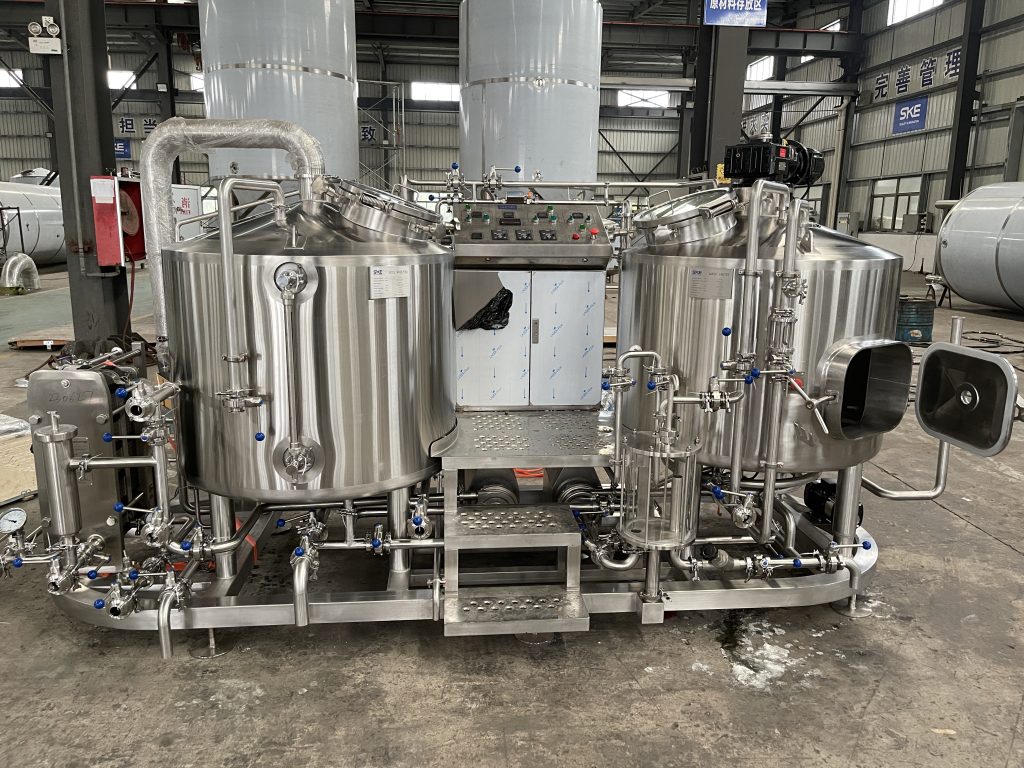
Introduction to Pro Beer Brewing Equipment
The world of craft brewing has exploded over the past few decades, transforming from a niche hobby into a thriving global industry. At the heart of every successful brewery, be it a small brewpub or a large-scale production facility, lies robust and reliable pro beer brewing equipment. This equipment is not merely a collection of tanks and pipes; it’s the sophisticated engine that translates a brewer’s vision into exceptional beer. Understanding the nuances of pro beer brewing equipment is critical for anyone looking to enter or expand within this competitive market.
From the initial milling of grains to the final packaging, each stage of the brewing process relies on specialized machinery. A high-quality brewhouse, precise fermentation units, and efficient packaging lines are all essential elements. Investing in the right pro beer brewing equipment ensures consistency, efficiency, and scalability, allowing brewers to maintain quality while meeting increasing demand. SKE, a leader in brewing technology, understands these demands and designs solutions that cater to the exacting standards of professional brewers worldwide. Our commitment to engineering excellence means that every piece of pro beer brewing equipment we manufacture is built to last and perform under the most rigorous conditions.
When we talk about pro beer brewing equipment, we’re discussing systems designed for commercial output, requiring a level of precision, durability, and automation far beyond homebrewing setups. These systems are engineered to handle larger volumes, maintain exact temperature controls, facilitate sterile environments, and provide repeatable results batch after batch. The choice of equipment profoundly impacts not just the quality of the beer, but also operational costs, labor efficiency, and ultimately, the profitability of the business. Therefore, making informed decisions about your pro beer brewing equipment is paramount.
The complexity of modern brewing necessitates equipment that can integrate seamlessly. For instance, a well-designed brewhouse will optimize mash conversion and lautering efficiency, while advanced fermentation tanks will provide precise temperature control crucial for yeast health and flavor development. Beyond the brewing process itself, considerations for utility consumption, sanitation, and safety are built into the design of professional-grade equipment. SKE’s extensive range of pro beer brewing equipment covers everything from compact 3-barrel systems ideal for brewpubs to large-scale 100-barrel setups for regional breweries, ensuring that there is a solution for every scale of operation.
Furthermore, the environmental impact and energy efficiency of brewing operations are becoming increasingly important. Modern pro beer brewing equipment often incorporates features designed to reduce water usage, energy consumption, and waste generation. This not only contributes to a more sustainable operation but also leads to significant cost savings in the long run. Embracing contemporary technologies and focusing on high-quality manufacturing, such as that offered by SKE, enables breweries to stay ahead in a rapidly evolving industry, providing them with the competitive edge needed for long-term success. The initial investment in superior equipment is always justified by improved product quality, operational reliability, and enhanced brand reputation.
Key Components of Modern Pro Beer Brewing Systems
A complete setup of pro beer brewing equipment is a complex arrangement of specialized units, each playing a vital role in transforming raw ingredients into finished beer. Understanding these components is essential for any brewer planning a new facility or upgrading an existing one. The core of any brewery is the brewhouse, typically comprising several vessels: a hot liquor tank (HLT), mash tun, lauter tun, and brew kettle, often with a whirlpool function. The HLT heats water for mashing and sparging. The mash tun is where milled grains are mixed with hot water to convert starches into fermentable sugars. Following this, the lauter tun separates the liquid wort from the spent grains, and the brew kettle boils the wort with hops for bitterness, aroma, and sterilization, often finishing with a whirlpool to clarify the wort by settling trub.
Beyond the brewhouse, fermentation is where the magic truly happens, transforming wort into beer. This stage relies heavily on high-quality fermentation tanks, also known as fermenters or unitanks, which are a critical piece of pro beer brewing equipment. These tanks are precisely temperature-controlled and designed to provide an anaerobic environment essential for yeast activity. SKE’s fermentation tanks are crafted from high-grade stainless steel, featuring dimpled jackets for efficient cooling and insulation to maintain stable temperatures. They come in various sizes and configurations, including cylindroconical designs that allow for easy yeast harvesting and cleaning. The quality of these tanks directly impacts fermentation health and, consequently, the final beer profile.
After fermentation, the beer often moves to bright tanks, or conditioning tanks, for maturation, carbonation, and clarification. These tanks, another vital part of pro beer brewing equipment, are usually jacketed and serve to prepare the beer for packaging. They allow for natural carbonation or forced carbonation, as well as the addition of fining agents to achieve desired clarity. Filtration equipment, such as plate and frame filters or diatomaceous earth (DE) filters, may also be employed at this stage to achieve specific levels of clarity and stability, though many craft brewers prefer to leave their beers unfiltered for a fuller flavor and appearance.
The cold block—comprising fermentation, conditioning, and often filtration—is where beer develops its character. Managing this block effectively requires not only robust equipment but also sophisticated control systems. SKE provides integrated control panels that allow brewers to monitor and adjust temperatures, pressures, and flow rates with precision, ensuring consistent quality across batches. This level of automation and control is a hallmark of modern pro beer brewing equipment, reducing human error and optimizing process efficiency.
Finally, packaging is the last step before the beer reaches the consumer. This can involve kegging, bottling, or canning lines. The choice of packaging equipment varies greatly depending on the brewery’s distribution strategy and target market. Keg washers and fillers are common for draft beer distribution, while automated bottling or canning lines are essential for retail sales. These packaging systems must be efficient, hygienic, and capable of handling high volumes without compromising beer quality. SKE also offers a range of auxiliary equipment, such as CIP (Clean-in-Place) systems for thorough sanitation, glycol chillers for temperature control, and water treatment units, all of which are integral to a complete and functional pro beer brewing equipment setup. These comprehensive systems ensure that every aspect of the brewing operation is covered, from grain to glass.
For more detailed information on specific components like fermentation systems, you might find this article useful: Beer Fermentation System: All You Need to Know About It. This resource delves deeper into the intricacies of yeast management and tank design, which are crucial aspects for any professional brewer.
Selecting the Right Pro Beer Brewing Equipment for Your Needs
Choosing the appropriate pro beer brewing equipment is a monumental decision for any brewery, directly influencing production capacity, beer quality, operational efficiency, and long-term profitability. The selection process should begin with a clear understanding of your business model, target market, and growth projections. Are you planning a small brewpub with on-site consumption, a regional brewery distributing across states, or a contract brewing facility? Each model has unique requirements for scale and versatility.
The first consideration is capacity. This is typically measured in barrels (BBLs) or hectoliters (HL) per brew. A smaller system, perhaps 3-7 BBLs, is ideal for brewpubs or pilot systems, allowing for experimentation and fresh, locally consumed beer. Mid-sized breweries might opt for 15-30 BBL systems, while large production facilities could require 50 BBLs or more. When evaluating a specific piece of pro beer brewing equipment like the brewhouse, consider not just the batch size, but also the number of brews you anticipate per day or week. SKE offers scalable solutions, guiding breweries through capacity planning to ensure their investment aligns with their business goals, providing robust pro beer brewing equipment that grows with them.
Material quality and construction are paramount. Stainless steel, specifically 304 or 316 grade, is the industry standard for all contact surfaces due to its hygienic properties, durability, and resistance to corrosion. Welds should be smooth and polished to prevent bacterial harborage and facilitate easy cleaning. Look for features like true sanitary valves, proper insulation on hot and cold vessels, and precise temperature control mechanisms. The longevity and reliability of your pro beer brewing equipment heavily depend on these construction details. SKE prides itself on using premium materials and meticulous craftsmanship, ensuring that our equipment meets the highest sanitary and operational standards.
Automation and control systems also play a significant role. Entry-level systems might feature manual controls, while advanced setups offer semi-automatic or fully automatic PLC (Programmable Logic Controller) based control systems. These systems can monitor and control temperatures, pump speeds, valve positions, and even integrate with CIP cycles, significantly reducing labor and improving consistency. While automated systems represent a higher initial investment, they often pay dividends through increased efficiency, reduced errors, and greater control over the brewing process. When considering pro beer brewing equipment, evaluate how much automation aligns with your budget and desired level of operational control.
Furthermore, consider the ancillary equipment. Do you need a dedicated mill for grain crushing, a robust chilling system for rapid wort cooling and fermentation temperature control, or a sophisticated CIP system to ensure impeccable hygiene? Don’t overlook utilities: water quality and availability, power supply, and steam generation are fundamental. An often-underestimated aspect is the service and support offered by the equipment manufacturer. A reputable supplier like SKE provides not only high-quality pro beer brewing equipment but also comprehensive design assistance, installation support, training, and responsive after-sales service, which can be invaluable for the smooth operation and longevity of your brewing enterprise.
To further understand advanced control in brewing processes, you might find this article useful: How to Manage the Temperature of Beer Fermentation, which highlights how crucial precise temperature management is for quality and consistency, features often managed by advanced control systems in pro beer brewing equipment.
Technology and Innovation in Pro Beer Brewing Equipment
The landscape of pro beer brewing equipment is constantly evolving, driven by technological advancements aimed at improving efficiency, sustainability, and beer quality. Modern breweries are increasingly adopting innovative solutions that streamline operations and offer greater control over every aspect of the brewing process. One significant area of innovation is in energy efficiency. Systems now incorporate heat recovery technologies, such as wort heat exchangers that capture heat from outgoing wort to pre-heat incoming water, significantly reducing energy consumption. Efficient boilers, optimized insulation, and variable frequency drives (VFDs) on pumps and motors also contribute to a greener and more cost-effective operation. SKE is at the forefront of integrating these energy-saving features into its pro beer brewing equipment, helping brewers achieve operational excellence while minimizing their environmental footprint.
Automation and IoT (Internet of Things) integration are transforming how breweries operate. Advanced PLC (Programmable Logic Controller) systems offer precise control over temperature, pressure, flow rates, and timing for various stages, from mashing to fermentation and cellaring. These systems can store recipes, execute complex brewing schedules, and even self-diagnose minor issues. Remote monitoring capabilities allow brewers to oversee operations from anywhere, receiving alerts and making adjustments via smart devices. This level of intelligent control not only improves consistency and reduces labor costs but also provides invaluable data for process optimization. The adoption of smart sensors for real-time pH, gravity, and dissolved oxygen measurements is becoming standard in cutting-edge pro beer brewing equipment, enabling brewers to react instantly to changes and maintain optimal conditions.
Beyond control systems, innovations in brewing vessel design are also making an impact. Conical fermenters with advanced jacketing designs ensure more uniform temperature distribution, crucial for healthy yeast activity. Improvements in cleaning-in-place (CIP) systems mean faster, more thorough, and more water-efficient sanitation, a non-negotiable aspect of professional brewing. Some brewers are experimenting with modular brewing systems, which allow for easier expansion and configuration changes, offering flexibility for growing breweries or those that focus on experimental batches. SKE constantly researches and implements these design enhancements in its pro beer brewing equipment to offer superior performance and ease of use.
Water management is another area seeing significant innovation. With increasing awareness of water scarcity and costs, sophisticated water treatment systems are becoming integral to pro beer brewing equipment. This includes reverse osmosis (RO) systems, activated carbon filters, and advanced pH adjustment tools, ensuring that brewers have complete control over their brewing water chemistry, tailored to different beer styles. Furthermore, wastewater treatment solutions are helping breweries reduce their discharge impact and sometimes even recover water for non-brewing purposes. These sustainable practices are not just good for the planet; they are good for business, aligning with consumer demand for ethically produced goods.
Finally, packaging technologies continue to advance rapidly. High-speed canning and bottling lines with improved fill accuracy, seam integrity, and oxygen dissolution control are crucial for maintaining beer quality and shelf life. Innovations in bright tank design, such as those that minimize oxygen pickup during transfers and carbonation processes, are also key to product stability. The evolution of pro beer brewing equipment demonstrates a clear trend towards greater precision, efficiency, and sustainability, empowering brewers to produce higher quality beer more consistently and responsibly. Staying informed about these advancements is key for any brewery looking to maintain a competitive edge.
To deepen your understanding of effective brewing system design focusing on hygiene and efficiency, consider reading our article on How to Design a Brewing System, which provides insights into layout, component integration, and making strategic choices that align with the latest industry innovations.
Maintenance and Longevity of Professional Brewing Systems
Investing in pro beer brewing equipment represents a significant financial commitment. To maximize this investment and ensure consistent beer quality, diligent maintenance and care are absolutely crucial. Proper upkeep not only extends the lifespan of your equipment but also optimizes operational efficiency, prevents costly downtime, and safeguards against product loss or contamination. A comprehensive maintenance program for pro beer brewing equipment should include regular cleaning, preventative inspections, calibration of instruments, and timely repairs.
Cleaning-in-Place (CIP) systems are fundamental to maintaining hygiene in professional breweries. Effective CIP cycles, utilizing appropriate chemicals (caustic, acid, sanitizer) at correct concentrations and temperatures, are essential for sanitizing tanks, piping, and heat exchangers after each use. Neglecting CIP protocols can lead to biofilm formation, bacterial contamination, and off-flavors in your beer, rendering your expensive pro beer brewing equipment unproductive. Regular checks of spray balls, gaskets, and seals within the CIP system are important to ensure they are functioning correctly and providing full coverage inside vessels. SKE designs its pro beer brewing equipment with ease of cleaning in mind, incorporating sanitary welds and readily accessible components to facilitate thorough sanitation.
Beyond daily cleaning, preventative maintenance involves scheduled inspections of all mechanical and electrical components. This includes checking pumps for wear and tear, inspecting valves for leaks or blockages, and verifying the integrity of electrical connections and wiring. Glycol chilling systems, a critical part of temperature control for fermentation and conditioning, require regular checks on glycol levels, pump functionality, and chiller performance. Similarly, boilers and steam lines need periodic inspection for scale buildup and pressure safety. Maintaining accurate records of all maintenance activities helps in tracking equipment health and anticipating future needs, ensuring your pro beer brewing equipment operates without unexpected interruptions.
Calibration of sensors and gauges is another vital aspect of maintenance. Accurate temperature probes, pressure transducers, and flow meters ensure that your brewing process operates precisely according to recipe specifications. Even slight deviations can impact fermentation profiles, carbonation levels, and ultimately, the finished beer quality. Regular calibration routines, often performed by qualified technicians, verify the accuracy of these instruments, ensuring your SKE pro beer brewing equipment continues to deliver reliable readings and consistent results. Investing in annual service contracts or having dedicated in-house staff trained in equipment maintenance can provide peace of mind and extend the operational life of your entire system.
Finally, proper training for brewing staff on the correct operation and basic troubleshooting of all pro beer brewing equipment is indispensable. Operators who understand their machinery are more likely to notice early signs of potential issues, allowing for proactive intervention before minor problems escalate into major breakdowns. Adhering to manufacturer guidelines for operation and maintenance, as provided by SKE, will not only preserve your warranty but also ensure the longevity and optimal performance of your valuable brewing assets. A well-maintained brewery is a productive, efficient, and profitable brewery, consistently delivering high-quality beer to its customers.
The Economic Impact of Quality Pro Beer Brewing Equipment
The decision to invest in high-quality pro beer brewing equipment is one of the most critical financial choices a brewery will make. Far from being just an expense, this investment has a profound economic impact, directly influencing operational costs, product quality, market competitiveness, and ultimately, the long-term profitability and sustainability of the business. Initially, the upfront cost of premium equipment might seem substantial, but the long-term benefits often far outweigh these initial expenses, making it a strategic rather than merely a tactical decision.
One of the most immediate economic impacts is on operational efficiency and labor costs. Advanced pro beer brewing equipment, particularly systems with a high degree of automation, can significantly reduce the amount of manual labor required for various tasks. This means fewer hours spent on repetitive processes, allowing brewers to focus on quality control, recipe development, and other high-value activities. Energy and water efficiency, features increasingly integrated into modern SKE equipment, translate directly into lower utility bills. For example, optimized heat recovery systems in brewhouses can drastically cut down on energy consumption, while efficient CIP cycles reduce both water and chemical usage. These savings accumulate rapidly, contributing significantly to the brewery’s bottom line.
The reliability and durability of quality pro beer brewing equipment also have a substantial economic advantage. Downtime due to equipment failure can be incredibly costly, leading to lost production, missed deadlines, and potential damage to customer relationships. Investing in robust, well-engineered equipment from a reputable manufacturer like SKE minimizes the risk of breakdowns, ensuring continuous operation. Furthermore, equipment built to last reduces the need for frequent replacements or major repairs, preserving capital that can instead be reinvested into growth, marketing, or new product development. The extended lifespan of SKE’s pro beer brewing equipment ensures a strong return on investment over many years.
From a product quality perspective, superior pro beer brewing equipment enables brewers to achieve greater consistency and precision in their brews. Meticulous temperature control in fermentation, efficient wort separation in the lauter tun, and precise carbonation in bright tanks all contribute to a higher quality, more consistent end product. In a competitive market, consistent quality is a key differentiator that builds brand loyalty and attracts new customers. The ability to consistently produce excellent beer allows for premium pricing and stronger brand recognition, directly impacting revenue and market share. This positive feedback loop—quality equipment leading to quality beer leading to increased sales—is a powerful economic driver.
Finally, the scalability offered by thoughtfully chosen pro beer brewing equipment positions a brewery for future growth. Whether it’s adding more fermentation tanks to increase output or upgrading to a larger brewhouse, having a system designed for expansion reduces future capital expenditures and minimizes disruption during growth phases. Financing options, tax incentives, and depreciation schedules also play a role in the economic calculus, making it advisable for brewers to consult with financial experts when planning their equipment purchases. Ultimately, investing in quality pro beer brewing equipment is an investment in the long-term economic health and success of the brewery, providing a foundation for growth, efficiency, and exceptional beer production.
Future Trends in Pro Beer Brewing Equipment
The future of pro beer brewing equipment is poised for exciting advancements, driven by demands for greater efficiency, sustainability, and flexibility. As the craft brewing industry continues to mature, brewers are increasingly looking for sophisticated solutions that address complex challenges, from environmental impact to diverse consumer preferences. One of the dominant trends is the continued push towards hyper-automation and artificial intelligence (AI). Beyond current PLC systems, future brewing equipment will likely integrate more predictive analytics, machine learning algorithms, and advanced robotics. Imagine systems that can not only monitor but also autonomously adjust brewing parameters based on real-time data analysis, optimizing everything from mash efficiency to fermentation kinetics without human intervention. This next level of automation in pro beer brewing equipment promises unprecedented consistency and reduced labor costs.
Another significant trend is the emphasis on sustainability. Brewers are under increasing pressure to reduce their environmental footprint, and pro beer brewing equipment manufacturers are responding with innovative designs. Expect to see further advancements in water recycling technologies, allowing breweries to reuse more process water with high efficacy. Energy recovery systems will become even more sophisticated, potentially integrating geothermal or solar power directly into brewing operations. Furthermore, the development of compact, modular brewing systems that minimize materials and maximize energy transfer within a smaller footprint will become more prevalent, particularly for urban breweries or those with space constraints. SKE is actively researching these sustainable innovations to ensure our pro beer brewing equipment remains at the cutting edge of environmentally responsible manufacturing.
The diversification of beer styles and other fermented beverages is also shaping equipment design. As consumers seek out new and experimental flavors, brewers need more versatile pro beer brewing equipment. This includes multi-purpose tanks that can handle various fermentation styles, from traditional lagers to sours or even non-alcoholic beverages like kombucha. Flexible brewhouse designs that allow for diverse mash profiles and varied hopping techniques will also be key. We might see an increase in smaller, highly specialized equipment units that can be easily configured for different product lines, catering to the agile needs of modern craft breweries. This modularity will allow brewers to pivot quickly to market demands without needing to overhaul their entire facility.
Data analytics and cloud-based platforms will become even more integral to pro beer brewing equipment operations. Breweries will leverage vast amounts of operational data to gain deeper insights into efficiency, quality control, and even sensory analysis. Cloud platforms will enable easier recipe management, inventory tracking, and supply chain integration, creating a truly connected “”smart brewery.”” This data-driven approach will not only optimize current processes but also inform future product development and business strategy. Remote diagnostics and troubleshooting will become standard, allowing equipment manufacturers like SKE to provide even more proactive and efficient support.
Finally, the integration of hygienic design principles will continue to evolve, with an increasing focus on materials science and surface finishes that naturally resist microbial growth. Enhanced CIP capabilities, perhaps incorporating ultrasonic cleaning or UV-C sterilization, might become more common. The goal remains the same: to produce exceptional beer consistently and efficiently, but the methods and technologies employed in pro beer brewing equipment will continue to advance, pushing the boundaries of what is possible in the world of craft brewing. Brewers who embrace these future trends will be well-positioned for long-term success in an ever-competitive marketplace.
Frequently Asked Questions about Pro Beer Brewing Equipment
What is the typical lifespan of professional beer brewing equipment?
The lifespan of pro beer brewing equipment largely depends on its initial quality, the materials used, and the diligence of its maintenance. High-quality stainless steel brewing systems, like those manufactured by SKE, can last 25 to 30 years or even longer with proper care. Components such as pumps, seals, and gaskets will require more frequent replacement, but the main vessels are extremely durable. Regular cleaning, preventative maintenance, and adhering to manufacturer guidelines are key to maximizing longevity and ensuring optimal performance throughout its operational life.
What are the essential components of a small-scale professional brewery setup?
For a small-scale professional brewery (e.g., 3-7 BBLs), the essential pro beer brewing equipment typically includes a brewhouse (often a 2-vessel system with a combined mash/lauter tun and boil kettle/whirlpool, or a 3-vessel system with separate HLT, Mash/Lauter, Kettle/Whirlpool), several fermentation tanks (unitanks), at least one bright tank for conditioning, a glycol chilling system, a CIP system for cleaning, and a method for packaging (kegs, bottles, or cans). SKE offers compact and efficient solutions designed specifically for emergent craft breweries and brewpubs.
How important is automation in pro beer brewing equipment for a new brewery?
Automation in pro beer brewing equipment is increasingly important, even for new breweries, as it significantly impacts consistency, efficiency, and labor costs. While fully automated systems can be a higher initial investment, semi-automated systems provide a good balance. They help reduce human error, ensure repeatable results batch after batch, and free up brewers to focus on quality control and recipe development. For SKE, we often recommend scalable automation solutions that can be expanded as the brewery grows, ensuring that investment supports future needs.
Can SKE provide custom pro beer brewing equipment designs?
Yes, SKE specializes in providing bespoke pro beer brewing equipment solutions tailored to the specific needs and space constraints of individual breweries. Our engineering team works closely with clients from initial concept and design to fabrication and installation. Whether you require a unique brewhouse configuration, specialized fermentation vessels, or a complete turnkey solution, SKE’s expertise ensures that your custom equipment is optimized for your target output, brewing styles, and operational workflow, delivering exceptional results.
What are the key benefits of upgrading to professional brewing equipment from a homebrewing setup?
Upgrading to pro beer brewing equipment from a homebrewing setup offers numerous benefits crucial for commercial success. These include significantly larger batch sizes and increased production capacity, precise temperature control for consistent quality, robust construction for durability and hygiene, integrated cleaning-in-place (CIP) systems for efficient sanitation, and enhanced efficiency in all brewing stages. Professional equipment also allows for better scalability, higher safety standards, and ultimately, the ability to meet commercial demands and standards consistently. SKE’s professional systems provide the reliability and precision needed for successful commercial operations.
Ready to elevate your brewing operation with top-tier pro beer brewing equipment?
Connect with SKE today and let our experts help you design the perfect system for your brewery.
Find us on Facebook |
Email us: info@skeequipment.com