Introduction to Dairy Product Production
The journey from a fresh pail of milk to a diverse array of nutritious and delectable dairy products is a marvel of modern food science and engineering. The production process of dairy products is a complex, multi-stage operation that demands precision, hygiene, and robust equipment to ensure safety, quality, and consistency. From liquid milk, cheese, and yogurt to butter, ice cream, and specialized milk powders, each product undergoes a distinct transformation, yet all adhere to fundamental principles of dairy processing. This guide will delve deep into the various stages involved, illuminating the science and technology that underpin this vital industry. Understanding this process is crucial not only for producers but also for consumers who wish to appreciate the journey of their food. The dairy sector plays a significant role in global nutrition, supplying essential proteins, calcium, and vitamins. As such, maintaining the highest standards throughout the entire production process of dairy products is paramount. Ensuring milk is safe, extends its shelf life, and transforms it into value-added products that cater to diverse tastes and dietary needs are the ultimate goals of dairy processing. Advanced technologies and stringent quality control measures are integrated at every step to safeguard public health and meet the evolving demands of the market for high-quality dairy products.
At its core, the production process of dairy products is designed to achieve several critical objectives: eliminating harmful microorganisms, preserving nutritional value, enhancing sensory appeal (taste, texture, appearance), and extending shelf life. These objectives are met through a series of carefully controlled physical, chemical, and biological treatments. The efficiency and effectiveness of these treatments are heavily reliant on the advanced machinery and systems employed. Companies like SKE Equipment provide integral solutions for this industry, offering everything from pasteurizers to homogenizers, critical components that ensure each phase of the production process is executed flawlessly. The commitment to innovation in dairy processing equipment helps producers achieve not only compliance with regulatory standards but also superior product characteristics that stand out in a competitive market. Furthermore, sustainability is an increasingly important consideration in the production process of dairy products, with efforts focused on reducing energy consumption, minimizing waste, and optimizing resource utilization throughout the supply chain. This holistic approach ensures that dairy products are not only safe and delicious but also produced responsibly.
Whether it’s the gentle heat treatment that preserves enzymes in some cultured products or the high-temperature sterilization for shelf-stable milk, each step is optimized for the specific end product. We will trace the path from the dairy farm to the consumer’s table, explaining how raw milk is meticulously processed to become the dairy products we consume daily. This detailed exploration will cover everything from initial collection and chilling to advanced filtration techniques, fermentation, and final packaging, ensuring a holistic understanding of the immense value added at each juncture. The journey underscores the rigorous standards and innovative solutions required to produce safe, nutritious, and high-quality dairy goods. Every aspect of the production process of dairy products is monitored and controlled to minimize risks and maximize benefits, making dairy one of the most regulated and technologically advanced sectors in the food industry. From farm to consumer, the commitment to excellence drives continuous improvement and adaptation to new scientific discoverings and consumer preferences.
Stage 1: Raw Milk Collection and Initial Treatment
The journey of any dairy product begins long before it reaches the processing plant: it starts at the farm with the milking of cows, goats, or other dairy animals. The quality of raw milk directly impacts the final product, making this initial stage incredibly critical. Farmers adhere to strict hygiene protocols during milking to minimize bacterial contamination. Once milked, the raw milk is immediately cooled to temperatures below 4°C (39°F) in bulk tanks to inhibit microbial growth. This rapid chilling is paramount as it slows down enzymatic activity and multiplication of spoilage microorganisms, preserving the milk’s freshness and quality before transport. Without proper chilling, the microbial load could quickly render the milk unsuitable for processing.
Transportation to Processing Facilities
After chilling, the milk is collected by specialized refrigerated tankers and transported to dairy processing plants. These tankers are designed to maintain the low temperature throughout transit, ensuring the milk arrives at the plant in optimal condition. Before unloading, each tanker load undergoes rigorous initial quality checks. Samples are routinely taken to test for freshness, temperature, fat content, protein content, and potential contaminants like antibiotics. These tests are vital for ensuring the milk meets regulatory standards and the plant’s internal quality specifications. Any milk failing these tests is rejected to prevent contamination of the entire batch, highlighting the critical role of these early assessments in the production process of dairy products. The integrity of the cold chain from farm to factory is therefore non-negotiable.
Reception and Storage at the Plant
Upon satisfactory testing, the raw milk is pumped from the tankers into large, insulated storage silos inside the processing plant. These silos are also maintained at low temperatures to prevent any bacterial proliferation. Before storage, the milk may pass through a clarifier, a type of centrifugal separator that removes somatic cells, dirt, and other insoluble impurities. This step is a preliminary purification and contributes significantly to the final product’s quality and appearance. The efficient handling and storage of raw milk are fundamental to the entire production process of dairy products, setting the stage for subsequent processing steps. Investing in high-quality storage and handling equipment, such as those offered by SKE, is a key decision for dairy producers committed to excellence. SKE’s bulk milk coolers and raw milk receiving units are designed for optimal chilling and handling, ensuring that the raw material consistently meets the highest standards before it enters more complex processing phases. The initial control measures applied here are foundational; failure at this stage can compromise the entire batch and lead to significant losses down the line. Thus, this pre-treatment phase requires precise calibration and diligent monitoring.
For more detailed information on preventing contamination, you might find our article on preventing contamination in food processing equipment particularly insightful, as it covers practices relevant to maintaining hygiene in milk collection and initial treatment. The principles discussed there are directly applicable to ensuring the cleanliness and safety of raw milk as it enters the processing stream. This early vigilance is what shields the entire subsequent production process of dairy products from potential hazards. By implementing best practices from the outset, dairy processors can mitigate risks and build a solid foundation for safe and high-quality product manufacturing. The synergy between hygienic design and operational protocols ensures a robust barrier against microbial challenges. Effective cleaning in place (CIP) systems are also critical for raw milk contact surfaces, further securing the cleanliness standards.
Stage 2: Thermal Processing (Pasteurization and UHT)
Thermal processing is arguably the most critical stage in the production process of dairy products, serving primarily to eliminate pathogenic microorganisms and extend shelf life. The most common form of thermal processing is pasteurization, a method pioneered by Louis Pasteur. There are several types of pasteurization, each optimized for different products and desired shelf lives.
High-Temperature Short-Time (HTST) Pasteurization
HTST pasteurization involves heating milk to 72-74°C (161-165°F) for 15-20 seconds, followed by rapid cooling. This method is widely used for fluid milk, cream, and other liquid dairy products intended for refrigeration. HTST effectively destroys nearly all pathogenic bacteria and a significant portion of spoilage microorganisms, while largely preserving the milk’s nutritional content and sensory characteristics. The efficiency of HTST pasteurization is critical for the continuous flow production process of dairy products, allowing large volumes of milk to be processed quickly and economically. SKE’s pasteurization machines utilize advanced heat exchangers to ensure precise temperature control and energy recovery, making them highly efficient for this vital step. Their tubular pasteurizers, for instance, are designed for gentle product handling and optimal heat transfer, crucial for maintaining milk quality. The design and operation of pasteurization equipment are central to achieving both food safety and maintaining the desired chemical and physical properties of the milk components.
Ultra-High Temperature (UHT) Processing
For products requiring an even longer shelf life at ambient temperatures, UHT processing is employed. This involves heating milk to very high temperatures, typically 135-140°C (275-284°F), for a very short duration (2-5 seconds), followed by aseptic packaging. UHT treatment effectively sterilizes the milk, destroying all microorganisms and spores, enabling storage for several months without refrigeration. This process is commonly used for long-life milk products, creams, and some specialty dairy ingredients. While UHT processing can induce minor flavor changes due to more intense heat, its advantage in extended shelf life and reduced refrigeration needs makes it invaluable for global distribution and convenience. The sterile environment and sealed packaging are non-negotiable for UHT products, preventing recontamination after processing.
Batch Pasteurization (LTLT)
Less common in large-scale operations today, but still used for smaller batches or niche products, is Low-Temperature Long-Time (LTLT) pasteurization. This involves heating milk to 63°C (145°F) for 30 minutes. While effective, it is less energy-efficient and slower than HTST, making it unsuitable for high-volume production. Regardless of the method, the careful control of time and temperature is paramount. Any deviation can compromise safety or quality, highlighting the intricate science at play in the production process of dairy products. SKE provides a range of pasteurization solutions tailored to different production scales and product requirements, ensuring every dairy producer can achieve optimal thermal processing results for their specific needs. Our indirect plate heat exchanger pasteurizer is an example of equipment designed for efficiency and versatility in thermal processing steps. Each type of thermal treatment has distinct advantages and disadvantages, and the choice depends on the specific product, market, and desired shelf life characteristics. The effectiveness of these thermal treatments is constantly being refined through research and development, aiming to maximize microbial inactivation while minimizing impact on sensory and nutritional qualities.
Stage 3: Homogenization and Standardization
Following thermal processing, or sometimes integrated before it, two crucial steps in the production process of dairy products are homogenization and standardization. These processes dramatically influence the physical characteristics, stability, and consumer appeal of the final dairy product.
Standardization
Standardization is the process of adjusting the fat content of milk to a specific, desired level. Raw milk from the farm typically has a variable fat content, depending on the breed of cow, feed, and lactation stage. Most dairy products, however, require a precise fat percentage for consistent quality, taste, and texture. For example, whole milk is usually standardized to 3.25% fat, 2% milk to 2%, and skim milk to less than 0.5%. This is achieved by separating a portion of the raw milk into skim milk and cream using a centrifugal separator, and then recombining them in precise ratios. This step ensures uniformity across batches, which is vital for consumer confidence and regulatory compliance. Accurate standardization is a cornerstone of a reliable production process of dairy products, allowing manufacturers to consistently deliver products that meet defined specifications.
Homogenization
Homogenization is a mechanical process that prevents cream separation in milk and provides a smoother, richer mouthfeel. In unhomogenized milk, fat globules are relatively large and naturally rise to the top, forming a cream layer. Homogenization involves forcing milk under high pressure (typically 2,000-2,500 psi) through a very fine nozzle or a series of small orifices. This intense pressure breaks down the large fat globules into much smaller, uniformly dispersed particles (less than 1 micron in diameter). These smaller fat globules are less prone to coalescing and rising, resulting in a stable emulsion where fat remains evenly distributed throughout the milk. This process also contributes to the whiter appearance of milk and can slightly alter its protein structure, making some proteins more digestible.
Homogenization is crucial for many liquid dairy products. Without it, milk would separate, and products like yogurt or ice cream would have an inconsistent texture. The equipment used for homogenization, such as SKE’s high-pressure homogenizers, are engineered for durability, efficiency, and precision, ensuring consistent fat globule reduction and product quality. The design of these machines minimizes wear and tear while delivering the intense force required for effective homogenization. This phase is critical for enhancing product stability and consumer satisfaction, solidifying its place as a key step in the production process of dairy products. The impact of homogenization extends beyond aesthetics; it also influences the functional properties of milk, such as its coagulation behavior in cheesemaking and its foaming capacity. Therefore, fine-tuning the homogenization parameters is an art and a science, ensuring the perfect balance for each specific dairy product. Furthermore, an efficient homogenizer can reduce energy consumption over time, contributing to the overall sustainability goals of a dairy plant. SKE’s commitment to delivering cutting-edge technology means that our homogenizers are not only effective but also energy-efficient, supporting producers in their quest for both quality and cost-effectiveness.
Stage 4: Fermentation and Culturing (for Specific Products)
While not applicable to all dairy items like fresh milk, fermentation and culturing are pivotal stages for a large and popular segment of the production process of dairy products, including yogurt, cheese, kefir, and sour cream. This stage leverages beneficial microorganisms to transform milk into an array of distinct products with unique flavors, textures, and even enhanced nutritional profiles.
The Science of Lactic Acid Fermentation
The core of fermentation in dairy involves the introduction of specific starter cultures—strains of bacteria (e.g., *Lactobacillus*, *Streptococcus*, *Bifidobacterium*)—to pasteurized milk. These bacteria consume the lactose (milk sugar) and convert it into lactic acid. The accumulation of lactic acid decreases the pH of the milk, causing the milk proteins (casein) to coagulate and thicken. This protein coagulation is what gives yogurt its characteristic semi-solid texture and forms the curd for cheese. The type of starter culture, fermentation temperature, and duration are all carefully controlled to achieve the desired acidity, flavor compounds, and texture for different fermented dairy products. For instance, thermophilic cultures are used for yogurts requiring higher fermentation temperatures, while mesophilic cultures are preferred for cheeses and buttermilk.
Yogurt Production
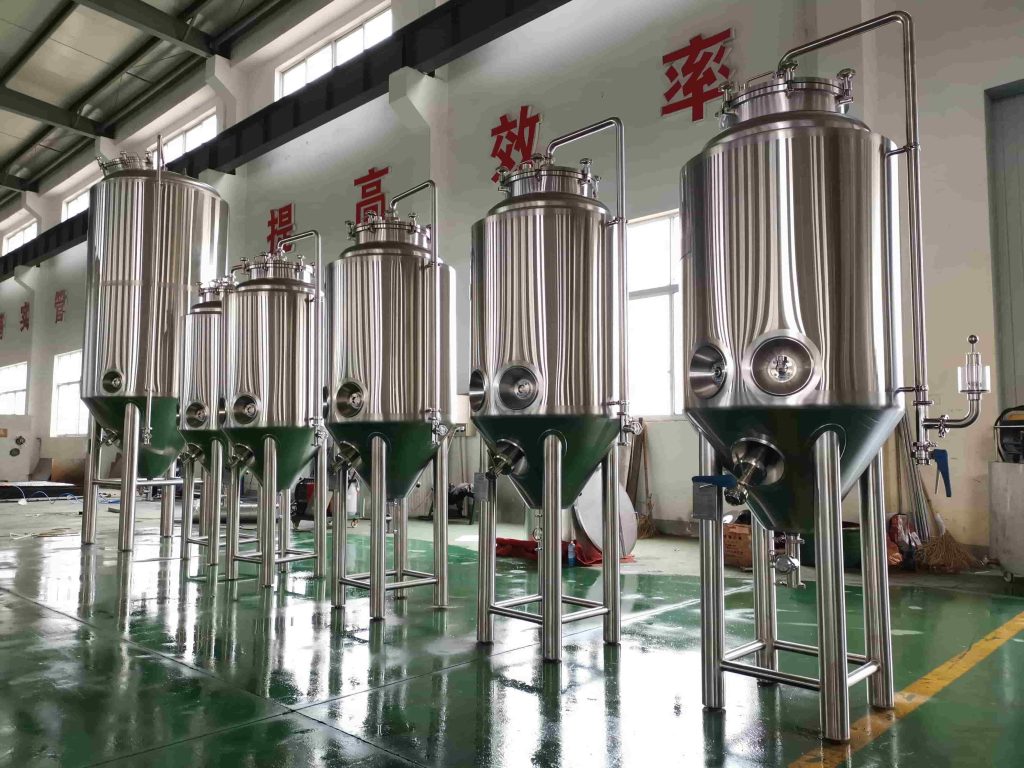
For yogurt, milk is typically heated, homogenized, and then cooled to an ideal fermentation temperature (e.g., 40-45°C for thermophilic yogurt). Starter cultures are added, and the milk is allowed to ferment in large tanks until the desired pH and consistency are reached. This can take several hours. After fermentation, the yogurt is rapidly cooled to halt bacterial activity, then fruit, flavors, or sweeteners may be added before packaging. The consistency can be further adjusted through mechanical stirring (for stirred yogurt) or direct packaging in containers (for set yogurt). SKE’s jacketed fermentation tanks and precise temperature control systems are invaluable here, ensuring optimal conditions for bacterial growth and fermentation, which are crucial for consistent quality in the production process of dairy products. These tanks are designed to maintain stable temperatures, preventing fluctuations that could negatively impact the starter cultures and the resulting product characteristics.
Cheese Production
Cheese production is a more elaborate fermented dairy process. After pasteurization and standardization, starter cultures are added to warm milk. Once the acid develops sufficiently, rennet (an enzyme) is introduced to further coagulate the proteins, forming a solid curd. The curd is then cut into smaller pieces to release whey, heated, and stirred to expel more moisture. The specific methods for cutting, heating, pressing, and aging vary widely depending on the type of cheese (e.g., cheddar, mozzarella, gouda). This intricate process directly influences the cheese’s final moisture content, texture, and flavor profile. Aging, or ripening, allows enzymes and bacteria to further transform the cheese, developing complex flavors and aromas. The fermentation phase is what gives each cheese its unique identity, making it a critical aspect of the production process of dairy products, demanding expertise and specialized equipment for precise control. SKE also offers solutions for aspects of cheese production such as brine preparation and curd handling, which are essential to streamline this complex portion of the dairy product lifecycle. Understanding the nuances of each stage is vital for creating high-quality, safe, and flavorful cheese.
Stage 5: Separation, Concentration, and Filtration
Beyond the core processes of thermal treatment and fermentation, several other advanced separation and concentration techniques are integral to the production process of dairy products, serving to refine, enhance, and create new product forms. These technologies are crucial for producing concentrated milk products, dairy powders, and specialized ingredients.
Centrifugal Separation
Centrifugal separators are fundamental in dairy processing, primarily used for separating milk into skim milk and cream. This process involves spinning the milk at high speeds, using centrifugal force to separate components based on their density. Fat globules, being lighter, move towards the center, while the denser skim milk moves to the periphery. This separation is vital for standardization (as discussed earlier) and for the production of products like butter (from cream) and skim milk powder. Highly efficient SKE separators are key to maximizing yield and achieving precise fat content control, ensuring the purity and consistency of ingredients in the production process of dairy products.
Evaporation and Concentration
Evaporation is employed to remove water from milk, producing concentrated milk products like evaporated milk, condensed milk, or as an initial step for milk powder production. This process typically occurs under vacuum at lower temperatures to minimize heat damage to the milk’s nutrients and flavor. Multi-effect evaporators are often used to conserve energy by reusing steam generated from early stages to heat subsequent stages. Concentration reduces volume, significantly cutting down on packaging, storage, and transportation costs, making it an economically attractive step for many dairy products. The careful control of heating and vacuum parameters ensures that the desirable properties of the milk are retained while achieving the necessary concentration levels. Optimizing the evaporation process leads to cost savings and higher product quality.
Membrane Filtration (UF, MF, RO, NF)
Membrane filtration technologies represent a significant advancement in the production process of dairy products, offering precise separation capabilities without the use of heat or chemical additives. These technologies include:
- Ultrafiltration (UF): Used to concentrate proteins (e.g., for cheese making, whey protein concentrates) and remove smaller molecules like lactose and minerals. UF is instrumental in producing protein-enriched dairy products and reducing waste streams.
- Microfiltration (MF): Primarily used for bacterial removal from milk (e.g., cold pasteurization), extending shelf life without intense heat treatment, and for fractionating milk proteins.
- Nanofiltration (NF): Often used for partial demineralization of whey and concentration of lactose.
- Reverse Osmosis (RO): The most rigorous form of membrane filtration, used for significant water removal from milk or whey, offering a highly energy-efficient alternative to evaporation for initial concentration.
These filtration techniques enable the creation of novel dairy ingredients and products with tailored functional and nutritional properties. SKE provides a range of filtration solutions, including advanced membrane systems that enhance product purity, efficiency, and ingredient functionality. The precision offered by these filtration technologies allows for highly specialized dairy product development, marking a significant evolution in the production process of dairy products. Utilizing such systems allows for specific component isolation, catering to the growing market for specialized dairy ingredients and functional foods. The careful selection and calibration of membrane types and pore sizes allow processors to selectively remove or concentrate specific components of milk, unlocking new possibilities for product innovation and optimization of ingredient costs.
Stage 6: Packaging, Quality Control, and Storage
The final stages of the production process of dairy products are packaging, rigorous quality control, and appropriate storage. These steps are crucial for protecting the product from contamination, preserving its quality and safety, extending its shelf life, and presenting it attractively to the consumer.
Packaging
Packaging plays a multifaceted role: it’s a barrier against physical damage, light, oxygen, moisture, and microbial contamination. The choice of packaging material and format depends heavily on the specific dairy product and its intended shelf life. Common packaging materials include:
- Cartons (Aseptic for UHT): Multi-layered cartons provide excellent protection for UHT milk, allowing ambient storage for extended periods.
- Plastic Bottles/Pouches: Widely used for fresh fluid milk, yogurt, and cultured products, offering convenience and cost-effectiveness.
- Tubs/Cups: Predominantly for yogurt, sour cream, and cottage cheese.
- Flexible Wraps/Foils: For butter, cheese, and some specialty products, providing barrier properties against oxygen and moisture.
Packaging operations must be highly automated and conducted under hygienic conditions, especially for aseptic products, to prevent recontamination. SKE’s integrated processing lines often include automated packaging interfaces, ensuring seamless transition from processing to final product, maintaining the integrity of the production process of dairy products. The design of packaging should also consider environmental impact, with increasing emphasis on recyclable and biodegradable materials. Furthermore, consumer convenience, such as ease of opening and resealing, drives packaging innovation.
Quality Control
Quality control is not just a final check but an ongoing process integrated throughout the entire production process of dairy products. However, intensified testing occurs at this concluding stage to ensure the final product meets all safety, regulatory, and quality specifications. Key quality control measures include:
- Microbiological Testing: To confirm the absence of pathogens and adherence to acceptable bacterial counts.
- Chemical Analysis: Verification of fat, protein, moisture, pH, and other compositional parameters.
- Sensory Evaluation: Tasting panels assess flavor, aroma, texture, and appearance to maintain brand consistency.
- Packaging Integrity Checks: Ensuring seals are secure and packaging is free from defects.
Rigorous quality control protocols, supported by modern laboratory equipment, are indispensable for preventing product recalls and maintaining consumer trust. This commitment to quality ensures every product leaving the plant is safe and meets the highest standards. A robust quality control system acts as the final guardian, preventing any substandard product from reaching the market and upholding the reputation of the dairy brand.
Storage and Distribution
Once packaged and quality-approved, dairy products are moved to controlled storage environments. Refrigerated products like fresh milk and yogurt are stored at cold temperatures (typically 0-4°C) to maintain quality and extend shelf life until distribution. UHT products, being shelf-stable, can be stored at ambient temperatures in warehouses. Efficient inventory management and a reliable cold chain during transportation are vital to ensure products reach retailers and consumers in optimum condition. Any breakdown in the cold chain can quickly compromise product safety and quality. The logistical challenges of distributing perishable dairy items underscore the importance of a well-coordinated supply chain. From the initial selection of appropriate milk cooling tanks on the farm, through processing, and all the way to final distribution, every step counts in keeping dairy products fresh and safe. The overall success of the production process of dairy products is ultimately judged by the quality and safety of the product arriving in the consumer’s hands.
Leveraging Advanced Technologies in Dairy Processing
The dairy industry is continuously evolving, incorporating advanced technologies to enhance efficiency, quality, safety, and sustainability throughout the production process of dairy products. These innovations span automation, advanced analytical tools, and energy-saving solutions, reflecting a commitment to meeting both consumer demands and environmental responsibilities.
Automation and Robotics
Modern dairy processing plants are increasingly leveraging automation and robotics. Automated systems precisely control every parameter—from temperature and pressure in pasteurization to ingredient addition in fermentation tanks. This reduces human error, improves consistency, and enhances operational efficiency. Robots are deployed for tasks like packaging, palletizing, and even cleaning-in-place (CIP) operations, minimizing manual intervention and improving hygiene. This level of automation ensures that the production process of dairy products runs smoothly around the clock with minimal supervision, leading to significant cost savings and faster throughput. The use of automated CIP systems, for example, designed and integrated by SKE, ensures thorough cleaning of all contact surfaces, drastically reducing the risk of microbial contamination and enhancing food safety. Such systems are integrated into the overall plant design, ensuring seamless operation and compliance with the highest hygienic standards.
Real-time Monitoring and Data Analytics
The integration of sensors and data analytics platforms allows for real-time monitoring of critical process parameters. This includes continuous measurement of temperature, pH, viscosity, and fat content. This data is then analyzed to optimize processes, predict equipment failures, and proactively address potential quality issues. Predictive maintenance based on machine learning algorithms helps in scheduling equipment servicing before breakdowns occur, minimizing downtime and increasing productivity. This data-driven approach transforms the production process of dairy products from reactive to proactive, leading to superior product consistency and reduced waste. The insights gained from such powerful tools can also inform long-term strategic decisions, from product development to supply chain optimization, making the entire operation more intelligent and adaptable.
Energy Efficiency and Sustainability
With increasing environmental concerns, dairy processors are adopting technologies aimed at reducing energy consumption and water usage. Heat recovery systems, such as those integrated into SKE’s pasteurizers and UHT plants, capture waste heat from one part of the process and use it to preheat incoming raw materials, significantly reducing energy requirements. Water recycling programs and advanced wastewater treatment systems are also becoming standard, minimizing the environmental footprint. The focus on sustainability not only benefits the planet but also contributes to long-term cost savings for dairy producers. This holistic approach towards greener operations is a growing trend in the production process of dairy products, aligning industry practices with global environmental goals. Innovations in refrigeration technologies, such as CO2-based systems, further contribute to reducing the carbon footprint associated with dairy processing by employing more environmentally friendly refrigerants. These efforts demonstrate a comprehensive commitment to responsible manufacturing.
High-Pressure Processing (HPP)
While still emerging in dairy, High-Pressure Processing (HPP) offers a non-thermal alternative for pasteurization, preserving flavor and nutritional content to a greater extent than heat treatments. Products are subjected to extremely high pressures (typically 100-600 MPa) to inactivate microorganisms. HPP extends shelf life and is particularly suited for high-value, minimally processed dairy products. As technology advances, its integration into the mainstream production process of dairy products may become more widespread, offering new avenues for product development and preservation. These technologies, combined with SKE’s commitment to providing robust and efficient dairy processing equipment, empower dairy manufacturers to innovate, optimize, and consistently deliver high-quality products to consumers worldwide, setting new benchmarks in an ever-evolving market. The flexibility offered by HPP allows processors to differentiate their products by offering ‘clean label’ options, appealing to consumers who prioritize minimal processing and natural ingredients. The continuous pursuit of such advanced technologies ensures the dairy industry remains at the forefront of food innovation and safety.
Frequently Asked Questions about the Production Process of Dairy Products
What are the common contaminants found in raw milk and how are they addressed in the production process of dairy products?
Raw milk can contain bacteria, spores, and other microorganisms, some of which can be pathogenic. These are primarily addressed through stringent hygiene practices at collection and, critically, by pasteurization. Pasteurization, a core step in the production process of dairy products, involves heating milk to a specific temperature for a set time (e.g., 72°C for 15 seconds) to eliminate pathogenic bacteria, ensuring product safety without significantly altering its nutritional value. Further purification steps like clarification also remove somatic cells and dirt, ensuring a cleaner starting material.
How does homogenization affect the texture and shelf life of dairy products?
Homogenization in the production process of dairy products involves reducing the size of fat globules in milk, preventing cream separation. This mechanical treatment results in a smoother, more uniform texture and a whiter appearance, enhancing the sensory experience. While homogenization does not directly extend the microbiological shelf life (that’s the role of pasteurization), it contributes to better physical stability and prevents undesirable sensory changes like fat separation or off-flavors over time, thus enhancing the perceived longevity and consistency of the product.
What role does SKE Equipment play in optimizing the production process of dairy products?
SKE Equipment provides state-of-the-art machinery essential for various stages of the production process of dairy products, including advanced pasteurization systems, efficient homogenization equipment, and robust CIP (Cleaning-in-Place) units. Our solutions are designed to enhance operational efficiency, ensure product safety and quality, and optimize energy consumption. By offering reliable and technologically advanced equipment, SKE helps dairy producers meet stringent industry standards, increase throughput, and consistently deliver high-quality dairy products to the market.
Why is fermentation a critical step for certain dairy products like yogurt and cheese?
Fermentation is crucial for dairy products like yogurt and cheese because it introduces specific bacterial cultures to milk, which convert lactose into lactic acid. This process coagulates milk proteins, leading to the characteristic thick texture, unique flavor, and increased acidity of these products. It also acts as a natural preservation method by lowering the pH, which inhibits the growth of spoilage and pathogenic bacteria, thereby extending their shelf life. Furthermore, fermentation can enhance the nutritional profile by improving digestibility and nutrient absorption, making it an indispensable part of the production process of dairy products involved.
Ready to Optimize Your Dairy Production Process?
SKE is a leader in providing cutting-edge equipment and solutions for every stage of the production process of dairy products. Whether you’re looking to upgrade your pasteurization system, streamline homogenization, or implement advanced filtration technologies, our experts are here to help.
Connect with us on social media or reach out directly:
For a personalized consultation or to learn more about how SKE can transform your dairy processing capabilities, please fill out the contact form at the bottom of the page. We look forward to partnering with you to achieve excellence in the production process of dairy products.