
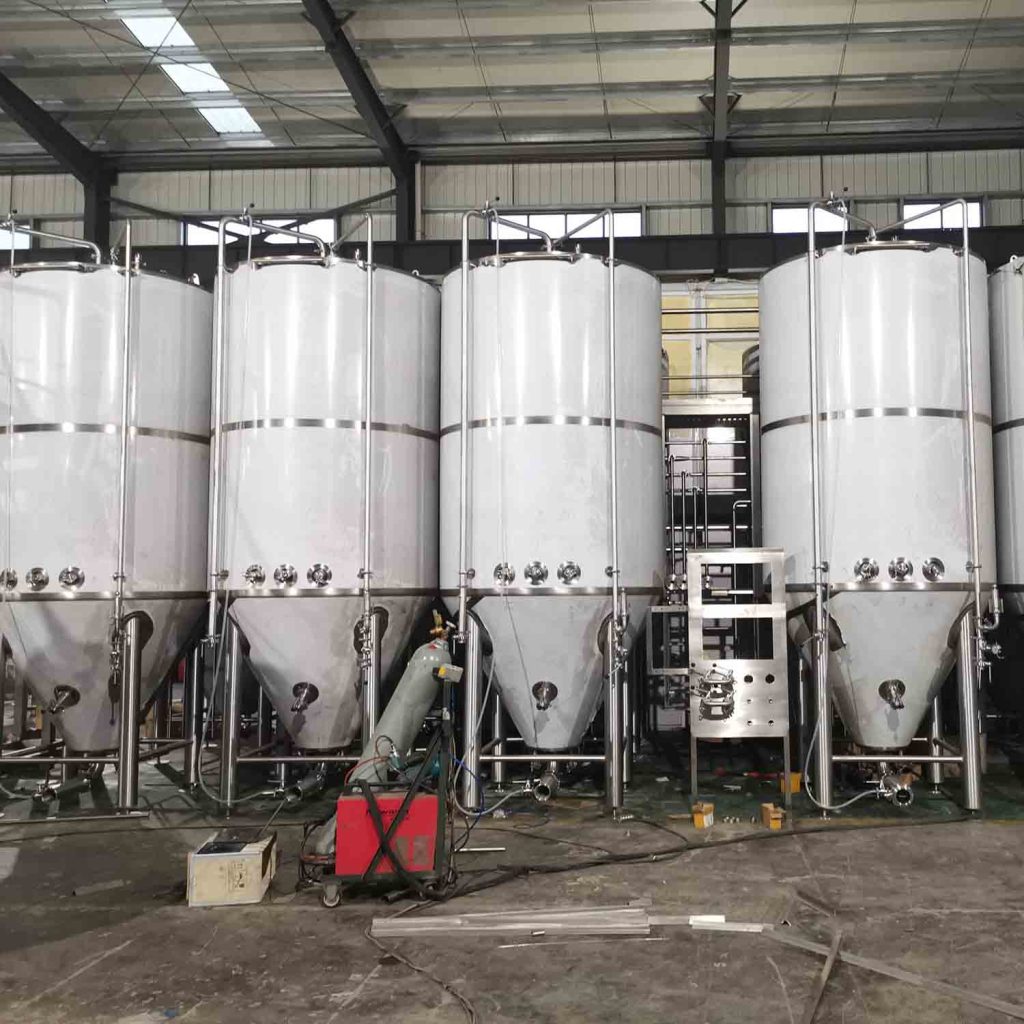
Introduction: The Unsung Heroes of Winemaking
Winemaking is an art form, a delicate balance of science, tradition, and passion. From the vineyard to the bottle, every step influences the final product. Among the myriad factors contributing to a wine’s character, the fermentation vessel stands out as a critical element. While oak barrels have long held a romanticized place in winemaking lore, modern oenology increasingly relies on the versatile and hygienic properties of stainless steel fermentation tanks. These robust vessels have revolutionized the industry, offering unparalleled control, consistency, and purity, especially for producers focused on preserving the vibrant fruit characteristics of their wines.
The journey of grape juice transforming into wine is a complex biochemical process. Yeast converts sugars into alcohol and carbon dioxide, simultaneously producing a spectrum of aromatic compounds that define the wine’s bouquet and flavor profile. The environment in which this transformation occurs is paramount. Stainless steel tanks provide a completely neutral, inert, and impermeable environment, safeguarding the evolving wine from undesirable external influences such as oxygen, bacteria, and off-flavors. This neutrality is particularly crucial for wines where the winemaker aims to express the varietal’s true essence without the masking effects of wood.
Beyond neutrality, the inherent strength and durability of stainless steel make it an ideal choice for the demanding conditions of a winery. These tanks can withstand significant pressure changes, offer excellent thermal conductivity for precise temperature management, and are exceptionally easy to clean and sanitize. This combination of attributes ensures that winemakers can exercise meticulous control over the fermentation process, from the initial inoculation to the final racking, ultimately leading to a higher quality and more consistent finished product. The rising popularity of stainless steel fermentation tanks underscores a shift towards precision winemaking, where every variable is managed to achieve specific sensory outcomes.
Unlocking Quality: Core Benefits of Stainless Steel Fermentation Tanks
The adoption of stainless steel fermentation tanks has brought about numerous advantages for winemakers worldwide. These benefits are not merely practical but deeply impact the quality, consistency, and marketability of the final wine product. Understanding these core benefits is key to appreciating why stainless steel has become an indispensable tool in modern wineries, from small boutique operations to large-scale commercial producers.
Firstly, the most significant advantage is undoubtedly neutrality and inertness. Unlike wooden barrels that impart flavors, tannins, and allow for micro-oxygenation, stainless steel leaves no trace on the wine. This characteristic is invaluable for producing crisp, aromatic white wines and vibrant, fruit-forward red wines where the varietal character is the star. It allows the pure expression of the grape, reflecting the terroir and the winemaker’s specific intentions without external interference. For a deeper dive into the importance of materials in food and beverage processing, you might find our article on understanding SS304 vs SS316 in food processing equipment particularly insightful, as it details the properties of these stainless steel grades commonly used in tanks.
Secondly, excellent hygiene and ease of cleaning are paramount. Stainless steel’s smooth, non-porous surface prevents bacterial colonization and makes thorough sanitization straightforward. This drastically reduces the risk of spoilage, off-flavors caused by undesirable microorganisms, and cross-contamination between batches. The ability to maintain pristine conditions repeatedly ensures that each fermentation starts clean, a critical factor for quality control and preventing wine faults. SKE focuses on seamless welding and highly polished internal surfaces to further enhance this hygienic advantage in our fermentation tanks.
Thirdly, durability and longevity distinguish stainless steel from other materials. These tanks are built to last for decades, resisting corrosion, impact, and wear. Their robust construction means fewer replacements, lower long-term costs, and consistent performance over time. This makes them a wise long-term investment for any winery. The strength also allows for precise manufacturing of various sizes and configurations, fitting diverse winery layouts and production scales.
Finally, precise temperature control capabilities are perhaps one of the most transformative benefits. Most stainless steel fermentation tanks come equipped with integrated cooling or heating jackets, allowing winemakers to maintain fermentation temperatures within a very narrow, optimal range. This control is vital for:
- Managing fermentation kinetics: Slower, cooler fermentations can preserve delicate aromatics in white wines, while controlled warmer fermentations might be desired for color and tannin extraction in reds.
- Preventing stuck fermentations: Maintaining ideal temperatures helps yeast thrive and prevents them from becoming sluggish or dying off prematurely.
- Mitigating off-flavors: Extreme temperatures can lead to the production of undesirable volatile compounds.
This level of thermal management is hard to achieve with other materials, making stainless steel fermentation tanks indispensable for crafting consistently high-quality wines. The innovation in control systems integrated with these tanks is a testament to the continuous evolution in winemaking technology.
Optimal Design and Engineering for Stainless Steel Tanks
The effectiveness of stainless steel fermentation tanks in winemaking isn’t just about the material itself, but also about the intelligent design and precision engineering that goes into their construction. Modern tanks are far more than simple containers; they are sophisticated pieces of equipment optimized for specific winemaking objectives. SKE, for instance, emphasizes cutting-edge design principles to maximize efficiency and wine quality.
A crucial design element is the tank shape and dimensions. While cylindrical tanks are most common due to their structural robustness and ease of cleaning, variations exist. Conical bottom tanks, for example, facilitate easier yeast removal and clarification processes, as solids settle efficiently at the apex. The height-to-diameter ratio can also impact fermentation dynamics; taller, narrower tanks offer a larger surface area for cooling jackets and can promote specific yeast activity, whereas broader tanks might suit different agitation needs.
Integrated temperature control jackets are a standard and essential feature. These jackets, typically dimpled or channeled, allow for the circulation of a cooling or heating medium (like chilled water or glycol). The efficiency of these jackets is critical for maintaining stable fermentation temperatures, which directly influences alcoholic fermentation, yeast health, and aromatic compound production. Advanced systems often include multiple independent jackets, allowing for segmented temperature control, particularly useful in larger tanks.
Another vital design consideration is the valve and port configuration. High-quality tanks are equipped with specialized valves for various operations:
- Sampling ports: For regular monitoring of fermentation progress without contamination.
- Racking ports: Positioned above the settled lees to draw off clear wine.
- Drainage ports: At the very bottom, typically for lees removal or complete emptying.
- Manways: Ergonomically placed for easy access during cleaning, inspection, and addition of ingredients. Top manways are common, but side manways are increasingly popular for convenience and safety.
- CIP (Clean-in-Place) systems: Spray balls and nozzles integrated into the tank design allow for automated, effective cleaning and sanitization without manual entry. This not only saves labor but also enhances safety and ensures a consistent level of hygiene. You can learn more about the importance of such cleaning systems in our article on CIP and SIP systems, which are fundamental in maintaining sterility in beverage production.
The internal finish and welding quality are paramount for hygiene. A smooth, highly polished internal surface (often to a specific Ra value, e.g., Ra < 0.6 µm) prevents microbial growth and makes cleaning easier. Seamless welding, or welds that are post-polished to match the surrounding surface, eliminates crevices where yeast and bacteria could hide. SKE’s commitment to superior craftsmanship ensures that these details are meticulously addressed, providing winemakers with tanks that meet the most stringent hygienic standards.
Furthermore, features like sight glasses for monitoring liquid levels, pressure relief valves for safety during fermentation, and various level sensors add to the functionality and control offered by these sophisticated vessels. The careful integration of these elements ensures that stainless steel fermentation tanks provide winemakers with a precise and reliable environment for crafting exceptional wine.
SKE’s Commitment to Excellence in Stainless Steel Tanks
At SKE, we understand that exceptional wine begins with exceptional equipment. Our long-standing expertise in manufacturing food-grade process vessels positions us as a leading provider of high-quality stainless steel fermentation tanks for the winemaking industry. We pride ourselves on engineering solutions that not only meet but exceed the rigorous demands of modern oenology, helping winemakers achieve their vision of crafting premium wines.
Our commitment begins with the careful selection of materials. We exclusively use premium food-grade stainless steel – primarily SS304 and SS316L – renowned for its inertness, corrosion resistance, and hygienic properties. This ensures that SKE fermentation tanks do not impart any unwanted flavors or aromas to the wine, allowing the true varietal character to shine through. The choice between SS304 and SS316L often depends on specific winery requirements, such as exposure to more corrosive environments or particular cleaning agents, a topic extensively covered in our detailed analysis of SS304 vs SS316 in food processing equipment.
Precision manufacturing is at the heart of SKE’s operations. Our tanks are constructed with meticulous attention to detail, featuring perfectly smooth, electro-polished internal surfaces to prevent microbial adhesion and facilitate thorough cleaning. All welds are expertly carried out and then precisely polished, eliminating any potential harborage points for bacteria and ensuring unparalleled hygiene. This dedication to craftsmanship contributes directly to the longevity and performance of our stainless steel fermentation tanks.
SKE tanks are designed with advanced features to empower winemakers with precise control over the fermentation process:
- Optimized Temperature Control Jackets: Our tanks integrate highly efficient dimpled or channeled jackets that provide uniform temperature exchange, crucial for managing fermentation kinetics and preserving delicate aromatics.
- Customizable Configurations: We offer a range of sizes and configurations, from small batch tanks to large-volume vessels, including variable capacity options, to suit diverse winery scales and operational needs.
- Ergonomic & Hygienic Access: Thoughtfully placed manways, sampling valves, and racking ports ensure ease of operation and maintenance while upholding the highest sanitary standards.
- Integrated CIP Solutions: Every SKE tank is designed for seamless integration with CIP systems, featuring strategically placed spray balls for comprehensive automated cleaning, enhancing efficiency and reducing manual labor. Our expertise in CIP systems in brewing directly translates to superior cleaning protocols for winemaking as well.
By investing in SKE’s stainless steel fermentation tanks, winemakers gain more than just a vessel; they acquire a reliable partner in their quest for winemaking excellence. We are dedicated to providing durable, efficient, and technologically advanced solutions that support the creation of world-class wines, ensuring consistency, purity, and the optimal expression of every grape’s potential.
Precision Temperature Control: A Cornerstone of Quality
In winemaking, temperature is arguably the most critical environmental factor influencing the quality of the final product. The ability to precisely control and maintain specific temperatures throughout the fermentation process is a game-changer, and this is where stainless steel fermentation tanks truly excel. Their excellent thermal conductivity, combined with integrated cooling and heating jackets, provides winemakers with a level of command over fermentation dynamics that is unmatched by other vessel types.
For white wines, cool fermentation temperatures (typically 12-18°C or 54-64°F) are paramount. This range slows down the yeast activity, leading to a prolonged fermentation period. This extended contact with the lees (spent yeast cells) and the cooler temperatures helps to preserve delicate volatile aromas such as esters and terpenes, which contribute to the fresh, fruity, and floral characteristics desired in many white wines. Without precise control, temperatures can spike, resulting in the loss of these crucial aromatics and the production of undesirable heavier, solvent-like notes.
For red wines, slightly warmer fermentation temperatures (typically 20-30°C or 68-86°F) are often preferred. These temperatures optimize the extraction of color, tannins, and phenolic compounds from the grape skins, which are essential for the structure, body, and aging potential of red wines. However, too high a temperature can lead to a “”cooked”” fruit character, yeast stress, and the production of off-flavors. Too low, and extraction will be insufficient, resulting in a thin, pale wine. The precise control offered by stainless steel fermentation tanks allows winemakers to hit the sweet spot for maximum extraction without compromising wine quality.
Beyond the primary alcoholic fermentation, temperature control remains vital during malolactic fermentation (MLF), where bacteria convert malic acid to lactic acid, softening the wine’s acidity. Maintaining a consistent temperature, often slightly above alcoholic fermentation temperatures, encourages the desired bacterial activity. Furthermore, post-fermentation, the ability to rapidly cool wine in stainless steel tanks is crucial for stabilizing it, preventing spoilage, and preparing it for clarification and aging processes. Cold stabilization, for example, is a common practice to precipitate tartrate crystals that might otherwise form in the bottle.
SKE’s stainless steel fermentation tanks are engineered with high-efficiency cooling jackets that ensure uniform heat exchange across the tank’s surface. These jackets, combined with sophisticated temperature probes and automated control systems, empower winemakers to set and maintain exact temperature profiles, reacting quickly to any deviations. This level of precision is not just about preventing faults; it’s about actively shaping the wine’s character and ensuring consistency from vintage to vintage. Investing in tanks with superior temperature management is an investment in the consistent quality and stylistic integrity of the wine.
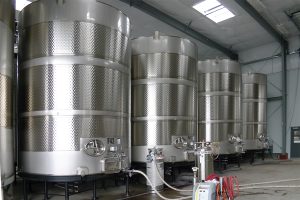
Ensuring Purity: Cleaning and Maintenance of Stainless Steel Tanks
The pristine condition of fermentation vessels is paramount in winemaking. Any residual organic matter, tartrates, or microbial populations left in a tank can swiftly compromise a new batch of wine, leading to spoilage, off-flavors, and significant financial losses. This is where the ease of cleaning and maintenance of stainless steel fermentation tanks truly shines, offering a distinct advantage over more porous materials. The non-porous and smooth surface of stainless steel inherently resists the adhesion of microorganisms and simplifies the cleaning process, but proper protocols are still essential.
A typical cleaning regimen for stainless steel wine tanks involves several stages, often performed as part of a Clean-In-Place (CIP) system for larger operations:
- Initial Rinse: Immediately after emptying the tank, a thorough rinse with cold water removes bulk lees, pulp, and tartrates, preventing them from drying and hardening on the tank walls.
- Caustic Wash: A hot caustic (alkaline) solution is circulated through the tank, often aided by spray balls, to dissolve organic residues, proteins, and sugars. The effectiveness of this step is critical for breaking down stubborn deposits.
- Intermediate Rinse: Another rinse with clean water removes the caustic solution.
- Acid Wash: An acidic solution (e.g., citric acid or phosphoric acid) is then used to neutralize any remaining alkalinity, remove mineral deposits like tartrates, and passivate the stainless steel surface, enhancing its corrosion resistance.
- Final Rinse: A final rinse with potable water ensures all cleaning agents are removed.
- Sanitization: Before filling, the tank is typically sanitized using a chemical sanitizer (like peracetic acid, sulfur dioxide, or chlorine dioxide) or hot water/steam to eliminate any remaining microorganisms. This is a critical step to prevent microbial contamination of the fresh grape juice.

SKE designs its stainless steel fermentation tanks with integrated CIP capabilities, including strategically placed spray balls and optimal tank geometry to ensure complete coverage during automated cleaning cycles. This minimizes manual intervention, enhances safety, and guarantees a consistent and high level of hygiene every time. Our tanks’ highly polished interior surfaces (Ra values often below 0.6 µm) are specifically engineered to prevent the buildup of biofilms, making them easier to clean and significantly reducing the risk of microbial contamination. For more on how thorough cleaning procedures protect wine quality, consider exploring resources on effective brewery cleaning procedures, many of which are directly applicable to winemaking.
Beyond cleaning, routine maintenance involves regular inspection of gaskets, seals, and valves to ensure they are in good condition and free from leaks. Pressure relief valves must be checked periodically to guarantee they are functioning correctly, preventing dangerous pressure buildup during fermentation. Despite their robust construction, proper handling and avoidance of abrasive cleaning tools help maintain the integrity of the stainless steel surface. With appropriate care, SKE’s stainless steel fermentation tanks will reliably serve wineries for decades, consistently delivering a clean and controlled environment for winemaking.
Conclusion: The Future of Winemaking Powered by Stainless Steel
The journey of winemaking has evolved significantly, yet the core objective of transforming grapes into an exquisite beverage remains. The reliance on stainless steel fermentation tanks has become a hallmark of modern winemaking, representing a powerful synergy of tradition and technological advancement. These tanks are far more than mere vessels; they are sophisticated tools that grant winemakers unparalleled control, consistency, and cleanliness, allowing for the precise crafting of wines that express their true potential.
From their inert nature that preserves the pure varietal character to their robust durability and exceptional hygienic properties, the benefits of stainless steel are undeniable. The ability to precisely manage fermentation temperatures, coupled with seamless integration for efficient cleaning and maintenance through systems like CIP, makes these tanks indispensable. They provide the stable, predictable environment necessary to produce high-quality wines consistently, reducing the risk of faults and enhancing the natural beauty of the grape.
As the wine industry continues to innovate, the demand for flexible, reliable, and high-performance equipment will only grow. SKE is at the forefront of this evolution, dedicated to providing winemakers with best-in-class stainless steel fermentation tanks that embody precision, craftsmanship, and longevity. Our commitment to using premium materials, employing advanced engineering techniques, and offering customizable solutions ensures that every SKE tank supports the creation of exceptional wines, vintage after vintage.
Ultimately, the choice of fermentation vessel profoundly impacts a wine’s character and quality. For winemakers dedicated to purity, precision, and continuous improvement, the investment in high-quality stainless steel fermentation tanks is not just a practical decision—it is a strategic one that shapes the future of their craft. Embrace the future of winemaking with the reliability and performance that only superior stainless steel tanks can offer.
Frequently Asked Questions About Stainless Steel Fermentation Tanks for Wine
Why are stainless steel fermentation tanks preferred over other materials for winemaking?
Stainless steel tanks are preferred due to their inertness, preventing any flavor transfer to the wine. They are also non-porous, making them exceptionally hygienic and easy to clean, thus reducing the risk of microbial contamination. Furthermore, their excellent thermal conductivity allows for precise temperature control, which is crucial for managing fermentation and preserving delicate aromas. They are also durable and long-lasting.
Can stainless steel tanks be used for both red and white wine fermentation?
Yes, absolutely. Stainless steel fermentation tanks are incredibly versatile and suitable for both red and white wine fermentation. For white wines, they help preserve crisp fruit flavors and aromatics due to precise cool temperature control. For red wines, they enable controlled warmer fermentations for optimal color and tannin extraction while still allowing for temperature management to prevent spoilage or volatile compound production.
How does SKE ensure the hygiene of its stainless steel fermentation tanks?
SKE ensures hygiene through several key design and manufacturing practices: using premium food-grade stainless steel (SS304/SS316L), achieving highly polished internal surfaces (often below 0.6 µm Ra value) to prevent microbial adhesion, and performing expert, seamlessly polished welds that eliminate crevices. Additionally, our tanks are designed for easy integration with Clean-In-Place (CIP) systems, featuring strategically placed spray balls for comprehensive automated cleaning and sanitation.
What is the importance of temperature control in stainless steel wine tanks?
Temperature control is vital for guiding the fermentation process. For white wines, cool temperatures enhance delicate aromas; for reds, warmer temperatures facilitate color and tannin extraction. Precise control prevents stuck fermentations, mitigates off-flavor production, and helps stabilize the wine post-fermentation. Stainless steel tanks with integrated cooling jackets allow winemakers to maintain optimal temperatures throughout these critical stages, ensuring consistent wine quality.
Ready to elevate your winemaking with SKE’s advanced stainless steel fermentation tanks?
Our experts are ready to assist you in designing the perfect solution for your winery.
Connect on Facebook
Email Us: info@skeequipment.com
Or, fill out the contact form at the bottom of the page to discuss your specific needs!