
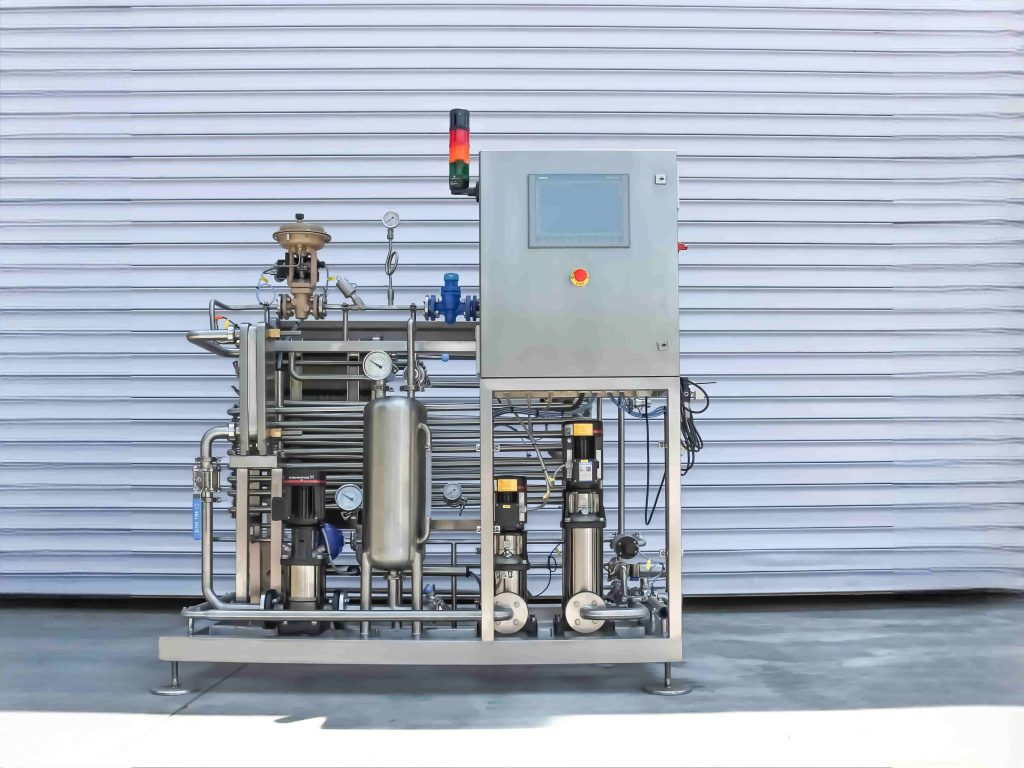
Introduction to Milk Production and Processing
Milk, a staple in diets across the globe, undergoes an intricate journey from the dairy farm to our refrigerators. The processes involved in milk production and processing are critical, ensuring not only its safety and extended shelf life but also its nutritional integrity and desirable taste. This journey is a marvel of modern agricultural and industrial science, driven by innovation and a deep understanding of food biology. The overarching goal is to deliver a high-quality product that meets stringent health standards and consumer expectations. Understanding the various stages of milk production and processing provides valuable insight into the dedication and technology required to bring this essential food item to our tables.
From the moment milk leaves the udder of a cow, buffalo, goat, or other dairy animal, it is susceptible to microbial contamination and spoilage. Therefore, swift and hygienic handling is paramount. Modern dairy farms employ sophisticated milking parlors and cooling systems to maintain the milk’s quality immediately after extraction. This initial phase sets the stage for all subsequent processing steps, emphasizing the importance of preventing bacterial growth that could compromise the final product. The efficiency and cleanliness at this stage are not just good practice; they are foundational to the entire milk supply chain.
The processing plant then takes over, where raw milk is transformed into a variety of dairy products, from fluid milk to cheese, yogurt, and butter. This transformation involves a series of carefully controlled physical and thermal treatments designed to eliminate pathogens, standardize composition, and enhance stability. Each step in the production and processing of milk adds value and contributes to the characteristics of the final product. For instance, pasteurization is a non-negotiable step for public health, while homogenization prevents cream separation, ensuring a consistent texture. The entire process is a delicate balance of science and engineering, constantly evolving to meet new challenges and consumer demands.
Furthermore, the dairy industry is under increasing pressure to operate sustainably and efficiently. This necessitates the adoption of advanced technologies and practices that minimize waste, conserve energy, and optimize resource utilization. Companies like SKE play a pivotal role in this evolution, providing state-of-the-art equipment that empowers dairy producers to achieve these goals. Our commitment to innovation ensures that milk production and processing are not just about turning raw milk into a consumable product, but doing so responsibly and effectively, upholding the highest standards of quality and safety throughout every stage of the milk’s journey.
Raw Milk Collection and Initial Quality Checks
The journey of milk begins on the dairy farm with the delicate process of milking. Modern dairy farms utilize automated milking systems that are designed for efficiency and hygiene. These systems minimize human contact with the milk, reducing the risk of contamination. After milking, the raw milk is immediately cooled to temperatures below 4°C (39°F) in bulk tanks to inhibit bacterial growth. This rapid cooling is a critical first step in preserving the milk’s quality before transportation to the processing plant. Any delay or failure in proper cooling can lead to significant bacterial proliferation, potentially rendering the milk unsuitable for further processing.
Before the milk leaves the farm, or upon arrival at the processing facility, it undergoes a series of stringent initial quality checks. These tests are vital for assessing the milk’s suitability for processing and ensuring it meets regulatory standards. Common tests include:
- Temperature Check: To confirm proper cooling has been maintained.
- Organoleptic Assessment: Visual inspection for abnormalities, and checks for off-odors or flavors.
- Antibiotic Residue Test: Critical to ensure no antibiotics are present, which could affect human health and interfere with starter cultures used in fermented dairy products.
- Somatic Cell Count (SCC): An indicator of udder health and potential mastitis in dairy cows. High SCC can impact milk quality and shelf life.
- Bacterial Count (Standard Plate Count): Measures the total number of viable bacteria, reflecting the hygiene standards during milking and storage.
- Compositional Analysis: Tests for fat, protein, lactose, and total solids content, crucial for economic valuation and product formulation.
Only milk that passes all these initial quality checks is accepted for further processing. Any batch failing these tests is typically rejected to prevent contamination of larger volumes and to uphold product safety. This rigorous selection process is a cornerstone of responsible milk production and processing, ensuring that only the highest quality raw material enters the processing chain. The integrity of this initial stage is paramount, as the quality established here directly impacts all subsequent steps and the final dairy products.
SKE understands the importance of this initial phase, even before our equipment comes into play at the processing plant. Our philosophy emphasizes that quality begins at the source. While SKE doesn’t produce milking equipment, our technology for flash pasteurization systems and other processing solutions are designed to work with milk that has already undergone these crucial initial quality assessments, providing an efficient and safe next step in the journey. The continuous monitoring and analytical capabilities often integrated into modern dairy systems also help farmers and processors track these metrics in real-time, allowing for immediate corrective actions if necessary. This proactive approach is fundamental to maintaining consistency and reliability in milk output.
Pre-Processing: Clarification, Standardization, and Separation
Once the raw milk arrives at the processing plant and passes its initial quality checks, it undergoes several crucial pre-processing steps before any thermal treatment. These steps are designed to optimize the milk’s composition, remove impurities, and prepare it for the subsequent stages of milk production and processing. This stage is vital for achieving a consistent product and maximizing efficiency.
Clarification and Filtration
The first step in pre-processing is often clarification. Even with careful milking procedures, raw milk can contain minute impurities such as somatic cells, sediment, and some bacteria. Clarifiers are high-speed centrifuges that efficiently remove these solid contaminants without significantly altering the milk’s composition. This process improves the milk’s appearance and reduces the microbial load. Following clarification, milk may pass through strainers or filters to remove any larger particulate matter that might have been missed or introduced during transportation.
Cream Separation
One of the most significant pre-processing steps is cream separation. Raw milk is a natural emulsion of fat globules in a water-based serum. Cream separators, also high-speed centrifuges, exploit the difference in density between fat and skim milk. The machine spins the milk at high speeds, causing the denser skim milk to move outwards and the lighter cream (which is rich in fat) to collect closer to the center. This process yields two distinct products: cream, which can be further processed into butter, cheese, or higher-fat milk products, and skim milk. This separation is fundamental to creating a wide range of dairy products with varying fat contents, from non-fat milk to heavy cream.
Standardization
After separation, the next critical step is standardization. Raw milk’s fat content can vary significantly depending on the cow’s breed, diet, lactation stage, and other factors. To ensure that milk products meet specific legal and consumer-demanded fat content percentages (e.g., whole milk 3.25%, 2% reduced-fat milk, 1% low-fat milk, or skim milk 0.1%), processors blend cream back into skim milk in precise proportions. This process, known as standardization, is crucial for product consistency and marketability. Advanced in-line analyzers and automated mixing systems are often used to achieve exact fat content, ensuring every carton of milk meets its specified nutritional profile. Proper standardization equipment, like that which SKE provides components for, ensures consistent product quality batch after batch.
These pre-processing stages are foundational to efficient and high-quality milk production and processing. By carefully clarifying, separating, and standardizing the milk, processors create a consistent base product that is ready for the critical thermal treatments that follow. SKE understands the precision required at these stages, offering reliable and efficient components designed to support seamless integration within such complex dairy processing lines. Our indirect heating systems, for instance, are perfectly suited for subsequent thermal tasks, ensuring that the milk retains its high quality established during these initial steps.
Thermal Treatment: Pasteurization and Sterilization
Thermal treatment is arguably the most critical stage in the milk production and processing chain, primarily for ensuring consumer safety and extending the product’s shelf life. This involves heating milk to specific temperatures for designated periods to destroy pathogenic microorganisms without significantly compromising its nutritional value or sensory qualities. The two primary methods are pasteurization and sterilization, each serving different purposes and yielding different product characteristics.
Pasteurization
Named after Louis Pasteur, pasteurization is a heat treatment process that involves heating milk to a specific temperature for a set amount of time to kill harmful bacteria (pathogens). It effectively eliminates common pathogens like Salmonella, Listeria, and E. coli, significantly reducing the risk of foodborne illnesses. Pasteurization also destroys most spoilage organisms, thereby extending the milk’s shelf life. There are several methods of pasteurization:
- High-Temperature Short-Time (HTST) Pasteurization: This is the most common method for fluid milk. Milk is heated to at least 72°C (161°F) for 15 seconds, followed by rapid cooling. HTST balances microbial destruction with minimal impact on flavor and nutritional content, making it highly efficient for continuous flow production. This method is a cornerstone of modern milk production and processing, allowing for large volumes to be processed quickly.
- Low-Temperature Long-Time (LTLT) Pasteurization: Also known as batch pasteurization, this method heats milk to 63°C (145°F) for 30 minutes. While effective, it is less common for large-scale fluid milk production due to its longer processing time, but it’s still used for some specialty products or smaller batches.
- Flash Pasteurization System: This is essentially a high-temperature, very short-time pasteurization method. Similar to HTST but potentially at slightly higher temperatures for even shorter durations, it’s designed for maximum microbial kill with minimal thermal degradation. SKE specializes in heat exchange technologies crucial for such systems, ensuring precise temperature control and energy efficiency.
The effectiveness of pasteurization relies heavily on precise temperature control and holding times. Equipment from SKE, such as advanced plate heat exchangers, are crucial for achieving and maintaining these exact conditions. Our systems are engineered to provide rapid heating and cooling, which is essential for HTST and flash pasteurization, optimizing both product safety and quality.
Sterilization and Ultra-High Temperature (UHT) Treatment
When an even longer shelf life at ambient temperatures is desired, milk undergoes sterilization or Ultra-High Temperature (UHT) treatment. This process aims to achieve commercial sterility, meaning all microorganisms capable of growing in the product under normal non-refrigerated conditions are destroyed.
- UHT Treatment: Milk is rapidly heated to very high temperatures, typically 135-150°C (275-302°F), for 2-5 seconds, followed by quick cooling. This intense heat treatment kills virtually all bacteria and spores. UHT milk can be stored unrefrigerated for several months in aseptic packaging. While safe and convenient, UHT treatment can sometimes impart a slightly cooked flavor due to the higher temperatures applied. The sophisticated heat exchangers and holding tubes integral to SKE’s offerings ensure that this high-temperature processing is both efficient and consistent, a key aspect in extending the global reach of milk products.
- In-Container Sterilization: Less common for fluid milk today, this involves packaging milk and then sterilizing the sealed containers in autoclaves. This method ensures sterility but can lead to more significant flavor changes due to prolonged heating.
Both pasteurization and sterilization are indispensable steps in modern milk production and processing. The choice between them depends on the desired shelf life, distribution requirements, and consumer preferences. Regardless of the method, the reliability and precision of the thermal processing equipment are paramount. SKE’s commitment to delivering high-performance heat exchange solutions ensures that dairy processors can meet these critical demands, upholding public health and maintaining the exquisite taste and nutritional value of milk.
Homogenization, Filtration, and Enrichment in Milk Processing
Beyond thermal treatment, several other crucial steps contribute to the final quality, texture, and nutritional profile of milk: homogenization, advanced filtration techniques, and enrichment. These processes refine the product further, making it desirable for consumers and aligning it with specific market standards. They are integral to modern milk production and processing, enhancing everything from shelf-stability to nutritional content.
Homogenization
Homogenization is a physical process designed to prevent cream separation, a natural phenomenon where fat globules, being lighter than water, rise to the top and form a cream layer. This process is essential for providing milk with a consistent texture and appearance throughout its shelf life. During homogenization, milk is forced under high pressure (typically 2000-2500 psi) through a very small orifice. This intense pressure and shear forces break down the large fat globules into much smaller, uniformly sized particles, typically less than 1-2 micrometers in diameter. These smaller fat globules remain evenly dispersed throughout the milk, preventing them from coalescing and rising to form a cream layer.
The benefits of homogenization extend beyond preventing cream separation:
- Improved Whiteness: The smaller fat globules scatter light more effectively, making homogenized milk appear whiter and more opaque.
- Richer Mouthfeel: The uniform distribution of fat contributes to a smoother, fuller texture.
- Enhanced Stability: It can improve the stability of milk in coffee or tea, reducing protein aggregation.
- Better Digestion: Some argue that the smaller fat globules are easier to digest, though scientific consensus on this is still debated.
Homogenizers are robust pieces of equipment crucial for producing the smooth, consistent milk consumers expect. They are often integrated directly into the processing line after pasteurization (or sometimes before, depending on the process flow and product type), as the heat can slightly damage the fat globule membrane, making them easier to break down. SKE’s expertise in fluid dynamics and process equipment ensures that our heat exchangers can be effectively integrated with these high-pressure systems, handling the flow characteristics of homogenized milk efficiently.
Advanced Filtration Techniques
While clarification removes larger impurities, advanced filtration techniques, particularly membrane filtration, are gaining prominence in milk production and processing for more precise separation and purification. These technologies use semi-permeable membranes to selectively separate components based on their molecular size.
- Microfiltration (MF): Used to remove bacteria and spores from skim milk, reducing the need for harsh thermal treatments or extending the shelf life of raw milk components. It can also separate protein fractions.
- Ultrafiltration (UF): Concentrates proteins and other large molecules while allowing water, lactose, and minerals to pass through. UF is commonly used in cheese making to increase yield and in producing protein concentrates.
- Nanofiltration (NF) and Reverse Osmosis (RO): Primarily used for concentrating milk solids, lactose removal, or water recovery in various dairy applications, offering high levels of separation precision.
These filtration methods offer advantages in terms of preserving the native properties of milk components and creating novel dairy ingredients. They represent a sustainable approach to separating milk components without excessive heat, contributing to energy efficiency in the overall processing line.
Enrichment and Fortification
Milk is naturally nutritious, but fortification involves adding extra nutrients to enhance its health benefits further. Common fortificants include:
- Vitamin D: Essential for calcium absorption and bone health, often added to milk.
- Vitamin A: Important for vision and immune function, particularly in reduced-fat milk where fat-soluble vitamins might be removed.
- Calcium: Additional calcium can be added to create “”high-calcium”” milk products.
- Omega-3 Fatty Acids: For heart health benefits.
This process is carefully controlled to ensure accurate dosing and uniform distribution of the added nutrients. The equipment used for blending and mixing plays a crucial role here, complementing the precision achieved in earlier stages of milk production and processing. SKE’s components and systems are designed to support a wide range of processing needs, from the rigorous demands of thermal treatment to the delicate processes required for nutrient fortification, ensuring every aspect of milk production is handled with precision and care. For example, our custom heat exchange solutions can be designed to handle milk streams that have been enriched, ensuring the stability and integrity of added nutrients during subsequent heating or cooling steps.
Packaging, Storage, and Distribution of Dairy Products
The final stages of milk production and processing are packaging, storage, and distribution. These steps are critical for maintaining the product’s safety, quality, and extending its shelf life, ensuring it reaches consumers in optimal condition. The efficacy of these post-processing operations directly impacts consumer satisfaction and the overall profitability of dairy enterprises.
Packaging
Once milk has undergone all necessary treatments—pasteurization, homogenization, and potentially fortification—it is ready for packaging. The type of packaging chosen depends on the milk product (e.g., fluid milk, yogurt, cream), its intended shelf life, and market requirements. Key considerations for packaging include:
- Material: Common materials include plastic bottles (HDPE, PET), gable-top cartons (paperboard with plastic laminate), pouches, and glass bottles. Aseptic cartons are used for UHT milk to allow for ambient storage.
- Hygiene: Packaging environments are highly sanitary, often aseptic, to prevent re-contamination of the milk. Filler machines must be meticulously cleaned and sterilized.
- Barrier Properties: Packaging must protect milk from light (which can degrade vitamins and cause off-flavors), oxygen (leading to oxidation), and microbial entry. Multi-layer packaging often provides superior protection.
- Convenience and Sustainability: Modern packaging aims for ease of use (e.g., resealable caps) and increasing recyclability or biodegradability to meet environmental goals.
Automated filling and sealing machines are essential for high-volume operations, ensuring precision and minimal human intervention. The integrity of the seal is paramount to preventing spoilage and maintaining product safety.
Storage
Proper storage conditions are vital for maintaining the quality and safety of packaged milk.
- Refrigerated Storage: Most pasteurized fluid milk requires refrigeration at temperatures below 4°C (39°F) from production until consumption. This slows down the growth of spoilage microorganisms that survived pasteurization. Cold chain integrity is crucial here; any break in the cold chain can drastically reduce shelf life.
- Ambient Storage for UHT Milk: UHT-treated milk, packaged aseptically, can be stored at room temperature for several months. However, once opened, it must be refrigerated.
Warehousing facilities are designed to maintain these specific temperature conditions, often with sophisticated monitoring systems to ensure consistency. Efficient inventory management also plays a role in ensuring older stock is rotated first, minimizing waste.
Distribution
Distribution networks are complex logistically, designed to transport milk from processing plants to retailers and consumers efficiently and safely.
- Cold Chain Logistics: For refrigerated milk, refrigerated trucks are used to transport products, maintaining the critical cold chain. GPS tracking and temperature monitoring systems are often employed to ensure compliance during transit.
- Route Optimization: Distribution routes are optimized to minimize travel time, fuel consumption, and environmental impact while ensuring timely delivery to stores.
- Global Reach: For UHT and powdered milk, distribution can extend globally, allowing dairy products to reach markets far from their origin, thanks to their extended shelf life.
The entire process of milk production and processing, from the farm gate through to packaging and distribution, necessitates a commitment to quality and efficiency at every turn. SKE contributes to this by providing robust and reliable equipment designed for long-term performance and minimal downtime, ensuring that the dairy industry can meet its stringent demands. Our involvement often comes in the form of crucial heat exchange components used in pasteurization before packaging or in utility systems supporting refrigeration. By doing so, SKE plays a vital part in streamlining these final, critical stages, ultimately delivering safe, fresh, and high-quality dairy products to millions worldwide. You can learn more about how our systems contribute to overall plant efficiency and reliability by exploring our technical resources and case studies.
SKE Equipment’s Role in Modern Dairy Operations
In the complex and critical landscape of milk production and processing, the reliability and efficiency of equipment are paramount. SKE equipment plays a significant and often indispensable role in modern dairy operations, providing advanced technological solutions that ensure product safety, maintain quality, and optimize processing efficiency. Our commitment to engineering excellence and innovative design makes us a trusted partner for dairy processors worldwide.
SKE primarily specializes in heat exchange technology, which is at the heart of many dairy processing steps. From the critical thermal treatments like pasteurization and sterilization to efficient cooling systems and even energy recovery, SKE’s plate heat exchangers are designed to perform with precision and robustness. For instance, in the pasteurization section, SKE’s state-of-the-art heat exchangers ensure rapid and uniform heating and cooling, which is vital for killing pathogens while preserving the milk’s nutritional integrity and delicate flavor profile. Our flash pasteurization systems, in particular, exemplify the balance between microbial destruction and minimal thermal impact, a core requirement in high-quality milk production and processing.
Our equipment contributes to the efficiency of dairy plants in several ways:
- Energy Efficiency: SKE heat exchangers often incorporate regenerative heating and cooling sections, allowing heat from outgoing hot milk to pre-heat incoming cold milk. This significantly reduces energy consumption and operational costs, aligning with the industry’s drive for sustainability.
- Precise Temperature Control: Maintaining exact temperatures is crucial in dairy processing. Our systems offer superior control, ensuring that product quality specifications and regulatory standards are consistently met, whether for delicate skim milk or richer cream.
- Hygienic Design: All SKE equipment designed for dairy applications adheres to the highest hygienic standards. Featuring smooth surfaces, minimal dead spaces, and easy-to-clean designs, our equipment facilitates thorough CIP (Clean-in-Place) procedures, minimizing the risk of bacterial growth and cross-contamination. This is critical for maintaining the purity of various dairy products.
- Durability and Reliability: Dairy processing environments can be demanding. SKE equipment is built from high-grade materials and engineered for longevity, reducing downtime and maintenance costs, thereby maximizing plant productivity in the continuous flow of milk production and processing.
- Versatility: Beyond fluid milk, SKE’s heat exchangers are used in the processing of other dairy products such as cream, yogurt, ice cream mix, and specialized milk derivatives. Their modular design allows for customization and scalability to suit diverse production needs. Our understanding of various viscosity and thermal properties for different dairy products allows us to design optimal heat exchange solutions for each unique application.
Furthermore, SKE is not just a supplier; we are a partner in innovation. We work closely with dairy processors to understand their unique challenges and develop tailored solutions. This collaborative approach ensures that our equipment not only integrates seamlessly into existing or new production lines but also helps clients achieve their specific quality, efficiency, and sustainability goals. For example, for operations looking to enhance the shelf life of their products, a shell and tube heat exchanger from SKE might be an ideal solution for indirect heating applications that demand precise temperature management over longer periods.
In every aspect of milk production and processing, from raw milk arrival to final dispatch, SKE’s robust and hygienic heat exchange solutions provide the backbone for efficient and safe operations. Our technology helps processors minimize waste, optimize energy use, and consistently deliver high-quality dairy products to consumers worldwide, reinforcing our position at the forefront of dairy processing equipment innovation.
Frequently Asked Questions About Milk Production and Processing
What is the primary purpose of pasteurization in milk processing?
The primary purpose of pasteurization is to destroy harmful microorganisms (pathogens) present in raw milk, such as Salmonella, Listeria, and E. coli, thereby making the milk safe for human consumption. It also significantly extends the milk’s shelf life by reducing spoilage-causing bacteria.
How does homogenization affect milk?
Homogenization is a process that breaks down fat globules in milk into much smaller, uniformly sized particles. This prevents the cream from separating and rising to the top, resulting in a milk product with a consistent texture, appearance, and a richer mouthfeel. It does not affect the nutritional value of milk.
What role does SKE Equipment play in dairy processing?
SKE Equipment provides advanced heat exchange solutions critical for various stages of milk production and processing, including pasteurization, sterilization (UHT), and cooling systems. Our equipment ensures precise temperature control, energy efficiency, and hygienic operation, contributing to product safety, quality, and extended shelf life in dairy plants.
Why are raw milk quality checks important before processing?
Raw milk quality checks are crucial to ensure that only milk meeting stringent safety and quality standards enters the processing chain. These checks, including tests for temperature, bacterial count, somatic cell count, and antibiotic residues, prevent contamination of larger milk batches and ensure the final product is safe and wholesome for consumers.
Learn More About SKE Equipment for Your Dairy Processing Needs
Ready to optimize your milk production and processing line with cutting-edge technology? SKE is here to help.
Connect with us:
Facebook |
Email: info@skeequipment.com
For detailed inquiries or a personalized consultation, please fill out the contact form at the bottom of our website, and one of our experts will be in touch to discuss how SKE solutions can enhance your operations.