
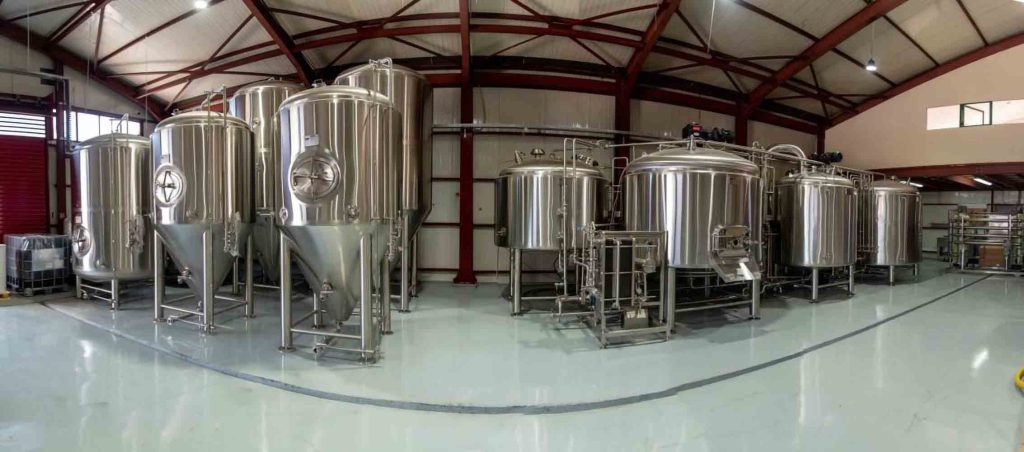
Introduction: Why Stainless Steel Domination in Brewing
In the intricate world of brewing, where precision, hygiene, and consistency are paramount, the choice of equipment is perhaps the most critical decision a brewer can make. Among all the vessels and machinery, the stainless steel beer tank stands out as an undeniable cornerstone. Its dominance is not accidental but stems from a perfect alignment of material properties with the demands of crafting exceptional beer. From the moment wort enters the fermenter until the final product is packaged, these tanks provide the sterile, stable, and controlled environment indispensable for quality. Whether you’re a burgeoning microbrewery or an established industrial plant, understanding the profound impact of high-quality stainless steel beer tanks is fundamental to your success.
The history of brewing has seen various materials used for fermentation and storage – from wood and clay to copper. However, the advent of stainless steel revolutionized the industry by offering unparalleled advantages. Its inert surface ensures that no unwanted flavors or aromas are imparted to the beer, preserving the true character of the brew. Its non-porous nature makes it incredibly easy to clean and sanitize, dramatically reducing the risk of microbial contamination, which can spell disaster for an entire batch. Furthermore, the material’s strength and durability guarantee a long lifespan, making the initial investment a wise one for any serious brewer. This guide delves deep into the world of stainless steel beer tanks, exploring their types, benefits, design considerations, and the crucial role they play in producing the perfect pint.
At SKE, we understand that every drop counts. Our commitment to excellence in engineering and manufacturing means we provide brewers with stainless steel beer tanks that are not just vessels, but precisely crafted tools designed to elevate their craft. We recognize that the proper functioning and design of your tanks directly influence everything from fermentation efficiency to the ultimate taste profile of your product. This is why our solutions are built with meticulous attention to detail, ensuring that temperature control, hygiene, and structural integrity consistently meet, and often exceed, industry standards. We aim to empower brewers with the best possible equipment, allowing them to focus on their artistry and passion for beer-making without compromise.
Understanding the Key Types of Stainless Steel Beer Tanks
The brewing process is a complex journey, and at each stage, different types of stainless steel beer tanks come into play, each designed for a specific function. Understanding these distinctions is crucial for designing an efficient and effective brewery layout. The primary categories include fermenters, bright beer tanks (BBTs), lagering tanks, and serving tanks, among others. Each vessel is engineered to optimize conditions for specific stages of beer production.
Fermenters are arguably the most iconic of all brewing tanks. These are where wort, after cooling and aeration, meets yeast to begin the magical transformation into beer. The most common varieties are conical fermenters, characterized by their cone-shaped bottom. This design allows for easier collection and removal of yeast and spent trub (sediment) due to gravity, which simplifies cleaning and yeast harvesting. Unitanks are a special type of conical fermenter that can handle both fermentation and conditioning (maturation) under pressure. This versatility reduces the need for transferring beer between tanks, minimizing oxygen exposure and product loss. SKE’s conical fermenters are designed with optimal cone angles and cooling jackets to ensure precise temperature control, a critical factor for healthy yeast activity and consistent flavor development. For a deeper dive into optimizing fermentation, exploring topics like optimizing fermentation with advanced brewing equipment can be immensely helpful.
Once fermentation is complete, the beer is often transferred to Bright Beer Tanks (BBTs). These are typically cylindrical, jacketed stainless steel vessels primarily used for conditioning, carbonation, and temporary storage before packaging. BBTs play a crucial role in clarifying the beer, allowing any remaining yeast or particulates to settle out. They are also where force carbonation often occurs, ensuring the beer has the perfect level of fizziness. Maintaining precise temperature in BBTs is vital for stability and efficient carbonation, and SKE’s BBTs feature robust cooling jackets and insulation to achieve this. The smooth internal surfaces of these stainless steel beer tanks are polished to a specific roughness (Ra value) to prevent microbial adhesion and facilitate thorough cleaning, preserving the beer’s clarity and taste.
For certain beer styles, particularly lagers, lagering tanks are indispensable. These tanks are designed for extended cold storage, allowing the beer to mature and mellow, and for any remaining yeast and proteins to settle out slowly. Lagering is a time-intensive process that demands stable low temperatures, making the insulation and temperature control capabilities of these stainless steel beer tanks paramount. While similar in construction to BBTs, lagering tanks are often built to withstand higher pressures over longer durations.
Finally, serving tanks, also known as pub tanks or brite tanks in some contexts, are used primarily in brewpubs or establishments that dispense beer directly from the tank. These tanks are designed to hold finished beer under serving pressure, often featuring external insulation and sometimes built into visible displays within the taproom. They eliminate the need for kegging and provide a unique fresh-from-the-source experience for customers. The robust construction and sanitary design of SKE’s serving tanks ensure that the beer remains in pristine condition, ready for dispensing.
Each of these stainless steel beer tank types forms an integral part of a functional brewery. SKE offers tailored solutions, manufacturing tanks that meet specific volume requirements, space constraints, and operational workflows. Our expertise ensures that whether you need a single fermenter or a complete tank farm, every vessel is built to the highest standards of quality and performance, contributing to the overall efficiency and profitability of your brewing operation.
The Unrivaled Benefits of Stainless Steel in Beer Production
The widespread adoption of stainless steel beer tanks in breweries globally is a testament to the myriad benefits this material offers. When it comes to beer production, the advantages of stainless steel far outweigh those of any other material, contributing directly to product quality, operational efficiency, and long-term cost savings. Understanding these core benefits illuminates why it’s the material of choice for every serious brewer.
Foremost among these benefits is corrosion resistance. Beer is an acidic beverage, and other metals can react with its components, leading to off-flavors, metallic tastes, and even structural integrity issues over time. Stainless steel, particularly food-grade alloys like 304 and 316, forms a passive chromium oxide layer that protects it from oxidation and ensures it remains chemically inert. This means the tanks do not impart any unwanted flavors or aromas to the beer, preserving the brewer’s intended flavor profile. This inertness is critical throughout the entire brewing process, from fermentation through to final storage in the stainless steel beer tank, safeguarding the purity of the product.
Hygiene and ease of cleaning are another monumental advantage. Stainless steel’s non-porous and incredibly smooth surface makes it exceptionally difficult for bacteria, yeast, and other microorganisms to adhere and multiply. This is a game-changer for maintaining sanitary conditions in a brewery, where contamination can ruin entire batches. With effective Clean-in-Place (CIP) systems, stainless steel tanks can be thoroughly sanitized, significantly reducing labor and chemical consumption compared to materials like wood. SKE designs its beer tanks with optimal spray ball coverage and smooth internal welds, ensuring that every surface can be reached and cleaned effectively, promoting superior hygiene and reducing biofilm formation. This focus on sanitary design is crucial for consistency and quality, aspects explored further in discussions about brewing systems for consistency and quality.
Durability and longevity are also key factors. A high-quality stainless steel beer tank is a significant investment that pays dividends over decades. Stainless steel is incredibly robust, capable of withstanding the rigors of daily brewery operations, including temperature fluctuations, pressure changes, and the occasional bumps and scrapes. Unlike some other materials, it does not crack, splinter, or degrade easily. This long service life translates into a lower total cost of ownership, as brewers do not need to frequently replace their primary vessels. SKE’s tanks are constructed from premium-grade stainless steel with precision welding, ensuring structural integrity and a service life that stands the test of time, an essential feature for any brewery’s long-term planning.
Finally, thermal efficiency and temperature control are enhanced by stainless steel. The material’s good thermal conductivity allows for efficient heat transfer, which is essential for controlling fermentation temperatures, chilling wort, lagering, and carbonating beer. Most modern stainless steel beer tanks come with sophisticated jacketing systems (dimpled or channel jackets) that allow for precise circulation of cooling or heating media. This precise control is critical for managing yeast activity, achieving desired ester profiles, and ensuring stable conditions for maturation. The ability to precisely control temperature is a non-negotiable requirement for crafting diverse and high-quality beer styles, making stainless steel an indispensable component of any modern brewing system.
Crucial Design Features and Their Impact on Brew Quality
While the material—stainless steel—is fundamental, the specific design features of a beer tank are what truly differentiate a good tank from an excellent one. The thoughtful integration of these features directly impacts the efficiency of brewing processes, the ease of maintenance, and ultimately, the quality of the final beer. When considering stainless steel beer tanks, it’s essential to look beyond just capacity and delve into the technical specifications that contribute to optimal performance.
One of the most critical design elements is the geometry of the tank, particularly the cone angle in fermenters. Conical fermenters typically feature a cone angle between 60 and 70 degrees. A steeper cone (closer to 70 degrees) facilitates faster yeast and trub settling and easier dumping, minimizing retention of undesirable sediments. This design choice directly influences yeast viability for repitching and prevents off-flavors resulting from prolonged contact with spent yeast. SKE’s conical fermenters are optimized with these angles in mind, ensuring efficient separation and collection, supporting superior sanitation and product consistency, which are key aspects of optimizing your craft brewing facility.
Temperature control is another paramount feature, achieved through advanced jacketing systems. Most modern stainless steel beer tanks incorporate dimpled or channel jackets on the cone and sidewalls. These jackets allow for the precise circulation of cooling media (glycol water) to maintain specific temperatures for fermentation, conditioning, and lagering. Multiple independent jackets on larger tanks offer even finer control, enabling brewers to manage thermal gradients effectively. High-quality insulation, often polyurethane foam with an outer stainless steel cladding, is equally vital to minimize energy consumption and prevent temperature fluctuations, ensuring stable conditions crucial for yeast health and beer maturation. SKE tanks are equipped with high-efficiency jacketing and robust insulation to guarantee unparalleled thermal stability.
Internal surface finish is often overlooked but profoundly important for hygiene and beer quality. A highly polished internal surface (typically 2B or mirror polish at Ra < 3.2 µm) reduces the microscopic pits and crevices where bacteria can harbor. This extremely smooth surface drastically enhances the effectiveness of CIP systems, allowing for more complete cleaning and sanitization. Poorly polished tanks can lead to persistent microbial issues, even with rigorous cleaning protocols. SKE prioritizes a superior internal finish for all its stainless steel beer tanks, ensuring maximum sanitation and preventing potential off-flavors caused by biofilm buildup.
Manways, ports, and fittings also contribute significantly to functionality. Top and side manways should be ergonomically designed for easy access for inspection and cleaning. Ports for dry hopping, carbonation stones, temperature probes, pressure relief valves (PRV), and sample valves must be strategically placed for optimal functionality and ease of use. Proper sizing and hygienic connections (e.g., tri-clamp fittings) are essential to prevent leaks and ensure a completely sealed, sanitary system. Our attention to these details ensures that SKE’s tanks are not only efficient for brewing but also safe and convenient for daily operation. Features like sight glasses and sample valves allow brewers to monitor the fermentation process closely without external risk, providing actionable insights into yeast activity and beer clarity.
Pressure ratings are another critical aspect, especially for unitanks and bright beer tanks where carbonation and closed transfers occur. Tanks must be designed and certified to withstand the pressures required for these processes safely. SKE ensures all its stainless steel beer tanks meet or exceed industry safety standards, incorporating appropriate pressure relief valves and burst discs to protect personnel and product. Each design feature, from the smallest valve to the overall tank geometry, plays a synergistic role in producing consistent, high-quality beer. Investors and brewers should always look for tanks that demonstrate meticulous engineering and construction.
Maintaining Your Stainless Steel Beer Tanks for Peak Performance
The longevity and consistent performance of your stainless steel beer tanks are directly tied to a rigorous and well-executed maintenance regimen. While stainless steel is inherently durable and corrosion-resistant, proper care is essential to prevent issues, maintain sanitary conditions, and ensure your investment delivers decades of reliable service. Neglecting routine maintenance can lead to costly repairs, compromised beer quality, and operational inefficiencies.
Central to tank maintenance is the Clean-in-Place (CIP) system. After each batch, tanks must be thoroughly cleaned and sanitized. This typically involves several cycles: an initial hot water rinse to remove gross soils, a caustic wash (e.g., sodium hydroxide solution) at elevated temperatures to break down organic matter, an intermediate rinse, an acid wash (e.g., phosphoric acid) to remove beerstone and mineral deposits and passivate the stainless steel, and a final rinse followed by a sanitizing step (e.g., peracetic acid solution). The sequence and concentration of chemicals are critical. It’s also important to periodically inspect spray balls within your stainless steel beer tank to ensure they are not clogged and are providing full coverage. SKE’s tank designs are highly compatible with robust CIP protocols, featuring polished internal surfaces and efficient spray ball configurations to facilitate quick and effective cleaning.
Beyond daily CIP, visual inspections are paramount. Regularly inspect both the interior and exterior of your stainless steel beer tanks for any signs of pitting, discoloration, or scratches. Pitting, though rare with proper care, can indicate localized corrosion and create breeding grounds for microorganisms. Scratches, especially deep ones, can also compromise the passive layer and harbor contaminants. Address these promptly; minor scratches can often be re-polished, while significant damage may require professional assessment. Pay particular attention to welds, as these can be areas of vulnerability if not executed perfectly during manufacturing. SKE prides itself on superior weld quality, minimizing these risks.
Gaskets and seals on manways, valves, and fittings require regular inspection and replacement. These components are often made of rubber or silicone and can degrade over time due to exposure to chemicals, heat, and pressure. Worn or cracked gaskets can lead to leaks, allowing oxygen ingress (detrimental to beer quality) or microbial contamination. Keep a stock of replacement gaskets and O-rings, and change them proactively as part of your preventative maintenance schedule. Ensuring the integrity of every seal is fundamental to maintaining a sterile and consistent environment inside the stainless steel beer tank.
Pressure relief valves (PRVs) and vacuum relief valves (VRVs) are critical safety devices that must be tested periodically. These prevent tanks from over-pressurizing or collapsing under vacuum, both of which can lead to catastrophic failure. Follow the manufacturer’s recommendations for testing frequency and calibration. Similarly, temperature probes and gauges should be calibrated periodically to ensure accurate readings, essential for precise process control. For detailed equipment care, resources like the comprehensive guide to brewing equipment maintenance can be very useful.
Finally, consider the chemical quality of your water. Hard water can lead to mineral buildup (beerstone), which adheres to tank walls and can be difficult to remove without appropriate acid washes. Using treated water for cleaning purposes can help mitigate this. Periodically, a dedicated passivation step using nitric acid or a citric acid solution may be beneficial to restore the passive chromium oxide layer of the stainless steel, enhancing its corrosion resistance. By adhering to these best practices, brewers can significantly extend the lifespan of their SKE stainless steel beer tanks, ensuring they continue to produce exceptional beer batch after batch with unwavering reliability.
Why Choose SKE for Your Stainless Steel Beer Tank Needs?
When investing in the core infrastructure of your brewery, the decision of who to partner with for your stainless steel beer tanks is monumental. It’s not merely about purchasing a vessel; it’s about securing a reliable foundation for your brewing future. At SKE, we stand as a beacon of quality, innovation, and unwavering commitment to the brewing community. Choosing SKE means choosing peace of mind, knowing that your indispensable brewing equipment is designed and manufactured to the highest global standards.
Our dedication begins with material quality. All SKE stainless steel beer tanks are constructed from premium, food-grade 304 or 316 stainless steel, depending on application and client specifications. This commitment to superior materials ensures maximum corrosion resistance, unmatched hygiene, and an extended operational lifespan. We understand that the integrity of the steel directly impacts the purity and flavor of your beer, which is why we never compromise on our sourcing or material specifications. Our tanks are built to last, providing a reliable home for your precious brews for decades to come, guaranteeing a return on your investment.
Engineering excellence and precision manufacturing are hallmarks of SKE. Our team of experienced engineers meticulously designs each tank with optimal performance in mind—from the ideal cone angles for efficient yeast harvesting to multi-zone cooling jackets for precise temperature control. We utilize advanced welding techniques, ensuring smooth, crevice-free internal surfaces that are easy to clean and resist microbial buildup. The result is a tank that not only operates flawlessly but also contributes significantly to flavor consistency and operational efficiency. Every SKE stainless steel beer tank undergoes rigorous quality control checks, from pressure testing to surface finish inspections, before it leaves our facility, ensuring it meets our exacting standards and exceeds yours.
Beyond product quality, SKE offers comprehensive support tailored to your unique brewing vision. Whether you are launching a startup microbrewery, expanding an established facility, or upgrading specific components, our expert team provides personalized consultation. We assist in sizing your tanks, optimizing layout, and integrating our equipment seamlessly into your existing or planned infrastructure. Our goal is to ensure that your SKE stainless steel beer tanks are perfectly suited to your production goals, maximizing throughput and minimizing potential bottlenecks. We can discuss everything from craft brewing applications to industrial needs.
Innovation is at the heart of what we do. SKE continuously invests in research and development to incorporate the latest advancements in brewing technology into our tank designs. We strive to offer features that enhance usability, improve sanitation, and provide greater control over the brewing process. From advanced CIP systems to ergonomic manway designs and customizable port configurations, our tanks are built with the modern brewer’s needs firmly in mind. We don’t just build tanks; we build solutions that empower brewers to achieve their creative and commercial aspirations. Choosing SKE for your stainless steel beer tank requirements is an investment in unparalleled quality, expert support, and a partner dedicated to your brewing success.
Frequently Asked Questions about Stainless Steel Beer Tanks
Why is stainless steel the preferred material for beer tanks?
Stainless steel is preferred for beer tanks due to its inert nature, which prevents chemical reactions with beer, ensuring purity of flavor. Its non-porous surface inhibits bacterial growth, making cleaning and sanitization highly effective. Furthermore, stainless steel offers exceptional durability, corrosion resistance, and thermal conductivity, critical for maintaining precise temperature control during various brewing stages.
What are the key types of stainless steel beer tanks used in breweries?
Breweries utilize several key types of stainless steel beer tanks, including fermenters (conical fermenters, unitanks), bright beer tanks (BBTs), lagering tanks, and serving tanks. Each type serves a specific purpose in the brewing process, from primary fermentation and conditioning to carbonation, aging, and final serving. SKE offers a comprehensive range of these tanks designed for optimal performance.
How does proper cleaning and maintenance of stainless steel beer tanks impact beer quality?
Proper cleaning and maintenance of stainless steel beer tanks are paramount for maintaining beer quality. Residual yeast, bacteria, or other contaminants can lead to off-flavors, spoilage, and reduced shelf life. Regular and thorough cleaning using appropriate CIP (Clean-in-Place) systems and sanitization protocols ensures a sterile environment for the beer, preventing contamination and preserving its intended taste and aroma. SKE’s tank designs often incorporate features that facilitate efficient cleaning.
What considerations are important when selecting stainless steel beer tanks for a new brewery?
When selecting stainless steel beer tanks for a new brewery, several factors are crucial: projected production volume, available space, type of beer to be brewed (e.g., lagers requiring lagering tanks), required temperature control capabilities (jacketing), and budget. It’s also vital to consider the quality of the stainless steel (e.g., 304 or 316 grade), welding quality, and the reputation of the manufacturer. SKE provides expert consultation to help brewers make informed decisions tailored to their specific needs.
Ready to Elevate Your Brewing Operation?
Discover how SKE’s high-quality stainless steel beer tanks can transform your brewery’s efficiency and beer quality. Contact us today for a personalized consultation or to learn more about our innovative brewing solutions.
Connect with us on social media:
Email us at: info@skeequipment.com
Or, simply fill out the contact form located at the bottom of our page, and a SKE specialist will get back to you promptly!