
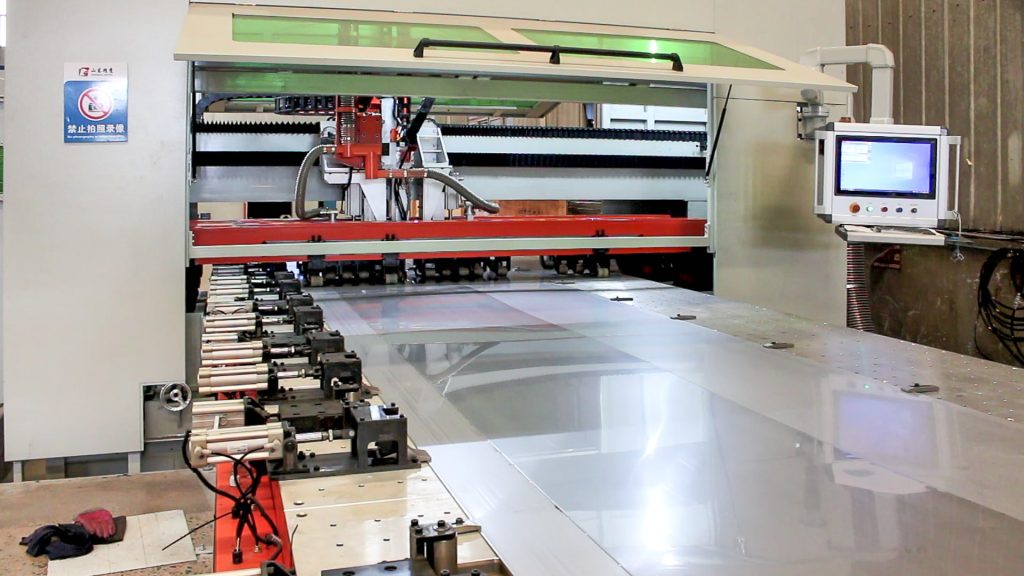
Why Stainless Steel is Non-Negotiable for Brewing
In the vibrant world of craft brewing, every detail matters, from the quality of hops to the consistency of fermentation. At the heart of this intricate process lies the humble yet profoundly critical stainless brewery tank. This isn’t just a vessel; it’s a foundational piece of equipment that dictates the purity, flavor, and consistency of the final product. The choice of material for such a vital component is paramount, and stainless steel has emerged as the undisputed champion due to its unparalleled properties.
Firstly, the chemical inertness of stainless steel is a game-changer. Unlike other materials that can leach unwanted flavors or compounds into the beer, stainless steel remains unreactive. This ensures that the delicate balance of flavors meticulously crafted by the brewer remains untainted throughout fermentation, maturation, and storage. Brewers invest heavily in high-quality ingredients, and a good stainless brewery tank ensures that investment isn’t compromised by material interaction. This inertness is crucial for maintaining the beer’s true character and avoiding off-flavors, which can quickly ruin a batch and damage a brewery’s reputation.
Secondly, hygiene and sanitation are non-negotiable in brewing, and stainless steel excels here. Its smooth, non-porous surface makes it incredibly difficult for bacteria, wild yeasts, or other undesirable microorganisms to adhere and proliferate. This ease of cleaning and sanitization is vital for preventing contamination, which is one of the biggest threats to beer quality. Modern stainless brewery tank designs incorporate CIP (Clean-In-Place) systems, utilizing strategically placed spray balls to ensure that every internal surface is thoroughly washed and sanitized without needing manual entry. This not only saves time and labor but also drastically reduces the risk of human error in cleaning protocols, contributing to the overall longevity and sanitary operability of the equipment.
Durability and longevity are also key economic factors. A brewery is a significant investment, and equipment needs to withstand constant use, temperature fluctuations, and exposure to cleaning chemicals. Stainless steel is renowned for its strength, corrosion resistance, and ability to handle high pressures and temperatures without degrading. This means a well-constructed stainless brewery tank can last for decades, providing a reliable backbone to a brewery’s operations and ensuring a strong return on investment. The robust nature of these tanks also allows for frequent movement, upgrades, or expansion without compromising structural integrity. For more insights into optimizing brewing operations, consider reading about craft brewery optimization strategies for efficiency and growth, which often highlights the importance of reliable equipment.
Finally, temperature control, an indispensable element of brewing, is efficiently managed with stainless steel tanks designed with integrated cooling jackets. Whether it’s maintaining a steady fermentation temperature for an ale or crashing a lager to near freezing for cold conditioning, precisely controlled temperatures are paramount. Stainless steel’s ability to conduct and hold temperature efficiently, combined with glycol jacketing, allows brewers to exercise granular control over these critical stages. This precision ensures consistent yeast performance and optimal flavor development, proving that a quality stainless brewery tank isn’t just about containment, but about active environmental control.
In essence, the choice of a stainless brewery tank is about much more than just a container; it’s about safeguarding product quality, ensuring operational efficiency, maintaining impeccable hygiene, and building a sustainable brewing business. It represents a commitment to excellence that resonates in every pint poured.
Understanding Different Types of Stainless Brewery Tank Designs
While the term “stainless brewery tank” might conjure a single image, the reality is that several types of tanks serve distinct purposes within a brewery. Each design is optimized for specific stages of the brewing process, and understanding these differences is crucial for planning an efficient and scalable brewery layout. Investing in the right combination of tanks from a reputable manufacturer like SKE can significantly impact production capacity and beer quality.
Fermenters: These are arguably the most critical type of stainless brewery tank. Fermenters are where yeast converts sugars into alcohol and carbon dioxide, shaping the beer’s flavor profile. Conical fermenters are the most common in modern breweries due to their versatility. Their conical bottom allows for easy separation and removal of yeast and trub (sediment) after fermentation, enabling efficient yeast harvesting for reuse and simplifying cleaning. SKE’s conical fermenters are designed with precise conical angles and often include multiple cooling zones (jackets) to ensure uniform temperature control throughout the fermentation process, which is essential for consistent yeast activity and flavor development.
Brite Tanks (Bright Beer Tanks): Once fermentation is complete, beer is often transferred to a brite tank. This type of stainless brewery tank is used for clarification, carbonation, and conditioning. Brite tanks typically have a dished bottom and often include sight glasses, carbonation stones, and sampling ports. They are designed to hold beer under pressure, allowing for forced carbonation and ensuring the beer is brilliantly clear and perfectly fizzy before packaging. SKE’s brite tanks feature high-quality polished interiors and robust pressure ratings, critical for achieving precise carbonation levels without compromising beer clarity or taste. Learn more about the crucial role of another key piece of equipment by exploring content like how a commercial brewhouse can maximize your brewery profitability, which intricately connects to the efficiency of downstream tank operations.
Unitanks: Combining the functions of both a fermenter and a brite tank, unitanks are a popular choice for breweries looking for space efficiency and reduced product transfer. A unitank is a specialized stainless brewery tank that can ferment and then condition/carbonate the beer in the same vessel. This minimizes tank cleaning cycles between stages and reduces the exposure of beer to oxygen during transfers, leading to a fresher, more stable product. While requiring precise control, unitanks offer significant operational advantages, especially for smaller or growing breweries. SKE leverages advanced engineering to provide unitanks that offer both flexibility and stellar performance, meeting the diverse needs of craft brewers.
Serving Tanks: Less common in production breweries but indispensable in brewpubs and taprooms, serving tanks (also known as pub tanks) are designed for holding finished beer under pressure and serving it directly to taps. These stainless brewery tank types prioritize ease of dispensing and often feature aesthetic finishes to be visually appealing in a public setting. They eliminate the need for kegs, reducing labor and packaging costs, and ensure the freshest possible beer presentation to customers. SKE can offer custom-designed serving tanks that integrate seamlessly into any brewpub’s aesthetic and operational flow.
Hot Liquor Tanks (HLT) and Cold Liquor Tanks (CLT): While not directly involved in the fermentation or conditioning of beer, HLTs and CLTs are critical support tanks within the brewing process. An HLT holds hot water used for mashing and sparging, while a CLT holds cold water for cooling down wort via heat exchangers. These pre-treatment stainless brewery tank systems ensure consistent water temperatures are available on demand, contributing to brewing efficiency and repeatable batch quality. SKE provides highly insulated HLTs and CLTs that maintain desired temperatures with minimal energy expenditure, further enhancing overall brewery efficiency.
Each type of stainless brewery tank plays a specific, vital role. Choosing the right tanks, properly sized and equipped, is fundamental to designing a brewery that is both efficient and capable of producing outstanding beer consistently. SKE’s comprehensive range caters to every facet of this complex process, ensuring brewers have the precise tools they need.
Key Features of a High-Performance Stainless Brewery Tank
The performance of a stainless brewery tank goes far beyond its mere capacity. A truly high-performance tank is defined by a suite of carefully engineered features that collectively ensure optimal brewing conditions, ease of use, and long-term reliability. When considering an investment in new brewery equipment, understanding these features is paramount. Manufacturers like SKE pride themselves on integrating these critical elements into every tank they produce, reflecting a deep understanding of brewers’ needs.
One of the most vital features is the precision of temperature control. This is often achieved through high-quality glycol jackets. A superior stainless brewery tank will incorporate multiple independent cooling zones (e.g., cone and cylinder jackets) to allow for fine-tuned temperature management during different stages of fermentation and conditioning. Uniform temperature distribution within the tank is essential for consistent yeast activity and preventing hot or cold spots that can lead to off-flavors. SKE’s tanks feature optimized jacket designs for maximum thermal efficiency and responsiveness, a hallmark characteristic of their superior brewing systems.
Sanitation and cleanability are also at the forefront of quality design. This includes the internal finish of the stainless steel. A polished interior, often specified as a certain Ra (roughness average) value, prevents microbial adhesion and makes cleaning more effective. Shadowless manways (oval-shaped manways that leave no dead space inside the tank), CIP spray balls with comprehensive coverage, and sanitary valves and fittings are all standard features in a high-quality stainless brewery tank. These components minimize harbors for bacteria and ensure that cleaning solutions reach every surface, crucial for preventing contamination and maintaining beer quality. Moreover, the design principles applied to brewery tanks also extend to other critical systems, such as advanced flash pasteurization systems, where hygiene is equally paramount.
Pressure rating and safety mechanisms are another non-negotiable aspect. A fermenter or brite tank needs to safely withstand internal pressure generated during carbonation or fermentation. High-quality tanks come with appropriate pressure relief valves (PRV) and vacuum relief valves to prevent over-pressurization or implosion. Additionally, robust construction and certified welds are indicators of a tank built to last and operate safely under specified conditions. SKE adheres to stringent international safety standards, ensuring that every stainless brewery tank is not only efficient but also exceptionally safe for brewery personnel.
Conical bottom design and yeast harvesting capabilities are particularly important for fermenters. A well-engineered conical angle, typically between 60 and 70 degrees, allows for efficient gravitational separation of yeast and trub. Features like dedicated yeast harvest ports and sample ports at various levels enable brewers to monitor fermentation progress and collect healthy yeast for pitching subsequent batches, optimizing raw material usage and maintaining yeast vitality. The geometry and accessibility of these ports in a SKE stainless brewery tank are meticulously designed for ease of operation and maximum yield.
Finally, insulation and structural integrity contribute to overall performance. A properly insulated stainless brewery tank significantly reduces energy consumption for temperature maintenance, leading to lower utility bills. High-density polyurethane foam insulation, clad in stainless steel, is common. Structural elements like sturdy legs, adjustable feet, and robust lifting hooks ensure the tank can be safely installed, leveled, and moved. These often overlooked features are crucial for the long-term stability and operational flexibility of the equipment. Choosing tanks with these integrated features means investing in long-term efficiency, superior product quality, and peace of mind, all attributes inherent in a SKE brand stainless brewery tank.
Optimizing Brewery Operations with the Right Stainless Brewery Tank
The strategic selection and utilization of a stainless brewery tank can profoundly impact a brewery’s operational efficiency, product consistency, and overall profitability. It’s not merely about having tanks, but about having the right tanks, configured optimally for the specific brewing goals. From initial setup to scaling operations, how these vessels are integrated into the workflow is critical. SKE understands that beyond the individual tank, it’s the system that truly empowers a brewer.
Strategic Sizing and Quantity: One of the primary operational considerations is tank sizing. Undersized tanks can lead to bottlenecks, limiting production capacity, while oversized tanks tie up capital and space unnecessarily. A careful analysis of current demand, projected growth, and beer styles (e.g., quick-turn ales versus longer-fermenting lagers) helps determine the ideal volume and number of stainless brewery tank units required. For instance, a brewery focusing on volume might opt for larger unitanks, while a brewery emphasizing diverse, smaller batches might prefer a greater number of smaller fermenters and brite tanks. SKE provides expert consultation to help brewers right-size their tank fleet, ensuring optimal capital deployment and production flow.
Workflow Efficiency through Layout: The physical layout of a brewery, heavily influenced by the placement of each stainless brewery tank, directly impacts efficiency. Minimizing pipe runs for transfers, ensuring easy access for cleaning and maintenance, and optimizing the flow of ingredients and finished product are crucial. A well-designed layout reduces labor costs, minimizes product loss during transfers, and enhances overall safety. Integrating CIP systems directly into the tank design, as SKE does, streamlines cleaning processes, allowing operators to focus on brewing rather than constant manual cleaning. This thoughtful arrangement improves not only the daily grind but also supports the long-term scalability of the brewery. The foundational design of the brewery system, including the brewhouse itself, is equally vital for efficiency; for more details on this, refer to our article on understanding the commercial brewing system and its various components.
Automated Control and Monitoring: Modern stainless brewery tank systems leverage automation for consistent results. Temperature probes, automated glycol valves, pressure transducers, and level sensors provide real-time data and allow for precise control over fermentation and conditioning parameters. This level of control ensures repeatable batch quality, reduces the risk of human error, and allows brewers to monitor processes remotely. SKE offers tanks compatible with sophisticated automation systems, giving brewers the tools to fine-tune their processes and achieve unparalleled consistency, whether brewing a simple ale or a complex sour beer.
Flexibility and Customization: As breweries evolve, so too do their needs. The ideal stainless brewery tank system offers a degree of flexibility. This might include tanks that can easily be converted from fermenters to brite tanks with minor modifications, or tanks designed to accommodate future upgrades like additional ports for dry hopping or yeast propagation. Customization is also key; SKE specializes in tailoring tank dimensions, features, and configurations to fit unique brewery spaces, ceiling heights, or specific process requirements, ensuring that each tank works harmoniously within the client’s existing or planned infrastructure.
By carefully considering these operational aspects when selecting and deploying a stainless brewery tank fleet, brewers can create a highly efficient, scalable, and quality-driven production environment. The synergy between high-performing equipment and intelligent operational strategies is what elevates a good brewery into a great one. SKE’s commitment to delivering not just tanks, but complete brewing solutions, helps unlock this potential for countless craft operations.
Maintenance and Longevity of Your Stainless Brewery Tank Investment
A stainless brewery tank represents a significant capital investment for any brewery, whether it’s a bustling production facility or a quaint brewpub. Protecting this investment through diligent maintenance not only extends its operational lifespan but also safeguards beer quality and ensures continued efficiency. While stainless steel is inherently durable, proper care is crucial to prevent common issues and maximize the return on your equipment. SKE designs its tanks with longevity in mind, but the responsibility for ongoing care rests with the brewery.
Regular Cleaning and Sanitization: This is arguably the most critical aspect of maintaining a stainless brewery tank. Proper CIP (Clean-In-Place) procedures using appropriate detergents and sanitizers are essential. Brewers must ensure that cleaning solutions are circulated effectively to all internal surfaces, including manways, ports, and spray balls. Incorrect cleaning can lead to beer stone buildup, microbial contamination, or even corrosion. Follow manufacturer guidelines for chemical concentrations and contact times. After cleaning, ensure tanks are thoroughly rinsed to prevent chemical residues from affecting beer flavor or tank integrity. Regular inspection of spray balls for clogging or damage is also important to ensure full coverage.
Preventative Maintenance Checks: Beyond daily cleaning, regular inspection of critical components is vital. This includes checking gaskets, O-rings, and seals on manways, valves, and ports for wear, cracks, or leaks. Worn seals can lead to product loss, contamination, or oxygen ingress, all detrimental to beer quality. Pressure relief valves (PRVs) and vacuum relief valves should be regularly inspected and tested to ensure they are functioning correctly – these are safety devices that prevent catastrophic tank failure. Inspect external jackets for any signs of damage or leaks, which could compromise temperature control. Tightening fasteners, lubricating moving parts (where applicable), and inspecting welds for any stress cracks should be part of a routine maintenance schedule for every stainless brewery tank.
Managing Corrosion: While stainless steel is corrosion-resistant, it is not immune, especially when exposed to certain chemicals or conditions. Overuse of chlorine-based sanitizers, for instance, can lead to pitting corrosion. Always use chemicals specifically designed for stainless steel and brewing applications. Ensure proper ventilation in the brew house to prevent condensation, which can exacerbate corrosion issues. Promptly addressing any signs of surface rust or pitting is essential to prevent further degradation. Polishing and passivation, a process that restores the protective chromium oxide layer on stainless steel, can be performed periodically, especially after welding or extensive cleaning, to enhance corrosion resistance and extend the life of your stainless brewery tank.
Glycol System Care: The glycol system, integral to maintaining precise temperatures in a jacketed stainless brewery tank, requires its own maintenance. Regularly check glycol levels, ensure proper fluid concentration (glycol-to-water ratio) for freeze protection and heat exchange efficiency, and clean glycol chiller coils. A well-maintained glycol system directly translates to efficient temperature control within your tanks, which is paramount for consistent fermentation. Any issues with the glycol system will directly impact the performance and output of your tanks.
By implementing a robust preventative maintenance plan, breweries can significantly extend the lifespan of their SKE stainless brewery tank equipment, minimize downtime due to repairs, ensure consistent product quality, and protect their valuable investment for many years of profitable brewing. It’s an operational discipline that pays dividends in quality and cost savings.
The SKE Advantage: Crafting Exceptional Stainless Brewery Tanks
When it comes to selecting a stainless brewery tank, brewers are not just looking for a container; they are seeking a partner in their brewing journey, equipment that embodies reliability, precision, and enduring quality. This is precisely where SKE stands apart. As a leading manufacturer, SKE combines artisanal craftsmanship with cutting-edge engineering to deliver tanks that are not just robust, but are optimized for superior performance and longevity.
At SKE, understanding the nuanced demands of craft brewing is at the core of our design philosophy. Every stainless brewery tank we produce is a testament to our commitment to excellence, meticulously fabricated from premium-grade stainless steel – typically 304 or 316, depending on specific requirements – to ensure maximum durability and hygienic operation. Our welding processes are performed by highly skilled craftsmen, resulting in seamless, sanitary welds that eliminate potential harbors for bacteria and simplify cleaning routines. This attention to detail from the very foundation sets an SKE tank apart, ensuring a contaminant-free environment for your precious brews.
Beyond material quality, SKE tanks are engineered for unparalleled performance. Our glycol jackets are designed for maximum thermal transfer efficiency, providing precise and responsive temperature control across multiple zones. This ensures that whether you’re fermenting a delicate lager or a robust stout, an SKE stainless brewery tank can maintain the exact conditions needed for optimal yeast activity and flavor development. Coupled with our advanced CIP systems, featuring strategically placed spray balls, sanitation is not just a feature, it’s a guarantee, allowing brewers to maintain impeccable hygiene with minimal effort.
SKE also excels in customization and support. We recognize that no two breweries are identical, and off-the-shelf solutions don’t always fit. From specialized dimensions to unique port configurations, our team works closely with brewers to design and fabricate a stainless brewery tank solution that perfectly integrates with their specific space, production goals, and budget. Our commitment extends beyond delivery, with comprehensive after-sales support ensuring that your SKE equipment performs flawlessly for years to come. This bespoke approach ensures that every SKE tank is not just a purchase, but a tailor-made investment in your brewing future. For further details on our full range of solutions, including specific components and their benefits, you can explore our brewing equipment solutions page.
Choosing an SKE stainless brewery tank means investing in peace of mind. It means knowing that your primary fermentation and conditioning vessels are built to the highest standards, designed to optimize your brewing process, and backed by a company dedicated to the success of craft brewers worldwide. We believe that exceptional beer starts with exceptional equipment, and SKE is proud to provide the foundation for countless award-winning brews.
Frequently Asked Questions About Stainless Brewery Tanks
What distinguishes a high-quality stainless brewery tank from standard storage tanks?
A high-quality stainless brewery tank is specifically designed for the rigorous demands of brewing, including precise temperature control, sanitary welding, proper pressure ratings, and internal finishes that prevent bacterial growth. Unlike standard storage tanks, brewery tanks from SKE, for example, incorporate features like glycol jackets, CIP spray balls, sample ports, and robust conical bottoms for efficient yeast harvesting, ensuring optimal fermentation and maturation conditions for craft beverages.
How does the material of a stainless brewery tank impact beer quality?
The material, specifically high-grade stainless steel (like 304 or 316), is crucial. It’s non-reactive, easy to sanitize, and highly durable, preventing off-flavors from leaching into the beer. The smooth, polished internal surface of a quality stainless brewery tank minimizes places for bacteria to harbor, ensuring a clean fermentation environment. This directly contributes to consistent beer quality, flavor integrity, and extended shelf life, which are hallmarks of SKE equipment.
What are the key benefits of investing in SKE’s stainless brewery tank solutions?
Investing in SKE’s stainless brewery tank solutions offers numerous benefits, including superior craftsmanship, precise temperature control for optimal fermentation, enhanced sanitation capabilities through advanced design (like shadowless manways and CIP systems), and long-term durability. Our tanks are built to optimize brewing processes, reduce operational costs through efficiency, and ensure consistent, high-quality beer production, supporting breweries from startup to expansion.
How important is the design of a conical bottom in a stainless brewery tank?
The conical bottom is extremely important in a stainless brewery tank, especially for fermenters. It allows for efficient separation and harvesting of yeast and trub, minimizing product loss and simplifying the cleaning process. A well-designed conical angle ensures a clean break, supporting multiple generations of yeast reuse, which is vital for brewers seeking efficiency and sustainability in their operations. SKE designs its tanks with precisely engineered conical bottoms for maximum benefit.
Are SKE stainless brewery tanks suitable for different types of brewing, including lagers and ales?
Yes, SKE stainless brewery tanks are designed with versatility in mind, perfectly suitable for brewing both lagers and ales, as well as a wide range of other beverages like ciders, kombucha, and sparkling wines. Their precise temperature control capabilities, robust construction, and sanitary features allow brewers to maintain optimal conditions for diverse fermentation profiles, ensuring the successful production of various brew styles with consistent quality.
Ready to Elevate Your Brewery?
Discover how SKE’s premium stainless brewery tanks can transform your production quality and efficiency. Connect with our experts today!
Facebook | info@skeequipment.com
Or, fill out the contact form below to get a personalized quote and discuss your specific brewing needs.