Introduction: The Unsung Hero of Material Handling
In the vast and complex world of industrial automation, few components are as critical yet often overlooked as the conveyor system. Among these, stainless steel conveyors stand out as a cornerstone for a multitude of sectors due to their unparalleled hygienic properties, robust durability, and resistance to corrosion and wear. From bustling food processing plants to sterile pharmaceutical facilities, and even high-demand chemical manufacturing, the reliance on reliable material movement cannot be overstated. SKE recognizes this fundamental need and has committed itself to engineering and manufacturing cutting-edge conveyor solutions that not only meet but exceed industry standards. The demand for meticulous cleanliness, operational efficiency, and long-term reliability makes the choice of a stainless steel conveyor an investment in the integrity and productivity of any operation. This deep dive will explore why these specialized conveyors are indispensable, the diverse environments they serve, and how SKE’s expertise ensures optimal performance and compliance.
Modern manufacturing demands systems that can withstand rigorous conditions, consistent cleaning protocols, and the continuous movement of goods. Traditional conveyor materials often fall short when faced with corrosive agents, high-temperature washdowns, or the stringent sanitation requirements of food and medical industries. This is precisely where the inherent qualities of stainless steel conveyors shine. Their non-porous surface prevents bacterial growth, while their high resistance to rust and chemical degradation ensures a longer lifespan and reduces the risk of contamination. As industries evolve and regulations become stricter, the foundational role of intelligently designed stainless steel conveyor systems becomes even more pronounced. SKE’s commitment to quality engineering means that every stainless steel conveyor we produce is built to perform under pressure, ensuring smooth, uninterrupted material flow.
Understanding the nuances of stainless steel conveyor design and application is crucial for businesses aiming to optimize their production lines. It’s not merely about moving products from point A to point B; it’s about doing so efficiently, safely, and hygienically. The structural integrity, material grade, and specific design features (such as sloped surfaces for drainage or seamless welds) all contribute to the overall effectiveness of these systems. Furthermore, integrating advanced control systems and automation technologies with stainless steel conveyors allows for precise speed control, synchronized movements, and reduced manual intervention, leading to significant boosts in productivity and safety. This article will further elaborate on these aspects, showcasing why investing in high-quality stainless steel conveyor technology is a strategic decision for forward-thinking enterprises.
Why Stainless Steel? Unpacking the Core Advantages of Stainless Steel Conveyors
The choice of material for industrial conveyors is paramount, and for many applications, stainless steel conveyors are the unequivocal best option. The advantages offered by stainless steel over other materials are multifaceted, addressing key concerns such as hygiene, durability, corrosion resistance, and ease of maintenance. These properties are not just beneficial; they are often mandatory for regulatory compliance and operational safety in sensitive environments. Let’s delve into the specific attributes that make stainless steel conveyor systems an industry benchmark.
Superior Hygiene and Sanitation
For industries like food processing, pharmaceuticals, and cosmetics, hygiene is not just a preference but a legal and ethical imperative. Stainless steel conveys offer a remarkably smooth, non-porous surface that inhibits the adhesion and growth of bacteria, molds, and other microorganisms. This characteristic makes them incredibly easy to clean and sanitize, often with aggressive cleaning agents and high-pressure washdowns, a process known as “”clean-in-place”” (CIP) or “”washdown-ready”” design. Unlike porous materials that can harbor contaminants within their structure, stainless steel ensures that residues are easily removed, significantly reducing the risk of cross-contamination and product spoilage. SKE designs its stainless steel conveyor systems with these stringent hygienic requirements in mind, incorporating features like open frameworks, sloped surfaces for drainage, and minimized crevices to prevent pathogen accumulation. For more insights into maintaining a sterile environment, you might find our article on understanding the flash pasteurization system particularly relevant, as hygienic design principles extend across various processing equipment.
Exceptional Durability and Longevity
Industrial environments are tough, and conveyor systems are subjected to constant wear and tear. Stainless steel conveyors are renowned for their incredible strength and resistance to physical damage, abrasion, and fatigue. This inherent toughness translates into a significantly longer operational lifespan compared to conveyors made from less robust materials. The initial investment in a stainless steel conveyor often pays dividends over time through reduced replacement costs, minimal downtime for repairs, and sustained high performance. SKE utilizes high-grade stainless steel, ensuring that each component of the conveyor system, from belts and chains to frames and supports, can withstand the most demanding operational conditions, thus providing a resilient and reliable solution for heavy-duty applications.
Corrosion and Chemical Resistance
Many industrial processes involve exposure to corrosive agents, acids, alkalis, high humidity, or extreme temperatures. Standard steels or other materials would quickly succumb to rust and degradation in such conditions. Stainless steel conveys, particularly those made from specific grades like 304 or 316, offer exceptional resistance to corrosion, rust, and chemical attacks. Grade 316 stainless steel, which contains molybdenum, is especially resistant to chlorides and other industrial solvents, making it ideal for marine environments, chemical processing, and other highly corrosive settings. This resistance ensures structural integrity is maintained over time, preventing material degradation that could contaminate products or lead to catastrophic failure. Our commitment at SKE is to specify the optimal grade of stainless steel for each client’s unique operational chemistry, guaranteeing maximum performance and safety for every stainless steel conveyor system.
Temperature Extremes and Environmental Adaptability
The versatility of stainless steel conveyors extends to their ability to perform reliably across a broad spectrum of temperatures. Whether in cold storage facilities, freezing tunnels, or high-temperature cooking and sterilization processes, stainless steel maintains its structural integrity and mechanical properties without deforming or degrading. This adaptability makes them suitable for a wide range of industrial applications where temperature fluctuations are common or extreme conditions are inherent to the process. For operations involved in chilling or freezing, this capability is invaluable, ensuring continuous product flow even in sub-zero conditions.
Aesthetic Appeal and Compliance
Beyond the functional benefits, stainless steel conveyors often present a clean, modern, and professional aesthetic that contributes to a positive perception of cleanliness and efficiency within a facility. Importantly, using stainless steel helps companies comply with numerous industry regulations and standards set by bodies such as the FDA, USDA, and HACCP, particularly in sectors where direct product contact occurs. Adherence to these standards is not just about avoiding penalties; it’s about ensuring consumer safety and maintaining brand reputation. All these factors underscore why stainless steel conveyor systems are not just a choice, but often a necessity for businesses striving for excellence and compliance.
Diverse Applications: Where Stainless Steel Conveyors Excel
Stainless steel conveyor systems are not confined to a single industry; their unique attributes make them indispensable across a startlingly broad spectrum of applications. Their hygienic properties, corrosion resistance, and robust construction are critical in sectors where product integrity, cleanliness, and durability are paramount. Let’s explore some of the key industries where stainless steel conveyors are not just preferred but essential.
Food and Beverage Processing
This is arguably the most prominent sector where stainless steel conveyors are absolutely critical. From the initial stages of ingredient handling through processing, packaging, and even end-of-line procedures, food and beverage operations demand equipment that meets the highest standards of hygiene. Whether it’s conveying raw meats, delicate produce, dairy products, baked goods, or bottled beverages, stainless steel prevents contamination and allows for thorough washdowns to eliminate foodborne pathogens. SKE offers a range of specialized stainless steel conveyor solutions tailored for specific food processing needs, including modular belt conveyors for easy cleaning, wire mesh conveyors for cooling or drying applications, and bucket conveyors for gentle vertical transport. Our commitment to food safety is reflected in every design decision, ensuring our systems support HACCP compliance and operational excellence.
Pharmaceutical and Biotechnology
In the pharmaceutical and biotechnology industries, the stakes for contamination control are even higher, directly impacting public health. Stainless steel conveyors are essential here for their ability to maintain sterile environments. They are used for transporting vials, tablets, capsules, and precursor materials within cleanrooms and sterile packaging areas. The non-shedding, corrosion-resistant, and high-cleanability features of stainless steel make it the ideal material. SKE’s pharmaceutical-grade stainless steel conveyor systems are designed with ultra-smooth finishes, minimal crevices, and sealed bearings to prevent particle generation and entrapment, ensuring compliance with strict GMP (Good Manufacturing Practices) regulations. For facilities handling sensitive biological materials, our engineered solutions provide the reliability and cleanliness necessary to ensure product efficacy and safety.
Chemical Manufacturing
The handling of various chemicals, from mild to highly corrosive, necessitates equipment built to withstand aggressive environments. Stainless steel conveyors, particularly those made from higher grades like 316 or specialized alloys, offer superior resistance to chemical degradation and corrosion. They are employed in transporting raw chemical materials, intermediate products, and finished goods, providing a safe and durable solution. Their ability to endure exposure to acids, alkalis, and solvents without compromising structural integrity or leaching contaminants into the transported product is invaluable. SKE understands the unique challenges of chemical handling and designs stainless steel conveyor systems that offer robust protection against corrosive agents, ensuring long-term operational safety and reduced maintenance costs.
Cosmetics and Personal Care
Similar to food and pharma, the cosmetics industry requires a high degree of cleanliness and non-contamination, especially for products intended for skin application. Stainless steel conveyors are used to move ingredients, blend components, and transfer finished products like lotions, creams, and makeup through various stages of production and packaging. The easy-to-clean surfaces and resistance to residue buildup ensure product purity and prevent cross-batch contamination. SKE’s solutions in this sector focus on gentle product handling and easy sanitation, supporting efficient production cycles while maintaining product quality.
Water Treatment
In water and wastewater treatment plants, equipment is constantly exposed to moisture, chemicals, and corrosive elements. Stainless steel conveyors are used for moving sludges, aggregates, and various processing chemicals, chosen for their unparalleled resistance to rust and degradation in humid and chemically active environments. Their robust construction ensures continuous operation even under harsh conditions. For deeper insights into water-related processing equipment, our article on how to choose the right heat exchanger for water processing could offer further perspective on durable equipment choices.
General Manufacturing and Packaging
Even outside of strictly hygienic applications, the durability and low maintenance of stainless steel conveyors make them a preferred choice for general manufacturing, assembly lines, and packaging operations, especially where products might be susceptible to corrosion or where cleanability is still a factor. Their strength can handle heavier loads, and their resistance to wear ensures a long service life, reducing overall operational costs. SKE customizes stainless steel conveyor systems to fit various manufacturing footprints and product types, from small components to bulk materials, enhancing efficiency and throughput across the board.
Choosing the Right Stainless Steel Conveyor: What SKE Offers
Selecting the appropriate stainless steel conveyor system is a critical decision that impacts operational efficiency, product quality, and long-term cost-effectiveness. At SKE, we understand that there’s no one-size-fits-all solution. Our expertise lies in providing bespoke stainless steel conveyor systems engineered to meet the precise demands of your specific application and industry. Our comprehensive range, coupled with our deep commitment to quality and innovation, positions SKE as a leading provider in the material handling sector.
Customization and Bespoke Design
Every industry and even every facility has unique requirements. SKE excels in offering highly customized stainless steel conveyor solutions. Whether you need specific dimensions, unique throughput capabilities, particular washdown specifications, or integration with existing machinery, our engineering team works closely with clients to design systems that are perfectly aligned with their operational goals. This bespoke approach ensures that you receive a stainless steel conveyor that not only fits your space but also optimizes your processes. We consider everything from product characteristics (size, weight, fragility) to environmental factors (temperature, humidity, chemical exposure) to regulatory compliance requirements.
A Broad Spectrum of Stainless Steel Conveyor Types
SKE offers a versatile portfolio of stainless steel conveyor types, each designed for specific functionalities:
- Modular Belt Conveyors: Ideal for food processing, packaging, and pharmaceutical applications due to their easy-to-clean design, excellent sanitation, and versatility in terms of belt material (e.g., plastic modules for hygiene, rubber for grip).
- Tabletop Chain Conveyors: Perfect for handling bottles, cans, small packages, and uniform products. Their smooth, flat surface provides stable conveyance, and the stainless steel construction ensures durability and hygiene.
- Wire Mesh Conveyors: Often used in applications requiring drainage, cooling, drying, or heating, particularly in the food industry. The open mesh allows for air circulation or liquid drainage, making them suitable for ovens, freezers, and washdown areas.
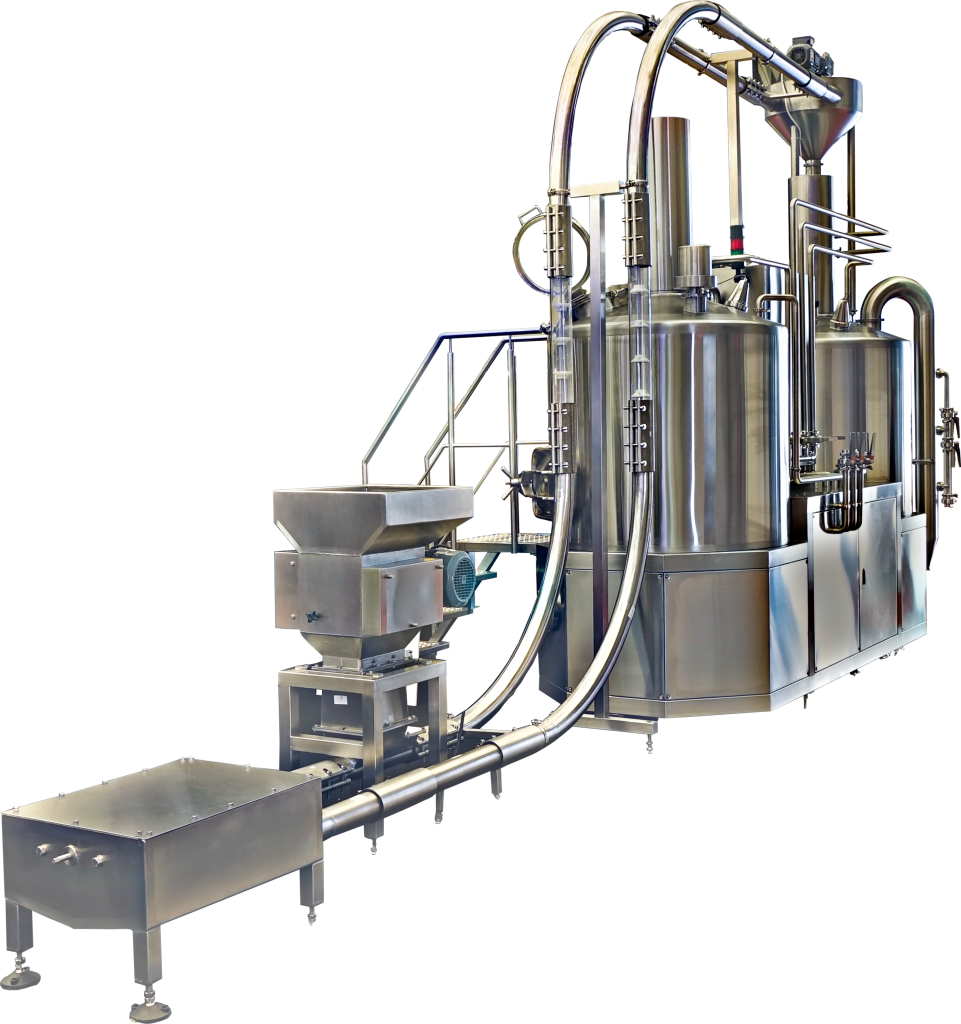
- Screw Conveyors (Augers): Designed for conveying bulk solids, powders, granules, and semi-liquid materials. Stainless steel screw conveyors are essential in food, chemical, and pharmaceutical industries for controlled dispensing and hygienic transport.
- Roller Conveyors: Utilized for moving heavier items or containers, such as boxes, totes, and pallets. When constructed from stainless steel, they offer robust performance in washdown environments or where corrosion resistance is needed.
- Belt Conveyors with Stainless Steel Frames: For general-purpose conveying where a non-stainless belt material (e.g., PU, PVC) is acceptable but the frame requires the hygienic and corrosion-resistant properties of stainless steel.
Commitment to Quality and Compliance
At SKE, quality is non-negotiable. We source only high-grade stainless steel (typically 304 or 316, depending on the application) and employ advanced manufacturing techniques to ensure each stainless steel conveyor is built to last. Our systems are engineered to meet or exceed relevant industry standards, including those for food safety (FDA, USDA, HACCP), pharmaceutical GMP, and general industrial safety. Our designs prioritize ease of cleaning, maintenance, and operational safety, minimizing potential contamination points and maximizing uptime. We understand that our clients’ success often hinges on the reliability of their stainless steel conveyor systems, and we take that responsibility seriously.
Integration and Automation Excellence
Beyond individual units, SKE excels in providing fully integrated stainless steel conveyor systems that can seamlessly connect various stages of your production line. This includes incorporating sensors, automated controls, variable speed drives, and robotic interfaces to create a cohesive and highly efficient material handling solution. Our ability to provide comprehensive process solutions extends to related equipment, forming a complete production ecosystem. For instance, our expertise in flash cooler systems means we can integrate cooling directly onto a conveyor line, further optimizing your process flow and adhering to the highest standards of thermal efficiency and product quality.
Responsive Support and Service
Investing in a stainless steel conveyor from SKE means partnering with a company dedicated to long-term client satisfaction. We offer comprehensive support services, from initial consultation and design to installation, commissioning, and ongoing maintenance. Our team of experienced technicians is always ready to provide assistance, ensuring your SKE stainless steel conveyor operates at peak performance throughout its lifespan. Choosing SKE means choosing reliability, innovation, and a partner committed to your operational success.
Maintenance and Longevity: Maximizing Your Stainless Steel Conveyor Investment
Investing in a high-quality stainless steel conveyor system from SKE is a strategic move towards operational efficiency and long-term reliability. However, the true value and longevity of these robust systems are significantly extended through proper maintenance and care. Unlike traditional conveyors that might degrade quickly in harsh environments, stainless steel conveyors are designed for endurance, but consistent preventative maintenance is key to maximizing that inherent durability and ensuring continuous, trouble-free operation. Neglecting maintenance can lead to unexpected downtime, costly repairs, and potential compromises in product quality, especially in hygiene-sensitive industries.
Regular Cleaning and Sanitation Protocols
The primary advantage of stainless steel conveyors in many industries is their ease of cleaning and hygienic properties. Establishing and strictly adhering to a regular cleaning and sanitation schedule is paramount. This includes:
- Daily Washdowns: For food, beverage, and pharmaceutical applications, daily wash downs with appropriate detergents and sanitizers are standard. SKE designs stainless steel conveyor systems with features like open frames, sloped surfaces, and quick-release components to facilitate efficient cleaning and drainage, minimizing water pooling and bacterial harborage.
- Proper Cleaning Agents: Use cleaning agents recommended for stainless steel to avoid damage or discoloration. Abrasive cleaners or harsh acids (unless specifically formulated for stainless steel in industrial settings) can compromise the passive layer that gives stainless steel its corrosion resistance.
- Thorough Rinsing and Drying: After cleaning, thorough rinsing is essential to remove all chemical residues, followed by adequate drying to prevent water spots or potential microbial growth in damp conditions. Hot water rinses often aid in quicker drying and enhanced sanitation.
- Inspection During Cleaning: Use the cleaning process as an opportunity to visually inspect for any signs of wear, damage, or buildup in hard-to-reach areas.
Preventative Mechanical Maintenance
Beyond cleaning, the mechanical components of a stainless steel conveyor require regular inspection and maintenance. This includes:
- Belt/Chain Inspection: Check the tension, alignment, and condition of conveyor belts or chains. Look for signs of stretching, cracking, wear, or damage. SKE’s modular belts are designed for easy segment replacement, reducing repair time. Correct tension is crucial for efficient operation and to prevent premature wear.
- Bearing Lubrication: Bearings are critical moving parts. Ensure they are properly lubricated with food-grade lubricants where applicable, following manufacturer guidelines. Over- or under-lubrication can cause issues. Regularly check for excessive heat or noise from bearings, which indicates a problem.
- Motor and Gearbox Checks: Inspect motors and gearboxes for unusual noises, vibrations, or leaks. Ensure ventilation is clear and electrical connections are secure.
- Frame and Support Structure Integrity: Periodically inspect the stainless steel conveyor frame and supporting structures for any signs of fatigue, cracks in welds, or loose fasteners. While stainless steel is durable, constant vibration or heavy loads can still lead to issues over time.
- Sensor and Control System Calibration: Ensure all sensors, emergency stops, and control systems are functioning correctly and calibrated accurately. This is vital for safety and operational efficiency.
- Component Replacement: Keep a stock of essential spare parts for commonly worn items. Promptly replace any worn or damaged components to prevent cascading failures.
Benefits of Proactive Maintenance for Your Stainless Steel Conveyor
A well-executed maintenance program for your SKE stainless steel conveyor system yields significant benefits:
- Extended Lifespan: Regular care directly translates to a longer operational life for your entire conveyor system.
- Reduced Downtime: Proactive maintenance identifies potential issues before they become critical failures, minimizing unplanned stoppages and production losses.
- Optimized Performance: Well-maintained conveyors run more smoothly and efficiently, contributing to consistent product throughput and quality.
- Enhanced Safety: Regular inspections ensure all safety features are operational and mechanical components are in good condition, protecting personnel.
- Cost Savings: Preventing major breakdowns through routine maintenance is almost always less expensive than emergency repairs or full system replacements.
- Compliance Assurance: In regulated industries, documented maintenance schedules are often a requirement for compliance, especially concerning hygienic operations.
SKE provides detailed maintenance manuals and can offer training for your personnel. We also provide technical support to help you develop the most effective maintenance schedule for your specific stainless steel conveyor setup, ensuring you get the most out of your investment for years to come. For complex systems, understanding the principles of automation is key, and our article on optimizing your production line with automated pallet conveyor systems could offer additional insights into maximizing equipment efficiency.
Innovations and Future Trends in Stainless Steel Conveyor Technology
The industrial landscape is in constant evolution, driven by demands for greater efficiency, improved safety, enhanced hygiene, and increased sustainability. Stainless steel conveyor technology is no exception, continuously adapting to these evolving requirements through innovative designs, materials, and digital integration. As a forward-thinking provider, SKE is at the forefront of these advancements, ensuring our clients benefit from the latest and most effective solutions. Understanding these future trends is crucial for businesses looking to future-proof their operations and maintain a competitive edge.
Smarter and More Automated Systems
The integration of advanced automation and smart technology is rapidly transforming stainless steel conveyor systems. We are seeing a shift towards conveyors equipped with:
- Integrated Sensors and IoT: Sensors monitor various parameters such as belt speed, tension, temperature, vibration, and even product flow and quality. This data is then transmitted via IoT (Internet of Things) platforms, allowing for real-time monitoring, predictive maintenance, and optimized performance.
- AI and Machine Learning: AI algorithms can analyze conveyor data to predict maintenance needs, identify inefficiencies, and even adapt conveyor speeds and patterns to optimize throughput based on production demands.
- Robotic Integration: Conveyor systems are increasingly designed for seamless integration with robotics for automated loading, unloading, sorting, and packaging, further reducing manual labor and increasing precision.
These smart stainless steel conveyor systems offer unprecedented levels of control and insight, leading to significantly reduced downtime, greater energy efficiency, and higher productivity. SKE is actively developing and incorporating these smart technologies into our designs, ensuring our stainless steel conveyor solutions are prepared for the demands of Industry 4.0.
Enhanced Hygienic Design and Sanitarion Features
With ever-stricter regulations in hygiene-sensitive industries, the focus on even more advanced hygienic designs for stainless steel conveyors continues to intensify:
- Tool-less Disassembly: Designs that allow for rapid, tool-less disassembly of components greatly accelerate cleaning and inspection processes, reducing downtime and ensuring thorough sanitation.
- Improved Drainage and Cleanability: Further refinement in frame design, minimizing horizontal surfaces and difficult-to-reach crevices, along with enhanced self-draining capabilities, will become standard.
- Antimicrobial Surfaces: Research into stainless steel alloys or coatings with inherent antimicrobial properties could provide an additional layer of protection against microbial growth, particularly in critical zones.
- Automated Cleaning Systems: Advanced CIP (Clean-In-Place) systems that are integrated directly into the conveyor architecture will become more common, offering fully automated, validated cleaning cycles.
SKE remains committed to pushing the boundaries of hygienic engineering for our stainless steel conveyor series, ensuring that our equipment exceeds current and future food safety and pharmaceutical standards.
Modularity and Flexibility
Manufacturers are increasingly seeking flexible production lines that can quickly adapt to changing product lines or market demands. This trend translates into stainless steel conveyor systems that are highly modular and reconfigurable. Easily interchangeable parts, adjustable widths, and flexible layouts will allow businesses to modify their conveyor systems with minimal effort and expense. This modularity reduces investment risk and increases responsiveness to market changes, providing a significant advantage in dynamic industries. SKE’s emphasis on modular design principles ensures that our clients can adapt their material handling solutions as their businesses evolve.
Sustainability and Energy Efficiency
Sustainability is no longer an option but a necessity. Future stainless steel conveyor systems will incorporate more energy-efficient motors, regenerative drives that capture kinetic energy, and lightweight yet strong designs that reduce overall energy consumption. The recyclability of stainless steel itself also contributes positively to the environmental footprint. At SKE, we are dedicated to designing stainless steel conveyor systems that minimize energy use and operational waste, contributing to a greener and more sustainable manufacturing future.
By staying abreast of these emerging trends and actively integrating them into our product development, SKE ensures that our stainless steel conveyor solutions not only meet today’s industrial challenges but are also ready for tomorrow’s innovations. Our commitment to excellence, coupled with a focus on advanced technology, guarantees that choosing SKE means choosing a future-ready partner for your material handling needs.
Frequently Asked Questions About Stainless Steel Conveyors
What are the primary benefits of using stainless steel conveyors compared to other materials?
The main benefits of stainless steel conveyors include superior hygiene and sanitation properties (easy to clean, non-porous surface that resists bacterial growth), exceptional durability and longevity, high resistance to corrosion and various chemicals, and the ability to withstand extreme temperatures. These characteristics make them ideal for industries with strict hygiene requirements like food, pharmaceutical, and chemical processing. SKE designs its stainless steel conveyor systems to maximize these benefits, ensuring optimal performance and compliance.
In which industries are stainless steel conveyors most commonly used?
Stainless steel conveyors are predominantly used in industries where hygiene, corrosion resistance, and durability are critical. This includes the food and beverage industry (raw meat, dairy, produce, baked goods), pharmaceuticals and biotechnology (sterile environments, medical products), chemical manufacturing (handling corrosive substances), cosmetics, and water treatment. Their versatility also makes them suitable for general manufacturing and packaging where robust, cleanable solutions are needed. SKE specializes in tailoring stainless steel conveyor solutions for each of these diverse sectors.
What grades of stainless steel are typically used for conveyor systems?
The most common grades of stainless steel used for conveyor systems are 304 and 316. Grade 304 stainless steel offers excellent corrosion resistance and is widely used across many industries, including general food processing. Grade 316 stainless steel contains molybdenum, which provides superior resistance to chlorides and other aggressive chemicals, making it preferred for highly corrosive environments such as marine applications, certain chemical processes, or facilities with frequent exposure to salt. SKE selects the appropriate grade of stainless steel conveyor based on the specific operational environment and client requirements to ensure maximum performance and lifespan.
How does SKE ensure the quality and longevity of its stainless steel conveyor systems?
SKE ensures the quality and longevity of its stainless steel conveyor systems through several key approaches. We utilize only high-grade stainless steel materials (304, 316), employ advanced engineering and manufacturing techniques for precision and durability, and design systems for ease of cleaning and maintenance. Our conveyors are built to meet or exceed relevant industry standards and regulations (e.g., FDA, USDA, GMP). Furthermore, SKE provides comprehensive support from custom design and installation to ongoing maintenance guidance, maximizing the operational lifespan and reliability of every stainless steel conveyor we deliver.
Ready to Optimize Your Material Handling?
Discover how SKE’s advanced stainless steel conveyor solutions can elevate your operational efficiency, hygiene, and durability. Whether you’re in food processing, pharmaceuticals, or any industry demanding the highest standards, our expert team is ready to provide a custom-engineered solution.
Connect with us today:
Or, for a detailed consultation and to discuss your specific needs, please fill out the contact form at the bottom of our page. Let SKE be your partner in innovation and reliability.