
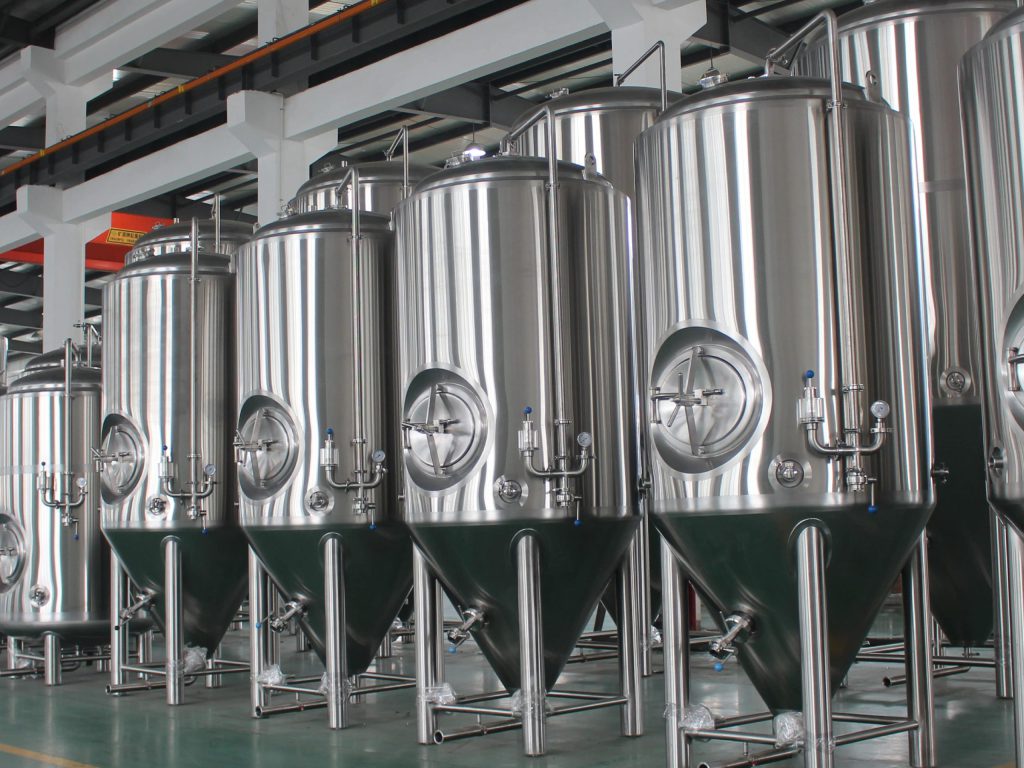
Introduction to Stainless Steel Fermentation Tanks
In the vast world of industrial production, where precision, hygiene, and efficiency are paramount, the role of stainless steel fermentation tanks cannot be overstated. These robust vessels form the bedrock of countless processes, from crafting the perfect brew to synthesizing life-saving pharmaceuticals. The journey of transforming raw ingredients into complex final products often begins and evolves within the controlled environment of a fermenter, and when it comes to reliability and performance, stainless steel stands unrivaled. The widespread adoption of stainless steel fermentation tanks used across diverse sectors highlights their crucial contribution to maintaining product integrity, ensuring safety, and optimizing operational workflows.
From venerable breweries that have perfected their recipes over centuries to cutting-edge biotech firms pushing the boundaries of scientific discovery, the common denominator is often the choice of high-quality fermentation equipment. Stainless steel provides a unique blend of characteristics—durability, corrosion resistance, and inertness—that make it ideal for environments where microbial activity is carefully managed. This material ensures that the fermentation process remains uncompromised by external contaminants or internal reactions with the tank itself. At SKE, we understand that a fermentation tank is more than just a container; it’s a critical piece of engineering that directly impacts the quality and consistency of the final product. Our designs are meticulously crafted to support optimal fermentation conditions, making our stainless steel fermentation tanks used globally for their exceptional performance.
The manufacturing process of these tanks involves specialized welding and finishing techniques to create a seamless, non-porous interior surface that is easy to sterilize and prevents microbial adhesion. This commitment to sanitary design is what sets leading manufacturers apart. The ability to withstand extreme temperatures and pressures, coupled with a long service life, makes stainless steel an economically sound investment for any operation. As we delve deeper into the specifics, it will become evident why these tanks are not just a preference but a necessity for modern industrial fermentation, underscoring why stainless steel fermentation tanks used extensively are the industry standard.
Key Advantages of Stainless Steel in Fermentation
The choice of material for fermentation vessels is a critical decision that impacts hygiene, product quality, and operational costs. Stainless steel consistently emerges as the material of choice due to a compelling array of advantages. Firstly, its superior corrosion resistance is crucial. Fermentation environments often involve acidic or alkaline solutions, as well as various chemicals used for cleaning and sanitization. Stainless steel, particularly grades like 304 and 316L, exhibits exceptional resistance to these corrosive agents, preventing material degradation and the leaching of undesirable elements into the product. This ensures the purity and safety of the fermenting batch, a non-negotiable factor in industries such as food & beverage and pharmaceuticals.
Secondly, the ease of cleaning and sanitization offered by stainless steel fermentation tanks is unparalleled. The smooth, non-porous surface of polished stainless steel discourages the adhesion of microorganisms, making it significantly easier to achieve thorough cleaning-in-place (CIP) and sterilization-in-place (SIP) protocols. This dramatically reduces the risk of contamination, which can otherwise lead to batch spoilage, off-flavors, or the growth of harmful pathogens. The robust nature of stainless steel also allows for the use of strong cleaning agents and high-temperature sterilization methods without compromising the tank’s structural integrity or surface finish. SKE’s tank cleaning and sanitizing solutions are specifically designed to complement the sanitary design of our stainless steel vessels, ensuring peak hygiene.
Durability and longevity represent another significant benefit. Stainless steel fermentation tanks are built to last, offering decades of reliable service with proper maintenance. Their resistance to physical damage, such as dents and scratches, contributes to their long lifespan and continued sanitary performance. This robustness translates into a lower total cost of ownership over time, as replacement frequencies are low and maintenance requirements are manageable. Moreover, stainless steel is biologically inert, meaning it does not react with the fermenting product, preserving its intended flavor, aroma, and chemical composition. This inertness is crucial for sensitive processes where even minute interactions could alter the end product. The consistent thermal conductivity of stainless steel also aids in maintaining precise temperature control, a vital factor for many fermentation processes. These combined advantages solidify why stainless steel fermentation tanks used across so many industries are considered the gold standard.
Diverse Applications Where Stainless Steel Fermentation Tanks Are Used
The versatility of stainless steel fermentation tanks means they are indispensable across an incredibly broad spectrum of industries, each with its unique demands and specifications. Perhaps best known is their prolific use in the brewing industry, where they are central to the production of beer, craft ales, and lagers. From the initial wort fermentation to maturation, these tanks provide the stable, sterile environment necessary for yeast to convert sugars into alcohol and CO2, while also contributing to the development of complex flavor profiles. The precise temperature control often facilitated by integrated jacketing, designed into SKE’s advanced vessels, is critical for achieving consistent and high-quality brews.
Beyond brewing, the dairy industry relies heavily on stainless steel fermentation tanks for the production of yogurt, kefi, cheese cultures, and other fermented milk products. Here, the emphasis on hygiene is even more stringent, given the nature of dairy products. Stainless steel’s ease of cleaning and its resistance to bacterial growth are paramount for preventing spoilage and ensuring food safety. Similarly, in the food and beverage sector, these tanks are used for producing vinegar, soy sauce, kombucha, and a host of other fermented edibles and beverages, each requiring specific environmental controls that stainless steel efficiently provides.
The pharmaceutical and biotechnology industries represent another major user of stainless steel fermentation tanks. Here, the stakes are incredibly high, as these tanks are used for growing cell cultures, producing vaccines, antibiotics, enzymes, and other complex biological compounds. The requirements for sterility and precision are arguably at their peak in these sectors, demanding specialized 316L grade stainless steel, advanced agitation systems, and sophisticated instrumentation for monitoring pH, dissolved oxygen, and temperature. SKE’s custom-engineered tanks meet these rigorous demands, often featuring enhanced surface finishes and validation documentation. Furthermore, the burgeoning biofuel industry utilizes large-scale stainless steel fermentation tanks for the production of ethanol and other biofuels from biomass, demonstrating the adaptability of these vessels to new and evolving industrial processes. This cross-sector dependence underscores the foundational role that stainless steel fermentation tanks used in diverse applications play in modern economies.
Critical Design Features That Define SKE’s Fermentation Tanks
The effectiveness of stainless steel fermentation tanks is not solely due to the material itself, but also to the intelligent design and advanced features incorporated into their construction. At SKE, we prioritize engineering that optimizes every aspect of the fermentation process, ensuring maximum yield, product quality, and operational efficiency. One of the most critical design features is the geometry of the tank. Conical bottom fermenters are widely preferred for their ability to facilitate easy yeast harvesting and efficient cleaning. The steep slope of the cone allows yeast sediment to collect neatly at the bottom, making it simple to draw off and contributing to clearer finished products. Our designs also integrate ideal height-to-diameter ratios to promote optimal mixing and uniform temperature distribution throughout the vessel.
Temperature control is another bedrock of successful fermentation, and SKE’s tanks feature sophisticated jacketing systems. These dimpled or channel jackets allow for the precise circulation of cooling or heating media, enabling brewers and producers to maintain fermentation temperatures within tight tolerances. This control is essential for managing yeast activity, preventing off-flavors, and adhering to specific process parameters. Advanced insulation further enhances this capability, minimizing energy loss and improving overall thermal efficiency. Learn more about optimal temperature management in our post on cold brew coffee processes, where precise temperature is also key.
Furthermore, agitation and aeration systems are integral design components. Depending on the application, tanks may include sophisticated agitators (e.g., propellers, turbines, anchors) to ensure uniform mixing of the medium, nutrients, and cells, preventing stratification and promoting healthy growth. For aerobic fermentation, aeration ports and sparging rings are meticulously placed to provide a controlled supply of oxygen, crucial for metabolic pathways. SKE’s tanks also come equipped with a range of crucial ancillary features: sanitary valves, sample ports, CIP spray balls for automated cleaning, pressure relief valves, and sight glasses for monitoring the fermentation progress. The internal surfaces are polished to a high Ra (Roughness Average) to minimize microbial adhesion and ensure absolute sterility. The robust construction ensures they can withstand the pressures and stresses inherent to fermentation. These thoughtful design elements ensure that SKE’s stainless steel fermentation tanks used in demanding environments deliver exceptional performance and reliability, making them a cornerstone for advanced production.
Maintenance and Longevity of Stainless Steel Fermentation Systems
The longevity and consistent performance of stainless steel fermentation tanks are heavily dependent on diligent maintenance practices. While stainless steel is inherently durable and corrosion-resistant, a proactive approach to care can significantly extend its service life and ensure it continues to meet the stringent hygienic standards required by various industries. Regular cleaning is paramount. After each batch, tanks must undergo thorough cleaning and sanitization using appropriate CIP/SIP systems. This involves circulating specific cleaning chemicals and sanitizers, often at elevated temperatures, to remove residual organic matter and eradicate any microbial contaminants. Special attention should be paid to ensuring that all internal surfaces, including baffles, agitators, and pipework, are fully exposed to the cleaning solutions, eliminating potential harborage points for bacteria.
Beyond routine cleaning, periodic inspections are crucial. Technicians should regularly check for any signs of pitting corrosion, stress cracks, or damage to internal welds and surface finishes. Even minor imperfections can compromise sterility and lead to product contamination if left unaddressed. Gaskets, O-rings, and seals on ports and valves are wear-and-tear items that require regular inspection and replacement to maintain a leak-free and sterile environment. Pressure relief valves and safety mechanisms should also be tested periodically to ensure they function correctly and prevent over-pressurization, a critical safety consideration.
Maintaining the external surfaces of the stainless steel fermentation tanks, while less critical for product contact, contributes to the overall aesthetic and prevents external corrosion from environmental factors. This includes cleaning any spills promptly and protecting the tank from harsh external chemicals. For advanced systems with integrated controls and automation, calibration of sensors (temperature, pH, pressure, etc.) is essential to ensure accurate monitoring and control of the fermentation process. SKE provides comprehensive guidelines and support for the maintenance of our equipment, ensuring that our stainless steel fermentation tanks used in demanding production schedules continue to perform optimally for years. Adhering to these maintenance protocols not only safeguards product quality but also protects the significant capital investment in high-quality fermentation equipment.
Choosing the Right Stainless Steel Fermentation Tank for Your Needs
Selecting the appropriate stainless steel fermentation tank is a decision that can profoundly impact the success and efficiency of your operation. It requires a careful evaluation of several factors, aligning the tank’s specifications with your specific production goals and constraints. Firstly, consider the capacity. This is determined by your current and projected production volume, ensuring the tank can handle batch sizes economically without being under or over-utilized. Factors like the number of batches per year and the duration of fermentation cycles will inform the ideal tank size. SKE offers a range of standard and custom-sized tanks to accommodate operations of all scales.
Secondly, the specific application dictates many design features. For instance, breweries might prioritize conical bottoms for yeast harvesting and advanced cooling jackets for precise temperature control during various stages of fermentation and conditioning. Pharmaceutical and biotech companies will require tanks made from higher-grade stainless steel (e.g., 316L), with ultra-smooth internal finishes, comprehensive instrumentation, and validation documentation for regulatory compliance. The type of product being fermented also influences the need for specialized agitators, aeration systems, or heating capabilities. If you’re exploring options for microbrewing equipment, the specific tank features will differ from a large-scale industrial setup.
Thirdly, consider the operational considerations. This includes available space in your facility, utility connections (water, electricity, steam, compressed air), and integration with existing processing equipment. The ease of cleaning and maintenance, including CIP/SIP compatibility, should be a high priority to minimize downtime and labor costs. At SKE, we emphasize customizable solutions, working closely with clients to design stainless steel fermentation tanks that perfectly fit their operational footprint and process requirements. This includes advising on optimal jacket configurations, insulation choices, port placements, and instrumentation packages. Factors such as pressure ratings, internal working pressure, and external pressure capabilities are also critical for safety and process integrity. By carefully weighing these considerations, you can ensure that the stainless steel fermentation tanks used in your facility are a perfect match, providing efficient, reliable, and high-quality production for years to come.
Conclusion: The Future of Fermentation with Stainless Steel
The journey through the critical aspects of stainless steel fermentation tanks has illuminated their indispensable role in modern industrial processes. From ensuring impeccable hygiene in the food and beverage industry to providing sterile environments for life-saving pharmaceuticals and facilitating efficient biofuel production, these tanks are truly the backbone of fermentation. Their inherent properties—unrivaled corrosion resistance, superior durability, thermal efficiency, and ease of sanitation—cement stainless steel as the material of choice, safeguarding product quality and operational integrity across diverse sectors.
The intelligent design features, including sophisticated cooling jackets, precise agitation systems, and sanitary finishes, transform raw stainless steel into advanced fermentation tools. Manufacturers like SKE are continually innovating, refining these designs to meet evolving industry demands, from optimizing yeast health and promoting consistent flavor profiles to ensuring stringent regulatory compliance in highly sensitive applications. The meticulous attention to detail in manufacturing ensures that every SKE stainless steel fermentation tank used in production is a testament to quality and reliability.
As industries continue to expand and innovate, the demand for high-performance fermentation solutions will only grow. Stainless steel fermentation tanks, with their proven track record and adaptability, are poised to remain at the forefront of this evolution. Investing in a well-designed and expertly constructed stainless steel fermenter is not merely purchasing equipment; it’s investing in the future of your production, guaranteeing product purity, operational efficiency, and long-term economic viability. SKE is dedicated to providing state-of-the-art solutions that empower our clients to achieve their highest production potential, relying on the enduring strength and versatility of stainless steel.
Frequently Asked Questions About Stainless Steel Fermentation Tanks
Why are stainless steel fermentation tanks preferred over other materials?
Stainless steel fermentation tanks are favored due to their superior hygiene, corrosion resistance, durability, ease of cleaning, and ability to maintain consistent temperatures. These properties are crucial for preventing contamination and ensuring optimal fermentation conditions, leading to higher quality end products.
What are the key design considerations for stainless steel fermentation tanks?
Key design considerations for stainless steel fermentation tanks include proper agitation mechanisms, efficient temperature control (jacketing), material grade (e.g., 304 or 316L for sanitary applications), CIP/SIP compatibility, pressure ratings, and the overall geometry to facilitate optimal mixing and yeast health. SKE ensures all these aspects are meticulously engineered into their fermentation solutions.
Can stainless steel fermentation tanks be customized for specific applications?
Absolutely. Customization is a significant advantage of stainless steel fermentation tanks. Manufacturers like SKE can tailor tank size, shape, features (e.g., additional ports, special agitator designs, specific cooling/heating zones) to meet the unique requirements of various industries, from small craft breweries to large-scale pharmaceutical production facilities.
How do stainless steel fermentation tanks contribute to product quality and safety?
Stainless steel fermentation tanks significantly enhance product quality and safety primarily through their non-reactive and easy-to-sanitize surfaces. This prevents the introduction of unwanted flavors, chemicals, or microbial contaminants. Their robust construction and precise temperature control capabilities further ensure consistent and controlled fermentation environments, which are critical for achieving desired product characteristics and meeting regulatory standards.
Ready to Optimize Your Fermentation Process?
Discover how SKE’s advanced stainless steel fermentation tanks can elevate your production capabilities. Our experts are ready to assist you in designing the perfect solution tailored to your specific needs.
Connect with us on Facebook or reach out via email at info@skeequipment.com.
Want to speak with an expert directly? Fill out the contact form at the bottom of the page, and we’ll get in touch!