
Table of Contents
Introduction to Stainless Steel Wine Tanks
In the intricate and time-honored art of winemaking, every decision, from grape selection to fermentation vessel, plays a pivotal role in the final product’s character and quality. Among these crucial elements, stainless steel wine tanks have emerged as an indispensable cornerstone of modern viticulture. Their widespread adoption by wineries across the globe is not merely a trend but a testament to their unparalleled benefits. These sophisticated vessels provide a controlled, hygienic environment that is critical for producing consistently high-quality wines, distinguishing them from traditional materials like wood or concrete.
The journey of wine, from a delicate grape juice to a complex, aged beverage, demands precision and purity. Stainless steel wine tanks excel in providing this. They offer a neutral environment that does not impart unwanted flavors or aromas, allowing the true essence of the grape varietal to shine through. This neutrality is particularly crucial for white wines and light-bodied reds where fruit purity is paramount. Furthermore, the robust and non-porous nature of stainless steel makes these tanks exceptionally easy to clean and sanitize, dramatically reducing the risk of microbial contamination that could otherwise spoil an entire batch.
Beyond their practical advantages, the embrace of stainless steel wine tanks signifies a commitment to innovation and quality control within the winemaking industry. Wineries, from boutique operations to large-scale producers, rely on these tanks for their consistency and adaptability. They are integral to various stages of the winemaking process, including fermentation, storage, blending, and even aspects of aging. Their versatility allows winemakers to precisely manage temperature, extract desirable compounds, and monitor the wine’s development with unprecedented accuracy. The robust construction and longevity of stainless steel also represent a sound, long-term investment for any discerning winery seeking to produce exceptional wines year after year. Understanding the nuances of these tanks is crucial for any aspiring or established winemaker looking to elevate their craft.
Key Advantages of Stainless Steel Wine Tanks
The transition from traditional winemaking vessels to state-of-the-art stainless steel wine tanks marks a significant evolution in the industry, driven by a multitude of compelling advantages. These benefits contribute directly to the production of cleaner, more consistent, and higher-quality wines, solidifying their status as the preferred choice for a vast majority of modern wineries.
Hygienic and Aseptic Conditions
One of the most paramount advantages of stainless steel wine tanks is their exceptional hygienic properties. Stainless steel is non-porous, meaning it does not harbor bacteria, yeasts, or other microorganisms that can spoil wine or introduce off-flavors. This smooth, impenetrable surface is incredibly easy to clean and sanitize, allowing winemakers to maintain aseptic conditions with minimal effort. The ability to effectively prevent contamination is a game-changer, significantly reducing the risks associated with spoilage and ensuring that each batch of wine meets rigorous quality standards. This level of cleanliness is simply unattainable with porous materials like wood.
Temperature Control Capabilities
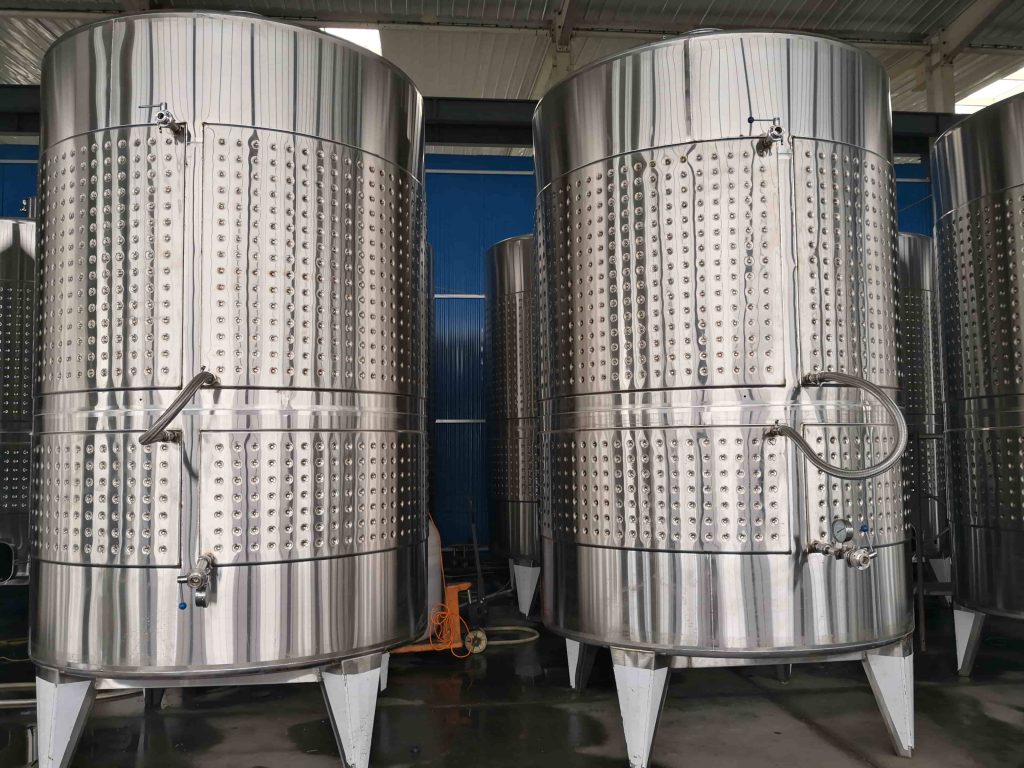
Precision temperature control is critical at various stages of winemaking, from fermentation to cold stabilization. Stainless steel wine tanks are ideally suited for this, often equipped with integrated jacketed cooling and heating systems. These jackets allow winemakers to accurately regulate internal temperatures, which is essential for managing fermentation rates, preserving delicate aromatics, and preventing unwanted microbial activity. For instance, controlled cool fermentation can accentuate fruit flavors and aromas in white wines, while precise temperature management during red wine fermentation affects color and tannin extraction. SKE, a leader in beverage processing equipment, excels in designing stainless steel tanks with advanced temperature management systems, ensuring optimal conditions for every stage of your winemaking process.
Neutrality and Flavor Preservation
Unlike oak barrels, which impart distinct flavors and aromas (such as vanilla, spice, or toast), stainless steel is entirely neutral. This neutrality is invaluable for wines where the winemaker wishes to highlight the pure varietal characteristics of the grape or the nuances of the terroir. It allows the original fruit flavors and aromas to remain unmasked and vibrant, making stainless steel wine tanks perfect for crisp white wines, aromatic rosés, and fruit-forward reds. This ensures that the wine’s intrinsic qualities are preserved throughout its journey from juice to bottle.
Durability and Longevity
Investing in winemaking equipment requires consideration of longevity and return on investment. Stainless steel wine tanks are renowned for their exceptional durability and resistance to corrosion, rust, and physical damage. Made from high-grade stainless steel (typically 304 or 316 for enhanced corrosion resistance), these tanks are built to withstand the rigors of a winery environment for decades. Their robust construction means less frequent replacement and maintenance compared to other materials, offering a cost-effective solution in the long run. The resilience of these tanks ensures reliable performance season after season, providing winemakers with peace of mind.
Versatility in Design and Application
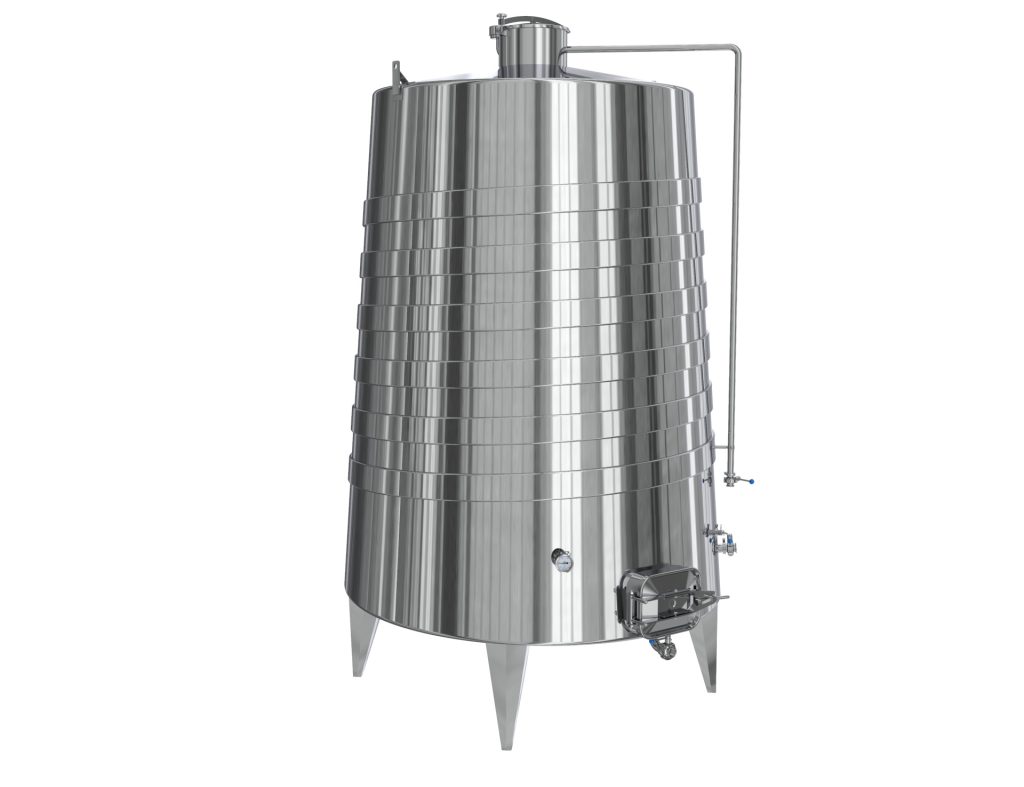
The adaptability of stainless steel allows for a vast array of designs and configurations to suit specific winemaking needs. From diverse capacities and footprints to specialized features like conical bottoms, floating lids, or integrated pump-over systems, stainless steel wine tanks can be custom-fabricated to optimize space, efficiency, and specific winemaking techniques. This versatility makes them suitable for a wide range of applications, including primary fermentation, malolactic fermentation, storage, blending, and bottling preparation. The ability to tailor tanks to exact requirements ensures maximum operational efficiency and flexibility for the winemaker.
Types and Applications of Stainless Steel Wine Tanks
The versatility of stainless steel wine tanks extends far beyond a single, generic vessel. The market offers a diverse range of designs, each optimized for specific winemaking processes, from the initial fermentation to dedicated storage and even specialized aging techniques. Understanding these types and their applications is key for any winery looking to optimize its production flow and achieve specific wine styles. This variety ensures that every stage of winemaking, regardless of scale or desired outcome, can be effectively managed with the appropriate stainless steel solution.
Fermentation Tanks
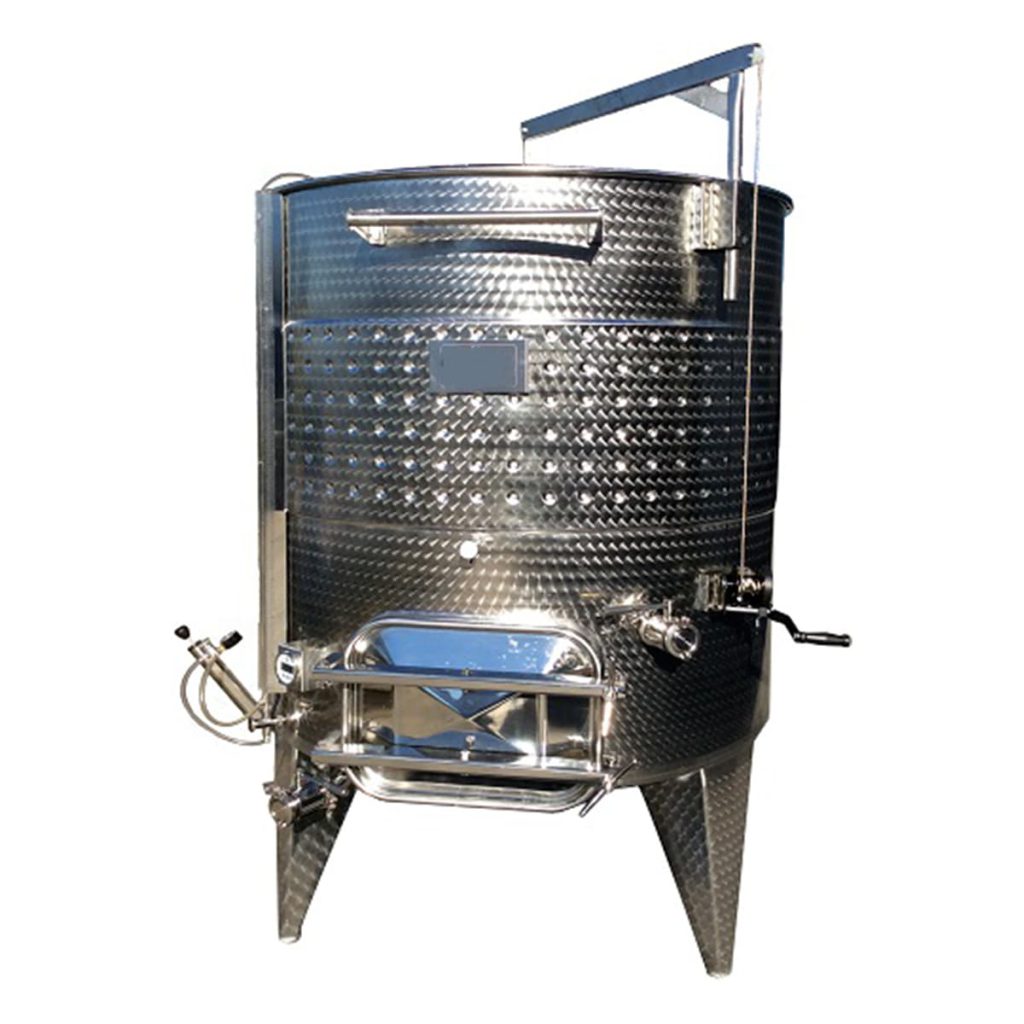
Fermentation is arguably the most critical stage in winemaking, where yeast converts grape sugars into alcohol and carbon dioxide. Stainless steel fermentation tanks are designed to facilitate this process with precision. They often feature cooling/heating jackets to meticulously control fermentation temperatures, which directly impacts the aroma, flavor, and stability of the wine. Conical bottom designs are common, allowing for easier lees removal and délestage. Vertical cylindrical tanks are a popular choice for their space efficiency and ease of cleaning, while open-top fermenters are sometimes used for red wines to allow for manual punch-downs and greater oxygen exposure, enhancing color and tannin extraction. The ability to monitor and adjust conditions within these tanks ensures a consistent and high-quality fermentation.
Storage Tanks
Once fermentation is complete, wine requires a stable environment for storage, blending, and maturation before bottling. Stainless steel storage tanks are ideal for this purpose due to their inert nature, which prevents chemical reactions with the wine. These tanks come in various sizes, from small batch tanks for experimental wines to massive vessels for bulk storage. Many feature floating lids, which can be adjusted to the wine level, minimizing oxygen exposure and preventing oxidation—a critical factor for preserving freshness. Some storage tanks also incorporate sample ports, thermometers, and pressure/vacuum relief valves for thorough monitoring and safety. They are perfect for maintaining the wine’s integrity without imparting additional flavors, especially for wines meant to be fruit-forward or aged without oak influence.
Blending Tanks
Blending is an art and science, allowing winemakers to combine different varietals, vintages, or batches to achieve a desired profile. Stainless steel blending tanks are equipped with agitators or mixing paddles designed to gently and thoroughly homogenize the wine without introducing excessive oxygen. These tanks are crucial for ensuring a consistent product across an entire production run, allowing for precise adjustments to flavor, acidity, and mouthfeel. Their seamless construction also prevents any unwanted elements from interfering with the delicate balance of the blended wine.
Specialized Tanks (e.g., Anaerobic Tanks, Carbonic Maceration)
Beyond the standard fermentation and storage, stainless steel wine tanks can be specialized for unique winemaking techniques. Anaerobic tanks are designed to completely exclude oxygen, ideal for preserving delicate aromas in highly aromatic white wines or for storing wine under inert gas. Tanks for carbonic maceration, a technique often used for Beaujolais-style wines, are built to hold whole grape clusters under a blanket of carbon dioxide, encouraging intracellular fermentation. These specialized units demonstrate the adaptability of stainless steel to innovative winemaking practices, allowing winemakers to experiment and achieve distinct styles.
SKE understands the diverse needs of winemakers and offers a comprehensive range of stainless steel wine tanks, including custom solutions tailored to specific processes. Our expertise ensures that every tank is built to highest standards, providing reliable performance for any application. For more insights into how precision temperature control impacts wine quality, consider exploring our resources on how temperature control affects the quality of craft beer, many principles of which are directly applicable to winemaking. This commitment to precision engineering reinforces the value proposition of stainless steel as the material of choice for optimal wine production, ensuring both efficiency and superior quality.
Maintenance and Longevity of Stainless Steel Wine Tanks
The long-term performance and hygienic integrity of stainless steel wine tanks are directly tied to proper maintenance. While stainless steel is remarkably durable and easy to clean, establishing a consistent and thorough cleaning regimen, along with understanding minor repair protocols, is essential to maximize the lifespan and ensure continued optimal performance of these valuable assets. Proper care not only extends the life of the investment but also consistently safeguards the quality of the wine produced within them.
Cleaning and Sanitization Protocols
The non-porous surface of stainless steel greatly simplifies cleaning, making it a preferred material in food and beverage processing. After each use or before a new batch, tanks should be thoroughly rinsed to remove all wine residue. This is typically followed by a cleaning cycle using specialized alkaline or acid detergents to break down organic matter and tartrates. It is crucial to use cleaners specifically formulated for stainless steel to avoid damage to the passivation layer. Following cleaning, a rigorous sanitization step with food-grade sanitizers or steam sterilization eliminates any remaining microorganisms. All cleaning and sanitizing agents must then be thoroughly rinsed away with clean water to prevent any chemical residues from affecting the wine. Regular monitoring of cleaning effectiveness through ATP testing or microbiological swabs can further ensure impeccable hygiene. SKE provides guidance on effective cleaning protocols for our stainless steel wine tanks, emphasizing preventative measures to ensure your equipment remains in pristine condition.
Preventing Corrosion and Pitting
Although stainless steel is highly resistant to corrosion, specific conditions can lead to issues like pitting or crevice corrosion. These typically occur in environments with high chloride concentrations, stagnant solutions, or localized oxygen depletion. To prevent this, avoid using harsh chlorine-based bleaches or cleaning agents directly on stainless steel. Instead, opt for peroxyacetic acid (PAA) or ozone for sanitization. Ensure tanks are completely drained and dried when not in use for extended periods, and promptly address any signs of surface damage. Regular passivation, a process that restores the protective chromium oxide layer on the steel surface, is also recommended periodically to enhance corrosion resistance and maintain the tank’s integrity. Understanding the environmental variables that can impact the integrity of winemaking equipment is paramount for long-term operational success.
Structural Integrity Checks and Minor Repairs
Regular visual inspections of stainless steel wine tanks are vital for identifying potential issues before they escalate. Check for any dents, scratches, or weld integrity. While minor surface imperfections generally don’t affect performance, deeper scratches or sustained stress can compromise the tank over time. Gaskets, seals, and valves should be inspected for wear and tear, as these components are critical for maintaining a sealed, anaerobic environment. Any worn-out parts should be replaced promptly. For minor leaks or structural issues, timely professional welding repairs can extend the tank’s life significantly. It’s important to use food-grade welding practices to maintain hygiene and structural strength. Adhering to these maintenance practices ensures that stainless steel wine tanks remain a reliable and hygienic asset for years, contributing consistently to superior wine production.
Design and Innovation in Stainless Steel Wine Tank Technology
The evolution of stainless steel wine tanks is a continuous journey driven by winemakers’ demands for greater precision, efficiency, and flexibility. Far from being simple storage vessels, modern stainless steel tanks incorporate advanced design features and innovative technologies that push the boundaries of winemaking capabilities. These advancements are not just about aesthetics but fundamentally enhance control over the winemaking process, leading to superior wine quality and operational excellence.
Advanced Temperature Control Systems
Beyond traditional jackets, modern stainless steel wine tanks often feature sophisticated temperature control systems. This includes dimpled jackets that maximize surface area for heating or cooling, ensuring rapid and uniform temperature transfer. Some tanks integrate multiple independent jacket zones, allowing for precise temperature management within different sections of a single tank or across various tanks. For instance, a winemaker might ferment a white wine at a very low, consistent temperature in one zone while maintaining a slightly warmer temperature for malolactic fermentation in another area. Advanced sensors and automated control systems provide real-time data and allow for programmed temperature adjustments, offering unmatched precision and consistency. This level of control is crucial for managing fermentation kinetics, extracting specific compounds, and ensuring the microbiological stability of the wine.
Ergonomic and Space-Saving Designs
Winery space is often at a premium, leading to innovations in tank design that prioritize ergonomics and space efficiency. Stackable tanks, square or rectangular footprints to minimize unused space, and tanks with specialized access points are becoming more common. Designing tanks with optimal height-to-width ratios can also influence the wine’s interaction with lees or oxygen, depending on the desired outcome. Features like easily accessible manways, sample ports, and CIP (Clean-In-Place) spray balls are designed for ease of use and maintenance, reducing labor and downtime. The thoughtful placement of valves and instrumentation also contributes to an organized and efficient cellar. SKE understands these spatial and operational challenges, offering customized solutions that optimize winery layouts and workflows.
Integration of Monitoring and Automation
The digital age has brought significant advancements to winemaking, with stainless steel wine tanks becoming intelligent vessels. Integration with monitoring and automation systems allows winemakers to track critical parameters like temperature, specific gravity, pH, and dissolved oxygen levels remotely. Automated pump-over systems, cap management tools, and inert gas blanketing systems can be programmed to execute complex processes with minimal human intervention, ensuring consistency and reducing human error. This level of automation not only enhances efficiency but also provides valuable data for analysis and continuous improvement, allowing winemakers to fine-tune their processes over time. The seamless connection of hardware and software transforms these tanks into central hubs of data-driven winemaking.
Choosing the Right Stainless Steel Wine Tanks with SKE
Selecting the appropriate stainless steel wine tanks for your winery is a critical decision that influences not only your production capabilities but also the quality and character of your final product. With a myriad of options available, partnering with a knowledgeable and reputable manufacturer is essential. At SKE, we pride ourselves on delivering high-quality, meticulously engineered stainless steel solutions tailored to the diverse needs of the winemaking industry.
Why SKE Stands Out
SKE brings decades of expertise to the design and fabrication of premium fermentation and storage tanks. Our commitment to excellence is reflected in every product we offer. We utilize only high-grade stainless steel, ensuring durability, hygiene, and neutrality—qualities paramount for preserving wine integrity. Our tanks are designed with precision and functionality in mind, incorporating features like advanced temperature control jackets, efficient cleaning interfaces, and customizable configurations to meet specific winery requirements. We understand that each winery has a unique vision, and our engineering team works closely with clients to provide bespoke solutions that flawlessly integrate into their operations.
Customization and Support
Whether you are establishing a new winery, expanding an existing one, or simply upgrading your equipment, SKE offers a comprehensive range of stainless steel wine tanks, from small-scale experimental vessels to large-capacity storage solutions. We offer tanks with various features, including conical bottoms for efficient lees management, floating lids for flexible volume storage, and specialized ports for sampling and additions. Our commitment extends beyond sales; we provide ongoing technical support and guidance, ensuring that your investment in SKE equipment continues to yield optimal results for years to come. We believe in building lasting relationships with our clients, underpinned by trust and shared success.
The choice of stainless steel wine tanks is more than just a purchase; it’s an investment in the future of your wine. With SKE, you gain a partner dedicated to providing cutting-edge technology, superior craftsmanship, and unparalleled support, empowering you to create wines of exceptional quality and distinction. Let our expertise in beverage processing equipment elevate your winemaking endeavors. For more information on optimizing your operations, you might find our article on how to choose the right brewhouse for your craft brewery insightful, as many principles of equipment selection and customization apply directly to winemaking facilities.
|
Customization Module
|
Optional Configurations | Applicable Requirements |
| Temperature Control System | Dimple jacket / Half-pipe jacket / Multi-zone independent temperature control | Differentiated fermentation temperature requirements for various wine types |
| Tank Structure | Conical bottom / Flat bottom / Rectangular shape / Stackable design | Winery space optimization, lees separation needs |
| Automation Configuration | Online monitoring system / Automatic CIP cleaning / Automatic inert gas supply | Large-scale wineries, precision winemaking requirements |
| Auxiliary Functions | Floating top cover / Lees agitator / Multi-position sampling port layout | Oxygen-free storage, lees aging, convenient operation needs |
Frequently Asked Questions about Stainless Steel Wine Tanks
Q: Why are stainless steel wine tanks preferred over oak barrels for some wines?
A: Stainless steel wine tanks are preferred for wines where the winemaker aims to preserve the pure fruit characteristics and terroir expressions without imparting any additional flavors or aromas. Unlike oak barrels, which contribute notes of vanilla, spice, or toast, stainless steel provides a neutral environment. This is especially crucial for crisp white wines, aromatic rosés, and fruit-forward red wines, allowing their natural qualities to shine. It also offers superior hygiene and precise temperature control.
Q: What are the key benefits of using stainless steel wine tanks for fermentation?
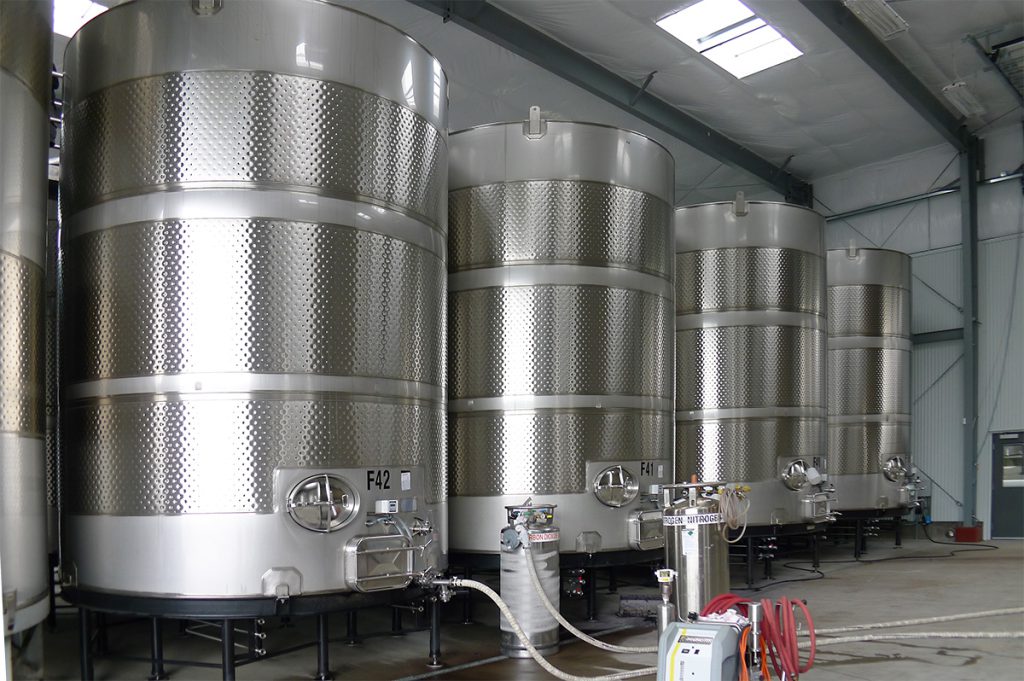
A: Key benefits for fermentation include excellent temperature control capabilities, crucial for managing yeast activity and preserving delicate aromatics; superior hygiene due to its non-porous surface, preventing microbial spoilage; and neutrality, which ensures the wine’s original flavors are maintained. Modern stainless steel tanks often come with integrated cooling jackets and advanced monitoring systems, allowing for precise control over the fermentation process.
Q: How do SKE’s stainless steel wine tanks ensure optimal hygiene?
A: SKE’s stainless steel wine tanks are meticulously crafted from high-grade, food-safe stainless steel with smooth, non-porous internal surfaces. This design prevents the accumulation of bacteria and yeasts, making them incredibly easy to clean and sanitize. They are designed for efficient Clean-In-Place (CIP) systems and are built to withstand rigorous cleaning protocols, ensuring an aseptic environment vital for preventing contamination and maintaining wine quality.
Q: Can stainless steel wine tanks be used for aging wine?
A: Yes, stainless steel tanks are widely used for aging wine, particularly for wines where oak influence is not desired. They provide a stable, inert environment that protects the wine from oxygen exposure and external contaminants, allowing it to develop complexity without changing its primary fruit character. For wines that do benefit from some oak, winemakers might use stainless steel tanks with oak adjuncts (staves, chips) for controlled oak integration, or transfer wine to oak barrels after initial aging in stainless steel.
Q: What maintenance is required for stainless steel wine tanks?
A: Regular and thorough cleaning and sanitization after each use are paramount. This involves rinsing, detergent cleaning, sanitizing, and final rinsing. It’s also important to periodically inspect gaskets, valves, and welds for wear and tear, and to address any minor damage or leaks promptly. Avoiding harsh chlorine-based cleaners is crucial to prevent corrosion. Regular passivation can also help maintain the tank’s protective layer and extend its lifespan. SKE provides detailed guidelines to ensure your tanks remain in top condition.
Ready to elevate your winemaking with premium stainless steel wine tanks?
Connect with SKE to discuss your specific needs and discover our innovative solutions.
Find us on Facebook
Email us at info@skeequipment.com
Or, fill out our contact form at the bottom of the page to get started!