
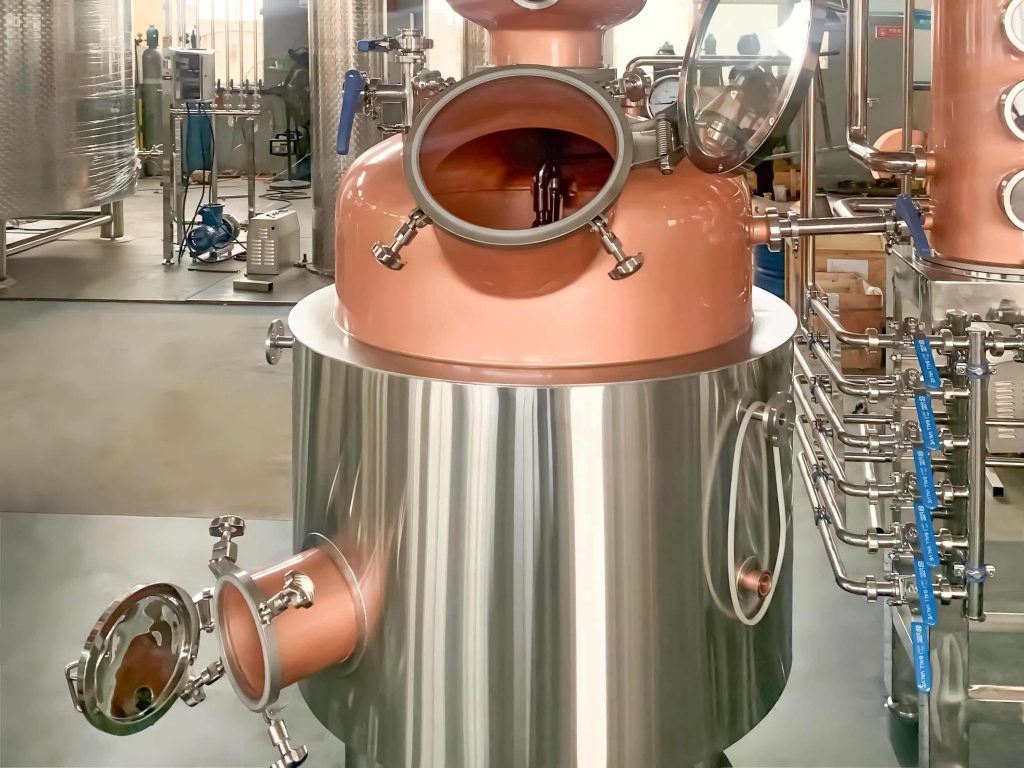
Introduction to Stainless Pot Stills
The art of distillation, steeped in centuries of tradition, has seen remarkable advancements in equipment and methodology. Central to this evolution, especially for craft distillers, is the venerable pot still. While copper has historically been the material of choice, the adoption of a stainless pot still has surged in popularity due to its numerous advantages. This comprehensive guide will delve deep into the world of stainless pot stills, providing amateur enthusiasts and professional distillers alike with the knowledge needed to make informed decisions.
Understanding a stainless pot still begins with appreciating its fundamental role: to heat a fermented wash, vaporize the alcohol, and then cool those vapors back into a liquid spirit. Unlike a reflux still, a pot still is designed for flavor retention, allowing the unique characteristics of the raw ingredients to shine through in the final product. This makes it the preferred choice for producing spirits like whiskey, rum, brandy, and certain types of gin, where the nuances of the base material are highly valued.
The shift towards stainless steel isn’t merely a matter of cost; it encompasses hygiene, durability, and a level of versatility that modern distilling demands. When properly engineered, a high-quality stainless pot still can provide exceptional thermal efficiency and longevity, becoming a cornerstone of any successful distillation operation. Here at SKE, we’ve observed this trend firsthand, adapting our manufacturing processes to meet the growing demand for robust and reliable stainless steel equipment that caters to both small-scale craft operations and larger commercial ventures.
Throughout this article, we’ll explore the benefits, components, and critical considerations when investing in a stainless pot still, ensuring you’re equipped to produce spirits of exceptional quality. From understanding the various grades of stainless steel to optimizing your distillation process, our aim is to furnish you with practical, actionable insights. For those just starting or looking to upgrade, navigating the options for a new still can be daunting, but with the right information, it becomes a clear path to distilling success.
Why Choose a Stainless Pot Still? Durability, Hygiene, and Performance
When it comes to selecting distillation equipment, the choice of material is paramount. While copper has its traditional appeal, the modern distiller increasingly turns to the stainless pot still for compelling reasons. The primary advantages lie in its durability, exceptional hygiene properties, and consistent performance, making it a staple in contemporary craft distilleries.
Firstly, the durability of stainless steel is unmatched. Unlike copper, which can be prone to denting and requires more delicate handling, stainless steel is incredibly robust and resistant to corrosion. This means your stainless pot still will withstand years of rigorous use without showing significant wear and tear, even with frequent heating and cooling cycles. This long lifespan translates into a superior return on investment, as replacement or extensive repair costs are significantly reduced over time. SKE, for instance, utilizes high-grade stainless steel in all our distillation equipment, ensuring maximum resilience and structural integrity for every still we produce.
Secondly, hygiene is a critical factor in spirit production, and stainless steel excels in this regard. Its non-porous surface prevents bacterial growth and makes cleaning remarkably straightforward. Unlike copper, which develops a patina that requires regular polishing, a stainless pot still can be easily cleaned and sanitized, minimizing the risk of contamination and off-flavors in your spirits. This ease of cleaning also contributes to a more efficient and less labor-intensive operation, allowing distillers to focus more on the craft itself and less on equipment maintenance. The smooth, inert surface of stainless steel doesn’t react with the distillate, ensuring the purity and intended flavor profile of the spirit remains untainted. This is a fundamental principle that guides the design and manufacturing of all SKE distillery equipment, promoting both product quality and operational safety.
Finally, the performance of a stainless pot still is highly reliable. While some argue that copper plays a role in removing sulfur compounds, modern distillation techniques and post-distillation finishing can mitigate these concerns effectively with stainless steel. Moreover, the thermal conductivity of stainless steel, while different from copper, is perfectly adequate for efficient distillation, especially when paired with well-designed heating elements and insulation. Precision engineering ensures uniform heat distribution, leading to a consistent and controlled vaporization process. For distillers seeking a reliable workhorse that delivers repeatable results batch after batch, a stainless pot still from a reputable manufacturer like SKE offers the perfect blend of modern engineering and traditional distilling principles. Our commitment to innovation ensures that our stills are not just durable and hygienic, but also highly efficient, helping distillers achieve their desired outcomes with precision.
Anatomy of a Modern Stainless Pot Still: Key Components and Their Functions
Understanding the internal workings and external components of a stainless pot still is crucial for any distiller looking to optimize their process and ensure the quality of their spirits. While the basic principle remains the same as its traditional copper counterparts, modern stainless steel stills often incorporate design enhancements that improve efficiency, safety, and versatility. Let’s break down the key components of a typical stainless pot still.
At its core, a pot still consists of the boiler, the still head (or pot head), the lyne arm, the condenser, and often a spirit parrot. Each component plays a vital role in the journey from fermented wash to finished spirit. The boiler, typically a robust stainless steel vessel, is where the wash is heated. Its design is critical for uniform heat distribution and preventing scorching of the solids, especially for grain-based mashes. Many modern stainless pot stills feature jackets for steam heating or direct electric heating elements, offering precise temperature control. SKE’s boilers are engineered with optimal heating surfaces and insulation to ensure energy efficiency and consistent boiling, which is vital for a smooth distillation run.
Above the boiler sits the still head. This component is designed to allow vapors to rise while separating some of the heavier components that fall back into the boiler – a process known as natural reflux. The shape of the still head can significantly influence the character of the distillate; taller and narrower heads generally lead to a purer, lighter spirit due to increased reflux, while shorter, wider heads allow more congeners through, resulting in a more characterful, heavier spirit. The expertise in crafting these shapes for a stainless pot still is where experience truly matters, ensuring the distiller can achieve specific flavor profiles.
Connecting the still head to the condenser is the lyne arm, a sloped pipe that directs the alcohol vapors. The angle and length of the lyne arm also contribute to the amount of reflux. A steeper angle and shorter length will promote less reflux, allowing more flavor to pass into the condenser. This component is often where a distilling column might be added in more sophisticated setups for greater control over spirit separation and purity, showcasing the versatility of stainless steel systems.
The condenser is where the hot alcohol vapors are cooled rapidly, turning them back into liquid form. There are several types of condensers, with shell-and-tube or Liebig condensers being common for stainless pot stills. Cold water circulates through the condenser, facilitating this phase change. The efficiency of the condenser is paramount; an undersized or poorly designed condenser can lead to vapor loss and inefficient operation. Finally, the spirit parrot is a small, often optional, attachment at the end of the condenser that allows the distiller to continuously monitor the alcohol content of the distillate as it flows out, without needing to collect samples. This real-time feedback is invaluable for making cuts during the distillation process, ensuring only the desired ‘hearts’ are collected.
Each of these parts, when fabricated with precision from high-quality stainless steel, contributes to a robust and efficient stainless pot still. Understanding their individual functions helps distillers troubleshoot, optimize, and ultimately refine their craft, producing spirits of consistent quality and character. SKE designs each component with meticulous attention to detail, ensuring seamless integration and optimal performance across all our distillation units.
Selecting the Right Stainless Pot Still for Your Needs
Choosing the perfect stainless pot still is a pivotal decision that will profoundly impact the efficiency of your operation, the quality of your spirits, and your overall distilling experience. This selection process goes beyond simply picking a size; it involves a careful consideration of various factors tailored to your specific goals, whether you’re a burgeoning craft distillery or expanding an established operation. SKE understands that every distiller’s needs are unique, which is why we emphasize comprehensive consultation to guide our clients to the ideal equipment.
Volume capacity is often the first consideration. How much wash do you intend to distill per batch? A stainless pot still can range from small, hobbyist-sized units of a few liters to massive commercial stills capable of processing thousands. Overestimating your needs can lead to inefficient operation, while underestimating can bottleneck production. Consider your current production targets and any future expansion plans. It’s often wise to invest in a still that can comfortably handle slightly more than your current demands to allow for growth without immediate re-investment.
Next, consider the heating method. Your stainless pot still can be heated directly by gas or electric elements, or indirectly via a steam jacket. Direct heating is often simpler and can be more cost-effective for smaller stills, but steam jackets offer superior temperature control, prevent scorching of the wash, and are generally preferred for larger commercial operations and for distilling mashes with solids. SKE offers various heating configurations to match your facility’s infrastructure and specific distillation requirements, ensuring optimal thermal management for every batch.
The design of the still head and lyne arm also plays a critical role in the type of spirit you want to produce. If you aim for highly flavorful, character-rich spirits like whiskey or rum, a simpler, wider still head with a shorter lyne arm promoting minimal reflux might be desirable. For those seeking slightly lighter spirits still with good character, a taller still head might be appropriate. The versatility of a stainless pot still allows for diverse spirit production, but understanding how these design elements influence the final product is key. Adjustable components, such as a variable angle lyne arm, can offer increased flexibility if you plan to produce a variety of spirits.
Finally, and perhaps most importantly, consider the quality of construction and the support offered by the manufacturer. A stainless pot still is a significant investment. Ensure it’s built from high-grade stainless steel (like 304 or 316L, particularly for components in contact with the product vapors), with robust welds and superior finishes. Reputable manufacturers like SKE not only provide equipment crafted to the highest standards but also offer expert advice, installation support, and after-sales service. This commitment to quality and customer success ensures that your investment in a new stainless pot still will yield reliable, high-quality results for years to come. Don’t overlook safety features such as pressure relief valves and proper insulation, which are standard in all SKE designs.
Maintenance and Longevity of Your Stainless Pot Still
The longevity and consistent performance of your stainless pot still are directly tied to proper maintenance practices. While stainless steel is renowned for its durability and ease of cleaning, a diligent maintenance regimen ensures its pristine condition, extends its operational life, and guarantees the quality of your distilled spirits for years to come. Investing in a high-quality stainless pot still from a company like SKE is just the first step; protecting that investment through regular care is equally vital.
The cornerstone of still maintenance is thorough cleaning after each distillation run. Although stainless steel is non-porous, organic residues from the wash can still accumulate and, over time, affect flavor profiles or harbor unwanted microorganisms. A hot water rinse immediately after emptying the still is often the first step, followed by either a dedicated still cleaning solution or a mild, food-grade acid solution to remove mineral deposits and other buildup. It’s crucial to follow the manufacturer’s guidelines for cleaning agents, as harsh chemicals can sometimes damage gaskets or seals. For stubborn residues, gentle scrubbing with a soft brush or sponge is recommended; avoid abrasive materials that could scratch the surface and compromise the passivation layer of the stainless steel. Proper cleaning not only maintains hygiene but also prevents cumulative issues that could degrade the efficiency and lifespan of your stainless pot still.
Beyond cleaning, regular inspection of all components is essential. Pay close attention to gaskets, clamps, and any sealing surfaces. These parts can wear out over time and should be replaced as needed to prevent leaks and maintain vapor integrity. Periodically check heating elements (if direct electric) for scaling or damage, and inspect steam jackets for any signs of corrosion or pressure issues. For stills with temperature probes and pressure gauges, ensure they are calibrated and functioning correctly, as accurate readings are fundamental to controlled distillation. SKE provides comprehensive maintenance tips and guidance for all our distillation units, emphasizing prophylactic care to prevent costly downtime.
Storage conditions also impact the longevity of a stainless pot still. When not in use, ensure the still is completely dry and stored in a clean, dust-free environment. Leaving moisture inside the still can lead to water spots or, in rare cases with certain types of water, even minor pitting over extended periods. For commercial operations, developing a scheduled maintenance checklist is highly advisable, ensuring all parts of the stainless pot still, from the boiler to the spirit parrot, receive regular attention. By adhering to these simple yet effective maintenance practices, distillers can safeguard their investment, ensure operational reliability, and continue to produce exceptional spirits batch after batch with their trusted SKE stainless pot still.
The SKE Advantage in Stainless Pot Still Technology
When it comes to sourcing high-quality distillation equipment, particularly a robust and reliable stainless pot still, SKE stands out as a premier provider. Our commitment to engineering excellence, innovative design, and unparalleled customer support ensures that every distiller, from ambitious startups to established commercial operations, receives equipment that not only meets but exceeds their expectations. Choosing an SKE stainless pot still means investing in a legacy of quality and a future of superior spirit production.
At SKE, we understand that a stainless pot still is more than just a piece of machinery; it’s the heart of a distillery. That’s why we meticulously design and fabricate our stills using only the highest grades of stainless steel, typically 304 or food-grade 316L, particularly for components that come into contact with the spirits. This choice of material guarantees maximum chemical resistance, unparalleled hygiene, and exceptional durability, ensuring your still can withstand the demands of continuous operation for decades. Our expert fabricators employ precision welding techniques, resulting in seamless, easy-to-clean surfaces that contribute to both the aesthetic appeal and the operational efficiency of the still.
What truly sets an SKE stainless pot still apart is the intelligent integration of advanced features. We incorporate state-of-the-art heating solutions, whether it’s efficient steam jackets for precise temperature control or reliable electric elements, all designed for optimal energy consumption and even heat distribution. Our still heads and lyne arms are engineered to allow distillers fine control over reflux, enabling the production of a wide range of spirits with distinct flavor profiles. Furthermore, safety features such as integrated pressure relief valves, temperature sensors, and explosion-proof components are standard, reflecting our unwavering commitment to operational safety and compliance with industry regulations.
Beyond the hardware, SKE prides itself on being a partner in your distilling journey. We offer comprehensive consultation services to help you select the ideal stainless pot still configuration tailored to your specific production goals and facility layout. From initial design to installation and commissioning, our team of seasoned engineers and distilling experts provides hands-on support and technical assistance. This holistic approach ensures that your transition to a new SKE stainless pot still is smooth, efficient, and ultimately successful. Our after-sales support and availability of spare parts further underscore our dedication to long-term customer satisfaction.
In essence, an SKE stainless pot still represents the pinnacle of modern distillation equipment. It combines traditional distilling principles with contemporary engineering to deliver a durable, efficient, and versatile tool for crafting exceptional spirits. When you choose SKE, you’re not just buying a still; you’re gaining a reliable partner committed to your success in the dynamic world of craft distilling. Explore our range of distillery projects and solutions to see how an SKE stainless pot still can elevate your production capabilities.
What are the primary benefits of a stainless pot still over a copper still?
Stainless pot stills offer superior durability, resistance to corrosion, and are significantly easier to clean and maintain, promoting better hygiene in the distillation process. They are also less reactive, ensuring the spirit’s flavor profile remains untainted by the material. While copper traditionally helps remove sulfur, modern techniques and the inert nature of stainless steel mean it’s an excellent choice for a wide range of spirits.
Can I produce various types of spirits with a single stainless pot still?
Yes, a well-designed stainless pot still is highly versatile. By adjusting operational parameters such as heating rate and making precise cuts, distillers can produce a wide array of spirits like whiskey, rum, brandy, and certain gins. The design of the still head and lyne arm can also be configured to allow for varying degrees of reflux, influencing the final spirit’s character. SKE designs its stainless pot stills with this versatility in mind.
What kind of maintenance does a stainless pot still require?
Maintenance for a stainless pot still primarily involves thorough cleaning after each use to prevent residue buildup and ensure hygiene. This typically includes rinsing with hot water, followed by a food-grade cleaning solution. Regular inspection of gaskets, seals, and heating elements for wear or damage is also crucial to ensure efficient and safe operation. Following manufacturer guidelines, like those provided by SKE, will maximize the longevity of your still.
Is stainless steel appropriate for all parts of a pot still, including the condenser?
Yes, stainless steel is highly appropriate for all parts of a pot still, including the boiler, still head, lyne arm, and condenser. Its excellent thermal properties, corrosion resistance, and ease of cleaning make it a superior choice for ensuring efficiency and product purity throughout the entire distillation path. Many modern high-performance stills, including those from SKE, are constructed almost entirely from high-grade stainless steel.
Ready to Elevate Your Distilling Operation with a Stainless Pot Still?
Contact SKE today to discuss your specific needs and discover how our advanced distillation equipment can help you achieve your production goals.
Connect on Facebook |
Email us at: info@skeequipment.com
Or fill out our contact form at the bottom of the page, and one of our experts will get back to you shortly!