
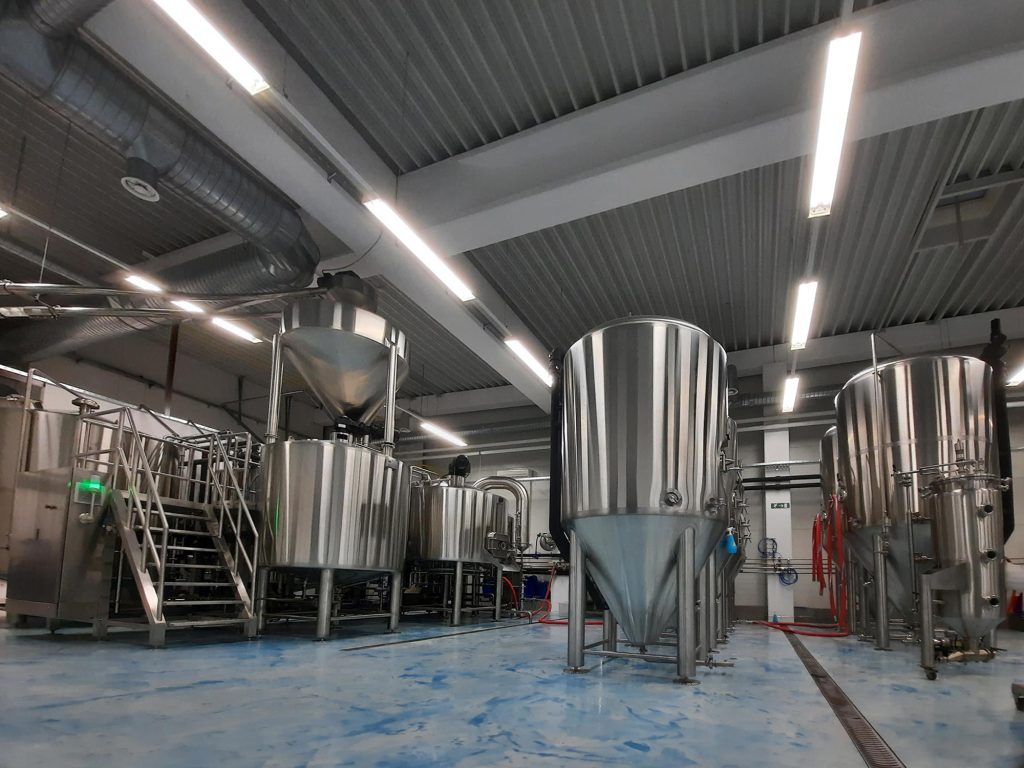
Introduction to Stainless Steel Fermentation
Winemaking is an art form, a delicate balance of science and tradition, where every decision from grape selection to fermentation vessel can profoundly impact the final product. Among the myriad choices confronting winemakers, the selection of a fermentation vessel stands as one of the most critical. While oak barrels and concrete tanks have their place, the stainless steel fermenter for wine has emerged as a cornerstone of modern winemaking, offering unparalleled control, hygiene, and versatility. This guide delves deep into the world of stainless steel fermentation, exploring its benefits, types, essential features, and how it can elevate your winemaking process, whether you’re a small-batch artisan or a large-scale commercial producer.
The journey from grape must to exquisite wine involves intricate biochemical transformations, primarily driven by yeast. The environment in which these transformations occur must be meticulously controlled to nurture the desired yeast activity and prevent spoilage. This is precisely where a high-quality stainless steel fermenter for wine shines. Its inert nature ensures that no unwanted flavors or aromas are imparted to the wine, allowing the true varietal characteristics and fermentation-derived complexities to express themselves freely. Moreover, the ease of cleaning and sanitation inherent in stainless steel significantly reduces the risk of microbial contamination, a perennial concern for winemakers. As we navigate the nuances of stainless steel fermenters, we’ll cover everything from their structural integrity to advanced temperature control mechanisms, providing a holistic view for anyone looking to invest in or optimize their winemaking equipment.
Understanding the fundamental role of a well-designed fermenter is crucial. It’s not merely a container; it’s a critical tool that allows winemakers to manage fermentation kinetics, conduct precise temperature modulation, and ensure the wine’s purity. For instance, processes like cold stabilization or malolactic fermentation can be more effectively managed in a controlled environment, which a robust stainless steel fermenter for wine readily provides. The global winemaking industry increasingly relies on these vessels for their inherent advantages, making them an indispensable asset for those aiming for consistency, quality, and efficiency in their operations. SKE recognizes this demand and offers state-of-the-art solutions tailored to meet the exacting standards of contemporary winemaking.
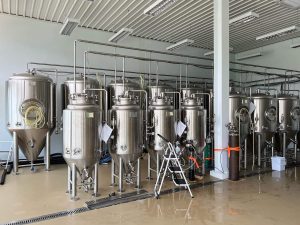
Why Choose a Stainless Steel Fermenter for Wine?
The prominence of the stainless steel fermenter for wine in today’s wineries isn’t by chance; it’s a result of a combination of superior properties that cater directly to the demanding requirements of winemaking. Here, we outline the primary reasons why stainless steel is often the material of choice over traditional alternatives.
Inertness and Flavor Preservation
Perhaps the most significant advantage of stainless steel is its inert nature. Unlike wood or concrete, stainless steel does not impart any flavors or aromas to the wine. This allows the winemaker full control over the flavor profile, ensuring that the nuances of the grape varietal and the subtleties of the yeast strains are the only contributors to the wine’s character. This is particularly vital for white wines and light-bodied red wines where oak influence might be undesirable or for showcasing terroir-driven expressions.
Exceptional Hygiene and Sanitation
Maintaining a sterile environment is paramount in winemaking to prevent spoilage from unwanted bacteria or wild yeasts. Stainless steel’s smooth, non-porous surface makes it incredibly easy to clean and sanitize. There are no crevices or pores for microbes to hide, significantly reducing the risk of contamination and off-flavors. This ease of cleaning translates to greater consistency in wine quality and less risk of losing an entire batch due to spoilage. For commercial wineries, this means reduced downtime and increased production efficiency, directly impacting the bottom line.
Durability and Longevity
A well-constructed stainless steel fermenter for wine is built to last. It is highly resistant to corrosion, impacts, and temperature fluctuations, making it a long-term investment. Unlike wooden barrels that require periodic reconditioning or replacement, stainless steel tanks can serve a winery for decades with proper care. This durability means lower long-term operational costs and a reliable piece of equipment that can withstand the rigors of a busy winery environment.
Precise Temperature Control
Temperature control during fermentation is perhaps the most critical factor for successful winemaking. Stainless steel tanks can be easily fitted with external cooling jackets or internal cooling coils, allowing winemakers to precisely regulate fermentation temperatures. This control is essential for managing fermentation speed, extracting specific flavor compounds, and optimizing yeast health. For delicate wines that require slow, cool fermentations, or robust reds needing warmer temperatures for color and tannin extraction, the ability to control temperature within a few degrees is invaluable. SKE’s fermenters, for instance, are designed with highly efficient jacketed systems to provide this crucial control, ensuring optimal fermentation conditions every time. To understand more about process control in brewing which shares similar principles, you might find this article on beer fermentation process control insightful.
Versatility and Customization
Stainless steel fermenters come in a vast range of sizes and configurations, from small home winemaking units to massive commercial tanks. They can be custom-fabricated to meet specific winery needs, including various levels of automation, different types of valves, manways, racking ports, and even specialized dimple jackets for superior heat transfer. This versatility allows wineries to design their operations around their specific production goals and space constraints. The modular nature of stainless steel equipment also allows for easy expansion or reconfiguration as a winery grows.
Environmental Considerations
From an environmental perspective, stainless steel is a highly recyclable material. When a tank eventually reaches the end of its very long service life, the material can be recycled, reducing its environmental footprint. This aligns with the growing emphasis on sustainable practices within the winemaking industry.
In summary, the choice of a stainless steel fermenter for wine reflects a commitment to quality, efficiency, and consistency. Its inert properties, ease of sanitation, durability, and superior temperature control capabilities make it an indispensable asset for any winemaker aiming to produce exceptional wines consistently. SKE’s commitment to quality ensures that our stainless steel solutions not only meet but exceed these critical requirements.
Types of Stainless Steel Fermenters for Winemaking
The versatility of a stainless steel fermenter for wine extends to the wide array of styles and configurations available, each designed to cater to specific winemaking processes and scales. Understanding these types is crucial for making an informed decision that aligns with your production goals. SKE offers a diverse portfolio of tanks tailored for various stages of winemaking.
Conical Fermenters
Conical fermenters are arguably the most popular type of stainless steel tank for winemaking, particularly for red wines and for processes where yeast management is critical. Their design features a conical bottom that allows yeast and lees to settle efficiently and be easily removed through a bottom drain valve, without disturbing the wine above. This design minimizes oxidation during racking and simplifies yeast harvesting if a winemaker wishes to re-pitch. The steep angle of the cone facilitates a cleaner separation, which is beneficial for reducing contact with spent yeast, often associated with off-flavors. Many conical fermenters also come with cooling jackets, essential for precise temperature control during fermentation.
Variable Capacity (Floating Lid) Fermenters
For winemakers who produce varying batch sizes or want the flexibility to age wine in the same vessel they fermented it in, variable capacity fermenters are an excellent choice. These tanks feature a floating lid that can be positioned at any level of the tank, effectively creating a completely sealed environment above the wine, regardless of the fill volume. This prevents oxidation and allows for partial batches to be fermented or stored without headspace. While primarily used for fermentation, their adaptability makes them a valuable asset for small to medium-sized wineries that need multi-purpose vessels. They are often less pressure-rated than fixed-volume tanks, but their flexibility is unmatched.
Open-Top Fermenters
Open-top fermenters are traditionally used for red wine production, especially when punch-downs or cap management is desired. The open design allows for easy access to the grape must, facilitating manual or mechanical cap management to extract color, tannins, and flavors from the skins. While they offer excellent access, the open design requires careful management to prevent oxidation and contamination. These are usually found in larger commercial settings where specialized equipment can handle cap management effectively, producing rich and complex red wines. For a deeper dive into tank configurations and their impact on wine characteristics, consider exploring how industrial fermentation tanks are designed for optimal results.
Closed-Top (Fixed Volume) Fermenters
Closed-top fermenters are the workhorse of many commercial wineries. They are sealable, pressure-rated vessels ideal for white wine production, fermentation under controlled atmospheres (e.g., CO2 blanketing), and long-term storage or aging. Their sealed nature minimizes oxygen exposure, which is crucial for preserving delicate aromas and preventing spoilage. These tanks are typically equipped with various ports for temperature probes, sample valves, racking arms, and CIP (Clean-In-Place) systems. SKE’s range of fixed-volume stainless steel fermenter for wine options are engineered for efficiency and hygiene, ensuring pristine conditions for your wine. You can learn more about general industrial tank design and application by reading about industrial fermentation tanks.
Horizontal Fermenters/Rotary Fermenters
Less common but increasingly utilized for specialized red wine production, horizontal or rotary fermenters offer advantages in color extraction and tannin management. These tanks can be rotated, allowing for gentle mixing of the cap with the fermenting must, which can result in softer tannins and more even extraction. They are often equipped with internal paddles or other mechanisms to aid in agitation. Their specialized design makes them suitable for specific winemaking styles and smaller, premium batches.
Choosing the right type of stainless steel fermenter for wine involves considering your winery’s scale, the specific styles of wine you produce, your budget, and your winemaking philosophy. Many wineries utilize a combination of different tank types to optimize various stages of their production. SKE’s experts can help guide you through these choices, ensuring you select the most effective and efficient equipment for your unique needs, whether it’s a single unit or a complete tank farm.
Key Features to Look for in a Wine Fermenter
When investing in a stainless steel fermenter for wine, understanding the critical features that contribute to its functionality, efficiency, and longevity is paramount. A well-equipped fermenter is not just a tank; it’s a sophisticated tool that empowers winemakers to craft superior wines. SKE designs its fermenters with these essential characteristics in mind, ensuring optimal performance.
Material Grade: 304 vs. 316 Stainless Steel
The grade of stainless steel is a fundamental consideration. 304 stainless steel is the industry standard for most winemaking applications due to its excellent corrosion resistance and hygiene properties. However, for environments with higher acidity, more aggressive cleaning chemicals, or for extremely long-term storage, 316 stainless steel offers superior resistance to pitting and crevice corrosion, thanks to the addition of molybdenum. While often a more expensive option, 316 grade can provide added peace of mind for specific applications or in harsher conditions. SKE primarily uses high-grade 304 or 316 stainless steel, depending on the client’s specifications and the intended use of the fermenter.
Temperature Control Jacketing
As discussed, precise temperature control is vital. Look for fermenters equipped with robust cooling or heating jackets (dimple or channel). These jackets allow for the circulation of glycol or water to maintain optimal fermentation temperatures. Ensure the jackets cover sufficient surface area for efficient heat exchange and are properly insulated to minimize energy loss. Multiple zones for temperature control across larger tanks can offer even greater precision.
Manways and Access Ports
Easy access for cleaning, sampling, and maintenance is crucial. A well-designed fermenter should feature:
- Top Manway: For adding ingredients, sampling, and internal cleaning access. It should be large enough for safe entry if needed.
- Side Manway: Often at the bottom, for easy removal of pomace (spent grape skins and seeds) after fermentation, especially in red wine tanks.
- Sample Valves: Strategically placed for convenient and hygienic sampling without opening the tank.
- Racking Port/Arm: Allows for clear liquid to be drawn off above the settled lees. A rotating racking arm is a valuable feature, enabling withdrawal at various liquid levels.
Conical Bottom and Drain Port
For conical fermenters, the angle of the cone is important. A steeper cone (e.g., 60-degree angle) facilitates better yeast and lees separation and easier material removal. A robust bottom drain port with a large diameter ball valve allows for efficient dumping of lees and cleaning. This is a vital feature for proper yeast management and maintaining wine clarity.
Pressure Relief Valve (PRV) and Air Lock
During fermentation, CO2 is produced, which can build up pressure. A reliable PRV is essential for safety, releasing excess pressure while preventing oxygen ingress. An airlock, or fermentation lock, typically used in smaller-scale fermenters, serves a similar purpose on a smaller scale, allowing CO2 to escape without letting air in. Commercial tanks often feature more sophisticated pressure/vacuum relief valves to handle pressure fluctuations safely.
CIP (Clean-In-Place) System Compatibility
For commercial-scale operations, the ability to integrate with a CIP system is a major advantage. This typically involves a spray ball or rotary jet installed at the top of the tank, connected to a pump and cleaning solution reservoir. CIP systems significantly reduce manual labor and ensure thorough, consistent sanitation. SKE engineers its stainless steel fermenter for wine solutions to be fully compatible with modern CIP systems, enhancing operational efficiency and hygiene.
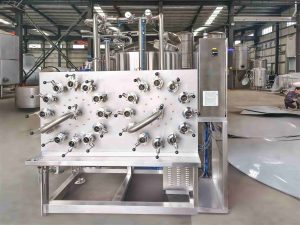
Legs, Leveling Feet, and Stability
The tank should be supported by sturdy legs, ideally with adjustable leveling feet, to ensure stability on uneven floors. The height of the legs should allow for sufficient clearance for bottom valve operation, connection to pumps, and potentially forklifts for under-tank maintenance. For larger tanks, proper anchoring is also a consideration.
Welding and Finish
The quality of welding is crucial. Smooth, polished interior welds prevent bacterial harborage and facilitate cleaning. A fine interior finish (e.g., 2B or polished) further enhances hygiene. Exterior welds should also be well-executed for structural integrity and aesthetics. A seamless interior is a hallmark of a high-quality stainless steel fermenter for wine, contributing directly to wine quality.
Carefully evaluating these features will ensure that your investment in a stainless steel fermenter for wine pays dividends in terms of operational efficiency, ease of maintenance, and the consistent production of high-quality wine. SKE prides itself on manufacturing tanks that incorporate these critical features, offering reliable and advanced solutions for winemakers worldwide. For more details on commercial brewery equipment, which often shares similar design principles, check out our guide on commercial brewery equipment suppliers.
Maintaining Your Stainless Steel Wine Fermenter
Proper maintenance of a stainless steel fermenter for wine is not just about keeping it clean; it’s about preserving its longevity, ensuring optimal performance, and, most importantly, safeguarding the quality and integrity of your wine. While stainless steel is inherently durable and easy to sanitize, a structured maintenance routine is essential to prevent issues and maximize your investment. SKE designs its fermenters for ease of maintenance, but adherence to best practices is key.
Thorough Cleaning Post-Fermentation
Immediately after emptying the fermenter, it’s crucial to clean it thoroughly. Any residual wine, lees, or grape solids can quickly dry and become difficult to remove, or worse, harbor spoilage microorganisms.
- Rinsing: Start with a thorough cold water rinse to flush out gross solids. Avoid hot water initially, as it can “”bake on”” tartrates and sugars, making them harder to remove.
- Alkaline Wash: Follow with an alkaline cleaning solution (e.g., sodium hydroxide-based cleaner) circulated at an appropriate temperature and concentration. This attacks organic residues. Many wineries utilize CIP systems for this stage, which are highly effective for comprehensive internal cleaning.
- Acid Wash: Periodically, an acid wash (e.g., phosphoric or nitric acid-based cleaner) is necessary to remove mineral deposits like tartrates, which can build up over time. The frequency depends on water hardness and wine type.
- Final Rinse: Always finish with a clear water rinse to remove all cleaning chemical residues.
Effective Sanitation Before Use
Before introducing fresh grape must, the stainless steel fermenter for wine must be thoroughly sanitized to eliminate any remaining microorganisms.
- Sanitizing Agent: Common sanitizers include peracetic acid (PAA), hydrogen peroxide, or chlorine dioxide solutions. Always follow manufacturer guidelines for concentration and contact time.
- Application: Circulate the sanitizer through the tank for the recommended duration. For small tanks, manual spraying can be an option.
It’s vital to ensure that all internal surfaces, including valves, gaskets, and sample ports, come into contact with the sanitizer. After sanitization, a final rinse might be required depending on the sanitizer used and the wine type; check product specifications carefully.
Gasket and Seal Inspection
Gaskets and seals (e.g., on manways, valves, and fittings) are critical for maintaining a sealed, anaerobic environment. Inspect them regularly for cracks, wear, or deformities. Worn gaskets can lead to oxygen ingress, which invites spoilage microorganisms. Replace them proactively to prevent issues.
Valve and Fitting Maintenance
Disassemble and clean valves and fittings periodically. Residues can accumulate in moving parts, affecting their functionality and hygiene. Lubricate stainless steel threads with food-grade lubricant to prevent galling and ensure smooth operation of clamps and unions.
External Cleaning
While often overlooked, keeping the exterior of your stainless steel fermenter for wine clean is important. It creates a professional appearance and allows for easier identification of potential leaks or issues. Use appropriate stainless steel cleaners to remove water spots, fingerprints, and other marks, preserving the aesthetic and protective qualities of the surface.
Pressure Relief Valve (PRV) Checks
The PRV is a critical safety device. Test it regularly (as per manufacturer recommendations) to ensure it opens and closes correctly at the specified pressure. A malfunctioning PRV can lead to dangerous pressure buildup or unwanted vacuum conditions within the tank.
Storage Between Uses
If a fermenter will be idle for an extended period, ensure it is thoroughly cleaned, sanitized, and completely dry. Some winemakers choose to lightly sparge with inert gas (like CO2 or nitrogen) and seal the tank to prevent oxidation and microbial growth during storage. This is particularly relevant for maintaining optimal conditions for your beer maturing tanks or any vessel meant for long-term storage.
By implementing a diligent maintenance program, you can ensure that your stainless steel fermenter for wine remains a reliable, hygienic, and efficient workhorse in your winery for many years to come. SKE stands by the quality of its manufacturing, but empowers winemakers with the knowledge needed for superior equipment care.
SKE’s Expertise in Stainless Steel Fermenters
At SKE, we understand that a stainless steel fermenter for wine is more than just a vessel; it’s the heart of a winery’s production. Our commitment to excellence, precision engineering, and deep understanding of winemaking processes positions us as a premier provider of high-quality stainless steel fermentation solutions. We integrate cutting-edge technology with robust construction to deliver fermenters that stand the test of time and elevate the art of winemaking.
Customization and Tailored Solutions
Every winery has unique needs, from production scale and wine styles to spatial constraints. SKE excels in offering highly customizable stainless steel fermenter for wine options. Whether you require specific dimensions, specialized accessories like specialized racking arms, advanced temperature control zones, or integration with existing automation systems, our engineering team works closely with you to design and fabricate tanks that perfectly fit your operational requirements. We believe in providing solutions, not just products, ensuring your fermenters are optimized for your workflow.
Uncompromising Quality and Durability
Quality is at the core of everything we do. SKE uses only premium-grade 304 and 316 stainless steel, chosen for its unparalleled inertness, corrosion resistance, and hygienic properties. Our fabrication processes adhere to the highest industry standards, characterized by:
- Precision Welding: Our skilled welders employ advanced techniques to ensure smooth, crevice-free interior welds, eliminating potential harborage points for bacteria and facilitating rigorous cleaning.
- Superior Finishes: All internal surfaces are polished to a high degree (typically 2B or better), ensuring sanitation and preventing unwanted interaction with the wine.
- Robust Construction: Our tanks are built with structural integrity in mind, designed to withstand the pressures of fermentation and the demands of commercial operation for decades.
Advanced Temperature Control Systems
Recognizing the critical role of temperature in winemaking, SKE’s stainless steel fermenter for wine units are equipped with highly efficient cooling/heating jackets. These can be dimple or channel jackets, strategically placed to provide uniform temperature control throughout the must. We offer options for multi-zone jacketing and integrated temperature probes, allowing winemakers to precisely manage fermentation kinetics, crucial for crafting wines with desired aromatic and textural profiles. This level of control is essential for consistency across vintages.
Hygiene and Ease of Maintenance
SKE tanks are designed with hygiene as a top priority. Features like easily accessible manways, rotating racking arms, efficient CIP spray balls, and properly sloped conical bottoms simplify cleaning and sanitation protocols. Our goal is to minimize manual labor, reduce water and chemical consumption, and ensure that every fermenter can be quickly and effectively cleaned and sanitized, ready for its next batch, thus enhancing operational efficiency.
Comprehensive Support and Expertise
Choosing SKE means partnering with a team that has extensive experience in the beverage and food processing industries. Our technical support extends beyond the sale, offering guidance on installation, operation, and maintenance. We are committed to fostering long-term relationships with our clients, providing expert advice and reliable service to ensure your SKE stainless steel fermenter for wine continually meets your evolving needs. Our commitment to quality extends to all our products, much like the advanced systems described for beer plant equipment, ensuring top-tier performance for all beverage processing needs.
Investing in an SKE stainless steel fermenter is an investment in the future of your winery – a commitment to quality, efficiency, and the unparalleled expression of your winemaking vision. We invite you to experience the SKE difference, where craftsmanship meets innovation to unlock the full potential of your wines.
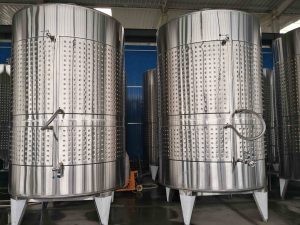
Conclusion
The journey through the world of the stainless steel fermenter for wine reveals it to be an indispensable tool for modern winemaking, offering a blend of precision, hygiene, and durability that is unmatched by other materials. From its inert nature that preserves the true character of the grape to its superior temperature control capabilities that dictate fermentation kinetics, every aspect of a well-engineered stainless steel fermenter contributes to the creation of exceptional wines.
We’ve explored the compelling reasons why winemakers globally choose stainless steel – its inertness protecting varietal integrity, its seamless hygiene preventing spoilage, its remarkable durability offering a long-term investment, and its unparalleled capacity for precise temperature management. Understanding the various types, from versatile conicals to specialized rotary tanks, allows winemakers to select vessels perfectly suited to their specific production methodologies and wine styles. Moreover, recognizing the key features – such as material grade, jacketed cooling, manway design, and CIP compatibility – empowers intelligent purchasing decisions, ensuring that every feature supports optimal winemaking and efficient operation.
Proper maintenance, though often seen as routine, is foundational to maximizing the lifespan and performance of these sophisticated vessels. Diligent cleaning, sanitization, and regular inspection of components are critical not only for equipment longevity but, more importantly, for safeguarding the purity and quality of the wine itself.
At SKE, we embody this understanding, offering a comprehensive range of stainless steel fermenter for wine solutions that are defined by customization, uncompromising quality, advanced technology, and a deep commitment to client success. Our expertise ensures that each fermenter isn’t just a container, but a precision instrument designed to help winemakers achieve their artistic and commercial aspirations. As the wine industry continues to evolve, the adaptability and reliability of stainless steel fermenters, particularly those crafted with SKE’s meticulous attention to detail, will remain a cornerstone of quality winemaking. Choose effectively, maintain diligently, and let your stainless steel fermenter be the foundation for your next award-winning vintage.
Frequently Asked Questions about Stainless Steel Fermenters for Wine
What are the main advantages of using a stainless steel fermenter for wine over oak barrels?
Stainless steel fermenters offer several key advantages over oak barrels, primarily their inertness, which means they impart no flavor to the wine, allowing the true varietal character to shine. They are also significantly easier to clean and sanitize, drastically reducing the risk of microbial spoilage. Furthermore, stainless steel provides superior temperature control capabilities through cooling jackets, enhancing fermentation management, and boasts exceptional durability and longevity compared to oak, which requires periodic replacement.
Is 304 or 316 stainless steel better for a wine fermenter?
For most winemaking applications, 304 stainless steel is the industry standard and perfectly suitable due to its excellent corrosion resistance and hygienic properties. However, 316 stainless steel, with the addition of molybdenum, offers superior resistance to pitting and crevice corrosion, making it a better choice for highly acidic wines, situations requiring more aggressive cleaning chemicals, or for extremely long-term storage where maximum corrosion protection is desired. SKE offers both grades depending on specific client needs and applications.
How do I properly clean and sanitize my stainless steel fermenter?
Proper cleaning and sanitization involve several steps. First, rinse thoroughly with cold water to remove gross solids. Next, use an alkaline cleaning agent (e.g., caustic soda) to remove organic residues, optionally followed by an acid wash to remove tartrate and mineral deposits. After thorough rinsing, sanitize using an approved agent like peracetic acid (PAA) to eliminate microorganisms. Always ensure all surfaces, including valves and gaskets, are exposed to cleaning and sanitizing solutions. Regular inspection of gaskets and proactive replacements are also crucial for maintaining a sterile environment.
Can a single stainless steel fermenter be used for different types of wine?
Yes, one of the key benefits of a stainless steel fermenter for wine is its versatility. With proper cleaning and sanitization, a single tank can be used for different types of wine (red, white, rosé). However, winemakers often choose different tank configurations or dedicated tanks for specific wine styles (e.g., conical for red wine fermentation due to lees management, closed-top for white wine fermentation to minimize oxygen). Variable capacity tanks are particularly flexible, allowing for different batch sizes without exposure to air.
What features should I prioritize in a stainless steel fermenter for small-scale winemaking?
For small-scale winemaking, prioritize ease of cleaning and temperature control. A conical design with an accessible bottom drain and a large manway simplifies management. An integrated cooling jacket is highly beneficial for quality control. Features like a sample valve and a clear sight glass can also be very useful without adding excessive complexity or cost. SKE offers scalable solutions, ensuring small producers also have access to high-quality, efficient fermenters.
Ready to Elevate Your Winemaking?
Discover SKE’s premium range of stainless steel fermenters designed for precision, durability, and superior wine quality.
Connect with us:
Facebook |
Email: info@skeequipment.com
Or, fill out the contact form at the bottom of our website to discuss your specific needs and receive a tailored quote.