
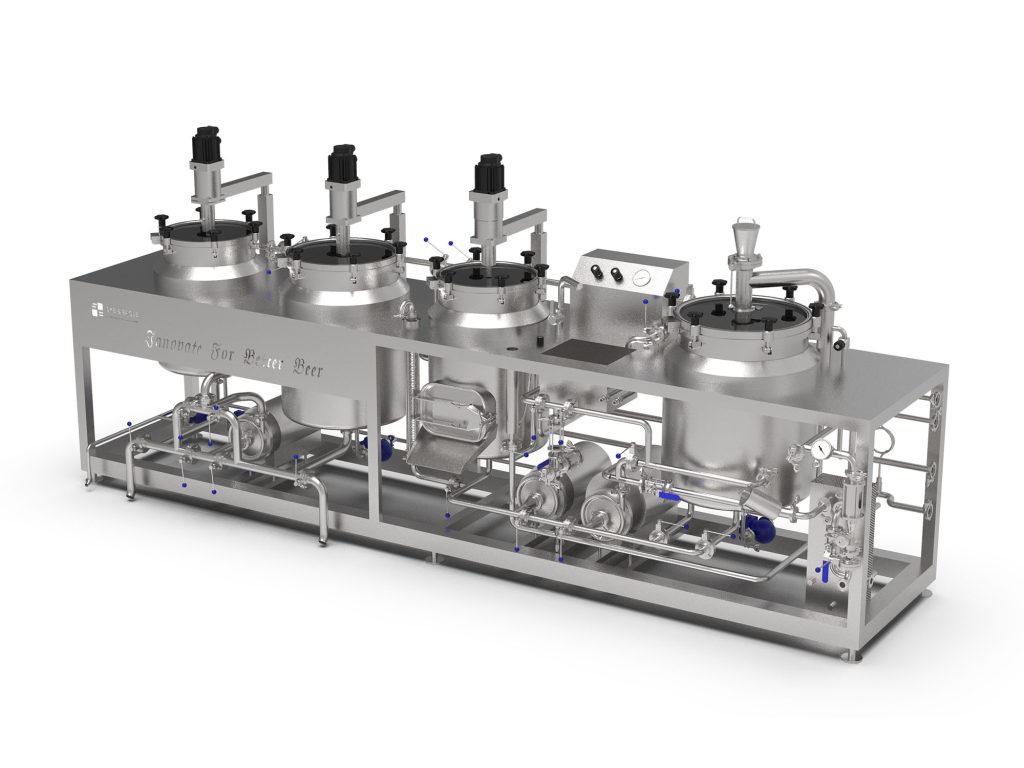
Introduction to Stainless Steel Mixing Containers
Introduction to Stainless Steel Mixing Containers
In countless industrial processes, efficient and hygienic mixing is paramount. From food and beverage production to pharmaceuticals, cosmetics, and chemical manufacturing, the integrity of the product often hinges on the quality of its mixing. This is where the stainless steel mixing container plays a pivotal role. These containers are not just simple vessels; they are precision-engineered tools designed to facilitate homogenization, dissolution, dispersion, and chemical reactions under controlled conditions. The choice of material for these containers is critical, with stainless steel emerging as the undisputed champion due to its exceptional properties.
A high-quality stainless steel mixing container ensures product purity, prevents contamination, and withstands harsh processing environments. The demand for these robust containers is consistently high across diverse sectors, driven by increasingly stringent regulatory standards and the need for operational efficiency. Understanding the various types, their applications, and the critical factors in selecting the right one is essential for any business aiming for optimal production outcomes. This comprehensive guide will delve deep into the world of stainless steel mixing vessels, offering insights into their benefits, applications, and how to make an informed choice for your specific needs.
The versatility of a stainless steel mixing container allows it to be customized with various agitator types, heating/cooling jackets, discharge valves, and integrated controls, making it a central component in complex processing lines. Whether it’s a small batch laboratory setup or a large-scale industrial reactor, the principles of effective mixing remain the same, relying heavily on the container’s design and material properties. The focus throughout this article will remain steadfast on the practical aspects and technical considerations that influence the performance and longevity of these indispensable industrial assets.
Why Stainless Steel for Mixing Containers? The Unmatched Benefits
The ubiquity of the stainless steel mixing container in industrial settings is no accident. Stainless steel possesses a unique combination of properties that make it an ideal material for applications requiring cleanliness, durability, and corrosion resistance. Let’s explore the key advantages that set stainless steel apart:
- Corrosion Resistance: This is arguably stainless steel’s most celebrated attribute. The presence of chromium forms a passive oxide layer on the surface, which self-repairs in the presence of oxygen, protecting the underlying metal from rust and chemical attack. This is crucial when processing acidic, alkaline, or otherwise corrosive substances, ensuring the longevity of the stainless steel mixing container and preventing product degradation. Different grades, like 304 and 316, offer varying levels of resistance, with 316 being preferred for highly corrosive environments due to its molybdenum content.
- Hygienic Properties: Stainless steel boasts a non-porous surface that is inherently smooth and easy to clean. This characteristic prevents the accumulation of bacteria, fungi, and other microorganisms, making it perfect for industries with strict sanitation requirements such as food, pharmaceutical, and biotech. A well-designed stainless steel mixing container with polished internal surfaces significantly reduces the risk of cross-contamination and facilitates efficient CIP (Clean-in-Place) and SIP (Sterilize-in-Place) procedures.
- Durability and Strength: Stainless steel is a remarkably strong and robust material, capable of withstanding high pressures, temperatures, and mechanical stresses often encountered during industrial mixing. This inherent strength contributes to a longer lifespan for the stainless steel mixing container, reducing the need for frequent replacements and lowering overall operational costs. Its resistance to impact and abrasion also makes it suitable for demanding production environments.
- Temperature Stability: Many mixing processes require precise temperature control, involving heating or cooling the product. Stainless steel exhibits excellent thermal conductivity and stability, allowing for efficient heat transfer through jackets or coils integrated into the container walls. This property ensures even temperature distribution within the stainless steel mixing container, critical for maintaining product quality and enabling specific chemical reactions.
- Aesthetic Appeal: While often a secondary consideration in industrial applications, the clean, professional appearance of stainless steel is an added benefit. It projects an image of quality and hygiene, which can be advantageous in facilities where open tours or public perception are relevant.
- Recyclability: In an era of increasing environmental consciousness, stainless steel is 100% recyclable without any degradation in quality. This makes the stainless steel mixing container an environmentally responsible choice, aligning with sustainability goals.
Considering these profound advantages, it’s clear why stainless steel remains the preferred material for high-performance mixing solutions. Companies like SKE, specializing in advanced process equipment, leverage these material benefits to engineer superior mixing tanks that meet the rigorous demands of modern industries. Understanding these benefits is the first step in appreciating the value a quality stainless steel mixing container brings to your operations.
Types and Applications of Stainless Steel Mixing Containers
The world of stainless steel mixing containers is diverse, with various designs tailored to specific material properties and process requirements. From simple storage to complex multi-stage reactions, there’s a stainless steel vessel designed for almost every task. Let’s explore some common types and their widespread applications:
Common Types of Stainless Steel Mixing Containers:
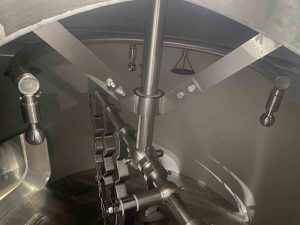
- Standard Mixing Tanks: These are the most common type, featuring a cylindrical vessel, often with a dished or conical bottom for efficient discharge. They come equipped with various agitators (propellers, turbines, anchors, high-shear mixers) chosen based on the viscosity and desired mixing intensity of the product. They can be open-top or closed, depending on aeration requirements and hazardous material handling.
- High-Shear Mixers/Homogenizers: When fine dispersion, emulsification, or deagglomeration is needed, a stainless steel mixing container fitted with a high-shear mixer is indispensable. These
mixers create intense localized shear zones, rapidly breaking down particles or immiscible liquids. Industries like cosmetics, pharmaceuticals, and paints heavily rely on these for creating stable emulsions and smooth product textures. - Reactor Tanks: More than just mixers, reactor tanks are designed to facilitate chemical reactions under controlled conditions of temperature, pressure, and agitation. They often feature robust heating/cooling jackets, pressure relief valves, and sophisticated control systems. SKE’s expertise in engineering reactor tanks ensures safe and efficient chemical processing. A prime example would be a stainless steel mixing container used for polymerization or fermentation.
- Fermenters/Bioreactors: Specialized for biological processes, these containers provide a sterile environment for the growth of microorganisms (yeast, bacteria, cell cultures). They include features like spargers for gas introduction, probes for pH and DO (dissolved oxygen) monitoring, and meticulous temperature control. This type of stainless steel mixing container is central to biotech, brewing, and pharmaceutical industries.
- Vacuum Mixing Tanks: For products sensitive to air, prone to oxidation, or requiring degassing, vacuum mixing tanks are essential. These containers can operate under vacuum, removing air bubbles and improving product quality, especially in adhesive, sealant, and certain food applications.
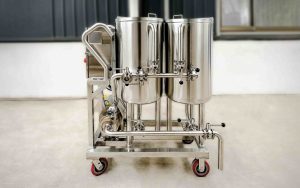
- Portable/Mobile Mixing Containers: Smaller versions, often on wheels, provide flexibility for transferring mixed batches between different processing stations or for small-scale production. They maintain the same hygienic standards but offer greater maneuverability.

Applications Across Industries:
- Food & Beverage: Blending ingredients for sauces, beverages, dairy products, and confectionaries. Ensuring consistent texture and flavor in every batch.
- Pharmaceuticals: Mixing active pharmaceutical ingredients (APIs), excipients, and preparing solutions, suspensions, and emulsions under stringent sterile conditions. The precision of a stainless steel mixing container is critical here.
- Cosmetics & Personal Care: Creating creams, lotions, shampoos, and make-up, often requiring delicate blending and homogenization to achieve desired textures and stability.
- Chemical Processing: Dissolving solids, blending liquids, facilitating chemical reactions, and preparing formulations for paints, coatings, adhesives, and cleaning agents.
- Biotechnology: Cultivating cells, fermenting, and preparing culture media in bioreactors, where precise control over the environment within the stainless steel mixing container is paramount.
- Water Treatment: Mixing flocculants, coagulants, and other chemicals for municipal and industrial water purification processes.
Each application demands a specific configuration and grade of stainless steel mixing container, highlighting the importance of tailored design and engineering. SKE excels in this area, offering customized solutions that integrate seamlessly into complex production lines, ensuring optimal performance and product quality.
Key Selection Criteria for Stainless Steel Mixing Containers
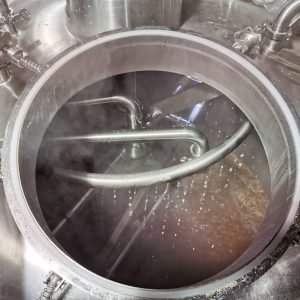
Choosing the right stainless steel mixing container is a critical decision that impacts process efficiency, product quality, and operational costs. A methodical approach, considering several key factors, is essential to ensure you select a vessel perfectly suited to your needs. Here are the primary criteria to evaluate:
1. Material Grade of Stainless Steel:
- 304/304L Stainless Steel: Commonly used for general applications like food handling, dairy, and beverages. Offers good corrosion resistance and is cost-effective. The ‘L’ denotes low carbon, which improves weldability and reduces carbide precipitation during welding, enhancing corrosion resistance in welded areas.
- 316/316L Stainless Steel: Superior corrosion resistance due to the addition of molybdenum. Ideal for highly corrosive environments, acidic or chloride-containing products (e.g., saltwater, some pharmaceuticals, certain chemicals). It’s the preferred choice for pharmaceutical and many chemical applications where purity and resistance to pitting are paramount.
- Other Grades: Specialized grades like Duplex stainless steels (e.g., 2205, 2507) offer even higher strength and corrosion resistance for extremely demanding conditions, though they are less common for general mixing applications.
2. Capacity and Dimensions:
- Batch Volume: Determine the maximum and minimum batch sizes your process requires. The stainless steel mixing container should accommodate these volumes while allowing for proper head space (ullage) to prevent splashing and allow for foaming.
- Footprint and Height: Consider available floor space and ceiling height in your facility. Ensure the container can be easily integrated into existing lines, allowing for maintenance and access.
3. Agitator Type and Design:
The agitator is the heart of the stainless steel mixing container. Its selection depends on the rheology of the product and the desired mixing outcome:
- Propeller Agitators: High-speed, low-viscosity applications (e.g., dissolving powders, simple blending).
- Turbine Agitators: Medium to high-speed, for dispersion, emulsification, and suspension. Different blade types (flat, pitched, radial) offer varied flow patterns.
- Anchor/Scraper Agitators: For high-viscosity products, ensures uniform heat transfer and prevents material build-up on walls. Often combined with other agitators.
- High-Shear Mixers: For emulsification, homogenization, and fine dispersion.
- Helical Ribbon/Screw Agitators: Extremely high-viscosity materials, ensuring gentle yet thorough mixing.
- Magnetic Stirrers: For smaller volumes or sterile applications where direct contact with a shaft is undesirable.
SKE offers a range of agitator designs for mixing tanks, ensuring optimal performance for specific processes.
4. Temperature Control (Heating/Cooling):
- Jacketed Containers: Most stainless steel mixing containers integrate jackets (dimpled, half-pipe, plain) for efficient heating or cooling. Determine the required temperature range and heat transfer rate.
- Internal Coils: For very high heat transfer demands or specific applications.
- Insulation: Essential for maintaining temperatures, energy efficiency, and operator safety.
5. Pressure and Vacuum Rating:
- If your process involves pressure, vacuum, or both, the stainless steel mixing container must be ASME certified or comply with relevant industry standards. This ensures safety and structural integrity.
6. Surface Finish:
- Internal Finish: Determines ease of cleaning and hygiene. Ra (roughness average) values are critical for pharmaceutical (often <0.4 µm Ra) and food-grade applications. Electropolishing can enhance corrosion resistance and cleanability.
- External Finish: Typically less critical, but influences aesthetics and external corrosion resistance.

7. Discharge and Inlet Ports:
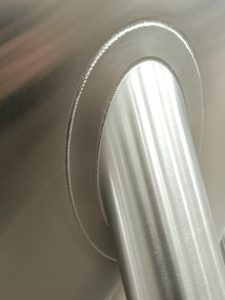
- Consider the type, size, and location of inlets for raw materials and outlets for finished products. Bottom outlets (flush-mounted or angle seat valves) are common for complete drainage.
8. Instrumentation and Controls:
- Level sensors, temperature probes, pressure transducers, pH meters, weighing systems, and integrated control panels (PLCs) can enhance process automation and monitoring.
9. Compliance and Certifications:
- Ensure the stainless steel mixing container meets relevant industry standards like FDA, GMP, CE, PED, ASME, and local regulatory requirements. This is especially crucial for pharmaceutical and food sectors.
By carefully evaluating these criteria, you can confidently select a stainless steel mixing container that not only meets your current production needs but also offers long-term reliability and efficiency. SKE provides expert consultation to guide clients through this selection process, ensuring every detail is accounted for.
Maintenance and Longevity of Stainless Steel Mixing Containers
A significant investment, a stainless steel mixing container, delivers optimal performance and extends its operational life through consistent and proper maintenance. While stainless steel is renowned for its durability and corrosion resistance, it is not entirely maintenance-free. Proactive care ensures hygienic integrity, prevents costly downtime, and safeguards product quality. Here’s a comprehensive look at maintenance best practices:
Routine Cleaning and Sanitization:
The non-porous surface of a stainless steel mixing container greatly aids in cleaning. However, the specific cleaning protocols depend heavily on the processed materials and industry regulations:
- For Food & Beverage/Pharmaceuticals: Strict CIP (Clean-in-Place) and SIP (Sterilize-in-Place) systems are often integrated. These automated systems use a sequence of washes (water, detergents, sanitizers, acids/alkalis) and rinses, recirculated through spray balls and nozzles within the stainless steel mixing container. Validation of cleaning procedures is critical.

- For Chemical/Industrial Applications: Cleaning frequency and agents will depend on the chemical compatibility and potential for residue build-up. Mechanical scrubbing might be necessary for stubborn deposits, followed by thorough rinsing.
- Neutral pH Cleaners: Always use cleaning agents compatible with stainless steel. Avoid harsh abrasives, chlorine-based cleaners (e.g., bleach), or steel wool, as these can cause pitting, discoloration, or introduce iron contamination, compromising the passive layer of the stainless steel mixing container.
- Regular Inspection: After cleaning, inspect the internal surfaces for any signs of pitting, discoloration, or surface roughness. Address these issues promptly.
Preventative Maintenance for Mechanical Components:
Beyond the vessel itself, the mechanical components of the stainless steel mixing container, particularly the agitator system, require regular attention:
- Agitator Shaft & Blades: Check for wear, corrosion, or damage. Ensure all connections are secure. Replace worn seal rings, gaskets, and O-rings to prevent leaks and maintain hygiene.
- Bearings and Gearboxes: Lubricate bearings and inspect gearboxes according to manufacturer specifications. Listen for unusual noises that could indicate wear.
- Seals (Mechanical Seals, Gland Packing): These are critical for preventing product leakage and external contamination. Regularly inspect for wear and replace as needed. Proper installation is key to their effectiveness.
- Motors: Check motor performance, temperature, and electrical connections. Ensure proper ventilation.
- Valves and Fittings: Inspect discharge valves, sample valves, and inlet fittings for proper sealing and operation. Replace worn components.
- Instrumentation: Calibrate temperature sensors, pressure gauges, level sensors, and pH probes regularly to ensure accurate readings and process control.
Surface Passivation:
Over time, especially after welding, extensive cleaning, or exposure to aggressive chemicals, the passive chromium oxide layer on the surface of the stainless steel mixing container can be compromised. Passivation is a chemical treatment that restores and enhances this protective layer, improving corrosion resistance. This is particularly important for 316L stainless steel vessels in pharmaceutical and high-purity applications, where long-term integrity is paramount.
Storage and Handling:
Even when not in use, a stainless steel mixing container should be stored properly. Ensure it’s clean, dry, and protected from environmental contaminants. Avoid contact with carbon steel tools or surfaces, which can lead to “”rouge”” (iron contamination resembling rust).
Documentation:
Maintain detailed logs of all maintenance activities, including cleaning schedules, inspections, repairs, and part replacements. This documentation is vital for regulatory compliance (e.g., GMP) and for tracking the performance and history of your stainless steel mixing container assets.
By adhering to a comprehensive maintenance program, businesses can significantly prolong the life of their stainless steel mixing container, ensuring reliable operation, consistent product quality, and a strong return on investment. SKE supports its clients not only with high-quality equipment but also with guidance on best practices for maintenance and operational longevity.
SKE’s Expertise in Stainless Steel Mixing Solutions
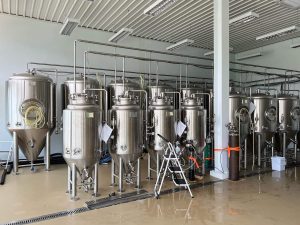
At SKE, we understand that a stainless steel mixing container is more than just a tank; it’s a critical component at the heart of your production process. With decades of experience in designing, engineering, and manufacturing advanced processing equipment, SKE stands as a leading provider of high-quality stainless steel mixing solutions tailored to a diverse range of industries. Our commitment to excellence, innovation, and customer satisfaction sets us apart.
We pride ourselves on our deep understanding of the unique challenges and stringent requirements faced by sectors such as pharmaceuticals, biotechnology, food and beverage, cosmetics, and speciality chemicals. This understanding allows us to deliver technologically superior and highly reliable stainless steel mixing container systems that exceed industry standards.
Our Approach to Engineering Superior Mixing Containers:
- Customization and Precision: We don’t believe in one-size-fits-all solutions. Every stainless steel mixing container from SKE is engineered to specific client requirements, considering factors like product viscosity, desired mixing intensity, temperature control needs, pressure ratings, and facility constraints. Our design process involves detailed consultations to ensure every aspect aligns with your operational goals.
- Uncompromising Material Quality: We exclusively use certified, high-grade stainless steel (304L, 316L, and specialized alloys) sourced from trusted suppliers. This ensures that every stainless steel mixing container we produce offers unparalleled corrosion resistance, hygienic properties, and structural integrity, crucial for demanding applications.
- Advanced Agitator Technologies: The effectiveness of a mixing container lies largely in its agitator. SKE integrates a wide array of advanced agitator designs – from high-shear mixers and turbine agitators to anchor and helical ribbon types – to achieve optimal mixing efficiency for any product rheology. Our engineers carefully select and size agitators to minimize mixing times and maximize homogeneity.
- Integrated Heating, Cooling, and Controls: Our stainless steel mixing container systems often incorporate state-of-the-art temperature control jackets (dimpled, half-pipe) and highly accurate instrumentation and control systems (PLCs, HMI). This allows for precise process control, ensuring consistent product quality batch after batch.
- Hygienic Design and Finish: SKE’s vessels are designed following strict hygienic principles. Internal surfaces are polished to appropriate Ra values (e.g., <0.4 µm Ra for pharmaceutical grades) and can be electropolished for enhanced cleanability and corrosion resistance. Our designs facilitate efficient CIP and SIP systems, minimizing downtime and human intervention.
- Compliance and Certification: We ensure all our stainless steel mixing container products adhere to relevant international standards and certifications, including ASME, PED, CE, FDA, and GMP guidelines. This commitment provides our clients with peace of mind regarding safety, quality, and regulatory compliance.
- Comprehensive Support: Beyond manufacturing, SKE offers holistic support, from initial concept development and detailed engineering to fabrication, installation, commissioning, and ongoing after-sales service. Our team of experts is dedicated to ensuring the smooth operation and longevity of your SKE equipment.
Whether you require a small laboratory-scale mixing vessel or a large-capacity industrial reactor, SKE has the expertise and resources to deliver a superior stainless steel mixing container solution. Partner with SKE to elevate your mixing processes and achieve new benchmarks in product quality and operational efficiency.
Frequently Asked Questions about Stainless Steel Mixing Containers
What are the primary advantages of using a stainless steel mixing container over other materials?
Stainless steel mixing containers offer superior corrosion resistance, exceptional hygiene due to their non-porous and easy-to-clean surface, high durability and strength, and excellent temperature stability. These properties prevent product contamination, withstand harsh conditions, and ensure a long operational lifespan, making them ideal for sensitive industries like food, pharma, and chemicals.
Which grade of stainless steel is best for a mixing container in pharmaceutical applications?
For most pharmaceutical applications, 316L stainless steel is highly recommended. The “”L”” denotes low carbon, which improves weldability, and the added molybdenum in 316 provides superior resistance to pitting and crevice corrosion, crucial for maintaining product purity and sterility in pharmaceutical processes. SKE commonly uses 316L for its pharmaceutical-grade mixing tanks.
How do I choose the correct agitator for my stainless steel mixing container?
The correct agitator depends on product viscosity, desired mixing intensity (e.g., blending, dissolution, emulsification), and batch volume. Propellers are for low viscosity, turbines for dispersion, anchors/scrapers for high viscosity, and high-shear mixers for homogenization. It’s best to consult with experts like SKE’s engineers, who can recommend the optimal agitator design for your specific process requirements.
What maintenance is required for a stainless steel mixing container?
Maintenance for a stainless steel mixing container involves routine cleaning (often via CIP/SIP systems), regular inspection for wear or damage, proper lubrication of mechanical components like bearings and gearboxes, and periodic replacement of seals and gaskets. Surface passivation may also be needed to restore corrosion resistance, especially after welding. Avoid chlorine-based cleaners to prevent surface damage.
Need a Custom Stainless Steel Mixing Container for Your Operations?
SKE specializes in providing high-quality, customized stainless steel mixing solutions, expertly engineered for various industrial applications. From initial design to final installation, we ensure your specific needs are met with precision and efficiency.
Connect with us on social media or reach out directly:
Facebook |
Email: info@skeequipment.com
Ready to discuss your project? Fill out the contact form at the bottom of the page to get started!