Introduction to Stainless Steel Mixing Tanks
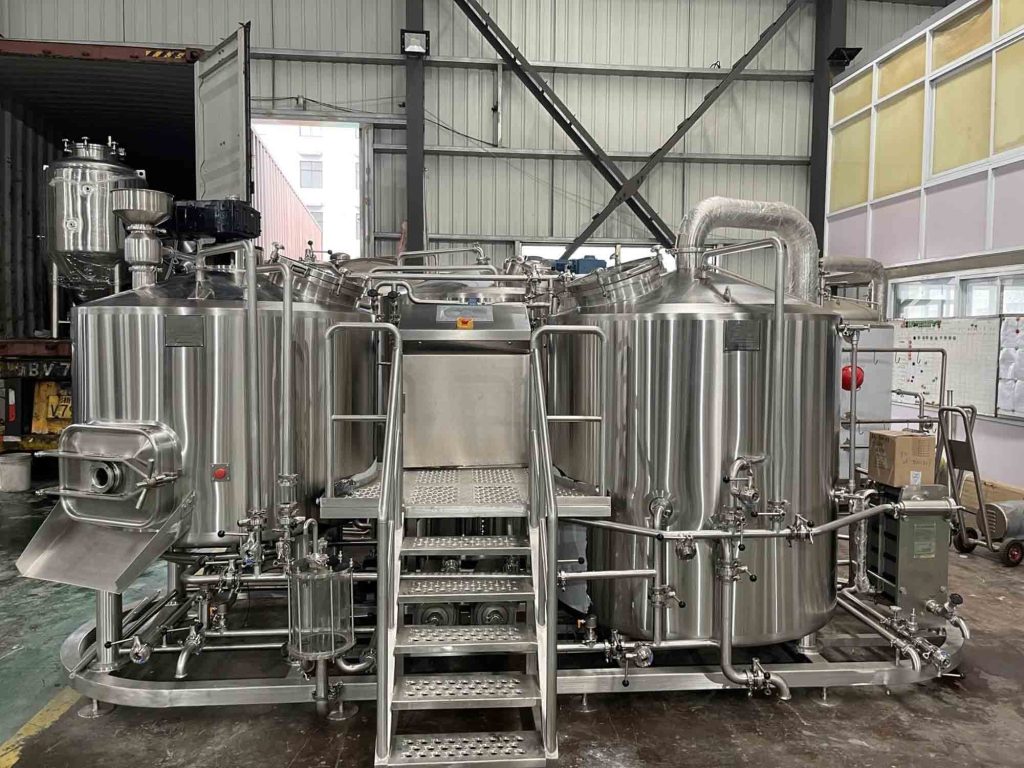
Stainless steel mixing tanks are indispensable equipment across a vast array of industries, acting as the heart of many processing operations. From pharmaceuticals to food and beverage, chemicals, cosmetics, and beyond, these tanks are crucial for blending, agitating, dissolving, and homogenizing various substances. Their robust construction and hygienic properties make them the ideal choice for applications where purity, corrosion resistance, and specific mixing outcomes are paramount. The demand for reliable and efficient mixing solutions has continually driven advancements in the design and engineering of stainless steel mixing tanks.
At their core, stainless steel mixing tanks consist of a vessel, typically cylindrical, equipped with an agitation system. This system can vary widely, from simple propeller mixers to complex high-shear homogenizers, all designed to achieve specific mixing objectives. The material of construction, stainless steel, offers unparalleled advantages, distinguishing these tanks from alternatives made from plastics or lower-grade metals. Understanding the intricate details of these tanks, including their material composition, design variations, and operational principles, is essential for any industry looking to optimize its production processes. The versatility of stainless steel allows for custom fabrication to meet precise operational demands, ensuring that each tank performs optimally for its intended use.
The journey into the world of stainless steel mixing tanks begins with recognizing their fundamental role in ensuring product quality and process efficiency. Whether it’s the gentle blending of delicate ingredients or the intensive dispersion of powders into liquids, the right mixing tank can significantly impact the final product. SKE offers a diverse range of stainless steel solutions designed to meet the rigorous demands of modern industrial processing. Our commitment to quality and innovation ensures that our equipment, including our advanced flash pasteurization systems, are built to the highest standards, promising reliability and superior performance. Investing in high-quality stainless steel mixing tanks is a strategic decision that pays dividends in terms of operational longevity, reduced downtime, and consistent product output.
Further exploration reveals that the choice of stainless steel grade, surface finish, and agitation mechanism are critical factors. For instance, 304 and 316L stainless steel are common choices, with 316L offering enhanced corrosion resistance, especially in environments involving chlorides or more aggressive chemicals. The design of the agitator, whether it’s a paddle, turbine, anchor, or high-shear rotor-stator, dictates the flow pattern and shear forces within the tank, directly influencing the mixing efficiency and product characteristics. This foundational understanding is key to unlocking the full potential of these essential pieces of equipment, ensuring they contribute effectively to the overall manufacturing workflow.
Key Benefits of Stainless Steel in Mixing Tanks
The choice of material for mixing tanks is paramount, and stainless steel consistently emerges as the superior option due to its unique combination of properties. When evaluating materials for tanks that will hold potentially corrosive, sensitive, or high-value products, the advantages of stainless steel become unequivocally clear. Its inherent characteristics contribute significantly to both operational efficiency and product integrity, making stainless steel mixing tanks a foundational component in numerous industrial settings.
One of the most significant benefits is its exceptional corrosion resistance. Stainless steel forms a passive chromium oxide layer on its surface that self-heals, protecting the underlying metal from rust and corrosion. This resistance is crucial in environments where tanks are exposed to acids, alkalis, saline solutions, or other aggressive chemicals. For industries such as chemical processing or wastewater treatment, this property ensures the longevity of the equipment and prevents contamination of the product. The specific grade of stainless steel, such as 304 or 316L, is selected based on the corrosiveness of the substances it will contain, with 316L offering superior resistance to pitting corrosion in chloride-rich environments.
Another critical advantage, especially in food, beverage, and pharmaceutical industries, is the hygienic property of stainless steel. Its non-porous surface makes it incredibly easy to clean and sanitize. This smooth finish prevents bacteria and other microorganisms from adhering and growing, which is vital for maintaining product purity and preventing cross-contamination. Compliance with stringent regulatory standards, such as those set by the FDA and USDA, is significantly easier to achieve with stainless steel mixing tanks, ensuring consumer safety and product quality. The ability to undergo rigorous Clean-in-Place (CIP) and Sterilize-in-Place (SIP) procedures without degradation is a testament to its hygienic superiority.
Durability and strength are further hallmarks of stainless steel. These tanks are designed to withstand high pressures, temperatures, and mechanical stresses associated with continuous industrial operation. Their robust construction means they are less prone to damage, leakage, or structural fatigue, translating into a longer service life and reduced maintenance costs. This resilience makes them a cost-effective choice in the long run, minimizing the need for frequent replacements or extensive repairs. Furthermore, stainless steel is a sustainable choice, being 100% recyclable at the end of its long operational life, aligning with growing industry demands for environmentally responsible practices.
Temperature control is often a key requirement in mixing processes, and stainless steel excels here as well. Its excellent thermal conductivity allows for efficient heating or cooling of tank contents, which is critical for reactions, pasteurization, or maintaining product viscosity. Many stainless steel mixing tanks are equipped with jackets or coils for precise temperature management, ensuring optimal conditions for processing. Leveraging SKE’s expertise, we ensure that our industrial heat exchanger designs are perfectly integrated into our tanks, providing superior temperature control. This versatility and robust performance underscore why stainless steel remains the material of choice for demanding mixing applications.

Choosing the Right Stainless Steel Mixing Tank
Selecting the appropriate stainless steel mixing tank is a critical decision that directly impacts operational efficiency, product quality, and long-term cost-effectiveness. A comprehensive evaluation of several key factors is essential to ensure that the chosen tank perfectly matches the specific requirements of your industrial process. Missteps in this selection can lead to inefficiencies, product degradation, or unnecessary operational expenses. Therefore, a methodical approach is paramount, taking into account both the immediate needs and potential future expansion.
The first and most crucial factor is the material to be processed. You must consider its physical and chemical properties, including viscosity, density, corrosiveness, abrasiveness, and temperature sensitivity. For instance, highly corrosive chemicals will necessitate higher-grade stainless steel like 316L, possibly with specialized internal coatings. High-viscosity liquids will require power-intensive agitators like anchor or helical ribbon types, while low-viscosity fluids might only need simple propellers or turbines. The nature of the material also dictates the surface finish requirements; for pharmaceutical or food products, a highly polished, sanitary finish is mandatory to prevent bacterial adhesion and facilitate cleaning. SKE’s expertise in material science ensures the optimal stainless steel grade is selected for your specific application, maximizing both performance and longevity.
Next, define the desired mixing outcome. Are you aiming for simple blending, homogeneous suspension, particle dispersion, emulsification, or dissolution? Each objective requires a different type of agitation. For example, gentle blending might use paddle agitators, while intense emulsification requires high-shear rotor-stator mixers. The tank’s baffling and bottom design also play a role in optimizing flow patterns for uniform mixing. Understanding the necessary shear, flow patterns, and turnover rates is vital for selecting the correct agitator design and motor power.
Tank capacity and dimensions are also critical considerations. Determine the required working volume based on batch size and production throughput. Account for headspace to prevent spills during agitation. Physical space constraints within your facility will also influence the tank’s diameter and height. SKE offers custom fabrication services, allowing for tanks to be designed and built to precise spatial and volumetric specifications, ensuring seamless integration into existing production lines. This bespoke approach minimizes installation challenges and optimizes floor space utilization.
Consider operating conditions such as temperature, pressure, and vacuum requirements. If your process involves heating or cooling, a jacketed tank (half-pipe, dimple, or standard) will be necessary. Reactions under pressure or vacuum demand specifically designed and certified pressure vessels. The steam and condensate systems provided by SKE for industrial heating solutions are engineered for precise temperature control, ensuring optimal process conditions within your industrial heating systems.
Finally, consider regulatory compliance and cleaning protocols. Industries like food and beverage, pharmaceutical, and biotech have stringent regulations (e.g., FDA, GMP) that dictate design, material, and documentation requirements. Easy cleanability (CIP/SIP compatibility), drainability, and accessibility for inspection are paramount. SKE’s stainless steel mixing tanks are engineered with these standards in mind, featuring sanitary welds, polished interior surfaces, and thoughtful design for thorough cleaning and sanitation, ensuring compliance and peace of mind. By carefully weighing these factors, you can make an informed decision to invest in a stainless steel mixing tank that not only meets your current needs but also supports your future growth and operational excellence.
Maintenance and Longevity of Stainless Steel Mixing Tanks
Ensuring the longevity and optimal performance of stainless steel mixing tanks hinges on a robust and consistent maintenance regimen. While stainless steel is renowned for its durability and corrosion resistance, it is not impervious to neglect or improper care. Proactive maintenance not only extends the lifespan of the equipment but also safeguards product quality, maintains operational efficiency, and significantly reduces the risk of costly downtime and repairs. A well-executed maintenance plan is an investment that yields substantial returns over the life cycle of these critical industrial assets.
Regular Cleaning and Sanitation: This is arguably the most fundamental aspect of maintaining stainless steel mixing tanks, especially in sanitary industries. After each batch or at scheduled intervals, tanks must be thoroughly cleaned to remove all product residues. For sanitary applications, this includes comprehensive Clean-in-Place (CIP) or Sterilize-in-Place (SIP) cycles, which use specific detergents, sanitizers, and temperature profiles. It’s crucial to use cleaning agents compatible with stainless steel to prevent surface damage or corrosion. Avoid abrasive cleaners or harsh chemicals like chlorides in high concentrations, which can compromise the passive layer and lead to pitting. Regular cleaning prevents product build-up, bacterial growth, and potential cross-contamination, maintaining the tank’s hygienic integrity.
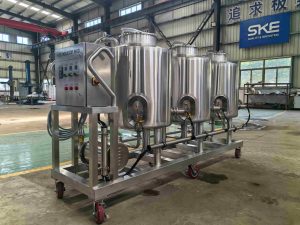
Inspection of Welds and Surfaces: Periodically, the interior and exterior surfaces, especially welds, should be inspected for any signs of corrosion, pitting, cracks, or surface imperfections. Even minor surface damage can compromise the tank’s integrity and provide sites for microbial growth. Particular attention should be paid to areas around agitator shafts, nozzles, and outlets where stress points or crevices might occur. Any signs of rust or discoloration should be addressed promptly, possibly through passivation or localized repair, to prevent further degradation. SKE manufactures tanks with high-quality, sanitary welds to minimize such risks, ensuring smooth, crevice-free surfaces that are easier to maintain.
Agitator and Mechanical Component Checks: The agitator assembly, including the motor, gearbox, shaft, and impellers, requires regular inspection. Check for excessive vibration, unusual noises, leaks from seals, and wear on bearings or impellers. Worn agitator components can lead to inefficient mixing, increased energy consumption, and product shear. Seals and gaskets, being consumable items, should be inspected for deterioration and replaced according to manufacturer recommendations to prevent leaks and maintain hygiene. Proper lubrication of bearings and gearboxes as per the maintenance schedule is also essential for smooth operation and longevity.
Instrumentation and Control System Checks: All connected instruments, such as temperature sensors, pressure gauges, level sensors, and control valves, should be calibrated and checked for accuracy. Malfunctioning instrumentation can lead to incorrect process parameters, affecting product quality and safety. The control system itself should be regularly reviewed for proper functionality and updated as needed. Accurate process control is often the backbone of consistent product quality, especially when integrating with sophisticated systems like those found in flash pasteurization systems.
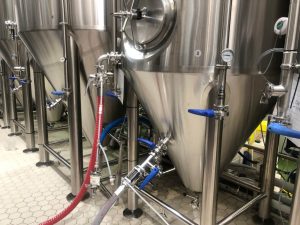
Preventative Maintenance Schedule: Establish and adhere to a strict preventative maintenance (PM) schedule. This typically involves daily, weekly, monthly, quarterly, and annual checks. A comprehensive PM schedule will detail specific tasks, required tools, and responsible personnel. It also includes maintaining detailed records of all maintenance activities, inspections, and repairs. This documentation is invaluable for troubleshooting, identifying recurring issues, and demonstrating compliance with regulatory bodies. By adhering to these practices, operators can significantly extend the operational life of their stainless steel mixing tanks, ensuring reliable, efficient, and sanitary production for years to come. SKE provides comprehensive after-sales support and guidance to help our clients implement effective maintenance strategies for their equipment.
Frequently Asked Questions About Stainless Steel Mixing Tanks
What are the primary differences between 304 and 316L stainless steel for mixing tanks?
The primary difference lies in their chemical composition and corrosion resistance. 316L stainless steel contains molybdenum, which significantly enhances its resistance to pitting corrosion, especially in environments with chlorides (e.g., saltwater, certain chemicals, or highly acidic products). 304 stainless steel is a general-purpose grade suitable for a wide range of applications where corrosion is less aggressive. For food, pharmaceutical, and chemical industries handling corrosive substances, 316L is often preferred for its superior durability and hygiene.
How do I choose the correct agitator type for my stainless steel mixing tank?
Choosing the right agitator depends on several factors: the viscosity of your product, the desired mixing intensity (e.g., gentle blending, solid suspension, emulsification), and the tank’s geometry. Propellers are ideal for low-viscosity liquids, while turbines suit a broader range including some solids. Anchor or helical ribbon agitators are best for highly viscous materials. High-shear mixers (rotor-stator) are used for emulsification and dispersion. Consulting with experts, like those at SKE, with detailed information about your product and process, will ensure you select the most efficient agitator for your specific needs.
What are the benefits of a jacketed stainless steel mixing tank?
Jacketed stainless steel mixing tanks provide precise temperature control of the tank’s contents. They have an outer shell through which heating or cooling media (e.g., steam, hot water, chilled water) circulate. This feature is crucial for processes requiring specific temperature profiles, such as reactions, pasteurization, sterilization, melting, or crystallization. It prevents product degradation due to temperature fluctuations and optimizes process efficiency. SKE offers various jacket designs, including dimple and half-pipe, tailored for specific heating/cooling requirements.
How can I ensure the longevity of my stainless steel mixing tank?
To ensure longevity, implement a strict preventative maintenance (PM) schedule. This includes regular and thorough cleaning (using compatible detergents), periodic inspection of welds and surfaces for corrosion or damage, checking agitator mechanics (motor, seals, bearings, impellers), and calibrating instrumentation. Addressing minor issues promptly prevents them from escalating. Proper operational procedures and avoiding harsh, incompatible chemicals are also vital. SKE can provide guidance on best practices for maintaining your specific tank system.
Optimize Your Production with SKE’s Stainless Steel Mixing Tank Solutions
Ready to enhance your mixing processes with high-quality, durable, and efficient stainless steel mixing tanks? SKE offers bespoke solutions tailored to your specific industry and application needs.
Connect with us on social media or reach out directly to learn more about our advanced engineering and comprehensive support.
Follow us on Facebook: SKE Equipment on Facebook
Email us: info@skeequipment.com
For detailed inquiries or custom projects, please fill out the contact form at the bottom of the page, and our experts will be in touch!