Table of Contents:
Introduction to Stainless Steel Screw Conveyors
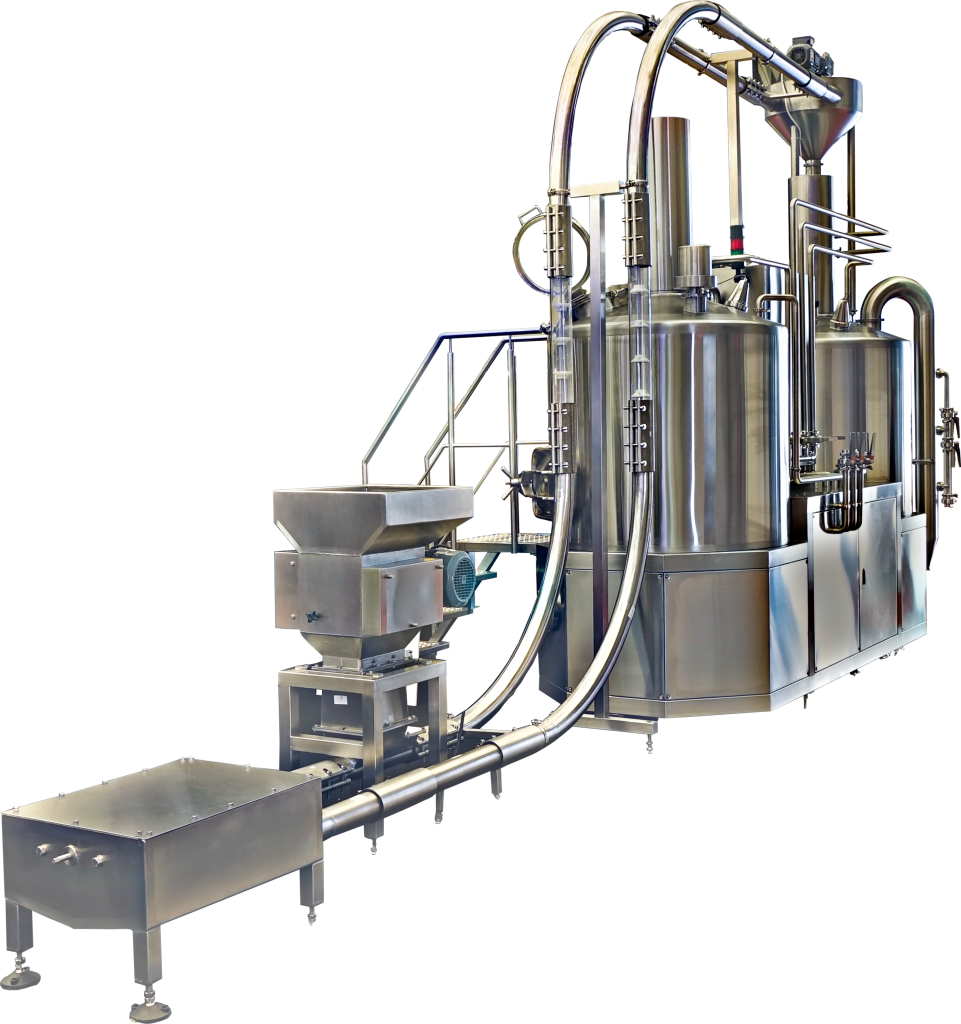
In various industrial sectors, the efficient and safe transfer of bulk materials is paramount. From food processing to pharmaceuticals, chemicals, and wastewater treatment, the demand for robust, hygienic, and reliable material handling solutions is ever-present. Among the myriad of options available, the stainless steel screw conveyor stands out as a workhorse, offering unparalleled advantages in demanding environments. These systems are designed to move a wide array of materials, from powders and granules to flakes and sludges, along a horizontal, inclined, or vertical path using a rotating helical screw blade.
A stainless steel screw conveyor isn’t just a piece of equipment; it’s a critical component in ensuring process integrity, product purity, and operational efficiency. Unlike carbon steel alternatives, stainless steel offers inherent properties that make it ideal for applications where corrosion resistance, sanitation, and ease of cleaning are non-negotiable. Its smooth, non-porous surface prevents material build-up and bacterial growth, making it a staple in industries governed by stringent hygiene regulations.
At SKE, we understand the intricate needs of modern industries. Our commitment to engineering excellence is reflected in our range of material handling solutions, particularly our robust stainless steel screw conveyors. This comprehensive guide will delve deep into the world of these essential machines, exploring their benefits, applications, design considerations, and why opting for a stainless steel solution from a reputable manufacturer like SKE can significantly enhance your operational output and longevity.
The operational principle of a screw conveyor is deceptively simple: a rotating helical flight, or screw, encased within a stationary trough or tube, pushes material along its length. However, the choice of material for this critical component, especially the flighting and trough, profoundly impacts its performance, lifespan, and suitability for specific applications. Stainless steel, in its various grades, offers a spectrum of properties that cater to diverse industrial requirements, from extreme temperatures to highly corrosive substances. This guide aims to equip you with the knowledge to make informed decisions about integrating stainless steel screw conveyors into your operations.
The efficiency of a stainless steel screw conveyor is not solely dependent on its material; it also hinges on meticulous design, precise fabrication, and proper installation. Factors such as flight design (e.g., standard, cut, ribbon, paddle), trough shape (U-shaped or tubular), drive system, and sealing mechanisms all play a crucial role. SKE specializes in tailoring these components to meet the unique challenges of each client, ensuring maximal throughput and minimal downtime. Understanding these nuances is key to appreciating the true value proposition of a well-engineered stainless steel conveying system.
Why Stainless Steel for Conveyor Systems?
The choice of material for industrial equipment is never arbitrary, especially when it comes to conveyor systems. For many applications, stainless steel screw conveyors are not just an option but a necessity. The reasons behind this preference are rooted in the unique properties of stainless steel, which offer significant advantages over other materials like carbon steel or plastics.
- Superior Corrosion Resistance: This is arguably the most significant advantage. Stainless steel’s high chromium content forms a passive layer on its surface, protecting it from rust and corrosion, even when exposed to harsh chemicals, moisture, or saline environments. This makes it ideal for chemical processing, wastewater treatment, and marine applications where other metals would quickly degrade.
- Exceptional Hygiene and Sanitation: In the food, beverage, and pharmaceutical industries, maintaining impeccable hygiene is critical. Stainless steel’s smooth, non-porous surface inhibits bacterial growth and allows for thorough, easy cleaning and sterilization. It doesn’t absorb odors or flavors and resists staining, ensuring product purity and compliance with strict regulatory standards such as FDA and USDA guidelines. This is a primary driver for the widespread adoption of stainless steel screw conveyors in these sensitive sectors.
- Durability and Longevity: Stainless steel boasts high tensile strength and resistance to wear and tear. This inherent robustness translates into a longer operational lifespan for stainless steel screw conveyors, even under continuous heavy-duty use. Reduced need for replacements and repairs leads to lower lifecycle costs and increased operational uptime.
- Temperature Resistance: Stainless steel performs exceptionally well across a broad range of temperatures, from cryogenic to very high heat. This versatility allows stainless steel screw conveyors to be used in processes involving extreme temperature variations without compromising structural integrity or performance.
- Aesthetic Appeal: While often a secondary consideration in industrial settings, the clean, polished look of stainless steel can contribute to a more professional and visually appealing facility, particularly in client-facing or public areas.
- Environmental Benefits: Stainless steel is 100% recyclable, making it an environmentally responsible choice. Its long lifespan also reduces waste generated from premature equipment failure.
When considering investments in material handling, these factors demonstrate why SKE frequently recommends stainless steel screw conveyors for clients who prioritize sustainability, product integrity, and long-term cost-effectiveness. The initial investment might be higher than for carbon steel, but the extended lifespan, reduced maintenance, and compliance benefits often far outweigh the upfront cost, delivering a superior return on investment. Our expertise ensures that you receive a system optimized for your specific operational challenges.
Moreover, different grades of stainless steel (e.g., 304, 316, 316L) offer varying degrees of corrosion resistance and strength, allowing for tailored solutions. For instance, food-grade stainless steel tanks often utilize 304 or 316 grades due to their excellent resistance to food acids and sanitizers. Similarly, in many of our projects, such as those involving the flash pasteurization system, the integration of 316L stainless steel conveyors is crucial for handling processed liquids and maintaining sterility, illustrating the importance of material specificity. This careful selection ensures that every component, including the stainless steel screw conveyor, meets the rigorous demands of the given application.

Key Applications of Stainless Steel Screw Conveyors
The versatility of the stainless steel screw conveyor makes it an indispensable tool across a vast spectrum of industries. Its ability to handle diverse materials, coupled with its inherent resistances, positions it as a preferred conveying method in sectors where product purity, hygiene, and durability are paramount.
- Food and Beverage Industry: This is perhaps the most prominent application. Stainless steel screw conveyors are essential for transporting ingredients such as flour, sugar, spices, grains, coffee beans, and even processed foods. Their ease of cleaning and resistance to corrosion and bacterial growth are critical for meeting stringent food safety regulations (e.g., FDA, HACCP). From conveying whole grains to mixing and packaging operations, these systems ensure hygienic and efficient material flow.
- Pharmaceutical Industry: Similar to food processing, pharmaceutical manufacturing demands absolute sterility and prevention of cross-contamination. Stainless steel screw conveyors, particularly those made from pharmaceutical-grade stainless steel, are utilized for handling active pharmaceutical ingredients (APIs), excipients, and finished dosage forms. Their smooth surfaces and excellent corrosion resistance make them ideal for sterile environments.
- Chemical Processing: Handling corrosive chemicals, powders, and granular materials requires equipment that can withstand aggressive environments. Stainless steel screw conveyors, especially those using higher grades like 316L, offer superior resistance to a wide range of acids and bases, ensuring safe and reliable transport of chemical compounds, fertilizers, and plastics.
- Wastewater Treatment: In municipal and industrial wastewater treatment plants, screw conveyors are vital for moving sludge, screenings, grit, and other waste solids. The corrosive nature of these materials and the constantly wet environment necessitate the use of durable and corrosion-resistant stainless steel screw conveyors to ensure long-term, reliable operation.
- Mining and Minerals: While carbon steel might be used for heavy-duty, less sensitive materials, certain mineral processing applications, especially those involving abrasive or corrosive ores, benefit from the enhanced durability and corrosion resistance of stainless steel screw conveyors. This protects against premature wear and extends equipment life.
- Agriculture: Moving feeds, grains, and biomass, especially in environments where cleanliness is important or corrosive agents are present (e.g., certain fertilizers), calls for the reliability of stainless steel.
Critical Design Features and Customization Options of Stainless Steel Screw Conveyors
While the choice of stainless steel offers inherent advantages, the true performance and efficiency of a stainless steel screw conveyor lie in its design and the ability to customize it for specific operational demands. A generic screw conveyor might move material, but an expertly designed one, like those offered by SKE, optimizes throughput, minimizes wear, and ensures seamless integration into your process.
Key Design Features:
- Flight Design: The helical screw flight is the heart of the conveyor. Different flight types are optimized for various material characteristics.
- Standard Pitch: Most common for free-flowing materials.
- Reduced Pitch: For inclined conveyors or materials that tend to flush.
- Variable Pitch: Creates a mixing action, useful for blending and uniform feed.
- Ribbon Flight: For sticky, viscous, or lumpy materials, preventing material from adhering to the shaft.
- Paddle Flight: Used for mixing, agitating, or breaking up materials.
- Cut Flight: Facilitates aeration and provides a gentle mixing action.
All these variations can be meticulously fabricated from various grades of stainless steel to match the material’s corrosiveness and abrasiveness.
- Trough and Casing: Stainless steel screw conveyors typically come in U-shaped troughs or fully enclosed tubular casings.
- U-Trough: Easier to clean and access, ideal for frequent washdowns and materials that require inspection. Often used in food and pharmaceutical applications.
- Tubular Casing: Provides complete dust and odor containment, crucial for hazardous or volatile materials, or for maintaining sanitary conditions and preventing product contamination from the environment.
The thickness and finish of the stainless steel (e.g., bead blasted, polished) are also critical considerations.
- Shaft and Bearings: The central shaft supports the flights and transfers the rotational energy. Robust shafts, often made of stainless steel, and properly selected bearings (e.g., anti-friction, self-lubricating, or external bearings to avoid contamination) are vital for longevity and reliable operation.
- Seals and Gaskets: For hygienic or hazardous applications, effective sealing at the ends and any intermediate points is paramount. Various types of seals (e.g., packing glands, mechanical seals, air purges) made from compatible materials ensure containment and prevent ingress of contaminants.
- Inlets and Outlets: The design of these ports impacts material flow and prevents bridging or blockage. Customization includes multiple inlets/outlets, slide gates, and diverters.
Customization Options from SKE:
At SKE, we understand that off-the-shelf solutions rarely meet every specific need. Our strength lies in our ability to provide highly customized stainless steel screw conveyors:
- Material Grade Selection: We guide clients in choosing between 304, 316, or specialized stainless steel alloys based on material properties, temperature, and environmental factors.
- Surface Finish: From a rough mill finish to a highly polished (e.g., Ra < 0.8 µm) sanitary finish, we ensure compliance with industry standards.
- Heating/Cooling Jackets: For temperature-sensitive materials, troughs can be fitted with jackets for temperature control during conveying.
- Variable Speed Drives: To precisely control throughput and optimize process efficiency.
- Clean-in-Place (CIP) Systems: Integrated spray balls and nozzles for automated cleaning, particularly important for hygienic stainless steel screw conveyors.
- Special Covers and Grates: For safety, dust control, or foreign object detection.
- Explosion-Proof Design: For handling combustible dusts, ensuring ATEX compliance.
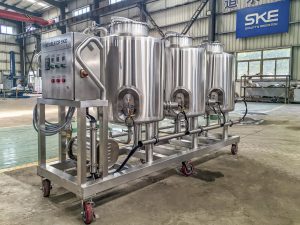
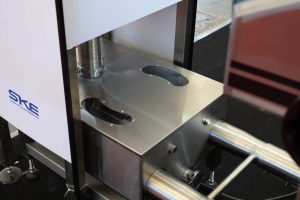
Our engineering team collaborates closely with clients to perform detailed material characteristic analysis and process flow assessments. This meticulous approach ensures that every stainless steel screw conveyor we deliver is not just compliant with industry standards but also optimized for peak performance and long-term reliability in your specific operating environment. This commitment to detail underscores SKE’s position as a leader in industrial material handling solutions.
Operational Benefits and ROI of Stainless Steel Screw Conveyors
Investing in a stainless steel screw conveyor system from SKE is not merely a purchase but a strategic decision that yields significant operational benefits and a compelling return on investment (ROI). Beyond the initial cost, the long-term advantages in terms of efficiency, reduced downtime, and compliance are substantial, making stainless steel the material of choice for many critical applications.
Key Operational Benefits:
- Enhanced Hygiene and Product Purity: For industries like food, pharma, and cosmetics, maintaining product integrity is paramount. Stainless steel’s non-reactive, smooth surface prevents contamination, bacterial growth, and product degradation. This translates into fewer product recalls, reduced waste, and adherence to strict regulatory standards, safeguarding brand reputation and consumer health.
- Reduced Maintenance and Downtime: The inherent durability and corrosion resistance of stainless steel significantly reduce the frequency of maintenance and the likelihood of unexpected breakdowns. Unlike carbon steel, it resists rust, pitting, and material degradation from harsh chemicals or abrasive materials. This leads to higher operational uptime, consistent production flows, and lower long-term maintenance costs.
- Increased Lifespan and Durability: A well-constructed stainless steel screw conveyor is built to last. Its resistance to wear, fatigue, and environmental stressors extends its operational life significantly compared to less robust materials. This longevity means fewer capital expenditures on replacements and a more stable production environment.
- Versatility in Handling Diverse Materials: From fine powders and granules to sticky pastes and corrosive sludges, stainless steel screw conveyors can handle a wide array of bulk materials without compromising performance or structural integrity. This versatility makes them adaptable to evolving production needs.
- Simplified Cleaning Procedures: Especially with polished finishes and features like quick-release mechanisms or CIP (Clean-in-Place) compatibility, cleaning stainless steel screw conveyors is efficient and thorough. This reduces labor costs associated with manual cleaning and ensures faster turnaround times between production batches.
- Compliance with Strict Regulations: For industries governed by agencies like the FDA, USDA, and pharmaceutical regulatory bodies, using stainless steel conveyance systems is often a prerequisite. Investing in compliant equipment mitigates regulatory risks and ensures smooth operations free from legal complications.
Return on Investment (ROI):
The ROI of a stainless steel screw conveyor can be quantified through several factors:
- Lower Total Cost of Ownership (TCO): While the upfront cost may be higher, the extended lifespan, reduced maintenance, and fewer repairs result in a lower TCO over the equipment’s lifetime.
- Improved Product Quality: By preventing contamination and ensuring hygienic handling, the quality and purity of the end product are maintained, leading to better market acceptance and higher profitability.
- Enhanced Operational Efficiency: Reliable material flow and minimal disruptions contribute to consistent production schedules and optimized resource utilization.
- Reduced Waste: Longer equipment life and fewer product losses due to contamination or spoilage directly contribute to lower operational waste.
- Peace of Mind: Knowing your material handling system is robust, hygienic, and compliant allows management to focus on other core business activities rather than constantly addressing equipment issues.
At SKE, we partner with clients to provide detailed cost-benefit analyses, demonstrating how our advanced stainless steel screw conveyors deliver superior value. Our commitment to quality engineering ensures that every system we produce is a long-term asset, securing your investment and enhancing your overall operational performance.
Maintenance and Longevity of Stainless Steel Systems
One of the significant advantages of opting for a stainless steel screw conveyor is its inherent durability and lower maintenance requirements compared to other materials. However, to maximize its longevity and ensure continuous, efficient operation, proper maintenance practices are still crucial. A well-executed maintenance regimen can significantly extend the lifespan of your SKE equipment, minimizing downtime and maximizing your investment.
Key Maintenance Practices for Stainless Steel Screw Conveyors:
- Regular Cleaning: Essential for maintaining hygiene, especially in food, pharmaceutical, and chemical applications.
- Frequency: Depending on the material being conveyed and operational guidelines, cleaning can range from daily to weekly.
- Method: Use appropriate cleaning agents that are compatible with stainless steel. High-pressure washdowns are common, often integrating Clean-in-Place (CIP) systems for automated, thorough cleaning. Ensure thorough rinsing to remove all cleaning chemical residues.
- Inspection during cleaning: Use cleaning opportunities to visually inspect for wear, corrosion, or material buildup.
- Lubrication: Moving parts, particularly bearings (if not sealed for life), gearboxes, and drive components, require proper lubrication.
- Type: Use food-grade lubricants for food and pharmaceutical applications to prevent product contamination.
- Schedule: Adhere to the manufacturer’s recommended lubrication schedule, which varies based on component type and operating conditions.
- Bearing and Seal Inspection/Replacement: Bearings and seals are critical wear parts.
- Bearings: Regularly check for signs of wear, excessive noise, or overheating. Replace worn bearings promptly to prevent shaft damage.
- Seals: Inspect shaft seals for leaks or degradation. Worn seals can lead to product loss, contamination, or ingress of foreign materials into the bearing housing. Prompt replacement is vital.
- Flight and Trough Wear Inspection: Although stainless steel is durable, abrasive materials can cause wear over time.
- Flights: Check the integrity of the helical flights for thinning, bending, or breakage. Repair or replace sections as needed.
- Trough: Inspect the trough lining for wear, especially at the bottom where material contact is highest.
- Drive System Check: The motor, gearbox, and couplings should be regularly inspected.
- Motor: Check for proper ventilation, unusual noise, or excessive heat.
- Gearbox: Monitor oil levels and condition.
- Couplings: Ensure proper alignment and condition to prevent excessive vibration and wear.
- Fastener Tightness: Vibration can loosen bolts and fasteners over time. Periodically check and retighten all accessible fasteners to ensure structural integrity and prevent parts from detaching.
Ensuring Longevity:
The inherent properties of stainless steel already provide a strong foundation for longevity. However, combining these properties with a proactive maintenance strategy ensures your stainless steel screw conveyor continues to operate effectively for many years. SKE’s extensive experience in engineering durable industrial equipment informs our design philosophy, ensuring that our conveyors are not only robust but also accessible for routine maintenance, simplifying your operational burden. Our commitment to quality extends beyond manufacturing to providing comprehensive support and guidance on optimal equipment care, reinforcing the long-term value of your investment in a dependable industrial processing solution.
Frequently Asked Questions about Stainless Steel Screw Conveyors
Q1: What are the primary advantages of stainless steel screw conveyors over carbon steel conveyors?
The primary advantages of stainless steel screw conveyors include superior corrosion resistance, enhanced hygiene and sanitation (making them ideal for food, pharma, and chemical industries), higher durability, and better resistance to extreme temperatures. These properties lead to a longer lifespan, reduced maintenance, and compliance with stringent industry regulations that carbon steel cannot meet.
Q2: Can stainless steel screw conveyors handle all types of materials?
While stainless steel screw conveyors are incredibly versatile and can handle a wide range of materials from fine powders to abrasive minerals, their effectiveness depends on the specific material characteristics (e.g., flowability, abrasiveness, stickiness) and the conveyor’s design (flight type, pitch, trough shape). SKE specializes in customizing designs to ensure optimal performance for your specific material.
Q3: How do SKE’s stainless steel screw conveyors ensure hygiene in sensitive applications?
SKE ensures hygiene in its stainless steel screw conveyors through several design features: using specific grades of stainless steel (e.g., 304, 316L) with high corrosion resistance and a smooth, non-porous finish; incorporating sanitary designs like U-troughs for ease of cleaning; offering polished surfaces to prevent material adhesion; designing for full drainage; and integrating features like Clean-in-Place (CIP) systems for automated, effective sanitation.
Q4: What maintenance is required for a stainless steel screw conveyor?
While highly durable, stainless steel screw conveyors require regular maintenance. This includes routine cleaning, proper lubrication of bearings and drive components, inspection and timely replacement of wear parts like bearings and seals, monitoring flight and trough wear, and checking the drive system’s alignment and condition. Following manufacturer guidelines, specifically from SKE, for preventive maintenance will maximize lifespan and performance.
Facebook |Email: info@skeequipment.com
Or, simply fill out the contact form at the bottom of the page, and our experts will get back to you shortly!