
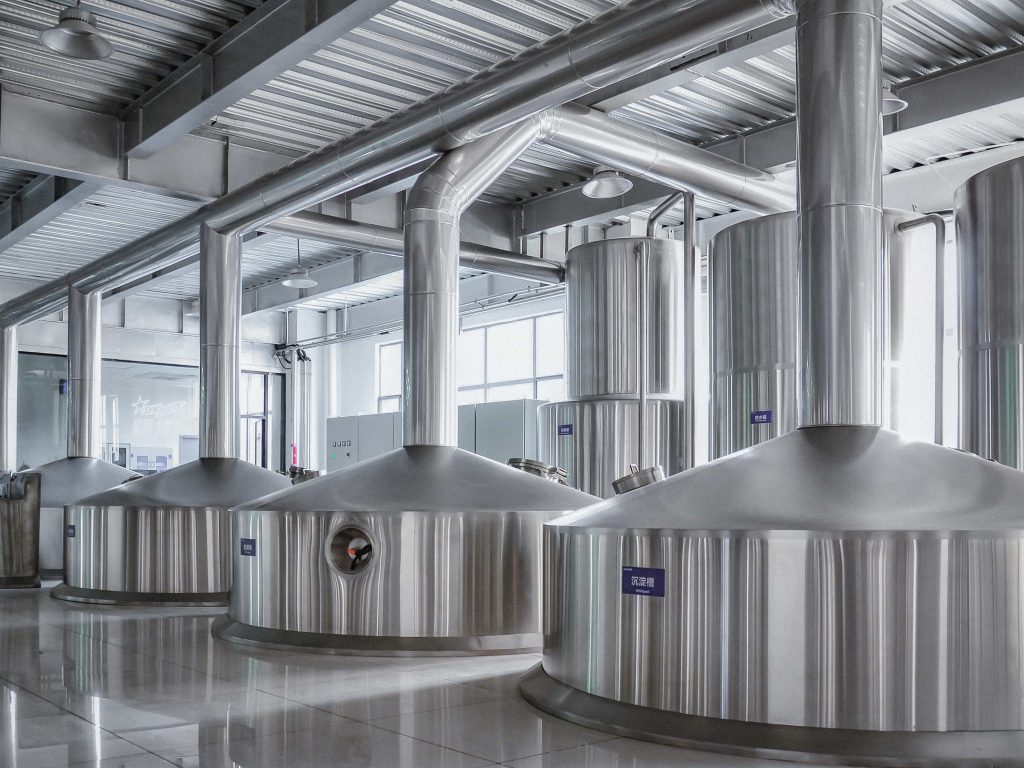
Introduction to Stainless Steel Wine Making Tanks
In the art and science of winemaking, the choice of storage and fermentation vessels directly shapes the flavor, aroma, and quality of the final product. From grape crushing to fermentation, aging, and blending, every stage relies on vessels that preserve the integrity of the wine while supporting critical chemical and biological processes. Stainless steel wine making tanks have emerged as the gold standard in modern wineries, blending durability, hygiene, and precise process control to elevate winemaking excellence. Unlike traditional oak barrels or concrete vats, stainless steel tanks offer unparalleled versatility, ensuring consistency and purity across every batch.
The evolution of winemaking technology has driven demand for vessels that balance tradition with innovation. Stainless steel wine making tanks are engineered to meet the unique demands of winemaking, from maintaining optimal fermentation temperatures to preventing contamination and preserving delicate flavor profiles.
This comprehensive guide explores the multifaceted role of stainless steel tanks in winemaking, delving into their inherent advantages, specialized designs, applications across winemaking stages, and maintenance best practices. We’ll also highlight how SKE’s precision-engineered stainless steel wine making tanks empower winemakers to craft exceptional wines, blending time-honored techniques with cutting-edge equipment.
Why Choose Stainless Steel Wine Making Tanks?
Winemaking is a delicate balance of nature and technique, and the vessel in which wine ferments and ages plays a pivotal role in shaping its character. Stainless steel wine making tanks stand out as the preferred choice for discerning winemakers, offering a unique set of properties that address the specific challenges of winemaking, from microbial control to flavor preservation.
Neutrality and Flavor Preservation
Unlike oak barrels, which impart vanilla, toast, and spice notes to wine, stainless steel is chemically inert. This neutrality allows winemakers to showcase the pure expression of the grapes—capturing their inherent terroir, acidity, and fruit characteristics without external flavor interference. For crisp whites, rosés, and light-bodied reds that rely on bright fruit flavors, stainless steel wine making tanks are irreplaceable. SKE’s tanks are crafted with food-grade stainless steel to ensure absolute neutrality, preserving the wine’s natural profile throughout fermentation and aging.
Superior Hygiene and Contamination Control
Winemaking demands rigorous hygiene to prevent spoilage from bacteria, wild yeast, or mold. Stainless steel features a smooth, non-porous surface that inhibits microbial growth and biofilm formation—critical for avoiding off-flavors and wine spoilage. These tanks are easy to clean and sterilize, supporting compliance with winemaking hygiene standards. SKE’s stainless steel wine making tanks are designed with seamless welds, polished interiors, and hygienic fittings to eliminate crevices where contaminants could accumulate, ensuring each batch remains pure.
Precise Temperature Regulation
Fermentation temperature is a make-or-break factor in winemaking: too high, and wine develops harsh alcohols and off-flavors; too low, and fermentation stalls. Stainless steel’s excellent thermal conductivity allows for precise temperature control, whether cooling white wine fermentations to 10–15°C (50–59°F) or maintaining warmer temperatures for red wine maceration. SKE’s tanks can be equipped with jacketed cooling/heating systems, enabling winemakers to adjust temperatures with pinpoint accuracy and maintain consistency across batches.
Durability and Longevity
Winemaking tanks endure repeated cycles of fermentation, cleaning, and storage, as well as exposure to acidic wines and sanitizing agents. Stainless steel resists corrosion, dents, and wear, ensuring a lifespan of 20–30 years or more with proper maintenance—far exceeding the lifespan of oak barrels or plastic vessels. This durability translates to long-term cost savings, as stainless steel wine making tanks require fewer replacements and withstand the rigors of daily winery operations.
Versatility Across Winemaking Stages
Stainless steel wine making tanks are not limited to a single stage of production. They excel in fermentation, cold stabilization, clarification, aging, and blending. Whether used for primary fermentation of red grapes, cold settling white grape juice, or storing finished wine before bottling, these tanks adapt to diverse winemaking needs. SKE’s customizable designs further enhance versatility, allowing tanks to be tailored for specific processes, from maceration to malo-lactic fermentation.
Applications of Stainless Steel Wine Making Tanks in Winemaking
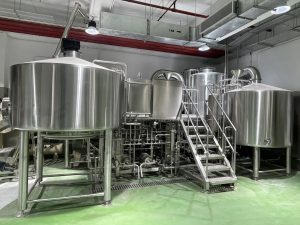
Stainless steel wine making tanks are the workhorses of the winery, supporting every critical stage of production. Their adaptability and performance make them indispensable for winemakers seeking consistency, quality, and control.
Fermentation
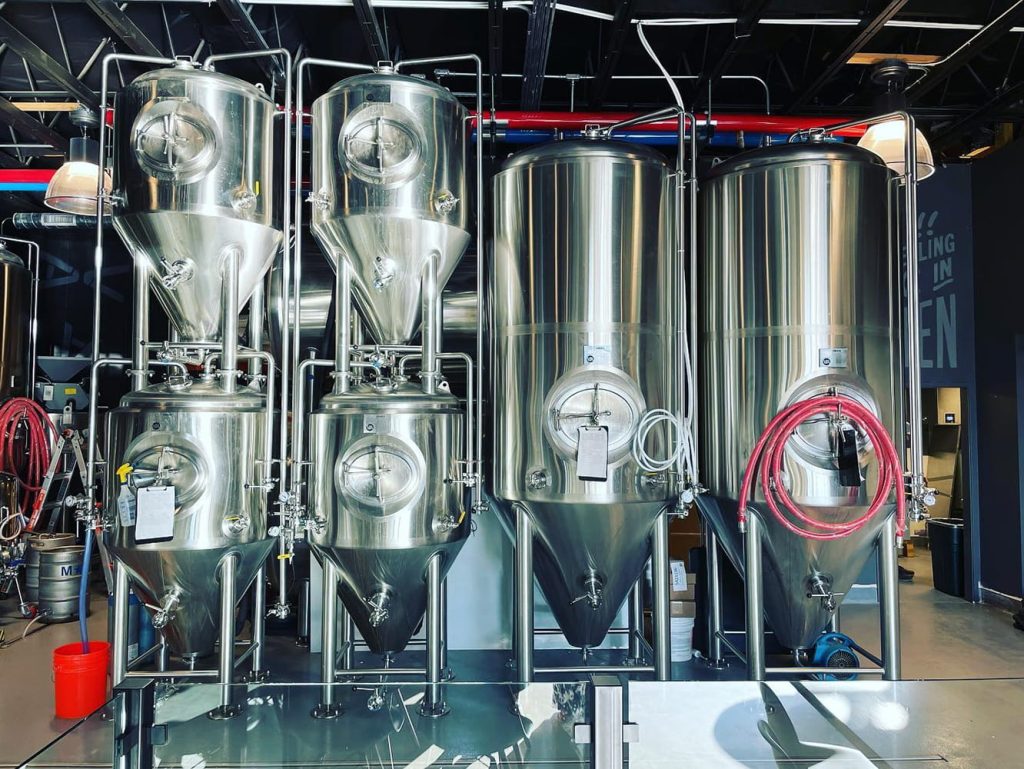
Primary fermentation—the conversion of grape sugar to alcohol by yeast—is the most critical stage in winemaking. Stainless steel wine making tanks provide the ideal environment for controlled fermentation: their neutrality preserves grape character, while temperature control systems maintain optimal yeast activity. For red wines, open-top stainless steel tanks are used for maceration, allowing cap management (punching down or pumping over) to extract color, tannins, and flavor from grape skins. For whites and rosés, closed tanks prevent oxidation and retain fresh fruit flavors.
Malo-Lactic Fermentation (MLF)
Many red wines and some whites undergo MLF, where lactic acid bacteria convert harsh malic acid to softer lactic acid, improving mouthfeel and stability. Stainless steel tanks provide a clean, controlled environment for MLF, with temperature control ensuring bacteria thrive without spoilage. The inert surface prevents flavor contamination, allowing the wine to develop complexity while maintaining balance.
Aging and Storage
Stainless steel wine making tanks are ideal for aging wines that require freshness and fruit-forward profiles, such as Sauvignon Blanc, Pinot Grigio, and light Pinot Noir. Unlike oak, stainless steel does not impart additional flavors, allowing the wine to mature gracefully while retaining its natural acidity and fruitiness. Tanks can also be used for blending different lots of wine, ensuring consistency before bottling. SKE’s tanks are equipped with airtight seals to prevent oxidation, preserving the wine’s quality during long-term storage.
Cold Stabilization and Clarification
Cold stabilization removes tartrate crystals (harmless but unsightly) from wine by cooling it to near-freezing temperatures for several weeks. Stainless steel’s thermal conductivity and jacketed design make it perfect for this process, as temperatures can be precisely controlled to avoid freezing while promoting crystal formation. After stabilization, the wine is racked (transferred) to another tank, leaving sediment and crystals behind—resulting in a clear, stable final product.
Types and Key Features of Stainless Steel Wine Making Tanks
Stainless steel wine making tanks are available in a range of designs and configurations, each tailored to specific winemaking processes. Understanding these types and their features is critical for selecting the right tank to meet your winery’s needs.
Types of Stainless Steel Wine Making Tanks
-
Closed-Top Tanks: The most common type for white wine fermentation, cold settling, and storage. Closed tops prevent oxidation, contamination, and loss of volatile aromas. They feature manways for access and vents to release CO₂ during fermentation.
-
Open-Top Tanks: Used for red wine fermentation and maceration. The open design allows easy cap management (punching down, pumping over) to extract color and tannins from grape skins. Some models include removable lids for flexibility.
-
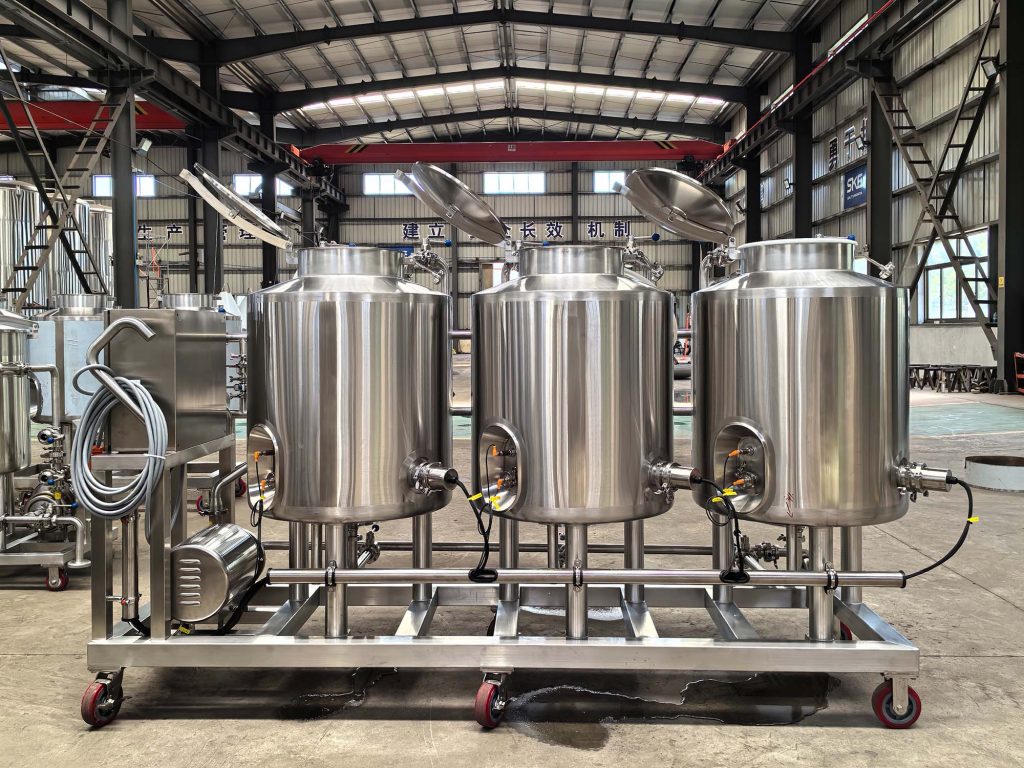
Jacketed Tanks: Equipped with an outer jacket that circulates cooling or heating fluid (glycol or water), enabling precise temperature control. Essential for fermentation, MLF, and cold stabilization. SKE specializes in jacketed tanks with uniform temperature distribution.
-
Conical Bottom Tanks: Feature a conical base that simplifies sediment removal during racking, cold settling, or fermentation. Ideal for small-batch winemaking and processes requiring frequent clarification.
-
Horizontal Tanks: Designed for space-saving storage, often used for aging large batches of wine. Suitable for wineries with height restrictions and easy to load/unload with minimal sediment disturbance.
-
Pressure Tanks: Used for sparkling wine production (Champagne method) or carbonated wines, as they can withstand internal pressure from CO₂. Built with reinforced walls and pressure relief valves for safety.
Key Features and Design Considerations
-
Stainless Steel Grade: The choice of grade impacts corrosion resistance and durability. SS304 is suitable for general winemaking, while SS316L is preferred for its enhanced resistance to acidic wines and sanitizing agents (e.g., peracetic acid). SS316L contains molybdenum, which prevents pitting corrosion—critical for long-term use with high-acidity wines. SKE uses food-grade SS316L for all wine making tanks to ensure maximum durability and purity.
-
Surface Finish: Internal surfaces are polished to a mirror finish (Ra ≤ 0.5 μm) to minimize microbial adhesion, facilitate cleaning, and prevent wine from clinging to the tank walls. External finishes may be polished for aesthetics or brushed for durability.
-
Cap Management Features: Open-top tanks for red wine may include built-in spray balls for pumping over, or platforms for punching down the cap. SKE’s custom designs integrate these features to streamline maceration.
-
Instrumentation and Controls: Modern tanks include level sensors, temperature probes, pressure gauges, and digital controls for real-time monitoring. Automated systems allow winemakers to adjust temperature or monitor fermentation remotely.
-
CIP/SIP Compatibility: Clean-in-Place (CIP) and Sterilize-in-Place (SIP) systems are essential for efficient hygiene. Tanks are equipped with spray balls, hygienic fittings (Tri-Clamp, DIN), and proper drainage to ensure thorough cleaning without disassembly.

-
Manways and Access Points: Large, easy-to-open manways facilitate inspection, cleaning, and maintenance. Sight glasses allow visual monitoring of fermentation or sediment levels without opening the tank.
-
Insulation: Jacketed tanks are often insulated to reduce energy consumption and maintain temperature stability. Insulation is covered with a stainless steel cladding for durability and aesthetics.
Maintenance and Longevity of Stainless Steel Wine Making Tanks
Stainless steel wine making tanks are built to last, but proper maintenance is essential to preserve their performance, hygiene, and longevity. A well-maintained tank will deliver consistent results for decades, protecting your investment and ensuring wine quality.
Routine Cleaning and Sanitization
Regular cleaning prevents the buildup of tartrate crystals, lees, and microbial contaminants. After emptying, rinse the tank with warm water to remove residual wine. For thorough cleaning, use a mild alkaline detergent (compatible with stainless steel) and a soft brush or CIP system to remove deposits. Follow with a food-grade sanitizer (e.g., peracetic acid, ozone) to eliminate bacteria and yeast. Rinse thoroughly with clean water to avoid sanitizer residue, which can affect wine flavor. SKE recommends cleaning tanks immediately after use to prevent dried-on deposits.
Regular Inspections
Perform visual inspections monthly to check for signs of damage or corrosion. Inspect welds, fittings, and seals for leaks or wear. Pay special attention to areas prone to crevice corrosion (under gaskets, around fittings) and pitting (from high chloride levels in cleaning agents). Check temperature sensors and pressure gauges for accuracy, and calibrate instruments annually. For jacketed tanks, inspect the cooling/heating system for leaks or blockages.
Addressing Common Issues
-
Pitting Corrosion: Caused by high chloride levels (in cleaning agents or water) or stagnant wine. Prevent by using low-chloride cleaners and ensuring tanks are fully drained and rinsed. If pitting occurs, contact a professional to polish or repair the surface.
-
Stain Buildup: Tartrate crystals or iron deposits can leave stains. Remove with a citric acid solution, then rinse thoroughly. Avoid abrasive cleaners, which scratch the surface and promote microbial growth.
-
Seal Degradation: Gaskets and seals wear over time, leading to leaks or oxidation. Replace seals annually or at the first sign of cracking. Use food-grade, wine-compatible gaskets (e.g., EPDM, Viton) to avoid flavor contamination.
-
Oxidation Risks: Ensure airtight seals and proper ventilation during storage. Check vents for clogs, as blocked vents can cause pressure buildup or vacuum formation, damaging the tank or wine.
Preventive Maintenance Best Practices
-
Use Compatible Cleaners: Avoid chlorine-based cleaners, which can corrode stainless steel. Opt for pH-neutral or alkaline cleaners designed for food-grade stainless steel.
-
Proper Drainage: Ensure tanks are fully drained after use to prevent stagnant water or wine, which can cause corrosion or microbial growth. Conical bottom tanks simplify drainage and sediment removal.
-
Control Water Quality: Use low-chloride, filtered water for cleaning and rinsing to prevent pitting corrosion.
-
Professional Servicing: Schedule annual maintenance with qualified technicians to inspect welds, jacketed systems, and instrumentation. Professional polishing can restore the tank’s surface finish and hygiene.
Conclusion
Stainless steel wine making tanks are the backbone of modern winemaking, offering winemakers the control, hygiene, and versatility needed to craft exceptional wines. Their neutrality preserves grape character, precise temperature control ensures optimal fermentation, and durability delivers long-term value—making them an indispensable investment for any winery. Whether you’re producing crisp whites, bold reds, or sparkling wines, stainless steel tanks empower you to honor terroir and technique while maintaining consistency.
At SKE, we take pride in crafting stainless steel wine making tanks that blend engineering excellence with winemaking expertise. Our commitment to quality, customization, and support ensures your tank is not just a vessel, but a partner in your winemaking journey. By choosing SKE, you’re investing in equipment that preserves the integrity of your grapes and helps you create wines that stand out in a competitive market.
Embrace the precision and versatility of stainless steel wine making tanks. Let SKE help you design the perfect solution to elevate your craft and bring your winemaking vision to life.
Frequently Asked Questions About Stainless Steel Wine Making Tanks
Why are stainless steel tanks preferred over oak barrels for winemaking?
Stainless steel tanks are chemically inert, preserving the wine’s natural grape flavors and terroir without imparting additional notes (unlike oak, which adds vanilla, toast, or spice). They also offer superior hygiene, temperature control, and durability. Oak barrels are ideal for aging wines that benefit from wood integration, but stainless steel is essential for retaining freshness and fruit-forward profiles in whites, rosés, and light reds.
Which stainless steel grade is best for wine making tanks?
SS316L is the preferred grade for stainless steel wine making tanks. It contains molybdenum, which enhances resistance to corrosion from acidic wines and sanitizing agents—critical for long-term use. SS304 is suitable for general storage but may be prone to pitting in high-acidity or harsh cleaning environments. SKE uses SS316L exclusively for wine tanks to ensure maximum durability and purity.
How often should I clean my stainless steel wine making tank?
Clean and sanitize the tank immediately after emptying to prevent dried-on deposits and microbial growth. For fermentation tanks, clean after each batch; for storage tanks, clean every 1–3 months (depending on usage). Use mild alkaline cleaners and food-grade sanitizers, and avoid abrasive tools or chlorine-based products that can damage the stainless steel surface.
Can stainless steel wine making tanks be used for sparkling wine production?
Yes. SKE offers pressure-rated stainless steel tanks designed for sparkling wine production (Champagne method). These tanks withstand the internal pressure from CO₂ during secondary fermentation, ensuring safety and control. They can also be equipped with temperature controls to optimize fermentation and aging of sparkling wines.
Got questions about the perfect stainless steel wine making tank for your winery?
SKE is here to help you design a tailored solution. Connect with us!
Find us on Facebook Email us at info@skeequipment.com
Alternatively, fill out the contact form below, and our team will get back to you promptly to discuss your specific winemaking needs and provide a customized quote.