”
Introduction
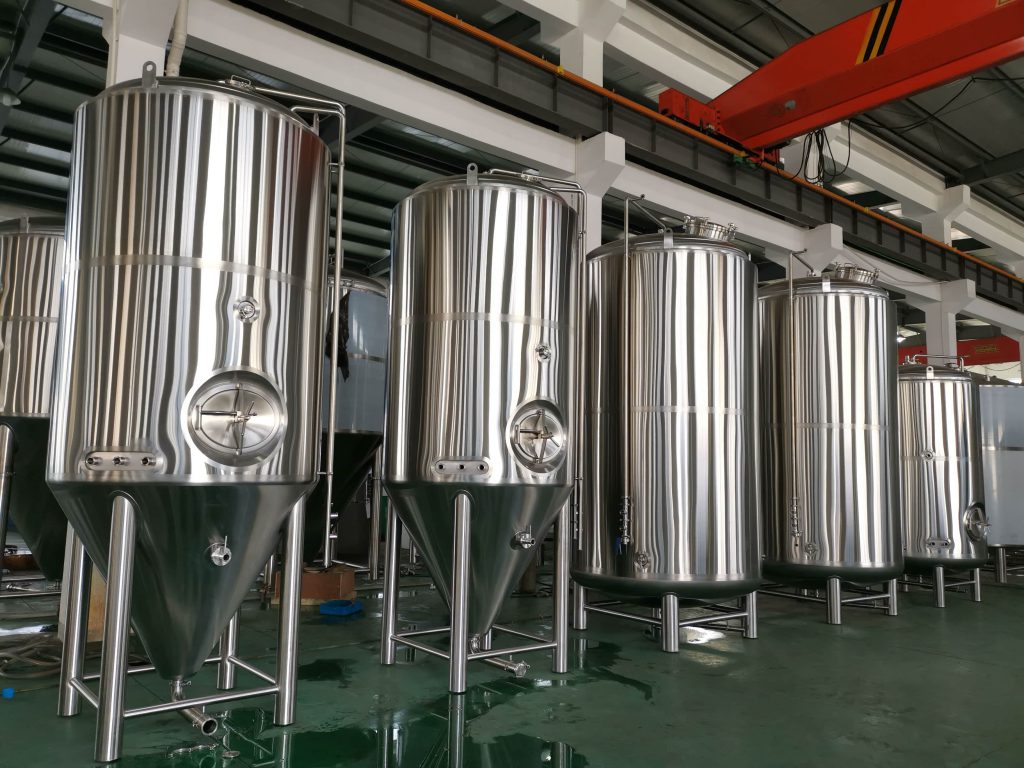
Jacketed unitanks have become an essential component in various industrial processes, particularly in the brewing and food processing sectors. These tanks offer enhanced temperature control and flexibility, making them ideal for fermentation, storage, and even mixing operations. At SKE Equipment, we understand the importance of these units and work to provide high-quality solutions that reflect our commitment to innovation and efficiency.
Key Features of Jacketed Unitanks
A jacketed unitank typically features a double-walled design, creating an insulated layer that allows for effective temperature management. This design is beneficial for several reasons:
- Temperature Control: The jacket surrounding the tank maintains consistent temperatures, allowing for precise heating or cooling during processes. This is particularly useful in the brewing process, where temperature fluctuations can affect the quality of the beer.
- Durability: Constructed from high-grade stainless steel, jacketed unitanks offer long-term durability and resistance to corrosion, ensuring a longer service life.
- Flexibility: These tanks can accommodate various processes, including fermentation and maturation, making them versatile options for any production line.
To learn more about choosing the right tank for your needs, consider reviewing our detailed guide on tank selection criteria.
Applications of Jacketed Unitanks
Jacketed unitanks are utilized across multiple industries. Their applications include:
- Brewery Applications: These tanks are indispensable in breweries where fermentation and lagering occur. Their ability to maintain controlled temperatures leads to superior brewing results.
- Food Processing: In food production, maintaining temperature during mixing or cooking is essential for safety and quality. Jacketed unitanks facilitate this process effectively.
- Chemical Storage: These tanks can also be used for storing chemicals, as their design minimizes risks associated with temperature fluctuations.
For a case study on how SKE Equipment has implemented jacketed unitanks in breweries, visit our case study page.
Maintenance Tips
Proper maintenance of jacketed unitanks is crucial to ensure they function efficiently over time. Here are some essential maintenance tips:
- Regular Inspections: Conduct periodic checks for leaks or damage to the jacket. Early detection can prevent costly repairs.
- Sanitization: Keep the tanks sanitized to avoid contamination, especially if used in food or beverage production.
- Monitor Temperature Controls: Ensure that the temperature controls are functioning correctly. This can prevent product spoilage and optimize energy use.
For more details on maintaining your equipment, check our maintenance guide.
Conclusion
Jacketed unitanks are pivotal for various industrial applications, particularly in sectors that require strict temperature control. At SKE Equipment, we pride ourselves on providing robust solutions that help streamline operations and enhance product quality. Investing in high-quality jacketed unitanks is an investment in the efficiency and effectiveness of your production processes.
Frequently Asked Questions
What is a jacketed unitank?
A jacketed unitank is a tank with a double-walled design that allows for temperature control for processes such as fermentation and storage.
How does temperature control work in jacketed unitanks?
The jacket surrounding the tank can circulate hot or cold fluids, maintaining the desired temperature inside the tank.
What materials are jacketed unitanks made from?
They are typically constructed of high-grade stainless steel to ensure durability and resistance to corrosion.
Contact Us
If you have any questions or would like more information, feel free to reach out!
Facebook: Follow us on Facebook
Email: info@skeequipment.com
We encourage you to fill out the contact form at the bottom of the page for personalized assistance.
“