
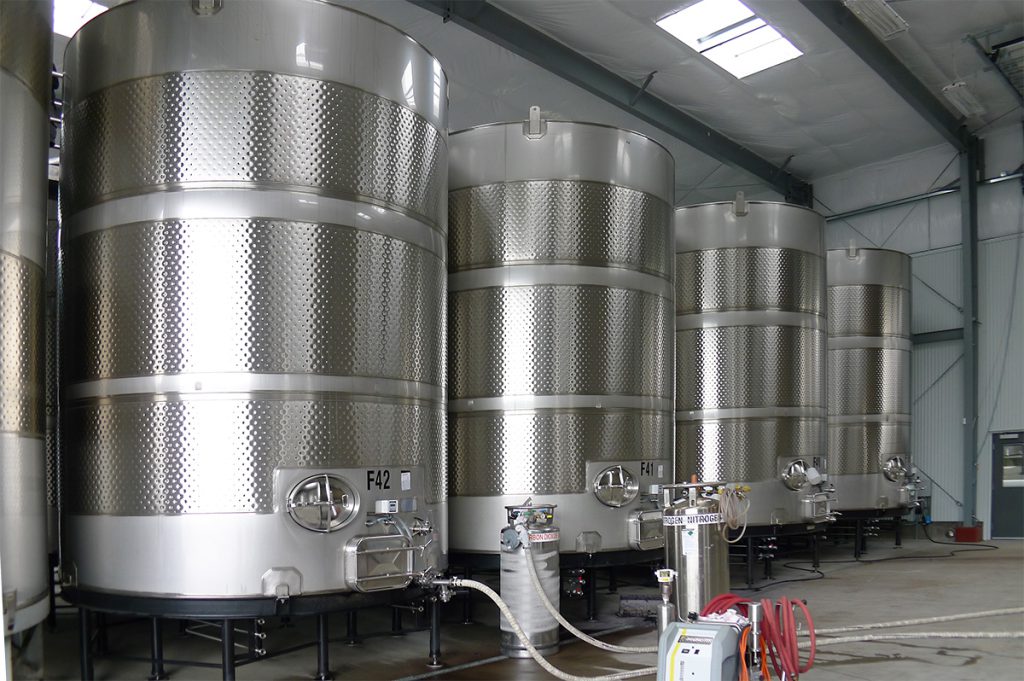
What Are Wine Tank Seals?
Wine tank seals are specialized components designed to create an airtight and watertight barrier between the tank’s lid, manway, spigot, or other openings and the external environment. Their primary function is to prevent oxygen ingress, which is one of the biggest threats to wine quality. Oxygen exposure can cause wine to oxidize, resulting in a flat taste, discoloration, and the development of undesirable aromas such as vinegar or sherry-like notes.
In addition to preventing oxidation, wine tank seals also keep out moisture, dust, bacteria, and other contaminants that can compromise the wine’s integrity. They also help maintain consistent internal pressure within the tank, which is essential during fermentation—when yeast produces carbon dioxide—or during aging, when controlled conditions are necessary to develop the wine’s flavor and aroma profiles. Wine tank seals come in various types, sizes, and materials, each tailored to specific tank designs and winemaking needs.
Common Types of Wine Tank Seals
The type of wine tank seal you choose depends on several factors, including the tank’s design, the intended use (fermentation, aging, or storage), the operating temperature and pressure, and the type of wine being produced. Below are the most common types of wine tank seals used in the industry, all of which are available from SKE with customizations to fit your specific equipment.
Mechanical Seals are one of the most durable and reliable options for wine tanks, especially for tanks with rotating components such as agitators or mixers. These seals use two flat, precision-ground surfaces—one attached to the rotating shaft and the other to the tank’s stationary housing—to create a tight seal. Mechanical seals are resistant to high pressures and temperatures, making them suitable for large-scale wineries with industrial-grade tanks. SKE’s mechanical seals are engineered with food-grade materials to ensure no contamination of the wine, and they are compatible with both beer and wine tanks.
Lip Seals, also known as oil seals or rotary seals, are designed for dynamic applications where a rotating shaft passes through the tank wall. They feature a flexible lip that presses against the shaft, creating a seal that prevents fluid leakage and oxygen ingress. Lip seals are cost-effective, easy to install, and ideal for small to medium-sized wine tanks with low to moderate pressure requirements. SKE offers lip seals in various sizes and materials to fit different shaft diameters and tank configurations.
Gasket Seals are static seals used to seal non-moving parts of the wine tank, such as manways, lids, flanges, and spigots. They are typically made from flexible materials that compress when clamped, creating an airtight barrier. Gasket seals are available in different shapes—including flat, round, and rectangular—to fit various tank openings. SKE’s gasket seals are designed to withstand repeated clamping and unclamping, making them perfect for tanks that require frequent access for cleaning, sampling, or maintenance.
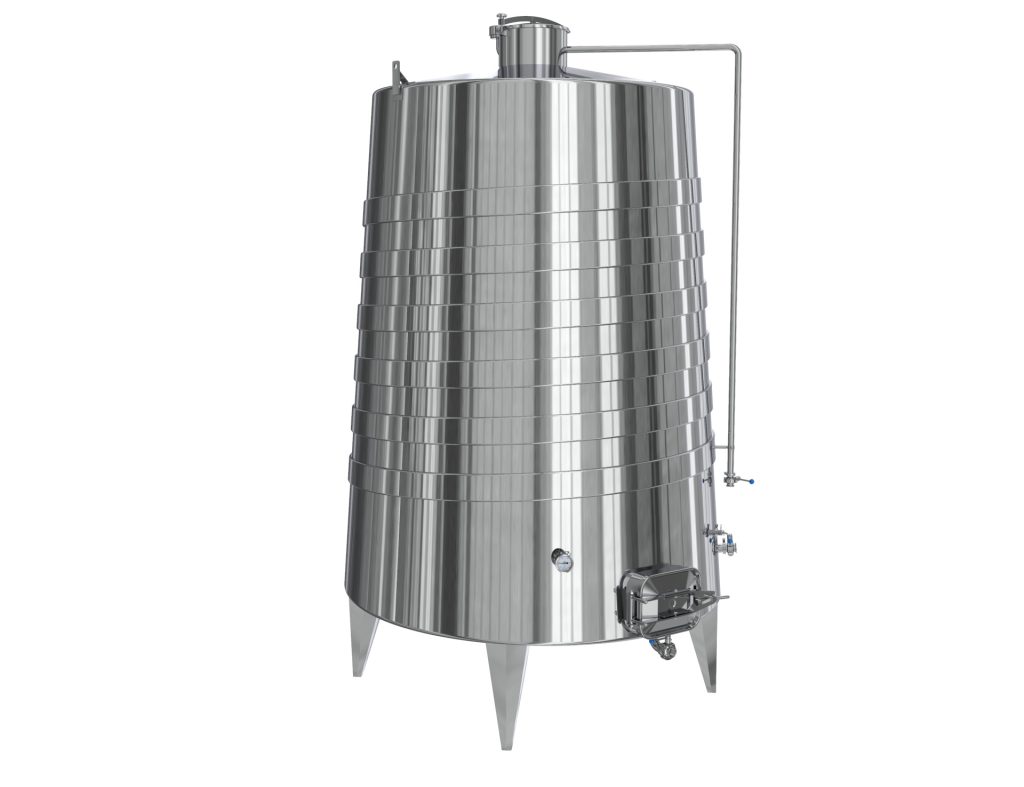
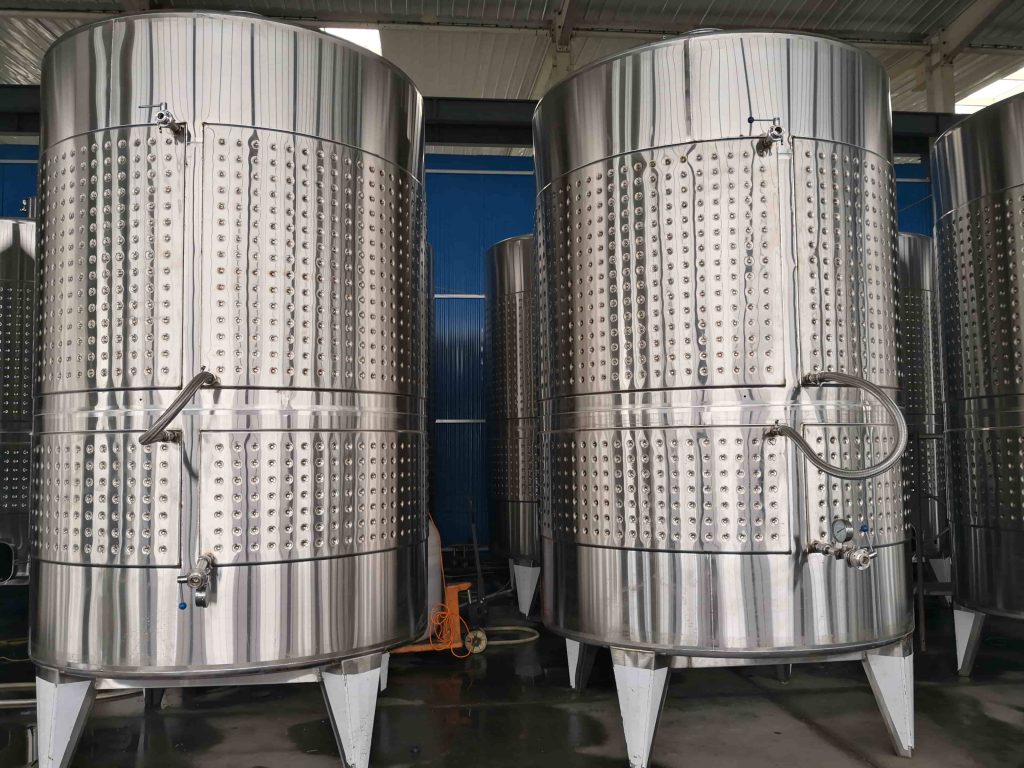
Key Materials Used in Wine Tank Seals
The material of a wine tank seal is critical to its performance, durability, and compatibility with wine. All materials used in wine tank seals must be food-grade, non-toxic, and resistant to the acidic nature of wine, as well as cleaning chemicals used in tank sanitization. Below are the most common materials used in wine tank seals, along with their benefits and applications—all of which are used in SKE’s seal products.
Silicone is one of the most popular materials for wine tank seals due to its excellent flexibility, temperature resistance, and food-grade properties. Silicone seals can withstand temperatures ranging from -60°C to 230°C, making them suitable for both cold storage and warm fermentation processes. They are non-toxic, odorless, and resistant to wine, acids, and most cleaning chemicals. SKE’s silicone seals are available in various durometers (hardness levels) to fit different sealing requirements, and they are easy to clean and maintain.
Fluorocarbon Rubber (FKM), also known as Viton, is a high-performance material ideal for wine tanks that operate under high temperatures, pressures, or harsh chemical conditions. FKM seals offer excellent resistance to oils, solvents, acids, and high temperatures (up to 200°C), making them suitable for industrial wineries with rigorous sanitization protocols. They are also highly durable and have a long service life, reducing the need for frequent replacements. SKE offers FKM seals for applications where maximum performance and durability are required.
Ethylene Propylene Diene Monomer (EPDM) is a cost-effective material that offers good resistance to water, steam, and mild acids. EPDM seals are flexible, easy to install, and ideal for wine tanks used in cold storage or low-temperature fermentation. They are compatible with most cleaning chemicals used in wineries, including alkaline cleaners and sanitizers. SKE’s EPDM seals are food-grade and designed to provide reliable sealing performance for small to medium-sized wine tanks.
Comparison of Wine Tank Seal Types and Materials
To help you choose the right wine tank seal for your needs, we’ve created a comprehensive table comparing the most common seal types and materials, including their key features, advantages, disadvantages, and ideal applications.
|
Seal Type
|
Common Materials
|
Key Features
|
Advantages
|
Disadvantages
|
Ideal Applications
|
|---|---|---|---|---|---|
|
Mechanical Seals
|
Silicone, FKM, PTFE
|
Precision-ground surfaces, dynamic sealing, high pressure/temperature resistance
|
Durable, reliable, resistant to high pressures/temperatures, no leakage
|
Higher cost, more complex installation
|
Large wine tanks with agitators, industrial wineries
|
|
Lip Seals
|
NBR, EPDM, Silicone
|
Flexible lip, dynamic sealing, fits rotating shafts
|
Cost-effective, easy to install, compatible with small shafts
|
Not suitable for high pressures, shorter service life
|
Small to medium wine tanks, low-pressure applications
|
|
Gasket Seals
|
Silicone, EPDM, FKM
|
Static sealing, compressible, various shapes/sizes
|
Easy to install/remove, compatible with all tank openings, cost-effective
|
Requires proper clamping, may wear with frequent use
|
Manways, lids, flanges, spigots, tanks with frequent access
|
|
Inflatable Gaskets
|
Silicone, FKM
|
Inflatable bladder, adaptive to tank volume, airtight seal
|
Versatile, fits variable-capacity tanks, ideal for fermentation
|
Requires inflation system, may leak if damaged
|
Fermentation tanks, floating-lid tanks, variable-capacity tanks
|
|
All Types
|
Silicone
|
Food-grade, flexible, wide temperature range
|
Non-toxic, odorless, resistant to wine/cleaners, versatile
|
Not suitable for high oil exposure
|
Most wine tanks, fermentation, storage, cold storage
|
|
All Types
|
FKM (Viton)
|
High temperature/pressure resistance, chemical resistance
|
Durable, resistant to harsh chemicals, long service life
|
Higher cost, less flexible than silicone
|
Industrial wineries, high-temperature applications, harsh sanitization
|
|
All Types
|
EPDM
|
Water/steam resistance, cost-effective
|
Affordable, easy to install, compatible with mild cleaners
|
Not suitable for high temperatures/oils
|
Cold storage tanks, low-temperature fermentation
|
|
All Types
|
PTFE
|
Non-stick, chemical-resistant, high temperature resistance
|
Compatible with all chemicals, long service life, non-toxic
|
Higher cost, less flexible
|
Harsh chemical environments, high-temperature tanks
|
How to Choose the Right Wine Tank Seal for Your Winery
Choosing the right wine tank seal requires careful consideration of several factors, including your tank’s design, the winemaking process, operating conditions, and budget. At SKE, we work closely with our customers to understand their specific needs and recommend the best seal solution for their application. Below are the key factors to consider when selecting a wine tank seal.
Tank Design and Openings: The first step is to assess your wine tank’s design, including the type and size of openings (manways, lids, spigots, shafts) that need sealing. For static openings like manways and lids, gasket seals are the best choice. For rotating shafts, lip seals or mechanical seals are more suitable. For variable-capacity tanks or floating lids, inflatable gaskets are ideal. SKE can provide custom seals to fit any tank design, including custom sizes and shapes.
Winemaking Process: The stage of the winemaking process (fermentation, aging, or storage) also impacts your seal choice. Fermentation tanks require seals that can withstand changing pressure (due to carbon dioxide production) and moderate temperatures—inflatable gaskets or mechanical seals are ideal. Aging tanks require airtight seals to prevent oxidation, so gasket seals or mechanical seals made from silicone or FKM are recommended. Storage tanks may require seals that can withstand cold temperatures, making EPDM or silicone seals a good choice.
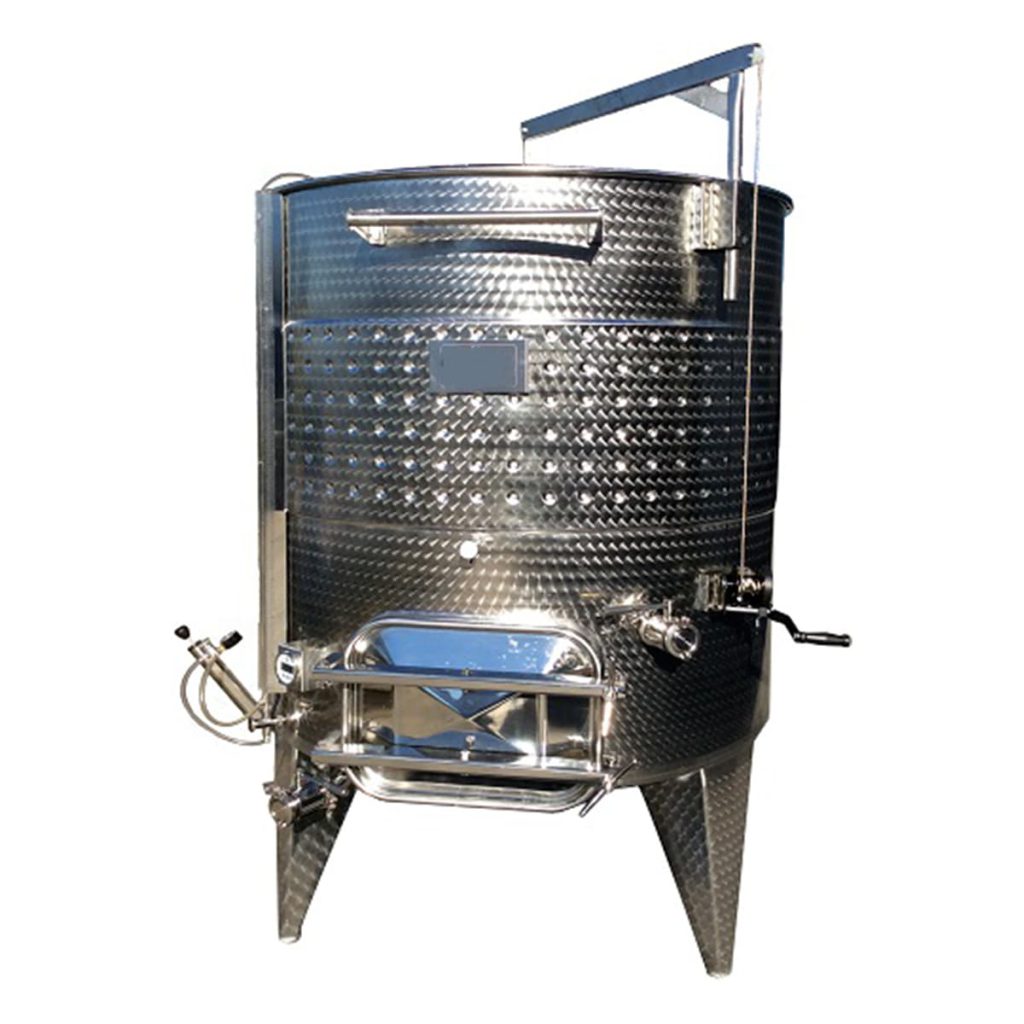
Installation and Maintenance Tips for Wine Tank Seals
Proper installation and maintenance are essential to ensure the longevity and performance of your wine tank seals. Even the highest-quality seals can fail if installed incorrectly or not maintained properly. Below are SKE’s expert tips for installing and maintaining wine tank seals, designed to help you get the most out of your seal investment.
Installation Tips: Before installing a wine tank seal, ensure that the tank opening or shaft is clean and free of debris, scratches, or corrosion. Any imperfections can damage the seal and cause leakage. For gasket seals, apply a thin layer of food-grade lubricant (such as silicone grease) to the seal surface to facilitate installation and create a better seal. For mechanical seals, follow the manufacturer’s instructions carefully to ensure proper alignment of the seal surfaces—misalignment can cause premature wear and leakage.
When installing lip seals, ensure that the lip is facing the correct direction (toward the fluid being sealed) and that the seal is pressed firmly into place without twisting. For inflatable gaskets, inflate the gasket to the recommended pressure (typically 0.5-0.8 bar) using a pressure gauge to avoid over-inflation, which can damage the gasket or cause the tank lid to slip. SKE provides detailed installation instructions with all our seals, and our technical team is available to assist with any installation questions.
Maintenance Tips: Regular inspection is key to maintaining wine tank seals. Inspect seals monthly for signs of wear, damage, or degradation, such as cracks, tears, hardening, or discoloration. If any damage is found, replace the seal immediately to prevent leakage. Clean seals regularly using a soft cloth and mild detergent—avoid using abrasive cleaners or tools that can scratch the seal surface.
Frequently Asked Questions (FAQ) About Wine Tank Seals
Q1: What are the common types of wine tank seals, and how do I choose between them?
A1: The most common types of wine tank seals are mechanical seals, lip seals, gasket seals, and inflatable gaskets. To choose between them, consider your tank’s design (static vs. dynamic openings), operating conditions (temperature, pressure), and winemaking process (fermentation vs. aging vs. storage). For static openings like manways, choose gasket seals. For rotating shafts, choose lip seals or mechanical seals. For variable-capacity tanks, choose inflatable gaskets. SKE’s technical team can help you select the right type based on your specific needs.
Q2: What material is best for wine tank seals?
A2: The best material depends on your application. Silicone is the most versatile option, suitable for most winemaking applications due to its food-grade properties, flexibility, and wide temperature range. FKM (Viton) is ideal for high-temperature, high-pressure, or harsh chemical environments. EPDM is cost-effective and suitable for cold storage or low-temperature fermentation. PTFE is best for applications requiring maximum chemical resistance. All SKE’s seals are made from food-grade materials that meet international safety standards.
Q3: What are the main causes of wine tank seal leakage?
A3: The main causes of leakage include improper installation (misalignment, over-tightening, or under-tightening), seal wear or degradation (due to age, temperature, or chemicals), damage to the seal surface (scratches, tears), and contamination of the seal with debris or foreign particles. Other causes include incorrect seal size or type for the application, and over-inflation of inflatable gaskets. Regular inspection and maintenance can help prevent most leakage issues.
Q4: How often should wine tank seals be replaced?
A4: The replacement frequency depends on the seal type, material, and operating conditions. Generally, gasket seals and lip seals should be replaced every 1-2 years, while mechanical seals and inflatable gaskets can last 3-5 years or longer with proper maintenance. Seals used in high-temperature, high-pressure, or harsh chemical environments may need to be replaced more frequently. SKE recommends inspecting seals monthly and replacing them at the first sign of wear or damage.
Contact Us
If you have any further questions, feel free to reach out!
- Facebook: SKE Equipment Facebook
- Email: info@skeequipment.com
For more personalized assistance, please fill out the contact form at the bottom of this page. We look forward to helping you with your brewing needs!