The Critical Journey of Production Milk: An Introduction
The journey of production milk is a complex and fascinating one, beginning at the dairy farm and culminating in a vast array of wholesome dairy products found on supermarket shelves worldwide. This initial article delves into the various stages that raw milk undergoes, highlighting the critical points of collection, processing, and quality control. Understanding the intricacies of production milk is not just about appreciating the final product, but also about recognizing the extensive infrastructure and technological advancements required to deliver it safely and efficiently. The dairy industry, particularly the sector dealing with raw production milk, is a cornerstone of global food systems, providing essential nutrients to billions. From pasteurized drinking milk to cheese, yogurt, and butter, every dairy product starts with carefully handled and processed raw milk. The goal across the entire supply chain is to maintain the integrity and nutritional value of the milk, ensuring it meets stringent safety and quality standards.
At its core, production milk encompasses all the milk collected from dairy animals (primarily cows, but also goats, sheep, and buffalo) that is destined for human consumption or further processing. Its quality is influenced by numerous factors, including animal health, feeding practices, milking hygiene, and subsequent handling. Any compromises at these early stages can have significant downstream effects on the final product. Therefore, investing in robust systems and equipment for handling production milk is paramount. Dairy processors and farmers alike face continuous pressure to optimize operations, reduce waste, and enhance product safety. This necessitates a deep understanding of dairy science, engineering principles, and market demands. The transformation of raw milk into a myriad of dairy items relies heavily on sophisticated machinery and processes designed to preserve its delicate composition while ensuring microbial safety. SKE Equipment, for instance, specializes in providing the reliable systems needed for every step of this journey, contributing to the global success of dairy producers handling vast quantities of production milk.
As we explore the subsequent sections, we will uncover the specific challenges and solutions associated with each phase of the production milk chain. From the initial cooling on the farm, through transportation, and into sophisticated processing plants, every step is designed to safeguard the quality and extend the shelf life of this vital commodity. The sheer volume of production milk handled by modern dairies demands equipment that is not only efficient but also compliant with rigorous hygiene standards. The industry continuously evolves, driven by consumer expectations for healthier, more convenient, and sustainably produced dairy items. This evolution pushes technology forward, making the role of innovative equipment even more significant. Understanding this complex ecosystem is key to appreciating the nutritional powerhouse that milk truly is, and the efforts involved in bringing high-quality dairy products to tables around the world.
Efficient Collection and Transport of Production Milk
The initial phase of managing production milk after milking involves meticulous collection and transport, which are crucial for maintaining its quality and safety. Immediately after milking, raw milk is highly susceptible to microbial growth, making rapid cooling an absolute necessity. Dairy farms utilize bulk milk coolers to quickly bring the milk temperature down, typically to around 4°C (39°F). This immediate chilling significantly inhibits bacterial proliferation, preserving the milk’s freshness and extending its viability for further processing. The design and maintenance of these cooling systems are critical; any fluctuation in temperature or inadequate cooling can compromise the entire batch of production milk. Farmers rely on robust and energy-efficient cooling solutions to ensure that the milk leaves the farm in optimal condition.
Once cooled, the production milk is stored in insulated tanks until it is picked up by specialized milk tankers. These tankers are designed to maintain the low temperature during transit to the processing plant, often over considerable distances. The tanks are usually made of stainless steel and are thoroughly cleaned and sanitized between each collection to prevent contamination. Drivers often take samples from each farm’s bulk tank for quality testing upon arrival at the processing facility. This sampling is a vital control measure, allowing processors to monitor milk quality from individual suppliers and detect potential issues like antibiotic residues or excessive somatic cell counts early on. Efficient routing for milk collection is also essential, minimizing travel time and fuel consumption, which contributes to both economic and environmental sustainability in the handling of production milk.
The logistics involved in collecting and transporting production milk are complex, requiring careful coordination between farms and processing plants. Regular schedules, advanced tracking systems, and trained personnel are all part of ensuring a seamless supply chain. Any delays or breakdowns in this stage can lead to significant economic losses for both farmers and processors due to spoilage. Furthermore, ensuring that the raw production milk remains uncontaminated from environmental factors, as well as from human contact during transfer, is paramount. Specialized hoses, pumps, and sterile connections are used to transfer the milk from farm tanks to tanker trucks. Companies like SKE Equipment offer advanced solutions not only for the processing plant but also for elements that indirectly support this critical collection phase, ensuring that the raw material arriving at the plant is of the highest possible standard. You can learn more about specific dairy processing equipment that perfectly complements efficient raw milk handling.
The emphasis on hygiene doesn’t stop at the equipment itself. Personnel involved in collection and transport are trained on best practices for contamination prevention. This includes proper sanitization protocols for all contact surfaces and strict personal hygiene. The integrity of the cold chain from farm to factory is perhaps the single most important factor in maintaining the quality of raw production milk. Breaches in this chain can accelerate bacterial growth, leading to off-flavors, reduced shelf life of finished products, and potential health risks. Therefore, the investments made in reliable refrigeration during storage and transport are non-negotiable. This meticulous attention to detail at the collection and transport stages lays the essential groundwork for all subsequent processing, cementing the quality journey of production milk even before it reaches the factory floor.
Initial Processing Steps for Raw Production Milk
Upon arrival at the dairy plant, raw production milk undergoes a series of initial processing steps designed to prepare it for further treatment, ensuring both safety and optimal quality for the final product. The very first step is typically reception and quality control. Each tanker load of raw milk is sampled and rigorously tested. These tests include checks for temperature, pH, bacterial count, somatic cell count, and the presence of antibiotics or other inhibitory substances. Any batch of production milk failing these initial quality checks is rejected, safeguarding the integrity of the overall supply. It’s a stringent gatekeeping process that prevents contaminated or substandard milk from entering the processing stream. Modern labs utilize rapid testing methods to get quick and accurate results, allowing for efficient throughput.
Following quality approval, the production milk is transferred from the tankers into large raw milk storage silos, typically made of stainless steel and equipped with agitation systems to prevent creaming and maintain a uniform temperature. These silos are also kept refrigerated to maintain the milk at a low temperature (usually 2-4°C/36-39°F) until it is ready for processing. The next crucial step is clarification and separation. Clarification involves removing insoluble impurities such as somatic cells, bacteria, and sediment using centrifugal force. This process improves the visual appearance and microbiological quality of the production milk. Subsequently, milk is often separated into skim milk and cream using centrifuges. This separation is vital because it allows for the standardization of fat content in various dairy products. For instance, different types of drinking milk (whole, skim, 2%) require precise fat percentages, which are achieved by recombining skim milk with a calculated amount of cream.
Standardization is not limited to fat content; protein and total solids content can also be adjusted, depending on the requirements of the final product. This careful calibration ensures consistency in taste, texture, and nutritional value across batches. After separation and standardization, the production milk is ready for homogenization. Homogenization is a mechanical process that reduces the size of fat globules in milk, preventing cream separation and contributing to a smoother, richer texture. This is achieved by forcing the milk through a small aperture under high pressure. The fat globules are broken down into much smaller, more evenly dispersed particles, which remain suspended throughout the milk. This process is particularly important for drinking milk, ensuring a consistent product without a layer of cream rising to the top. SKE Equipment’s milk pasteurization machine article delves into subsequent heating steps and how they integrate perfectly after these initial processes, guaranteeing a comprehensive approach to making safe and delicious dairy products from raw production milk.
Throughout these initial processing stages, hygiene remains paramount. All pipes, tanks, pumps, and processing equipment are subject to rigorous Clean-in-Place (CIP) systems, ensuring that no residues or microbial contaminants can compromise the safety of the production milk. Automated CIP systems are a testament to the dairy industry’s commitment to food safety and efficiency. This sequence of cold storage, clarification, separation, standardization, and homogenization lays the foundation for all subsequent thermal processing and product diversification. Each step requires precision engineering and reliable equipment to handle large volumes of production milk while preserving its delicate balance of nutrients and flavor. Without these meticulous initial steps, the production of high-quality dairy products would be impossible, emphasizing the critical role of robust infrastructure in modern dairy operations.
Advanced Processing Technologies for Diverse Production Milk Products
Beyond the initial stages, production milk undergoes advanced processing tailored to create the vast array of dairy products consumers enjoy. These sophisticated technologies are crucial for ensuring microbial safety, extending shelf life, and delivering specific sensory attributes. One of the most fundamental advanced processes is pasteurization, a heat treatment designed to eliminate pathogenic bacteria without significantly altering the milk’s nutritional value or flavor. Different pasteurization methods exist, including High-Temperature Short-Time (HTST) and Ultra-High Temperature (UHT). HTST pasteurization, commonly used for fluid milk, heats the milk to about 72-74°C for 15-20 seconds, followed by rapid cooling. This process effectively destroys harmful microbes while maintaining the fresh taste profiles required for most fluid products derived from production milk. SKE Equipment offers a range of pasteurization solutions that are highly efficient and reliable.
For products requiring an even longer shelf life, such as long-life milk or aseptically packaged cream, UHT processing is employed. This method heats the production milk to ultra-high temperatures (typically 135-150°C) for a very short duration (1-5 seconds), followed by aseptic packaging. UHT treatment sterilizes the milk, allowing it to be stored at ambient temperatures for several months without refrigeration, provided the packaging remains intact. This technology has revolutionized milk distribution, particularly in regions with limited cold chain infrastructure. The precision in temperature and time control during UHT processing is critical, as over-processing can lead to undesirable cooked flavors or nutritional degradation. Advanced control systems, often integrated into SKE equipment, ensure this delicate balance is maintained, producing high-quality, shelf-stable dairy products from raw production milk.
Further processing of production milk leads to highly specialized products. For cheese production, controlled coagulation of milk proteins (casein) is induced, often using rennet or lactic acid bacteria. The resulting curd is then separated from the whey, pressed, and ripened, leading to an incredible diversity of cheese types. Yogurt production involves fermenting milk with specific bacterial cultures, which convert lactose into lactic acid, causing the milk to thicken and develop its characteristic tangy flavor. Butter is made by churning cream, separating the fat from the buttermilk. Each of these processes demands specialized equipment, from fermentation tanks and cheese vats to butter churns and separators, all of which must adhere to strict hygiene and operational standards. SKE Equipment provides robust aseptic processing equipment specifically designed for sensitive dairy products, ensuring extended shelf life and product integrity, showcasing how versatile production milk can be.
Beyond these primary dairy products, production milk is also used to create milk powders, condensed milk, ice cream mixes, and various dairy ingredients for the food industry. Milk powder production, for example, involves evaporating most of the water from milk, followed by spray drying, which transforms the concentrated milk into fine powder. This process significantly reduces volume and weight, making milk solids easier to transport and store. Membrane filtration technologies, such as ultrafiltration and microfiltration, are increasingly being used to concentrate milk proteins, remove bacteria, or fractionate milk components for specialized applications, such as nutraceuticals or infant formula. These advanced technologies not only diversify the product portfolio derived from production milk but also enhance efficiency and open up new markets, continually pushing the boundaries of dairy innovation.
Ensuring Quality and Safety in Production Milk Supply Chains
The paramount concern throughout the entire journey of production milk is ensuring its quality and safety. This necessitates a multi-faceted approach, encompassing rigorous monitoring, stringent hygiene practices, and adherence to international food safety standards. From the moment milk leaves the cow, potential hazards, both biological and chemical, must be mitigated. Dairy farms implement strict milking hygiene protocols, including cleaning udders, maintaining milking equipment, and promptly cooling milk. Regular veterinary checks for animal health are crucial to prevent diseases that could affect milk quality or transfer pathogens. Furthermore, feed management plays a significant role, as certain contaminants in feed can be passed into the production milk, highlighting the importance of a holistic approach to farm management.
At the processing plant, a comprehensive Hazard Analysis and Critical Control Points (HACCP) system is universally applied. This systematic preventive approach to food safety identifies potential hazards and establishes critical control points (CCPs) where these hazards can be eliminated or reduced to acceptable levels. For production milk, CCPs often include pasteurization temperature and time, cooling rates, and packaging integrity. Regular microbiological testing of raw and processed milk, environmental swabs, and water supplies are conducted to detect pathogens like Listeria, Salmonella, and E. coli. Chemical analyses are also performed to screen for antibiotic residues, pesticides, heavy metals, and adulterants, ensuring the absolute safety of the production milk before it reaches consumers. SKE Equipment designs its processing lines with these stringent safety standards in mind, integrating features that facilitate effective cleaning and minimize contamination risks, crucial for safe handling of bulk production milk.
Traceability is another critical component of ensuring quality and safety. Modern dairy supply chains often utilize advanced tracking systems that can trace a batch of milk from the final product back to the individual farm, and sometimes even to specific milking times. This level of traceability is invaluable for quickly identifying the source of any contamination or quality issue, allowing for rapid recall if necessary and preventing widespread problems. Regular internal and external audits are conducted to verify compliance with food safety regulations and quality management systems such as ISO 22000. These audits assess everything from personnel training and facility design to equipment maintenance and sanitation procedures, ensuring every aspect of production milk handling meets the highest standards.
Packaging also plays a vital role in protecting the quality and safety of finished dairy products. Aseptic packaging, for example, combined with UHT processing, creates a hermetically sealed environment that prevents post-processing contamination. The materials used must be food-grade, non-reactive, and designed to protect the product from light and oxygen, which can cause spoilage. The continuous evolution of packaging technology aims to extend shelf life while being environmentally responsible. Ultimately, ensuring the quality and safety of production milk is a shared responsibility across the entire supply chain, from the dairy farmer to the processor and distributor. It demands constant vigilance, investment in advanced technologies, and a deep commitment to consumer well-being, which is a core tenet behind the reliability and performance of systems provided by SKE Equipment, ensuring production milk is consistently safe.
Sustainability and Innovation in Production Milk Operations
The dairy industry, particularly in its approach to handling production milk, is increasingly focused on sustainability and driven by continuous innovation. Faced with growing environmental concerns and a global demand for more responsible food production, dairy farms and processing plants are adopting practices and technologies to minimize their ecological footprint and optimize resource utilization. Water conservation is a major area of focus; processing a large volume of production milk requires significant amounts of water for cleaning and cooling. Innovative solutions include advanced water recycling systems, which treat and reuse process water, significantly reducing fresh water consumption. Furthermore, optimizing Clean-in-Place (CIP) cycles to use less water and energy without compromising hygiene is a key technological improvement.
Energy efficiency is another critical aspect of sustainable production milk operations. Dairy processing is an energy-intensive business, primarily due to heating, cooling, and operating heavy machinery. Innovations in heat recovery systems allow waste heat from pasteurization or sterilization to be captured and reused for pre-heating incoming milk or for other plant functions. The adoption of high-efficiency motors, LED lighting, and smart energy management systems also contributes to a substantial reduction in energy consumption. Many modern dairy plants are exploring renewable energy sources, such as solar panels or biomass boilers, to power their operations, moving towards a lower carbon footprint in their handling of production milk. The design and operation of these plants, often incorporating equipment from suppliers like SKE Equipment, prioritize energy-saving features to meet these sustainability goals.
Waste reduction is integral to sustainability for production milk. This not only involves minimizing milk spoilage but also finding beneficial uses for by-products. Whey, a plentiful by-product of cheese production, was once considered waste but is now processed into valuable protein concentrates and isolates for sports nutrition and other food applications. Fat recovered from separation can be turned into butter or used in other food formulations. Packaging innovation also plays a role, with a move towards recyclable or biodegradable materials and reduced packaging weights. Farmers are adopting sustainable agricultural practices, including improved manure management to reduce greenhouse gas emissions and enhance soil health, directly impacting the environmental footprint of raw production milk.
Innovation in technology is continuously reshaping the landscape of production milk processing. Advanced automation and digitalization are leading to ‘smart factories’ where processes are precisely controlled and optimized in real-time, reducing errors and resource waste. Predictive maintenance, utilizing sensors and data analytics, helps prevent equipment breakdowns, ensuring continuous production and avoiding costly downtime. Research into novel processing methods, such as cold pasteurization (e.g., using high-pressure processing) or non-thermal technologies, aims to further preserve milk nutrients and sensory qualities while reducing energy consumption. These innovations, many of which SKE Equipment actively supports through its cutting-edge solutions, not only improve efficiency and sustainability but also pave the way for new and improved dairy products from production milk, meeting evolving consumer demands for quality and environmental responsibility.
SKE Equipment’s Role in Modern Production Milk Facilities
SKE Equipment stands at the forefront of providing advanced solutions for modern production milk facilities, offering a comprehensive range of machinery and systems that address every critical stage of dairy processing. Our commitment to innovation, efficiency, and stringent quality standards aligns perfectly with the demands of today’s dairy industry. From the moment raw production milk arrives at the plant, SKE solutions ensure optimal handling, processing, and preservation, transforming it into a diverse array of high-quality dairy products. Our equipment is engineered with precision, focusing on energy efficiency, hygiene, and intelligent automation, which are essential for large-scale operations managing significant volumes of production milk.
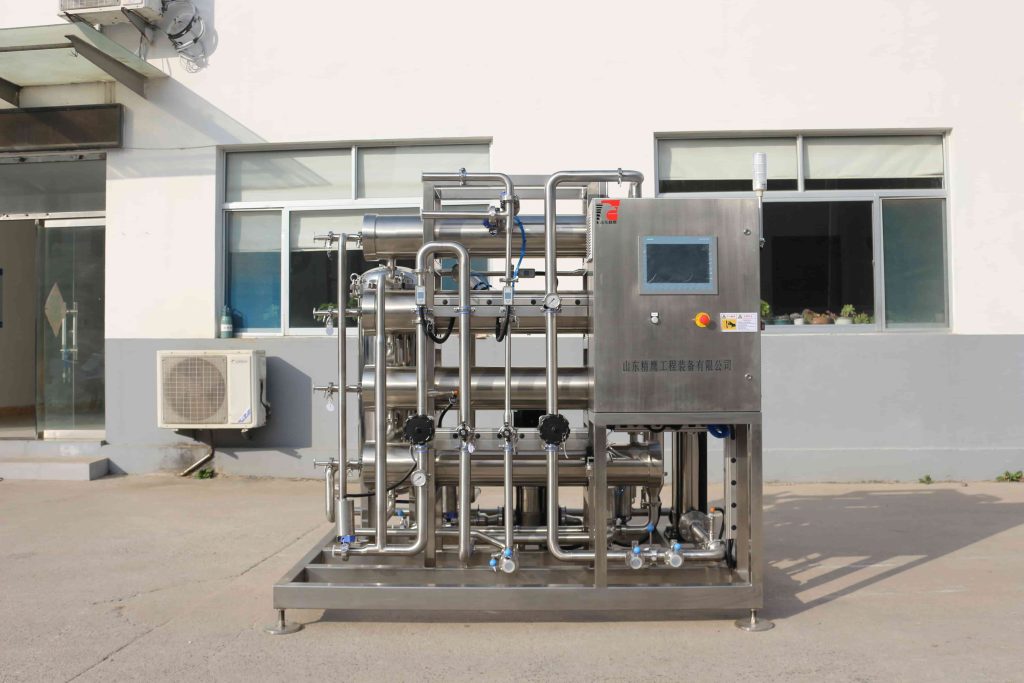
One of the key areas where SKE excels is in thermal processing. Our pasteurization and UHT sterilization systems are designed to deliver precise temperature control and holding times, ensuring the elimination of pathogens while preserving the delicate nutritional and sensory properties of the production milk. Whether it’s an HTST plate pasteurizer for fluid milk or a tubular UHT sterilizer for extended shelf-life products, SKE provides robust and reliable solutions that are easy to operate and maintain. These systems are crucial for maintaining the safety and extending the market reach of various products derived from bulk production milk. Furthermore, SKE Equipment’s homogenization solutions are integral to achieving the desired texture and stability in products like drinking milk and cream, preventing separation and enhancing overall product appeal.
Beyond core processing, SKE also provides essential components for the entire dairy line when handling and processing production milk. This includes high-performance separators for milk and cream separation, various types of storage tanks and silos designed for hygienic holding of raw and processed milk, and sophisticated Clean-in-Place (CIP) systems that automate sanitation processes. Our CIP systems are particularly critical, ensuring thorough cleaning and disinfection of all contact surfaces, preventing cross-contamination, and upholding the highest food safety standards for production milk. These automated cleaning solutions significantly reduce manual labor, water consumption, and chemical usage, contributing to both operational efficiency and environmental sustainability. For example, our advanced systems support the seamless integration of various processes like those outlined in our article about the flash pasteurization system, a testament to SKE’s comprehensive engineering capabilities.
SKE Equipment’s approach is not just about supplying individual machines; it’s about providing integrated solutions. We work closely with our clients to design, install, and commission complete processing lines tailored to their specific needs and production capacities for production milk. Our expertise extends to process design, engineering, automation, and ongoing technical support, ensuring that dairy facilities operate at peak performance. By leveraging cutting-edge technology and a deep understanding of dairy science, SKE empowers producers to optimize their operations, enhance product quality, and meet stringent regulatory requirements. Our contribution helps ensure that the global supply of production milk is not only safe and abundant but also processed with the utmost efficiency and environmental responsibility, solidifying our reputation as a trusted partner in the dairy industry.
Frequently Asked Questions About Production Milk
What is production milk and how is it different from other types of milk?
Production milk refers to all the raw milk collected from dairy animals (primarily cows) that is intended for industrial processing into various dairy products for human consumption. It differs from direct-to-consumer farm milk primarily in its scale and destination; production milk is typically processed in large quantities by dairy plants and undergoes extensive treatments like pasteurization, homogenization, and separation to create diverse products such as fluid milk, cheese, yogurt, butter, and powders. Its journey is highly regulated, focusing on efficiency and safety from farm collection to final product distribution.
What are the key stages in processing production milk?
The processing of production milk generally involves several key stages:
- Collection & Cooling: Raw milk is collected from farms and rapidly cooled to 4°C to inhibit bacterial growth.
- Reception & Quality Control: At the dairy plant, milk is tested for quality, temperature, and contaminants.
- Storage: Approved milk is stored in refrigerated silos.
- Clarification & Separation: Impurities are removed, and milk is often separated into skim milk and cream.
- Standardization & Homogenization: Fat content is adjusted, and fat globules are reduced in size for consistency.
- Pasteurization/UHT Sterilization: Heat treatment eliminates pathogens (pasteurization) or sterilizes the milk for longer shelf life (UHT).
- Further Processing: Depending on the product, this can involve fermentation (yogurt), coagulation (cheese), or drying (milk powder).
- Packaging: Finished products are packaged under hygienic conditions.
How does SKE Equipment contribute to the quality and safety of production milk?
SKE Equipment plays a crucial role by supplying advanced, high-hygiene processing machinery designed specifically for the dairy industry. This includes precise pasteurization and UHT systems for effective pathogen elimination, efficient homogenizers for consistent product texture, and specialized separators for optimized milk component management. Our robust CIP (Clean-in-Place) systems ensure automated and thorough sanitation, minimizing contamination risks. By integrating intelligent automation and reliable engineering, SKE’s solutions help dairy facilities maintain stringent food safety standards, reduce operational costs, and produce high-quality, safe dairy products from production milk, upholding global regulatory compliance.
What are the sustainability challenges and innovations in production milk processing?
Sustainability challenges in production milk processing include high energy and water consumption, waste generation (e.g., whey), and greenhouse gas emissions. Innovations to address these challenges involve:
- Energy Efficiency: Implementing heat recovery systems, high-efficiency motors, and renewable energy sources.
- Water Conservation: Advanced water recycling and optimized CIP systems.
- Waste Reduction: Valorizing by-products like whey into new products.
- Responsible Packaging: Developing recyclable or biodegradable materials.
- Smart Automation: Using data and automation to optimize processes and reduce waste.
These efforts aim to reduce the environmental footprint while maintaining product quality and operational efficiency in handling production milk.
Optimize Your Production Milk Processing with SKE Equipment
Ready to enhance the efficiency, safety, and quality of your dairy operations? SKE Equipment offers innovative solutions tailored to your production milk needs. Contact us today to discuss your project and discover how our advanced systems can transform your facility.
Find us on Facebook |
Email: info@skeequipment.com
Alternatively, fill out the contact form at the bottom of our page, and our experts will get back to you promptly.