Introduction: The Cornerstone of Dairy Processing
In the expansive and meticulously regulated world of dairy processing, the humble stainless dairy tank stands as an indispensable piece of equipment, a silent workhorse that forms the backbone of operations from farm to factory. These tanks are far more than simple containers; they are sophisticated vessels designed to maintain product integrity, uphold stringent hygiene standards, and facilitate efficient processing of milk and other dairy products. From raw milk collection and storage to fermentation, mixing, and final product holding, the reliability and performance of a stainless dairy tank directly impact the quality, safety, and profitability of dairy enterprises worldwide.
The choice of material for these crucial assets is paramount, and stainless steel has unequivocally proven to be the material of choice. Its inherent properties—corrosion resistance, non-reactivity, ease of cleaning, and durability—make it ideally suited for the challenging environment of dairy production. Understanding the various types, design principles, and maintenance requirements for a stainless dairy tank is essential for anyone involved in the dairy industry, from small-scale producers to large commercial operations. At SKE, we recognize this critical role and dedicate our expertise to engineering and manufacturing dairy processing solutions that meet and exceed industry expectations, ensuring that every drop of milk is handled with the utmost care.
This comprehensive guide will delve deep into the world of the stainless dairy tank, exploring its fundamental importance, the specific advantages of its material, the different configurations available, critical design elements, and best practices for maintenance. We will also touch upon the innovations shaping the future of dairy processing equipment, demonstrating how a well-chosen and properly managed stainless dairy tank contributes significantly to operational excellence and product safety. The continued evolution of dairy technology demands robust and reliable infrastructure, and the stainless dairy tank remains at the forefront of this necessary foundation.
Why Stainless Steel? The Unmatched Benefits for Dairy Tanks
The selection of an appropriate material for dairy processing equipment is not merely a matter of preference but a critical decision driven by strict regulatory standards and the unique biochemical properties of milk. Stainless steel has emerged as the industry’s undisputed champion for crafting the ideal stainless dairy tank, largely due to a combination of unparalleled advantages that directly address these challenges. Its exceptional properties provide a compelling case for its widespread adoption.
Firstly, and perhaps most importantly, is its superior corrosion resistance. Dairy products, especially during processing stages like fermentation or when cleaning agents are used, can be mildly acidic or alkaline. These conditions would rapidly corrode many other metals, leading to contamination and structural degradation. Stainless steel, particularly grades like 304 and 316L, contains chromium, which forms a passive, self-repairing oxide layer on its surface. This layer acts as an impermeable barrier against corrosive attacks, ensuring that the integrity of the stainless dairy tank is preserved over many years of operation. For an in-depth look at materials engineering, consider reading about Thermal Processing Equipment Materials, which often involves similar considerations for corrosion and temperature resistance.
Secondly, stainless steel is renowned for its hygienic properties. Its non-porous and smooth surface prevents bacteria, yeasts, and molds from adhering and proliferating. This characteristic is vital in preventing biofilm formation, a major concern in dairy operations due to the risk of product spoilage and cross-contamination. The ease with which a stainless dairy tank can be thoroughly cleaned and sanitized, often using Clean-in-Place (CIP) systems, directly contributes to maintaining the highest levels of food safety. This smooth finish also means that cleaning chemicals are less likely to be absorbed, reducing the risk of chemical residue in the final product.
Thirdly, stainless steel is non-reactive with dairy products. Unlike some metals that can leach ions into milk, altering its taste, color, or nutrient profile, stainless steel remains inert, preserving the natural characteristics of the dairy product. This chemical stability is crucial for maintaining product consistency and quality, ensuring that what goes into the stainless dairy tank comes out precisely as intended, without undesirable interactions.
Fourthly, the durability and longevity of stainless steel translate into significant long-term cost benefits. While the initial investment in a high-quality stainless dairy tank might be higher than alternatives, its extended lifespan, resistance to damage, and minimal maintenance requirements result in a lower total cost of ownership. These tanks can withstand repeated thermal cycles, mechanical stresses from agitation, and the rigors of frequent cleaning without compromising their structural integrity.
Finally, stainless steel offers aesthetic appeal and recyclability. While aesthetics might seem secondary, a clean, gleaming stainless dairy tank not only reflects a commitment to hygiene but also conveys professionalism. Furthermore, at the end of its exceptionally long service life, stainless steel is 100% recyclable, aligning with sustainable manufacturing practices and reducing environmental impact. These combined attributes make stainless steel the only logical choice for any dairy operation committed to quality, safety, and efficiency.
Key Types of Stainless Dairy Tanks and Their Applications
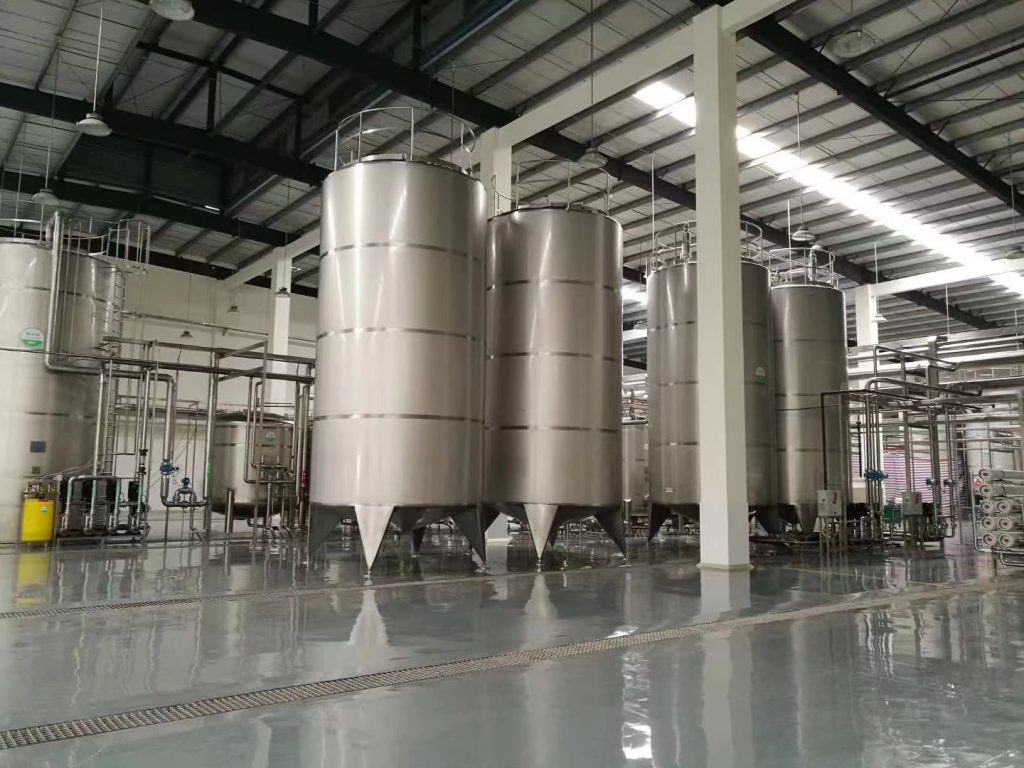
The versatility of the stainless dairy tank is evident in the myriad of designs and functions it can embody, each tailored to specific stages and processes within dairy production. Understanding these types is crucial for optimizing workflows and ensuring the right equipment is deployed for each task. The choice of a particular stainless dairy tank depends largely on its intended application, volume, and the specific characteristics of the dairy product being handled.
One of the most common types is the raw milk storage tank, also known as a bulk milk cooler or farm tank. These tanks are designed to rapidly cool and hold raw milk at low temperatures (typically 3-4°C) immediately after milking. They are usually insulated and equipped with agitators to ensure uniform temperature and prevent fat separation. SKE offers robust raw milk storage solutions that prioritize rapid cooling and efficient temperature control, critical for preserving milk quality before transportation to processing plants. These tanks often feature precise temperature monitoring and recording systems to comply with regulatory standards.
Next are processing tanks, which encompass a broad category including pasteurization tanks, cheese vats, yogurt fermenters, and mixing tanks. A pasteurization tank, for instance, is designed to heat milk to specific temperatures for a set duration to eliminate harmful bacteria, while a cheese vat is specialized for curd cutting, stirring, and whey drainage during cheese production. Yogurt fermenters require precise temperature control and gentle agitation to support bacterial cultures. These tanks are typically jacketed for heating and cooling, featuring precise temperature controls and specialized agitators suited to the viscosity and sensitivity of the product. The design of these processing tanks often incorporates various inlets and outlets for ingredients, cleaning solutions, and product transfer, highlighting the complexity and multi-functionality of a modern dairy equipment system.
Another critical type is the storage and balance tank. Storage tanks are used for holding intermediate or finished dairy products, maintaining their temperature and quality before further processing or packaging. Balance tanks, often smaller, are found in processes like pasteurization, ensuring a constant head of product for steady flow rates through heat exchangers. These tanks underline the importance of steady, uninterrupted operations facilitated by reliable holding vessels. The internal design of these storage options is critical, with a smooth stainless dairy tank interior preventing product hang-up and ensuring complete drainage, reducing waste and simplifying cleaning procedures.
Furthermore, CIP (Clean-in-Place) tanks are an integral part of modern dairy facilities. These tanks hold cleaning and sanitizing solutions (acid, caustic, rinse water) which are then circulated through the processing lines and vessels, including the stainless dairy tank itself. While not directly holding dairy products, they are essential support systems, ensuring that all product-contact surfaces remain impeccably clean and sterile.
Finally, specialized tanks like cream ripening tanks or ice cream mix tanks cater to niche product requirements, featuring specific agitation patterns, cooling capabilities, and sometimes even vacuum or pressure capabilities. Each of these stainless dairy tank variants is meticulously engineered to perform its function flawlessly, contributing to the overall efficiency and hygiene of the dairy processing plant. SKE’s comprehensive range of dairy tanks is designed to cover these diverse applications, ensuring that irrespective of the product or process, our clients have access to the optimal storage and processing solution.
Critical Design and Construction Considerations for a Stainless Dairy Tank
The effective performance and longevity of a stainless dairy tank are not just a matter of choosing the right material; they are also heavily dependent on meticulous design and robust construction. Every detail, from the material grade to the welding technique, plays a crucial role in ensuring hygiene, efficiency, and safety. When designing and constructing a stainless dairy tank, several key considerations must be at the forefront.
The primary consideration is the grade of stainless steel. For most dairy applications, AISI 304 stainless steel is the standard due to its excellent corrosion resistance and cost-effectiveness. However, for more aggressive environments or products with higher chloride content, AISI 316L (low carbon) is often preferred for its enhanced resistance to pitting and crevice corrosion. The “”L”” indicates low carbon content, which minimizes carbide precipitation during welding, preserving corrosion resistance in the heat-affected zone. SKE primarily utilizes these high-quality stainless steel grades to guarantee the durability and hygienic properties of our tanks.
Next is surface finish. The interior surface of a stainless dairy tank must be highly polished (e.g., Ra < 0.8 µm, and often down to < 0.4 µm for critical applications) to prevent microbial adhesion and facilitate thorough cleaning. A smooth, crevice-free surface drastically reduces the risk of bacterial growth and biofilm formation, which are major sources of contamination in dairy processing. Exterior surfaces may have a less stringent finish but should still be easily cleanable and resistant to external corrosion.
Welding quality is another non-negotiable aspect. All welds on a stainless dairy tank must be smooth, continuous, and free from porosity, cracks, or crevices that could harbor microorganisms. Orbital welding, followed by passivation, is often employed to achieve the highest quality welds that blend seamlessly with the adjacent surfaces, maintaining the hygienic integrity of the tank. Poor welding can introduce points of corrosion and difficulty in cleaning, undermining the very purpose of a stainless steel vessel. Our commitment to excellence at SKE ensures that all welding is performed to the highest industry standards.
Thermal insulation and jacketing are critical for maintaining desired product temperatures. Double-walled tanks with insulation (e.g., polyurethane foam) are common for storage and processing tanks that require temperature control, whether heating (e.g., pasteurization) or cooling (e.g., raw milk storage). Jacketing can be full coverage or dimple plate, chosen based on the heating/cooling requirements and pressure dynamics. Proper insulation minimizes energy consumption and maintains uniform temperatures throughout the product, which is vital for process control and product quality. You might find more relevant information on temperature control systems in discussions about dairy equipment in general, as it consistently remains a key engineering challenge.
Lastly, agitation systems, inlets/outlets, and access points must be meticulously designed. Agitators should provide gentle yet effective mixing without causing shear damage to sensitive dairy products or introducing air. Tank inlets and outlets, including CIP spray balls, must be strategically placed for optimal product flow and comprehensive cleaning coverage. Manways and access hatches need to be hygienically designed, easy to open, and equipped with sanitary seals to prevent contamination. The overall structural integrity, including legs and supports, must be robust enough to safely bear the weight of the full tank and its contents. These considerations collectively define a superior stainless dairy tank, ensuring it performs robustly and reliably throughout its operational lifespan.
Maintenance and Hygiene: Ensuring Longevity and Safety in Your Stainless Dairy Tank
The long-term performance, safety, and operational efficiency of any stainless dairy tank are inextricably linked to a rigorous and consistent maintenance and hygiene regimen. Neglecting these aspects can lead to costly downtime, product spoilage, and severe public health risks. Therefore, understanding and implementing best practices for cleaning, sanitation, and ongoing maintenance is paramount for every dairy operation. The inherent properties of stainless steel facilitate these processes, but proper procedures are still critical.
At the core of maintaining a stainless dairy tank is effective cleaning and sanitation. This typically involves a multi-step Clean-in-Place (CIP) process. CIP systems are designed to circulate cleaning solutions through the tank without requiring manual internal access, thereby improving safety and efficiency. A typical CIP cycle for a stainless dairy tank includes: a pre-rinse with water to remove gross soil; an alkaline wash (e.g., caustic soda) to remove organic matter, fats, and proteins; an intermediate rinse; an acid wash (e.g., nitric acid) to remove mineral deposits (milkstone) and prevent scale buildup; a final rinse; and finally, a sanitization step using chemicals like peracetic acid or chlorine, or heat. The effectiveness of this process relies on correct chemical concentrations, temperatures, flow rates, and contact times, all of which are optimized in SKE-designed systems.
Beyond daily cleaning, regular inspection and preventative maintenance are crucial. Operators should routinely inspect the interior and exterior of the stainless dairy tank for any signs of pitting, crevice corrosion, surface scratches, or weld degradation. Gaskets and seals on manways, valves, and agitator shafts are wear items and should be checked frequently for cracking, hardening, or signs of leakage, and replaced as necessary. Agitator motors, gearboxes, and associated electrical components also require periodic checks and servicing to ensure smooth, reliable operation. Any abnormalities, however minor, should be addressed promptly to prevent them from escalating into more significant issues that could compromise product safety or tank integrity. Maintenance protocols also often extend to systems like flash pasteurization systems, where frequent cleaning and sterilization are equally essential due to high temperatures and rapid processing.
Water quality used for rinsing and cleaning also plays a significant role. Hard water can lead to mineral deposits (limescale), which are difficult to remove and can harbor bacteria if not adequately addressed. Therefore, using treated or softened water for the final rinses, especially, can significantly improve hygiene outcomes and reduce the need for aggressive cleaning chemicals. Proper drainage of the stainless dairy tank after cleaning is equally important to prevent water stagnation, which can promote microbial growth.
Finally, staff training is indispensable. Personnel responsible for operating and maintaining the stainless dairy tank must be thoroughly trained in proper cleaning procedures, chemical handling safety, inspection protocols, and troubleshooting. Understanding why certain steps are performed helps ensure compliance and vigilance. By adhering to these strict maintenance and hygiene practices, dairy processors can maximize the lifespan of their stainless dairy tank investments, safeguard product quality, and uphold the highest standards of food safety.
Innovation and Future Trends in Stainless Dairy Tank Technology
The dairy industry, driven by evolving consumer demands, stricter regulations, and the pursuit of greater efficiency, is constantly embracing innovation. The stainless dairy tank, while a mature technology, is not immune to these advancements. Future trends are largely focused on enhancing automation, improving energy efficiency, bolstering traceability, and integrating smart technologies to create more adaptive and responsive processing environments.
One significant trend is the rise of advanced automation and process control systems. Modern stainless dairy tank installations are increasingly integrated with sophisticated Programmable Logic Controllers (PLCs) and Supervisory Control and Data Acquisition (SCADA) systems. These systems allow for precise, automated control over parameters such as temperature, agitation speed, fill levels, and CIP cycles. This reduces human error, ensures consistency across batches, and optimizes resource consumption, including water and energy. Automated validation of cleaning cycles, for instance, provides undeniable proof of hygiene, crucial for regulatory compliance.
Enhanced energy efficiency is another major focus. This involves improvements in insulation materials and design, more energy-efficient agitator motors, and optimized heat exchange surfaces within jacketed tanks. Recovering heat from cooling processes (e.g., using heat recovery units on raw milk tanks to preheat water) is becoming standard practice, significantly reducing operational costs and environmental impact. The design of the stainless dairy tank itself, with optimal aspect ratios and surface area to volume ratios, also contributes to thermal efficiency.
The integration of smart sensors and IoT (Internet of Things) capabilities is transforming how a stainless dairy tank functions. Real-time data on temperature, pH, conductivity, turbidity, and even microbial activity can be continuously monitored and transmitted to a central system. This allows for predictive maintenance, early detection of deviations from optimal conditions, and enhanced traceability of products throughout the processing chain. Imagine a stainless dairy tank that can detect the precise moment fermentation is complete, or automatically adjust cooling based on external temperature fluctuations.
Modular and flexible designs are also gaining traction. As consumer preferences shift, dairy processors need the ability to quickly adapt their production lines to new products or smaller batch sizes. Modular stainless dairy tank systems allow for easier expansion, reconfiguration, and maintenance, providing greater operational flexibility. This design philosophy also supports easier integration into existing facilities and reduces installation time and cost.
Finally, there’s a continuous push towards improved hygienic design elements. While stainless steel is already excellent, engineers are always seeking ways to eliminate potential harborage points, refine internal geometries for better cleanability, and develop new sealing technologies that withstand more aggressive CIP cycles longer. SKE remains at the forefront of these innovations, continuously researching and integrating cutting-edge technologies into our stainless dairy tank solutions. By embracing these future trends, the stainless dairy tank will continue to be a vital, intelligent, and sustainable component of the evolving dairy industry.
Frequently Asked Questions about Stainless Dairy Tanks
What are the primary advantages of using stainless steel for dairy tanks?
Stainless steel offers unmatched advantages for dairy tanks due to its superior corrosion resistance, non-reactive nature with dairy products, smooth and non-porous hygienic surface that prevents microbial growth, and exceptional durability. These properties ensure product integrity, easy cleaning, and a long operational lifespan, making it the ideal material for food-grade applications.
What stainless steel grades are typically used for dairy tanks and why?
The most common grades are AISI 304 and AISI 316L. AISI 304 is widely used for its excellent general corrosion resistance and cost-effectiveness. AISI 316L (low carbon) is preferred for more corrosive environments or applications where higher resistance to pitting and crevice corrosion is required, especially in weld zones. The “”L”” signifies low carbon content, which improves weldability and maintains corrosion resistance after welding.
How often should a stainless dairy tank undergo CIP (Clean-in-Place) procedures?
The frequency of CIP for a stainless dairy tank depends on its specific application and the product being handled. Raw milk storage tanks are typically cleaned after each emptying. Processing tanks (e.g., pasteurizers, fermenters) are cleaned after each batch or shift. It is crucial to follow strict hygiene protocols and regulatory guidelines to prevent microbial growth and ensure product safety. SKE designs its tanks for optimal CIP efficiency.
Can stainless dairy tanks be customized for specific dairy processes?
Absolutely. Stainless dairy tanks are highly customizable. SKE, for example, offers bespoke solutions regarding dimensions, insulation, heating/cooling jackets, agitator types (propeller, anchor, scraper), baffling, inlet/outlet configurations, and integration with advanced control systems. Customization ensures the tank perfectly aligns with specific process requirements, optimizing efficiency and product quality.
Need a High-Quality Stainless Dairy Tank for Your Operation?
Whether you’re looking for standard solutions or custom-engineered tanks, SKE is your trusted partner. Our expertise in dairy processing equipment ensures you get durable, hygienic, and efficient solutions tailored to your needs. Contact us today to discuss your project requirements or to request a quote.
Connect with us:
Facebook |
Email: info@skeequipment.com
Alternatively, fill out the contact form below and our team will get back to you promptly:
(Please imagine a contact form element here, as HTML cannot directly render server-side forms.)