
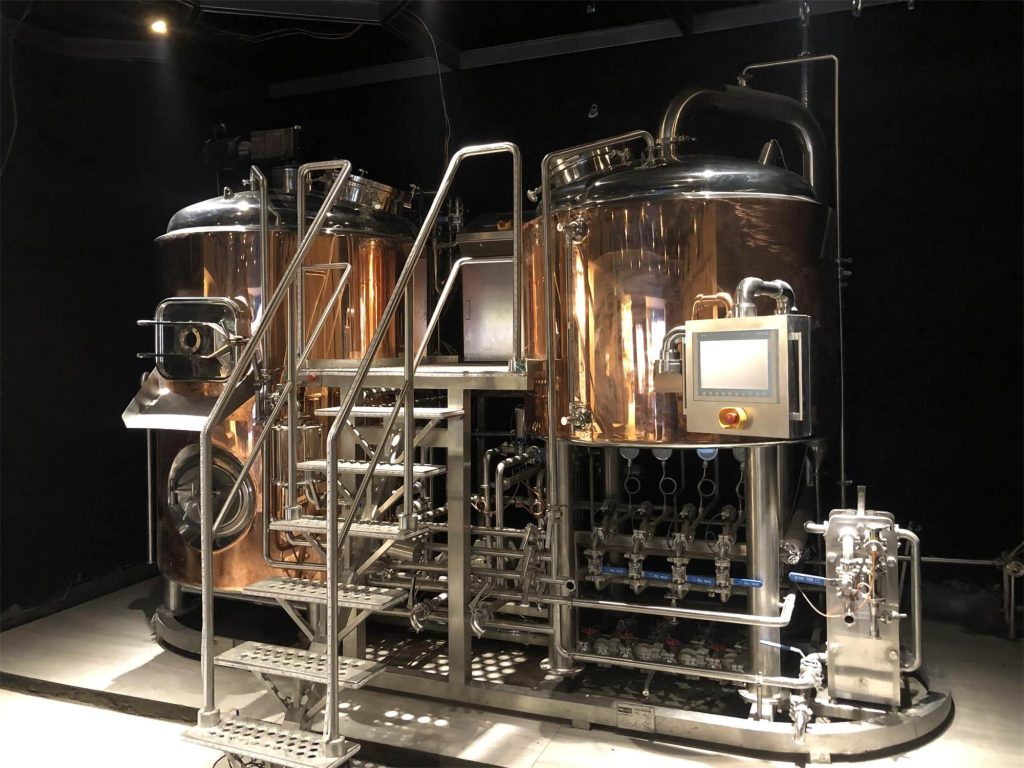
Introduction to Stainless Steel Brew Kettles
Welcome to the essential guide for every homebrewer and craft enthusiast! When it comes to brewing, few pieces of equipment are as central and critical as the brew kettle. This is where the magic happens – where grains steep, wort boils, and hops impart their character. Among the myriad options available, the stainless steel brew kettle stands out as the undisputed champion, revered for its durability, consistency, and sanitary characteristics. For anyone serious about producing high-quality beer, investing in a robust stainless steel brew kettle is not just an option, it’s a necessity.
A high-quality stainless steel brew kettle ensures an even heat distribution, preventing scorching and allowing for precise temperature control throughout the brewing process. This precision is vital for extracting the right sugars during mashing and achieving the desired bitterness and aroma during the boil. Unlike other materials, stainless steel does not react with the wort, preserving the purity of flavors and aromas. This imperviousness also makes cleaning significantly easier, a crucial factor in preventing contamination and ensuring batch after batch of excellent beer. The longevity of a stainless steel brew kettle also means it’s a wise, long-term investment that will serve your brewing ambitions for years to come. Whether you’re a seasoned pro or just starting your brewing journey, understanding the nuances of these essential vessels will empower you to make informed decisions and elevate your brewing game.
Here at SKE, we understand the importance of reliable and efficient equipment. Our range of brewing vessels, including our premium stainless steel brew kettles, are designed with the brewer in mind. This guide will walk you through everything you need to know about selecting, using, and maintaining your kettle to ensure an optimal brewing experience. From understanding the metallurgy of stainless steel to choosing the perfect size and features, we’ve got you covered. Get ready to dive deep into the world of brewing with the ultimate companion – your very own stainless steel brew kettle.
Why Stainless Steel is the Gold Standard for Brew Kettles
The choice of material for your brew kettle is paramount, and stainless steel consistently outperforms alternatives like aluminum or enamel-coated pots. Its superior properties make it the material of choice for professional breweries and serious homebrewers alike. The primary advantages revolve around hygiene, durability, and thermal performance, all crucial for crafting exceptional beer batches.
Hygiene and Sanitation
“”Maintaining impeccable hygiene is non-negotiable in brewing. Stainless steel’s non-porous surface provides no refuge for bacteria or wild yeasts, making it inherently more sanitary and easier to clean than other materials. This significantly reduces the risk of contamination, which can otherwise ruin an entire batch.””
One of the most significant benefits of a stainless steel brew kettle is its non-reactive nature. Unlike aluminum, which can react with acids in the wort and introduce off-flavors, stainless steel is inert. This ensures that the true character of your ingredients shines through without any metallic taint. Its smooth, non-porous surface is also incredibly easy to clean and sanitize. This ease of cleaning is critical for preventing bacterial growth and wild yeast contamination, which can lead to sour, off-flavored, or even undrinkable beer. For more insights on this critical aspect, consider reading about the importance of cleanliness in craft brewing, a topic SKE extensively covers to help brewers maintain optimal sanitation practices.
Durability and Longevity
Stainless steel is renowned for its strength and resistance to corrosion, dents, and scratches. A well-maintained stainless steel brew kettle can last a lifetime, enduring countless brewing cycles without degradation. This robustness means it can handle the rigors of frequent heating and cooling, as well as the occasional bump or scrape in the brew shed. Investing in a high-quality stainless steel brew kettle from a reputable manufacturer like SKE means you’re buying a piece of equipment that will be a cornerstone of your brewing setup for decades, constantly offering value and consistent performance.
Thermal Performance
While often perceived as having lower thermal conductivity than aluminum, high-grade stainless steel, especially with a thick base, offers excellent heat retention and even heat distribution. This is paramount for achieving a vigorous, rolling boil, essential for extracting hop bitterness and promoting protein coagulation. The even heat prevents localized scorching, which can contribute to undesirable flavors in your final product. Its ability to withstand high temperatures without warping or compromising its structural integrity further solidifies its position as the preferred material for a reliable brew kettle. The consistency it provides in maintaining desired temperatures is a key factor in repeatable brewing success.
Choosing the Right Stainless Steel Brew Kettle Size
The size of your stainless steel brew kettle is perhaps the most critical decision after choosing the material itself. It directly impacts the batch size you can produce and your brewing efficiency. A common mistake for new brewers is to buy a kettle that is too small, quickly leading to the need for an upgrade. It’s always better to err on the side of slightly larger than you think you’ll need.
Understanding Batch Sizes and Boil-Off
When selecting a brew kettle, consider your target batch size. If you aim to produce 5-gallon (19-liter) batches of finished beer, you’ll need a kettle significantly larger than 5 gallons. This accounts for several factors:
- Boil-off Rate: During a typical 60-minute boil, a significant amount of water evaporates, usually around 1-1.5 gallons (3.8-5.7 liters) per hour, depending on the heat source and surface area.
- Headspace: You need ample headspace above your wort to prevent boil-overs, especially during the initial hot break. A minimum of 25-30% headspace is recommended.
- Trub Loss: After brewing, you’ll lose some volume to trub (hop particles, proteins, etc.) at the bottom of the kettle.
For a 5-gallon finished batch, a 10-gallon (38-liter) brew kettle is often recommended as an ideal minimum. This provides sufficient volume to account for boil-off and headspace, allowing for a healthy, vigorous boil without constant worry of overflow. For those looking to brew larger batches, perhaps 10-gallon batches, a 15-gallon (57-liter) or even 20-gallon (76-liter) stainless steel brew kettle would be more appropriate.
Future-Proofing Your Brewing
Consider your brewing aspirations. Do you foresee yourself scaling up to larger batches in the future? If so, investing in a slightly larger kettle now can save you money and hassle in the long run. An SKE stainless steel brew kettle is built to last, making it a future-proof investment that can grow with your brewing journey. Our range of brewing setups can accommodate various scales, ensuring you find the perfect fit.
It’s also worth noting that a larger kettle, even for smaller batches, can sometimes offer more stable heating and evaporation, which can lead to more consistent results. The extra volume allows for less frantic boiling management and more room for additions during the boil. When considering the ideal size, it’s beneficial to map out your entire brewing process, from sparging volumes to final fermentation needs. This holistic approach ensures your new stainless steel brew kettle integrates seamlessly into your current and future brewing operations.
Key Features to Look for in a Stainless Steel Brew Kettle
Beyond material and size, several features can significantly enhance the functionality and ease of use of your stainless steel brew kettle. Smart design choices and robust accessories can transform your brewing experience.
Thick, Tri-Ply Bottom
A thick, tri-ply, or clad bottom is arguably one of the most important features. This consists of layers of stainless steel enclosing an aluminum or copper core. This construction significantly improves heat distribution, virtually eliminating scorching of the wort and allowing for a more even, consistent boil. It also enhances heat retention, which can be beneficial for maintaining temperature during mashing processes if you’re using your kettle for a Mash Tun as well. All SKE brew kettles are designed with optimal heat distribution in mind, ensuring consistent results every time.
Valves and Ports
Look for a brew kettle with pre-installed ball valves and thermometer ports. A robust ball valve simplifies transferring wort after the boil, making it easier to move hot liquid directly to your fermenter or chiller. Thermometer ports allow you to integrate a high-quality thermometer, providing accurate temperature readings throughout the brewing process, crucial for controlling mash and boil temperatures. Some advanced models, like those offered by SKE, might even feature multiple ports for recirculating wort during mashing or attaching a whirlpool arm, significantly streamlining the brewing process. For more details on efficient wort cooling and transfer, you might find our article on optimizing wort cooling for better beer highly informative, as it complements the functionality of a well-equipped brew kettle.
Lid and Handles
A sturdy, well-fitting lid is essential for containing steam, achieving a rapid boil, and minimizing heat loss when needed. Look for lids with secure handles, preferably made of heat-resistant material. Ergonomic, robust handles on the kettle body itself are also vital. They should be strong enough to support the full weight of the kettle when filled with wort, and comfortable to grip, even when wearing gloves, facilitating safe and easy movement.
Volume Markings
Internal volume markings (etched or stamped) are incredibly useful for precise measurements of water and wort, eliminating the need for external measuring devices. This feature adds convenience and accuracy, ensuring you hit your target volumes consistently. This attention to detail reflects the quality you can expect from a dedicated brewing equipment manufacturer.
False Bottoms and Diptubes
For all-grain brewers, a false bottom is a must-have if using your kettle as a mash tun. It separates the grain bed from the wort, allowing for clear run-off. A diptube extending to the very bottom of the kettle can also maximize wort collection, especially useful when combined with a whirlpool step to collect trub in a cone shape, leaving clearer wort for fermentation. These features demonstrate a commitment to comprehensive brewing solutions, a hallmark of SKE’s design philosophy.
Materials and Construction: SKE’s Quality Standard in Stainless Steel Brew Kettles
The quality of a stainless steel brew kettle isn’t just about the presence of features, but also the standard to which it’s manufactured. Understanding the nuances of stainless steel grades and construction techniques can help you appreciate the true value of a premium brewing vessel. At SKE, our commitment to excellence is evident in every aspect of our brew kettle design and fabrication.
Stainless Steel Grade: 304 vs. 316
The most common and highly recommended grade of stainless steel for brewing equipment is 304 (also known as 18/8 for its 18% chromium and 8% nickel content). This grade offers excellent corrosion resistance, durability, and is food-grade safe, making it ideal for contact with foodstuffs. It holds up exceptionally well against the various acids and compounds encountered in brewing. Sometimes, you might encounter 316 stainless steel (also known as 18/10/2, containing molybdenum), which offers even greater corrosion resistance, particularly to chlorides found in some water sources or cleaning agents. While 316 is superior, 304 is more than adequate for the vast majority of brewing applications and offers a great balance of performance and cost. SKE rigorously selects high-quality 304 or 316 stainless steel to ensure longevity and safety for all our brewing equipment.
Weld Quality and Finish
The quality of welds on a brew kettle is crucial. Poor welds can create crevices where bacteria can harbor, making cleaning difficult and increasing the risk of contamination. Look for smooth, clean, and polished welds, especially on the interior of the kettle. Sanitary welds, often ground smooth and polished to a mirror finish, are a hallmark of high-quality equipment. SKE prioritizes sanitary welding practices to ensure our brew kettles are not only robust but also easy to clean and maintain, embodying our commitment to hygiene and durability. The overall finish, both inside and out, should be smooth, reflecting the meticulous attention to detail in the manufacturing process.
Robust Hardware and Gaskets
The quality of the fittings – ball valves, thermometer probes, and their associated gaskets – is also critical. These components should be made of durable, food-grade materials (like silicone for gaskets) and securely attached to prevent leaks. Threads should be clean and allow for easy assembly and disassembly for cleaning. Inferior hardware can lead to frustrating leaks, unreliable temperature readings, and difficult maintenance. SKE uses only the highest quality fittings and robust gaskets, designed for repeated use and easy sanitation, which contributes directly to the overall reliability and performance of our stainless steel brew kettle range.
By focusing on these aspects of material and construction, brewers can be confident that their SKE stainless steel brew kettle will provide years of reliable service, consistently contributing to the production of exceptional beer. Our expertise in crafting brewing solutions ensures every detail is considered for optimal performance and user experience.
Maintenance and Care for Your Stainless Steel Brew Kettle
Proper maintenance and care are essential to ensure the longevity and optimal performance of your stainless steel brew kettle. A well-cared-for kettle not only lasts longer but also helps maintain the sanitary conditions critical for brewing high-quality beer. Adhering to good cleaning practices will prevent contamination and keep your equipment looking new.
Immediate Cleaning Post-Brew
The golden rule for brewing equipment is: clean immediately after use. The longer wort, hops, and trub sit in the kettle, the harder they are to remove. After transferring your wort, rinse the kettle with hot water to remove loose debris. Then, use a soft cloth or brush and a dedicated brewing cleaner (e.g., PBW – Powdered Brewery Wash, or an equivalent alkaline cleaner). Avoid abrasive scrubbers or steel wool, which can scratch the stainless steel surface, creating microscopic nooks where bacteria can hide and making future cleaning more difficult.
For stubborn, baked-on proteins or hop residue, you might need to let the cleaner soak in hot water for a few hours or even overnight. Always follow the manufacturer’s instructions for the cleaning agent. Once cleaned, rinse thoroughly with clean water, ensuring no detergent residue remains. For specific cleaning methodologies that apply broadly to all brewing vessels, our guide on effective cleaning and sanitization for all brewing equipment provides excellent insights, ensuring your entire setup remains pristine.
Sanitization Before Brewing
While a brew kettle is typically sanitized by the hot boil itself, any parts of the kettle that come into contact with post-boil wort (like the ball valve if used for transfer, or a lid that covers chilling wort) should be sanitized. Use a no-rinse sanitizer like Star San just before the next brew. Ensure all surfaces are completely covered with the sanitizer for the recommended contact time, then let it air dry. Do not rinse it off with tap water, as this can reintroduce contaminants.
Dealing with Stainless Steel Passivation
Stainless steel develops a passive layer (chromium oxide) that protects it from corrosion. Over time, or with exposure to harsh chemicals, this layer can be compromised. Periodically, you might want to “”passivate”” your brew kettle. This involves cleaning it thoroughly and then treating it with an acidic solution (like phosphoric acid, or a dedicated passivating agent) to help rebuild this protective layer. This step isn’t needed after every brew, but it’s good practice every few months or if you notice any signs of corrosion or discoloration. SKE stainless steel brew kettles are chosen for their inherent passivation properties, but careful maintenance is always recommended to extend their lifespan indefinitely.
Storage
Store your clean and dry brew kettle in a place where it’s protected from dust, debris, and potential damage. Covering it with a clean cloth or plastic bag can keep the interior pristine until your next brewing session. Proper storage prevents dust from settling inside and keeps surfaces ready for quick sanitization before use. By following these simple but effective maintenance steps, your SKE stainless steel brew kettle will remain a reliable, high-performing asset in your brewing arsenal for many years to come.
Advanced Brew Kettle Setups and Accessories
Once you’ve mastered the basics with your premium stainless steel brew kettle, you might start looking into advanced setups and accessories to further streamline your brewing process, enhance efficiency, and elevate the quality of your beer. SKE offers a range of components designed to integrate seamlessly with your brewing system, allowing for greater control and automation.
Recirculation and Whirlpool Arms
For all-grain brewers, a recirculation arm can be a game-changer when using your brew kettle as a mash tun. It allows you to continuously recirculate wort through the grain bed, ensuring clear wort and more efficient sugar extraction. Post-boil, a whirlpool arm is used to create a vortex in the kettle, concentrating hop trub and other solids into a cone in the center of the kettle bottom. This leaves clearer wort for transfer to the fermenter, which can lead to better fermentation and a clearer finished product. Many SKE brew kettles are designed with port options to accommodate these advanced features, reflecting our commitment to versatile brewing solutions.
Integrated Heating Elements and Temperature Controllers
Moving beyond propane burners, many advanced homebrew setups incorporate electric heating elements directly into the brew kettle. This offers several benefits: no open flame, precise temperature control (especially when paired with an external PID controller), and often faster heating times. Electric systems allow for brewing indoors or in garages without ventilation concerns. An integrated temperature control system, often featuring an RTD or thermowell, provides real-time feedback, enabling brewers to hold exact temperatures during mashing or ensure a consistent boil. This level of control is crucial for repeatable results and can be found in our more advanced brewing systems, like the mastering brewery automation guide to PID controllers, showcasing SKE’s expertise in modern brewing technology.
Wort Chillers: Immersion, Plate, and Counterflow
Rapidly chilling your wort post-boil is paramount for preventing off-flavors (like DMS) and minimizing the risk of infection. While an immersion chiller (a coil of copper or stainless steel tubing submerged in the hot wort) is a popular starting point, plate and counterflow chillers offer faster and more efficient cooling. These external devices pump hot wort through a series of plates or coils while cold water flows in the opposite direction, exchanging heat. Integrating one of these powerful chillers with your stainless steel brew kettle can dramatically reduce cooling times, allowing for quicker pitch of yeast and a healthier fermentation. SKE’s comprehensive product line includes various chilling solutions designed to pair perfectly with your brew kettle setup.
Hop Spider and Grain Baskets
To reduce trub and simplify cleanup, many brewers use a hop spider or a large grain basket inside their brew kettle. A hop spider is a mesh basket that holds hops during the boil, preventing them from scattering throughout the wort and ending up in your fermenter. For all-grain brewers, a large stainless steel grain basket can transform your brew kettle into a brew-in-a-bag (BIAB) system or a robust all-in-one system, simplifying the mashing and sparging process by allowing the grain to be easily lifted out after the mash. These accessories, while seemingly small, can make a significant difference in both the ease of brewing and the clarity of your final beer. With SKE, exploring these advanced options means unlocking new levels of brewing precision and convenience.
Frequently Asked Questions About Stainless Steel Brew Kettles
What is the best grade of stainless steel for a brew kettle?
The best grade of stainless steel for a brew kettle is typically 304 food-grade stainless steel. It offers excellent corrosion resistance, durability, and is non-reactive with brewing ingredients, ensuring the purity of your wort. While 316 stainless steel provides even greater resistance, 304 is perfectly suitable and cost-effective for most home and craft brewing applications. SKE prioritizes high-quality 304 or 316 stainless steel in its brew kettles for maximum performance and longevity.
How often should I clean my stainless steel brew kettle?
Your stainless steel brew kettle should be thoroughly cleaned immediately after every use. Allowing wort or hop residue to dry and stick makes cleaning significantly more difficult and can create breeding grounds for bacteria. Immediate rinsing and cleaning with a non-abrasive brewery cleaner will keep your kettle pristine and prevent contamination for future brews. Regular, diligent cleaning is key to the longevity and sanitary operation of your SKE brewing equipment.
What size stainless steel brew kettle do I need for a 5-gallon batch?
For a 5-gallon (approximately 19 liters) batch of finished beer, you will generally need a 10-gallon (approximately 38 liters) stainless steel brew kettle. This larger size accounts for boil-off (liquid evaporated during the boil) and provides crucial headspace to prevent boil-overs, especially during the strenuous “”hot break”” phase. Having enough volume ensures a vigorous, safe boil and accommodates ingredients without constant supervision.
Can I use my stainless steel brew kettle for mashing?
Yes, many brewers use their stainless steel brew kettle as a mash tun, especially in “”brew-in-a-bag”” (BIAB) setups or with an added false bottom. The excellent heat retention properties of a well-constructed stainless steel kettle can help maintain mash temperatures. If using it as a mash tun, look for features like a thick bottom for even heating and a false bottom or hop filter for grain separation. SKE offers versatile kettles that can be adapted for multi-purpose brewing operations.
Elevate Your Brew with SKE Equipment
Ready to invest in a superior stainless steel brew kettle or upgrade your existing brewing setup? SKE offers a comprehensive range of high-quality, durable brewing equipment designed for enthusiasts and professionals alike. Our products are engineered for performance, precision, and longevity.
Connect with us:
Facebook
info@skeequipment.com
Have questions or need assistance selecting the perfect brewing solution? Don’t hesitate to reach out!
Fill out the contact form below, and our experts will be happy to assist you in finding the ideal stainless steel brew kettle and other brewing equipment to meet your needs.