
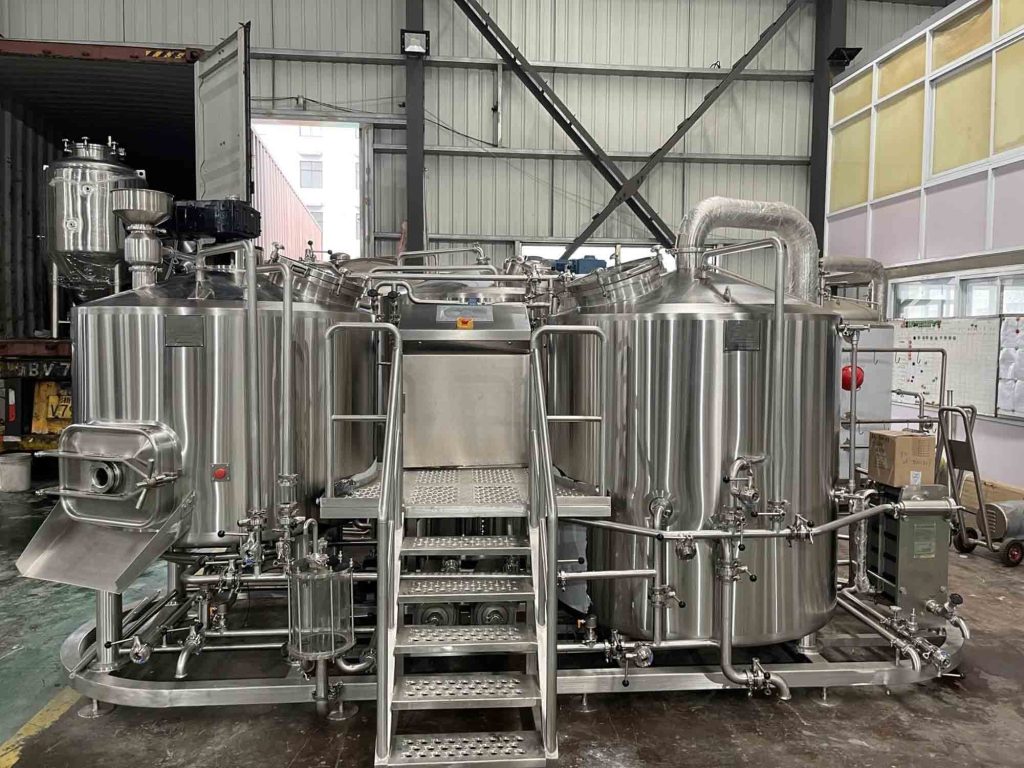
Introduction to Stainless Steel Brewery Tanks
In the vibrant world of brewing, the quality of the final product hinges on numerous factors, not least of which is the equipment used throughout the process. Among the most critical pieces of machinery are the stainless steel brewery tanks. These vessels are far more than mere containers; they are sophisticated environments where yeast performs its magic, flavors develop, and beer matures. The evolution of brewing technology has consistently pointed towards stainless steel as the material of choice, primarily due to its unparalleled hygienic properties, durability, and resistance to corrosion.
From microbreweries crafting artisanal ales to large-scale industrial operations producing millions of barrels, stainless steel brewery tanks are the backbone of fermentation, conditioning, and storage. Understanding their various types, functions, and the intricate details of their design is essential for any brewer aiming for consistency, efficiency, and exceptional beer quality. This comprehensive guide will delve deep into the world of brewery tanks, exploring why stainless steel specifically has become the industry standard, what different types of tanks serve unique purposes, and how to select and maintain these vital assets for optimal performance. We’ll touch upon how companies like SKE are at the forefront, engineering and supplying cutting-edge solutions that meet the diverse needs of the global brewing community, providing reliable and high-performance equipment designed for longevity and superior brewing outcomes.
The journey from malt to pint glass involves several stages, each requiring precise control over temperature, pressure, and sanitation. Stainless steel brewery tanks provide the ideal environment for these delicate processes. Their smooth, non-porous surfaces prevent bacteria accumulation and are easy to clean, critical for preventing contamination and off-flavors that could otherwise spoil an entire batch. Furthermore, the material’s strength allows these tanks to withstand significant internal pressures, crucial for carbonation and certain fermentation techniques. As we explore further, it will become evident that investing in high-quality stainless steel brewery tanks is not just a procurement decision; it’s a strategic investment in the future quality and operational efficiency of any brewing enterprise.
Why Stainless Steel is Paramount for Breweries
The choice of material for brewing vessels is a cornerstone of quality beer production. While various materials have been used throughout brewing history, from wood to copper, stainless steel has emerged as the undisputed champion, particularly for modern fermentation tanks and other critical brewery equipment. The superiority of stainless steel can be attributed to a combination of chemical, physical, and practical advantages that are indispensable for commercial brewing operations.
Corrosion Resistance and Hygiene
One of the primary reasons for the dominance of stainless steel brewery tanks is their exceptional resistance to corrosion. Beer, wort, and cleaning agents are often acidic or alkaline, and these chemicals can degrade less resilient materials over time, leading to pitting, leaks, and contamination issues. Stainless steel, particularly grades like 304 and 316, forms a passive chromium oxide layer on its surface, which inherently resists rust and chemical attack. This non-reactive surface ensures that the flavor profile of the beer remains untainted by metallic off-notes, preserving the brewer’s intended taste. Moreover, the smooth, non-porous nature of polished stainless steel makes it incredibly easy to clean and sanitize, preventing the harborage of bacteria and wild yeasts that could compromise batch integrity. This hygienic superiority is non-negotiable in an industry where product safety and consistency are paramount, making stainless steel brewery tanks an essential piece of equipment for maintaining pristine brewing conditions.
Durability and Longevity
Stainless steel brewery tanks are built to last. Their robust construction can withstand the rigors of daily brewery operations, including frequent temperature fluctuations, pressure changes, and mechanical stress from agitation or transfer. A well-maintained stainless steel tank can serve a brewery for decades, representing a significant long-term investment. This durability translates into lower operational costs over the tank’s lifespan, as the need for frequent repairs or replacements is minimized. SKE, for instance, focuses on crafting stainless steel brewery tanks with superior welding and finishing, ensuring every vessel meets stringent quality standards for maximum operational life and reliable performance. This commitment to durability is a key factor in the long-term success of any brewing business.
Thermal Efficiency and Control
Precise temperature control is vital at various stages of brewing, from wort cooling to fermentation and conditioning. Stainless steel offers excellent thermal conductivity, especially when combined with efficient jacketing systems for heating or cooling. Glycol jackets, common on modern stainless steel brewery tanks, allow brewers to precisely control the internal temperature, which is crucial for yeast health, flavor development, and product stability. The ability to maintain consistent temperatures contributes directly to replicable batch quality, a hallmark of successful brewing. The design of these tanks also often includes insulation to minimize heat loss or gain, further enhancing energy efficiency and reducing operational costs.
Versatility and Adaptability
Stainless steel can be precisely fabricated into a wide array of shapes and sizes, making it highly versatile for different brewing applications. From small pilot systems to vast lager tanks, stainless steel can be custom-engineered to meet specific volume requirements and space constraints. This adaptability extends to integrating various features such as manways, sample ports, CIP spray balls, sight glasses, and pressure relief valves, all of which are essential for modern brewing practices. The modular nature of many stainless steel brewery tanks also allows for future expansion and modifications, enabling breweries to grow and adapt without completely overhauling their existing infrastructure. For innovative brewing setups, exploring options like those found in brewery equipment suppliers is key to finding the perfect fit.
Types of Stainless Steel Brewery Tanks and Their Functions
The brewing process is a complex journey, and each stage requires a specialized vessel to optimize conditions for fermentation, conditioning, and storage. Stainless steel brewery tanks come in various forms, each designed with a specific function in mind, contributing to the overall efficiency and quality of the final beer. Understanding these types is crucial for setting up a functional and scalable brewery.
Mash Tuns and Lauter Tuns
While technically part of the brewhouse, mash tuns and lauter tuns are often fabricated from stainless steel for the same reasons as other brewery tanks: hygiene, durability, and thermal efficiency. The mash tun is where milled grains are mixed with hot water to convert starches into fermentable sugars. Lauter tuns, sometimes combined with mash tuns as “”mash-lauter tuns,”” are used to separate the liquid wort from the spent grains through a process called lautering. Given the high temperatures and enzymatic activity involved, robust stainless steel construction ensures these vessels can withstand the heat and chemical processes while being easy to clean between batches. SKE offers high-quality mash and lauter tuns designed for efficient extraction and optimal wort clarity, which are foundational for excellent beer.
Brew Kettles (Boil Kettles)
After lautering, the wort is transferred to the brew kettle where it is boiled intensely, usually for 60-90 minutes. This boiling process sterilizes the wort, extracts bitterness and aroma from hops, and stops enzymatic activity. Stainless steel is critical here due to the high temperatures involved and the need for intense, controlled heating. Brew kettles often feature internal heating jackets or external calandrias to achieve and maintain a vigorous boil. The durability of stainless steel ensures the kettle can withstand the thermal stress and repeated heating cycles without degradation, a testament to the reliability of stainless steel brewery tanks.
Whirlpools
Following the boil, the wort is often transferred to a whirlpool tank. In this vessel, the hot wort is rotated rapidly to create a centrifugal force that consolidates hop trub and other solids into a cone at the center of the tank, allowing for clearer wort transfer to the fermenter. Stainless steel construction ensures sanitation and structural integrity for this crucial separation step. The precise geometry of a stainless steel whirlpool tank designed for optimal performance is a subtle but significant factor in achieving clean, sparkling beer.
Fermentation Tanks (Fermenters)
These are perhaps the most iconic of all stainless steel brewery tanks. Fermenters are where yeast is pitched into the cooled wort, initiating the fermentation process that converts sugars into alcohol and CO2. Modern fermenters are almost universally conical-bottomed, cylindrical stainless steel vessels. The conical bottom allows for easy yeast harvesting and trub removal after fermentation. They are typically jacketed for precise temperature control, which is vital for managing yeast health and flavor production. Fermenters come in various sizes, from unitanks (which can serve as both fermenter and bright tank) to massive outdoor fermentation vessels, all relying on the hygiene and durability of stainless steel.
Bright Beer Tanks (BBTs)
After fermentation, beer is often transferred to bright beer tanks, also known as serving tanks or conditioning tanks. These stainless steel brewery tanks are used for conditioning, carbonation, and storing finished beer before packaging. They are designed to hold pressure, allowing for natural or forced carbonation. Like fermenters, BBTs are jacketed for temperature control, ensuring the beer remains cold and stable. Their polished interior surfaces and excellent sealing capabilities help maintain the beer’s clarity, aroma, and carbonation, making them indispensable for breweries focused on delivering a high-quality product. SKE offers a range of high-performance bright beer tanks, engineered to preserve the nuanced characteristics of your brew and ensure it arrives in pristine condition in its final vessel, truly showcasing the versatility of stainless steel brewery tanks.
Storage Tanks
Larger breweries might also utilize dedicated stainless steel storage tanks for finished beer, malt, or water. These are generally simpler in design than fermenters or BBTs but still benefit immensely from the hygienic and durable properties of stainless steel. Depending on their purpose, they may or may not be jacketed or pressure-rated. The crucial commonality, however, is the reliance on the intrinsic benefits of stainless steel for maintaining product integrity and ease of cleaning, especially for products like water for brewing that demand the highest levels of purity.
Key Design Features and Technologies in Stainless Steel Brewery Tanks
The performance and user-friendliness of stainless steel brewery tanks are significantly influenced by their design features and integrated technologies. Modern brewing demands efficiency, precision, and ease of operation, and tank manufacturers continually innovate to meet these needs. Understanding these features helps brewers select the best equipment for their specific operations.
Material Grade and Finish
The most common stainless steel grades used for brewery tanks are 304 and 316. Grade 304 stainless steel is widely used for most internal components and surfaces that come into contact with beer due to its excellent corrosion resistance. For applications requiring even greater resistance to chlorides or more aggressive cleaning chemicals, such as in certain brite tank scenarios or specific water treatment, 316L (low carbon 316) is a superior choice. The internal finish of the tanks is equally critical. A highly polished interior (e.g., 2B or even mirror polish) minimizes microscopic imperfections where microbes can hide, making cleaning and sanitizing more effective. External finishes are often less critical but contribute to the aesthetic and overall durability of the tank.
Jacketed Walls for Temperature Control
Temperature control is paramount at almost every stage of brewing, from fermentation to conditioning. Most modern stainless steel brewery tanks, especially fermenters and bright tanks, feature double-walled construction with glycol jacketing. These jackets allow a temperature-controlled fluid (typically glycol) to circulate, enabling precise heating or cooling of the tank’s contents. Multiple jackets (e.g., cone jacket, body jacket) provide differential temperature control, which can be advantageous for managing fermentation exothermic reactions or precise chilling. Efficient jacketing systems engineered by SKE ensure uniform temperature distribution, critical for consistent yeast activity and beer maturation.
Conical Bottom and Head Design
The conical bottom found in most fermenters and unitanks is a fundamental design feature that aids in yeast harvesting and the separation of trub (spent yeast, hop matter, and proteins). Gravity pulls these solids to the narrow cone, allowing for easy purging or collection through a dedicated port. Similarly, dished or domed tops provide structural integrity under pressure and facilitate the release of CO2 during fermentation. The angle of the cone is often optimized (e.g., 60-70 degrees) to encourage yeast settlement without compaction, ensuring efficient harvesting and minimal product loss.
Manways and Ports
Access points are crucial for inspection, cleaning, dry hopping, and adding ingredients. Top-mounted manways are common for ingredient additions and cleaning, while side-mounted manways offer easier access for internal inspection and maintenance. Various ports are integrated for specific functions: TC (Tri-Clamp) ports for sampling, thermometers, pressure transducers, carbonation stones, and CIP (Clean-in-Place) spray balls. The quality and placement of these ports are vital for operational efficiency and sanitation. For an in-depth look at ensuring operational fluidity, consider material on efficient processing.
Pressure Rating and Safety Features
Many stainless steel brewery tanks operate under pressure, particularly during carbonation or when performing pressure transfers. Therefore, they must be designed and certified to withstand specific maximum working pressures. Safety features like pressure relief valves (PRV) and vacuum relief valves (VRV) are essential to prevent over-pressurization or collapse due to negative pressure. These devices are non-negotiable for operator safety and equipment longevity. Reputable manufacturers like SKE adhere strictly to international pressure vessel codes and regulations, ensuring their stainless steel brewery tanks are safe and compliant.
Automation and Instrumentation
Modern breweries increasingly rely on automation to streamline processes and enhance consistency. Stainless steel brewery tanks are often equipped with various sensors and instruments, including temperature probes, pressure transducers, and level sensors, which can be integrated into a central control system. This allows for automated temperature control, precise carbonation, and remote monitoring, significantly improving efficiency and reducing the need for manual intervention.
Maintenance and Longevity of Stainless Steel Brewery Tanks
While stainless steel brewery tanks are renowned for their durability and low maintenance compared to other materials, proper care and routine procedures are essential to maximize their lifespan, ensure hygienic operations, and uphold beer quality. Neglecting maintenance can lead to costly repairs, contamination issues, and reduced equipment efficiency.
Regular Cleaning and Sanitation (CIP)
The most crucial aspect of tank maintenance is consistent and thorough cleaning in place (CIP) and sanitation. After each batch, tanks must be rinsed, cleaned with appropriate caustic solutions, rinsed again, acid-washed (to remove beer stone and passivate the stainless steel surface), and then sanitized. The effectiveness of a CIP system depends on proper spray ball coverage, adequate flow rate, and correct chemical concentrations and contact time. Residual beer stone, yeast, or hop material can harbor bacteria and lead to off-flavors or spoilage. Regularly inspecting spray balls, checking pump performance, and verifying chemical strength are vital. For brewers prioritizing hygiene and efficiency, investing in properly designed stainless steel brewery tanks with effective CIP systems from a trusted supplier like SKE is a fundamental step.
Inspection for Wear and Tear
Routine visual inspections of stainless steel brewery tanks are critical. Look for any signs of pitting, rust spots, dents, or scratches on both interior and exterior surfaces. Minor damage can often be repaired before it escalates into a larger problem. Pay close attention to welds, as these can be areas of vulnerability if not executed perfectly. Gaskets, O-rings, and seals on manways, valves, and ports should be checked regularly for cracks, wear, or hardening, as these components are prone to degradation and can lead to leaks or microbial ingress. Replace worn seals proactively.
Valve and Fitting Maintenance
All valves, sight glasses, pressure gauges, and other fittings attached to the tanks require attention. Valves should be operated regularly to ensure they move freely and seal properly. Lubricate valve stems if necessary (using food-grade lubricants). Pressure gauges should be calibrated periodically to ensure accuracy, which is vital for safe operation and precise carbonation. Any abnormal readings from temperature probes or pressure transducers should be investigated promptly.
Jacketing and Insulation Checks
For jacketed tanks, inspect the glycol lines and connections for leaks or blockages. Ensure the glycol chiller unit is functioning correctly and maintaining the desired temperature. The insulation cladding on the exterior of the tanks should also be checked for damage. Compromised insulation can lead to inefficient temperature control and increased energy consumption, undermining the advantages of high-quality stainless steel brewery tanks.
Pressure Relief Valve (PRV) and Vacuum Relief Valve (VRV) Checks
These safety devices are paramount. PRVs and VRVs should be inspected and tested according to manufacturer recommendations or local regulations. This typically involves manually lifting the valve seat to ensure it operates freely and is not stuck. Regular testing ensures they will function correctly in an over-pressure or vacuum event, preventing catastrophic tank failure and ensuring operator safety. Never compromise on the maintenance of these critical safety components. For detailed insights into broader equipment considerations, an article on keg washing can offer analogous maintenance principles.
Troubleshooting Common Issues
Some common issues with stainless steel brewery tanks include minor leaks from fittings (often resolvable by tightening or replacing gaskets), issues with temperature control (check glycol flow, chiller, and insulation), and persistent cleaning challenges (evaluate CIP cycle, chemical strength, and spray ball integrity). Addressing these issues promptly and methodically prevents escalation and downtime, ensuring your stainless steel brewery tanks continue to perform effectively for many years.
Choosing the Right Stainless Steel Brewery Tanks for Your Operation
Selecting the appropriate stainless steel brewery tanks is one of the most significant decisions a brewery will make, impacting everything from production capacity and beer quality to operational efficiency and future scalability. A well-considered choice ensures that your investment supports your brewing goals for years to come.
Determine Your Production Needs and Scale
The first step is to accurately assess your current and projected production volume. How much beer do you plan to produce per batch, per week, or per year? This will dictate the size (volume) and number of fermenters, bright tanks, and brewhouse vessels you require. It’s often advisable to plan for future growth; many brewers regret purchasing tanks that are too small too quickly. Consider your brewing schedule, fermentation times for different beer styles, and packaging demands. SKE offers a vast range of stainless steel brewery tanks, from small pilot systems to large-scale commercial vessels, helping breweries of all sizes find their ideal fit to match fluctuating production requirements and grow into demand.
Consider Tank Types and Configurations
Beyond volume, think about the specific types of stainless steel brewery tanks you’ll need. Will you primarily use conical fermenters (unitanks for both fermentation and bright conditioning), or will you transfer fermented beer to dedicated bright beer tanks? What kind of brewhouse setup suits your space and process – a two-vessel, three-vessel, or combination system? Do you need custom features like additional dry-hopping ports, specialized racking arms, or specific pressure ratings for lagering? Each choice has implications for your wort run-off, yeast management, and overall brewery workflow, making careful consideration essential for optimizing your stainless steel brewery tanks layout.
Material Quality and Craftsmanship
Not all stainless steel brewery tanks are created equal. Pay close attention to the grade of stainless steel (304 or 316L being standard), the thickness of the steel, and, critically, the quality of the welding and interior finish. Poor welds can lead to crevices where bacteria can harbor, and a rough interior finish makes cleaning difficult. Look for tanks with a high-quality internal polish (e.g., 2B or higher) and professional TIG welding. Inspect manways, ports, and valves for robust construction and proper sealing. These details directly impact hygiene, longevity, and the overall quality of beer produced. Reliability of construction is a hallmark of the stainless steel brewery tanks SKE provides.
Jacket Design and Temperature Control
Effective temperature control is paramount. Evaluate the number and design of the glycol jackets. Multi-zoned jackets (cone and body) offer superior control, especially for larger fermenters. Ensure the jackets are adequately sized for efficient heating and cooling. Also, consider the insulation thickness and cladding; good insulation reduces energy costs and helps maintain stable temperatures, which is crucial for brewing consistency. The efficiency of your temperature control system can significantly impact the quality of your stainless steel brewery tanks’ output.
Supplier Reputation and Support
Choosing a reputable supplier is as important as choosing the right tanks. Look for manufacturers with a proven track record, comprehensive warranties, and excellent after-sales support. A good supplier will offer advice on tank sizing, layout, and installation, and will be available for technical assistance. Don’t hesitate to ask for references or visit existing installations if possible. SKE prides itself on not just supplying top-tier stainless steel brewery tanks but also on providing expert consultation and reliable support throughout the entire lifecycle of your equipment, from initial design to ongoing operations. This partnership approach ensures that your investment in stainless steel brewery tanks yields maximum returns.
Budget and Long-term Value
While cost is always a factor, focus on long-term value rather than just the initial price tag. Cheaper tanks might save money upfront but could lead to higher maintenance costs, decreased efficiency, and compromised beer quality down the line. Investing in high-quality stainless steel brewery tanks from a reliable manufacturer often results in better performance, greater durability, and ultimately, a better return on investment over the tank’s lifespan. Consider the total cost of ownership, including delivery, installation, spare parts, and expected lifespan when making your final decision.
Frequently Asked Questions about Stainless Steel Brewery Tanks
What makes stainless steel the ideal material for brewery tanks?
Stainless steel is ideal due to its exceptional corrosion resistance, preventing metallic off-flavors and degrading effects from beer and cleaning chemicals. Its non-porous, smooth surface ensures superior hygiene, preventing bacterial contamination and making cleaning easy. Furthermore, its durability, strength, and thermal conductivity contribute to the longevity, safety, and precise temperature control required in modern brewing, making stainless steel brewery tanks a dependable choice.
What are the main types of stainless steel brewery tanks?
The main types include mash tuns and lauter tuns (for wort production), brew kettles (for boiling), whirlpools (for hop separation), fermentation tanks or fermenters (for fermentation and CO2 production), and bright beer tanks or BBTs (for conditioning, carbonation, and storage before packaging). Each plays a crucial role in different stages of the brewing process, with SKE offering specialized designs for each function to optimize your brewing process.
How often do stainless steel brewery tanks need to be cleaned?
Stainless steel brewery tanks must be thoroughly cleaned and sanitized after every single batch of beer they process. This typically involves a Clean-in-Place (CIP) cycle with multiple steps: rinsing, caustic wash, acid wash, and final sanitization. Regular and effective cleaning is paramount to prevent microbial contamination, eliminate beer stone buildup, and ensure consistent beer quality and flavor integrity from batch to batch.
Are there different grades of stainless steel used for brewery tanks?
Yes, the most common grades are 304 and 316L stainless steel. Grade 304 is the industry standard for most tank surfaces in contact with beer, offering excellent corrosion resistance. Grade 316L is sometimes used for specific applications (like certain bright tank designs or aggressive-chemical areas) due to its enhanced resistance to chlorides and pitting corrosion, making it even more resilient in harsh environments.
What should I consider when choosing a supplier for stainless steel brewery tanks?
When selecting a supplier, prioritize reputation, quality of craftsmanship (especially welds and internal finish), warranty, and after-sales support. A good supplier, like SKE, offers expert consultation, adheres to international safety standards, and provides reliable technical assistance. Consider their experience, customization options, and the total value proposition, not just the initial cost, to ensure a long-term beneficial partnership for your stainless steel brewery tanks.
Ready to Optimize Your Brewing Operation?
Discover how high-quality stainless steel brewery tanks from SKE can elevate your beer production. Our experts are here to help you design, acquire, and maintain the perfect brewing system.
Connect with us on social media or reach out directly:
- Like us on Facebook!
- Email us: info@skeequipment.com
Or, fill out the contact form at the bottom of the page to discuss your specific needs and get a personalized quote!