
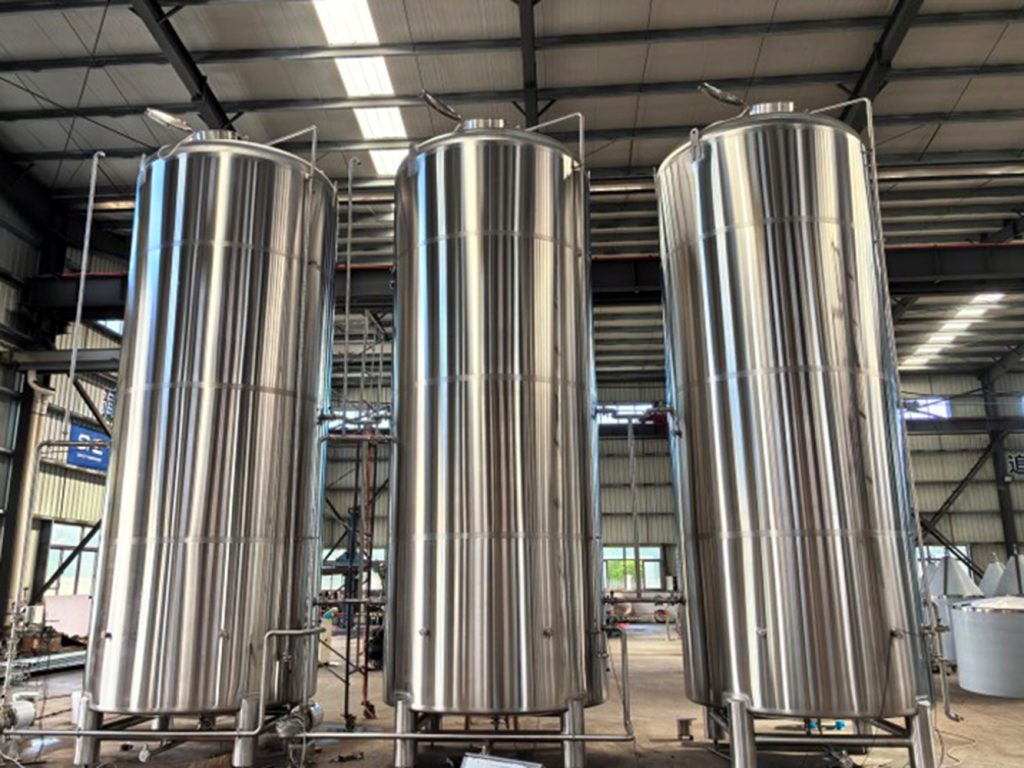
What Is a Brewery Silo? Core Definition and Purpose
A brewery silo is a large, vertical or horizontal storage structure specifically designed to hold bulk brewing ingredients, most commonly malt, grain, hops, or even finished beer in some cases. Unlike traditional storage bins, silos are engineered to maximize storage capacity while minimizing floor space, making them ideal for breweries where space is a premium. The term “silo” itself refers to any structure used for bulk storage, but in the brewing industry, a brewery silo is tailored to the unique requirements of beer production, ensuring ingredients remain fresh, dry, and free from contamination.
The primary purpose of a brewery silo is to store raw materials in bulk quantities, reducing the need for frequent deliveries and streamlining the brewing process. By storing ingredients like malt and grain in a silo, brewers can automate the transfer of materials to the mash tun, saving time and reducing labor costs. Additionally, silos protect ingredients from external factors such as moisture, pests, and temperature fluctuations, which can degrade the quality of the final product. For breweries of all sizes, a well-designed silo is not just a storage solution – it’s a cornerstone of efficient, consistent brewing.
Types of Brewery Silos: Which One Is Right for Your Brewery?
Brewery silos come in various types, each designed to meet specific storage needs, space constraints, and brewing processes. The type of silo you choose will depend on factors such as the size of your brewery, the ingredients you need to store, and your budget. Below are the most common types of beer silos, along with their features, advantages, and ideal use cases:
1. Malt Silos
Malt silos are the most common type of brewery silo, designed specifically to store malt – the primary ingredient in beer production. Malt is a granular material that requires dry, airtight storage to prevent moisture absorption and spoilage. Malt silos are typically vertical, with a conical bottom that allows for easy discharge of malt into the mash tun via a screw conveyor or pneumatic system.
2. Grain Silos
Grain silos are used to store raw grains (such as barley, wheat, or rye) before they are malted. These silos are similar to malt silos but are often larger in capacity, as breweries typically store grains in bulk quantities. Grain silos require proper ventilation to prevent mold growth and insect infestations, as raw grains are more susceptible to spoilage than malt.
3. Hop Silos
Hops are a critical ingredient in beer, adding bitterness, aroma, and flavor. Hop silos are designed to store hops in bulk, preserving their essential oils and aroma. Unlike malt and grain silos, hop silos require low-temperature storage to prevent the degradation of hop oils. They are often equipped with refrigeration systems and airtight seals to maintain freshness.
4. Yeast Silos
Yeast is essential for the fermentation process, and yeast silos are used to store yeast cultures before they are added to the wort. These silos are designed to maintain a sterile environment, preventing contamination that could affect the fermentation process. Yeast silos are often smaller than malt or grain silos and are equipped with agitators to keep the yeast in suspension.
5. Finished Beer Silos
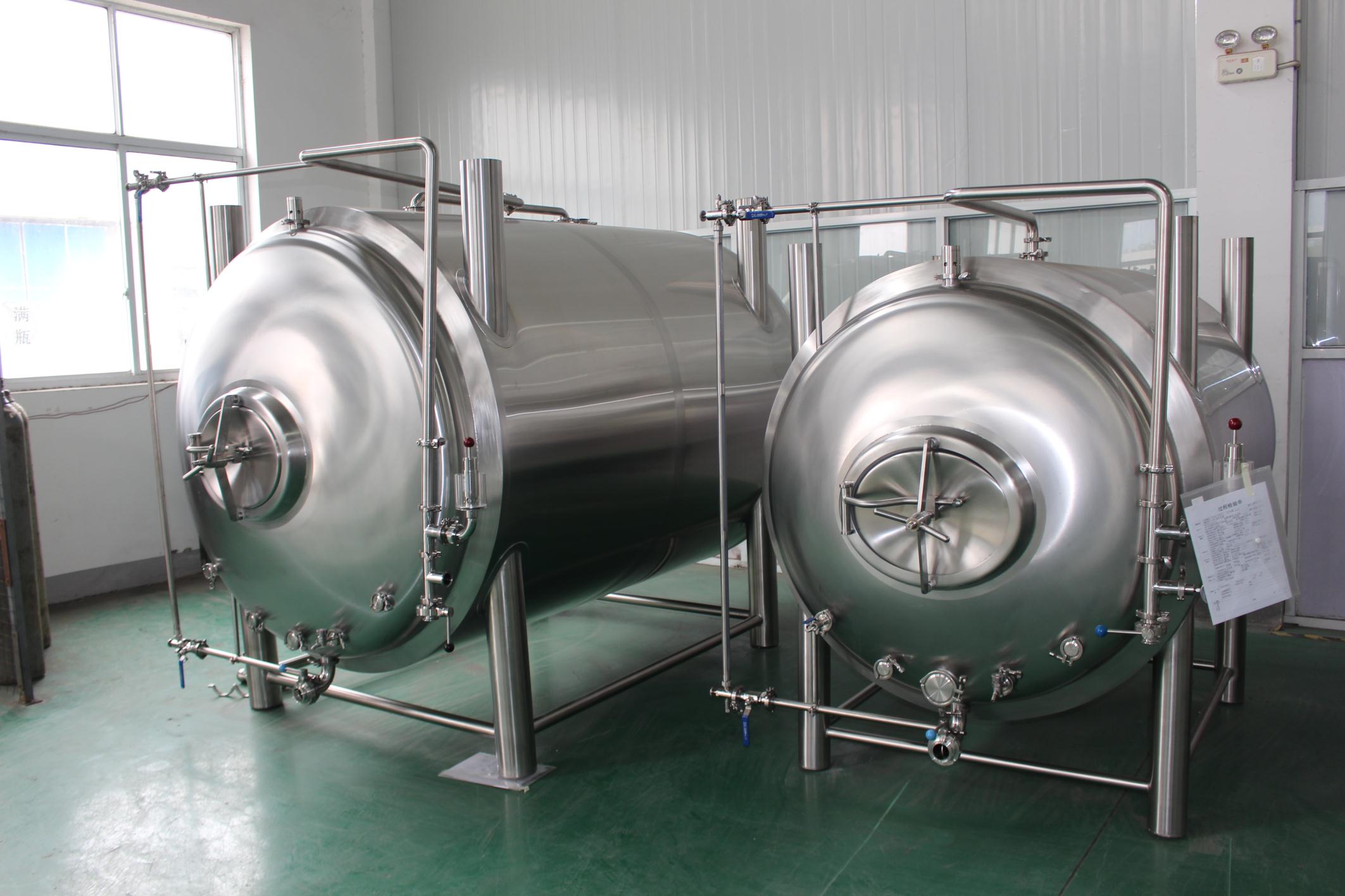
While most silos are used for raw material storage, some breweries use finished beer silos to store beer before it is bottled, canned, or kegged. Finished beer silos are designed to maintain the carbonation and flavor of the beer, with pressure control systems and temperature regulation. These silos are often horizontal, allowing for easy transfer of beer to packaging equipment.
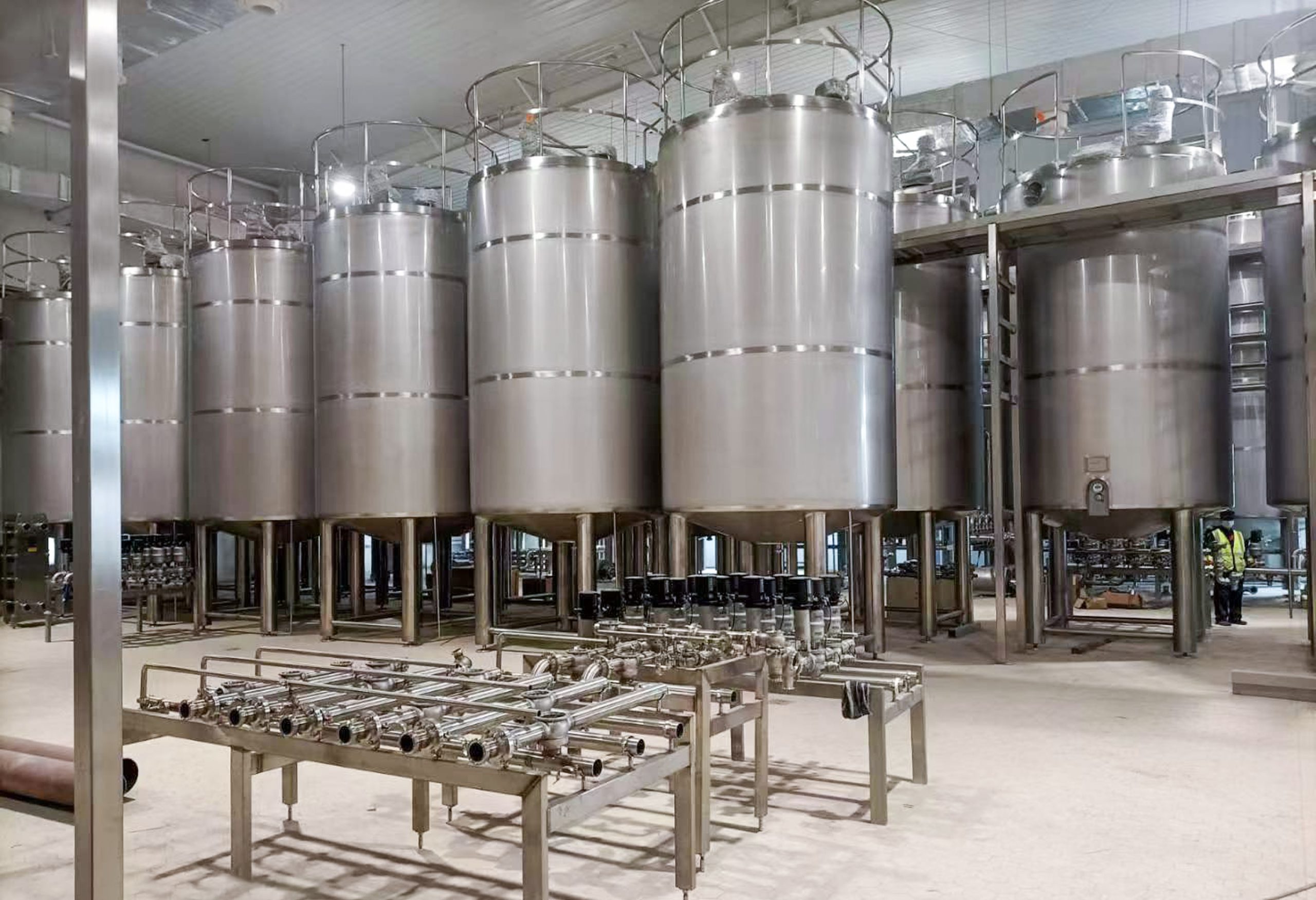
Comparison of Brewery Silo Types: Key Features and Uses
To help you choose the right brewery silo for your operation, we’ve created a detailed table comparing the different types of silos, their key features, advantages, and ideal use cases. This table will help you make an informed decision based on your specific needs:
|
Silo Type
|
Key Features
|
Advantages
|
Ideal Use Case
|
SKE Customization Options
|
|---|---|---|---|---|
|
Malt Silo
|
Airtight seals, conical bottom, ventilation, discharge system
|
Prevents moisture absorption, easy discharge, saves labor
|
All breweries (micro to commercial) storing malt
|
Stainless/carbon steel, welded/bolted, 5-100+ ton capacity
|
|
Grain Silo
|
Ventilation, temperature control, large capacity
|
Bulk storage, prevents mold/insects, integrates with malting
|
Breweries with on-site malting or large grain storage needs
|
Custom ventilation, 10-200+ ton capacity, vertical/horizontal
|
|
Hop Silo
|
Refrigeration, insulated walls, airtight seals
|
Preserves hop oils/aroma, long-term storage
|
Breweries using large quantities of hops (IPAs, pale ales)
|
Custom temperature control, vacuum sealing, 1-20 ton capacity
|
|
Yeast Silo
|
Sterile environment, agitators, food-grade materials
|
Prevents contamination, keeps yeast active
|
Breweries producing consistent batches of beer
|
Stainless steel, agitator speed control, 0.5-10 ton capacity
|
|
Finished Beer Silo
|
Pressure control, temperature regulation, easy transfer
|
Preserves carbonation/flavor, streamlines packaging
|
Commercial breweries with high packaging volumes
|
Horizontal/vertical, pressure relief valves, 10-500+ hectoliter capacity
|
Key Considerations When Choosing a Brewery Silo
Selecting the right brewery silo is a critical decision that will impact your brewery’s efficiency, product quality, and long-term profitability. There are several key factors to consider when choosing a silo, and as a trusted beer equipment manufacturer, SKE is here to help you navigate these considerations to find the perfect solution for your needs.
1. Storage Capacity
The first and most important consideration is the storage capacity of the silo. You’ll need to determine how much of a specific ingredient you need to store, based on your brewing volume, ingredient delivery frequency, and storage duration. For example, a microbrewery producing 100 barrels of beer per month may only need a 5-ton malt silo, while a commercial brewery producing 1,000 barrels per month may require a 50-ton+ silo.
2. Material of Construction
The material used to construct the brewery silo is crucial for maintaining ingredient quality and ensuring the silo’s longevity. The most common materials used for brewery silos are stainless steel and carbon steel, each with its own advantages:
-
Stainless Steel: Ideal for malt, yeast, and finished beer silos, as it is food-grade, corrosion-resistant, and easy to clean. Stainless steel silos are more durable and require less maintenance than carbon steel, making them a popular choice for breweries focused on quality and hygiene.
-
Carbon Steel: Suitable for grain silos, as it is more cost-effective than stainless steel. Carbon steel silos can be coated with a protective layer to prevent corrosion, making them a practical option for bulk grain storage.
3. Installation Space
The available space in your brewery will determine the type and size of silo you can install. Vertical silos are ideal for breweries with limited floor space, as they maximize storage capacity while taking up minimal ground area. Horizontal silos, on the other hand, are better suited for breweries with more floor space but lower ceiling heights.
4. Automation and Integration
Modern breweries rely on automation to streamline operations and reduce labor costs. When choosing a brewery silo, it’s important to consider how it will integrate with your existing brewing equipment, such as mash tuns, fermenters, and packaging lines. Silos with automated discharge systems (such as screw conveyors or pneumatic systems) can significantly reduce manual labor and improve efficiency.
5. Maintenance Requirements
Like all brewery equipment, silos require regular maintenance to ensure optimal performance and longevity. The maintenance requirements will vary depending on the type of silo and material used. For example, stainless steel silos require regular cleaning to prevent bacterial growth, while carbon steel silos need periodic coating to prevent corrosion.

Brewery Silo Maintenance: Best Practices for Longevity and Performance
Proper maintenance of your brewery silo is essential to ensure that it operates efficiently, maintains ingredient quality, and has a long lifespan. Neglecting maintenance can lead to equipment failure, contamination, and costly repairs. Below are some best practices for maintaining your brewery silo, recommended by the experts at SKE:
1. Regular Cleaning
Cleaning your silo regularly is crucial for preventing contamination and maintaining ingredient quality. The frequency of cleaning will depend on the type of silo and the ingredient stored. For example, malt silos should be cleaned every 3-6 months, while yeast silos may need weekly cleaning to prevent bacterial growth.
When cleaning your silo, use food-grade cleaning agents and ensure that all surfaces are thoroughly rinsed and dried. Avoid using harsh chemicals that could leave residues or contaminate the ingredients. SKE’s silos are designed with smooth surfaces and accessible hatches to make cleaning easier and more efficient.
2. Inspect for Damage and Wear
Regular inspections are essential to identify any damage or wear before it becomes a major issue. Inspect the silo’s walls, seams, and components (such as discharge systems and ventilation) for cracks, rust, or leaks. Pay special attention to the conical bottom and discharge valve, as these areas are prone to wear and tear.
If you notice any damage, contact a professional (like SKE’s maintenance team) to repair it immediately. Delaying repairs can lead to more extensive damage and potential contamination of your ingredients. We recommend conducting a full inspection of your silo every 6-12 months, depending on usage.
3. Maintain Temperature and Humidity
For silos storing hops, yeast, or finished beer, maintaining the correct temperature and humidity is critical. Hops should be stored at 0-5°C to preserve their aroma and essential oils, while yeast silos should be kept at a consistent temperature to keep the yeast active. Malt and grain silos should be kept dry to prevent moisture absorption and mold growth.
Regularly check the temperature and humidity levels in your silo using a reliable sensor. If your silo is equipped with a refrigeration or ventilation system, ensure that it is operating correctly. SKE’s silos come with advanced temperature and humidity control systems, and our team can help you maintain these systems for optimal performance.
4. Lubricate Moving Parts
Silos with moving parts (such as discharge systems, agitators, and conveyors) require regular lubrication to prevent friction and wear. Use food-grade lubricants to ensure that no contaminants enter the silo. Lubricate moving parts every 1-3 months, depending on usage, and replace any worn or damaged parts immediately.
SKE provides detailed lubrication guides for all our silos, and we offer replacement parts to ensure that your equipment continues to operate smoothly. Our maintenance team can also assist with lubrication and part replacement if needed.
5. Keep Records of Maintenance
Maintaining detailed records of all maintenance activities is essential for tracking the performance of your silo and ensuring compliance with industry standards. Record the date of cleaning, inspections, repairs, and lubrication, as well as any issues identified and resolved. This will help you identify patterns and address potential problems before they escalate.
SKE recommends using a digital maintenance log to keep track of your silo’s maintenance history. Our team can also help you set up a maintenance schedule tailored to your specific silo and usage needs.
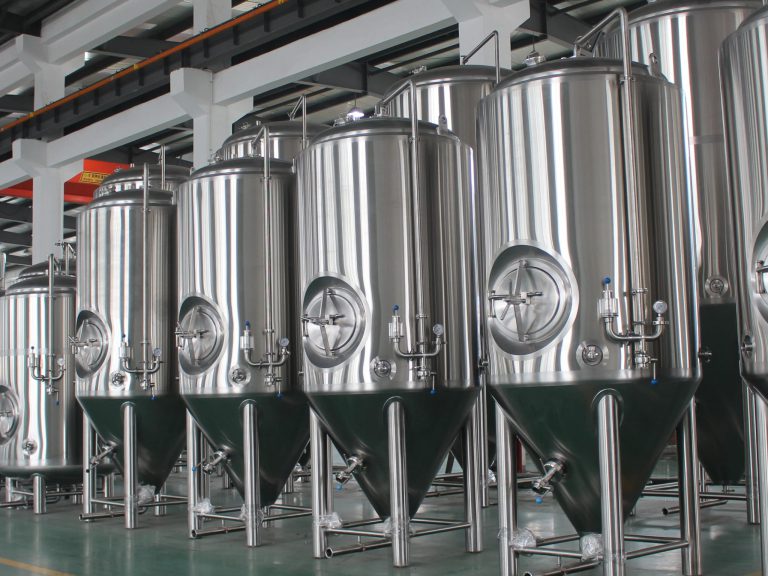
SKE Brewery Silo Solutions: Designed for Brewers, by Brewers
As a leading beer equipment manufacturer, SKE has over 20 years of experience designing and manufacturing high-quality brewery silos for breweries of all sizes. Our silos are engineered with the needs of brewers in mind, combining durability, efficiency, and customization to meet your specific requirements. Below are some of the key features of SKE’s brewery silos:
1. Customizable Design
We understand that every brewery is unique, which is why all our brewery silos are fully customizable. Whether you need a small malt silo for a microbrewery or a large-scale grain silo for a commercial operation, we can design a silo that fits your space, capacity, and operational needs. Our team of engineers will work with you to create a custom solution that integrates seamlessly with your existing equipment.
2. High-Quality Materials
SKE uses only the highest quality materials for our brewery silos, including food-grade stainless steel and corrosion-resistant carbon steel. Our materials are sourced from trusted suppliers, ensuring that our silos are durable, hygienic, and built to last. We also use advanced manufacturing techniques to ensure that our silos meet the strictest industry standards.
3. Advanced Features
Our brewery silos are equipped with advanced features to enhance efficiency and performance, including automated discharge systems, level sensors, temperature control, and ventilation. We also offer optional features such as vacuum sealing (for hop silos) and agitators (for yeast silos) to meet your specific needs. All our silos are designed with ease of use and maintenance in mind.
4. Global Support and Service
SKE provides global support and service to ensure that your brewery silo operates efficiently for years to come. Our team of experts is available to assist with installation, maintenance, and repairs, and we offer replacement parts for all our silos. We also provide training for your staff to ensure that they can operate and maintain the silo safely and effectively.
5. Competitive Pricing
We believe that high-quality brewery equipment should be accessible to brewers of all sizes. That’s why we offer competitive pricing for our brewery silos, without compromising on quality. We also provide flexible payment options and financing solutions to help you invest in the equipment you need to grow your brewery.
Frequently Asked Questions (FAQ) About Brewery Silos
Q1: What is the difference between a brewery silo and a regular storage bin?
A: A brewery silo is specifically designed for the brewing industry, with features tailored to store brewing ingredients (such as malt, grain, hops, and yeast) safely and efficiently. Unlike regular storage bins, brewery silos are engineered to maintain optimal temperature, humidity, and hygiene levels, preventing contamination and preserving ingredient quality. They also often include automated discharge systems to streamline the brewing process, which regular storage bins do not.
Q2: How long does a brewery silo last?
A: The lifespan of a brewery silo depends on the material used, maintenance practices, and usage. Stainless steel silos can last 20-30 years or more with proper maintenance, while carbon steel silos (with proper coating) can last 15-25 years. SKE’s silos are built with high-quality materials and advanced manufacturing techniques, ensuring a long lifespan and reliable performance.
Q3: Can I customize the size of my brewery silo?
A: Yes! SKE offers fully customizable brewery silos, with capacities ranging from 1 ton to 200+ tons. Our team of engineers will work with you to determine the ideal size based on your brewing volume, ingredient storage needs, and space constraints. We can also customize the dimensions (height, diameter) to fit your specific brewery layout.
Q4: What type of silo is best for a microbrewery?
A: For most microbreweries, a small to medium-sized malt silo (5-10 tons) is ideal, as malt is the primary ingredient and microbreweries typically have limited space. A bolted malt silo is a good choice for microbreweries, as it is easier to transport and install. If you also store raw grains, a small grain silo (10-20 tons) may be necessary. SKE can recommend the best silo type and size based on your specific microbrewery needs.
Q5: How often should I clean my brewery silo?
A: The frequency of cleaning depends on the type of silo and the ingredient stored. Malt silos should be cleaned every 3-6 months, grain silos every 6-12 months, hop silos every 1-2 months, and yeast silos every week. Regular cleaning is essential to prevent contamination and maintain ingredient quality. SKE provides detailed cleaning guides and can assist with professional cleaning services if needed.
Contact Us
If you have any further questions, feel free to reach out!
- Facebook: SKE Equipment Facebook
- Email: info@skeequipment.com
For more personalized assistance, please fill out the contact form at the bottom of this page. We look forward to helping you with your brewing needs!