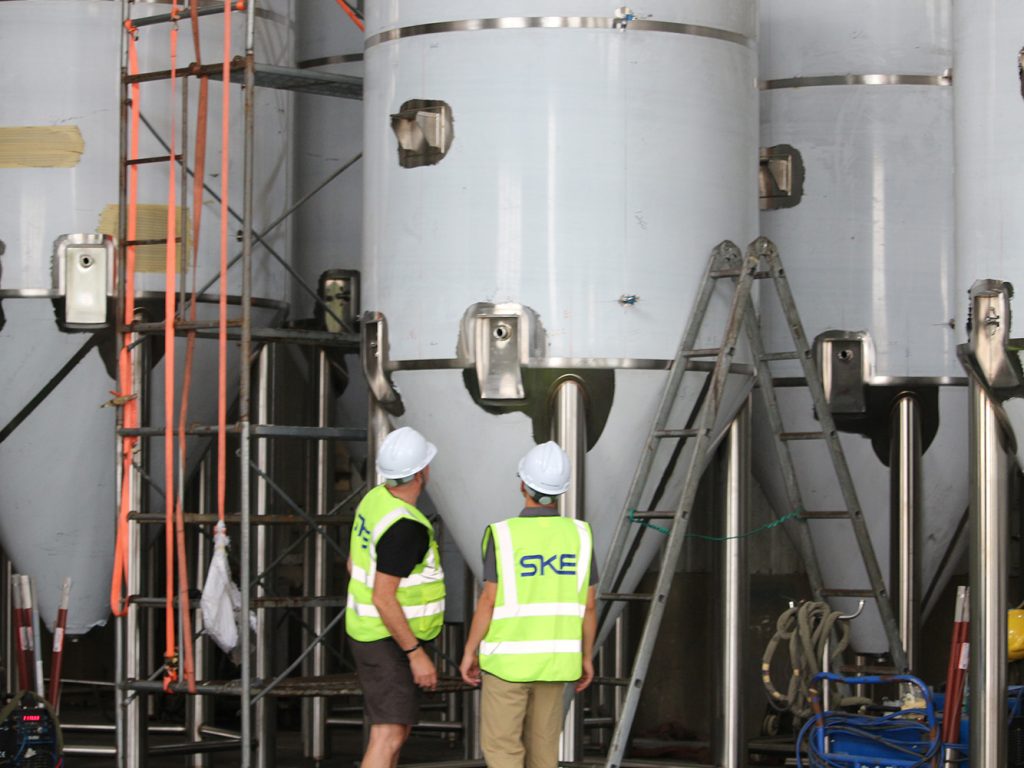
In the world of beer brewing, the choice of fermentation equipment directly impacts the quality, consistency, and efficiency of the final product. Among the most innovative and widely adopted solutions is the unitank fermenter—a versatile vessel that has revolutionized both commercial and craft brewing operations. Unlike traditional fermentation systems that require separate tanks for primary fermentation and conditioning, the unitank fermenter combines these two critical stages into a single, integrated unit.
What is a Unitank Fermenter?
A unitank fermenter is a specialized cylindrical vessel designed to handle both primary fermentation and secondary conditioning (maturation) of beer in a single tank. This all-in-one design eliminates the need for transferring beer between separate fermentation and conditioning tanks, streamlining the brewing process and reducing the risk of contamination. The term “unitank” is derived from its ability to function as a single unit for multiple critical brewing stages.
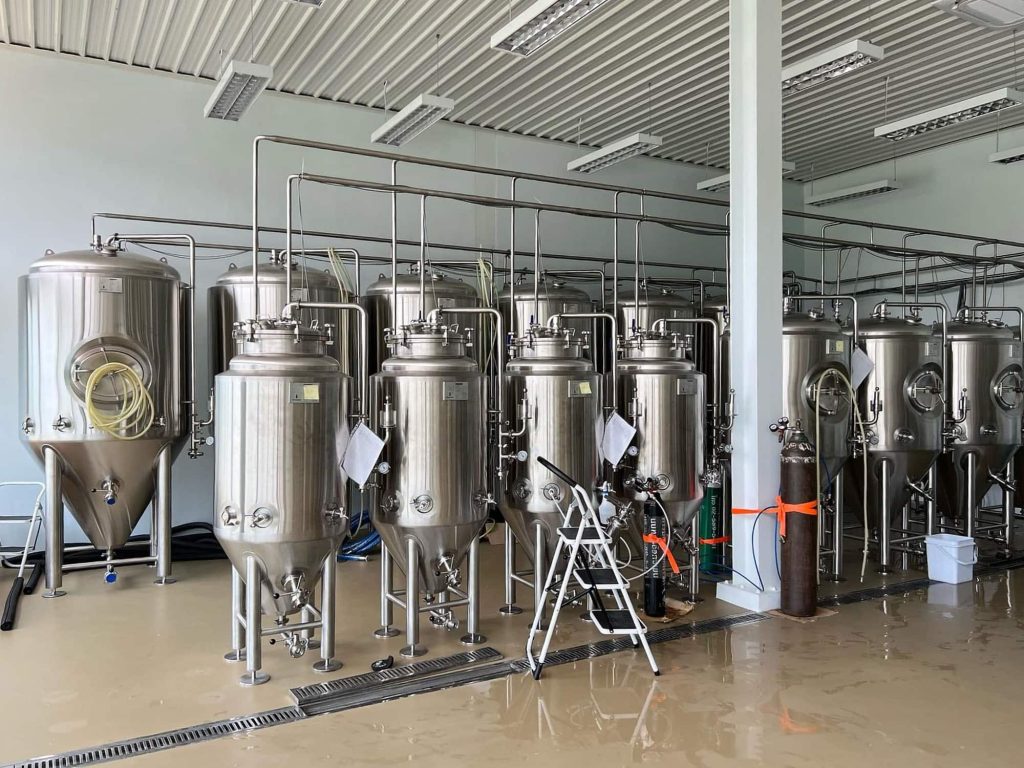
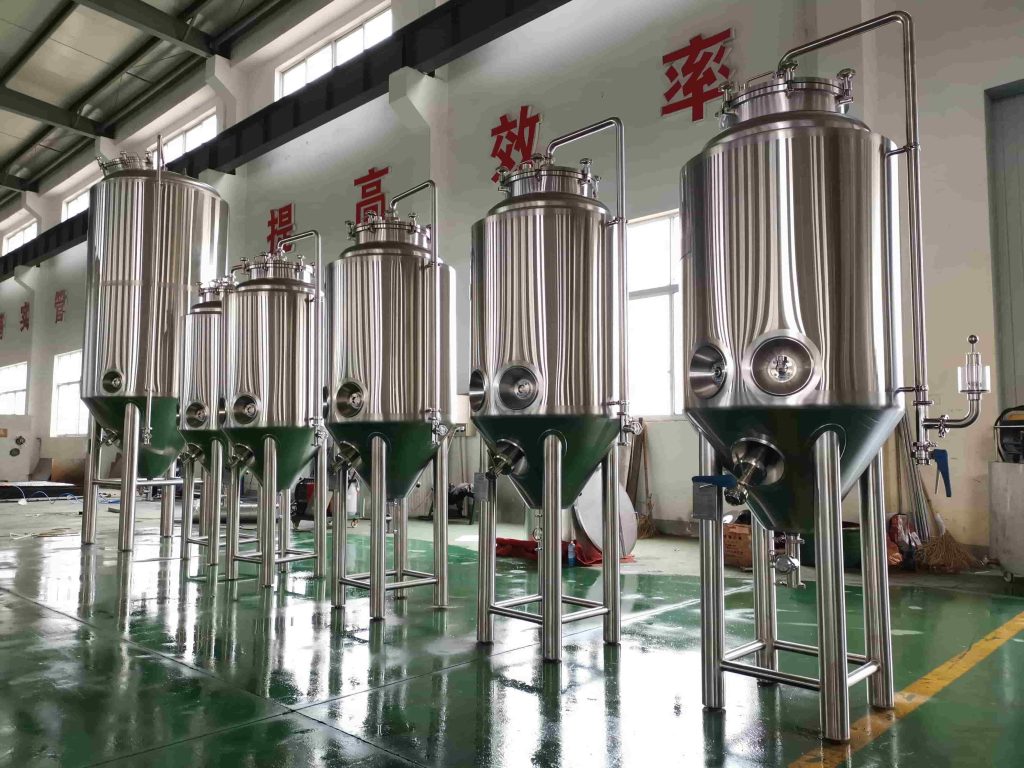
Unlike traditional open fermenters or basic closed fermenters, unitank fermenters are engineered with precision features to control every aspect of the fermentation environment. They typically feature a conical bottom, which facilitates easy yeast harvesting and sediment removal, and are constructed from food-grade stainless steel to ensure hygiene and durability. For brewers seeking precise temperature control, jacketed unitank models are the ideal choice, as they incorporate a double-wall design that circulates cooling or heating fluids to maintain optimal fermentation temperatures.
Unitank brewing has become the standard for modern breweries because it simplifies operations, reduces labor costs, and ensures consistent beer quality. Whether you’re brewing lagers, IPAs, stouts, or sour beers, a unitank fermenter adapts to your recipe’s unique requirements, making it a versatile addition to any brewery setup.
Key Components of a Unitank Fermenter
To understand how a unitank fermenter works, it’s essential to familiarize yourself with its core components. Each part is designed to optimize the fermentation process, ensure hygiene, and provide brewers with full control over their batches. Below is a breakdown of the critical components, with a focus on the features that set SKE’s unitank fermenters apart from the competition.
The main body of a unitank fermenter is a cylindrical stainless steel vessel, typically made from 304 or 316L stainless steel—materials chosen for their corrosion resistance, ease of cleaning, and compliance with food safety standards. SKE uses advanced laser cutting and laser welding technology to ensure seamless, sanitary welds that eliminate dead corners where bacteria or sediment could accumulate, a critical feature for maintaining beer quality.
The conical bottom is one of the most distinctive features of a unitank fermenter. This tapered design allows yeast and other sediment to settle at the lowest point of the tank, making it easy to harvest yeast for future batches or remove unwanted sediment without disturbing the beer. SKE’s unitank fermenters feature a 60-degree conical bottom, which is optimized for efficient sediment collection and yeast separation.
For temperature control—a critical factor in fermentation—jacketed unitank models are equipped with a double-wall (jacket) that surrounds the main vessel. This jacket allows brewers to circulate glycol or tap water to heat or cool the beer, maintaining precise temperatures throughout the fermentation and conditioning stages. SKE’s jacketed unitanks feature fully welded glycol jackets with 3mm interior walls and 2mm exterior walls, ensuring efficient heat transfer and long-term durability.
Other key components include pressure relief valves (to prevent over-pressurization), sample valves (for monitoring beer quality), CIP (Clean-in-Place) systems (for easy sanitization), and tri-clamp ports (for sanitary connections). SKE’s unitank fermenters also include adjustable stainless steel legs for stability, oversized manways for easy access, and carbonation stones for in-tank carbonation, adding to their versatility and functionality.
Unitank Fermenter vs. Traditional Fermentation Systems
Traditional systems require transferring beer from the primary fermenter (where yeast converts sugars to alcohol) to a secondary conditioning tank (where the beer matures and clarifies). This transfer process introduces the risk of oxygen exposure, which can cause off-flavors and reduce the shelf life of the beer. It also requires additional labor, time, and equipment, increasing operational costs.
Unitank fermenters eliminate the need for transfer by combining both stages in one tank. This not only reduces the risk of contamination and oxygen exposure but also saves space in the brewery—critical for small craft breweries or facilities with limited square footage. Additionally, unitank brewing reduces labor costs, as brewers spend less time moving beer between tanks and cleaning multiple vessels.
The table below provides a detailed comparison between unitank fermenters and traditional fermentation systems, highlighting key differences in design, functionality, and operational efficiency. SKE’s unitank fermenters are engineered to address the limitations of traditional systems, providing brewers with a more efficient and reliable solution.
|
Feature
|
Unitank Fermenter
|
Traditional Fermentation System (Primary + Conditioning Tanks)
|
|---|---|---|
|
Number of Tanks
|
1 tank (combines fermentation and conditioning)
|
2+ tanks (separate for each stage)
|
|
Beer Transfer
|
No transfer required (all stages in one tank)
|
Required transfer between tanks (risk of oxygen exposure)
|
|
Space Requirements
|
Compact (saves 30-50% space compared to traditional systems)
|
Large (requires space for multiple tanks)
|
|
Labor Costs
|
Low (reduced cleaning and transfer labor)
|
High (additional labor for transfer and cleaning multiple tanks)
|
|
Contamination Risk
|
Low (closed system, no transfer)
|
Higher (transfer increases exposure to contaminants)
|
|
Temperature Control
|
Precise (jacketed models for uniform temperature)
|
Less uniform (separate tanks may have inconsistent temperatures)
|
|
Yeast Harvesting
|
Easy (conical bottom collects yeast efficiently)
|
Difficult (sediment spread across multiple tanks)
|
|
Customization Options
|
High (available in various sizes, jacketed, pressure-rated)
|
Limited (fixed design for each tank type)
|
|
Manufacturer Support (SKE)
|
Full turnkey support (design, manufacturing, installation, maintenance)
|
Limited (separate support for each tank type)
|
The Benefits of Using a Jacketed Unitank
While standard unitank fermenters offer significant advantages over traditional systems, jacketed unitank models take performance to the next level by providing precise temperature control. Temperature is one of the most critical factors in fermentation, as it directly influences yeast activity, flavor development, and the overall quality of the beer. Different beer styles require specific temperature ranges, and a jacketed unitank ensures brewers can maintain these ranges consistently.
Jacketed unitanks feature a double-wall design, with the space between the walls (the jacket) filled with a heat transfer fluid—typically glycol or tap water. This fluid circulates through the jacket, allowing brewers to heat or cool the beer inside the tank with exceptional precision. Unlike internal cooling coils, which can cause uneven temperature distribution and increase the risk of contamination, the jacketed design ensures uniform temperature throughout the entire vessel.
Unitank Brewing: A Step-by-Step Process
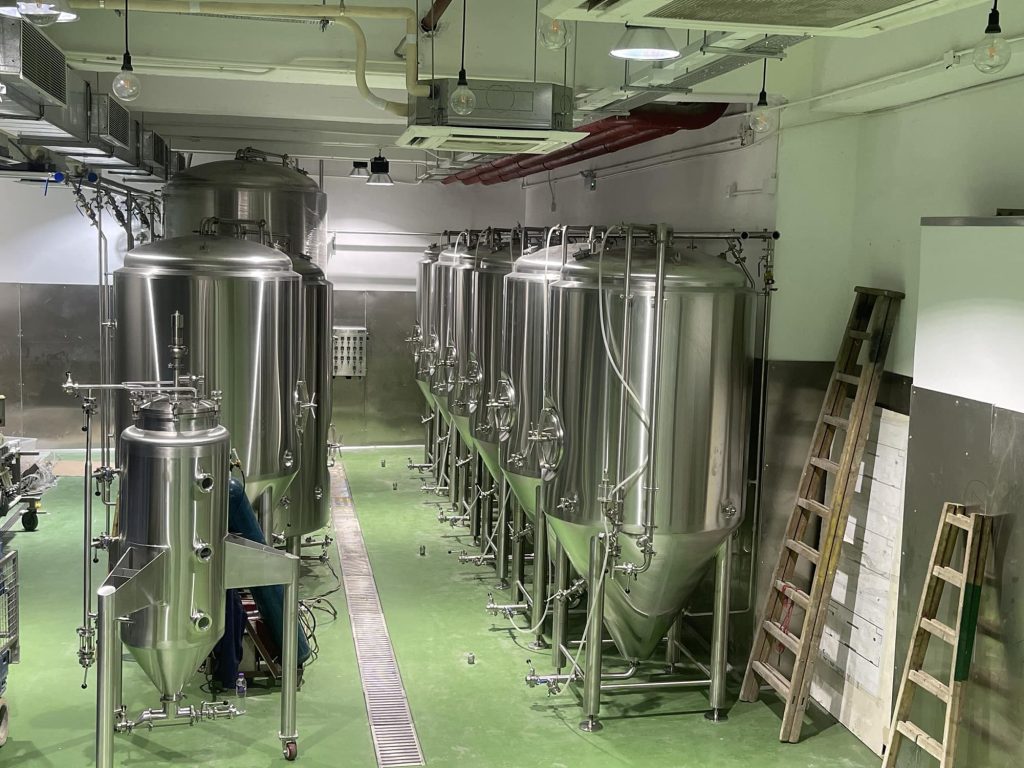
Unitank brewing is a streamlined process that combines primary fermentation and conditioning into a single tank, making it easier for brewers to maintain control and consistency. Below is a step-by-step overview of how a unitank fermenter is used in the brewing process, from wort transfer to packaging.
First, the cooled wort (the sugary liquid produced during the mashing process) is transferred into the unitank fermenter. Before transfer, the tank is thoroughly cleaned and sanitized using the built-in CIP system—a critical step to prevent contamination. SKE’s unitank fermenters feature CIP arms with 360-degree spinning spray balls, ensuring every surface of the tank is cleaned effectively without manual scrubbing.
Once the wort is in the tank, yeast is added (pitched), and primary fermentation begins. During this stage, the yeast consumes the sugars in the wort, producing alcohol and carbon dioxide. The unitank’s closed design allows the carbon dioxide to be vented safely through a pressure relief valve, preventing over-pressurization. For jacketed unitank models, the temperature is set to the optimal range for the beer style, and the glycol system maintains this temperature consistently.
As fermentation progresses, yeast and sediment settle at the bottom of the conical tank. This sediment can be easily removed through a valve at the base of the cone, allowing brewers to harvest healthy yeast for future batches—a cost-saving feature that improves consistency across brews. SKE’s unitank fermenters include a butterfly valve at the cone base, making yeast harvesting quick and sanitary.
Once primary fermentation is complete, the unitank transitions to the conditioning stage. During conditioning, the beer matures, clarifies, and develops its final flavor profile. For lagers, this stage may involve cold conditioning at low temperatures for several weeks. The jacketed unitank’s temperature control system makes it easy to adjust the temperature for conditioning, ensuring the beer reaches its full potential.
SKE Unitank Fermenter: Why Choose Our Equipment?
SKE’s unitank fermenters are constructed from food-grade 304 or 316L stainless steel, ensuring durability, hygiene, and compliance with global food safety standards. We use advanced manufacturing techniques, including laser cutting and laser welding, to create seamless, sanitary vessels with no dead corners—critical for preventing contamination and ensuring easy cleaning. Our tanks are also pressure-tested to 30 psi (operating pressure 20 psi) to ensure safety and reliability.
We offer a wide range of unitank fermenter sizes, from small 35L (8 Gallon) models for homebrewers and nanobreweries to large 50,000L models for industrial breweries. Our jacketed unitank models are fully customizable, with options for glycol or tap water cooling, dimple plate jackets, and various port configurations to suit your brewing process. We also provide turnkey solutions, including design, manufacturing, installation, and commissioning, ensuring a seamless integration into your brewery.
SKE’s commitment to customer service sets us apart from other manufacturers. We offer 24/7 technical support and lifetime service, ensuring that your unitank fermenter operates at peak performance for years to come. Our team of brewing equipment specialists works closely with you to understand your needs and design a unitank that meets your specific requirements, whether you’re a small craft brewery or a large industrial operation. We also provide on-site installation and training, ensuring your team is fully equipped to use the equipment effectively.
In addition to unitank fermenters, SKE offers a complete range of brewing equipment, including brewhouses, mash tuns, lauter tuns, and packaging systems, making us a one-stop shop for all your brewing needs. Our focus on quality, engineering innovation, and best service has earned us a reputation as a trusted partner for brewers worldwide, with a presence in markets across Asia, Europe, and North America.
Frequently Asked Questions (FAQ) About Unitank Fermenters
Below are answers to some of the most common questions brewers have about unitank fermenters, jacketed unitanks, and unitank brewing. If you have additional questions, our team of experts at SKE is always available to help.
1. What is the difference between a unitank fermenter and a cylindroconical fermenter?
While both unitank fermenters and cylindroconical fermenters have a cylindrical body and conical bottom, the key difference is their functionality. A cylindroconical fermenter is typically used only for primary fermentation, while a unitank fermenter combines primary fermentation and secondary conditioning into a single tank. This means unitank fermenters eliminate the need for transfer between tanks, making them more efficient and reducing the risk of contamination.
2. Can a jacketed unitank be used for all beer styles?
Yes, a jacketed unitank is versatile enough to brew all beer styles, from lagers and ales to stouts and sour beers. The precise temperature control provided by the jacket allows brewers to set the optimal fermentation and conditioning temperatures for each style. For example, lagers require cool temperatures (40-55°F / 4-13°C) during fermentation, while ales ferment best at warmer temperatures (60-75°F / 15-24°C).
3. How do I clean and maintain a unitank fermenter?
Cleaning and maintaining a unitank fermenter is simple, thanks to its design and built-in features. SKE’s unitank fermenters are equipped with a CIP (Clean-in-Place) system, which uses a spinning spray ball to circulate cleaning and sanitizing solutions throughout the tank, eliminating the need for manual scrubbing. After each batch, the tank is rinsed with hot water, then cleaned with a caustic solution to remove organic residues, and finally sanitized with a food-grade sanitizer. Regular maintenance includes checking the pressure relief valve, inspecting the jacket for leaks, and lubricating valves and fittings. SKE provides detailed maintenance guidelines and 24/7 technical support to help you keep your unitank in optimal condition.
4. Can I harvest yeast from a unitank fermenter?
Yes, harvesting yeast from a unitank fermenter is easy, thanks to its conical bottom. As fermentation progresses, yeast and sediment settle at the lowest point of the cone. A valve at the base of the cone allows you to drain the yeast sediment without disturbing the beer. This yeast can be collected, cleaned, and stored for future batches, reducing costs and improving consistency across brews.
Conclusion
The unitank fermenter has revolutionized the beer brewing industry, offering brewers a streamlined, efficient, and versatile solution for fermentation and conditioning. Whether you’re a small craft brewer or a large industrial operation, a unitank fermenter can help you improve beer quality, reduce costs, and save space. Jacketed unitank models take this a step further by providing precise temperature control, making it possible to brew a wide range of beer styles with consistency.
- Facebook: SKE Equipment Facebook
- Email: info@skeequipment.com
For more personalized assistance, please fill out the contact form at the bottom of this page. We look forward to helping you with your brewing needs!