
The Critical Role of Beer Storage in Brewing
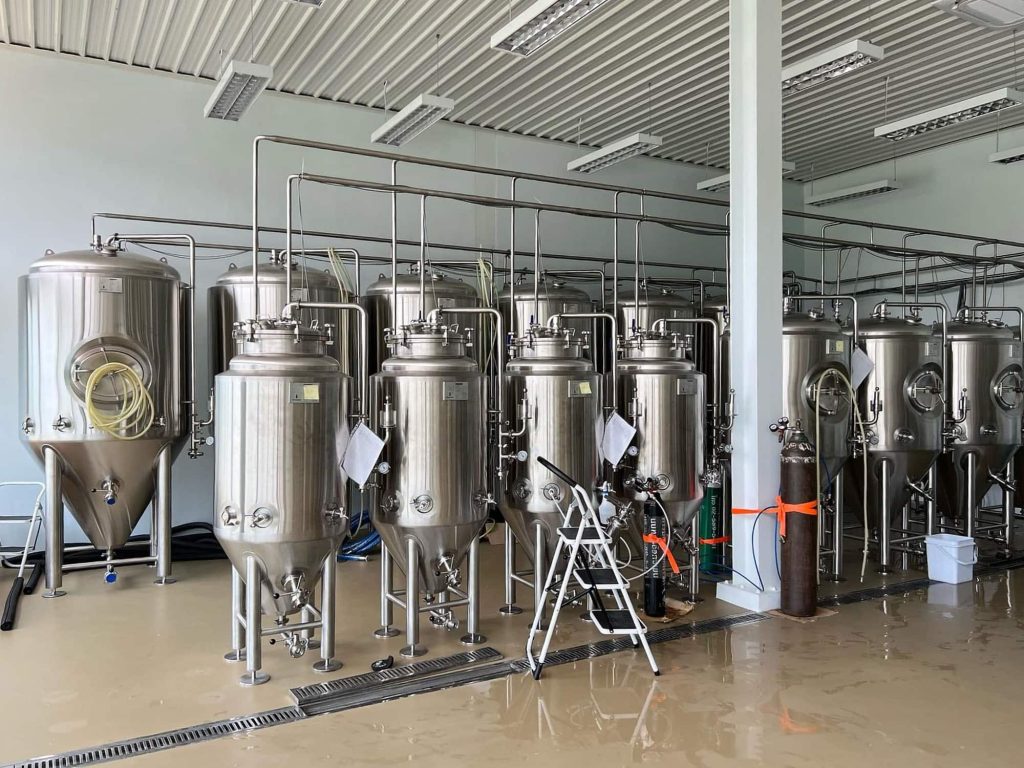
Many novices assume that the brewing process ends after fermentation. In reality, the storage phase—often referred to as “cellaring”—is where the magic happens. Beer storage tanks serve multiple critical functions that define the mouthfeel, clarity, and shelf stability of the beverage.
Firstly, these tanks facilitate maturation. During this period, unwanted byproducts of fermentation, such as diacetyl and acetaldehyde, are reabsorbed or broken down by the yeast. Secondly, storage is when carbonation occurs. Whether through natural secondary fermentation or forced carbonation via a stone, the tank must maintain consistent pressure to achieve the desired volumes of CO2.
Finally, cold crashing and clarification happen in storage. As the temperature drops, proteins and polyphenols bind together and precipitate out, leaving the beer brilliantly clear. Without a dedicated, temperature-controlled storage tank, achieving commercial-grade clarity and stability is nearly impossible. This is why investing in high-quality vessels is not just a capital expense but a quality assurance necessity.
Stainless Steel: The Unmatched Standard
Why has the industry universally adopted stainless steel beer tank solutions? The answer lies in the material’s unique properties. Unlike aluminum, which can corrode, or plastic, which can scratch and harbor bacteria, stainless steel offers an inert, non-porous surface.
For a brewery, hygiene is paramount. Stainless steel’s resistance to the acidic nature of beer (pH 4.0–4.5) ensures that no metallic flavors leach into the batch. Furthermore, the smooth surface finish—typically 2B or electro-polished—prevents microbial adhesion. This makes Cleaning-in-Place (CIP) cycles highly effective.
From a structural standpoint, stainless steel provides the strength necessary to handle high pressures during carbonation and the thermal conductivity required for precise glycol cooling. At SKE, we utilize AISI 304 (or 316 for specific chemical resistance) food-grade stainless steel, ensuring that our clients’ beer storage tanks are as durable as they are hygienic, with a lifespan that often exceeds 25 years with proper maintenance.
Anatomy of a Professional Brewery Tank
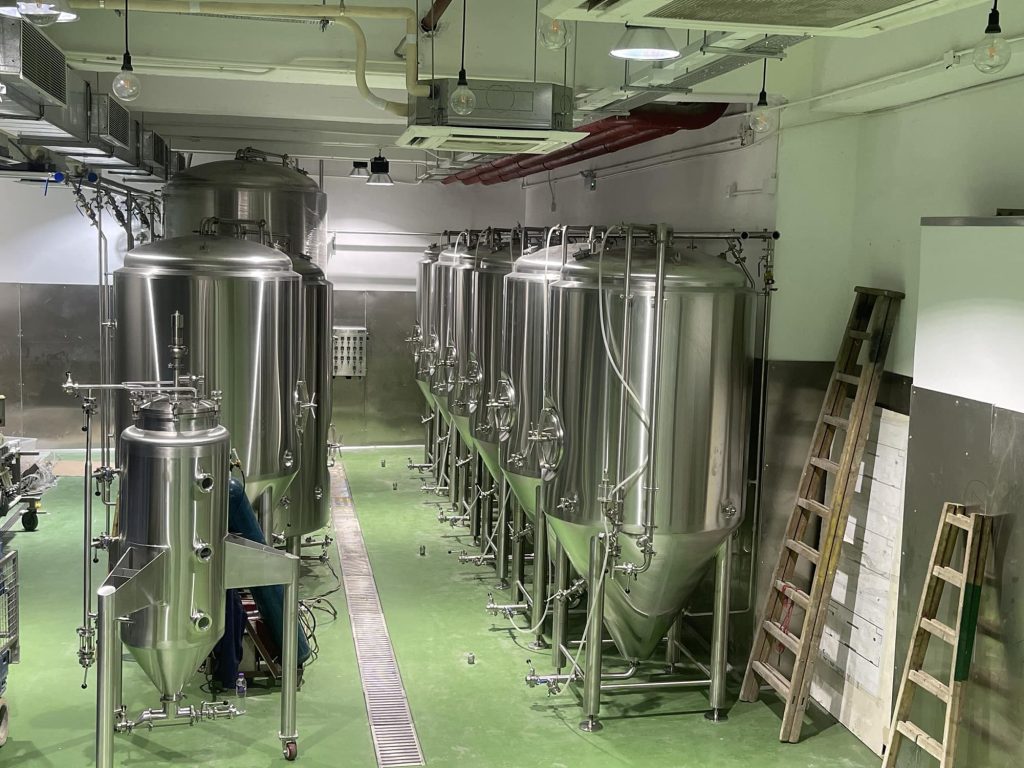
Understanding the components of stainless steel brewery tanks helps brewers appreciate the engineering behind their operations. A modern storage tank is far more complex than a simple cylinder.
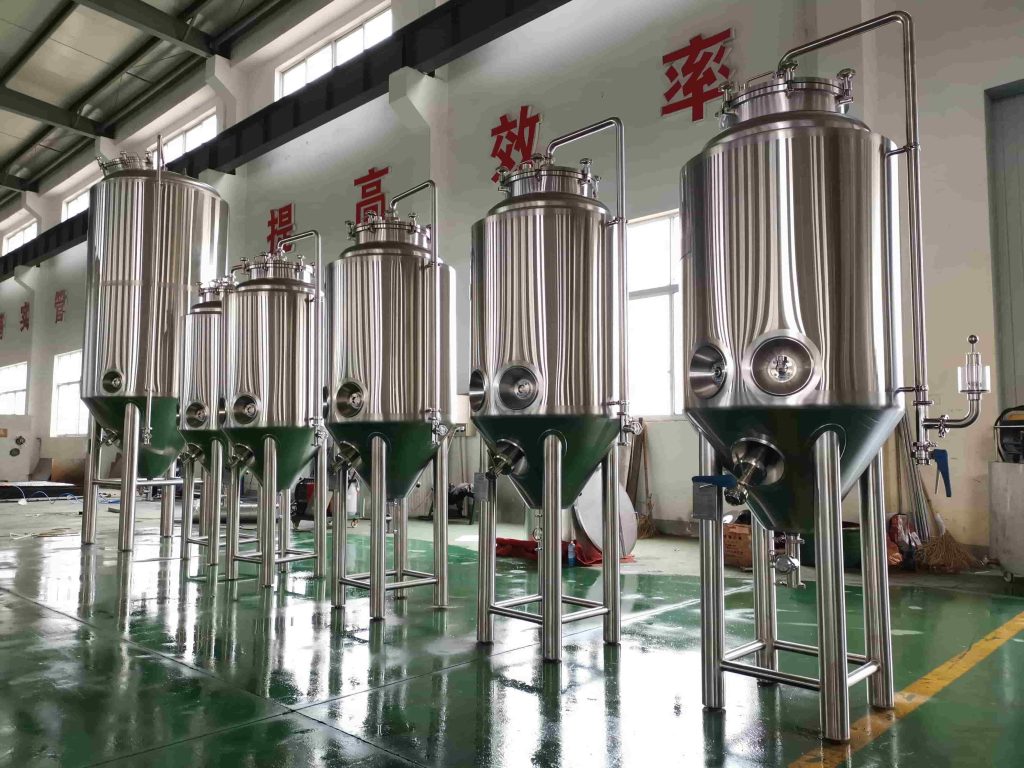
The design typically features a conical bottom, which is essential for yeast harvesting and sediment removal. Unlike flat-bottomed tanks, conical tanks allow brewers to dump trub and yeast without opening the vessel, reducing oxidation risks. The tank is also fitted with a robust glycol jacket. This jacket, usually dimpled or channeled, wraps around the cylindrical body and the cone, allowing for independent temperature control to precisely manage cold crashing or lagering.
Additionally, professional tanks are equipped with a suite of fittings: a CIP spray ball for automated cleaning, a pressure relief valve (PRV) for safety, sample valves for quality control, and carbonation stones. The manway (manhole) is another critical component. At SKE, we focus on ergonomic designs, ensuring that the manway is large enough for easy internal access but seals tightly to maintain pressure integrity.
Types of Storage Tanks: BBTs vs. Unitanks
When outfitting a brewery, it is vital to distinguish between dedicated beer storage tanks and combination vessels. The two primary categories are Bright Beer Tanks (BBTs) and Unitanks.
Bright Beer Tanks (BBTs) are dedicated vessels used exclusively for storing finished, carbonated beer. They are not used for fermentation. This specialization allows for consistent packaging schedules. Because they only handle finished product, BBTs are optimized for pressure retention and clarity, allowing one brewery to package one style while fermenting another simultaneously.
Unitanks, on the other hand, are versatile stainless steel brewery tanks designed to handle both fermentation and storage. They allow brewers to ferment, carbonate, and serve or package from the same vessel. This reduces the need for transferring beer, which lowers the risk of oxygen ingress and saves significant labor. The choice between dedicated BBTs and Unitanks usually depends on the brewery’s production volume, space constraints, and variety of styles being produced.
Temperature Control and Glycol Systems
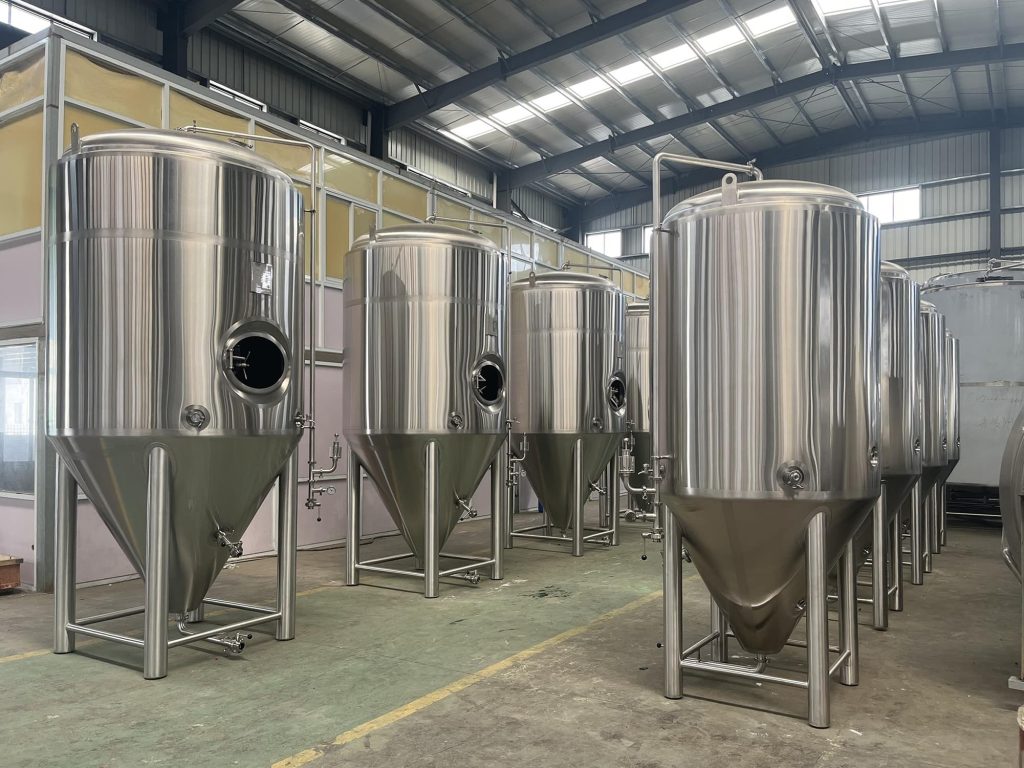
The ability to manipulate temperature is what separates professional beer storage from simple holding. A storage tank without proper cooling is essentially a spoilage risk. Most professional breweries utilize a centralized glycol system to chill stainless steel brewery tanks.
Glycol—a food-grade propylene glycol mixture—is circulated through the tank’s jackets. This system allows brewers to perform “crash cooling,” dropping the temperature of the beer from 68°F (20°C) to 32°F (0°C) within 24 to 48 hours. Rapid crashing is essential for dropping yeast and haze-forming particles out of suspension.
Furthermore, precise temperature control is crucial for lagering. Traditional lagers require weeks of storage at near-freezing temperatures to develop their clean, crisp profile. Without a properly jacketed stainless steel beer tank connected to a high-capacity chiller, achieving this profile consistently is impossible. SKE tanks are designed with optimized jacket surface area to ensure rapid heat exchange and minimal temperature stratification within the vessel.
Oxygen Management and Pressurization
Oxygen is the primary enemy of fresh beer. Exposure to oxygen after fermentation leads to stale flavors, cardboard-like aromas, and reduced shelf life. High-quality beer storage tanks are engineered to minimize this risk through robust sealing and pressure-capable designs.
Modern storage tanks are rated for significant internal pressure, typically up to 15 PSI or higher. This pressure rating allows for “closed-loop” transfers, where beer is pushed from one tank to another using CO2 rather than pumps, which can shear the beer and introduce oxygen.
Additionally, storage tanks are often used for carbonation. Using a carbonation stone mounted in the tank, brewers can introduce fine bubbles of CO2 to achieve the precise volumes of gas required for the style. The tank must maintain a perfect seal via sanitary gaskets and clamps. At SKE, we pressure-test every vessel to ensure zero leakage, guaranteeing that the brewer’s hard work remains protected until the moment it reaches the consumer.
Comparison of Storage Tank Types
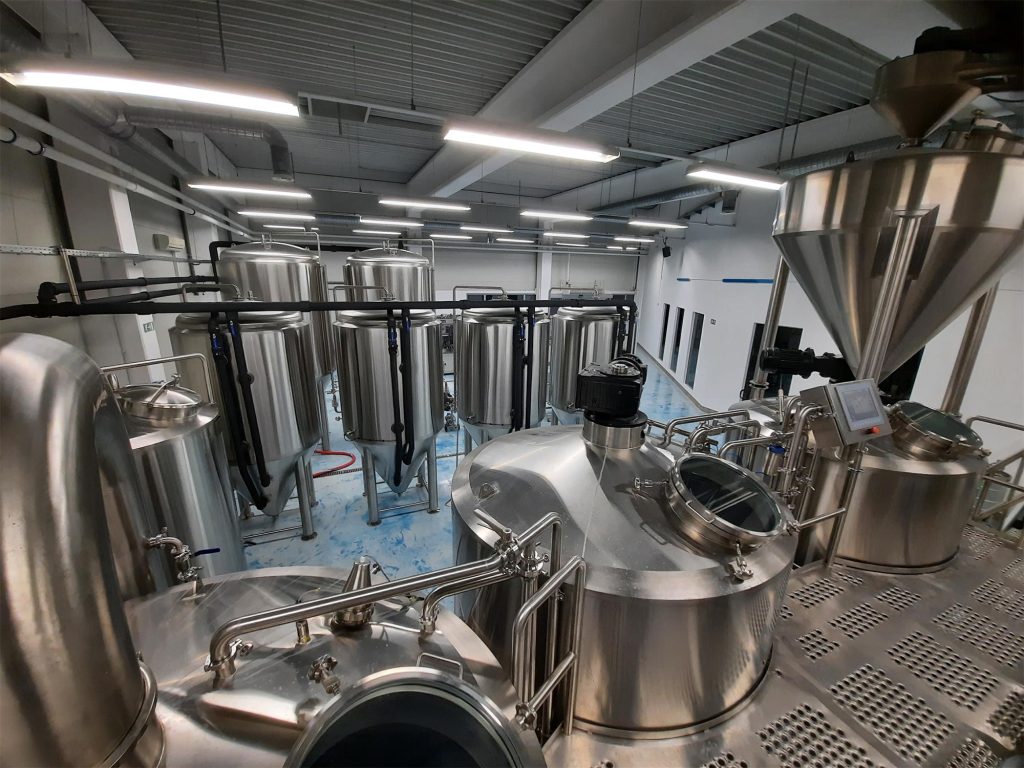
To help brewers make informed decisions, it is helpful to visualize the differences between the main types of stainless steel brewery tanks used for storage and maturation. The table below outlines the key distinctions.
| Feature | Bright Beer Tank (BBT) | Unitank (Combination) | Serving Tank |
|---|---|---|---|
| Primary Use | Storage & carbonation of finished beer | Fermentation & storage in one vessel | Storage & direct dispense to taproom |
| Pressure Rating | High (15-20+ PSI) | High (15-20+ PSI) | Medium (10-15 PSI) |
| Cooling | Glycol jackets (body & cone) | Glycol jackets (body & cone) | Glycol jackets or air-cooled |
| Flexibility | Low (single purpose) | High (dual purpose) | Low (dedicated to serving) |
| Best For | Large batches, packaging lines | Space-saving, pilot batches | Brewpubs, taprooms |
| CIP Requirements | Standard CIP cycle | Heavy-duty CIP (removes yeast/trub) | Frequent CIP (due to rotation) |
Maintenance and Cleaning Protocols
Owning stainless steel beer tanks comes with the responsibility of rigorous maintenance. The longevity of the equipment and the consistency of the beer depend entirely on the cleanliness of the vessels.
The Cleaning-in-Place (CIP) process is the standard for maintaining hygiene. A typical CIP cycle involves a pre-rinse with warm water, a caustic wash (usually sodium hydroxide) to dissolve organic soils, a rinse, an acid wash to remove mineral scale (beerstone), and a final sanitization with a product like peracetic acid (PAA).
Brewers must pay special attention to the “shadow areas” of the tank, such as the manway gaskets, sample valves, and spray ball connections. Over time, gaskets can harden and lose their seal, and beerstone can build up on stainless steel surfaces, harboring bacteria. At SKE, we design our stainless steel brewery tanks with minimal crevices and high-quality welds that are ground and polished to prevent bacterial harborage, simplifying the cleaning process for the brewing team.
Sustainability and Energy Efficiency
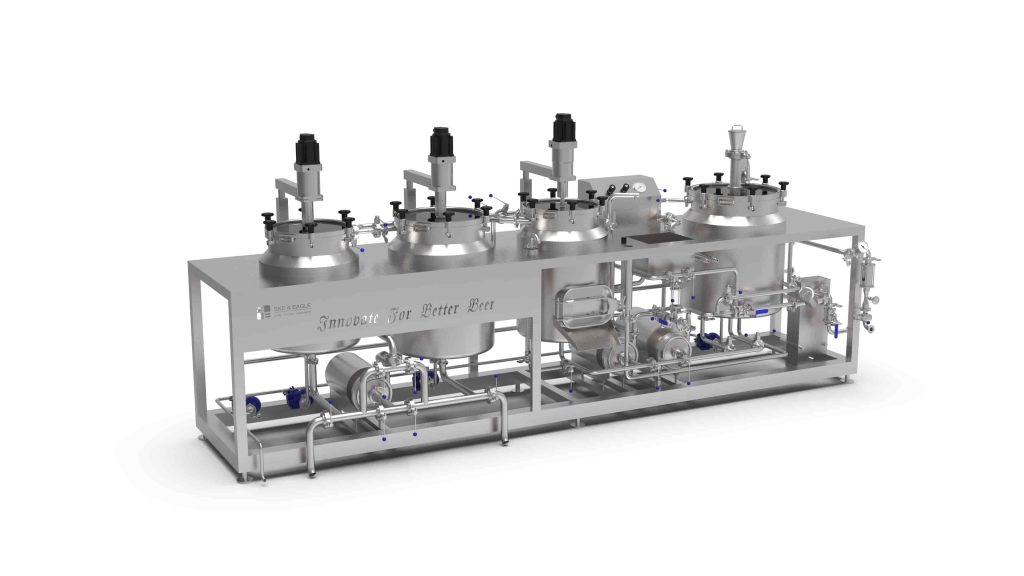
Modern breweries are increasingly focused on sustainability, and the design of beer storage tanks plays a significant role in energy consumption. Older, uninsulated tanks lead to high energy bills as the cooling system struggles to maintain low temperatures against ambient heat.
SKE’s stainless steel beer tank solutions feature high-density polyurethane insulation. This insulation minimizes thermal transfer, meaning the glycol system runs less frequently, reducing electricity usage. Additionally, well-insulated tanks prevent condensation on the exterior walls, which improves safety by reducing slippery floors in the cellar.
Sustainability also extends to water usage. By utilizing high-quality tanks with optimized CIP systems, breweries can significantly reduce the volume of water and chemicals used during cleaning cycles. Investing in durable, efficient tanks is not only an operational decision but an environmental one, aligning with the values of modern craft consumers.
Future Trends in Beer Storage Technology
The evolution of stainless steel brewery tanks is ongoing. As the craft beer market matures, breweries are demanding greater automation and data integration.
We are seeing a rise in “smart tanks” equipped with digital sensors that monitor real-time temperature, pressure, and even specific gravity. This data is fed directly into brewery management software, allowing brewers to track the maturation process remotely and receive alerts if parameters drift outside of specifications.
Additionally, there is a growing trend toward sustainability-driven design. This includes tanks optimized for lower water usage during CIP and systems that allow for the recovery of CO2 produced during fermentation to be reused for carbonation or purging. SKE is at the forefront of these innovations, helping breweries reduce their environmental footprint while increasing operational efficiency.
Conclusion
The journey from wort to world-class beer is defined by the quality of the storage vessel. Whether you require dedicated Bright Beer Tanks for packaging consistency or versatile Unitanks for a flexible brewpub, the choice of equipment directly impacts your brand’s quality and profitability.
By investing in premium stainless steel beer tanks, brewers gain the tools necessary to control oxygen, manage temperature precisely, and maintain the highest standards of hygiene. As a trusted manufacturer, SKE is dedicated to providing the robust, custom-engineered solutions that modern breweries need to thrive in a competitive market.
If you are planning a new brewery or expanding your existing capacity, contact SKE today to discuss how our stainless steel brewery tanks can elevate your production capabilities.
- Facebook: SKE Equipment Facebook
- Email: info@skeequipment.com
For more personalized assistance, please fill out the contact form at the bottom of this page. We look forward to helping you with your brewing needs!
Frequently Asked Questions (FAQ)
Q1: What is the difference between a fermentation tank and a beer storage tank?
A fermentation tank is specifically designed for the active fermentation process where yeast converts sugars into alcohol and CO2. It often has a larger vapor space (headspace) to accommodate krausen (foam). A beer storage tank (or Bright Beer Tank) is designed specifically for holding finished beer; it is optimized for pressure retention, carbonation, and cold storage without the need for excessive headspace.
Q2: Why is 304 stainless steel used for beer tanks instead of other metals?
AISI 304 stainless steel is the industry standard because it is highly resistant to corrosion from the organic acids in beer. It is non-reactive, ensuring no metallic flavors leach into the product. It is also durable, easy to clean, and provides excellent thermal conductivity for glycol cooling systems. For environments with high chloride levels (like coastal breweries), 316 stainless steel is sometimes used for added corrosion resistance.
Q3: How often should I clean my stainless steel brewery tanks?
Tanks should be cleaned immediately after they are emptied to prevent soil from drying on the walls. A full CIP (Cleaning-in-Place) cycle, including caustic and acid washes, should be performed after every batch. Additionally, a deep clean and manual inspection of gaskets and manways should be conducted weekly or monthly, depending on your production schedule, to ensure there is no beerstone buildup or seal degradation.
Q4: Can I carbonate beer in a storage tank?
Yes. Professional stainless steel beer tanks (specifically Bright Beer Tanks and Unitanks) are designed for carbonation. They come equipped with a carbonation stone (a porous sintered metal device) that introduces CO2 in micro-bubbles, allowing the gas to dissolve efficiently into the beer. The tank must be pressure-rated to safely handle the pressures required for carbonation, typically 12-15 PSI.