
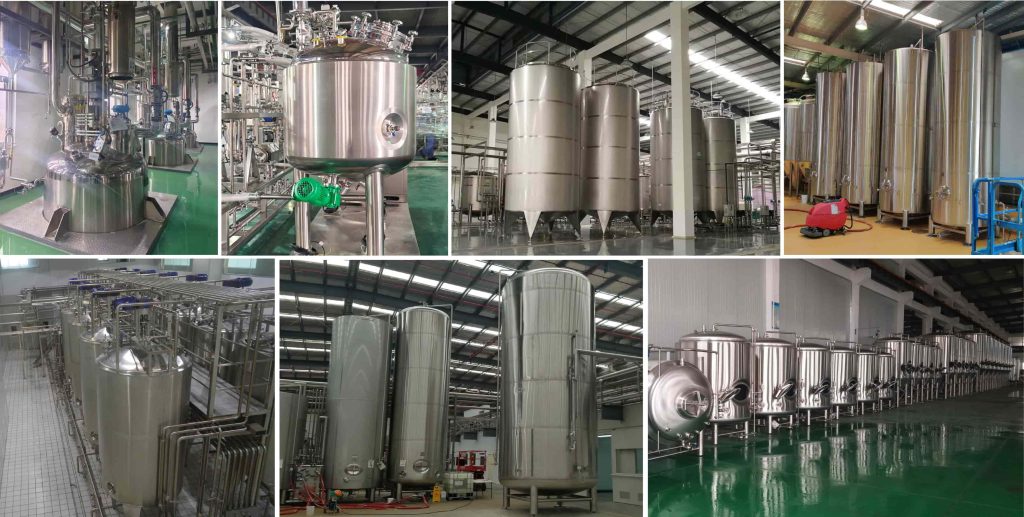
When it comes to brewing, winemaking, or even crafting kombucha, the fermentation container you choose is arguably the most critical piece of equipment in your arsenal. It is not merely a vessel; it is the environment where yeast transforms simple sugars into complex flavors, alcohol, and carbon dioxide.
For decades, homebrewers and small-scale artisans have relied on fermenting jars and traditional fermentation jars to produce their goods. However, as the craft beverage industry evolves, so does the technology behind these vessels. At SKE, we specialize in bridging the gap between traditional methods and industrial efficiency. We understand that whether you are a hobbyist or a commercial brewery, the material, shape, and sealing mechanism of your fermentation container directly impact the quality, consistency, and yield of your final product.
In this guide, we will explore the differences between standard glass jars and professional stainless steel equipment, helping you make an informed decision based on your production needs.
The Evolution of the Fermentation Container
The history of fermentation is as old as civilization itself. Early brewers used clay pots, wooden barrels, and animal skins. Today, the modern fermentation container has evolved to prioritize sanitation, temperature control, and oxygen exclusion.
For small-batch artisans, ferment jars made of glass have remained popular due to their inert nature and visibility. However, as production scales up, the limitations of glass become apparent. Glass is fragile, opaque to UV light (which can skunk beer), and difficult to clean thoroughly without specialized brushes.
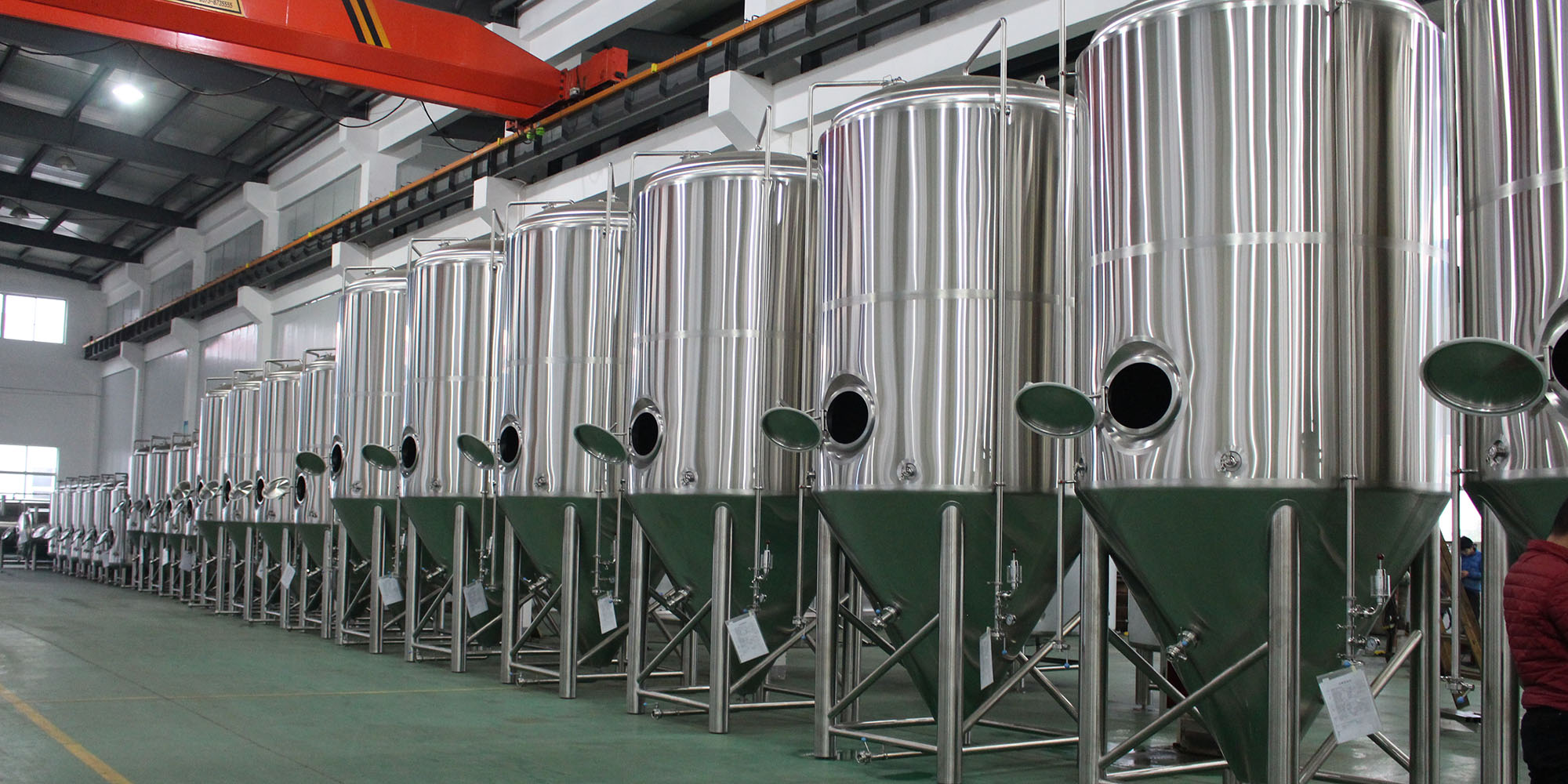
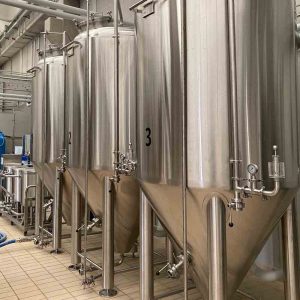
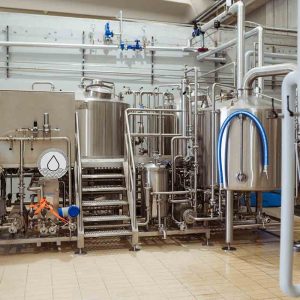
Professional breweries have shifted entirely to stainless steel. Stainless steel is non-porous, resistant to corrosion, and does not react with acidic wort or must. At SKE, we manufacture stainless steel fermentation containers that integrate features like conical bottoms for yeast harvesting, integrated cooling jackets, and pressure-rated clamps. These features transform a simple vessel into a precision tool for fermentation management.
Glass Fermenting Jars: Pros and Cons
Glass fermenting jars are the entry point for most homebrewers. Typically ranging from 1-gallon carboys to 6.5-gallon demijohns, they offer a transparent view of the fermentation process. Watching the yeast swirl and flocculate is both educational and satisfying.
Advantages:
-
Inert Material: High-quality borosilicate glass does not leach chemicals or flavors into the beer.
-
Visual Monitoring: You can easily spot contamination or track yeast activity without opening the vessel.
-
Cost-Effective: For small batches, glass is significantly cheaper than stainless steel.
Disadvantages:
-
Fragility: Glass breaks. A shattered carboy can cause serious injury and result in the loss of an entire batch.
-
Light Strike: Unless kept in complete darkness, glass allows UV light to penetrate, which reacts with hop compounds to create a “skunky” aroma.
-
Difficult Cleaning: Narrow necks make manual cleaning labor-intensive, increasing the risk of bacterial infections over time.
For those strictly using fermentation jars for occasional batches, glass is viable. However, for consistent quality, brewers soon look for alternatives.
Ceramic vs. Glass: The Traditional Fermentation Jars
When we discuss fermentation jars, many artisans think of the traditional crock. Used for sauerkraut, kimchi, and pickles, these are often made of ceramic or stoneware. While they are excellent for lactic acid fermentation of vegetables, they present challenges for beer and wine.
Ceramic fermentation jars are heavy, maintain stable temperatures well, and block out light completely. However, they often come with water-seal moats that can dry out over long fermentation periods. Furthermore, glazes can sometimes crack, harboring bacteria that are nearly impossible to eradicate.
For beer production specifically, the standard ferment jar of choice has shifted away from ceramic due to the high risk of contamination and the inability to monitor internal pressure or temperature accurately.
The Professional Standard: Stainless Steel Fermentation Containers
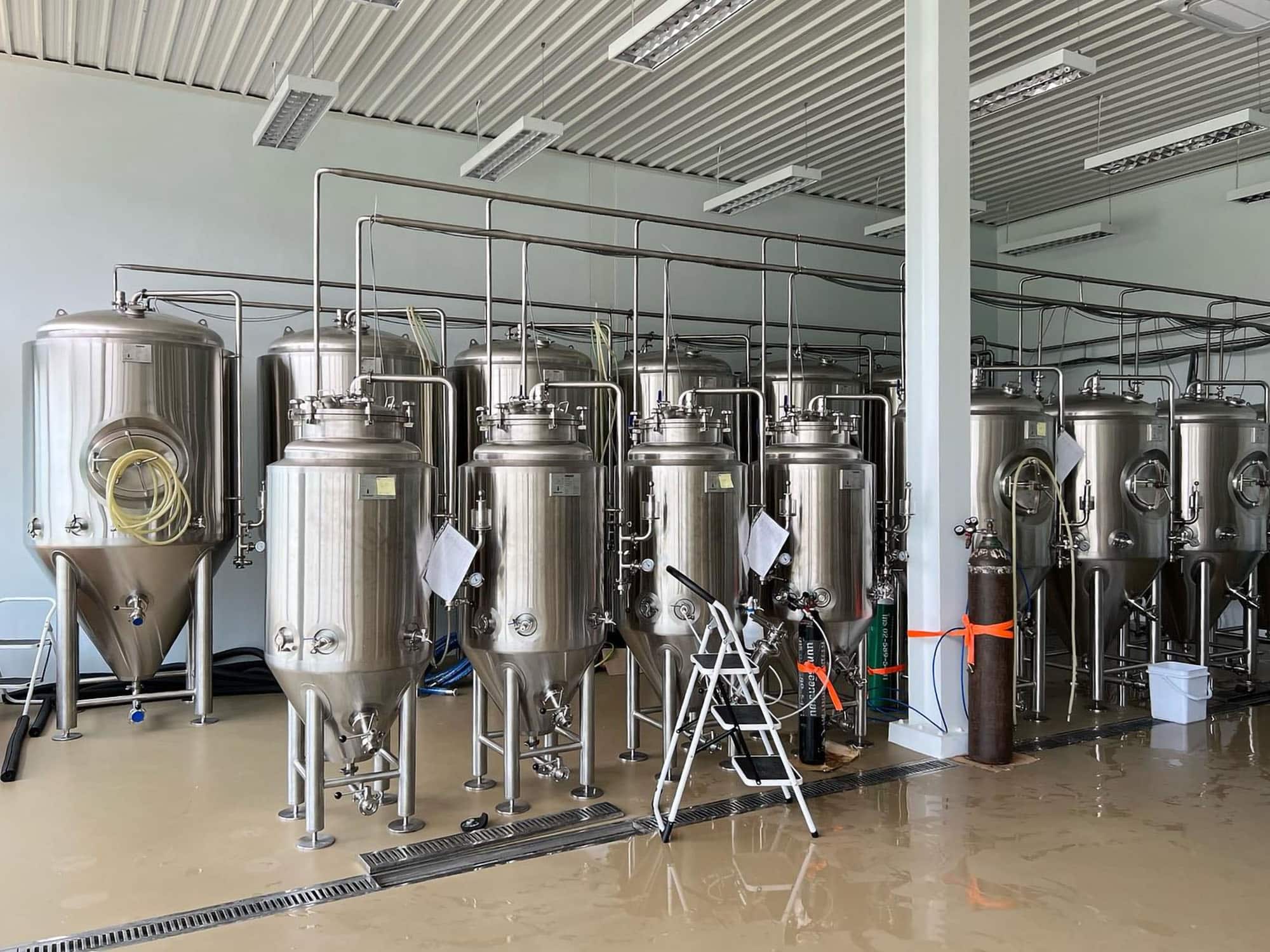
At SKE, we advocate for stainless steel as the superior material for any serious fermentation operation. A professional fermentation container does more than just hold liquid; it provides control.
Modern stainless steel units, often called “conicals,” feature a cone-shaped bottom. This design allows yeast and trub (sediment) to settle into the tip of the cone. Using a racking arm and a bottom valve, brewers can harvest healthy yeast for repitching without transferring the beer to a secondary vessel.
Key Benefits:
-
Sanitation: Stainless steel has a smooth, non-porous surface (often 304 or 316 grade) that can withstand high-temperature cleaning (CIP – Clean-In-Place) and harsh sanitizers.
-
Pressure Rating: Unlike glass fermenting jars, steel tanks can be pressure-rated. This allows for closed transfers (preventing oxygen exposure) and carbonation within the tank.
-
Temperature Control: Most commercial units include dimpled jackets or coils for glycol cooling, ensuring consistent fermentation temperatures for clean flavor profiles.
A Comparative Analysis: Glass vs. Stainless Steel
To help you visualize the differences between a basic glass ferment jar and a professional SKE stainless steel fermentation container, we have compiled the following comparison table.
| Feature | Glass Fermenting Jars | Stainless Steel (SKE Conical) |
|---|---|---|
| Material | Borosilicate or Soda-lime glass | 304 / 316 Stainless Steel, Food-grade |
| Durability | Fragile, prone to cracks | Industrial strength, impact resistant |
| Light Protection | Poor (UV light passes through) | Excellent (Full opacity prevents skunking) |
| Oxygen Exposure | High (requires secondary transfer) | Low (Closed pressure transfer systems) |
| Yeast Harvesting | Difficult (requires siphoning) | Integrated (Conical bottom with collection jar) |
| Cleaning | Manual brushing (high risk of infection) | CIP (Clean-In-Place) capable |
| Temperature Control | Ambient only (water baths needed) | Integrated glycol cooling/heating jackets |
| Capacity | Typically 1 – 13 gallons | 50 gallons to 500+ barrels (industrial) |
| Cost per Batch | Low initial cost, high labor cost | High initial investment, low labor cost |
How to Choose the Right Ferment Jar for Your Production
Selecting the right ferment jar or tank depends entirely on your scale and goals. If you are a homebrewer making 5-gallon batches, a glass carboy may suffice. However, if you are a nanobrewery producing 1 to 3 barrels per week, the inefficiency of glass becomes a bottleneck.
When moving to commercial production, consider the following:
-
Batch Size: Match the container size to your kettle or mash tun. Overfilling causes blow-offs; underfilling leaves excess headspace that can lead to oxidation.
-
Material Safety: Ensure the container is rated for food contact. Low-quality metals can rust or leach.
-
Portability: Large glassfermentation jars are heavy and slippery when wet. Steel tanks are often mounted on casters or fixed legs for safety.
-
Expansion Capabilities: As a manufacturer, SKE designs modular systems. You can start with a basic unit and later add pressure gauges, sampling valves, or automation probes.
Temperature Control: The Hidden Factor
One of the most overlooked aspects of a fermentation container is its ability to manage temperature. Fermentation is an exothermic process; yeast generates heat as it works. If this heat is not dissipated, the temperature inside the vessel can rise 5-10°F above ambient room temperature.
With glass ferment jars, brewers are limited to swamp coolers (wet t-shirts and fans) or expensive refrigeration chambers. This lack of precision often results in off-flavors like diacetyl (butterscotch) or fusel alcohols (hot, solventy flavors).
Conversely, SKE stainless steel fermentation containers are designed for precision. Our jacketed tanks connect to a glycol chiller. The temperature probe sits in a thermowell, allowing the system to maintain a specific temperature within +/- 1°F. This level of control is essential for producing consistent lagers, clean ales, and stable wines.
Sanitation and Longevity
The most common cause of ruined batches is infection. Once a fermentation container is contaminated with wild yeast or bacteria, it can be difficult to eradicate.
Glass fermenting jars develop microscopic scratches over time from cleaning brushes. These scratches become safe havens for bacteria that survive standard sanitation rinses. While glass is chemically inert, its physical wear makes it a liability over time.
Stainless steel, particularly the 304 grade used by SKE, offers superior hygiene. It withstands high-temperature steam and caustic cleaning agents without degrading. A well-maintained stainless steel fermentation container will last decades, whereas a glass carboy may only last a few years before it becomes a hygiene risk.
FAQ: Common Questions About Fermentation Containers
To further assist you in selecting the right equipment, here are answers to frequently asked questions regarding ferment jars, fermenting jars, and professional systems.
Q1: Can I use a glass fermenting jar for sour beers?
Yes, but it is risky. Sour beers utilize bacteria like Lactobacillus and Pediococcus. These bacteria can scratch glass and lodge in plastic or rubber stoppers. If you use glass fermenting jars for sours, it is highly recommended to dedicate that specific set of equipment solely for sour production to avoid cross-contaminating clean ale batches.
Q2: How do I clean a stainless steel fermentation container?
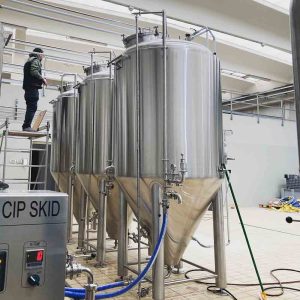
Stainless steel tanks are designed for CIP (Clean-In-Place). SKE tanks typically feature spray balls. You run a hot caustic solution (like sodium hydroxide) through the spray ball to dissolve organic matter, followed by an acid rinse to remove mineral deposits, and finally a sanitizer (like PAA – peracetic acid). This process takes about 30 minutes and requires no manual scrubbing.
Q3: Are plastic fermenting jars a good alternative?
Plastic (PET) ferment jars are lightweight and cheap. However, they are oxygen-permeable over time, meaning long-term aging is not recommended. They also scratch easily, leading to infection risks. While they are suitable for very short fermentation cycles (like 7-10 days), they are not a durable investment compared to stainless steel.
Q4: Why does SKE recommend stainless steel over glass?
At SKE, our focus is on quality, consistency, and efficiency. While glass fermentation jars are accessible for beginners, they lack the features required for professional production: temperature control, pressure management, and sanitation ease. Stainless steel is the only material that guarantees repeatability batch after batch, which is essential for building a brand in the craft beverage industry.
Contact Us
If you have any further questions, feel free to reach out!
- Facebook: SKE Equipment Facebook
- Email: info@skeequipment.com
For more personalized assistance, please fill out the contact form at the bottom of this page. We look forward to helping you with your brewing needs!