
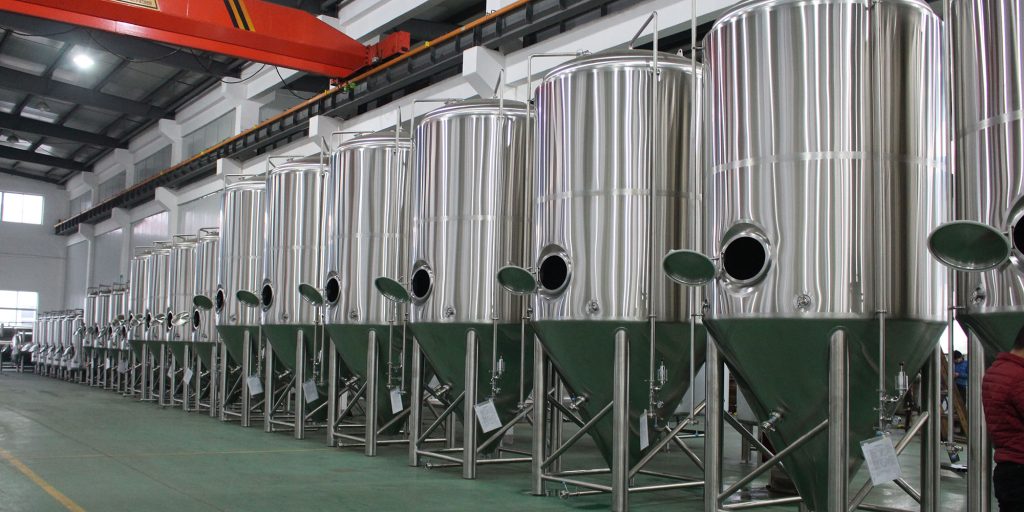
What is a Fermentation Jar? Definition and Core Purpose
A fermentation jar is a specialized container designed to facilitate the fermentation process, where yeast converts sugars into alcohol, carbon dioxide, and flavor compounds that define beer’s unique profile. Unlike generic containers, fermentation jars are engineered to create a controlled environment that supports yeast activity while preventing contamination, which is critical for successful brewing.
At its most basic, a fermentation jar must be airtight (to keep out oxygen and harmful bacteria) yet allow for the release of carbon dioxide (CO2) produced during fermentation. This balance is essential—too much oxygen can lead to oxidation, resulting in off-flavors like cardboard or sherry, while trapped CO2 can build up pressure and damage the container. Fermentation jars are available in various sizes, materials, and designs, making them suitable for every brewing scale, from 1-gallon home batches to 100+ barrel commercial productions.
It’s important to distinguish between fermentation jars and other similar vessels. While a fermentation container is a broad term that includes any vessel used for fermentation (including jars, crocks, and tanks), a fermentation jar typically refers to a cylindrical, narrow-necked container—often made of glass, plastic, or stainless steel—designed for ease of use and precise control. Fermentation crocks, on the other hand, are traditionally ceramic or stoneware vessels with a wider mouth, often used for open or semi-open fermentation, particularly in traditional brewing styles.
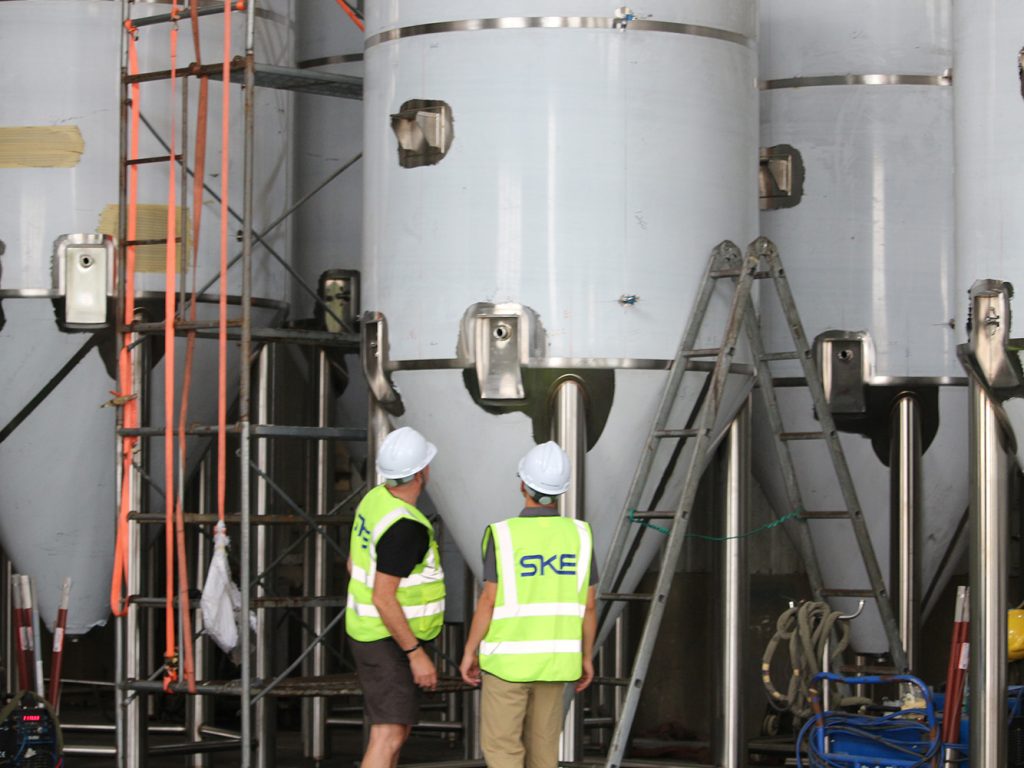
Key Differences: Fermentation Jar vs. Fermentation Container vs. Fermentation Crocks
|
Feature
|
Fermentation Jar
|
Fermentation Container
|
Fermentation Crocks
|
|---|---|---|---|
|
Definition
|
Specialized cylindrical vessel with a narrow neck, designed for controlled fermentation with airtight sealing and CO2 release.
|
Broad term for any vessel used to hold fermentation (includes jars, crocks, tanks, buckets, etc.).
|
Traditional, wide-mouthed vessel (usually ceramic/stoneware) for open or semi-open fermentation, often used for traditional styles.
|
|
Common Materials
|
Glass, food-grade plastic, stainless steel (304/316L), ceramic.
|
Glass, plastic, stainless steel, ceramic, wood, aluminum (less common).
|
Ceramic, stoneware, earthenware (traditional); some modern versions use stainless steel.
|
|
Design Features
|
Narrow neck, airtight lid with airlock, often cylindrical, available in small to large sizes.
|
No standard design—varies by type (e.g., buckets have wide mouths, tanks have conical bottoms).
|
Wide mouth, heavy base, often with a water seal (for semi-open fermentation), simple, durable.
|
|
Ideal Use Cases
|
Homebrewing, small to medium commercial batches, controlled fermentation (e.g., ales, lagers), secondary fermentation.
|
Any fermentation application—from homebrew buckets to large commercial tanks, flexible for all scales.
|
Traditional brewing styles (e.g., Belgian ales, German lagers), open fermentation, small batches, fermenting vegetables (for brewing adjuncts).
|
|
Pros
|
Easy to clean, precise control, prevents contamination, versatile, compatible with airlocks and other accessories.
|
Flexible, available in all sizes, adaptable to different brewing methods, cost-effective options.
|
Retains consistent temperature, traditional flavor infusion, durable, aesthetically pleasing.
|
|
Cons
|
Narrow neck can make cleaning large jars difficult; glass versions are fragile.
|
Generic designs may lack specialized features for precise fermentation control.
|
Heavy, wide mouth increases contamination risk (if not sealed properly), limited temperature control.
|
|
SKE Recommendation
|
Ideal for most brewers—SKE offers stainless steel fermentation jars for commercial use, with customizable sizes and airlock compatibility.
|
Choose SKE’s commercial fermentation containers for scalability, with options for CIP cleaning and temperature control.
|
Great for traditional styles—pair with SKE’s temperature control systems to optimize fermentation conditions.
|
Types of Fermentation Jars: Materials and Designs for Every Brewer
1. Glass Fermentation Jars
Glass is one of the most popular materials for homebrewers, and for good reason. It is inert, meaning it does not react with the beer or impart any off-flavors, ensuring the purest taste possible. Glass fermentation jars are transparent, allowing brewers to monitor the fermentation process—from the formation of krausen (the foamy layer on top) to the clearing of the beer as yeast settles.
Most glass fermentation jars are made of borosilicate glass, which is heat-resistant and less likely to break from temperature changes. They typically come with a narrow neck and a screw-on lid that can be fitted with an airlock to release CO2. Common sizes range from 1 gallon (3.8 liters) for home batches to 5 gallons (19 liters) for larger homebrew setups.
While glass is an excellent choice for homebrewers, it has limitations for commercial use. It is fragile, heavy, and not ideal for large-scale production. Additionally, the narrow neck can make cleaning difficult for larger jars, which is why SKE recommends glass jars for homebrewers and small-scale operations, while offering stainless steel alternatives for commercial breweries.
2. Plastic Fermentation Jars
Plastic fermentation jars are a cost-effective and lightweight option, making them popular among beginner homebrewers. They are typically made of food-grade plastic (such as PET or HDPE), which is safe for contact with beer and resistant to chemical reactions. Plastic jars are shatterproof, easy to transport, and available in a wide range of sizes, from small 1-liter jars to large 10-gallon containers.
One of the main advantages of plastic fermentation jars is their affordability—they are significantly cheaper than glass or stainless steel options. They are also easy to clean, with some models featuring wide mouths for access. However, plastic has some drawbacks: it can scratch easily, and scratches can harbor bacteria, leading to contamination over time. It is also not as inert as glass, and low-quality plastic may impart subtle off-flavors if not properly maintained.
3. Stainless Steel Fermentation Jars
Stainless steel is the gold standard for commercial breweries, and it is increasingly popular among serious homebrewers. SKE specializes in stainless steel fermentation jars, as they offer unmatched durability, hygiene, and control—critical factors for producing consistent, high-quality beer. Stainless steel is inert, does not react with beer, and is resistant to scratches, corrosion, and bacterial growth.
SKE’s stainless steel fermentation jars are made from food-grade 304 or 316L stainless steel, which is easy to clean and sanitize. They feature airtight lids with integrated airlocks, and many models come with additional features like temperature control jackets, sampling valves, and yeast collection ports—making them ideal for commercial use.
The main disadvantage of stainless steel fermentation jars is their higher cost compared to glass or plastic. However, their durability and long lifespan make them a cost-effective investment for commercial brewers and serious homebrewers. SKE’s stainless steel jars are designed to withstand the rigors of daily use, with customizable options to meet the specific needs of your brewery.
4. Ceramic Fermentation Jars
Ceramic fermentation jars are a traditional option, often used interchangeably with fermentation crocks. They are made from non-porous ceramic or stoneware, which retains heat well and creates a stable environment for fermentation. Ceramic jars are aesthetically pleasing, with many handcrafted designs, and they are ideal for traditional brewing styles that require slow, controlled fermentation.
Like glass, ceramic is inert and does not impart off-flavors to the beer. It is also durable, although it can be heavy and prone to chipping if not handled carefully. Ceramic fermentation jars typically have wide mouths, making them easy to add ingredients and clean, but this can also increase the risk of contamination if not sealed properly. Many ceramic jars come with a water seal lid, which allows CO2 to escape while keeping out oxygen and bacteria.
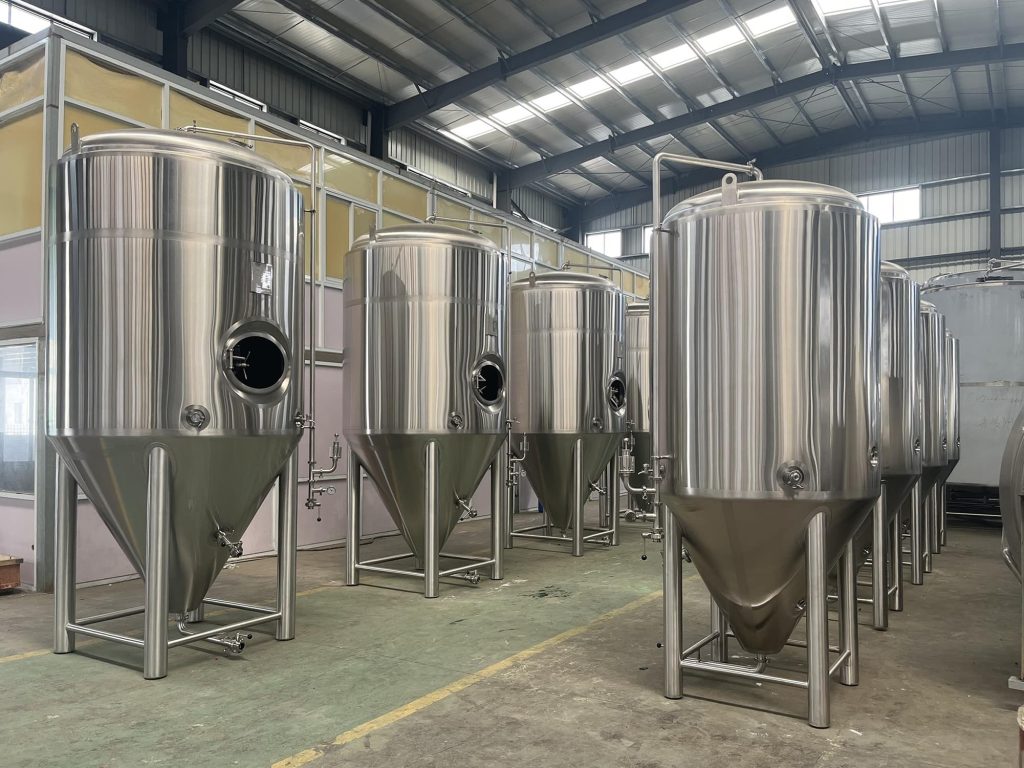
How to Choose the Right Fermentation Jar for Your Brewing Needs
Selecting the right fermentation jar depends on several key factors, including your brewing scale, budget, desired beer style, and level of control. SKE has helped thousands of brewers—from home enthusiasts to large commercial operations—choose the perfect fermentation vessels, and we’ve compiled the following guidelines to help you make the right choice.
1. Consider Your Brewing Scale
The first step in choosing a fermentation jar is determining your batch size. Homebrewers typically brew 1–5 gallon batches, so a 1–5 gallon glass or plastic jar is ideal. For small craft breweries, 10–30 gallon stainless steel jars are a good starting point, while large commercial breweries will need 50+ barrel stainless steel tanks (which can be considered large-scale fermentation jars).
SKE offers fermentation jars in a range of sizes, with customizable options for commercial breweries. Our team can help you assess your production needs and recommend the right size to ensure scalability as your brewery grows. It’s important to choose a jar that is slightly larger than your batch size to accommodate krausen (the foamy layer that forms during fermentation), which can take up 10–20% of the jar’s volume.
2. Evaluate Material Options
As discussed earlier, each material has its own advantages and disadvantages. For homebrewers on a budget, plastic or glass jars are excellent choices. Plastic is lightweight and affordable, while glass is inert and allows for easy monitoring. For serious homebrewers and commercial breweries, stainless steel is the best option, as it offers durability, hygiene, and control.
Ceramic jars are ideal for brewers looking to produce traditional styles, but they are less practical for large-scale production. SKE recommends considering your long-term goals—if you plan to scale up, investing in stainless steel jars early will save you money and hassle in the future. Our stainless steel fermentation jars are designed to last for decades, making them a smart investment for growing breweries.
3. Think About Fermentation Control
Different beer styles require different fermentation conditions. For example, lagers require cold fermentation (40–55°F / 4–13°C), while ales ferment at warmer temperatures (60–75°F / 15–24°C). If you plan to brew a variety of styles, you’ll need a fermentation jar that allows for temperature control.
SKE’s stainless steel fermentation jars can be equipped with temperature control jackets, which allow you to precisely regulate the temperature of the beer during fermentation. This is critical for producing consistent, high-quality beer, as temperature fluctuations can lead to off-flavors and inconsistent results. For homebrewers, a simple water bath or heat pad can be used with glass or plastic jars to control temperature, but stainless steel jars offer more precise control.
4. Consider Cleaning and Maintenance
Proper cleaning and maintenance are essential for preventing contamination and ensuring the longevity of your fermentation jar. Glass and stainless steel jars are easy to clean, as they are non-porous and resistant to scratches. Plastic jars can be cleaned, but they are prone to scratching, which can harbor bacteria. Ceramic jars are also easy to clean, but they can be heavy and difficult to handle.
SKE’s stainless steel fermentation jars are designed with easy cleaning in mind, with smooth interiors and removable lids for access. Many of our commercial models also feature CIP (Clean-in-Place) systems, which automate the cleaning process, saving time and ensuring thorough hygiene. For homebrewers, we recommend choosing jars with wide mouths (or narrow necks with cleaning brushes) to make cleaning easier.
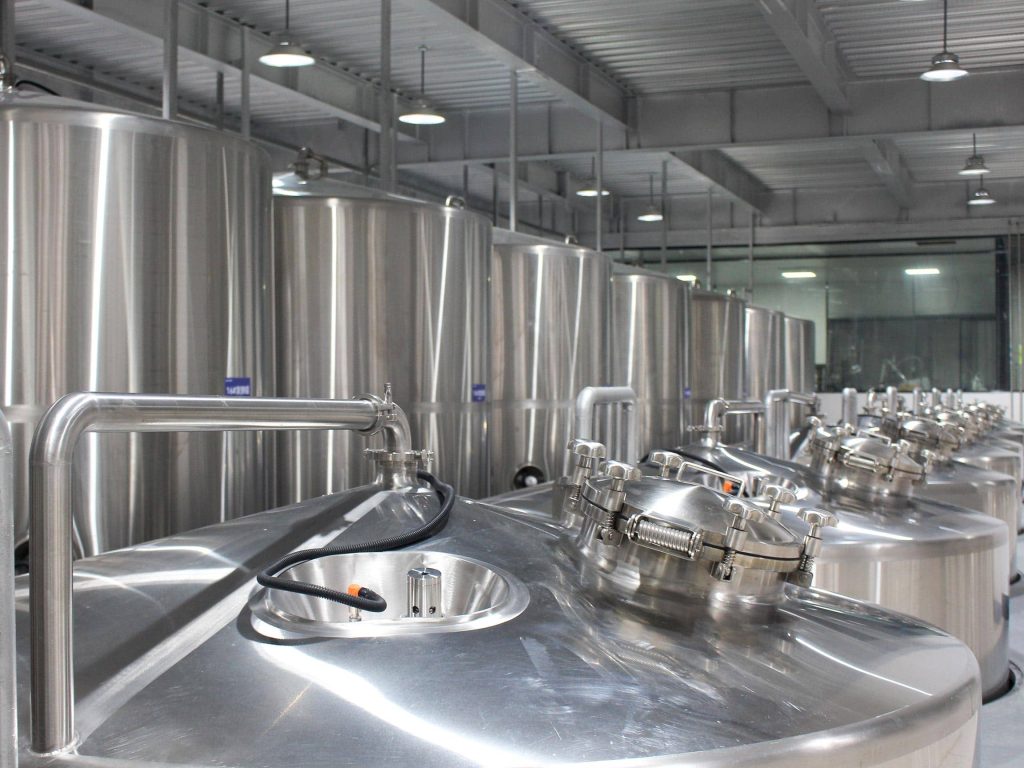
Proper Use and Maintenance of Fermentation Jars: Tips from SKE Experts
1. Sanitize Before Use
Contamination is the number one enemy of fermentation. Before using your fermentation jar, it is critical to sanitize it thoroughly to kill any bacteria, wild yeast, or other contaminants that could ruin your beer. For glass, plastic, and stainless steel jars, simply rinse the jar with warm water, apply the sanitizer according to the manufacturer’s instructions, and let it air dry (do not towel dry, as this can introduce contaminants). For ceramic jars, be sure to sanitize all crevices, including the lid and water seal, to ensure no bacteria are left behind.
2. Fill the Jar Correctly
When filling your fermentation jar, it’s important to leave enough headspace to accommodate krausen. Krausen is the foamy layer that forms during the active fermentation phase, and it can rise to 10–20% of the jar’s volume. If you fill the jar too full, the krausen may overflow, leading to contamination and a mess.
3. Use an Airlock
An airlock is a small device that fits into the lid of your fermentation jar, allowing CO2 to escape while preventing oxygen and contaminants from entering. It is an essential accessory for any fermentation jar, as it maintains the airtight environment needed for successful fermentation.
SKE offers a range of airlocks designed to fit our fermentation jars, including S-shaped airlocks and three-piece airlocks. To use an airlock, fill it with water (or a sanitizing solution) up to the marked line, then attach it to the lid of the jar. As fermentation proceeds, CO2 will bubble through the water, releasing pressure and keeping the jar sealed.
4. Monitor Fermentation
Monitoring the fermentation process is key to ensuring the beer turns out as expected. For glass jars, you can visually monitor the krausen and the clarity of the beer. For stainless steel or ceramic jars, you can use a hydrometer to measure the specific gravity of the beer, which indicates how much sugar has been converted into alcohol.
SKE recommends taking hydrometer readings at the start of fermentation (original gravity) and at the end (final gravity) to calculate the alcohol by volume (ABV) of your beer. Additionally, monitor the temperature of the beer regularly to ensure it stays within the recommended range for your yeast strain. Fluctuations in temperature can lead to off-flavors, so it’s important to maintain a consistent environment.
5. Clean and Store Properly After Use
After fermentation is complete, it’s important to clean and store your fermentation jar properly to prevent contamination and extend its lifespan. First, empty the jar and rinse it with warm water to remove any remaining beer, yeast, or sediment. Then, clean the jar with a food-grade cleaner (such as PBW) to remove any stubborn residue, and sanitize it again before storing.
Store your fermentation jar in a cool, dry place, away from direct sunlight and extreme temperatures. For glass jars, avoid stacking them to prevent breakage. For stainless steel jars, dry them thoroughly to prevent rust (though 304/316L stainless steel is resistant to rust, it’s still best to dry them after cleaning). For ceramic jars, store them in a secure location to avoid chipping.

Frequently Asked Questions (FAQ) About Fermentation Jars
To help you further understand fermentation jars, we’ve compiled answers to some of the most common questions we receive from brewers. If you have additional questions, feel free to contact SKE’s customer support team—we’re always happy to help.
Q1: Can I use a regular jar (e.g., a mason jar) as a fermentation jar?
A: Yes, you can use a mason jar or other regular glass jar as a fermentation jar, provided it is food-grade and can be sealed airtight. However, regular jars may not be designed for fermentation, so you’ll need to add an airlock (which can be purchased separately) to allow CO2 to escape. Mason jars are ideal for small batches (1–2 gallons) but are not suitable for large-scale brewing. SKE recommends using specialized fermentation jars for better control and durability.
Q2: How long can I store beer in a fermentation jar?
A: The length of time you can store beer in a fermentation jar depends on the beer style and storage conditions. Most ales can be stored in a fermentation jar for 1–2 months, while lagers and other aged beers can be stored for 3–6 months or longer. It’s important to store the jar in a cool, dark place (40–50°F / 4–10°C) to slow down oxidation and maintain flavor. SKE’s stainless steel fermentation jars are ideal for long-term storage, as they are airtight and resistant to oxidation.
Q3: What is the difference between a fermentation jar and a fermentation tank?
A: While the terms are often used interchangeably, a fermentation jar is typically a smaller, cylindrical vessel (usually under 30 gallons) used for homebrewing or small-scale commercial batches. A fermentation tank is a larger, more complex vessel (usually 50+ gallons) used for commercial brewing, with features like temperature control jackets, CIP systems, and conical bottoms for yeast collection. SKE offers both fermentation jars and tanks, with customizable options for every scale.
Q4: Can I ferment different beer styles in the same fermentation jar?
A: Yes, you can ferment different beer styles in the same jar, but it’s important to clean and sanitize the jar thoroughly between batches to prevent cross-contamination. For example, fermenting a hoppy IPA followed by a delicate lager without proper cleaning could result in hop residues affecting the lager’s flavor. SKE recommends using separate jars for different styles if possible, but if not, ensure the jar is cleaned and sanitized properly.
Q5: How do I know if my fermentation jar is airtight?
A: To test if your fermentation jar is airtight, fill it with water, seal the lid, and invert it. If no water leaks out, the jar is airtight. For fermentation purposes, you can also check the airlock—if bubbles are forming in the airlock during fermentation, it means the jar is sealed properly and CO2 is being released. If no bubbles form, there may be a leak, which can lead to oxidation and contamination. SKE’s fermentation jars are designed to be airtight, with high-quality lids that ensure a secure seal.
Contact Us
If you have any further questions, feel free to reach out!
- Facebook: SKE Equipment Facebook
- Email: info@skeequipment.com
For more personalized assistance, please fill out the contact form at the bottom of this page. We look forward to helping you with your brewing needs!