
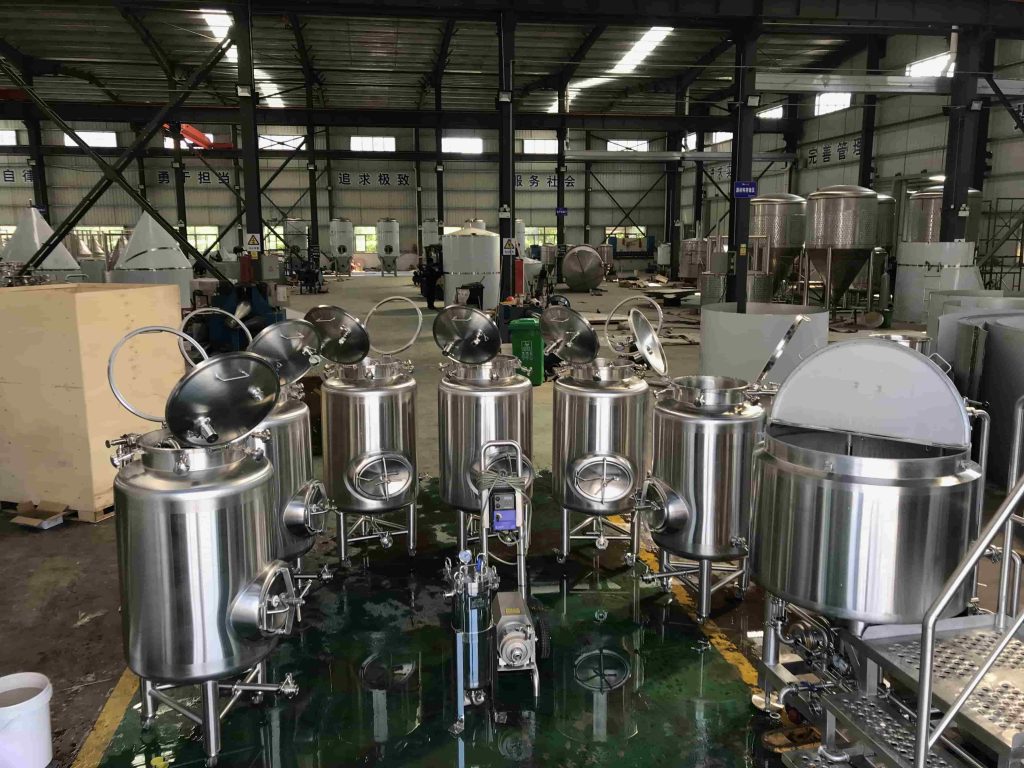
Fermented tea beverages, especially kombucha, represent one of the fastest-growing segments in the global functional beverage market, driven by consumer demand for probiotic-rich, low-sugar, and naturally effervescent drinks. As a fermented tea kombucha, this ancient beverage combines centuries of traditional wisdom with modern fermentation science, offering a unique profile of organic acids, antioxidants, and live probiotics.
For commercial producers, mastering kombucha fermentation—from microbial dynamics to equipment selection like coolship systems—is essential to scaling production while maintaining consistent quality and flavor. This article explores the science behind fermentation of kombucha, the role of specialized equipment, and how SKE’s brewing solutions support the growth of fermented tea beverage operations.
What Is Kombucha: The Foundation of Fermented Tea Beverages
Kombucha is a fermented tea beverage produced by fermenting sweetened tea with a Symbiotic Culture of Bacteria and Yeast (SCOBY), often referred to as the “tea fungus” or “mother”. Originating in Northeast China around 220 B.C., it has evolved from a traditional health tonic to a mainstream commercial product, with global sales projected to exceed $8 billion by 2028Inrae-AgroParisTech International Centre of Molecular and Physical Gastronomy/Centre International de gastronomie moléculaire et physique AgroParisTech-Inrae. Unlike regular tea, kombucha undergoes a dual-stage fermentation process that transforms sweet, neutral tea into a tangy, slightly carbonated drink with a complex flavor profile.
At its core, kombucha relies on the synergistic activity of three key microbial groups: yeast (primarily Saccharomyces species), acetic acid bacteria (such as Komagataeibacter xylinus), and lactic acid bacteria. Yeast initiates fermentation by breaking down sucrose into glucose and fructose, then converting these sugars into ethanol and carbon dioxide through anaerobic metabolism. Acetic acid bacteria then oxidize the ethanol into acetic acid and gluconic acid, lowering the pH and creating kombucha’s characteristic tartness. Lactic acid bacteria contribute additional organic acids, balancing flavor and enhancing probiotic content. This microbial collaboration defines the fermentation of kombucha and distinguishes it from other fermented beverages.
The Science of Kombucha Fermentation: A Step-by-Step Breakdown
Kombucha fermentation is a precisely controlled biological process that unfolds in two distinct stages, each requiring specific environmental conditions to optimize microbial activity and product quality. Understanding these stages is critical for both home brewers and commercial producers aiming to create consistent, high-quality fermented tea kombucha.
Stage 1: Primary (Aerobic) Fermentation
The first stage of kombucha fermentation is aerobic, meaning it requires oxygen to support the growth of acetic acid bacteria and the formation of the SCOBY biofilm. This stage typically lasts 7–14 days, depending on temperature, tea type, and desired acidity. The process begins with preparing a sweet tea infusion: 50–100 grams of sucrose per liter of water is dissolved in boiling water, then tea leaves (black, green, oolong, or white) are steeped for 5–10 minutes before being removedInrae-AgroParisTech International Centre of Molecular and Physical Gastronomy/Centre International de gastronomie moléculaire et physique AgroParisTech-Inrae. The sweet tea is cooled to 20–25°C to avoid killing the SCOBY, then inoculated with a mature SCOBY and 10–20% of previously fermented kombucha (starter liquid) to lower the initial pH and prevent contaminationInrae-AgroParisTech International Centre of Molecular and Physical Gastronomy/Centre International de gastronomie moléculaire et physique AgroParisTech-Inrae.
During primary fermentation, the SCOBY forms a thick, gelatinous biofilm on the liquid’s surface, acting as a living catalyst for microbial activity. Yeast dominate the first 3–4 days, converting sugar to ethanol and CO₂, while acetic acid bacteria gradually take over as oxygen becomes available, oxidizing ethanol into organic acids. By the end of this stage, the pH drops from an initial 4.0–4.5 to 3.0–3.5, creating a hostile environment for harmful bacteria and stabilizing the product. Key parameters to monitor include temperature (optimal 25–28°C), pH, and sugar content—deviations can lead to slow fermentation, off-flavors, or spoilage.
Stage 2: Secondary (Anaerobic) Fermentation
Once primary fermentation is complete, the kombucha is transferred to sealed, pressure-resistant containers for secondary fermentation, an anaerobic process that develops carbonation and enhances flavor. This stage lasts 3–7 days at 18–22°C, during which residual yeast and bacteria consume remaining sugars, producing additional CO₂ that dissolves into the liquid to create natural fizz. Producers often add fruit purees, herbs, or spices during this stage to infuse flavors, as the acidic environment preserves these additions without artificial preservatives.
Secondary fermentation requires strict control to avoid over-carbonation, which can cause bottles to burst. Producers typically release small amounts of pressure daily or use specialized bottles with pressure relief valves. At the end of this stage, the kombucha is filtered to remove SCOBY particles and sediment, then pasteurized (optional) or bottled cold to halt fermentation and extend shelf life. The final product contains 0.3–0.5% alcohol by volume (well below non-alcoholic beverage limits), organic acids, B vitamins, and live probiotics—key attributes that drive consumer demand for fermented tea beverages.

Coolship: A Game-Changer for Commercial Kombucha Fermentation
For commercial kombucha producers, scaling fermentation while maintaining consistency and quality requires specialized equipment—and the coolship has emerged as a transformative tool for optimizing kombucha production. Originally developed for Belgian lambic beer production, a coolship is a large, open-top fermenter with a wide surface area designed to facilitate rapid cooling and aerobic microbial activity. In kombucha production, coolship systems address two critical challenges: oxygen management and fermentation speed.
How Coolship Enhances Kombucha Fermentation
The coolship’s design is tailored to the aerobic needs of kombucha’s microbial community. Its large, shallow surface area maximizes oxygen transfer to the liquid, accelerating the activity of acetic acid bacteria—the key organisms responsible for acid production and flavor development. Unlike traditional closed fermenters, which limit oxygen exposure, coolships create an ideal environment for SCOBY growth, reducing fermentation time by 30–50% compared to standard methods. This efficiency is invaluable for commercial operations aiming to increase batch output without compromising quality.
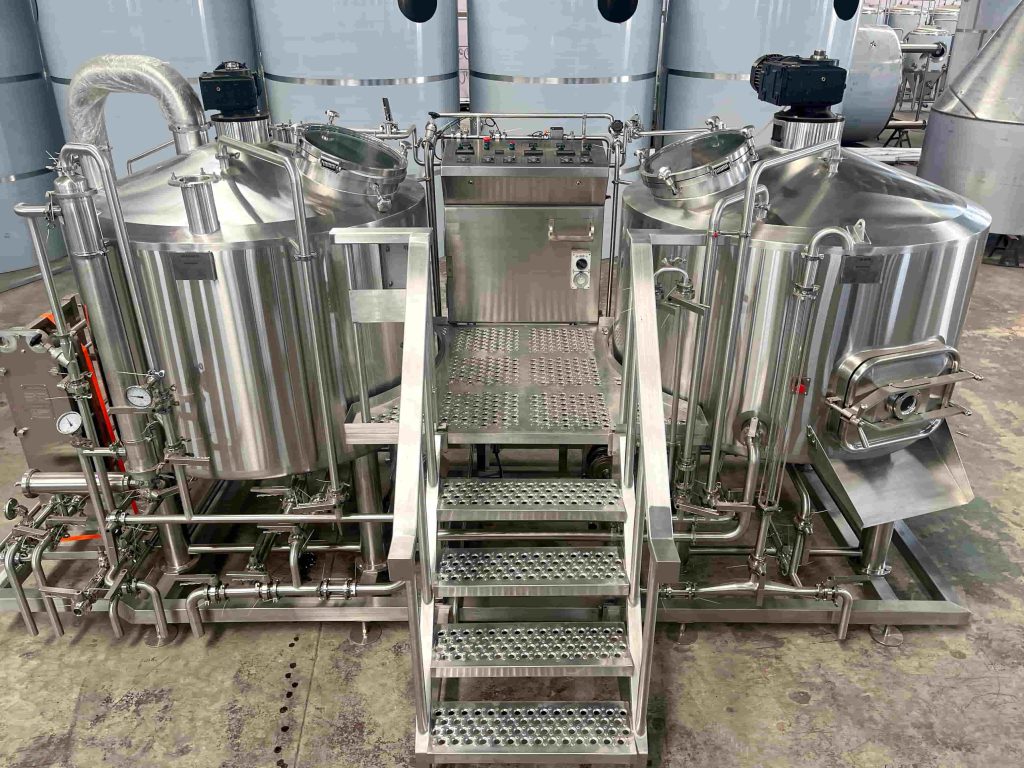
Coolships also improve flavor consistency in fermented tea kombucha. The open design allows for uniform microbial activity across the entire batch, minimizing variations in acidity and taste that can occur in closed tanks with poor oxygen distribution. Additionally, coolship systems from reputable manufacturers like SKE are constructed from food-grade 304 stainless steel, which is corrosion-resistant, easy to clean, and compatible with kombucha’s acidic environment—critical for maintaining food safety standards in large-scale production. SKE’s coolship fermenters feature adjustable temperature controls, breathable covers to prevent contamination, and easy access for SCOBY maintenance, making them ideal for both small-batch craft production and large-scale commercial operations.
Coolship vs. Traditional Kombucha Fermenters: A Comparative Analysis
To understand the value of coolship technology in kombucha fermentation, it’s essential to compare it with traditional fermentation vessels. The table below outlines key differences in performance, efficiency, and suitability for commercial production:
| Parameter | Traditional Closed Fermenters | Coolship Open Fermenters |
|---|---|---|
| Oxygen Transfer | Limited (anaerobic conditions) | High (maximized surface area) |
| Fermentation Time | 10–14 days (primary stage) | 5–7 days (primary stage) |
| SCOBY Growth | Slow, uneven biofilm formation | Rapid, uniform biofilm development |
| Flavor Consistency | Prone to batch-to-batch variations | High consistency across batches |
| Scalability | Limited by oxygen constraints | Ideal for large-scale production |
| Cleaning & Maintenance | Complex, hard-to-reach areas | Easy access, simplified sanitation |
| Cost Efficiency | Lower upfront cost, higher long-term labor | Higher upfront cost, lower operational costs |
| Best For | Home brewing, small-scale craft | Commercial production, high-volume batches |
This comparison highlights why coolship systems are becoming the industry standard for commercial kombucha fermentation. While traditional fermenters work for small-scale operations, coolships offer the efficiency, consistency, and scalability required to meet growing global demand for fermented tea beverages.
Key Parameters for Successful Kombucha Fermentation
Regardless of the equipment used, mastering kombucha fermentation requires precise control over several critical parameters. These variables directly impact microbial activity, flavor development, and product safety—making them non-negotiable for commercial producers aiming to create high-quality fermented tea kombucha consistently.
Temperature Control
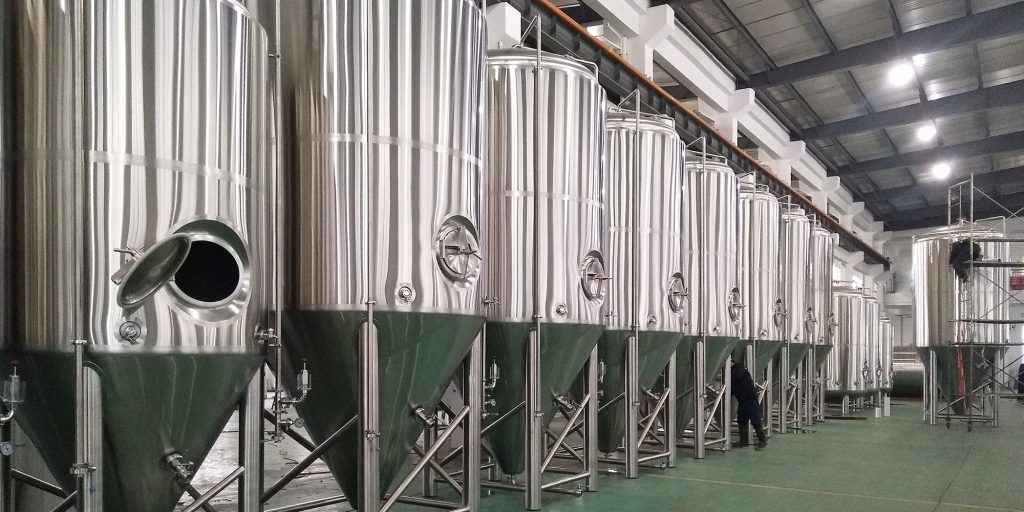
Temperature is the most influential factor in kombucha fermentation, as it directly regulates microbial metabolism. The optimal temperature range for SCOBY activity is 25–28°C. Below 20°C, fermentation slows dramatically, extending the process to 21+ days and increasing the risk of contamination. Above 30°C, yeast cells are damaged, and acetic acid bacteria overproduce acid, resulting in an overly tart, vinegary flavor and accelerated oxidation of tea polyphenols. Commercial operations must invest in temperature-controlled fermentation spaces or equipment like SKE’s coolship systems with built-in heating/cooling coils to maintain stable temperatures across all batches.
pH Monitoring
pH is a quantitative indicator of fermentation progress and product safety in kombucha production. The initial pH of sweet tea is 4.0–4.5; during fermentation, acetic acid production lowers the pH to 3.0–3.5, the ideal range for consumption. A pH below 3.0 can irritate the digestive system, while a pH above 4.6 risks the growth of harmful bacteria like E. coli or Salmonella. Commercial producers use continuous pH monitoring systems to track acidity in real time, ensuring batches reach the safe, optimal range before bottling.
Oxygen Management
As an aerobic process, kombucha fermentation requires consistent oxygen supply during the primary stage to support acetic acid bacteria growth. Inadequate oxygen leads to slow acid production, weak SCOBY formation, and incomplete fermentation. Coolship systems excel here, but even traditional fermenters must use breathable covers (like cheesecloth or air filters) instead of airtight lids to allow oxygen exchange. During secondary fermentation, however, oxygen is excluded to promote carbonation—sealed, pressure-resistant containers are essential for this stage.
Raw Material Quality
The quality of raw materials directly impacts the final fermented tea beverage. High-quality tea (loose-leaf is preferred over tea bags) provides the polyphenols and nutrients that fuel microbial activity, while pure, chlorine-free water prevents inhibition of SCOBY growthInrae-AgroParisTech International Centre of Molecular and Physical Gastronomy/Centre International de gastronomie moléculaire et physique AgroParisTech-Inrae. Sucrose (table sugar) is the preferred carbon source, as it is easily metabolized by yeast; alternative sweeteners like honey or maple syrup can alter fermentation dynamics and flavorInrae-AgroParisTech International Centre of Molecular and Physical Gastronomy/Centre International de gastronomie moléculaire et physique AgroParisTech-Inrae. Producers must source consistent, food-grade raw materials to ensure batch-to-batch uniformity in kombucha fermentation.
FAQ: Common Questions About Kombucha Fermentation & Equipment
1. What is the difference between kombucha and other fermented tea beverages?
Kombucha is distinct from other fermented teas (like jun or pu-erh) due to its specific microbial culture (SCOBY of yeast and acetic acid bacteria) and dual-stage fermentation process. Jun uses honey instead of sugar and a different SCOBY, while pu-erh is a fermented tea leaf product, not a liquid beverage. Kombucha’s defining characteristics are its tangy flavor, natural carbonation, and probiotic content from live SCOBY cultures.
2. How long does kombucha fermentation take commercially?
Commercial kombucha production typically takes 10–14 days total: 5–7 days for primary fermentation (faster with coolship equipment) and 3–7 days for secondary fermentation. Factors like temperature, tea type, and desired acidity can adjust this timeline, but coolship systems consistently reduce primary fermentation time by 30–50% compared to traditional methods.
3. Can coolship equipment be used for other fermented beverages besides kombucha?
Yes! While SKE’s coolships are optimized for kombucha fermentation, their open design and aerobic environment also make them suitable for producing other fermented tea beverages, as well as craft beer, lambic, and even some fermented food products. The core benefit—maximized oxygen transfer for aerobic microbial activity—translates to multiple fermentation applications.
4. What maintenance is required for SKE coolship fermenters?
SKE coolship fermenters require regular cleaning and sanitization to prevent contamination. The stainless steel construction is compatible with CIP systems, allowing for automated cleaning with food-grade detergents and sanitizers. Additionally, the SCOBY biofilm should be monitored and trimmed regularly to maintain optimal fermentation activity, and temperature sensors should be calibrated quarterly to ensure accuracy.
5. How does SKE customize equipment for kombucha producers?
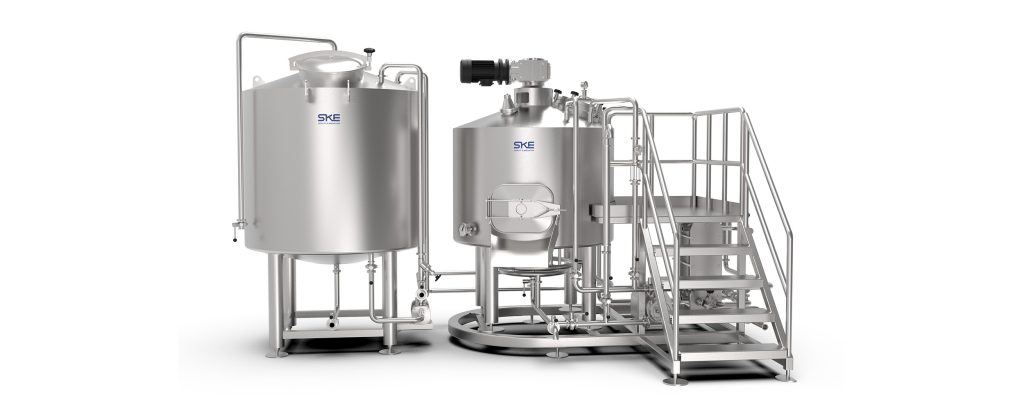
SKE’s customization process begins with a consultation to understand a producer’s batch size, production goals, flavor profile, and facility constraints. The engineering team then designs coolship and fermentation systems with tailored dimensions, temperature control features, and auxiliary components (like spigots, manways, or cooling coils) to meet specific needs. All equipment is tested before delivery to ensure it aligns with the producer’s kombucha fermentation requirements.
Contact Us
If you have any further questions, feel free to reach out!
- Facebook: SKE Equipment Facebook
- Email: info@skeequipment.com
For more personalized assistance, please fill out the contact form at the bottom of this page. We look forward to helping you with your brewing needs!