
What Is a Beer Making System? Core Definition & Components
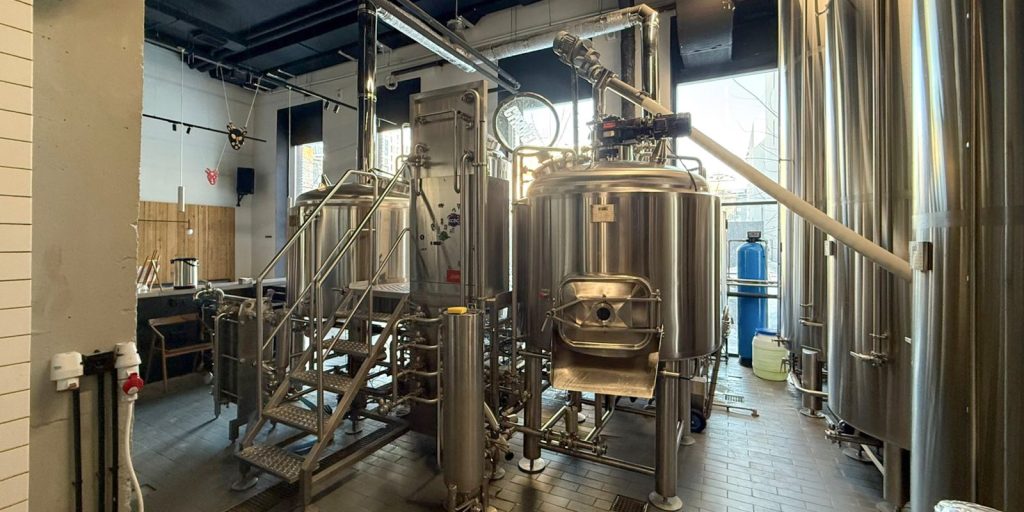
A beer making system is a collection of specialized equipment and processes that work together to execute the entire beer brewing cycle—from milling grains to packaging the final product. Unlike standalone brewing tools, a complete system ensures consistency, efficiency, and scalability, making it suitable for both small-scale craft breweries and large industrial operations. Every component plays a vital role, and the quality of these components directly impacts the taste, aroma, and shelf life of the beer.
At SKE, we design our beer making systems to be modular, customizable, and user-friendly, ensuring they adapt to your production goals. Whether you’re brewing 100 liters per batch or 10,000 liters, our systems are engineered to maintain precision at every stage. Let’s break down the core components of a standard beer making system, which are integral to both manual and automatic setups.
Key Components of a Beer Making System
|
Component
|
Function
|
Importance for Quality & Efficiency
|
SKE Advantage
|
|---|---|---|---|
|
Crushes malted grains (barley, wheat, etc.) to expose starches, which are later converted into sugars during mashing.
|
Proper crushing ensures maximum sugar extraction; over-crushing leads to stuck mashes, while under-crushing reduces yield.
|
SKE’s adjustable grain mills feature 3-roller design for uniform crushing, with durable stainless steel construction to prevent contamination.
|
|
|
Mash Tun
|
Mixes crushed grains with hot water (mashing) to activate enzymes that convert starches into fermentable sugars.
|
Precise temperature control in the mash tun is critical for enzyme activity; poor temperature management results in weak beer or off-flavors.
|
Our insulated mash tuns come with PID temperature control and agitators, maintaining consistent temperatures ±0.3°C for optimal sugar conversion.
|
|
Lauter Tun
|
Separates the sweet wort (sugar-rich liquid) from the spent grains after mashing.
|
Efficient lautering reduces waste and ensures maximum wort extraction, directly impacting batch yield and beer quality.
|
SKE’s lauter tuns feature false bottoms and recirculation systems, minimizing wort loss and ensuring clear, clean wort.
|
|
Brew Kettle
|
Boils the wort with hops to add bitterness, flavor, and aroma; also sterilizes the wort to prevent contamination.
|
Consistent boiling intensity and time are essential for hop utilization; uneven heating can lead to scorching or under-extracted hops.
|
Our brew kettles are made of food-grade stainless steel with efficient heating elements (electric, gas, or steam) and whirlpool functionality for trub separation.
|
|
Holds the cooled wort while yeast converts sugars into alcohol and carbon dioxide; where beer develops its flavor and aroma.
|
Temperature control, airtight sealing, and sanitation are critical to prevent spoilage and ensure consistent fermentation.
|
SKE’s conical fermenters feature cooling jackets, pressure relief valves, and easy-clean designs, supporting both ale and lager fermentations.
|
|
|
Cooling System
|
Cools the boiled wort to fermentation temperature (typically 18-22°C for ales, 7-13°C for lagers) quickly to preserve flavor.
|
Rapid cooling prevents bacterial growth and reduces the formation of off-flavors (e.g., dimethyl sulfide).
|
We offer plate chillers and glycol cooling systems, which cool wort from boiling to fermentation temperature in minutes, saving time and energy.
|
|
Packaging Equipment
|
Fills the finished beer into bottles, cans, or kegs; includes cappers, sealers, and carbonation systems for draft beer.
|
Proper packaging ensures beer freshness and shelf life; poor sealing leads to oxidation and spoilage.
|
SKE’s packaging lines are modular, adapting to your needs—from small-scale bottle fillers to industrial canning systems with automated carbonation.
|
Types of Beer Making Systems: Manual vs. Automatic Beer Brewing Machine
Beer making systems can be categorized based on their level of automation, with two primary types: manual systems and automatic beer brewing machines. The choice between the two depends on your production volume, budget, labor availability, and desired level of control. As a leading manufacturer, SKE offers both options, tailoring each system to meet the unique needs of our clients.
Manual beer making systems are ideal for small-scale operations, homebrewers, or craft breweries that prioritize hands-on control. These systems require manual intervention at every stage—from mashing and lautering to boiling and fermenting. While they are more affordable upfront, they demand more labor and skill, and consistency can vary between batches.
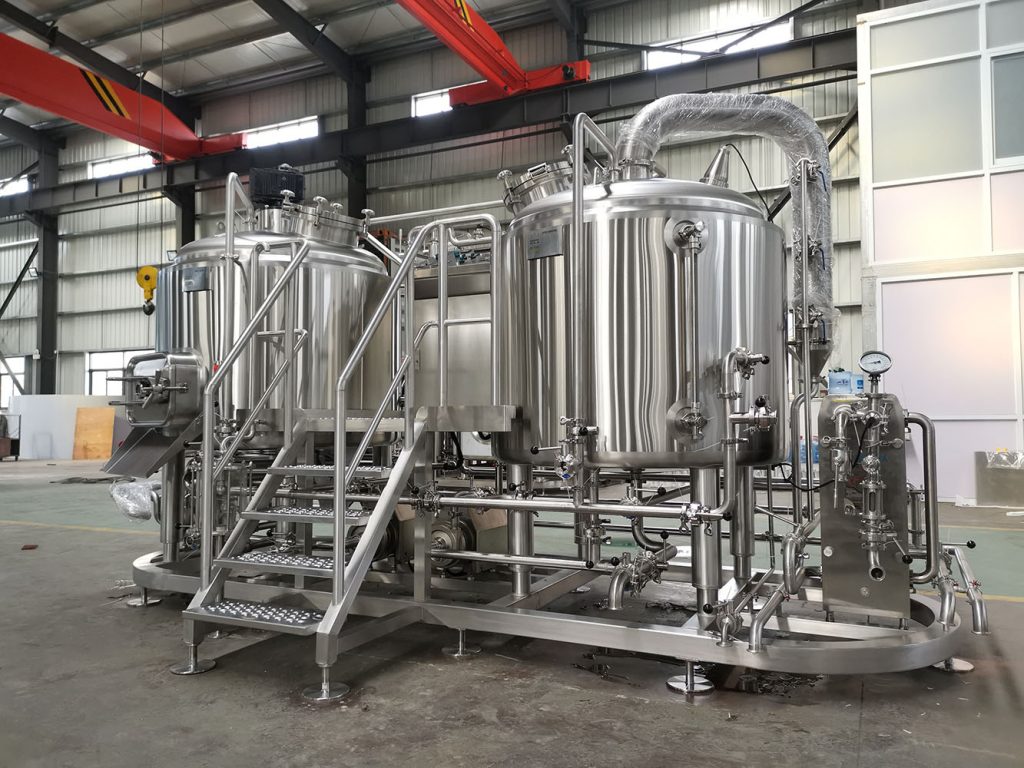
On the other hand, an automatic beer brewing machine streamlines the entire process, reducing manual labor and ensuring consistent results. These machines use advanced technology (e.g., PLC control systems, sensors, and automated valves) to manage temperature, timing, and ingredient addition. For commercial breweries or those looking to scale production, an automatic beer brewing machine is a game-changer, as it minimizes human error and increases efficiency.
Key Differences Between Manual and Automatic Beer Making Systems
|
Feature
|
Manual Beer Making System
|
Automatic Beer Brewing Machine
|
Best For
|
|---|---|---|---|
|
Labor Requirement
|
High—requires 1-2 people per batch to monitor and adjust each stage.
|
Low—automated processes require minimal supervision; 1 person can manage multiple batches.
|
Manual: Homebrewers, small craft breweries (≤500L/batch). Automatic: Commercial breweries, large craft operations (≥1000L/batch).
|
|
Consistency
|
Variable—depends on operator skill and attention to detail.
|
High—precise temperature and timing controls ensure consistent batches every time.
|
Manual: Brewers who want flexibility to experiment. Automatic: Brewers prioritizing brand consistency.
|
|
Upfront Cost
|
Lower—simple equipment with fewer components.
|
Higher—advanced technology and automated components increase investment.
|
Manual: Budget-conscious beginners. Automatic: Established breweries looking to scale.
|
|
Production Speed
|
Slower—manual processes take longer to complete.
|
Faster—automated steps (e.g., wort cooling, yeast addition) reduce batch time.
|
Manual: Small-batch, artisanal brewing. Automatic: High-volume production.
|
|
Customization
|
High—operators can adjust parameters (temperature, hop addition) on the fly.
|
High—programmable controls allow for recipe storage and customization of each stage.
|
Manual: Experimental brewers. Automatic: Brewers with set recipes and scaling goals.
|
SKE Beer Making Systems: Why We’re a Top Choice for Breweries Worldwide
As a leading beer equipment manufacturer, SKE is committed to delivering high-quality, reliable beer making systems that meet the needs of breweries of all sizes. Our systems are designed with precision, efficiency, and customization in mind, making them among the best brewery systems available. Here’s what sets SKE apart from other manufacturers:
- Customization: We understand that every brewery is unique, so we offer fully customizable systems. Whether you need a small automatic beer brewing machine for a homebrewery or a large industrial system for a commercial operation, we tailor the equipment to your specific requirements—from capacity and components to control systems and design.
- Quality Construction: All SKE beer making systems are made with food-grade 304/316 stainless steel, ensuring durability, sanitation, and compliance with global food safety standards. Our equipment is built to withstand the harsh conditions of brewing, with corrosion-resistant components and robust construction that lasts for decades.
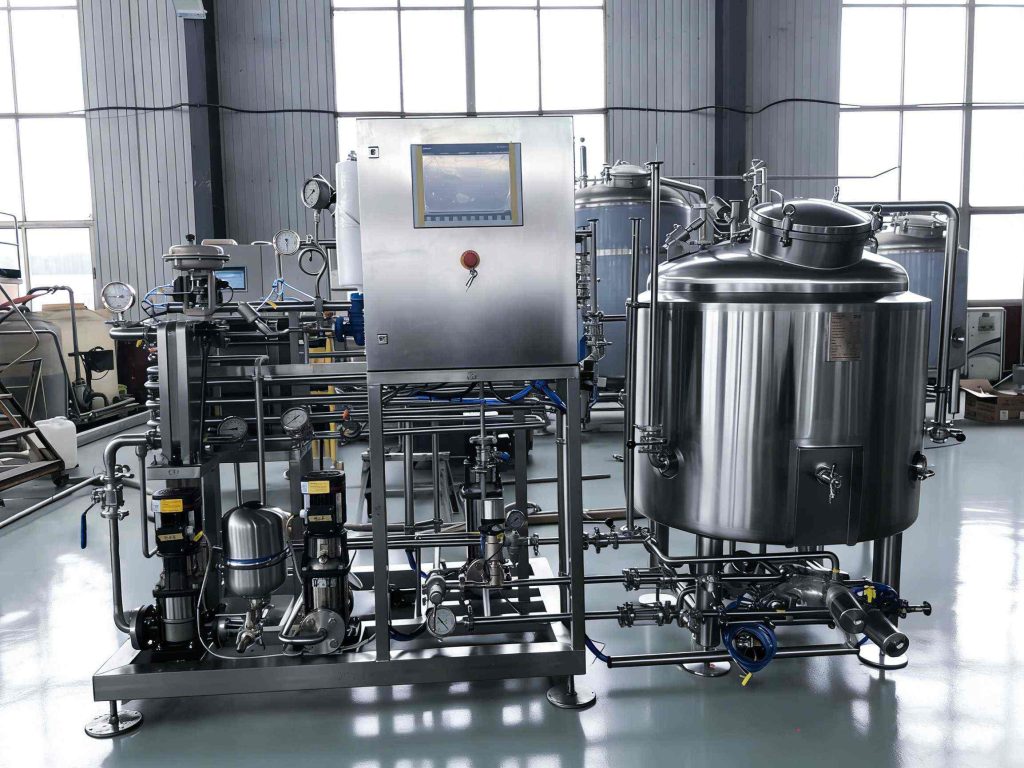
- Advanced Technology: Our automatic beer brewing machines feature PLC control systems, touchscreen interfaces, and precise sensors that monitor temperature, pressure, and wort density in real time. This technology ensures consistent batches, reduces human error, and simplifies operation—even for novice brewers.
- Energy Efficiency: SKE is committed to sustainability, so our systems are designed to minimize energy and water usage. Our brew kettles feature efficient heating elements, our cooling systems use glycol recycling, and our CIP (Clean-in-Place) systems reduce water waste by up to 80% compared to traditional cleaning methods.
- Global Support: We offer comprehensive support to our clients worldwide, including installation, training, maintenance, and spare parts. Our team of experts is available 24/7 to answer questions and resolve issues, ensuring your brewery runs smoothly with minimal downtime.
Whether you’re looking for the best beer brewing machine for a small craft brewery or a complete beer making system for an industrial operation, SKE has the expertise and equipment to help you succeed. Our systems are trusted by breweries in over 50 countries, and we’re committed to helping you brew the perfect beer, every time.
Common Challenges in Beer Making Systems & How to Overcome Them
Even with the best beer brewing machine or brewery system, brewers often face challenges that can impact beer quality and production efficiency. Understanding these challenges and how to overcome them is essential to running a successful brewery. Here are the most common issues and SKE’s solutions:
- Inconsistent Batch Quality: Inconsistency is a common problem with manual systems, but even automatic systems can experience issues if not calibrated properly. The solution is to use a system with precise temperature and pressure controls, like SKE’s automatic beer brewing machines, which feature PID temperature control and real-time monitoring. Regular calibration and maintenance also ensure consistency.
- Contamination: Contamination can ruin an entire batch of beer, leading to off-flavors, spoilage, and financial loss. To prevent contamination, use food-grade materials (like SKE’s stainless steel equipment), implement strict sanitation protocols, and invest in a CIP system that automates cleaning. Our systems are designed with smooth surfaces and easy-to-clean components to minimize bacteria growth.
- Low Yield: Low yield occurs when sugars are not fully extracted during mashing or wort is lost during lautering. To improve yield, use a high-quality grain mill (like SKE’s 3-roller mill) for uniform crushing, and a lauter tun with recirculation to maximize wort extraction. Our mash tuns also feature agitators to ensure even mixing and optimal enzyme activity.
- High Energy Costs: Brewing is energy-intensive, but modern systems can help reduce costs. SKE’s beer making systems feature energy-efficient heating elements, insulation to retain heat, and heat recovery systems that reuse waste heat from boiling. These features can reduce energy costs by up to 30% compared to traditional systems.
- Labor Shortages: Many breweries struggle with labor shortages, which can slow down production. An automatic beer brewing machine solves this problem by reducing manual labor—one operator can manage multiple batches, freeing up staff for other tasks (e.g., recipe development, marketing). SKE’s systems are designed to be user-friendly, so even new staff can operate them with minimal training.
FAQ
Q1: What is the difference between a beer making system and an automatic beer brewing machine?
A: A beer making system is a complete set of equipment that covers the entire brewing process (milling, mashing, boiling, fermenting, packaging). An automatic beer brewing machine is a type of beer making system that uses advanced technology to automate most or all of the brewing steps. In short, all automatic beer brewing machines are beer making systems, but not all beer making systems are automatic.
Q2: What is the best beer brewing machine for a small craft brewery?
A: The best beer brewing machine for a small craft brewery (500-5000L/batch) is a compact, modular automatic system. SKE’s 100L-5000L automatic beer brewing machines are ideal—they offer precise control, easy operation, and scalability. They’re customizable to support any beer style and feature energy-efficient components to reduce costs. For breweries just starting out, a 500L system is a great balance of capacity and affordability.
Q3: How much does a beer making system cost?
A: The cost of a beer making system varies based on capacity, automation level, and components. A small manual system (10-50L) can cost $1,000-$5,000, while a mid-sized automatic beer brewing machine (100L-500L) ranges from $10,000-$50,000. Large industrial systems (1000L+) can cost $100,000-$1,000,000+. SKE offers competitive pricing and customizable options to fit any budget.
Q4: How long does it take to brew beer with an automatic beer brewing machine?
A: The brewing time depends on the beer style, but an automatic beer brewing machine typically reduces batch time by 30-50% compared to manual systems. A standard ale batch takes 6-8 hours (mashing, boiling, cooling), while fermentation takes 7-14 days. Lagers require longer fermentation (14-28 days) but the brewing process itself is similar in time. SKE’s systems are designed to streamline each step, minimizing batch time without compromising quality.
Q5: Do I need special training to operate an automatic beer brewing machine?
A: No—SKE’s automatic beer brewing machines are designed to be user-friendly, with touchscreen interfaces and pre-programmed recipes. We provide comprehensive training for your staff, covering system operation, maintenance, and troubleshooting. Most operators can become proficient in 1-2 days. Additionally, our 24/7 support team is available to answer questions if you encounter any issues.
Contact Us
If you have any further questions, feel free to reach out!
- Facebook: SKE Equipment Facebook
- Email: info@skeequipment.com
For more personalized assistance, please fill out the contact form at the bottom of this page. We look forward to helping you with your brewing needs!