In the world of craft brewing, hop-forward beers have become a cornerstone of innovation and flavor diversity. Among the many techniques and tools that brewers use to enhance hop character, the hop gun stands out as a game-changing piece of equipment. Hop gun beer, the result of this specialized brewing method, delivers intense, fresh hop aromas and flavors that elevate the drinking experience to new heights.
This guide dives deep into the science, technology, and practice behind hop gun beer, while also exploring its close relatives—hop back, hop back beer, and hop back brewing. Whether you’re a homebrewer, a craft brewery owner, or simply a beer enthusiast, this article will unravel the mysteries of these hop-centric brewing methods.
What is Hop Gun Beer? Core Definition and Brewing Philosophy
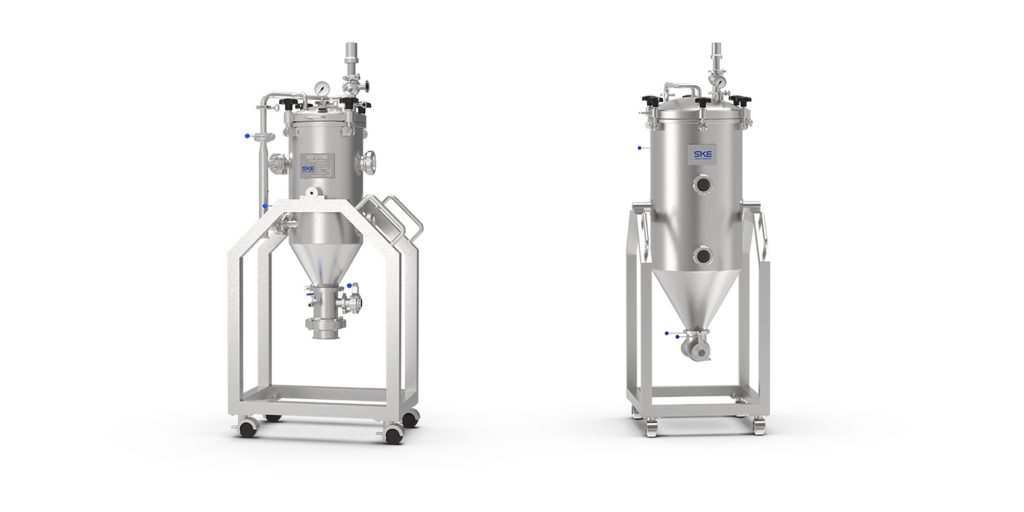
Hop gun beer refers to any beer brewed using a hop gun—a specialized piece of brewing equipment designed to maximize hop utilization, aroma, and flavor during the post-boil or dry hopping process. Unlike traditional dry hopping, which involves adding hops directly to the fermenter, the hop gun uses pressure and recirculation to force beer through a bed of hops, extracting more of their essential oils and aromatic compounds in less time.
The core goal of using a hop gun is to create beers with bold, fresh hop characteristics without excessive bitterness or oxidation. This makes hop gun beer particularly popular among craft brewers focusing on styles like IPAs (India Pale Ales), NEIPAs (New England IPAs), pale ales, and hop-forward lagers. The technology behind the hop gun has revolutionized how brewers approach hop addition, offering greater control and efficiency compared to traditional methods.
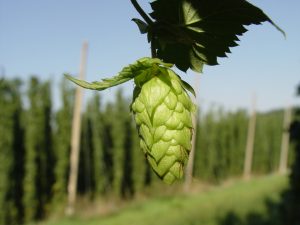
At its heart, hop gun beer is a celebration of hops—their unique flavors, aromas, and versatility. By leveraging the hop gun’s design, brewers can highlight specific hop varieties, from citrusy Citra and tropical Mosaic to earthy Saaz and floral Cascade, creating beers that are both complex and balanced.
The Science Behind Hop Gun Brewing: How It Works
To understand hop gun beer, it’s essential to grasp the science of hop extraction and how the hop gun enhances this process. Hops contain two key components that contribute to beer flavor and aroma: alpha acids (responsible for bitterness) and essential oils (responsible for aroma and flavor). Traditional dry hopping relies on passive extraction, where hops sit in the beer for days or weeks, slowly releasing their compounds.
The hop gun, however, uses active extraction. Here’s a step-by-step breakdown of how it works: First, the hop gun is filled with whole-leaf or pellet hops. Then, cooled wort (pre-fermentation) or finished beer (post-fermentation) is pumped through the hop gun at a controlled pressure. The pressure forces the liquid through the hop bed, increasing contact between the beer and the hops, which accelerates the extraction of essential oils and other flavor compounds.
One of the key advantages of this method is reduced oxidation. The hop gun operates in a closed system, minimizing contact with oxygen, which can degrade hop aromas and lead to off-flavors. Additionally, the controlled pressure and flow rate allow brewers to fine-tune the intensity of hop character, ensuring consistency batch after batch. This level of control is why many commercial craft breweries rely on hop guns to produce their signature hop-forward beers.
Hop Back vs. Hop Gun: Key Differences and Complementary Roles
When discussing hop gun beer, it’s impossible to ignore hop back—a related piece of equipment that plays a vital role in hop back brewing and hop back beer. While both tools are designed to enhance hop character, they operate at different stages of the brewing process and serve distinct purposes. Understanding their differences is crucial for brewers looking to optimize their hop-forward recipes.
A hop back is a small, cylindrical vessel typically placed between the brew kettle and the wort chiller. It is filled with whole-leaf hops, and hot wort is passed through it before cooling. The primary function of a hop back is to add fresh hop aroma without increasing bitterness, as the wort is no longer boiling (boiling would isomerize alpha acids, leading to more bitterness).
In contrast, a hop gun is used post-boil (either with cooled wort or finished beer) and relies on pressure to extract hop compounds. While a hop back adds aroma during the hot side of brewing, a hop gun is used on the cold side, allowing for more delicate extraction of volatile hop oils. Many brewers use both tools in combination to create layers of hop flavor and aroma in their beers.
|
Feature
|
Hop Gun
|
Hop Back
|
|---|---|---|
|
Brewing Stage
|
Cold side (post-boil, pre or post-fermentation)
|
Hot side (post-boil, pre-chilling)
|
|
Extraction Method
|
Pressurized recirculation (active extraction)
|
Gravity-fed or low-pressure flow (passive extraction)
|
|
Primary Purpose
|
Maximize hop aroma, flavor, and utilization; reduce oxidation
|
Add fresh hop aroma without increasing bitterness
|
|
Hop Type
|
Whole-leaf or pellet hops
|
Whole-leaf hops (preferred for filtration)
|
|
Bitterness Impact
|
Minimal (focus on aroma/flavor)
|
Minimal (no boiling, so alpha acids not isomerized)
|
|
Ideal Beer Styles
|
NEIPAs, IPAs, pale ales, hop-forward lagers
|
Pale ales, IPAs, stouts, porters (any style needing fresh hop aroma)
|
|
Equipment Manufacturer Example
|
SKE (customizable commercial hop guns)
|
SKE (stainless steel hop backs for craft breweries)
|
Hop Back Brewing: The Art of Fresh Hop Aroma
Hop back brewing is a traditional technique that has been used for decades to enhance the aroma of beer. As mentioned earlier, a hop back is a simple yet effective tool that sits between the brew kettle and the chiller. When hot wort is passed through the hop back, the heat of the wort (typically around 170–190°F) releases the volatile essential oils from the hops, which are then carried into the wort.
One of the key benefits of hop back brewing is that it preserves the delicate hop aromas that would otherwise be lost during boiling. Boiling wort for extended periods causes volatile hop oils to evaporate, but the hop back allows brewers to add these oils after the boil, ensuring they remain in the final beer. This results in a beer with a fresh, vibrant hop aroma that is often described as “grassy,” “floral,” or “citrusy,” depending on the hop variety used.
Hop back beer, the product of hop back brewing, is characterized by its balanced flavor profile—subtle hop bitterness from the boil, combined with a fresh, aromatic finish from the hop back. This makes it a popular choice for brewers who want to highlight hop aroma without overwhelming the beer with bitterness. Common hop varieties used in hop back brewing include Cascade, Centennial, and Saaz, each contributing unique aroma notes.
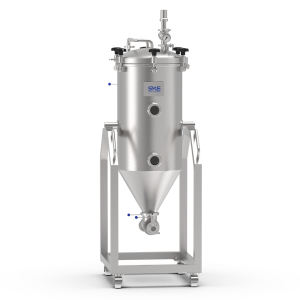
SKE offers high-quality hop backs designed for both small-scale and commercial breweries. Our stainless steel hop backs are durable, easy to clean, and customizable to fit different batch sizes. With features like removable screens for easy hop removal and precise flow control, SKE hop backs help brewers achieve consistent, high-quality results with every batch.
Hop Gun Beer: Brewing Techniques and Best Practices
Brewing hop gun beer requires careful attention to detail, from hop selection to equipment setup. Here are some key techniques and best practices to help brewers create exceptional hop gun beer:
- Hop Selection: Choose high-quality hops that are fresh and properly stored. Whole-leaf hops are often preferred for hop guns, as they provide a better bed for extraction and reduce the risk of clogging. Aroma hops like Citra, Mosaic, Galaxy, and Idaho 7 work particularly well, as they have high concentrations of essential oils.
- Timing: Hop guns can be used either pre-fermentation (with cooled wort) or post-fermentation (with finished beer). Pre-fermentation hop gun use adds flavor and aroma that integrates well with the fermentation process, while post-fermentation use delivers a more intense, fresh hop character. Many brewers use both methods for maximum complexity.
- Pressure and Flow Control: The key to successful hop gun use is controlling the pressure and flow rate. Too much pressure can cause excessive bitterness or damage the hop bed, while too little pressure will result in poor extraction. SKE hop guns feature adjustable pressure valves and flow meters, allowing brewers to fine-tune these parameters for optimal results.
- Hop Bed Preparation: Fill the hop gun with hops evenly to create a uniform bed. For pellet hops, it’s recommended to rehydrate them first to prevent clumping. The depth of the hop bed will affect extraction—deeper beds provide more contact time, resulting in more intense hop character.
- Cleanliness: Like all brewing equipment, hop guns must be thoroughly cleaned and sanitized before use. Residual hop material or bacteria can affect the flavor of the beer and lead to contamination. SKE hop guns are designed with easy-to-disassemble parts, making cleaning and maintenance simple.
SKE: Your Trusted Partner for Hop Gun and Hop Back Equipment
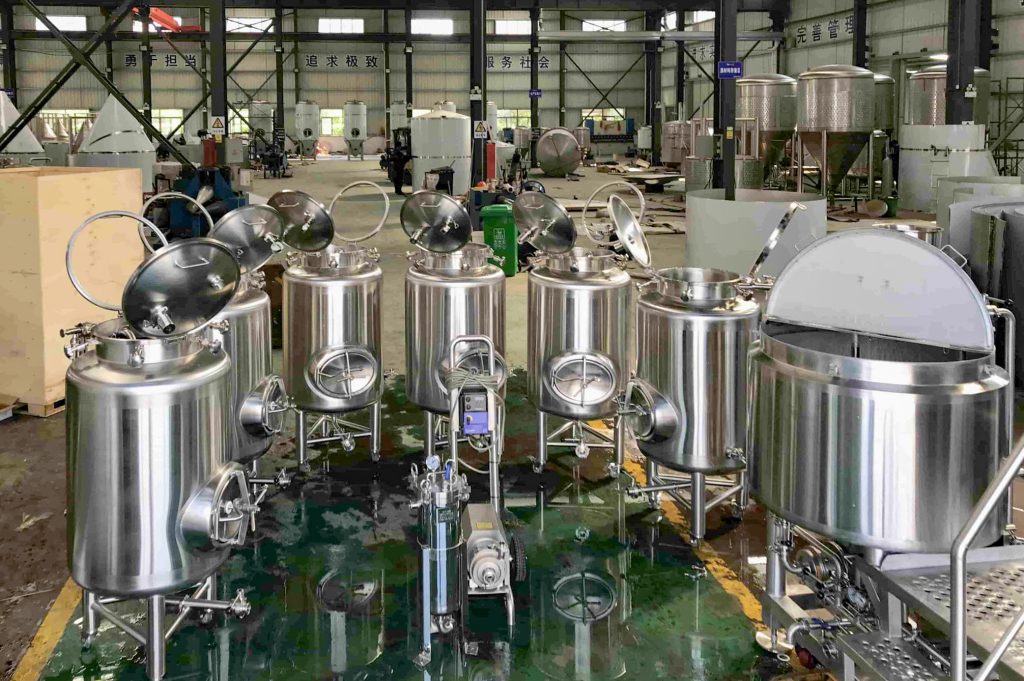
SKE hop guns are available in a range of sizes, from small-scale models for homebrewers to large commercial units capable of handling thousands of liters per batch. All our hop guns are made from food-grade stainless steel, ensuring they are safe, easy to clean, and resistant to corrosion. We also offer customizable features, such as adjustable pressure valves, flow meters, and hop bed sizes, to help brewers achieve their desired hop character.
Our hop backs are equally robust, designed to handle the high temperatures of post-boil wort while preserving the delicate hop aromas. With removable screens and smooth interiors, SKE hop backs are easy to clean and maintain, reducing downtime between batches. Whether you’re a small craft brewery just starting out or a large commercial operation looking to expand, SKE has the equipment you need to create exceptional hop gun beer and hop back beer.
In addition to hop guns and hop backs, SKE offers a complete line of brewing equipment, including brew kettles, fermenters, mash tuns, and more. Our team of experienced engineers and brewing experts is available to provide guidance and support, helping brewers design and optimize their brewing systems for maximum efficiency and quality. At SKE, we believe that great beer starts with great equipment—and we’re committed to helping brewers bring their vision to life.

Common Hop Gun Beer and Hop Back Brewing FAQs
Q1: Can I use a hop gun for homebrewing, or is it only for commercial breweries?
A1: Hop guns are suitable for both homebrewers and commercial breweries. SKE offers small-scale hop guns designed for homebrewers, with batch sizes ranging from 5 to 50 liters. These compact models are easy to use and affordable, making them a great way for homebrewers to experiment with hop-forward recipes. Commercial breweries can benefit from larger SKE hop guns, which are designed to handle high volumes and consistent production.
Q2: What’s the difference between hop gun beer and dry-hopped beer?
A2: The main difference lies in the extraction method. Dry-hopped beer involves adding hops directly to the fermenter, where they sit passively for days or weeks, slowly releasing their compounds. Hop gun beer uses a pressurized system to force beer through a hop bed, accelerating extraction and reducing contact time. This results in a more intense, fresh hop aroma with less oxidation and more consistent flavor compared to traditional dry hopping.
Q3: Can I use pellet hops in a hop back?
A3: While whole-leaf hops are preferred for hop backs, pellet hops can be used with caution. Pellets tend to clump together, which can clog the hop back’s screen and reduce flow. If using pellet hops, it’s recommended to rehydrate them first and use a mesh bag to contain them. Whole-leaf hops are better for hop backs because they form a more porous bed, allowing for better flow and extraction of essential oils.
Q4: How long should I run beer through a hop gun?
A4: The duration depends on the desired hop intensity and the type of hops used. Typically, brewers run beer through a hop gun for 15–30 minutes. Shorter durations (15–20 minutes) result in a more subtle hop character, while longer durations (25–30 minutes) deliver a more intense aroma and flavor. It’s important to monitor the beer during the process to avoid over-extraction, which can lead to grassy or harsh flavors.
Q5: Do hop backs affect the clarity of the beer?
A5: Yes, hop backs can help improve the clarity of the beer. The hop bed in the hop back acts as a filter, trapping sediment and trub from the wort. This results in a clearer wort, which leads to a clearer final beer. For brewers looking for hazy beers (like NEIPAs), this filtering effect can be minimized by using a coarser hop bed or skipping the hop back step.
Conclusion: Elevate Your Beer with Hop Gun and Hop Back Technology
Hop gun beer, hop back beer, and hop back brewing are all about celebrating the unique flavor and aroma of hops. Whether you’re using a hop gun to create intense, fresh hop-forward beers or a hop back to add delicate aroma, these tools are essential for any brewer looking to craft exceptional hop-centric beers. SKE is proud to provide brewers with the high-quality tools they need to bring their vision to life.
From small homebrewing setups to large commercial breweries, SKE’s hop guns and hop backs are designed to deliver consistent, reliable results. With customizable features, durable construction, and easy maintenance, our equipment helps brewers save time, reduce waste, and create beers that stand out in a crowded market.
Whether you’re new to hop gun beer and hop back brewing or an experienced brewer looking to optimize your process, this guide has provided you with the knowledge and insights you need to succeed. Remember, great hop-forward beer starts with great equipment—and SKE is here to help you every step of the way. Cheers to crafting the perfect hop gun beer!
- Facebook: SKE Equipment Facebook
- Email: info@skeequipment.com
For more personalized assistance, please fill out the contact form at the bottom of this page. We look forward to helping you with your brewing needs!