
What Is Brewery Automation, and Why Does It Matter?
Brewery automation refers to the integration of sensors, software, control systems, and automated machinery to streamline and regulate every stage of the brewing process. From grain milling and mashing to fermentation, filtration, and packaging, automation minimizes manual intervention, ensures precise control of critical parameters, and eliminates human error that can compromise beer quality. Unlike traditional manual brewing, which relies heavily on the brewer’s experience and constant monitoring, brewery automation creates a standardized, repeatable process that delivers consistent results batch after batch.
The importance of brewery automation cannot be overstated, especially as consumer demand for consistent, high-quality beer grows and breweries face pressure to scale operations. For small craft breweries, automation allows for greater experimentation without sacrificing consistency; for large commercial breweries, it enables 24/7 production, reduces labor costs, and ensures compliance with strict quality standards. Additionally, brewery automation provides valuable data insights that help brewers optimize processes, reduce waste, and make data-driven decisions to improve their products.
Key Components of Brewery Automation
1. Brewery Automatic Systems: The Physical Workhorses
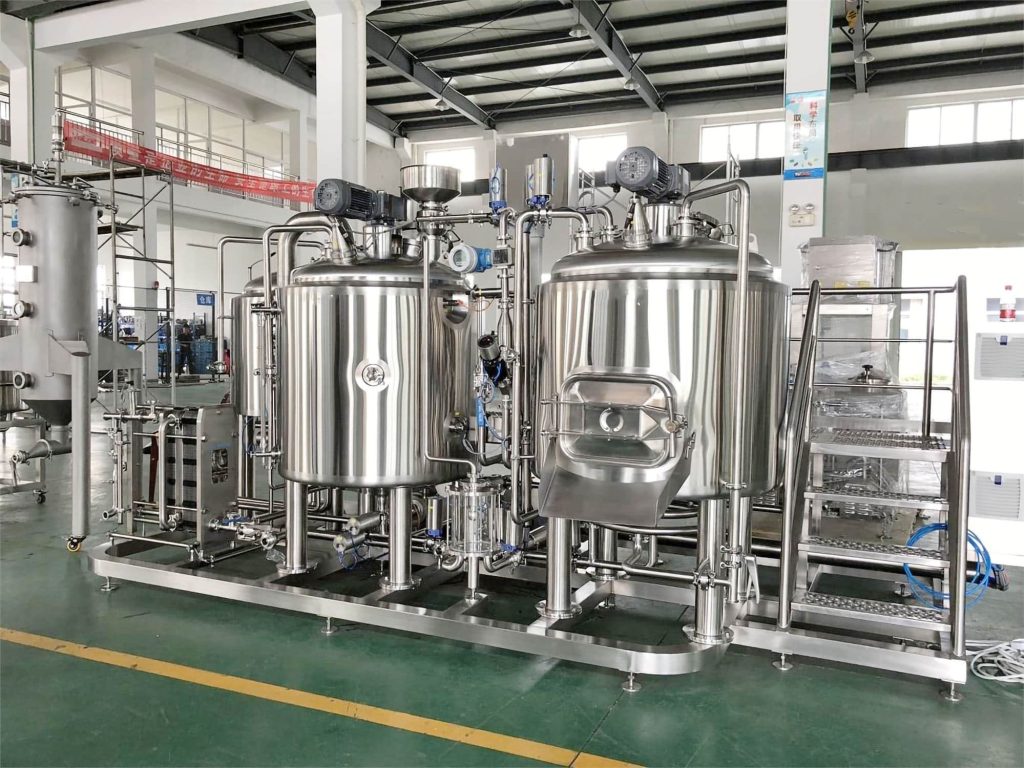
Brewery automatic systems are the mechanical and electrical components that perform the hands-on tasks of brewing, replacing or augmenting manual labor. These systems are designed to handle specific stages of the brewing process, ensuring precision and efficiency at every step. From raw material handling to packaging, brewery automatic systems reduce the risk of human error and allow brewers to focus on recipe development and quality control rather than repetitive tasks.
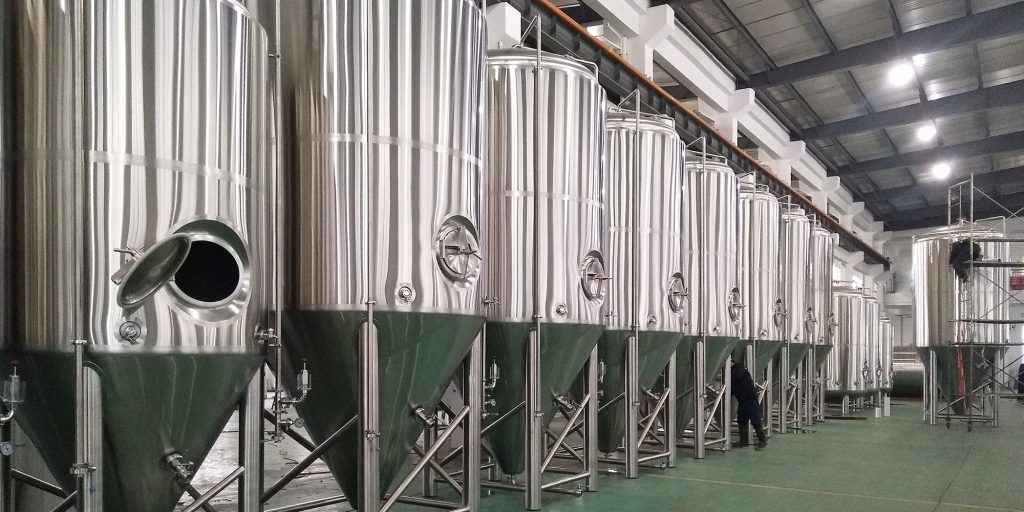
Common examples of brewery automatic systems include automated grain milling machines, which ensure consistent grain crushing for optimal sugar extraction; automated mash tuns with temperature control, which regulate the mashing process to convert starches into fermentable sugars; and automated fermentation tanks, which maintain precise temperature and pressure levels to support optimal yeast activity.
Another critical component of brewery automatic systems is automated packaging equipment, including bottle fillers, canners, and labelers. These systems can handle high volumes of beer with minimal errors, ensuring that each bottle or can meets the same quality standards.
2. Brewery Automation Software: The Brain of the Operation
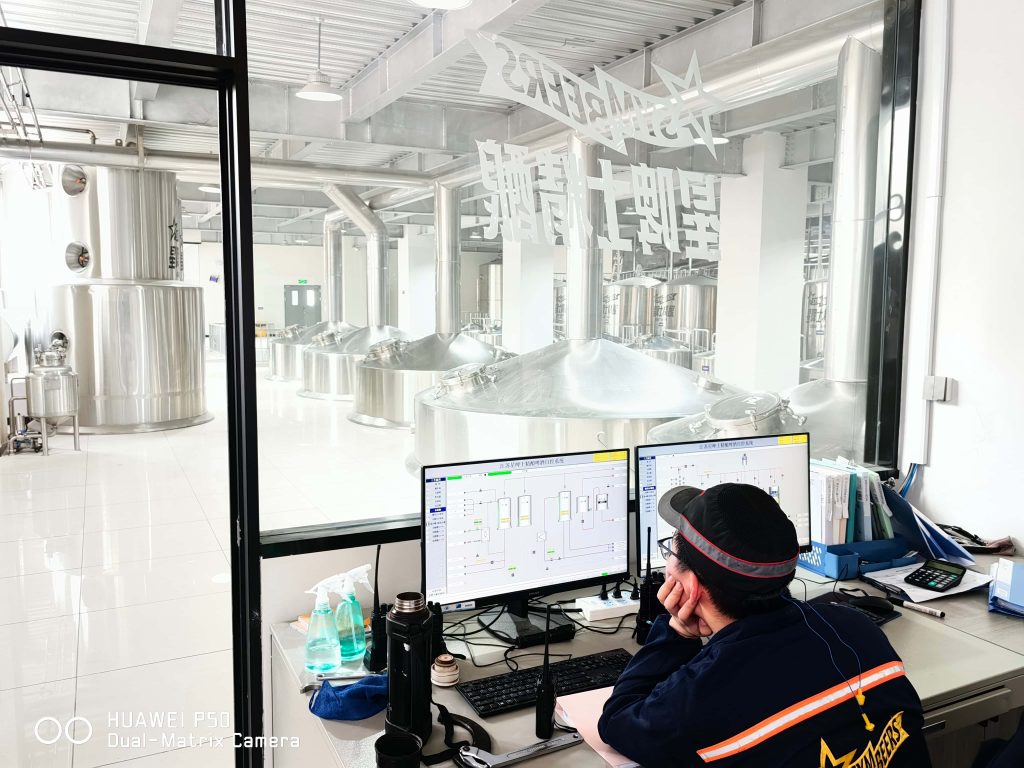
Brewery automation software is the digital backbone of brewery automation, responsible for controlling, monitoring, and optimizing the entire brewing process. This software integrates with brewery control panels and sensors to collect real-time data, execute pre-programmed recipes, and alert operators to any deviations from set parameters. Without robust brewery automation software, even the most advanced brewery automatic systems would lack the intelligence to deliver consistent results.
Modern brewery automation software offers a range of features designed to simplify brewing operations. These include recipe management, which allows brewers to store, modify, and scale recipes digitally—ensuring that every batch adheres to the exact same specifications. The software also provides real-time monitoring of key parameters such as temperature, pressure, pH levels, and flow rates, allowing operators to make adjustments remotely if needed.
Additionally, brewery automation software offers data logging and reporting capabilities, which are essential for quality control and compliance. Brewers can track batch data over time, identify trends, and make adjustments to optimize processes. For example, if a batch of beer has inconsistent flavor, the software can help pinpoint the issue—whether it’s a temperature fluctuation during fermentation or an error in hop addition.
3. Brewery Control Panel: The Central Command Center
The brewery control panel is the interface between the brewer and the automated system, serving as the central command center for all brewing operations. A well-designed brewery control panel allows operators to monitor, control, and adjust every stage of the brewing process from a single location. It integrates with brewery automation software and brewery automatic systems to provide real-time visibility and control, ensuring that the brewing process runs smoothly and efficiently.
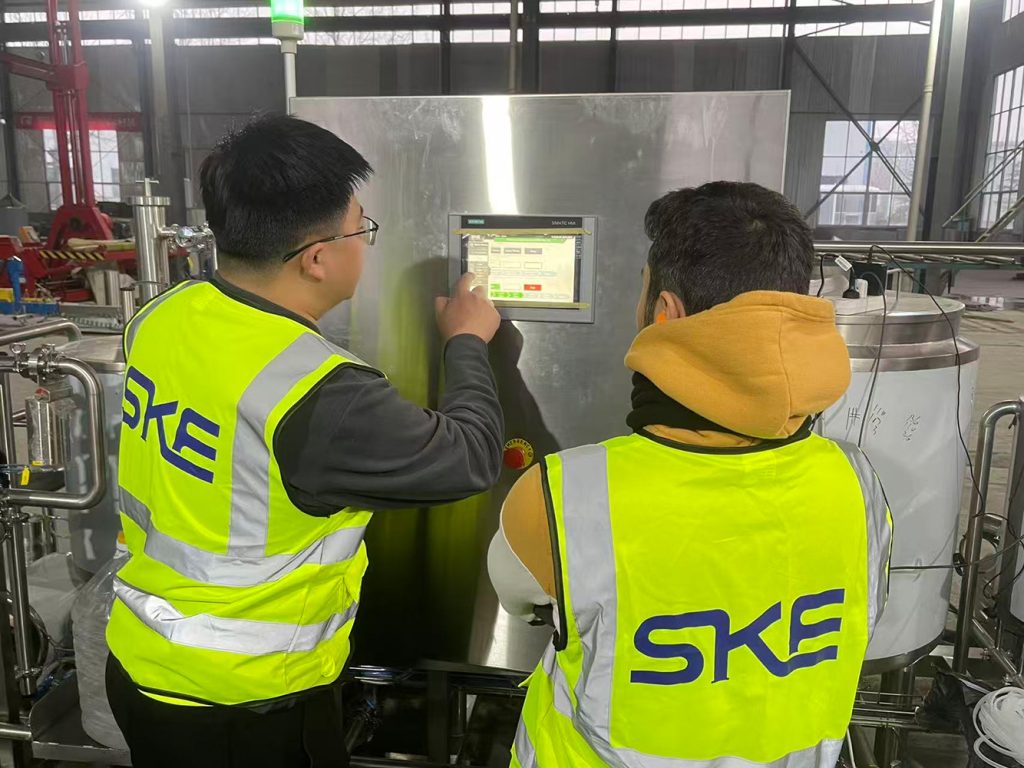
A typical brewery control panel features a human-machine interface (HMI) with a touchscreen display, which provides a visual representation of the entire brewing system. Operators can view real-time data, adjust parameters, start or stop processes, and access historical data and reports. The control panel also includes safety features such as emergency stop buttons, alarm systems, and safety interlocks to prevent accidents and equipment damage.
Key components of a brewery control panel include programmable logic controllers (PLCs), which execute the software’s commands and control the brewery automatic systems; sensors, which collect data on temperature, pressure, and other critical parameters; and relays and actuators, which control the movement of pumps, valves, and other mechanical components. At SKE, our brewery control panels are custom-designed to meet the specific needs of each brewery, with modular designs that allow for easy expansion and upgrades as your operations grow.
Advanced brewery control panels also offer remote access capabilities, allowing brewers to monitor and control their systems from anywhere using a mobile device or computer. This is particularly valuable for large breweries or those with multiple locations, as it enables 24/7 monitoring and quick response to any issues that may arise.
Brewery Automation Across the Brewing Process
1. Raw Material Handling and Milling
The first stage of brewing is raw material handling, which involves storing and processing grains (such as barley, wheat, and rye) and other ingredients (such as hops and yeast). Automation in this stage ensures that ingredients are handled efficiently and consistently, reducing waste and ensuring that the right amount of each ingredient is used in every batch.
2. Mashing and Lautering
Mashing is the process of mixing crushed grains with hot water to convert starches into fermentable sugars. This stage requires precise temperature control, as different temperatures activate different enzymes that break down the starches. Brewery automation ensures that the mash temperature is maintained at the exact level required for optimal sugar conversion.
3. Boiling and Hop Addition
Boiling the wort is a critical stage that sterilizes the wort, concentrates the sugars, and extracts flavor and aroma from hops. Automation in this stage ensures that the wort is boiled at the correct temperature for the right amount of time, and that hops are added at precise intervals to achieve the desired flavor profile.
4. Fermentation
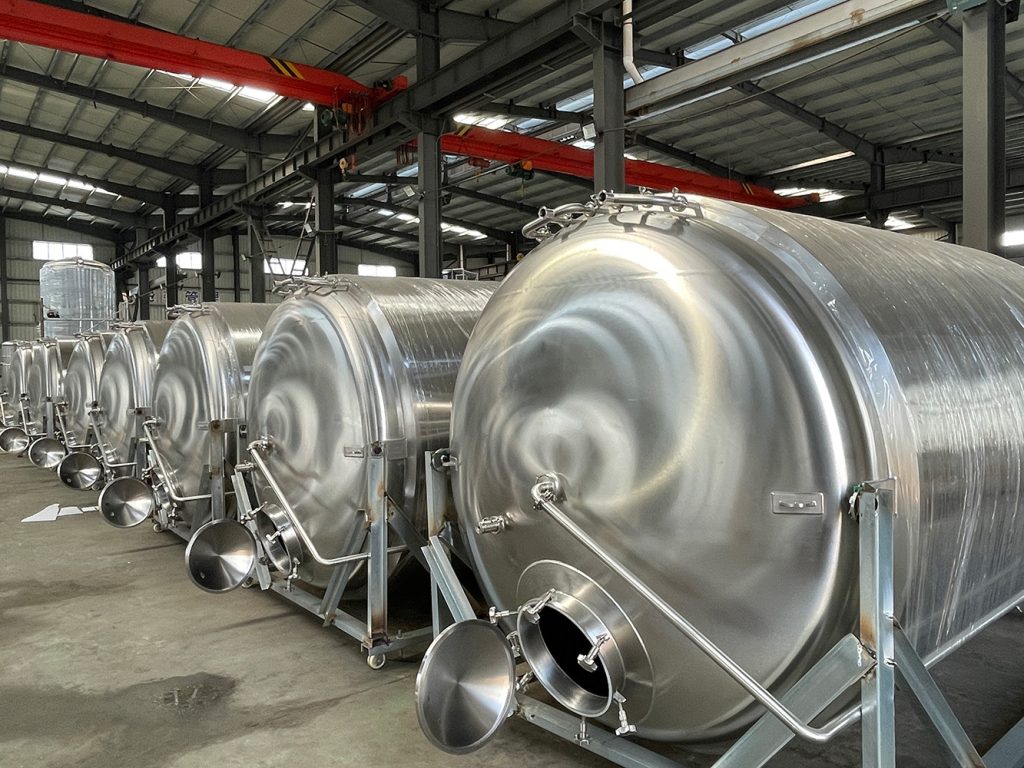
Fermentation is the most critical stage of brewing, where yeast converts the sugars in the wort into alcohol and carbon dioxide. This stage requires precise control of temperature, pressure, and oxygen levels, as even small deviations can affect the flavor, aroma, and alcohol content of the beer.
5. Filtration and Clarification
After fermentation, the beer is filtered and clarified to remove yeast, sediment, and other impurities. This stage ensures that the beer is clear, stable, and has a consistent appearance. Automation in this stage streamlines the filtration process, reducing manual labor and ensuring that the beer meets quality standards.
6. Packaging
The final stage of brewing is packaging, where the beer is bottled, canned, or kegged for distribution. Automation in this stage is critical for handling high volumes of beer efficiently and ensuring that each container is filled correctly and labeled properly.
Types of Brewery Automation Systems by Brewery Size
|
Brewery Size
|
Typical Production Volume
|
Key Brewery Automatic Systems
|
Brewery Automation Software Features
|
Brewery Control Panel Design
|
Key Benefits
|
|---|---|---|---|---|---|
|
Small Craft Brewery
|
50–500 liters per batch
|
Automated grain mill, compact mash tun, small-scale fermentation tanks, manual-automatic hybrid packaging
|
Basic recipe management, real-time monitoring, simple data logging
|
Compact, user-friendly HMI, basic safety features, no remote access
|
Reduces manual labor, maintains consistency for small batches, affordable, easy to operate
|
|
Medium Brewery
|
500–5,000 liters per batch
|
Automated grain handling, modular mash tun, temperature-controlled fermentation tanks, automated filling and labeling
|
Advanced recipe management, batch tracking, data analytics, alerts for deviations
|
Modular design, touchscreen HMI, remote access, integrated safety systems
|
Scalable, improves efficiency, reduces waste, supports multiple beer styles, eases compliance
|
|
Large Commercial Brewery
|
5,000+ liters per batch
|
Fully automated grain handling, continuous mashing systems, high-capacity fermentation tanks, robotic packaging lines
|
Full process integration, real-time data analytics, predictive maintenance, compliance reporting
|
Centralized control system, multiple HMIs, advanced safety interlocks, 24/7 monitoring
|
24/7 production, minimal labor costs, consistent quality at scale, full compliance, data-driven optimization
|
The Benefits of Brewery Automation for Your Business
Investing in brewery automation offers a wide range of benefits for breweries of all sizes, from small craft operations to large commercial facilities. Below are the key advantages of implementing brewery automation, including brewery automatic systems, brewery automation software, and brewery control panels.
1. Consistent Quality
Consistency is one of the most significant benefits of brewery automation. Manual brewing is prone to human error—small variations in temperature, timing, or ingredient measurements can lead to inconsistent flavor, aroma, and appearance across batches. Brewery automation eliminates these variations by ensuring that every stage of the brewing process is executed with precise control. Brewery automation software stores recipe specifications, and brewery automatic systems follow these specifications exactly, ensuring that every batch of beer meets the same high standards.
2. Increased Efficiency and Productivity
Brewery automation significantly improves efficiency by reducing manual labor and streamlining processes. Automated systems can operate 24/7, allowing breweries to increase production volume without adding additional staff. For example, an automated packaging line can handle hundreds of bottles per minute, compared to a manual line that might handle a fraction of that.
3. Cost Savings
While the initial investment in brewery automation can be significant, it delivers long-term cost savings. By reducing manual labor, breweries can lower their labor costs—one of the largest expenses for many breweries. Automation also reduces waste by ensuring that ingredients are used efficiently and that batches are not ruined due to human error.
4. Scalability
As your brewery grows, your automation system can grow with you. Modular brewery automatic systems and flexible brewery automation software allow you to add new components or expand existing ones without completely replacing your system. This scalability is critical for breweries looking to increase production volume or add new beer styles.
Frequently Asked Questions (FAQ) About Brewery Automation
Q1: Is brewery automation suitable for small craft breweries?
A: Yes, brewery automation is suitable for small craft breweries. While large commercial breweries have long used automation, advances in technology have made automation more affordable and accessible for small operations. Small craft breweries can benefit from partial automation—such as automated mashing or fermentation systems—to reduce manual labor and maintain consistency without a large upfront investment. SKE offers compact, affordable brewery automatic systems and brewery control panels tailored to small craft breweries, allowing them to compete with larger breweries while maintaining their unique craft identity.
Q2: Can I integrate brewery automation into my existing equipment?
A: Yes, in many cases, brewery automation can be integrated into existing equipment. SKE’s team of engineers can assess your current equipment and design a custom automation solution that integrates with your existing systems. This allows you to upgrade your operations without replacing all your equipment, reducing the upfront cost of automation. Whether you’re looking to add a brewery control panel to your existing fermentation tanks or integrate brewery automation software into your packaging line, SKE can help.
Q3: What maintenance is required for brewery automation systems?
A: Brewery automation systems require regular maintenance to ensure optimal performance. This includes cleaning sensors and equipment, calibrating temperature and pressure gauges, updating brewery automation software, and inspecting mechanical components for wear and tear. SKE offers ongoing maintenance services to help you keep your automation system running smoothly. Our team can provide regular inspections and maintenance, as well as emergency support if any issues arise.
Q4: How does brewery automation software improve quality control?
A: Brewery automation software improves quality control by providing real-time monitoring of critical brewing parameters, storing recipe specifications, and logging batch data. The software ensures that every batch adheres to your exact recipe, reducing variations caused by human error. It also alerts operators to any deviations from set parameters, allowing them to make adjustments before the batch is ruined. Additionally, the software’s data logging capabilities allow you to track batch quality over time, identify trends, and make improvements to your processes.
Q5: What is the difference between brewery automatic and manual systems?
A: The main difference between brewery automatic and manual systems is the level of human intervention required. Manual systems rely on the brewer to monitor and adjust every stage of the brewing process, which is time-consuming and prone to error. Brewery automatic systems, on the other hand, use sensors, software, and mechanical components to perform these tasks automatically, reducing manual labor and ensuring consistency. While manual systems may be more affordable upfront, automatic systems deliver long-term benefits such as increased efficiency, consistent quality, and cost savings.
Contact Us
If you have any further questions, feel free to reach out!
- Facebook: SKE Equipment Facebook
- Email: info@skeequipment.com
For more personalized assistance, please fill out the contact form at the bottom of this page. We look forward to helping you with your brewing needs!