

Introduction: Why Modern Breweries Need Intelligent Control
Craft brewing is no longer just about passion and recipes. In today’s competitive market, consistency, efficiency, and scalability determine success. This is where brewery control systems become indispensable.
A brewery control system is the centralized “brain” of your facility. It monitors fermentation vessels, manages glycol temperatures, automates CIP cycles, and records every data point from grain to glass. Without a robust system, even the best recipe can yield unpredictable results.
For equipment manufacturers like SKE, integrating advanced controls into our brewhouses is not an option—it is a necessity. We build systems that reduce manual labor, prevent human error, and ensure every batch meets the highest standards.
This guide explains everything you need to know about brewery control software, brewery management, brewery management software, and brewery temperature control. Whether you operate a 5-barrel nano-brewery or a 100-hectoliter production facility, you will find actionable insights here.
What Are Brewery Control Systems? A Technical Overview
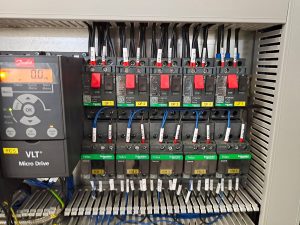
At its core, a brewery control system is a combination of sensors, programmable logic controllers (PLCs), human-machine interfaces (HMIs), and software. These components work together to automate and monitor the entire brewing process.
Key components include:
-
PLCs: The hardware that executes commands (e.g., opening a valve, starting a pump).
-
HMIs: Touchscreens where operators view temperatures, pressures, and flow rates.
-
Actuators and sensors: Measure pH, dissolved oxygen, specific gravity, and temperature.
-
Networking protocols: Ethernet/IP, Modbus, or Profibus to connect devices.
Modern systems go beyond simple on/off control. They use PID loops to maintain precise temperatures during mashing and fermentation. They also log historical data for batch traceability.
For SKE, we design modular control panels that scale from manual semi-automation to fully automated, recipe-driven production. The goal is simple: give brewers more time to focus on creativity, not routine monitoring.
Brewery Control Software: The Digital Brain of Your Operations
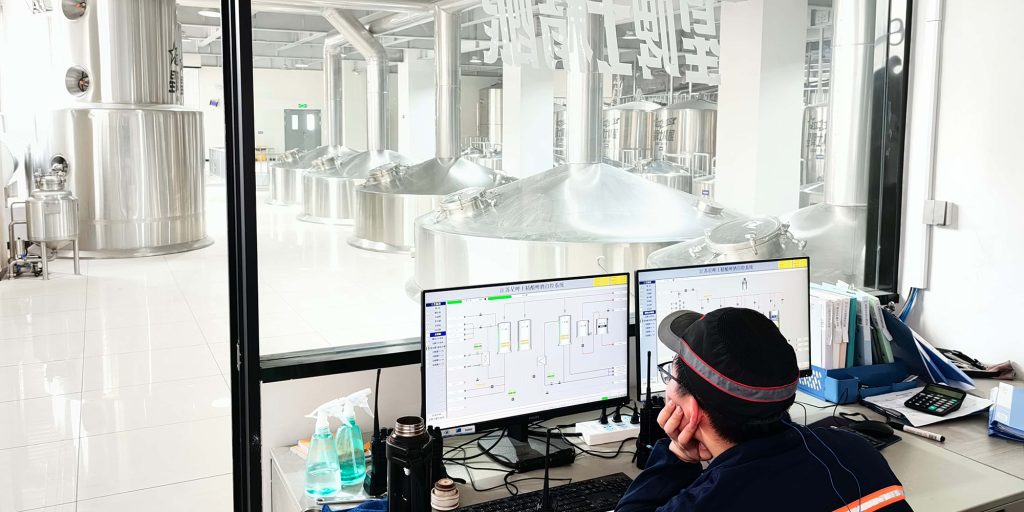
While hardware handles the physical tasks, brewery control software provides the user interface and logic. This software runs on industrial PCs or cloud servers and communicates directly with your PLCs.
Core functions of brewery control software:
-
Recipe management: Store and replicate recipes with exact parameters (temperatures, times, ingredient additions).
-
Real-time monitoring: View tank status, valve positions, and pump activity on a single dashboard.
-
Alarming and notifications: Receive SMS or email alerts when a temperature deviates or a fermentation stalls.
-
Data logging: Generate CSV or SQL reports for quality assurance and regulatory compliance.
Leading software platforms (like Ignition, Brewmaxx, or custom SKE solutions) also offer OPC-UA connectivity. This allows integration with enterprise resource planning (ERP) systems.
One major advantage of modern software is remote access. A brewer can check fermentation progress from home or adjust a mash temperature while attending a trade show. This flexibility reduces overtime costs and improves work-life balance for your team.
SKE Tip: When choosing control software, prioritize open architecture. Proprietary systems may lock you into expensive upgrades. Open platforms let you add sensors or tanks from multiple vendors.
Brewery Management vs. Brewery Management Software: Understanding the Difference
Many industry professionals confuse brewery management with brewery management software. They are related but distinct concepts.
Brewery Management (Process & People)
This refers to the operational discipline of running a brewery. It includes:
-
Scheduling brews and transfers.
-
Managing inventory of hops, malt, and yeast.
-
Training staff on safety and SOPs.
-
Complying with FDA, TTB, or local alcohol laws.
Brewery Management Software (Digital Tools)
This is the technology that supports those tasks. Key modules include:
-
Inventory tracking: Barcode scanning for raw materials.
-
Batch traceability: From grain receiving to packaged beer.
-
Sales and distribution: Manage keg deposits, invoices, and delivery routes.
-
Quality control logging: Record microbiological tests and sensory notes.
Popular examples include Ekos, OrchestratedBEER, and Beer30. However, these typically do not control your valves or temperatures. They are administrative layers above your brewery control systems.
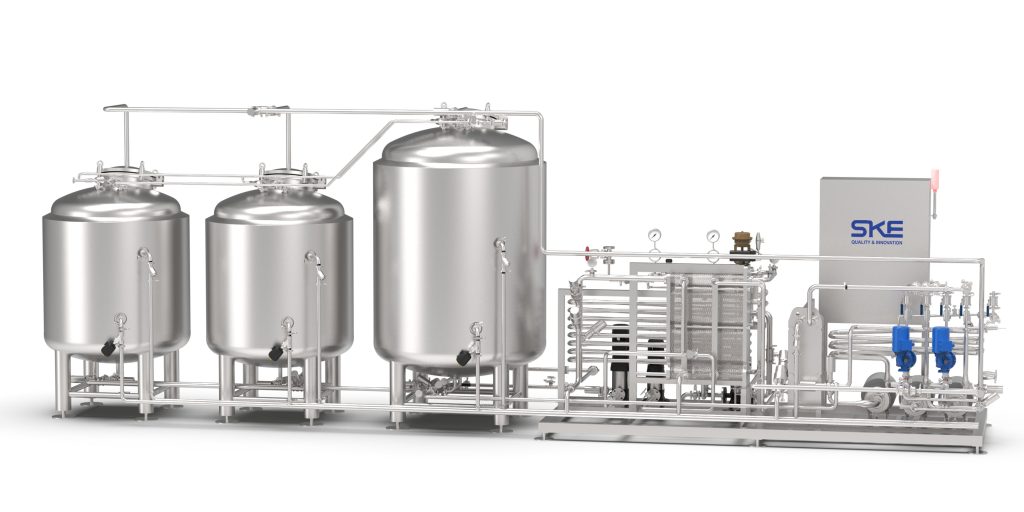
SKE’s approach: We integrate our automation layer (PLC/HMI) with your chosen management software via API. This creates a seamless flow—fermentation data automatically updates your management dashboard. No double entry, no spreadsheet errors.
| Feature | Brewery Control Systems | Brewery Management Software |
|---|---|---|
| Primary function | Automate physical processes (pumps, valves, temps) | Track inventory, sales, and compliance |
| Hardware required | PLCs, sensors, HMIs, actuators | PC, tablet, or smartphone |
| Real-time control | Yes (milliseconds) | No (batch-level updates) |
| Typical users | Head brewer, shift operator | Owner, accountant, sales manager |
| Integration with ERP | Via OPC-UA or MQTT | Via native API or CSV import |
| Example actions | Open mash tun rake, cool fermenter | Generate purchase order, print keg labels |
Brewery Temperature Control: The Most Critical Variable
If you take away one technical concept from this article, remember this: Temperature is everything in brewing.
Mashing at 148°F (64°C) vs. 158°F (70°C) changes fermentability and body. Fermentation at 68°F (20°C) vs. 72°F (22°C) alters ester profiles. Cold crash timing affects clarity. Brewery temperature control is the science of managing these thermal zones precisely.
How Professional Temperature Control Works
Most modern breweries use glycol cooling systems. A chiller cools a mixture of water and propylene glycol, which circulates through jackets around fermenters and bright tanks. Temperature controllers (often integrated into your main brewery control system) open solenoid valves to allow glycol flow when the beer temperature rises above setpoint.
Heating is typically done via steam, hot water, or electric elements. For mash tuns and boil kettles, direct steam injection offers rapid heat transfer. For fermentation, heating jackets with warm glycol or electric blankets maintain ale fermentation temperatures during cold weather.
Common Temperature Control Strategies
-
On/Off control: Simple but causes temperature swings (±2°F). Acceptable for cold liquor tanks only.
-
PID control: Gradually adjusts valve opening to maintain ±0.5°F. Essential for lagers and sour beers.
-
Cascade control: Uses two sensors (beer temp + glycol outlet temp) for ultra-stable fermentation.
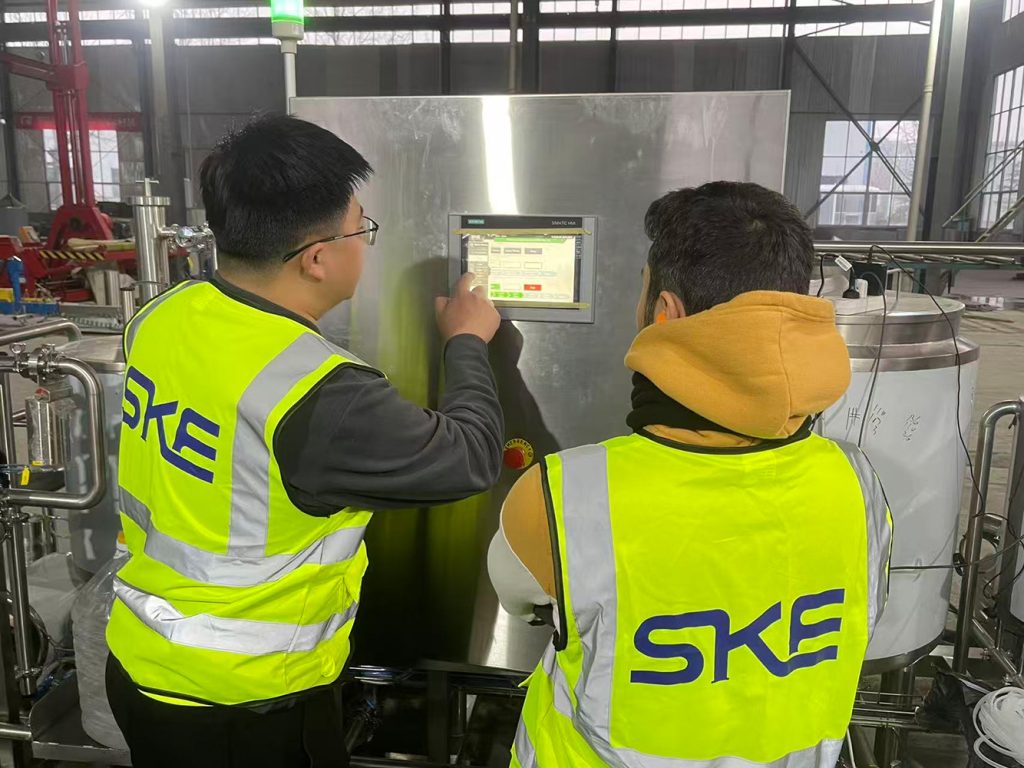
SKE Equipment Note: All our fermenters include dual-zone cooling jackets and integrated RTD probes. Our PLCs run PID algorithms with auto-tuning, so you don’t need a control engineering degree to dial in a new lager strain.
Benefits of Integrating All Three: Control + Software + Temperature
When you combine brewery control systems, brewery management software, and precision temperature control, you unlock powerful synergies.
1. Repeatability Across Batches
A recipe stored in your control software ensures the same mash ramp, whirlpool rest, and fermentation profile every time. This is how flagship beers remain consistent across years and locations.
2. Lower Utility Costs
Automated temperature control prevents overcooling. For example, instead of running the chiller at full power all night, your system learns demand patterns and stages compressors. Many SKE clients report 15-25% energy savings.
3. Reduced Labor
Manual temperature logging and valve turning take hours per week. Automation frees staff for dry-hopping, sensory evaluation, or cleaning. One brewer can oversee four times as many tanks.
4. Early Fault Detection
A sudden temperature rise in a fermenter could indicate an exothermic infection or a stuck fermentation. Your control system can flag this before off-flavors develop, saving thousands of dollars in dumped beer.
5. Audit-Ready Records
When a tax auditor or quality inspector arrives, you need temperature logs, CIP records, and transfer reports. Modern systems generate these with a few clicks.
Choosing the Right Brewery Control System: 7 Key Criteria
Not all control systems suit every brewery. Use this checklist when evaluating vendors like SKE or competitors.
| Criterion | Why It Matters | Questions to Ask |
|---|---|---|
| Scalability | Your 10bbl brewhouse may become 50bbl in 3 years | Can the PLC handle additional I/O modules? Is the software licensed per tank? |
| Remote access | Off-site troubleshooting reduces downtime | Is remote desktop built-in? Is VPN security included? |
| Alarm management | Prevents catastrophic overshoots | Can alarms be routed to multiple phones? Do you get escalation rules? |
| Data export | Required for excise tax and ISO 22000 | Does it export to SQL, Excel, or CSV automatically? |
| Training & support | Steep learning curve without proper manuals | Is online training included? What is the average response time for support tickets? |
| Integration readiness | Your management software needs data | Does the system have a REST API or MQTT broker? |
| Redundancy | A crashed HMI shouldn’t stop production | Do you offer a backup PLC or manual override switches? |
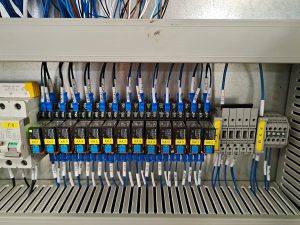
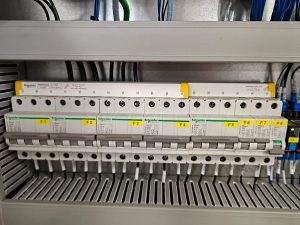
SKE Commitment: Every control panel we manufacture includes a one-year remote support contract and full ladder logic documentation. No black boxes.
Common Mistakes Breweries Make with Automation
Even with excellent brewery control software, mistakes happen. Here are the top errors we see at SKE when auditing existing systems.
Mistake #1: Over-automating Too Quickly
Jumping from 100% manual to fully automated often confuses staff. Start with semi-automated temperature control for fermenters, then add mash automation, then CIP automation. Learn step by step.
Mistake #2: Ignoring Backup Plans
If your HMI crashes on a Friday night, can you still brew? Always insist on manual valve overrides and basic analog thermometers. Automation should assist, not create single points of failure.
Mistake #3: Using Consumer-Grade Hardware
An iPad is great for monitoring, but not for controlling a 50PSI steam valve. Industrial PCs and PLCs are rated for vibration, humidity, and temperature extremes. Save consumer tablets for dashboards only.
Mistake #4: Forgetting Cybersecurity
Breweries are increasingly targeted by ransomware. Never connect your control network directly to the internet without a firewall or VLAN. Change default passwords on all PLCs and HMIs.
Mistake #5: No Sensor Calibration Plan
A temperature sensor drifting by 2°F ruins a lager batch. Calibrate RTDs and pressure transmitters every six months. Your control software should log calibration dates.
Future Trends in Brewery Control Systems
The technology is evolving fast. Here is what SKE is developing for forward-thinking brewers.
-
AI-assisted fermentation prediction: Machine learning models that forecast final gravity and diacetyl rest timing based on early temperature and pH data.
-
Digital twins: A virtual replica of your brewhouse to test recipe changes without using raw materials.
-
Edge computing: Processing data locally on the PLC, then sending only summaries to the cloud. This reduces internet dependency.
-
Automated dry-hopping: Nitrogen-powered canisters that drop hops at precise times without opening the fermenter manway.
-
Wastewater monitoring: Sensors tracking BOD and pH to avoid municipal fines.
These innovations will further bridge the gap between brewery management software and physical automation.
Why Choose SKE for Your Brewery Control Needs?
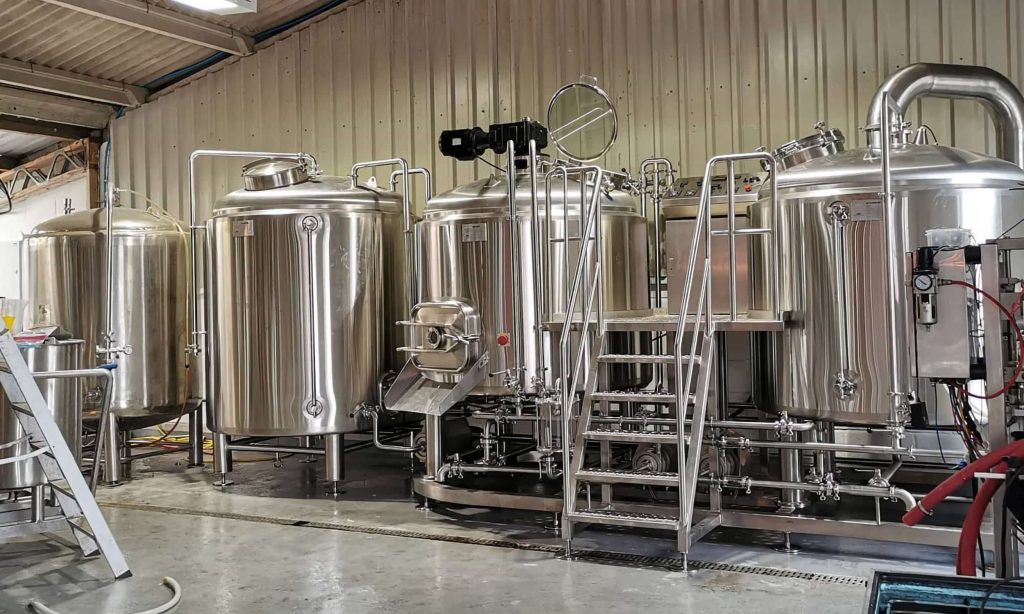
SKE has manufactured brewhouses, fermenters, and bright tanks for over 15 years. But our true value lies in integration. We do not just sell stainless steel—we sell complete production ecosystems.
What sets SKE apart:
-
Custom-built control panels: Designed for your specific tank count and utility setup (steam, electric, or direct fire).
-
Pre-validated software integrations: We partner with Ekos, OrchestratedBEER, and Beer30 to ensure plug-and-play data sync.
-
Global support: Spare parts shipped within 48 hours. Remote troubleshooting via TeamViewer or VPN.
-
Training included: On-site commissioning plus video library for operators.
When you buy a SKE brewery control system, you get a partner who cares about your first batch and your thousandth batch.
Frequently Asked Questions (FAQ)
Q1: What is the difference between a brewery control system and a SCADA system?
A SCADA (Supervisory Control and Data Acquisition) system is a type of brewery control system, but typically larger in scope. SCADA is used for facilities with hundreds of I/O points. Smaller breweries often use a standalone PLC/HMI. SKE offers both depending on your tank count.
Q2: Can I add temperature control to my existing fermenters without replacing them?
Yes. SKE offers retrofit kits including glycol solenoid valves, RTD sensors, and a compact control module. You keep your existing tanks and add automation gradually.
Q3: Does brewery management software replace my PLC?
No. Brewery management software (like Ekos) handles inventory and sales. It does not control pumps or valves. You need both layers: management software for planning, control software for execution.
Q4: How accurate is PID temperature control for fermentation?
A well-tuned PID loop maintains beer temperature within ±0.3°F (±0.2°C). This is sufficient for even the most sensitive lagers and Belgian strains.
Q5: What happens if the internet goes down? Will my brew stop?
No. A professional brewery control system from SKE stores all recipes and logic locally on the PLC. The HMI may lose remote access, but the automatic cycles continue without interruption.
Conclusion: Elevate Your Brewery with SKE
Investing in modern brewery control systems is the single most impactful decision for quality and profitability. From precise brewery temperature control during fermentation to seamless data integration with your brewery management software, automation removes guesswork and waste.
SKE builds equipment and controls that work together from day one. We understand the physics of mashing, the biology of fermentation, and the economics of running a business.
If you have any further questions, feel free to reach out!
- Facebook: SKE Equipment Facebook
- Email: info@skeequipment.com
For more personalized assistance, please fill out the contact form at the bottom of this page. We look forward to helping you with your brewing needs!