
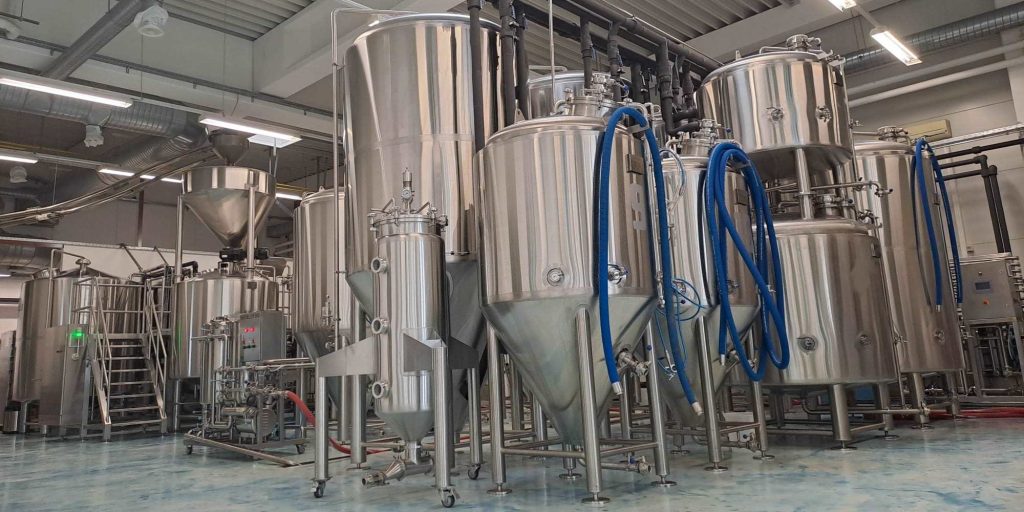
What Are Hot Water Tanks? Core Definition and Functionality
At its core, a hot water tank is a specialized storage vessel designed to heat and retain hot water for various applications. Unlike temporary heating solutions, hot water tanks are engineered to maintain consistent temperatures over extended periods, ensuring a steady supply of hot water whenever it’s needed. This is particularly important in industries like brewing, where even minor fluctuations in water temperature can compromise the flavor, clarity, and consistency of the final product.
Hot water tanks work on a simple yet effective principle: cold water is fed into the tank, heated to a predetermined temperature by a heating element or external heat source, and then stored until it’s required. The tank’s insulation plays a key role in minimizing heat loss, reducing energy consumption, and ensuring that the water remains at the desired temperature for hours. This basic functionality is adapted across different types of hot water tanks, including hot water holding tanks and tank hot water heaters, each designed for specific use cases.
In brewing, hot water tanks (often referred to as hot liquor tanks in the industry) are used for three primary purposes: mashing (converting grain starches into fermentable sugars), sparging (rinsing sugars from the grain), and cleaning (sanitizing equipment to prevent contamination). Each of these steps requires hot water at precise temperatures—typically between 140°F and 170°F (60°C and 77°C)—making the hot water tank a critical component of the brewing line.
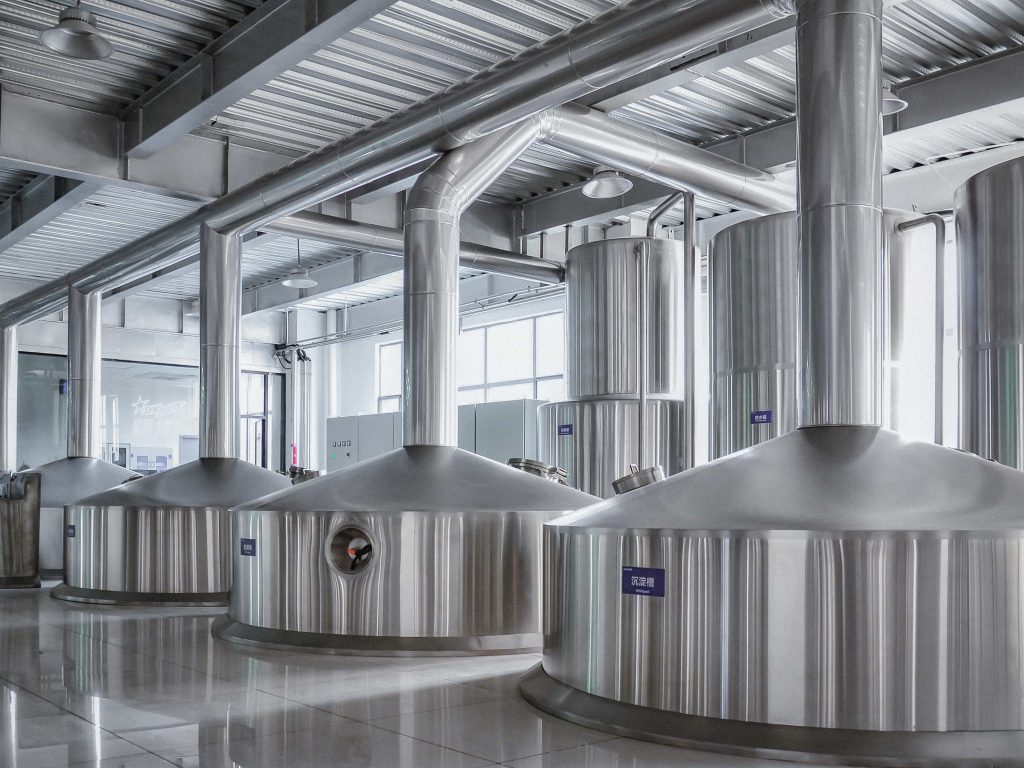
Key Types of Hot Water Tanks
1. Hot Water Holding Tank
A hot water holding tank is a specialized type of hot water tank designed primarily for storing pre-heated water rather than heating it. These tanks are ideal for applications where hot water is generated in batches (e.g., by a boiler or separate heater) and needs to be kept at a consistent temperature until use. In brewing, hot water holding tanks are often used to store large volumes of hot water for sparging, ensuring that the rinsing process is continuous and temperature-stable.
SKE’s hot water holding tanks are engineered with thick insulation to minimize heat loss, even over extended storage periods. They are also equipped with temperature monitoring systems to ensure that the water remains within the optimal range for brewing. Unlike standard hot water tanks, holding tanks focus on retention rather than heating, making them a cost-effective solution for breweries that generate hot water from external sources.
2. Stainless Steel Hot Water Tank
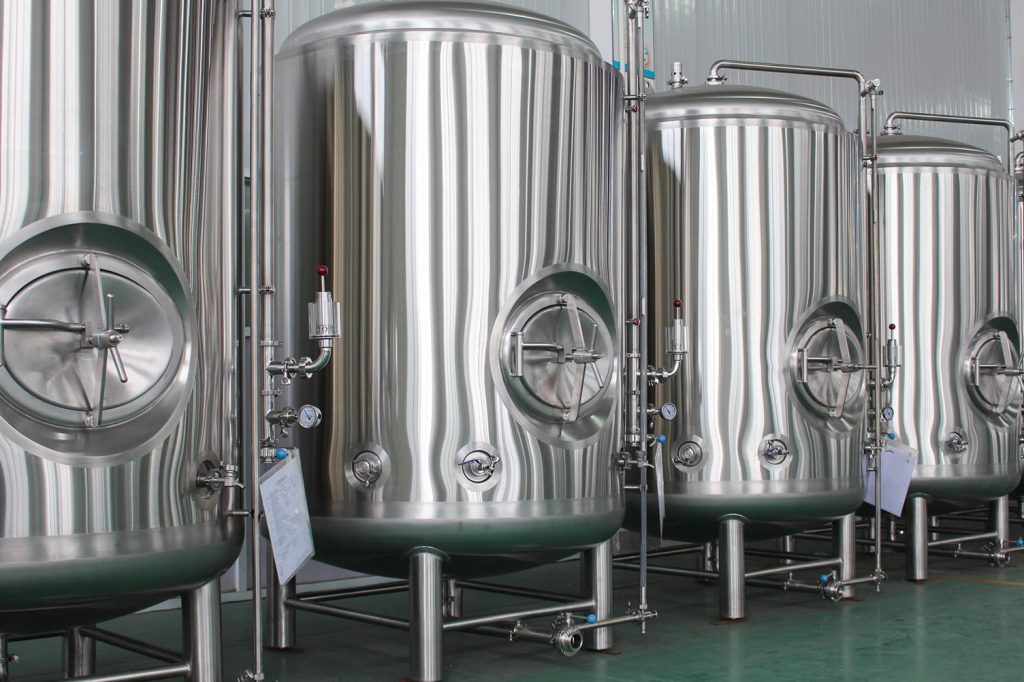
A stainless steel hot water tank is a hot water tank constructed from stainless steel, a material chosen for its durability, corrosion resistance, and hygienic properties. Stainless steel is particularly well-suited for brewing applications because it does not react with water or brewing ingredients, ensuring that the hot water remains pure and free from contaminants. It also withstands high temperatures and frequent cleaning, making it ideal for industrial use.
SKE exclusively uses food-grade stainless steel (typically 304 or 316L) in our hot water tanks for brewing equipment. 304 stainless steel offers excellent corrosion resistance and is easy to clean, while 316L is used for more demanding applications where exposure to harsh cleaning chemicals or high chloride levels is common. Stainless steel hot water tanks have a longer lifespan than tanks made from other materials (such as carbon steel or plastic) and require less maintenance, making them a smart investment for breweries.
3. Tank Hot Water Heater
A tank hot water heater is a all-in-one system that combines a storage tank with an integrated heating element. Unlike hot water holding tanks, which rely on external heat sources, tank hot water heaters generate and store hot water in a single unit. These systems are ideal for breweries that need a self-contained hot water solution, particularly small to medium-sized facilities that may not have access to a separate boiler.
SKE’s tank hot water heaters are designed with brewing-specific needs in mind, featuring adjustable temperature controls, energy-efficient heating elements, and large storage capacities. They are available in both electric and gas-powered models, allowing breweries to choose the option that best fits their energy sources and operational needs. The integrated design simplifies installation and maintenance, making tank hot water heaters a popular choice for craft breweries.
4. Tanks Water Heaters
Tanks water heaters is a broader term that refers to any system that uses a tank to heat and store hot water. This includes both tank hot water heaters and larger industrial systems that use multiple tanks to generate and distribute hot water. In brewing, tanks water heaters may consist of a series of interconnected tanks that work together to meet the high hot water demands of large-scale production facilities.
SKE offers custom tanks water heaters solutions for breweries of all sizes, designed to scale with production volume. These systems can be configured to include multiple tanks, each with specialized functions (e.g., one tank for heating, one for holding, one for sparging), ensuring that the brewery has a continuous and reliable supply of hot water. Tanks water heaters are particularly beneficial for large breweries that require high volumes of hot water throughout the day.
Hot Water Tanks vs. Other Hot Water Solutions: A Comparative Table
To help you understand how hot water tanks (and their LSI variants) compare to other hot water solutions, we’ve created a detailed table. This comparison focuses on key factors relevant to brewing, including temperature control, energy efficiency, maintenance, and suitability for different brewery sizes. SKE’s team of experts can help you select the best solution based on your specific needs.
|
Solution Type
|
Temperature Control
|
Energy Efficiency
|
Maintenance Requirements
|
Suitability for Brewing
|
Best For
|
|---|---|---|---|---|---|
|
Hot Water Holding Tank
|
Excellent (maintains consistent temp with insulation)
|
High (minimal heat loss; relies on external heat source)
|
Low (regular cleaning; insulation check)
|
High (ideal for sparging and batch storage)
|
Breweries with external boilers; medium to large scale
|
|
Stainless Steel Hot Water Tank
|
Excellent (precision controls; no material interference)
|
High (stainless steel retains heat; efficient insulation)
|
Low (corrosion-resistant; easy to clean)
|
Very High (hygienic; compatible with brewing ingredients)
|
All brewery sizes; craft to industrial
|
|
Tank Hot Water Heater
|
Good to Excellent (adjustable controls; integrated heating)
|
Medium to High (depends on fuel type; insulation quality)
|
Medium (heating element checks; regular cleaning)
|
High (self-contained; consistent supply)
|
Small to medium craft breweries; no external boiler
|
|
Tanks Water Heaters (Multi-Tank Systems)
|
Excellent (specialized tanks for different temps)
|
High (scalable; efficient heat distribution)
|
Medium (multiple tanks require regular checks)
|
Very High (meets high-volume demands)
|
Large industrial breweries; high production volume
|
|
Tankless Water Heater
|
Good (instant heating; adjustable temp)
|
High (no standby heat loss)
|
Low to Medium (descaling required)
|
Low to Medium (limited volume; not ideal for large batches)
|
Small breweries; low hot water demand
|
Key Considerations When Choosing a Hot Water Tank for Brewing
Selecting the right hot water tank for your brewery is a critical decision that impacts product quality, operational efficiency, and long-term costs. As a beer equipment manufacturer, SKE recommends focusing on the following key factors when evaluating hot water tanks and their LSI variants:
1. Capacity
The capacity of your hot water tank should align with your brewery’s production volume. Small craft breweries (producing 1-10 barrels per batch) may require tanks with a capacity of 50-200 gallons, while large industrial breweries may need tanks of 500 gallons or more. It’s important to account for peak demand—for example, during sparging, which requires a continuous supply of hot water. SKE offers hot water tanks in a range of capacities, customizable to your specific production needs.
2. Material
As mentioned earlier, stainless steel is the best material for brewing hot water tanks due to its hygienic properties, corrosion resistance, and durability. Avoid tanks made from carbon steel (which can rust and contaminate water) or plastic (which may leach chemicals and cannot withstand high temperatures). SKE uses food-grade 304 and 316L stainless steel in all our hot water tanks, ensuring compliance with industry standards and the highest level of product safety.
3. Temperature Control
Brewing requires precise temperature control—even a 5°F (3°C) fluctuation can affect the mashing process and the final beer flavor. Look for hot water tanks with digital temperature controls, thermostats, and temperature monitoring systems. SKE’s hot water tanks are equipped with advanced controls that allow you to set and maintain temperatures within ±1°F, ensuring consistency batch after batch.
4. Energy Efficiency
Energy costs are a significant expense for breweries, so choosing an energy-efficient hot water tank is essential. Look for tanks with thick insulation (e.g., polyurethane foam) to minimize standby heat loss. Tank hot water heaters with energy-efficient heating elements (electric) or high-efficiency burners (gas) can also reduce energy consumption. SKE’s hot water tanks are designed with energy efficiency in mind, helping breweries lower their operational costs.
5. Integration with Brewing Equipment
Your hot water tank should integrate seamlessly with your existing brewing equipment, including mash tuns, brew kettles, and cleaning systems. SKE designs hot water tanks that are compatible with our full line of beer equipment, ensuring a smooth workflow and easy installation. We also offer custom configurations to match your specific setup, whether you’re adding a new tank to an existing line or building a new brewery from scratch.
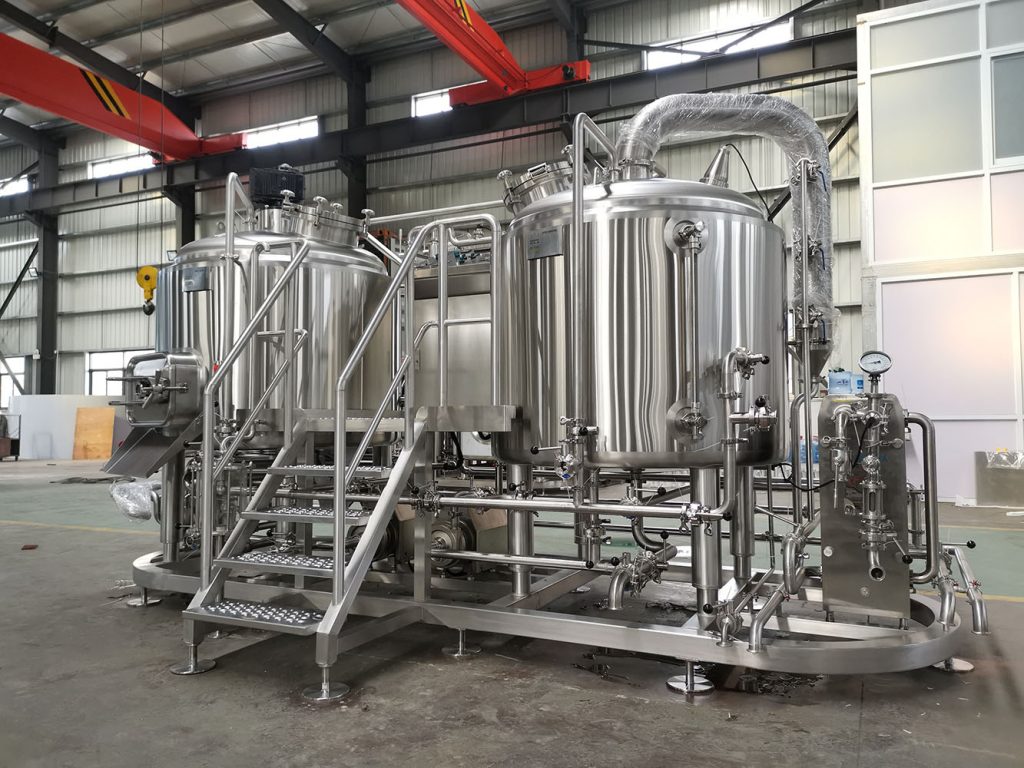
Hot Water Tank Maintenance: Tips for Longevity and Performance
Proper maintenance is key to ensuring that your hot water tank (whether it’s a stainless steel hot water tank, hot water holding tank, or tank hot water heater) operates efficiently and has a long lifespan. SKE recommends the following maintenance tips to keep your hot water tank in optimal condition:
1. Regular Cleaning
Clean your hot water tank at least once every 3-6 months to remove sediment, mineral deposits, and any potential contaminants. Sediment buildup can reduce heating efficiency, damage the tank, and affect water quality. For stainless steel tanks, use a mild, food-safe cleaner and avoid abrasive materials that can scratch the surface (which can lead to corrosion). SKE provides detailed cleaning instructions for all our hot water tanks, ensuring that you can maintain them safely and effectively.
2. Insulation Check
Inspect the tank’s insulation regularly to ensure that it is intact and effective. Damaged insulation can lead to significant heat loss, increasing energy consumption and reducing the tank’s ability to maintain consistent temperatures. If the insulation is damaged, replace it promptly. SKE’s hot water tanks come with high-quality insulation that is designed to last, but regular checks are still recommended.
3. Temperature and Pressure Checks
Monitor the tank’s temperature and pressure regularly to ensure that they are within the recommended range. Most brewing hot water tanks operate at temperatures between 140°F and 170°F (60°C and 77°C) and pressures between 50-100 PSI. If you notice any fluctuations, check the thermostat, pressure relief valve, and heating element (if applicable). SKE’s tanks are equipped with safety features to prevent overheating and overpressure, but regular checks are still essential.
4. Heating Element Maintenance (for Tank Hot Water Heaters)
If you have a tank hot water heater, inspect the heating element regularly for signs of wear or damage. Replace the element if it is corroded, broken, or not heating properly. For gas-powered models, check the burner and pilot light to ensure that they are working correctly. SKE offers replacement parts for all our tank hot water heaters, making maintenance quick and easy.
5. Professional Inspection
Schedule a professional inspection of your hot water tank at least once a year. A qualified technician can identify potential issues (such as corrosion, leaks, or faulty controls) before they become major problems. SKE’s team of service technicians is available to inspect and maintain your hot water tank, ensuring that it operates at peak performance for years to come.
Frequently Asked Questions (FAQ) About Hot Water Tanks
Q1: What is the difference between a hot water holding tank and a tank hot water heater?
A hot water holding tank is designed solely for storing pre-heated water, relying on an external heat source (such as a boiler) to heat the water. A tank hot water heater, on the other hand, is an all-in-one system that includes both a storage tank and an integrated heating element, allowing it to generate and store hot water without an external heat source. For breweries, holding tanks are ideal for batch storage, while tank hot water heaters are better for self-contained solutions.
Q2: Why is stainless steel the best material for brewing hot water tanks?
Stainless steel is the preferred material for brewing hot water tanks because it is hygienic (non-porous, preventing bacterial growth), corrosion-resistant (does not rust or react with water or brewing ingredients), and durable (withstands high temperatures and frequent cleaning). Food-grade stainless steel (304 or 316L) ensures that the hot water remains pure and free from contaminants, which is critical for maintaining beer quality. SKE exclusively uses stainless steel in our brewing hot water tanks for these reasons.
Q3: How do I determine the right capacity for my brewery’s hot water tank?
The right capacity depends on your brewery’s production volume and peak hot water demand. As a general rule, you should choose a tank that can hold enough hot water to cover your largest batch size, plus a 10-20% buffer for unexpected demand. For example, a 5-barrel brewery typically needs a 100-150 gallon hot water tank, while a 30-barrel brewery may need a 500-gallon tank. SKE’s team can help you calculate the exact capacity based on your specific production needs.
Q4: How often should I clean my hot water tank?
We recommend cleaning your hot water tank at least once every 3-6 months. The frequency may increase if you have hard water (which causes mineral buildup) or if you use the tank frequently. Regular cleaning removes sediment, mineral deposits, and contaminants, ensuring that the tank operates efficiently and that the hot water remains pure. SKE provides detailed cleaning instructions for all our tanks to make this process easy.
Q5: Can SKE customize a hot water tank for my specific brewery setup?
Yes! SKE specializes in custom beer equipment, including hot water tanks. We can design and manufacture hot water tanks (including stainless steel hot water tanks, hot water holding tanks, and tank hot water heaters) in custom capacities, dimensions, and configurations to match your brewery’s unique setup. Whether you need a tank with specific temperature controls, custom fittings, or integration with existing equipment, we can create a solution tailored to your needs.
Contact Us
If you have any further questions, feel free to reach out!
- Facebook: SKE Equipment Facebook
- Email: info@skeequipment.com
For more personalized assistance, please fill out the contact form at the bottom of this page. We look forward to helping you with your brewing needs!