
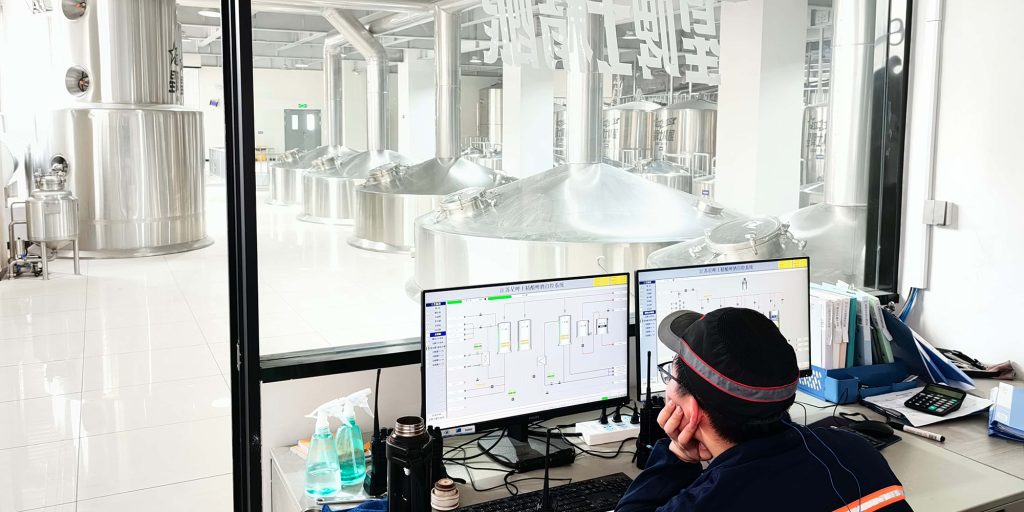
In the competitive world of craft and commercial brewing, one factor separates successful breweries from the rest: consistency. Whether you are producing a crisp pilsner or a hop-forward IPA, customers expect every pint to taste exactly the same as the last. This level of reliability is impossible without mastering brewing control.
Brewing control encompasses every decision and system that influences the final product. From grain handling to packaging, each step requires precise management of temperature, pressure, pH, and timing. When any of these variables drifts, the beer suffers. Off-flavors, poor head retention, haze instability, and even microbial contamination can all trace back to inadequate control.
Why Brewing Control Is the Foundation of Commercial Success
One of the biggest challenges in brewing is the sheer number of interacting variables. Mash temperature affects fermentability, which affects final gravity, which affects alcohol content and mouthfeel. Boil intensity influences isomerization of alpha acids, which impacts bitterness perception. Fermentation temperature dictates ester production, which shapes the beer’s aroma profile. Without comprehensive brewing control, these variables become sources of error rather than tools for fine-tuning.
Moreover, scaling up from pilot batches to full production introduces new complexities. A recipe that works perfectly on a 5-hectoliter system may behave differently on a 50-hectoliter system due to changes in heat transfer, hydrostatic pressure, and yeast behavior. This is why professional brewing systems are designed with scalability in mind, incorporating features like proportional cooling zones and automated agitation.
The Core Elements of Professional Brewing Systems
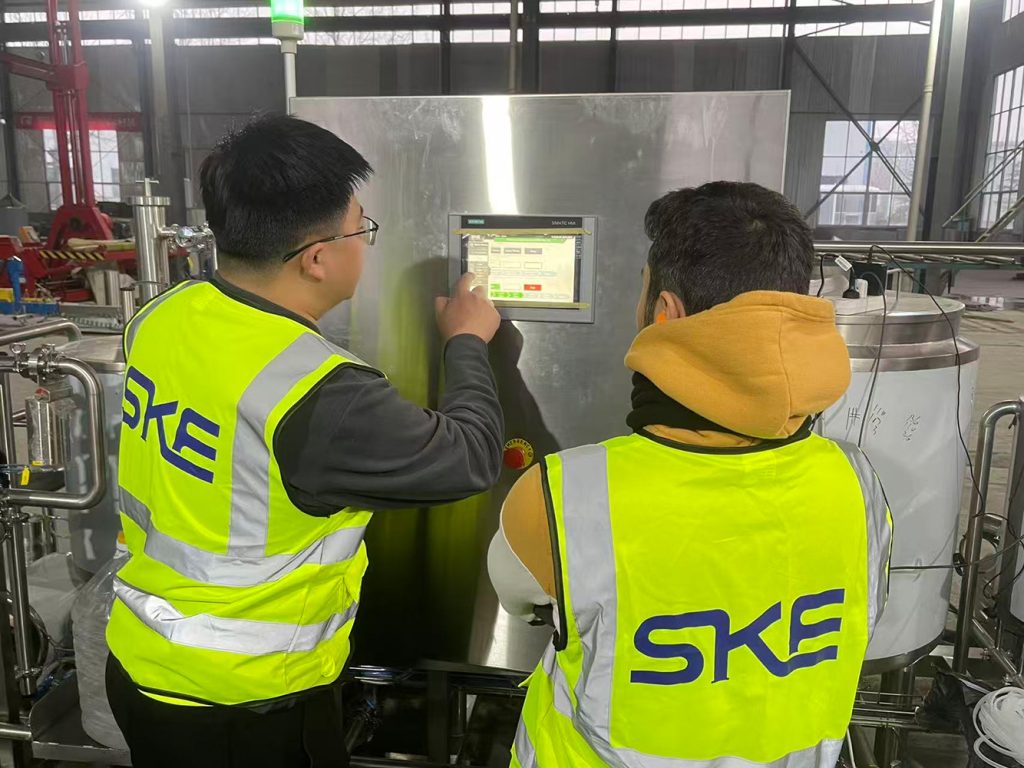
At the heart of any successful brewery lies a well-designed brewing system. This includes everything from the mill and mash tun to the fermentation cellar and bright beer tanks. Each component must be engineered to provide the operator with precise control over physical and biochemical processes. SKE’s brewing systems are built from high-grade stainless steel, featuring insulated jackets, integrated heating and cooling circuits, and sanitary fittings throughout.
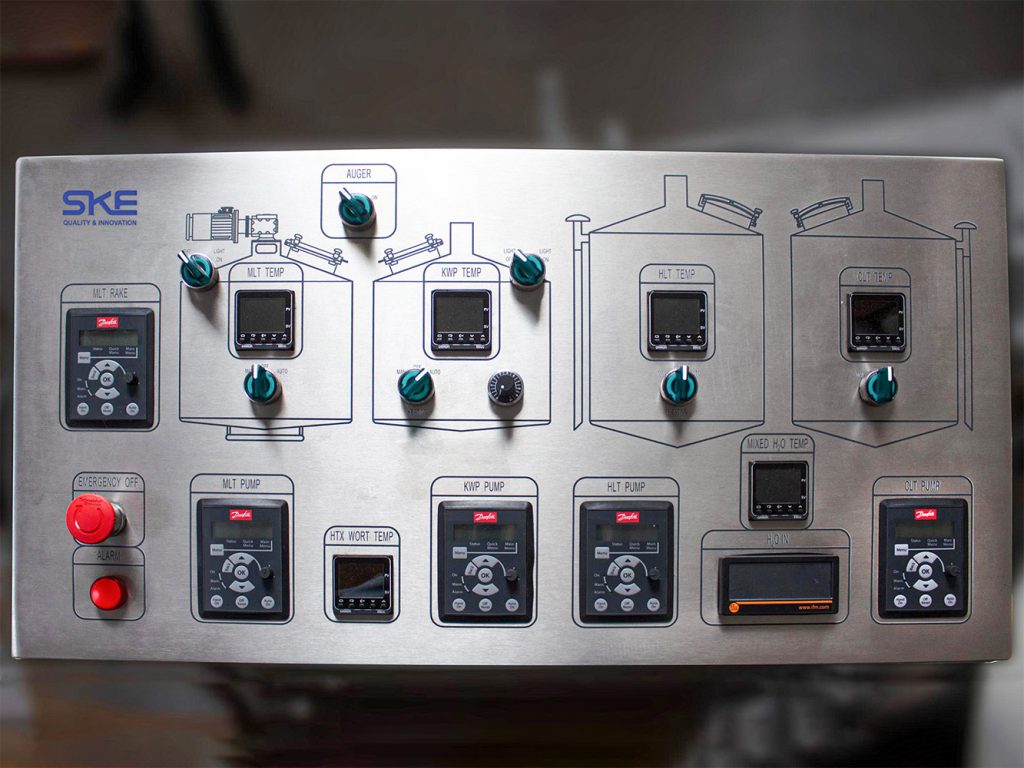
The brewhouse itself typically consists of four main vessels: the mash/lauter tun, the kettle, the whirlpool, and sometimes a separate hot liquor tank. Modern systems also include a control panel with a touchscreen interface, allowing the brewer to monitor temperatures, flow rates, and vessel pressures in real time. Advanced systems take this further by offering programmable recipes, automatic valve sequencing, and data logging for every batch.
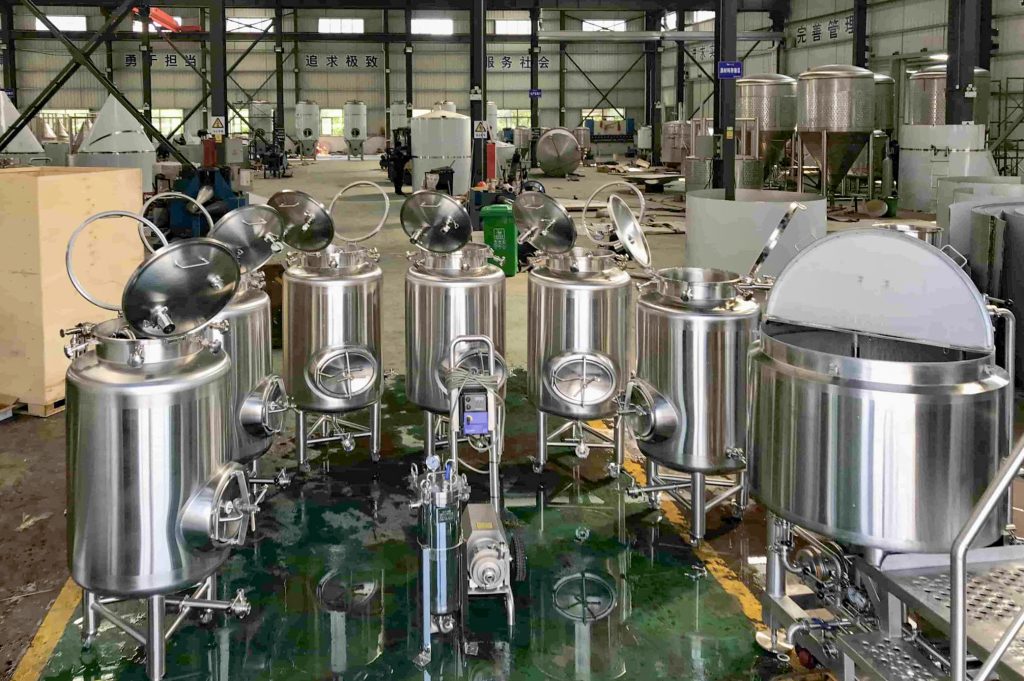
Beyond the brewhouse, fermentation and bright beer tanks are equally critical. These vessels must maintain precise temperatures for days or weeks at a time. SKE equips all our fermenters with dimple-jacket cooling zones, PID temperature controllers, and sanitary sampling ports. Optional features include variable volume capability, pressure relief valves, and integrated CIP spray balls.
The following table compares entry-level, mid-range, and professional brewing systems:
| Feature | Entry-Level System | Mid-Range System | Professional System (SKE) |
|---|---|---|---|
| Vessel Construction | Single-wall, no insulation | Double-wall with basic insulation | Fully jacketed with dimple cooling |
| Temperature Control | Manual, ambient dependent | Semi-automatic with analog gauge | PLC-controlled with PID loops |
| Automation Level | Fully manual valves | Some automated valves | Full recipe automation & logging |
| CIP System | Portable spray ball | Fixed spray ball, manual cycle | Integrated auto-CIP with validation |
| Fermentation Control | No active cooling | Glycol bath, single zone | Dual-zone glycol, per-tank PID |
| Data Recording | Paper logs | Digital display, manual export | SCADA integration, USB/cloud sync |
Modern Brewing Technology: From Analog to Digital Precision
The last decade has witnessed a revolution in brewing technology. Where brewers once relied on analog thermometers and stopwatches, they now use digital sensors, cloud-connected controllers, and predictive analytics. This shift has dramatically improved brewing control, enabling smaller breweries to achieve quality levels previously reserved for industrial giants.
One of the most impactful technologies is the PLC (Programmable Logic Controller). Unlike simple thermostats, a PLC can manage multiple inputs and outputs simultaneously. For example, a PLC can monitor mash temperature, adjust steam valve position, control agitator speed, and log data every second. If the temperature deviates from the setpoint, the PLC responds instantly, often before the brewer even notices the drift.
Another key advancement is the use of inline sensors. Traditional brewing requires manual sampling and benchtop testing, which introduces delays and contamination risks. Modern brewing technology places sensors directly in the process stream. These include Coriolis flow meters for density and mass flow, optical sensors for turbidity, and ion-selective probes for pH. Real-time data allows brewers to make adjustments on the fly, rather than reacting to problems after they have already occurred.
Wireless connectivity has also changed the game. Many SKE customers now monitor their fermentation progress from smartphones or laptops. Alerts can be configured to notify the brewer if temperature rises above a threshold or if pressure drops unexpectedly. This remote visibility is especially valuable for breweries that operate multiple locations or that cannot have staff present 24/7.
Controlling Fermentation Temperature: The Single Most Critical Variable
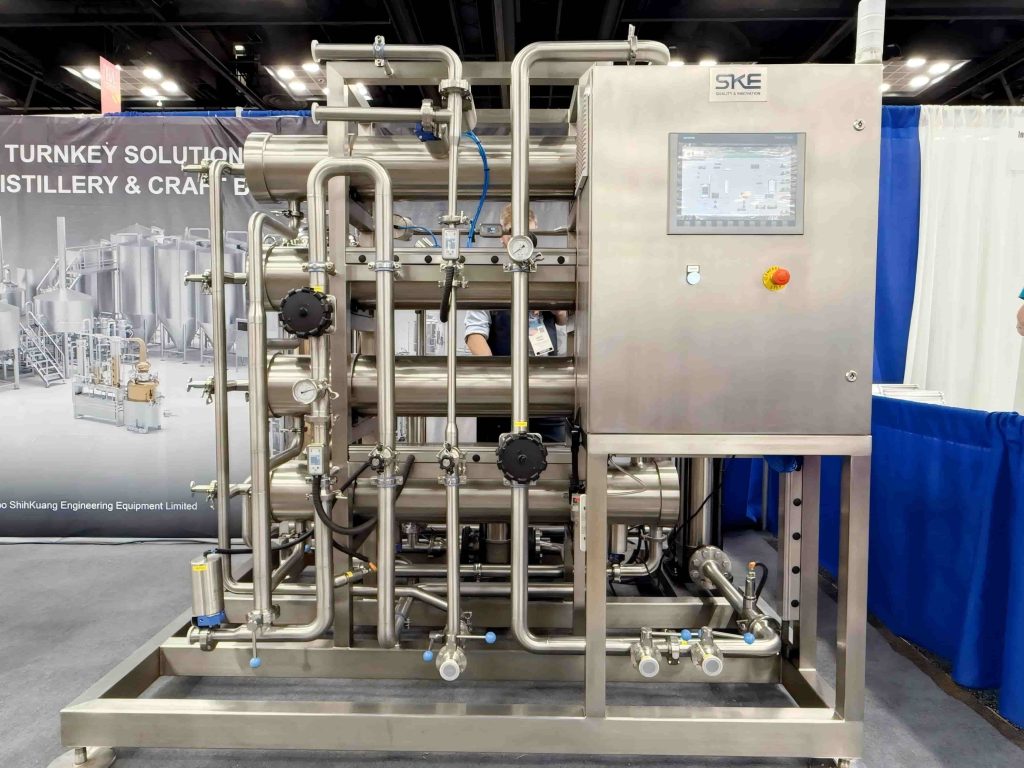
If forced to choose the most important aspect of brewing control, many experienced brewers would point to controlling fermentation temperature. Unlike mash temperature or boil intensity, which affect the beer over minutes or hours, fermentation temperature influences yeast behavior over several days. A small deviation sustained over 48 hours can produce dramatic changes in flavor, aroma, and attenuation.
Yeast is a living organism, and like all living organisms, it responds strongly to its environment. Within a typical fermentation range of 8–22°C, a temperature increase of just 2°C can cause yeast to produce twice as many esters. Esters are not inherently bad—they contribute fruity notes to ales—but excessive ester production leads to solvent-like or overly sweet aromas. Conversely, temperatures that are too low cause yeast to go dormant, resulting in incomplete fermentation and diacetyl off-flavors.
Controlling fermentation temperature requires more than just a glycol chiller and some insulation. The system must be able to respond to the heat generated by yeast activity. During the first 48–72 hours of fermentation, yeast metabolism releases significant energy, raising the beer temperature several degrees above ambient. Without active cooling, the fermentation will overshoot its target, often by a wide margin.
The table below shows recommended fermentation profiles for five major beer styles:
| Beer Style | Pitching Temp (°C) | Fermentation Temp (°C) | Diacetyl Rest (°C) | Lagering Temp (°C) | Total Days |
|---|---|---|---|---|---|
| American Light Lager | 7–9 | 9–11 | 13–15 | 0–2 | 21–28 |
| German Hefeweizen | 12–14 | 20–22 | None | 10–12 | 10–14 |
| English Bitter | 15–17 | 18–20 | 20–21 | 8–10 | 7–10 |
| Belgian Tripel | 18–20 | 24–26 | 26–28 | 2–4 | 14–21 |
| Dry Irish Stout | 15–16 | 18–19 | None | 4–6 | 5–7 |
Integrating Brewing Control Across the Entire Process
While fermentation temperature often receives the most attention, true brewing control requires integration from the very first step of the brewing process. Consider the cascade of effects: inconsistent milling leads to variable extract efficiency, which changes wort gravity, which affects hop utilization and yeast performance, ultimately altering the final beer’s flavor and alcohol content. A weak link anywhere in the chain compromises the entire batch.
This is why modern brewing systems are designed as integrated platforms rather than collections of standalone vessels. At SKE, we offer full-line integration where every piece of equipment communicates through a central SCADA (Supervisory Control and Data Acquisition) system. The brewer selects a recipe from a touchscreen, and the system automatically sets milling gap, mash temperatures, sparge flow rates, boil intensity, whirlpool rest time, and fermentation schedules.
Integration also extends to quality assurance. Automated sampling ports can be programmed to collect wort at the lauter tun outlet, after boiling, and before pitching. These samples are sent to inline analyzers or to a carousel for later lab testing. The results are logged alongside batch data, creating a complete digital record. If a batch ever needs to be recalled or investigated, every relevant parameter is available for review.
Another benefit of integration is energy efficiency. Heat recovery systems capture steam from the boil kettle and use it to preheat strike water for the next batch. Similarly, glycol systems can be sized to serve multiple fermenters, with smart valves directing coolant only where it is needed. These efficiencies not only reduce operating costs but also support sustainability goals—an increasingly important differentiator in the beer market.
Common Brewing Control Pitfalls and How to Avoid Them
Even with the best equipment, brewing control can fail due to human error, poor maintenance, or design oversights. One frequent mistake is placing temperature sensors in locations that do not represent the true process temperature. For example, a sensor mounted on the outside of a fermenter may read 2–3°C lower than the beer core because of insulation and ambient air. This leads to under-fermentation or unexpected ester profiles.
Solution: Use thermowells that extend into the liquid. For fermenters, install sensors at multiple heights to detect stratification. SKE designs all our vessels with thermowells as standard, and our control systems can average multiple sensor inputs for a more accurate picture.
Another common error is neglecting calibration. pH probes drift over time, thermocouples develop offset errors, and pressure transducers lose accuracy. A brewery that never calibrates its instruments is essentially flying blind. SKE recommends calibrating all critical sensors monthly and after any CIP cycle that uses aggressive chemicals. Calibration records should be kept as part of your quality management system.
A third pitfall is over-automation without proper training. Automated brewing systems are powerful, but they are not intuitive to every user. Brewers need to understand not just how to operate the interface but also what to do when things go wrong. SKE includes comprehensive on-site training with every system installation, covering normal operation, troubleshooting, and emergency procedures.
Finally, many breweries underestimate the importance of cellar layout. If your fermentation room has poor air circulation or hot spots due to sunlight or equipment, controlling fermentation temperature becomes nearly impossible. Work with your equipment supplier to design a layout that ensures consistent ambient conditions. SKE’s engineering team offers cellar design services, including glycol piping calculations and airflow modeling.
Why Choose SKE for Your Brewing Control Needs
With so many equipment suppliers on the market, why should you choose SKE? The answer lies in our commitment to engineering excellence, customer support, and continuous innovation. Every SKE system is designed with brewing control as the central priority, from the smallest fitting to the largest vessel.
Our brewing systems are manufactured using food-grade 304 or 316 stainless steel, with sanitary welds and electropolished surfaces that resist bacterial adhesion. All vessels are pressure-rated and tested before leaving our factory. We offer batch sizes from 5 to 100 hectoliters, with custom sizes available upon request.
SKE’s brewing technology includes the latest in automation, from basic PID controllers to full SCADA integration with remote access. Our systems are compatible with all major brewery management software, and we provide API documentation for custom integrations. We also offer energy-saving features like vapor condensers, heat recovery, and variable-frequency drives as standard options.
When it comes to controlling fermentation temperature, SKE has no equal. Our fermenters feature dimple-jacketed cones and sidewalls, dual-zone cooling, and precision PID control. We can size glycol systems for any number of tanks, including redundancy for critical applications. Every fermenter is tested for thermal uniformity before shipment.
But equipment is only half the story. SKE provides comprehensive training, installation support, and ongoing maintenance. Our service team is available by phone, email, or on-site visit. We also offer remote troubleshooting via secure VPN connection. When you buy from SKE, you are not just buying tanks—you are entering a partnership dedicated to your success.
Conclusion: Take Control of Your Brewing Process Today
Consistent, high-quality beer is not a matter of luck. It is the result of deliberate brewing control, supported by professional brewing systems, advanced brewing technology, and disciplined controlling fermentation temperature. When these elements work together, your brewery can achieve lower waste, higher efficiency, and a reputation for reliability.
At SKE, we have helped breweries around the world make the leap from inconsistent to exceptional. Our systems are built for real-world conditions, offering both powerful automation and the flexibility to brew creatively. Whether you are planning a new facility or upgrading an existing one, our engineers will work with you to design a solution that fits your goals and budget.
Do not leave your beer quality to chance. Contact SKE today for a free consultation. Let us show you how professional brewing control can transform your product—and your business.
If you have any further questions, feel free to reach out!
- Facebook: SKE Equipment Facebook
- Email: info@skeequipment.com
For more personalized assistance, please fill out the contact form at the bottom of this page. We look forward to helping you with your brewing needs!
Frequently Asked Questions (FAQ)
Q1: What is brewing control in simple terms?
Brewing control means managing all the variables in beer production—temperature, pressure, pH, timing, and more—to ensure every batch comes out the same. It is the difference between guessing and knowing what your beer will taste like.
Q2: How do brewing systems affect brewing control?
Your brewing systems are the tools you use to execute your recipes. Poorly designed systems make precise control difficult or impossible. Professional systems include features like insulated vessels, automated valves, and digital sensors that give you command over every step.
Q3: What brewing technology should I prioritize?
Focus on automation and data logging first. A PLC-based control system with PID temperature loops and batch recording will deliver the biggest improvement in brewing control. Inline sensors for pH and density are also highly valuable.
Q4: Why is controlling fermentation temperature so difficult?
Yeast generates its own heat, especially during the first 48–72 hours. Without active cooling, fermentation temperature can rise 5–10°C above ambient. Controlling fermentation temperature requires jacketed vessels, a properly sized glycol system, and responsive PID controllers.
Q5: Can I retrofit my existing brewery with better brewing control?
Yes. SKE offers retrofit packages including PLC panels, temperature sensors, automated valves, and glycol control systems. We can integrate with most existing vessels. Contact us for a site assessment.