
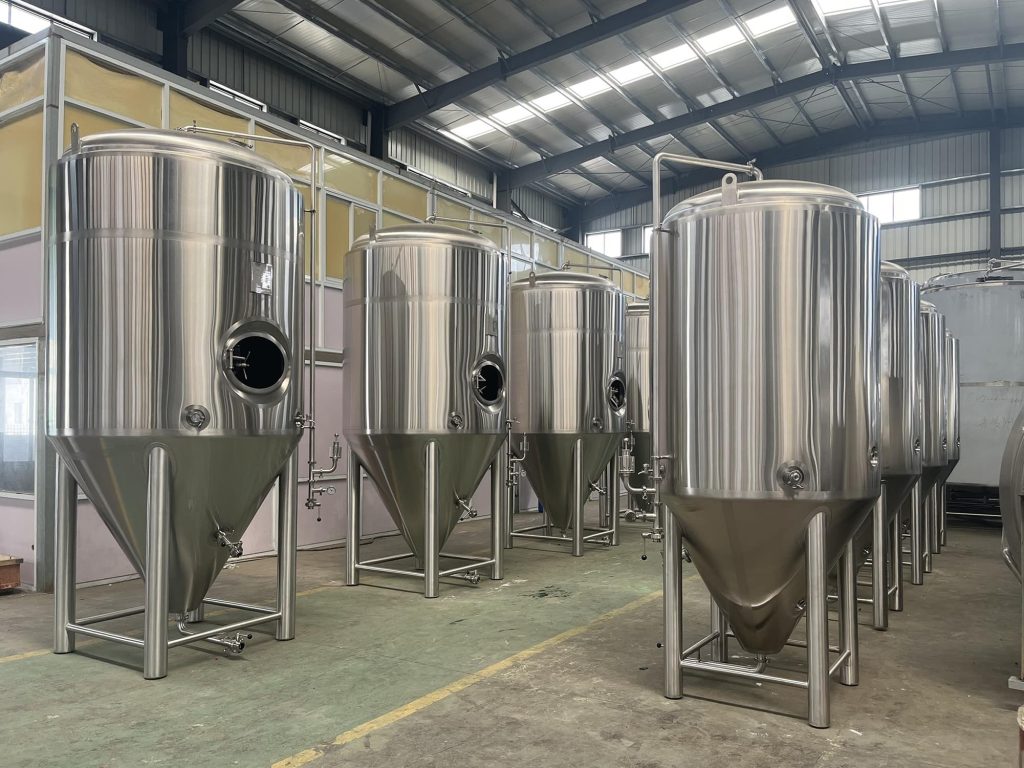
Beer brewing is a delicate combination of art and science, where every piece of equipment plays a pivotal role in shaping the final flavor, clarity, and quality of the brew. At the heart of this process lies the fermentation tank—also known as a fermenter tank—a specialized vessel designed to facilitate the critical fermentation process that transforms wort into beer. For breweries of all sizes, from small craft operations to large-scale commercial facilities, choosing the right fermentation tank is essential to consistent, high-quality production.
In this comprehensive guide, we will dive deep into the world of fermentation tanks, exploring their working principles, key components, types, and maintenance requirements. We will also clarify the often-confused differences between fermentation tanks and brite beer tanks (also referred to as brite tank beer vessels), two essential pieces of equipment in the brewing process. Whether you are a new brewer looking to understand the basics or an industry professional seeking to optimize your operations, this article will provide valuable insights backed by SKE’s engineering expertise and industry best practices.
What Is a Fermentation Tank (Fermenter Tank)?
A fermentation tank (or fermenter tank) is a specialized container designed to create and maintain the optimal environment for yeast to convert sugars in wort into alcohol and carbon dioxide (CO₂)—the fundamental process of beer fermentation. Unlike ordinary storage tanks, fermentation tanks are engineered to control critical parameters such as temperature, pressure, pH levels, and oxygen exposure, all of which directly impact yeast activity and the final beer profile.
Fermentation tanks come in various sizes and configurations, from small 100L units for homebrewers and microbreweries to large 50,000L+ tanks for industrial-scale production. Regardless of size, the core function remains the same: to provide a sterile, controlled environment where yeast can efficiently convert wort into beer. SKE’s fermentation tanks are constructed with food-grade 304/316L stainless steel, ensuring durability, corrosion resistance, and compliance with global food safety standards.
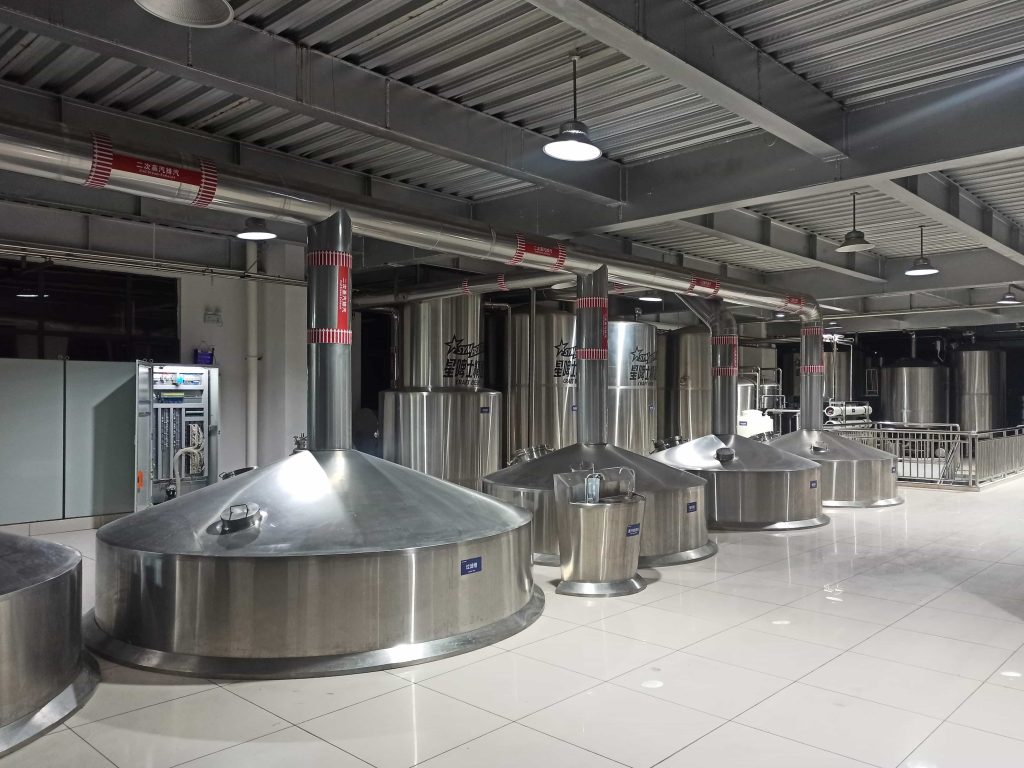
Key Components of a High-Quality Fermentation Tank
A well-designed fermentation tank is more than just a stainless steel vessel—it is a complex system of components working together to optimize the fermentation process. Below are the essential components of a professional fermentation tank:
Tank Body: The main structure of the fermentation tank, typically made of food-grade 304 or 316L stainless steel. This material is non-reactive, easy to clean, and resistant to corrosion from acidic wort and cleaning chemicals. SKE’s tank bodies are precision-welded with smooth inner surfaces to prevent yeast and sediment buildup, ensuring easy cleaning and sterilization.
Cooling System: Temperature control is one of the most critical factors in fermentation. Yeast activity is highly sensitive to temperature—too high, and off-flavors (such as fusel alcohols) develop; too low, and fermentation slows or stops. Most fermentation tanks feature a jacketed cooling system (a layer of space between the inner and outer tank walls) through which glycol or cold water circulates.
Agitation System: This system ensures that yeast is evenly distributed throughout the wort, promoting uniform fermentation and preventing yeast settling. Agitation can be achieved through mechanical stirrers, air spargers, or natural convection.
Pressure Relief Valve: During fermentation, CO₂ is produced, which increases pressure inside the tank. A pressure relief valve prevents over-pressurization, protecting the tank and ensuring safety.
Sterilization Port: To prevent contamination, fermentation tanks must be thoroughly sterilized before use. Sterilization ports allow for the injection of steam or cleaning agents (such as CIP solutions) to sanitize the tank’s interior.
Sampling Valve: A small valve located near the bottom of the tank, used to take samples of the fermenting wort for testing. This allows brewers to monitor yeast activity, sugar levels, pH, and other critical parameters throughout the fermentation process.
Types of Fermentation Tanks (Fermenter Tanks)
Fermentation tanks are available in several types, each designed to suit specific brewing methods, beer styles, and production scales. The choice of tank type depends on factors such as batch size, fermentation time, yeast type, and desired beer characteristics. SKE manufactures all major types of fermentation tanks, providing customized solutions for every brewery’s unique needs. Below are the most common types:
Conical Fermentation Tanks: The most popular type of fermentation tank for craft and commercial breweries. Conical tanks have a cone-shaped bottom, which allows yeast and sediment to settle at the bottom for easy removal. This design simplifies yeast harvesting (for reuse in future batches) and reduces the need for additional clarification steps.
Cylindrical Fermentation Tanks: A traditional design featuring a cylindrical body with a flat or slightly curved bottom. These tanks are ideal for large-scale industrial production, as they are easy to stack and maximize storage space. Cylindrical tanks are often used for lagers, which require longer fermentation times and consistent temperature control.
Open Fermentation Tanks: Used primarily for traditional beer styles, such as Belgian ales and wheat beers. Open tanks are not sealed, allowing for natural aeration and the formation of a yeast layer (krausen) on the surface. While open fermentation can add unique flavors to the beer, it requires strict hygiene practices to prevent contamination.
Unitank Fermentation Tanks: A versatile, all-in-one solution that combines fermentation and conditioning in a single tank. Unitanks eliminate the need to transfer beer between tanks, reducing the risk of contamination and saving time. These tanks are equipped with both cooling and carbonation systems, making them ideal for small to medium-sized breweries.
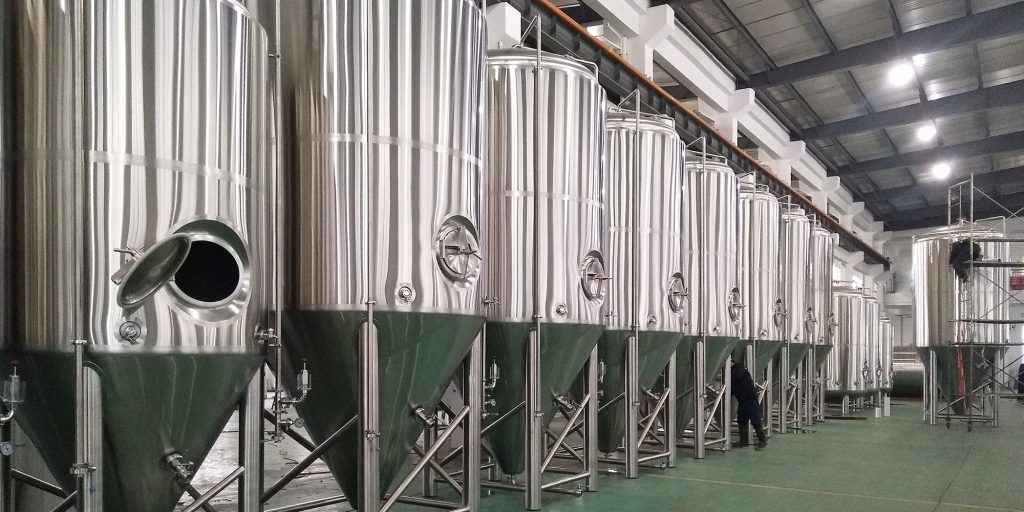
Fermentation Tank vs. Brite Beer Tank: Key Differences
One of the most common misconceptions in brewing is confusing fermentation tanks with brite beer tanks (also called brite tank beer vessels). While both are essential to the brewing process, they serve entirely different purposes. Understanding the differences between these two tanks is critical for choosing the right equipment and optimizing your brewing workflow.
Fermentation Tank (Fermenter Tank) Purpose: As discussed earlier, the primary function of a fermentation tank is to facilitate the fermentation process—converting wort into beer by allowing yeast to break down sugars into alcohol and CO₂. Fermentation tanks are designed to support yeast activity, with features like temperature control, agitation, and pressure relief to ensure optimal fermentation conditions.
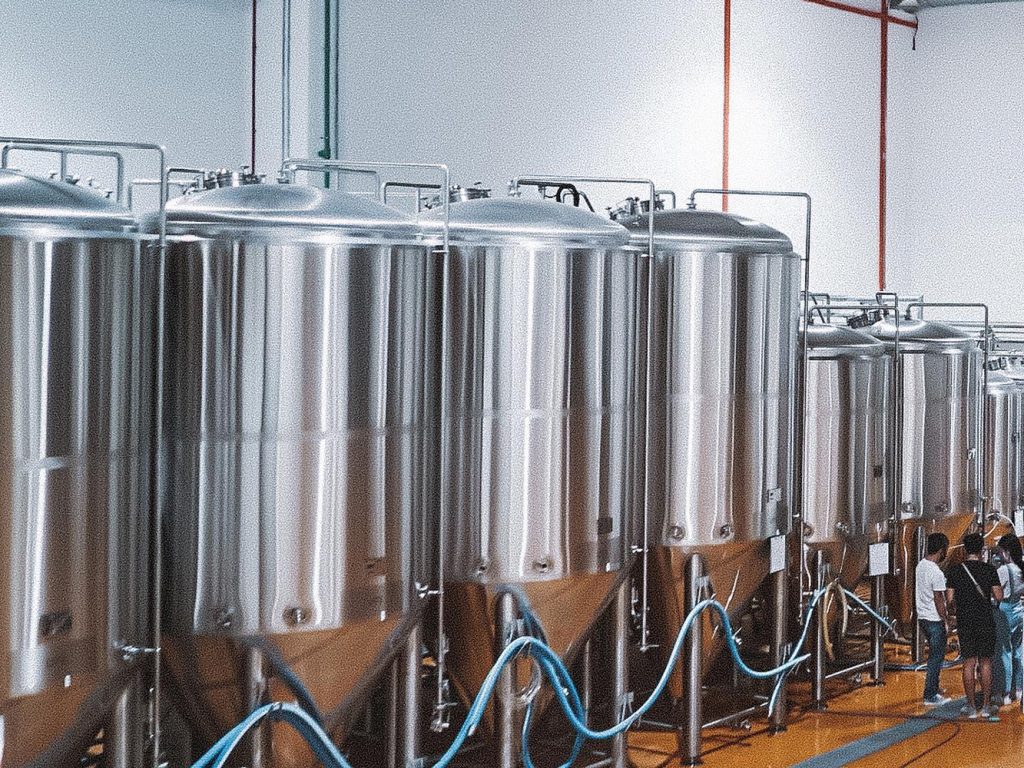
Brite Beer Tank Purpose: A brite beer tank (or bright beer tank) is used after fermentation to clarify, condition, and carbonate the beer before packaging. After fermentation, beer is often cloudy due to residual yeast, proteins, and other particles. The brite tank provides a controlled environment for these particles to settle, resulting in a clear, “bright” beer. Brite tanks also allow for forced carbonation, ensuring the beer has the desired level of fizz before bottling, canning, or kegging.
|
Feature
|
Fermentation Tank (Fermenter Tank)
|
Brite Beer Tank (Brite Tank Beer)
|
|---|---|---|
|
Primary Function
|
Facilitate fermentation: convert wort into beer via yeast activity
|
Clarify, condition, and carbonate beer before packaging
|
|
Design
|
Conical or cylindrical; cone-shaped bottom for yeast/sediment collection
|
Cylindrical with flat or dish-shaped bottom; optimized for settling and carbonation
|
|
Temperature Control
|
Precise control (±0.5℃) to support yeast activity; cooling jacket for consistent temperatures
|
Cooling system to maintain low temperatures (0–4℃) for clarification and carbonation
|
|
Pressure Requirements
|
Low to moderate pressure (0–15 PSI) to contain CO₂ produced during fermentation
|
Higher pressure (15–30 PSI) to support forced carbonation
|
|
Agitation
|
Agitation system (stirrer, sparger) to distribute yeast evenly
|
Minimal agitation; designed for settling and gentle mixing
|
|
Typical Usage Timeline
|
Active fermentation phase (7–14 days)
|
Final stage (1–3 days) before packaging
|
|
SKE Customization Options
|
Custom sizes (100L–100,000L), cooling systems, agitation types, and sterile design
|
Custom capacities, carbonation systems, clarification features, and CIP compatibility
|
Why Choose SKE Fermentation Tanks & Brite Beer Tanks?
As a trusted beer equipment manufacturer, SKE has built a reputation for producing high-quality, reliable fermentation tanks, fermenter tanks, and brite beer tanks that meet the needs of breweries worldwide. Our commitment to precision engineering, quality materials, and customer-centric design sets us apart from other manufacturers. Below are the key advantages of choosing SKE for your brewing equipment:
Premium Materials: All SKE fermentation tanks and brite beer tanks are constructed with food-grade 304/316L stainless steel, which is non-reactive, corrosion-resistant, and easy to clean. This ensures compliance with global food safety standards (such as FDA, CE, and ISO) and guarantees the purity of your beer.
Precision Engineering: SKE’s engineering team has decades of experience in brewing equipment design. Our fermentation tanks feature advanced cooling systems, precise temperature control, and optimized agitation to ensure consistent fermentation results. We also offer customizable designs to suit your specific brewing needs, whether you’re a small craft brewery or a large industrial facility.
Energy Efficiency: SKE’s fermentation tanks are designed with energy efficiency in mind. Our cooling systems use advanced insulation and variable-speed compressors to reduce energy consumption, helping you lower operational costs without compromising performance. We also integrate energy-saving features into our brite beer tanks, such as efficient carbonation systems.
Easy Maintenance: We understand that breweries need equipment that is easy to clean and maintain. SKE’s fermentation tanks and brite beer tanks feature smooth inner surfaces, accessible ports, and CIP (Clean-in-Place) compatibility, making cleaning and sterilization quick and efficient. This reduces downtime and ensures that your equipment is always ready for the next batch.
Global Support: SKE provides comprehensive support to breweries worldwide, including installation, training, and after-sales service. Our team of experts is available 24/7 to answer your questions and resolve any issues, ensuring that your brewing operations run smoothly. We also offer spare parts and maintenance services to keep your equipment in top condition.

Proper Maintenance of Fermentation Tanks & Brite Beer Tanks
To ensure the longevity and performance of your fermenter tank, or brite beer tank, proper maintenance is essential. Neglecting maintenance can lead to contamination, equipment failure, and inconsistent beer quality. Below are key maintenance tips from SKE’s technical team, designed to help you keep your equipment in optimal condition:
Regular Cleaning & Sterilization: After each batch, thoroughly clean the tank with a food-grade cleaning agent (such as caustic soda) to remove residual wort, yeast, and sediment. Follow this with sterilization using steam or a sanitizing solution (such as peracetic acid) to kill any remaining bacteria or yeast. SKE’s tanks are designed for easy CIP cleaning, which automates this process and ensures thorough sanitization.
Inspect Seals & Valves: Check the tank’s seals, gaskets, and valves regularly for wear or damage. Damaged seals can lead to air leaks, which can contaminate the beer and disrupt fermentation. Replace any worn parts immediately to prevent issues. SKE provides high-quality replacement seals and valves that are compatible with our tanks.
Monitor Cooling Systems: Regularly check the cooling jacket, glycol lines, and temperature sensors to ensure they are working properly. Clean the cooling lines to remove any scale or buildup, which can reduce cooling efficiency. SKE’s technical team can help you schedule regular maintenance for your cooling system to prevent breakdowns.
Check Pressure Relief Valves: Test the pressure relief valve regularly to ensure it is functioning correctly. A faulty valve can lead to over-pressurization, which can damage the tank or cause safety hazards. SKE’s pressure relief valves are calibrated to specific pressure levels and are designed for long-term reliability.
Store Properly When Not in Use: If the tank is not in use for an extended period, clean and sterilize it thoroughly, then fill it with sanitized water or nitrogen to prevent oxidation and contamination. This will help protect the tank’s interior and ensure it is ready for use when needed.
FAQ:Fermenter Tanks & Brite Beer Tanks
Q1: Can I use a fermentation tank as a brite beer tank?
A: While some unitanks can perform both functions, traditional fermentation tanks are not designed for use as brite beer tanks. Fermentation tanks are optimized for yeast activity, with features like agitation and cone-shaped bottoms, while brite beer tanks are designed for clarification and carbonation, with higher pressure ratings and minimal agitation. Using a fermentation tank as a brite beer tank can result in cloudy beer, inconsistent carbonation, and longer processing times.
Q2: What material is best for fermentation tanks?
A: Food-grade 304 or 316L stainless steel is the best material for fermentation tanks. This material is non-reactive, meaning it won’t affect the flavor of the beer, and it is resistant to corrosion from acidic wort and cleaning chemicals. 316L stainless steel is ideal for breweries that produce sour beers or use aggressive cleaning agents, as it offers superior corrosion resistance compared to 304 stainless steel. SKE uses only high-quality stainless steel in all our tanks.
Q3: How do I control the temperature in a fermentation tank?
A: Most fermentation tanks use a jacketed cooling system, where glycol or cold water circulates between the inner and outer tank walls. The temperature is controlled using a digital thermostat, which monitors the tank’s internal temperature and adjusts the cooling system accordingly. SKE’s tanks feature advanced temperature control systems that maintain stability within ±0.5℃, ensuring optimal yeast activity and consistent beer quality.
Q4: What is the difference between a conical and cylindrical fermentation tank?
A: Conical fermentation tanks have a cone-shaped bottom, which allows yeast and sediment to settle at the bottom for easy removal. This design simplifies yeast harvesting and reduces the need for additional clarification steps, making it ideal for craft breweries. Cylindrical fermentation tanks have a flat or slightly curved bottom, making them easier to stack and ideal for large-scale industrial production. They are often used for lagers, which require longer fermentation times.
Q5: How often should I clean my fermentation tank?
A: You should clean and sterilize your fermentation tank after each batch. This prevents contamination from residual yeast, bacteria, or sediment, which can affect the flavor and quality of future batches. SKE’s tanks are designed for easy CIP cleaning, which automates the cleaning process and ensures thorough sanitization. For best results, follow the cleaning instructions provided by SKE’s technical team.
Conclusion
The fermentation tank (or fermenter tank) is the heart of the beer brewing process, and choosing the right tank is essential to producing consistent, high-quality beer. Whether you’re a small craft brewer or a large commercial facility, understanding the key components, types, and maintenance requirements of fermentation tanks will help you optimize your operations and elevate your beer.
For more personalized assistance, please fill out the contact form at the bottom of this page. We look forward to helping you with your brewing needs!
- Facebook: SKE Equipment Facebook
- Email: info@skeequipment.com
If you have questions about fermentation tanks, bright beer tanks, or any other brewing equipment, contact SKE today. Our team of experts is here to help you find the ideal solution for your brewery.