
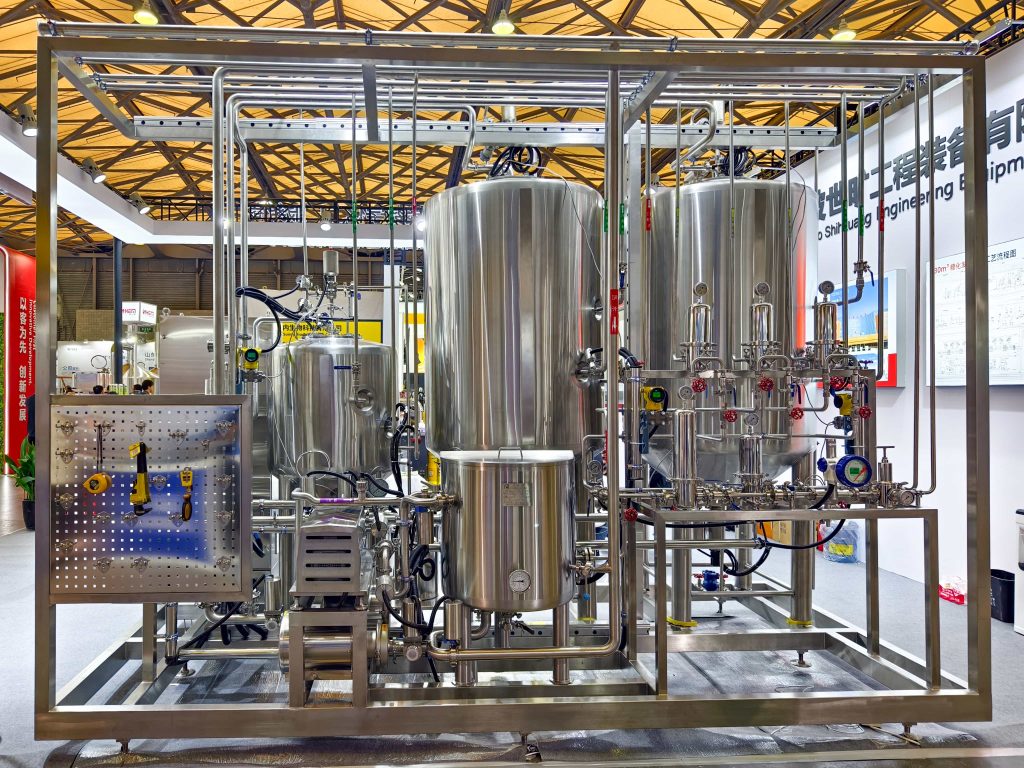
What Is Fermented Yeast, and Why Does It Matter?
Fermented yeast refers to yeast cells that have undergone the fermentation process, converting sugars in wort into alcohol, carbon dioxide, and a range of flavor compounds that define a beer’s character. The most common yeast used in brewing is Saccharomyces cerevisiae (for ales) and Saccharomyces pastorianus (for lagers), both of which are eukaryotic single-celled fungi with unique metabolic properties. Unlike wild yeasts, these cultivated strains are chosen for their predictability, flavor contributions, and ability to thrive in brewing environments.
Fermenting yeast is the active, living stage of this process—yeast cells that are actively consuming sugars and producing the byproducts that make beer distinct. Without healthy, viable fermenting yeast, fermentation will be slow, incomplete, or produce off-flavors (such as diacetyl, acetaldehyde, or excessive esters). This is why yeast management—from propagation to storage—is one of the most critical aspects of brewing, directly impacting the quality, consistency, and efficiency of your operation.

Yeast Propagation: Growing Healthy Fermenting Yeast for Optimal Fermentation
Yeast propagation is the process of growing and multiplying yeast cells to create a sufficient, healthy population for fermentation. For brewers, especially those looking to reuse yeast or scale production, proper propagation ensures that fermenting yeast is vigorous, contamination-free, and capable of completing fermentation efficiently. Poor propagation can lead to under-pitched yeast, stuck fermentations, and inconsistent flavor profiles.
The propagation process begins with a small amount of yeast (a starter culture) and provides it with the ideal conditions to multiply: oxygen-rich wort, controlled temperature, and proper nutrition. Oxygen is critical in the early stages of propagation, as yeast needs it to synthesize sterols and unsaturated fatty acids—compounds that enable them to survive the anaerobic conditions of fermentation. Without adequate oxygen during propagation, fermenting yeast will be weak and unable to perform optimally.

Small Yeast Brink: The Unsung Hero of Yeast Management
A small yeast brink is a specialized vessel designed for the collection, storage, and transfer of yeast slurry—an essential tool for any brewer looking to reuse yeast or maintain consistent yeast quality. Unlike large storage tanks, small yeast brinks are compact, mobile, and versatile, making them ideal for microbreweries, home brewers, and operations with limited space. They play a critical role in separating yeast from trub, storing harvested yeast, and transferring it to propagation tanks or fermenters.
Key features of a high-quality small yeast brink (like those offered by SKE) include welded wheels for easy mobility, allowing brewers to move the brink from the fermenter to the cooler or propagation area with minimal effort. Many small yeast brinks also feature false bottoms, pressure lids, and transparent components, making it easy to inspect yeast slurry quality, separate layers, and ensure sterility. Some models can even double as wort grants, mini test batch fermenters, or hop backs, adding versatility to your brewing setup.
Brewers Yeast Storage: Preserving Viability for Reuse and Consistency
Brewers yeast storage is a critical step in yeast management, as it directly impacts the viability and performance of fermented yeast in future batches. Proper storage ensures that yeast remains healthy, active, and free from contamination, allowing brewers to reuse yeast multiple times (a cost-saving practice) while maintaining consistent flavor profiles. Poor storage, on the other hand, leads to yeast death, contamination, and inconsistent fermentation results.
The key principles of brewers yeast storage are temperature control, sterility, and proper handling. Yeast should be stored at low temperatures (ideally 1°C to 4°C / 34°F to 39°F) to slow down metabolic activity and preserve viability. Storing yeast at warmer temperatures accelerates cell death and increases the risk of bacterial contamination. Additionally, yeast should never be stored on the cone of a fermenter or under beer, as beer is a nutrient-poor environment that causes viability to drop rapidly—often by over 50% within 48 hours, even at cold temperatures.
Harvesting yeast correctly is the first step in proper storage. Brewers should harvest yeast immediately after reaching final gravity (before diacetyl rest), discarding the top and bottom layers of the yeast slurry (which contain trub, dead cells, and contaminants) and collecting only the middle layer—the healthiest, most viable yeast cells. After harvesting, yeast should be cleaned (using methods like chlorine dioxide treatment, which is effective against bacteria while gentle on yeast) and stored in a sterile, airtight container (like a small yeast brink) in a cold room or refrigerator.
SKE Equipment for Fermented Yeast Management: A Complete Solution
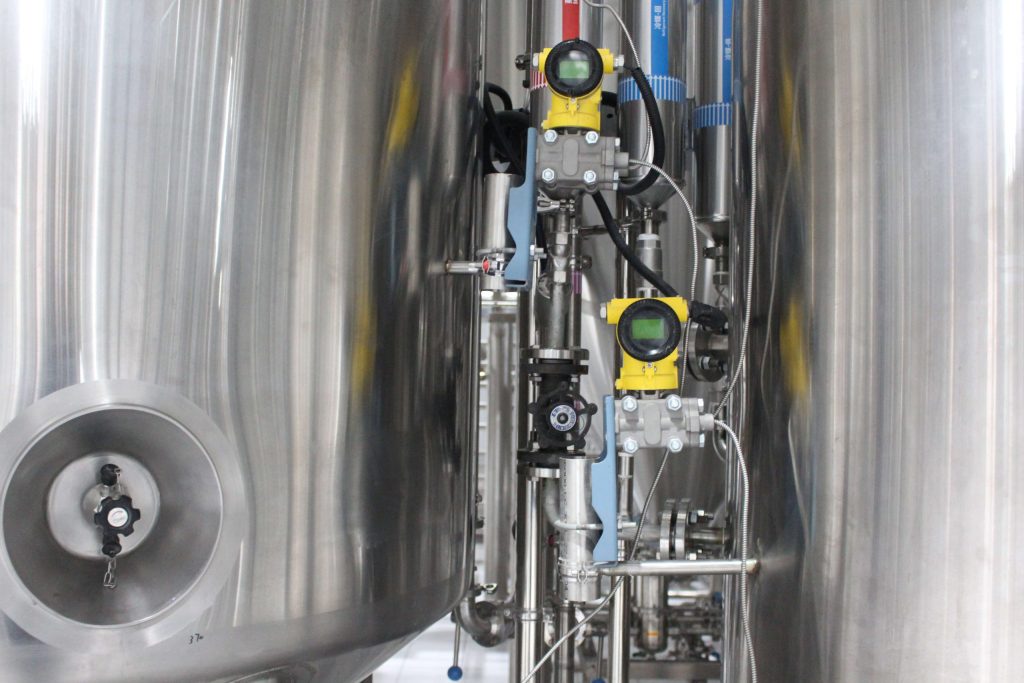
SKE understands that effective yeast management requires more than just knowledge—it requires the right tools. Our comprehensive lineup of brewing equipment is designed to support every stage of fermented yeast management, from propagation to storage, ensuring that your yeast remains healthy, viable, and consistent.
Our yeast propagation systems are engineered to create the ideal environment for growing healthy fermenting yeast, with features like O2 aeration, precise temperature control, and sterile design to prevent contamination. Our small yeast brinks are compact, mobile, and versatile, perfect for harvesting, storing, and transferring yeast slurry in breweries of all sizes. Additionally, we offer cold storage tanks, CIP systems, and rotor pumps to streamline yeast handling and ensure sterility at every step.
At SKE, we don’t just sell equipment—we partner with brewers to optimize their processes. Our team of experts has years of experience in brewing and yeast management, and we can help you select the right equipment for your specific needs, whether you’re a small craft brewery or a large commercial operation. With SKE equipment, you can trust that your fermented yeast is in good hands, leading to consistent, high-quality brews every time.
Brewers Yeast Storage and Propagation Best Practices (Table)
The following table summarizes key best practices for brewers yeast storage, yeast propagation, and small yeast brink use, along with common mistakes to avoid. This reference is designed to help brewers of all levels maintain healthy fermented yeast and optimize their processes.
|
Process
|
Best Practices
|
Common Mistakes
|
SKE Equipment Solution
|
|---|---|---|---|
|
Yeast Propagation
|
1. Use oxygen-rich wort for early-stage growth. 2. Control temperature (18-24°C for ales, 7-13°C for lagers). 3. Ensure sterility to prevent contamination. 4. Use a starter culture from healthy fermented yeast.
|
1. Inadequate oxygen during propagation. 2. Poor sterility leading to bacterial contamination. 3. Incorrect temperature control. 4. Using weak or contaminated starter yeast.
|
Single-stage yeast propagation setup with O2 aeration, heating/cooling control, and CIP/steam sterilization.
|
|
Brewers Yeast Storage
|
1. Store at 1-4°C (34-39°F) in a sterile container. 2. Harvest only the middle layer of yeast slurry. 3. Clean yeast with chlorine dioxide before storage. 4. Use airtight containers to prevent contamination.
|
1. Storing yeast at warm temperatures. 2. Storing yeast on fermenter cones or under beer. 3. Using unsterilized containers. 4. Harvesting yeast too late or using top/bottom slurry layers.
|
Small yeast brinks, cold storage tanks, and CIP systems for sterility.
|
|
Small Yeast Brink Use
|
1. Clean and sterilize before use. 2. Use wheels for easy mobility between fermenters and coolers. 3. Inspect yeast slurry through transparent components. 4. Use false bottoms to separate yeast from trub.
|
1. Reusing brinks without proper cleaning. 2. Overfilling or underfilling the brink. 3. Moving the brink without securing the lid. 4. Using non-food-grade materials.
|
Stainless steel small yeast brinks with wheels, false bottoms, and pressure lids.
|
|
Fermenting Yeast Care
|
1. Pitch the correct amount of yeast for wort volume. 2. Control fermentation temperature to avoid off-flavors. 3. Ensure adequate aeration before fermentation. 4. Monitor fermentation progress regularly.
|
1. Under-pitching or over-pitching yeast. 2. Fluctuating fermentation temperatures. 3. Inadequate aeration of wort. 4. Ignoring signs of stuck fermentation.
|
Fermenters with temperature control, aeration systems, and monitoring tools.
|
FAQ: Common Questions About Fermented Yeast, Storage, and Propagation
Below are answers to the most frequently asked questions about fermented yeast, brewers yeast storage, small yeast brinks, yeast propagation, and fermenting yeast. These insights are based on SKE’s industry experience and best practices in brewing equipment and yeast management.
Q1: How long can I store fermented yeast, and what is the best way to maintain viability?
Fermented yeast can be stored for up to 2 weeks at 1-4°C (34-39°F) if properly cleaned and stored in a sterile, airtight container (like a small yeast brink). Washed and fed yeast can retain high viability for this period, while unwashed yeast may have a shorter shelf life. To maintain viability, avoid temperature fluctuations, ensure sterility, and discard any yeast that smells off, appears discolored, or has visible contamination. For longer storage (up to 3 years), yeast can be frozen, but this requires specialized handling to prevent cell death—we recommend consulting SKE’s experts for frozen yeast storage guidance.
Q2: Can I reuse fermented yeast, and how many times is it safe to do so?
Yes, fermented yeast can be reused multiple times (typically 3-5 batches) if it is properly harvested, cleaned, and stored. Reusing yeast is a cost-effective practice that also helps maintain flavor consistency, as the yeast adapts to your brewing environment over time. However, each reuse increases the risk of contamination and yeast degradation, so it’s important to monitor yeast health closely. SKE’s small yeast brinks and cleaning systems help minimize this risk by ensuring sterility and proper yeast handling.
Q3: What is the role of a small yeast brink in brewers yeast storage, and why is it better than other containers?
A small yeast brink is designed specifically for yeast slurry handling, with features that make it superior to generic containers. Its compact size and wheels allow for easy mobility, making it simple to transfer yeast from fermenters to coolers or propagation tanks. False bottoms help separate yeast from trub, while pressure lids and sterile design prevent contamination. Unlike large tanks, small yeast brinks are easy to clean and sanitize, and they allow for precise control over yeast volume—critical for consistent pitching rates. SKE’s small yeast brinks are also made from food-grade stainless steel, ensuring durability and compatibility with brewing processes.
Q4: What happens if I use fermenting yeast that is not properly propagated?
Improperly propagated fermenting yeast will lead to a range of issues, including slow fermentation, stuck fermentation (where yeast stops converting sugar into alcohol), and off-flavors. Weak yeast may produce excessive diacetyl (butter flavor), acetaldehyde (green apple flavor), or esters (unbalanced fruit flavors). In severe cases, under-propagated yeast may fail to ferment at all, resulting in a sweet, uncarbonated wort. SKE’s yeast propagation systems are designed to avoid these issues by providing the ideal conditions for yeast growth, ensuring that your fermenting yeast is vigorous and capable of completing fermentation efficiently.
Q5: How do I know if my fermented yeast is still viable and safe to use?
To check yeast viability, you can perform a simple viability test: mix a small amount of yeast slurry with wort in a test tube, and observe for signs of fermentation (bubbling, foam) within 24-48 hours. Viable yeast will actively ferment the wort, while non-viable yeast will show no activity. Additionally, inspect the yeast slurry for color (it should be creamy white or light tan) and smell (it should have a fresh, yeasty aroma—no sour, putrid, or off odors). If the yeast is discolored, has a bad smell, or shows no fermentation in the test, it should be discarded. SKE’s experts can also provide guidance on yeast viability testing and proper handling.
Contact Us
If you have any further questions, feel free to reach out!
- Facebook: SKE Equipment Facebook
- Email: info@skeequipment.com
For more personalized assistance, please fill out the contact form at the bottom of this page. We look forward to helping you with your brewing needs!