
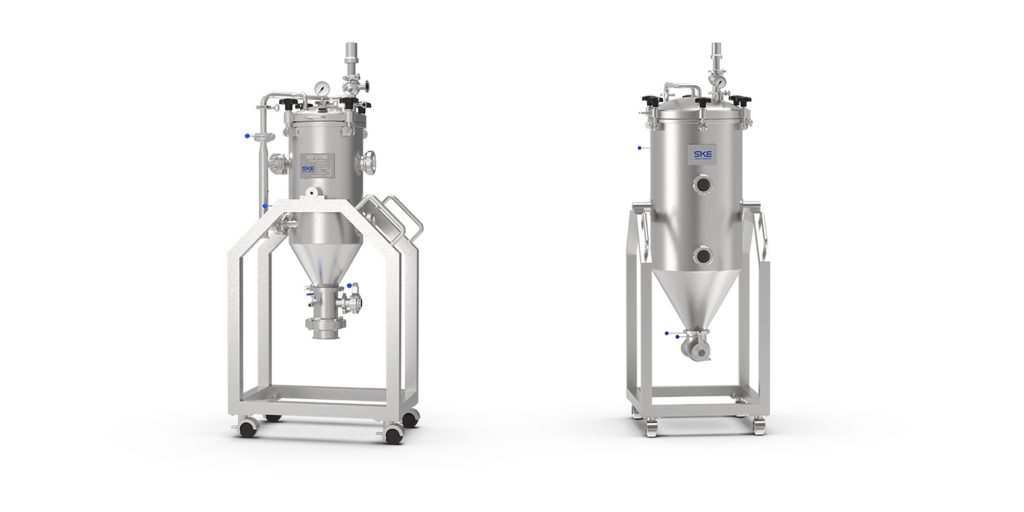
What Is a Hop Gun, and Why Is It Essential for Dry Hopping?
A hop gun is a specialized brewing tool designed to simplify and optimize the dry hopping process—the practice of adding hops to beer after the boiling stage, typically during fermentation or conditioning. Unlike traditional dry hopping methods that involve directly adding loose hops or hop pellets to the fermenter, a hop gun allows brewers to infuse hop aroma and flavor into the beer without introducing excess sediment or clogging brewing equipment.
The core purpose of a hop gun is to create a controlled environment for hop extraction, ensuring that the volatile aromatic oils in hops are efficiently transferred to the beer while minimizing oxidation and waste. This is critical because the aromatic compounds in hops are highly volatile—boiling them would cause most of these oils to evaporate, leaving only bitter resins. Dry hopping with a hop gun preserves these delicate aromas, resulting in a beer that is bright, fragrant, and balanced.
For commercial brewers, consistency is key, and a hop gun delivers just that. It eliminates the variability of manual hop addition, ensuring that each batch of beer has the same aromatic profile. For home brewers, a hop gun simplifies the dry hopping process, making it accessible even for those new to craft brewing. When paired with a brew beer dry hop filter and beer brew bag, a hop gun becomes part of a streamlined system that reduces cleanup time and improves overall brewing efficiency.
The Science Behind Hop Gun Dry Hopping
To fully appreciate the value of a hop gun, it’s important to understand the science of dry hopping. Hops contain two primary compounds that impact beer flavor and aroma: alpha acids (which contribute bitterness) and essential oils (which provide the characteristic hoppy aromas—citrus, pine, floral, tropical, etc.). During boiling, alpha acids isomerize (change structure) to become soluble, adding bitterness to the beer. Essential oils, however, are volatile and will evaporate if exposed to high heat.
Dry hopping skips the boiling stage, adding hops to the beer when it’s cool (typically between 40°F and 70°F) during fermentation or conditioning. This allows the essential oils to dissolve into the beer without evaporating, enhancing its aroma and flavor without increasing bitterness. A hop gun accelerates this process by circulating the beer through a chamber filled with hops (often contained in a beer brew bag), increasing the surface area contact between the beer and the hops.
The controlled circulation of beer through the hop gun ensures that every drop comes into contact with the hops, maximizing aroma extraction. Additionally, the closed system of a hop gun minimizes oxidation—exposure to oxygen during dry hopping can lead to off-flavors (like cardboard or stale notes) and reduce the beer’s shelf life. By keeping the process sealed, a hop gun preserves the beer’s freshness and integrity.
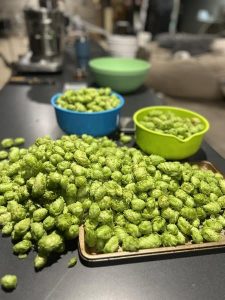
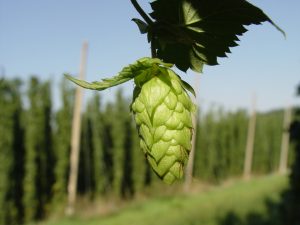
Hop Gun vs. Traditional Dry Hopping Methods
Before the advent of hop guns, brewers relied on two primary dry hopping methods: loose hop addition and hop bags. While these methods work, they come with significant drawbacks that hop guns are designed to solve. Understanding the differences will help you see why a hop gun is a worthwhile investment for any serious brewer.
Loose hop addition involves adding hop pellets or whole hops directly to the fermenter. While simple, this method often leads to excess sediment in the beer, which can clog filters, transfer lines, and kegs. It also results in uneven aroma distribution—hops may clump together, leaving some areas of the beer under-hopped and others over-hopped. Cleanup is also a hassle, as loose hops can be difficult to remove from the fermenter.
Hop bags (a type of beer brew bag) improve on loose addition by containing the hops, reducing sediment. However, hop bags can limit surface area contact between the beer and hops, leading to inefficient aroma extraction. They also require manual agitation to ensure the beer circulates through the hops, which increases the risk of oxidation. Additionally, hop bags can burst or leak, introducing sediment into the beer.
A hop gun addresses all these issues. By circulating beer through a chamber with hops (often in a beer brew bag), it maximizes surface area contact, ensuring efficient aroma extraction. The closed system minimizes oxidation, and the design prevents sediment from entering the main fermenter or transfer lines. Cleanup is simplified, as the hops are contained in the hop gun chamber, and the system is easy to disassemble and sanitize.
Key Components of a High-Quality Hop Gun
Not all hop guns are created equal. The best hop guns are designed with durability, efficiency, and ease of use in mind. As a beer equipment manufacturer, SKE has engineered our hop guns to meet the needs of both commercial and home brewers, with features that enhance performance and simplify operation. Here are the key components that define a high-quality hop gun, like those from SKE:
1.Stainless Steel Construction: SKE hop guns are made from food-grade 304 stainless steel, which is corrosion-resistant, easy to sanitize, and durable enough to withstand the rigors of regular brewing. Stainless steel also does not react with the beer, ensuring no off-flavors are introduced.
2. Hop Chamber: The hop chamber is the heart of the hop gun, where the hops (contained in a beer brew bag) are placed. SKE’s hop chambers are designed with a large capacity, allowing for generous hop additions (critical for styles like double IPAs). The chamber also features a mesh screen to prevent hop debris from entering the beer, working in tandem with a brew beer dry hop filter.
3. Circulation System: A high-quality hop gun requires a reliable circulation system to move beer through the hop chamber. SKE’s hop guns are compatible with standard brewing pumps, allowing for adjustable flow rates. This ensures that the beer circulates at the optimal speed for aroma extraction—too slow, and extraction is inefficient; too fast, and the hops are not properly saturated.
4. Sealed Connections: To minimize oxidation, SKE hop guns feature airtight connections (including quick-disconnect fittings) that prevent air from entering the system. This preserves the beer’s freshness and ensures that the aromatic oils are not degraded by oxygen.
5. Easy Disassembly: Cleanup is a top priority for brewers, so SKE hop guns are designed to be easily disassembled. The hop chamber, mesh screen, and beer brew bag can be removed quickly, making sanitization a breeze. This saves time and ensures that the equipment is properly cleaned between batches, reducing the risk of contamination.
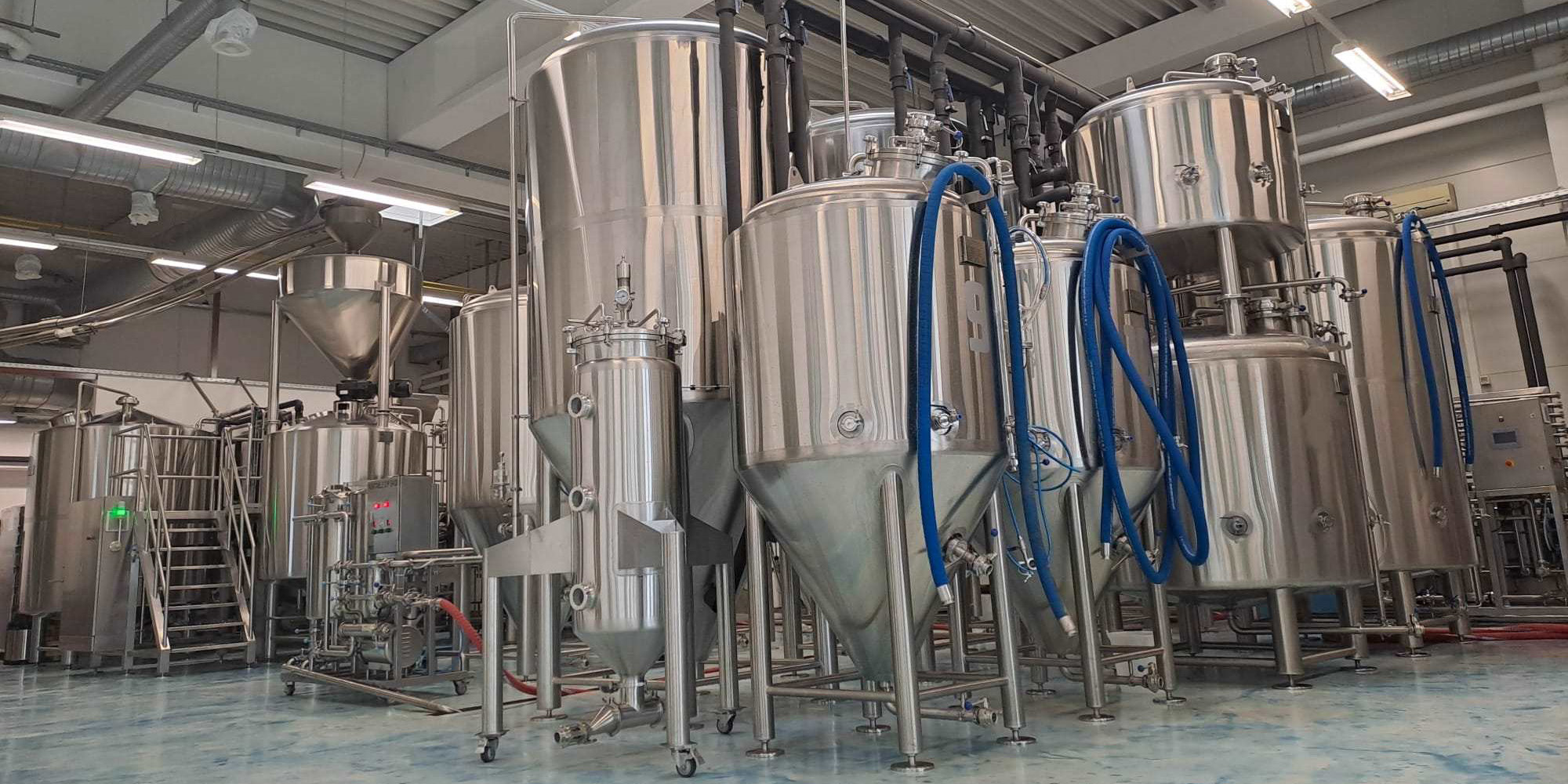
How to Use a Hop Gun: Step-by-Step Guide
1. Sanitize All Equipment: Before starting, sanitize the hop gun, beer brew bag, brew beer dry hop filter, and any connecting hoses or pumps. Sanitization is critical to prevent contamination, which can ruin an entire batch of beer. Use a food-grade sanitizer (like Star San) and follow the manufacturer’s instructions.
2. Prepare the Hops: Choose your hop variety (based on the desired aroma profile) and measure the correct amount. For most styles, dry hopping rates range from 0.5 to 2 ounces per gallon of beer. Place the hops in a beer brew bag—this keeps them contained and makes cleanup easier. Tie the bag securely to prevent leaks.
3. Set Up the Hop Gun: Insert the beer brew bag into the hop chamber of the hop gun. Secure the chamber lid tightly to ensure an airtight seal. Connect the hop gun to the fermenter using sanitized hoses and a pump. One hose should draw beer from the fermenter into the hop gun, and the other should return the hopped beer back to the fermenter.
4. Start Circulation: Turn on the pump to begin circulating the beer through the hop gun. Adjust the flow rate to ensure the beer moves slowly enough to allow the hops to saturate but quickly enough to maximize surface area contact. For most systems, a flow rate of 1-2 gallons per minute is ideal.
5. Monitor the Dry Hopping Process: The length of time you circulate the beer through the hop gun depends on the desired aroma intensity. Most brewers leave the hop gun running for 24-48 hours, but this can vary based on hop variety and beer style. For a more intense aroma, extend the circulation time; for a more subtle aroma, shorten it.
6. Remove the Hop Gun: Once dry hopping is complete, turn off the pump and disconnect the hop gun. Remove the beer brew bag from the hop chamber and discard the used hops. Sanitize the hop gun and all components before storing.
7. Filter (Optional): For extra clarity, run the hopped beer through a brew beer dry hop filter to remove any remaining sediment. This step is especially important for commercial brewers or home brewers who want a crystal-clear beer.
Essential Accessories for Hop Gun Dry Hopping
A hop gun is most effective when paired with the right accessories. The key accessories for hop gun dry hopping include beer brew bags, brew beer dry hop filters, and brewing pumps. These tools work together to streamline the process, improve efficiency, and ensure the highest quality results. Here’s a breakdown of each accessory and why it’s important:
Beer Brew Bags: Beer brew bags are essential for containing hops in the hop gun. They prevent loose hops from entering the beer, reducing sediment and clogging.
Brew Beer Dry Hop Filters: While hop guns and beer brew bags reduce sediment, a brew beer dry hop filter provides an extra layer of clarity. These filters remove any remaining hop debris, yeast, or other particles, resulting in a cleaner, clearer beer.
Brewing Pumps: A reliable brewing pump is necessary to circulate beer through the hop gun.
Common Dry Hopping Mistakes to Avoid (With Hop Gun Solutions)
Even with the best equipment, dry hopping can go wrong if you’re not careful. Here are some common mistakes brewers make when dry hopping, and how a hop gun (paired with beer brew bags and brew beer dry hop filters) can help you avoid them:
Mistake 1: Over-Hopping: Adding too many hops can result in a beer that is overly bitter or has a harsh, grassy aroma. A hop gun helps you control the hop addition by allowing you to measure the exact amount of hops and adjust the circulation time to achieve the desired intensity. SKE’s hop chambers are marked with volume measurements, making it easy to add the correct amount of hops.
Mistake 2: Oxidation: Exposing beer to oxygen during dry hopping can lead to off-flavors. A hop gun’s closed system minimizes oxidation by keeping the beer sealed throughout the process. SKE’s airtight connections and sealed hop chamber ensure that no air enters the system, preserving the beer’s freshness.
Mistake 3: Clogging: Loose hops or poorly contained hops can clog transfer lines, filters, and kegs. Using a beer brew bag in the hop gun contains the hops, preventing debris from entering the system. SKE’s hop chambers also feature a mesh screen that adds an extra layer of protection, working with the brew beer dry hop filter to keep lines clear.
Mistake 4: Uneven Aroma Distribution: Without proper circulation, hops can clump together, leading to uneven aroma distribution. A hop gun’s circulation system ensures that the beer flows evenly through the hops, resulting in a consistent aroma throughout the batch. SKE’s adjustable flow rate allows you to fine-tune the circulation to achieve the perfect balance.
Hop Gun Maintenance: Keeping Your Equipment in Top Shape
1. Clean Immediately After Use: After dry hopping, disassemble the hop gun and clean all components with warm, soapy water. Remove any hop residue from the hop chamber, mesh screen, and connections. This prevents residue buildup, which can harbor bacteria and affect future batches.
2. Sanitize Regularly: After cleaning, sanitize all components using a food-grade sanitizer. This kills any remaining bacteria or yeast, ensuring that your equipment is ready for the next batch. Pay special attention to hard-to-reach areas, like the hop chamber and connections.
3. Inspect for Wear and Tear: Regularly inspect the hop gun for signs of wear, such as rust, cracks, or loose connections. Replace any damaged parts immediately to prevent leaks or contamination.
4. Store Properly: Store the hop gun and accessories in a clean, dry place. Avoid storing them in damp or humid areas, which can lead to rust or mold. Beer brew bags should be dried completely before storing to prevent mildew.
5. Clean Brew Beer Dry Hop Filters: After use, clean the filter with warm, soapy water and rinse thoroughly. For fine filters, use a soft brush to remove any debris. Sanitize the filter before storing to prevent contamination.
Dry Hopping Hop Varieties: Pairing Hops with Your Hop Gun
The choice of hop variety has a significant impact on the final aroma and flavor of your beer. Different hop varieties have unique aromatic profiles, and using a hop gun allows you to maximize their potential. Here are some popular hop varieties for dry hopping, along with their flavor profiles and ideal beer styles:
|
Hop Variety
|
Aroma Profile
|
Ideal Beer Styles
|
Dry Hopping Rate (Per Gallon)
|
|---|---|---|---|
|
Citra
|
Tropical (mango, pineapple), citrus (grapefruit), floral
|
IPA, Hazy IPA, Pale Ale
|
1-1.5 ounces
|
|
Mosaic
|
Berry (blueberry, blackberry), tropical, pine, earthy
|
Double IPA, Hazy IPA, Stout
|
1-2 ounces
|
|
Amarillo
|
Citrus (lemon, orange), floral, pine
|
IPA, Pale Ale, Blonde Ale
|
0.75-1.25 ounces
|
|
Simcoe
|
Pine, citrus (grapefruit), earthy, herbal
|
IPA, Brown Ale, Porter
|
1-1.5 ounces
|
|
Galaxy
|
Tropical (passion fruit, mango), citrus, floral
|
Hazy IPA, IPA, Sour Ale
|
1-1.75 ounces
|
When using a hop gun, it’s important to choose hops that are fresh—old hops will have lost much of their aromatic oils, resulting in a weak or stale aroma. SKE recommends storing hops in a cool, dry place (or freezing them) to preserve their freshness.
FAQ: Hop Gun and Dry Hopping Questions Answered
Q1: Do I need a hop gun to dry hop beer?
A: No, you don’t need a hop gun to dry hop beer—you can use loose hops or hop bags. However, a hop gun simplifies the process, improves aroma extraction, minimizes oxidation, and reduces sediment. For brewers who want consistent, high-quality results, a hop gun is a worthwhile investment.
Q2: Can I use a beer brew bag with a hop gun?
A: Yes! In fact, using a beer brew bag with a hop gun is highly recommended. The beer brew bag contains the hops, preventing debris from entering the hop gun’s circulation system and the main fermenter.
Q3: Can I reuse hops in a hop gun?
A: It’s not recommended to reuse hops in a hop gun. Most of the aromatic oils are extracted during the first use, so reusing hops will result in a weak, underwhelming aroma. Additionally, used hops can harbor bacteria or yeast, which can contaminate future batches. For best results, use fresh hops for each dry hopping session.
Q4: How do I clean and sanitize my SKE hop gun?
A: After use, disassemble the hop gun and clean all components with warm, soapy water. Remove any hop residue from the hop chamber, mesh screen, and connections. Rinse thoroughly, then sanitize using a food-grade sanitizer (like Star San) for 5-10 minutes. Rinse again with clean water and dry completely before storing. Beer brew bags can be cleaned with warm, soapy water, rinsed, sanitized, and dried before reuse.
Q5: Can a hop gun be used for wet hopping?
A: While hop guns are primarily designed for dry hopping (adding hops after boiling), they can be used for wet hopping (adding fresh, un dried hops) with some modifications. Wet hops have a higher moisture content, so you may need to use a larger beer brew bag and adjust the circulation time to account for the extra moisture. However, dry hopping is the primary use for hop guns, as wet hopping requires fresh hops that are used immediately after harvesting.
Contact Us
If you have any further questions, feel free to reach out!
- Facebook: SKE Equipment Facebook
- Email: info@skeequipment.com
For more personalized assistance, please fill out the contact form at the bottom of this page. We look forward to helping you with your brewing needs!